

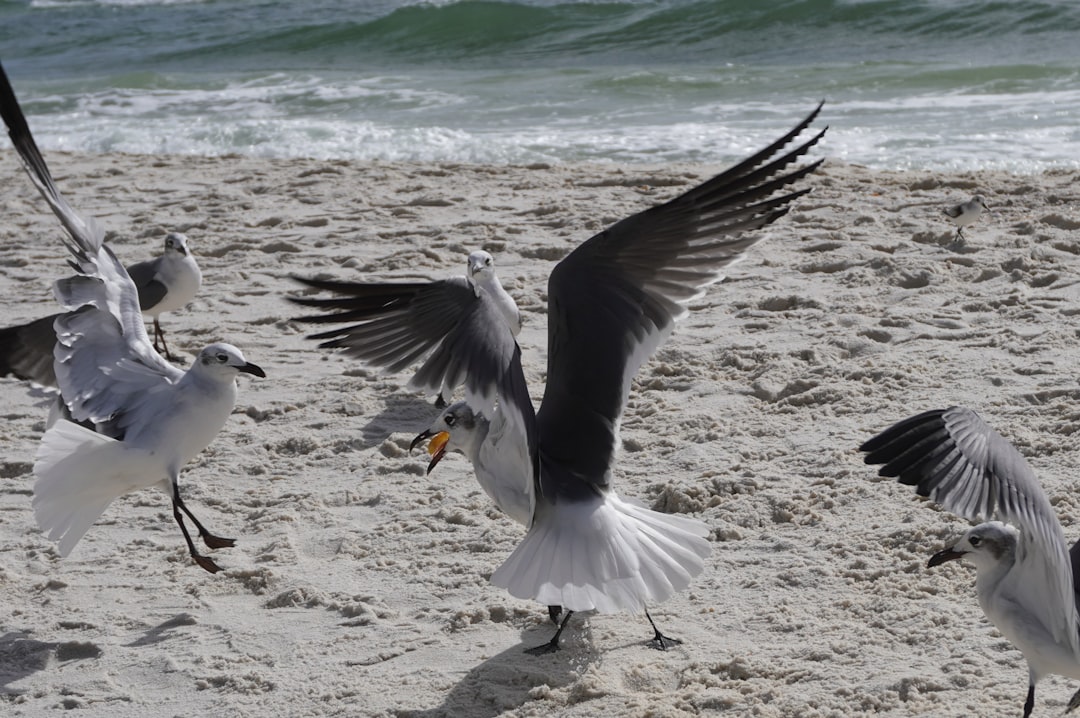
Gulf Coast – The Deepwater Horizon oil spill unleashed more than 134 million gallons of crude into the Gulf of Mexico starting in April 2010, coating vital habitats and killing tens of thousands of birds over 87 grueling days.[1][2] Government assessments pegged direct bird deaths at 50,000 to 100,000, though broader estimates reached one million across 93 species.[3] Restoration efforts funded by an $8.8 billion BP settlement have delivered tangible gains, yet full recovery demands unwavering focus amid persistent environmental pressures.
A Catastrophe That Silenced the Skies
The explosion on April 20, 2010, triggered an environmental nightmare that smothered beaches, marshes, barrier islands, and open waters essential for bird nesting, foraging, and migration.[1] Oil slicked feathers, poisoned prey, and destroyed nests, hitting species already teetering on vulnerability. Brown pelicans suffered particularly hard, with up to 27,000 deaths in the northern Gulf alone.[2]
Federally listed species like the piping plover bore the brunt alongside others of conservation concern. The spill’s reach spanned wetlands to pelagic zones, disrupting food webs and breeding cycles for decades.
Species on the Front Lines
Dozens of birds faced direct injury, from colonial waterbirds to solitary beach nesters. Restoration targets have prioritized those with the steepest losses.
- Piping plover: Federally threatened shorebird impacted in beach habitats.
- American oystercatcher: Conservation priority, hit during nesting.
- Reddish egret and Wilson’s plover: Lost foraging grounds in marshes and islands.
- Sandwich, common, and gull-billed terns: Oiled in colonies.
- Brown pelican: Delisted from endangered status just months prior, yet suffered massive setbacks.[1]
Other species like black rail, red knot, and whooping crane escaped oiling but grapple with compounded regional threats. The strategic framework for bird restoration outlined broad categories, from marsh dwellers to pelagic wanderers, guiding projects across the Gulf and migratory routes.[4]
Restoration Wins Take Flight
Trustees channeled BP settlement funds through the Natural Resource Damage Assessment process, approving hundreds of projects across five Gulf states. Habitat rebuilding emerged as a cornerstone, creating or enhancing nesting sites to boost reproduction and survival.[1]
Queen Bess Island in Louisiana’s Barataria Bay stands as a beacon of success. Eroded to under five acres, an $18.7 million expansion grew it to 37 acres of prime habitat. Surveys in 2023 tallied nearly 30,000 birds, including 6,000 brown pelican nests—twice the pre-spill count.[1][3] Such efforts also incorporate derelict gear removal, platform lighting modifications, and colony re-establishment using decoys and acoustics.[4]
| Species | Pre-Spill Status | Post-Restoration Progress |
|---|---|---|
| Brown Pelican | Delisted 2009 | Doubled nests on restored islands |
| Royal Tern | Colonial nester | Increased counts at Queen Bess |
| Piping Plover | Threatened | Targeted habitat gains |
Threats Linger in the Shadows
Progress tempers caution, as habitat loss, oil and gas extraction, and climate shifts erode gains. Barrier islands vanish under erosion, while warmer waters alter prey distribution. Species rebounding from near-extinction, like brown pelicans, remain susceptible to new shocks.
Monitoring reveals uneven recovery: some populations climb, but food web disruptions persist. Trustees conduct ongoing reviews, adapting strategies to safeguard against compounded stressors. Sustained funding and vigilance prove essential to prevent backsliding.
The National Wildlife Federation highlighted how healthy habitats enable comebacks, underscoring the need for persistent investment.[3]
Key Takeaways
- Restoration has doubled nesting success for brown pelicans on rebuilt islands.
- 93 bird species affected; focus remains on threatened shorebirds and terns.
- Ongoing threats demand long-term commitment beyond the 2016 settlement.
Sixteen years post-spill, Gulf birds embody resilience forged through deliberate restoration, yet their story warns of fragility in a changing world. Protecting these hard-won advances requires collective resolve for generations ahead. What do you think about the progress? Tell us in the comments.

- Urban Coyotes Show Remarkable Adaptability, Learning to Thrive in City Environments - July 22, 2026
- Beavers Are Nature’s Engineers, Creating Vital Habitats for Other Wildlife Species - July 21, 2026
- The Recovery of the California Condor Offers Hope for Other Critically Endangered Birds - July 21, 2026