

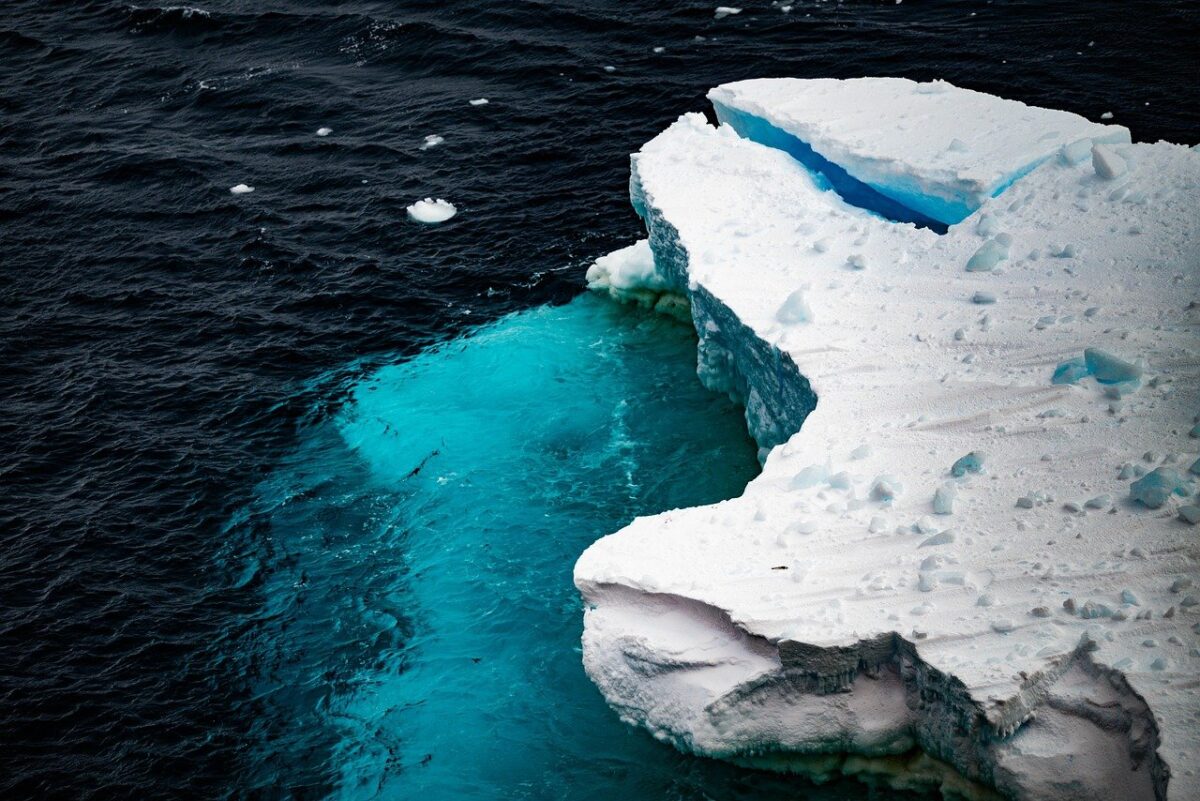

A Chilling Spring Snapshot Emerges (Image Credits: Pixabay)
Antarctica – The Amundsen-Scott South Pole Station registered a stark temperature drop to minus 61.3 degrees Celsius on October 15, 2025, the lowest October reading in over four decades.[1][2]
A Chilling Spring Snapshot Emerges
Researchers at the station captured the extreme low at 07:00 local time, plunging temperatures to levels unseen in October since 1981.[3] This event unfolded as Antarctica transitioned from winter into spring, a period when sunlight begins to return after months of polar night. The reading underscored the continent’s capacity for sudden, intense cold spells even during warming seasons.
Station personnel noted the mercury’s sharp decline amid clear skies and calm winds, conditions that often amplify cooling over the high plateau. Such snaps remind observers of the region’s volatile weather patterns, where elevation and isolation play key roles. The Amundsen-Scott facility, perched at 2,835 meters above sea level, routinely faces such rigors.[2]
Decades of Data Reveal Patterns
Continuous measurements at the South Pole have tracked since 1957, providing a long baseline for extremes. The 2025 low surpassed all October marks from the intervening years but fell short of the station’s all-time record of minus 82.8 degrees Celsius set in 1982.[2] In 1981, October temperatures dipped even lower to minus 72 degrees Celsius, marking the benchmark this recent event approached.
Historical logs show October variability, with averages hovering around minus 30 to minus 40 degrees Celsius. Yet outliers like these highlight natural fluctuations driven by atmospheric dynamics over the East Antarctic Plateau.
- 1957: Start of automated records at the station.
- 1981: Previous October benchmark at minus 72 degrees Celsius.
- 1982: Overall station record low of minus 82.8 degrees Celsius.
- 2021: Coldest winter average on record at minus 61 degrees Celsius for April-September.[4]
- 2025: October 15 low ties for recent extremes.
Life and Science Amid the Freeze
The United States Antarctic Program operates the station under the National Science Foundation, supporting around 150 summer staff and 50 overwinterers. Daily operations persist through such colds, with heated structures and specialized gear essential for survival. Winter crews endured the polar night leading up to this spring chill, conducting atmospheric and astrophysics research.
Extreme temperatures test equipment and human endurance alike. Past seasons, like 2021’s record winter, forced adaptations in logistics and safety protocols. This October event prompted no major disruptions but reinforced the need for robust monitoring.[5]
Context in Antarctic Sea Ice Trends
While the South Pole froze, broader Antarctic conditions showed mixed signals. Sea ice reached its winter maximum of 17.81 million square kilometers on September 17, 2025, the third-smallest extent in 47 years of satellite observations – 900,000 square kilometers below the 1981-2010 average.[2] Arctic sea ice, by contrast, hit a minimum of 1.6 million square kilometers on September 10, tying for the joint tenth-lowest.
These metrics illustrate regional disparities in polar ice dynamics. Inland plateaus like the South Pole often diverge from coastal and sea ice behaviors due to topographic influences.
Key Takeaways
- The minus 61.3 degrees Celsius marked Antarctica’s coldest October station reading since 1981.
- Station records date back to 1957, capturing decades of polar extremes.
- Sea ice trends provide contrasting coastal context to interior chills.
This record low at the world’s southernmost point serves as a potent reminder of Antarctica’s unforgiving climate, where science thrives against the odds. What impacts do such extremes hold for polar research and beyond? Share your thoughts in the comments.

- Beavers Are Nature’s Engineers, Creating Vital Habitats for Other Wildlife Species - July 21, 2026
- The Recovery of the California Condor Offers Hope for Other Critically Endangered Birds - July 21, 2026
- Bats Play a Crucial Role in Controlling Insect Populations Across the United States - July 21, 2026