

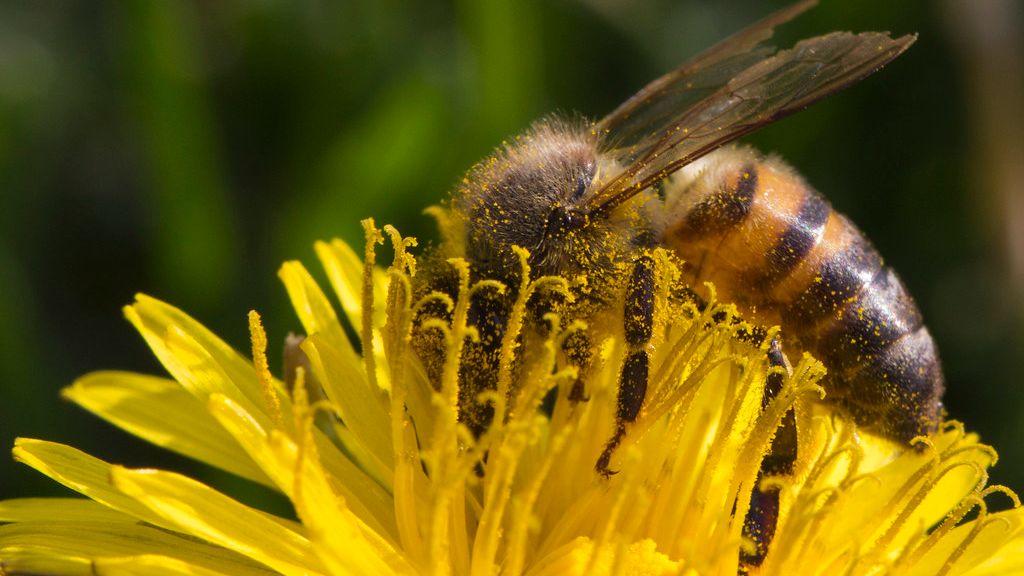
Southern California – Resilient honeybees adapted to the region’s unique environment offer a glimmer of hope amid widespread colony losses across the United States. These hybrids, blending feral stocks with diverse lineages, endure despite the relentless assault from Varroa mites, a parasite decimating hives nationwide. Beekeepers report these bees maintain lower mite loads without frequent chemical interventions. Their secret lies in defenses that begin at the larval stage, making them less appealing to the invaders.
A Standout Survivor in Bee Country
Beekeepers in Southern California have long noticed something different about certain hives. While national averages show staggering colony die-offs, these local hybrids persist with minimal intervention. The bees result from natural mixing of escaped swarms and imported varieties, creating a genetically robust population suited to the area’s mild climate and flora.
Researchers highlight how this adaptation translates to practical survival. The bees host fewer Varroa mites per individual compared to standard colonies. Treatments become rare, preserving both bee health and the ecosystem around them. This resilience points to evolutionary pressures shaping a tougher insect right under human noses.
The Varroa Menace Gripping U.S. Hives
Varroa destructor arrived in the U.S. decades ago and quickly became a top threat to managed honeybee populations. The mites latch onto bees, feeding on their fat bodies and spreading viruses that weaken and kill entire colonies. Commercial beekeepers lose up to 40 percent of their hives annually, forcing constant replacements and heavy reliance on miticides.
Standard treatments often fail over time as mites develop resistance. Hives collapse when mite levels spike unchecked. Southern California’s hybrids sidestep this cycle, carrying parasites at levels that rarely trigger alarms. This contrast underscores why scientists scrutinize these bees closely for broader lessons.
Early-Life Resistance Sets Them Apart
The most intriguing aspect emerges in the brood chambers. Varroa mites prefer reproducing in capped larvae, but these hybrid bees’ young prove less inviting. Larvae develop traits that deter mite infestation from the start, curbing population explosions within the hive.
Studies confirm lower reproduction rates among mites in these colonies. Adult bees also groom more effectively, dislodging parasites before damage mounts. Such multilayered defenses reduce the need for disruptive interventions. Beekeepers value this natural edge, as it sustains pollination services vital to crops like almonds and avocados.
Key Advantages of Southern California Hybrids:
- Far fewer Varroa mites per bee
- Rare need for chemical treatments
- Larval stage repels parasites early
- Genetic mix from feral and diverse lines
Lessons for Saving Bees Nationwide
Experts see potential in breeding programs that incorporate these resilient traits. Introducing hybrid genetics to commercial stocks could bolster defenses without overhauling operations. Trials already test crossing local survivors with vulnerable lines, aiming for wider distribution.
Challenges remain, including ensuring adaptations hold in varied climates. Still, Southern California’s bees demonstrate nature’s capacity for quick response to threats. Beekeepers elsewhere watch closely, hoping to replicate this success. Protecting pollinators like these ensures food systems stay robust for years ahead.

- Urban Coyotes Show Remarkable Adaptability, Learning to Thrive in City Environments - July 22, 2026
- Beavers Are Nature’s Engineers, Creating Vital Habitats for Other Wildlife Species - July 21, 2026
- The Recovery of the California Condor Offers Hope for Other Critically Endangered Birds - July 21, 2026