


Deep within the world’s most biodiverse ecosystem lurks an army of eight-legged marvels that would make even the bravest explorer think twice. The Amazon rainforest harbors over 3,000 known spider species, with scientists estimating that thousands more remain undiscovered in its verdant canopy. These arachnids range from tiny jumping spiders no bigger than your fingernail to massive tarantulas that could cover a dinner plate. Their hunting strategies are as diverse as their appearances, employing everything from silk traps to lightning-fast ambush tactics that would impress any military strategist.
The Goliath Birdeater: Nature’s Eight-Legged Giant

The Goliath birdeater stands as the undisputed heavyweight champion of the spider world, weighing up to 6 ounces and boasting a leg span that can reach 11 inches. Despite its intimidating name, this massive tarantula rarely feeds on birds, preferring instead to hunt frogs, insects, and small reptiles along the forest floor. Its thick, chocolate-brown body is covered in specialized hairs that can detect the slightest vibrations, making it a formidable nocturnal hunter.
What makes this giant truly remarkable is its defensive arsenal that goes beyond mere size. When threatened, the Goliath birdeater can kick off urticating hairs from its abdomen, creating an irritating cloud that sends potential predators scrambling for safety. These hairs are so effective that they can cause severe irritation to human skin and respiratory systems, proving that sometimes the best defense is a good offense.
Brazilian Wandering Spider: The Nomadic Nightmare

Unlike web-building spiders that wait patiently for prey, the Brazilian wandering spider lives up to its name by actively hunting across the forest floor each night. This aggressive arachnid possesses venom so potent that it’s considered one of the most dangerous spiders in the world, capable of causing severe neurological symptoms in humans. Its scientific name, Phoneutria, literally means “murderess” in Greek, a testament to its fearsome reputation.
What sets this spider apart is its remarkable speed and agility, able to move up to 5 feet per second when pursuing prey or escaping danger. During the day, it seeks shelter in dark, humid places like fallen logs or banana plants, which occasionally leads to unexpected encounters with humans. The spider’s distinctive threat display involves rearing up on its hind legs and showing its bright red chelicerae, creating an intimidating sight that warns potential threats to back away.
Amazon Orb Weaver: Master of Geometric Perfection
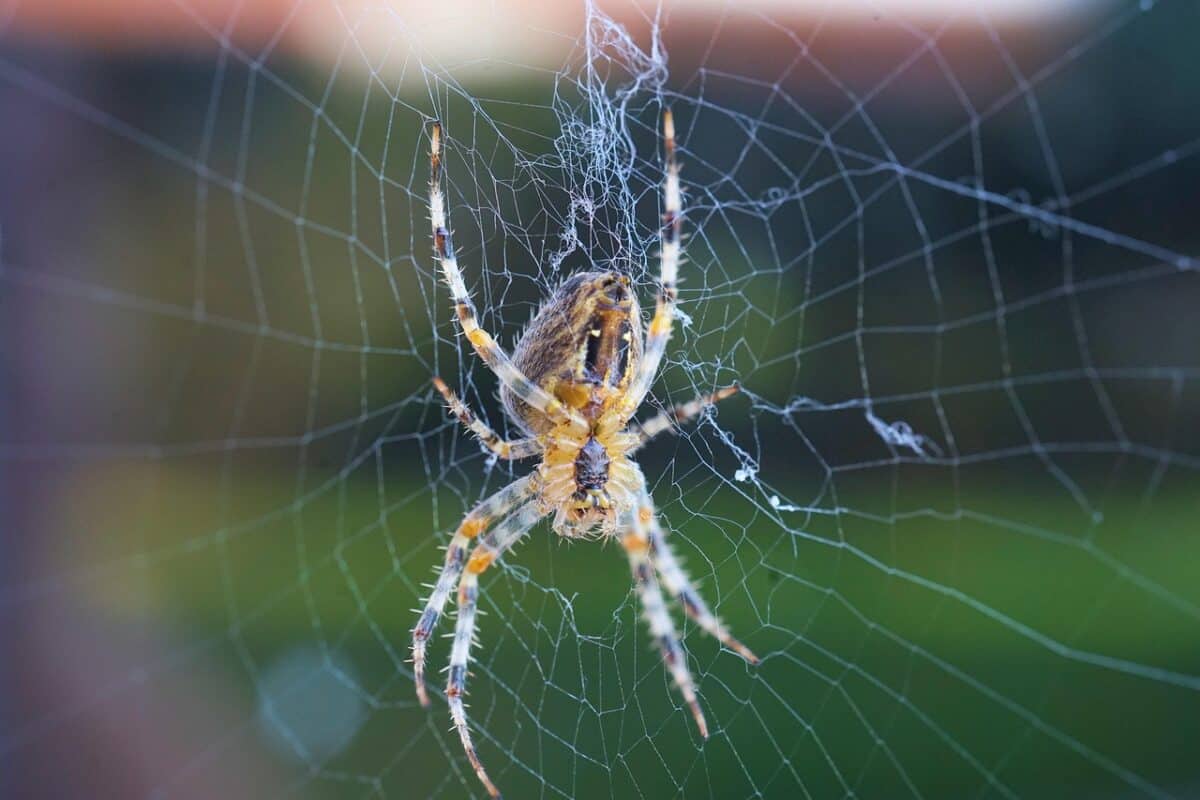
The Amazon orb weaver transforms the rainforest into a living art gallery, spinning webs that rival any human architect’s blueprint in their mathematical precision. These spiders create circular masterpieces that can span up to three feet in diameter, using silk that’s stronger than steel wire of the same thickness. Each web contains up to 20 different types of silk threads, each engineered for specific purposes from structural support to prey capture.
The engineering marvel of these webs becomes even more impressive when you consider that orb weavers must rebuild their entire construction every single night. They consume their old webs to recycle the protein, then spend hours meticulously crafting a new trap in the darkness. This nightly ritual represents one of nature’s most efficient recycling programs, with absolutely zero waste in the process.
Pink Toe Tarantula: The Gentle Giant with Style
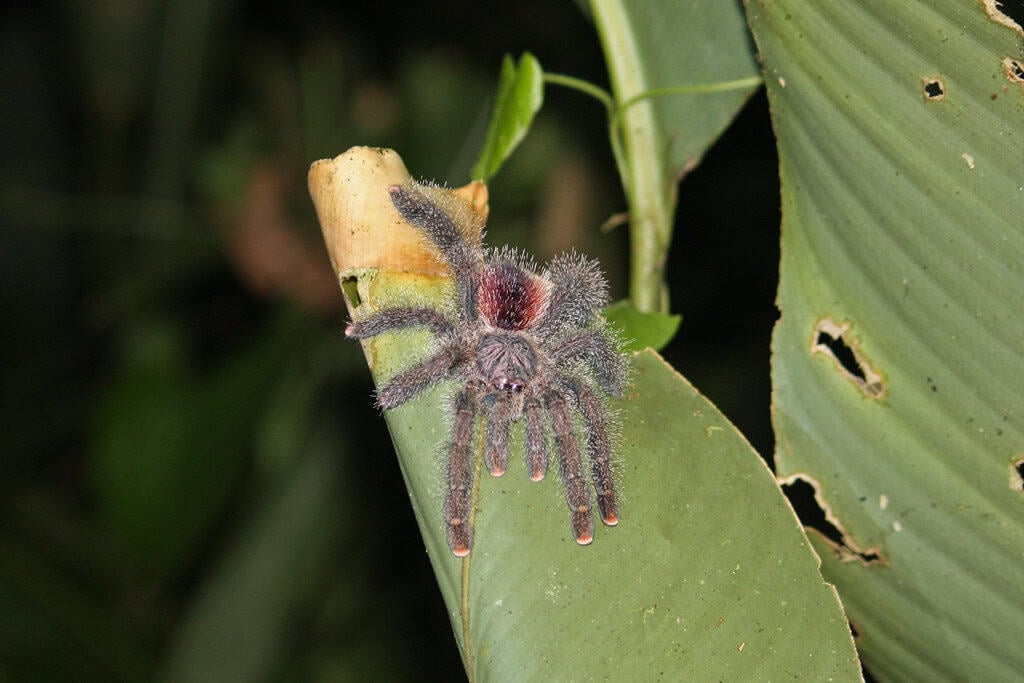
The pink toe tarantula challenges every stereotype about aggressive, dangerous spiders with its remarkably docile nature and stunning appearance. These arboreal beauties spend their lives high in the rainforest canopy, sporting jet-black bodies accented with vibrant pink or orange tips on their feet. Their calm demeanor and striking coloration have made them popular in the pet trade, though wild populations face pressure from habitat loss.
What makes pink toe tarantulas particularly fascinating is their unique hunting strategy that combines patience with precision. They construct silk-lined retreats in tree hollows or between large leaves, then wait for unsuspecting insects to wander within striking distance. Their excellent eyesight allows them to spot prey from considerable distances, and their lightning-fast reflexes ensure few meals escape once they’ve been targeted.
Huntsman Spider: The Speed Demon of the Forest Floor

Huntsman spiders patrol the Amazon forest floor like natural-born sprinters, capable of reaching speeds that would make a cheetah proud on a proportional scale. These flat-bodied arachnids can run sideways with remarkable agility, earning them the nickname “crab spiders” in some regions. Their legs can span up to 8 inches, and they use every inch of that reach to chase down prey with relentless determination.
The huntsman’s hunting technique relies on stealth and sudden bursts of speed rather than webs or traps. They possess excellent vision and can track moving prey across considerable distances before launching into a sprint that few insects can outrun. Their flattened bodies allow them to squeeze into incredibly tight spaces, making them nearly impossible to escape once they’ve locked onto a target.
Jumping Spider: Tiny Acrobat with Eagle Eyes
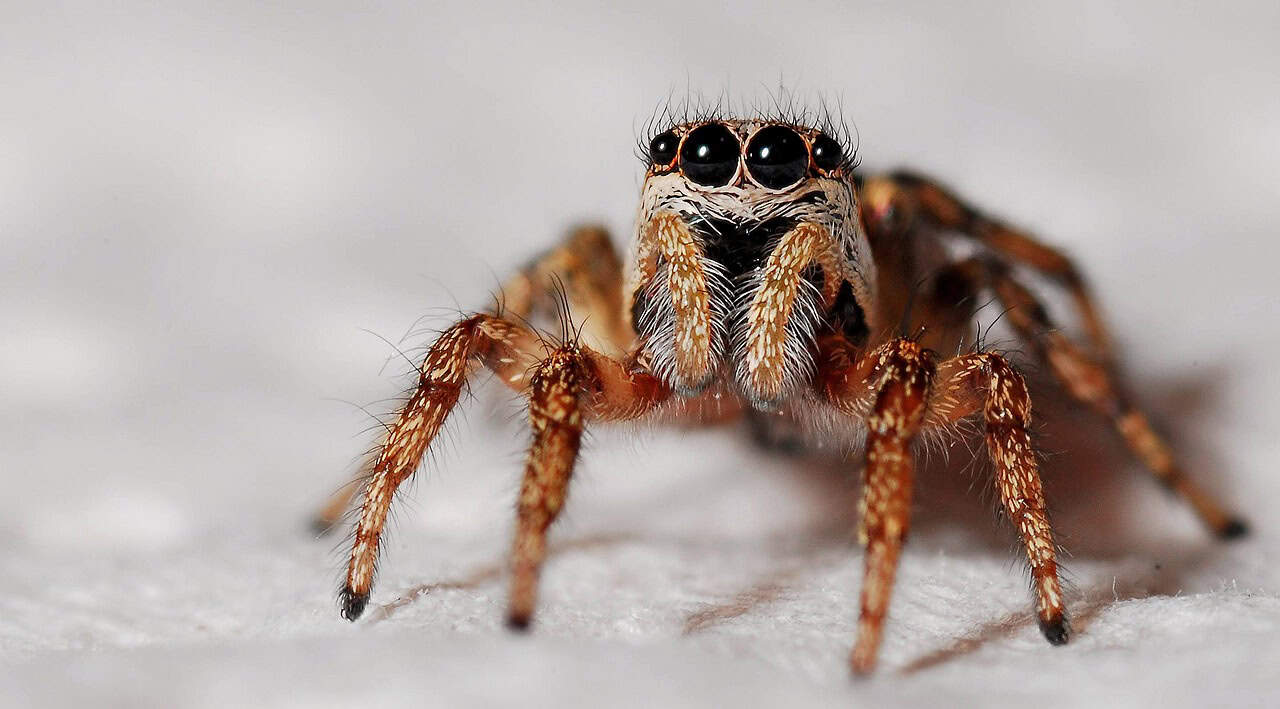
Don’t let their diminutive size fool you – jumping spiders pack more personality and hunting prowess into their tiny bodies than seems physically possible. These colorful arachnids, some no bigger than a sesame seed, possess vision so acute they can spot and track prey from distances 20 times their body length. Their four pairs of eyes work together like a sophisticated camera system, providing them with nearly 360-degree vision.
The jumping spider’s hunting technique resembles a miniature circus act, complete with death-defying leaps and perfect landings. They can jump up to 40 times their body length, using hydraulic pressure in their legs to launch themselves through the air with pinpoint accuracy. Before each jump, they carefully calculate distance and trajectory, then attach a safety line of silk to prevent fatal falls – nature’s original bungee jumper.
Wolf Spider: The Maternal Marvel

Wolf spiders redefine the concept of dedicated motherhood in the arachnid world, carrying their egg sacs attached to their spinnerets like a portable nursery. Once the spiderlings hatch, they climb onto their mother’s back, where they remain for several weeks while she continues hunting and protecting them. This remarkable maternal behavior is virtually unknown among other spider species, making wolf spiders unique in their dedication to offspring care.
These robust hunters rely on their exceptional speed and stamina to run down prey across the forest floor. Unlike many spiders that depend on webs, wolf spiders are active hunters that can pursue prey for considerable distances without tiring. Their excellent night vision and sensitive leg hairs help them detect prey vibrations, making them formidable predators in the darkness of the rainforest understory.
Banana Spider: The Golden Silk Weaver

Banana spiders create some of the most visually stunning webs in the Amazon, spinning golden silk that glimmers like precious metal in the dappled rainforest light. These semi-permanent structures can remain functional for weeks, constantly maintained and repaired by their industrious creators. The golden color isn’t just for show – it actually helps camouflage the web in the forest’s natural lighting conditions.
Female banana spiders can grow to impressive sizes, with leg spans reaching up to 5 inches, while males remain relatively tiny and often live on the edges of female webs. The sexual size dimorphism in these spiders is so extreme that males must approach females with extreme caution to avoid being mistaken for prey. Their webs often stretch between trees and can reach heights of 20 feet or more, creating aerial highways that capture flying insects throughout the day.
Trap Door Spider: The Underground Ambush Artist

Trap door spiders represent some of the most patient and methodical hunters in the Amazon, spending months or even years perfecting their subterranean lairs. These master engineers excavate burrows up to 12 inches deep, lining them with silk and creating perfectly camouflaged doors that blend seamlessly with the forest floor. The construction process can take weeks, with the spider carefully selecting the ideal location and soil type for maximum effectiveness.
The hunting strategy of trap door spiders relies on detecting the slightest vibrations transmitted through the ground when prey walks overhead. They position themselves just behind their hinged door, ready to explode upward in a lightning-fast ambush that gives victims virtually no chance to escape. This sit-and-wait approach can seem lazy, but it’s actually an incredibly energy-efficient hunting method that allows these spiders to survive in areas where prey might be scarce.
Fishing Spider: The Aquatic Acrobat

Fishing spiders challenge the traditional notion that spiders are strictly terrestrial creatures, spending much of their time hunting along streams and rivers throughout the Amazon basin. These remarkable arachnids can actually walk on water, using surface tension and their hydrophobic leg hairs to distribute their weight across the water’s surface. They detect prey by sensing vibrations and ripples, then dart across the water with surprising speed and agility.
What makes fishing spiders truly exceptional is their ability to dive underwater when pursuing prey or escaping danger. They can remain submerged for up to 30 minutes, breathing from air bubbles trapped in their body hairs. Their diet includes small fish, aquatic insects, and even tadpoles, making them one of the few spider species that regularly feeds on vertebrate prey.
Brazilian Crab Spider: The Master of Disguise

Brazilian crab spiders have elevated camouflage to an art form, possessing the ability to change their coloration to match their surroundings with remarkable precision. These patient ambush predators often position themselves on flowers, bark, or leaves, becoming virtually invisible to both prey and predators. Their color-changing ability rivals that of chameleons, though the process takes several days rather than seconds.
The hunting technique of crab spiders involves remaining motionless for hours or even days, waiting for unsuspecting prey to come within striking distance. Their front legs are significantly longer and more powerful than their rear legs, allowing them to grab and hold prey with incredible strength. Once they’ve secured a victim, they inject venom that quickly paralyzes their meal, ensuring nothing escapes their powerful embrace.
Lynx Spider: The Green Hunter
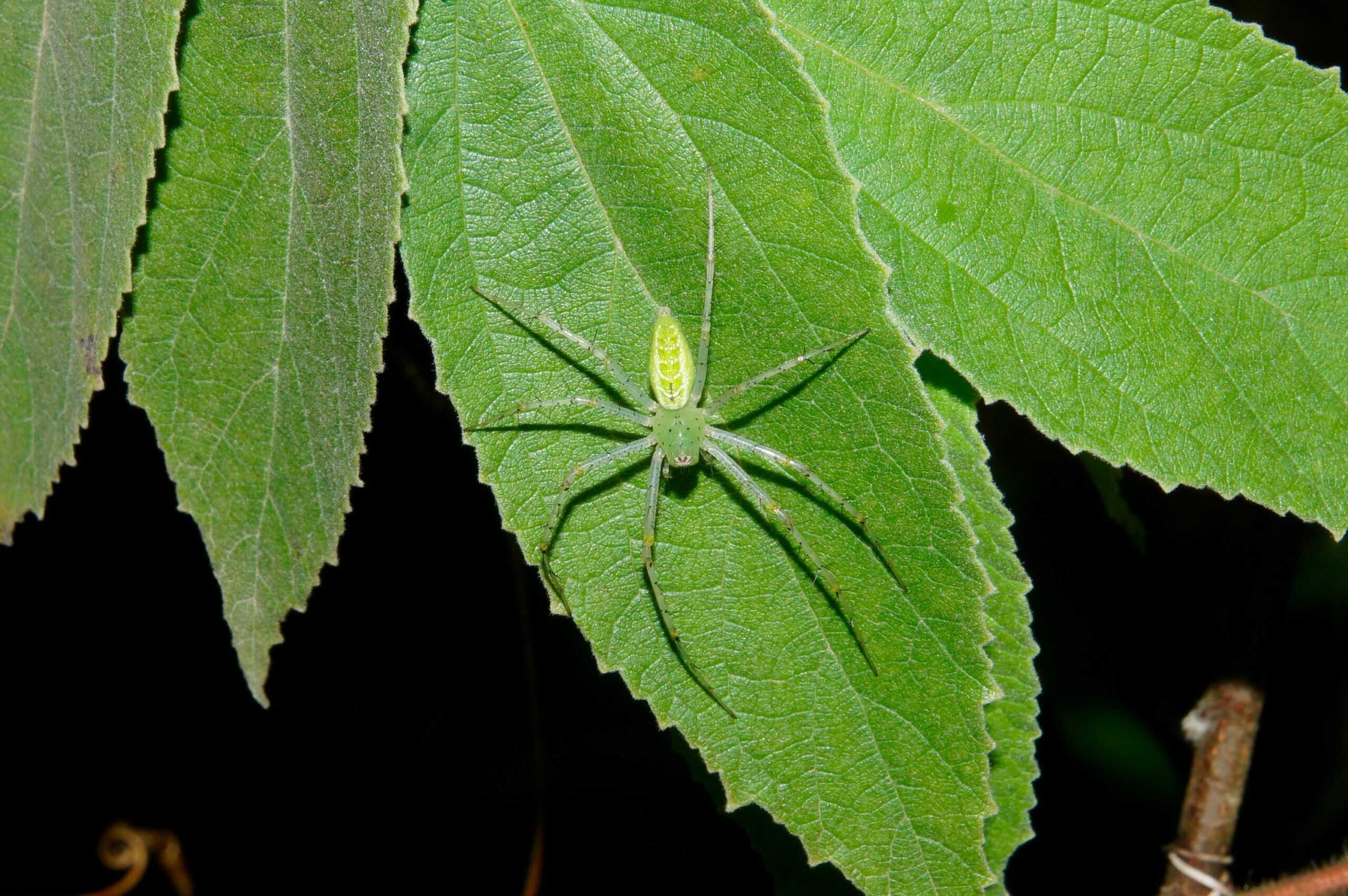
Lynx spiders bring a splash of vibrant green to the Amazon’s spider community, with their bright coloration helping them blend perfectly among the rainforest’s lush foliage. These active hunters possess exceptional jumping ability and can leap several times their body length to catch flying insects or escape danger. Their spiny legs give them excellent grip on smooth plant surfaces, allowing them to hunt effectively in the forest canopy.
Unlike many spiders that rely on webs, lynx spiders are visual hunters that stalk their prey with cat-like patience and precision. They possess excellent eyesight and can track moving insects across considerable distances before launching their attack. Their hunting success rate is remarkably high, partly due to their ability to spit venom at prey from a distance, temporarily stunning insects before moving in for the kill.
Spitting Spider: The Venomous Marksman

Spitting spiders possess one of the most unusual hunting techniques in the arachnid world, capable of shooting a mixture of venom and silk at prey from distances up to 20 times their body length. This sticky projectile hardens almost instantly upon contact, simultaneously poisoning and immobilizing victims in a single shot. The accuracy of their aim is remarkable, with success rates exceeding 85% in laboratory studies.
The mechanics of spitting involve a complex muscular system that can generate pressures up to 50 times atmospheric pressure within specialized glands. The spider must carefully aim and calculate trajectory, taking into account factors like distance, wind, and prey movement. Once fired, the venom-silk mixture creates a zigzag pattern that effectively pins prey to whatever surface they’re on, making escape virtually impossible.
Nursery Web Spider: The Protective Parent
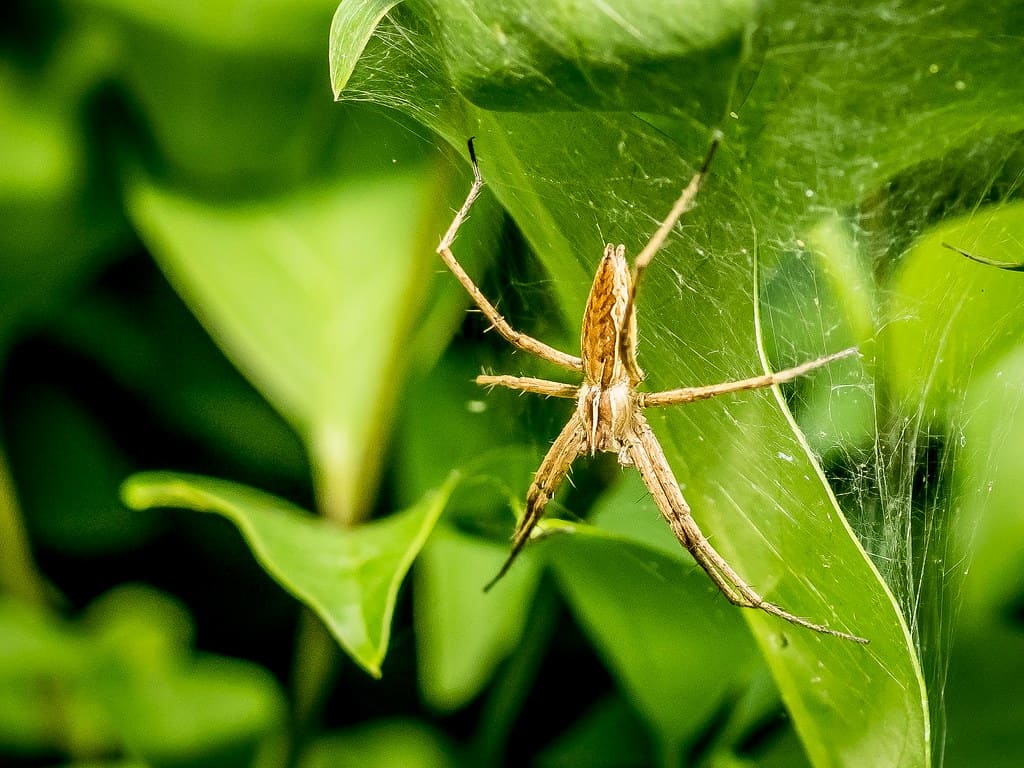
Nursery web spiders demonstrate remarkable parental care that extends far beyond the typical spider’s minimal investment in offspring. Females construct elaborate silk nurseries around their egg sacs, creating protective shelters that shield developing spiderlings from predators and environmental hazards. These nurseries can be architectural marvels, with complex internal chambers and multiple escape routes.
The dedication of nursery web spider mothers continues even after the eggs hatch, with females standing guard over their nurseries for weeks without feeding. They will aggressively defend their young against any perceived threat, including much larger predators. This level of maternal investment is extremely rare among arachnids and represents one of the most sophisticated parental care systems in the spider world.
Funnel Web Spider: The Tunnel Vision Predator
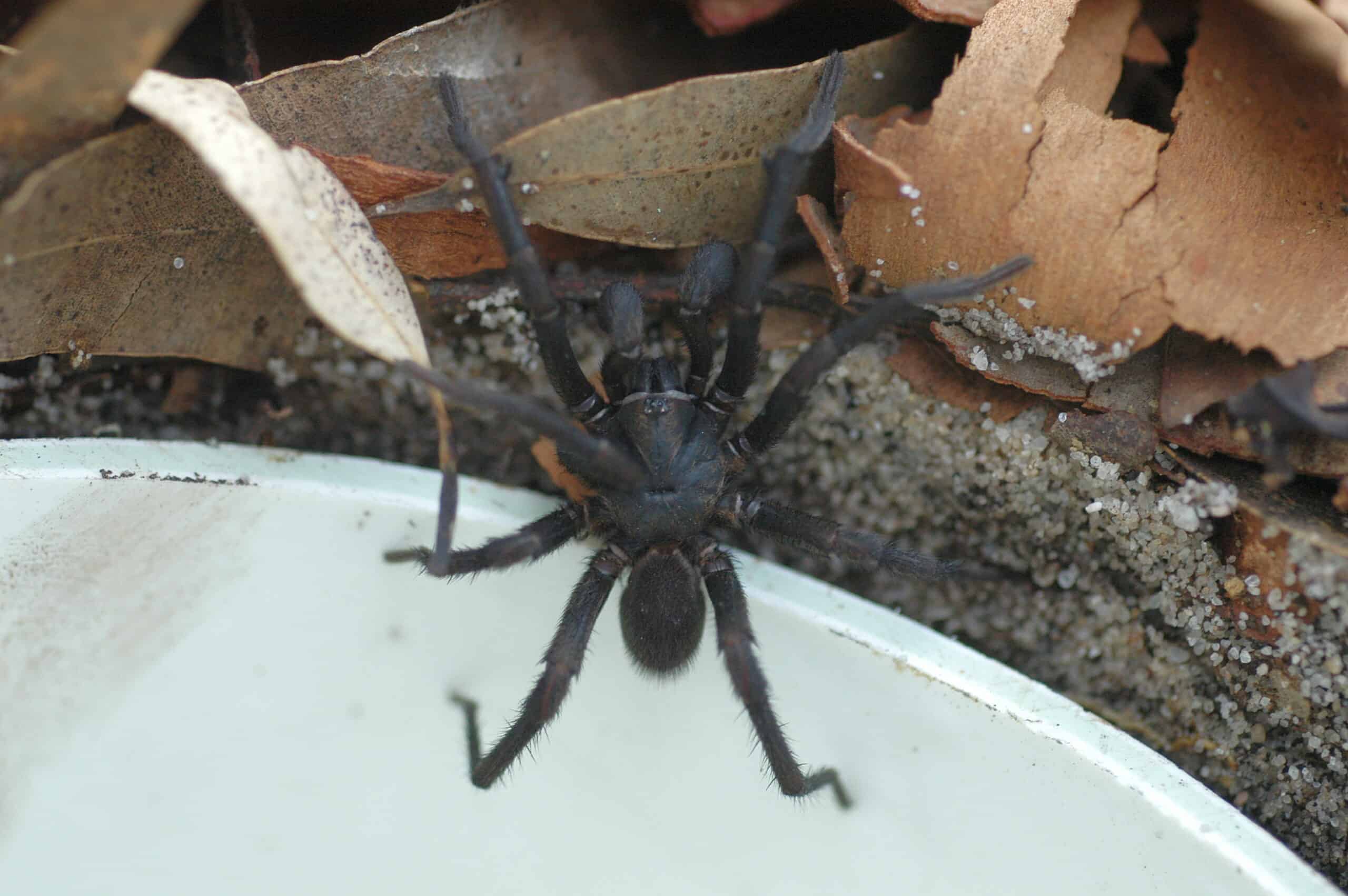
Funnel web spiders create some of the most ingenious trap systems in the Amazon, constructing funnel-shaped webs that channel prey directly into their waiting jaws. These structures combine the efficiency of a pitfall trap with the reliability of a web, creating a dual-purpose hunting system that few insects can avoid. The funnel design ensures that once prey enters the wide opening, their only path leads directly to the spider’s hiding place.
The construction of these webs requires precise engineering, with the spider carefully calculating angles and silk tension to create the perfect funnel shape. The web’s design also incorporates vibration sensors that alert the spider to prey location and size, allowing them to emerge from their retreat at the optimal moment. Multiple escape routes ensure that the spider can quickly retreat if the captured prey proves too large or dangerous to handle.
Cobweb Spider: The Recycling Expert
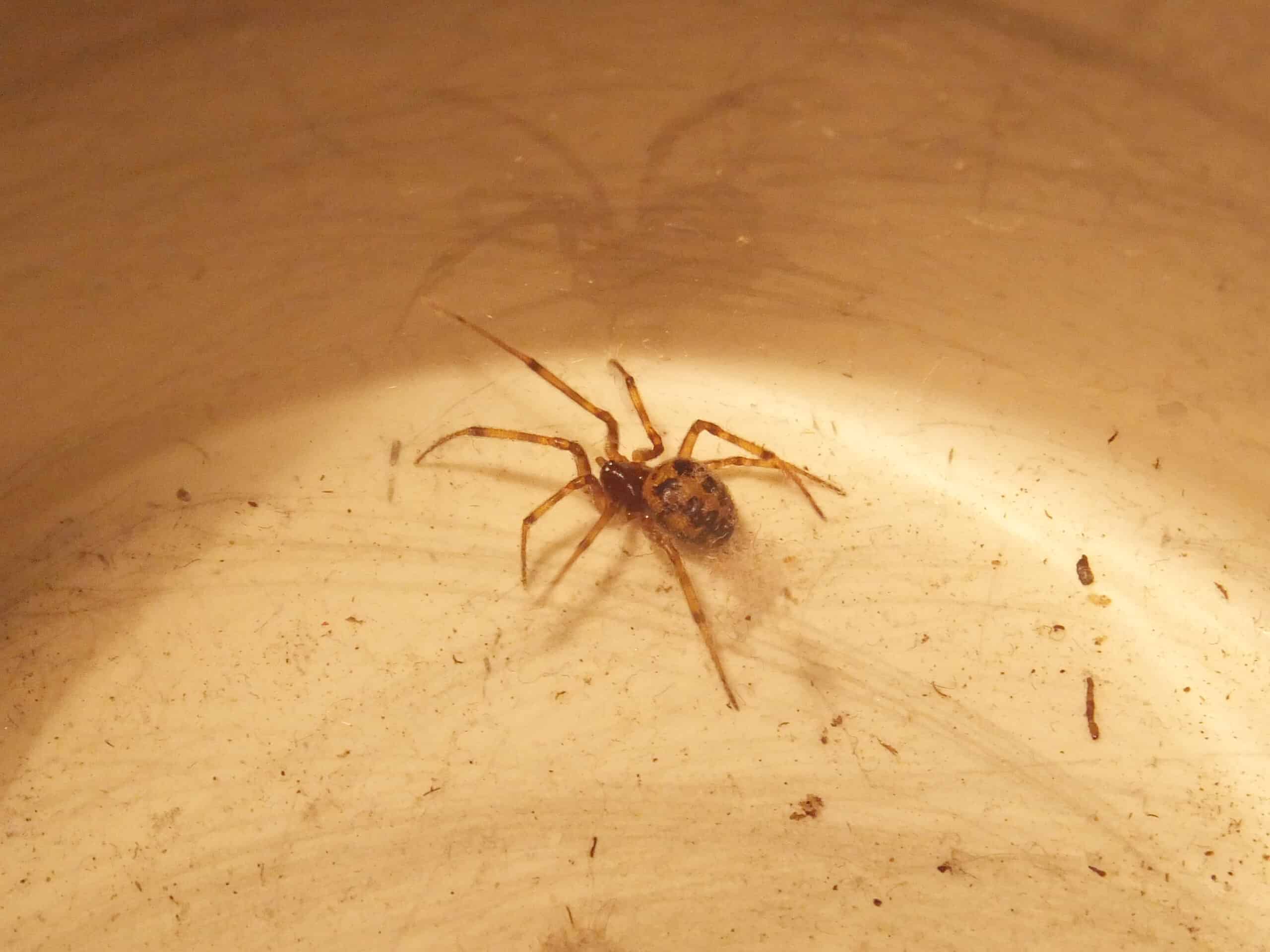
Cobweb spiders might seem like the messier cousins of orb weavers, but their seemingly chaotic webs represent sophisticated three-dimensional traps that are incredibly effective at catching prey. These complex structures combine vertical barrier threads with horizontal capture lines, creating a maze that flying insects find nearly impossible to navigate. The irregular pattern actually increases the web’s effectiveness by preventing prey from predicting safe flight paths.
What makes cobweb spiders particularly fascinating is their approach to web maintenance and recycling. Rather than rebuilding their entire web nightly like orb weavers, they continuously modify and repair their structures, adding new sections and removing damaged areas. This adaptive approach allows them to customize their webs for specific hunting conditions and prey types, making them incredibly versatile predators.
Sheet Web Spider: The Carpet Bomber
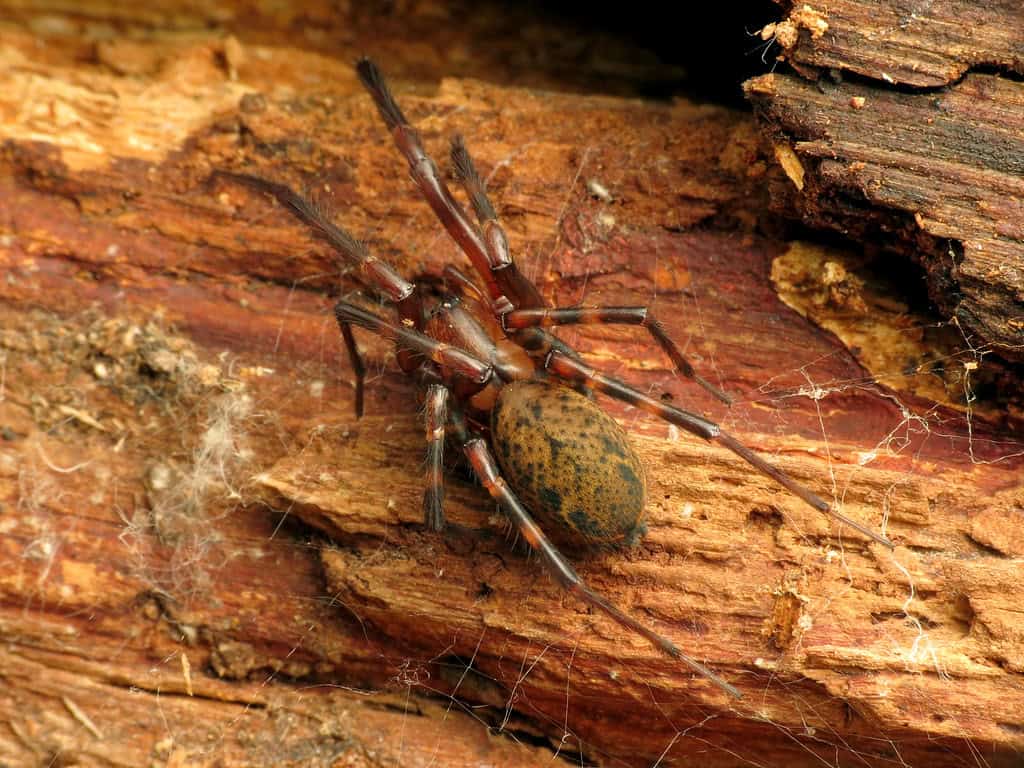
Sheet web spiders create some of the most extensive hunting territories in the Amazon, spinning flat, sheet-like webs that can cover several square feet of forest floor or understory vegetation. These horizontal platforms are often combined with vertical knock-down threads that cause flying insects to tumble onto the sticky sheet below. The spider typically hangs beneath the sheet, ready to grab any prey that becomes entangled on the surface.
The engineering behind sheet webs involves creating a structure that’s both strong enough to support the spider’s weight and sensitive enough to detect the smallest prey movements. The web’s surface is covered with tiny droplets of sticky silk that act like glue, ensuring that once insects land on the sheet, they become increasingly entangled with every struggle. This design is so effective that sheet web spiders often catch more prey than they can immediately consume.
Mesh Web Spider: The Net Weaver
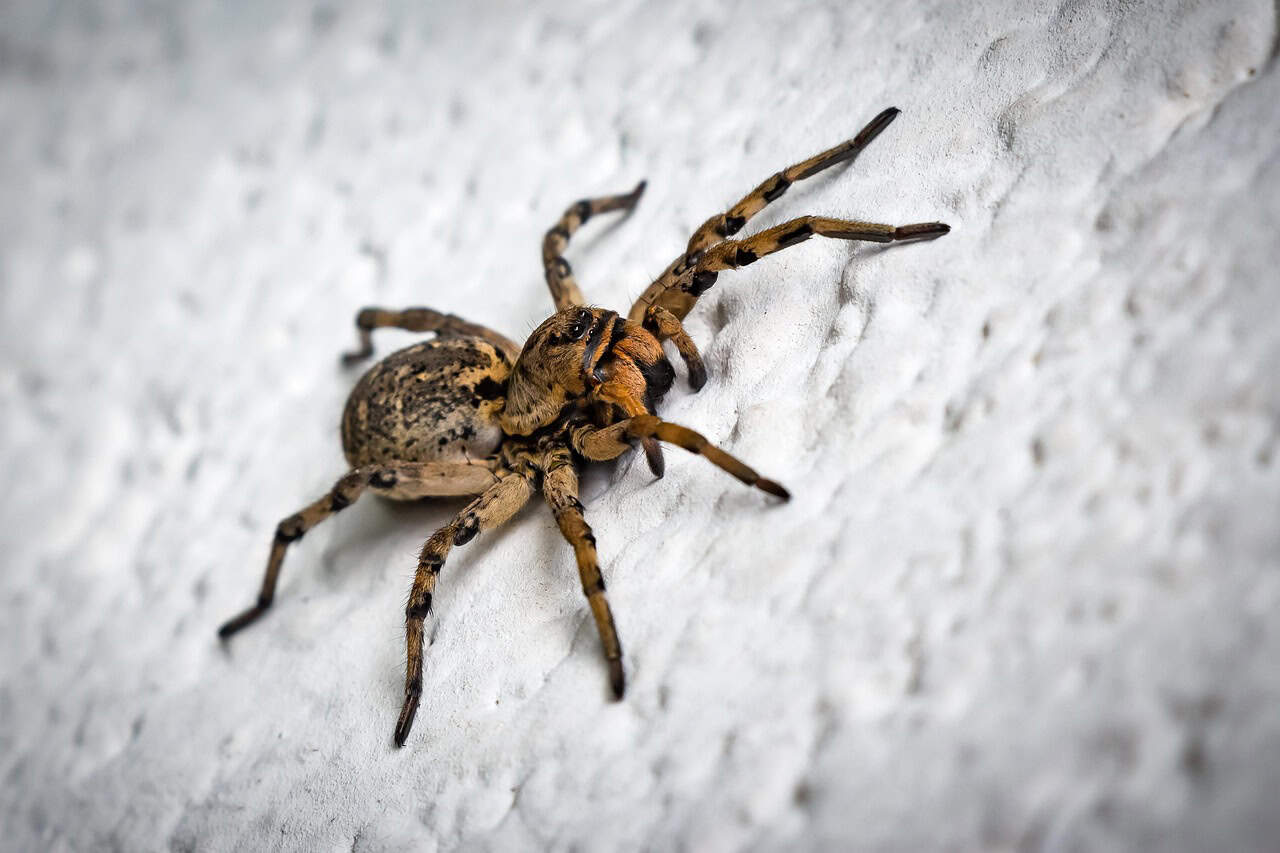
Mesh web spiders create intricate three-dimensional nets that resemble fine lacework suspended between plants and branches throughout the Amazon understory. These delicate-looking structures are actually incredibly strong and flexible, designed to absorb the impact of flying insects without breaking. The mesh design allows the web to capture prey approaching from multiple angles, making it one of the most efficient trap designs in the spider world.
The construction of mesh webs requires extraordinary patience and skill, with the spider spending days carefully positioning each thread to create the perfect geometric pattern. The web’s effectiveness comes from its ability to slow down flying insects gradually rather than stopping them abruptly, which prevents web damage and increases capture success. Many mesh web spiders rebuild portions of their webs daily, constantly optimizing their traps for maximum efficiency.
Cellar Spider: The Vibration Specialist

Cellar spiders have earned their reputation as the ultimate specialists in vibration detection, possessing sensory abilities that border on the supernatural. These delicate-looking arachnids can detect prey movements through their webs from remarkable distances, often responding to vibrations so subtle that they’re undetectable to human senses. Their long, thin legs act like sophisticated antennae, picking up and analyzing vibrations with incredible precision.
When threatened, cellar spiders employ a unique defense strategy that involves rapidly vibrating their bodies to create a blur effect that makes them difficult for predators to target accurately. This behavior, combined with their tendency to hang upside down in their webs, creates an effective deterrent against many potential threats. Their webs are often built in protected locations like hollow trees or rock crevices, providing additional security for these relatively fragile spiders.
Conclusion: The Intricate Web of Amazon Biodiversity
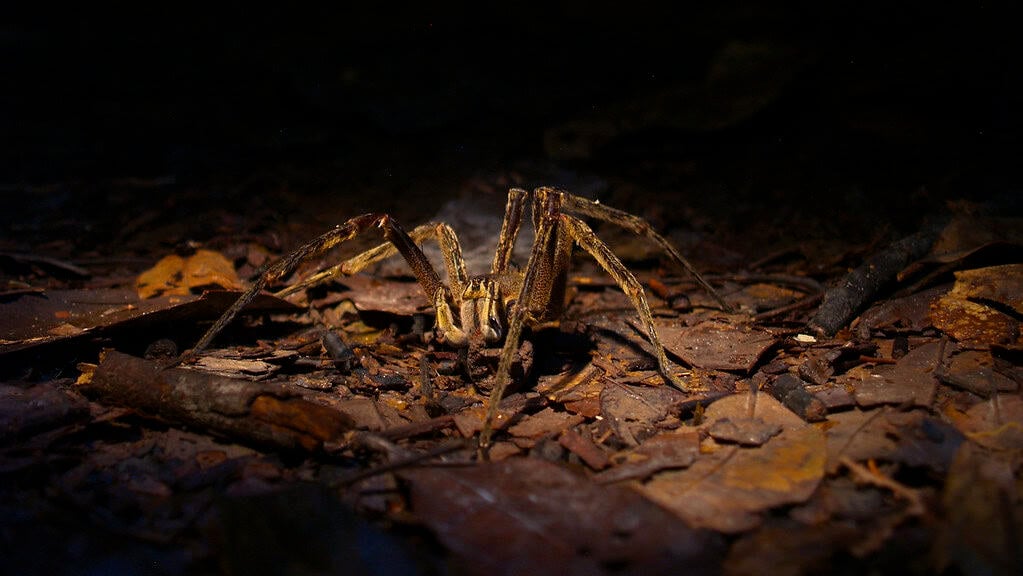
The spiders of the Amazon rainforest represent just a fraction of the incredible biodiversity that makes this ecosystem so vital to our planet’s health. From the massive Goliath birdeater to the tiny jumping spiders, each species plays a crucial role in maintaining the delicate balance that has evolved over millions of years. Their hunting strategies, web designs, and survival adaptations showcase the incredible creativity of evolutionary processes.
As deforestation and climate change continue to threaten the Amazon, these remarkable arachnids face an uncertain future. Many species remain undiscovered, and countless others may vanish before scientists have a chance to study them. The loss of these spiders would not only diminish the rainforest’s biodiversity but also eliminate potential sources of medical breakthroughs, as spider venoms often contain compounds with therapeutic properties.
The next time you encounter a spider, remember that you’re looking at a creature whose ancestors have been perfecting their craft for over 300 million years. These eight-legged marvels of the Amazon continue to surprise researchers with their intelligence, adaptability, and sheer determination to survive in one of Earth’s most challenging environments. What other secrets might these ancient hunters still be hiding in the depths of the rainforest?

- Spiders of the Amazon Rainforest: Fierce and Fascinating - July 28, 2026
- From Babe to Babe 2: What’s Life Like for Real Farm Animals? - July 27, 2026
- Why Vampire Bats Share Blood Meals With Unfed Friends - July 27, 2026
Leave a comment
You must be logged in to post a comment.