

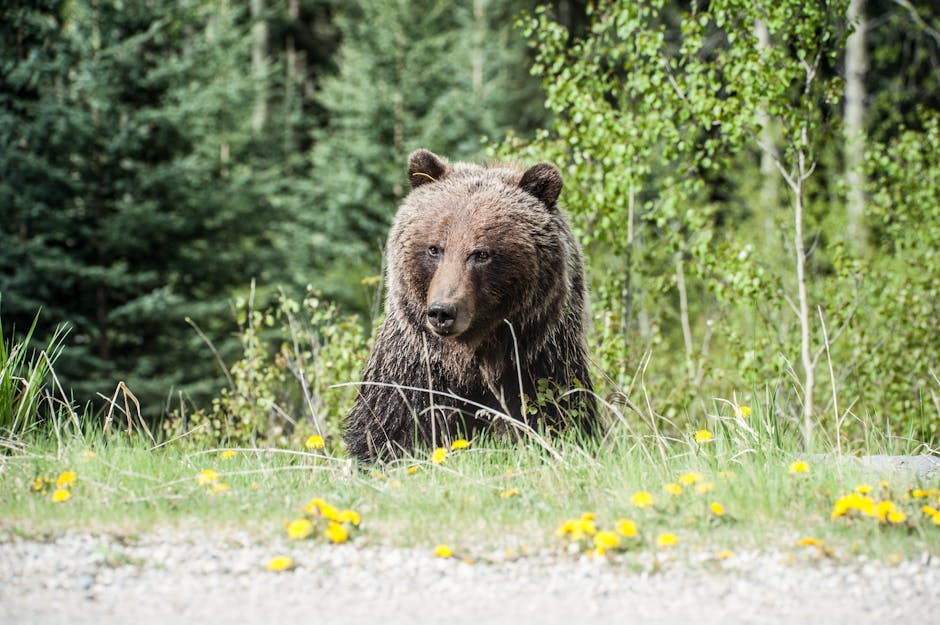
Record Attacks Define a Troubling Precedent (Image Credits: Pexels)
Japan – As warmer weather signals the end of winter hibernation, authorities and residents prepare for a potential uptick in bear encounters. The nation recorded 237 attacks since April 2025 through early March 2026, claiming 13 lives in a year marked by unprecedented wildlife-human conflicts.[1][2] Experts point to seasonal shifts and food availability as key drivers behind these incidents.
Record Attacks Define a Troubling Precedent
The fiscal year ending in March 2026 witnessed extraordinary bear aggression. From April 1, 2025, to the beginning of March 2026, bears injured 237 people nationwide.[1] This toll included 13 fatalities, surpassing previous highs tracked since 2006.[2]
Most deaths stemmed from Asian black bears on Honshu island, with 11 cases reported, while Hokkaido saw two from brown bears. Poor acorn harvests the prior year forced animals into residential zones, delaying hibernation and extending activity into winter.[3] In Hokkaido alone, authorities captured 2,013 brown bears from April 2025 to January 2026, shattering the prior record of 1,804.[4]
Hibernation Ends, Risks Begin
Bears typically retreat for winter, but recent patterns show many lingering due to accessible human food sources. Sightings persisted into early 2026 in regions like Tohoku and Hokkaido, including vehicle collisions and property damage.[3] Spring now revives these concerns as animals emerge hungrier and more mobile.
A stronger yield of nuts and acorns this season might temper the numbers compared to 2025. Still, experts warn that location and timing heavily influence encounter probabilities, urging caution in rural and forested areas.[1] Climate shifts exacerbate the issue, drawing bears from mountains into communities.
Two Species, Distinct Threats
Asian black bears dominate Honshu encounters, thriving in central and northern forests. Brown bears, larger and more formidable, concentrate in Hokkaido, where captures hit new peaks amid urban forays.[4] Nationwide, 47,038 black bear sightings occurred from April to November 2025 alone, double the former record.[3]
| Region | Main Bear Type | 2025-2026 Highlights |
|---|---|---|
| Honshu | Asian Black Bear | 11 deaths; 47,038 sightings Apr-Nov 2025 |
| Hokkaido | Brown Bear | 2 deaths; 2,013 captures Apr 2025-Jan 2026 |
Communities Adopt Robust Defenses
Authorities deployed hunters, police, and even drones mimicking dog barks to deter bears. Traditional Matagi hunters assist, though their ranks dwindle with age.[2] Schools patrol with firecrackers, and residents chop fruit trees near homes to eliminate lures.
Key precautions include:
- Travel in groups and make noise with bells or voices to alert bears.
- Avoid dawn and dusk outings in bear-prone zones.
- Secure trash and food sources tightly.
- Report sightings immediately to local authorities.
- Carry whistles or sprays in high-risk areas.
- 2025-2026 saw 237 attacks and 13 deaths, a modern record.
- Spring emergence heightens risks after poor prior harvests.
- Proactive measures like noise and group travel save lives.
Japan’s bear challenges underscore the delicate balance between wildlife and human expansion. A bountiful nut crop offers hope for fewer clashes this spring, yet vigilance remains essential. What steps do you take for outdoor safety? Share in the comments.

- Urban Coyotes Show Remarkable Adaptability, Learning to Thrive in City Environments - July 22, 2026
- Beavers Are Nature’s Engineers, Creating Vital Habitats for Other Wildlife Species - July 21, 2026
- The Recovery of the California Condor Offers Hope for Other Critically Endangered Birds - July 21, 2026