

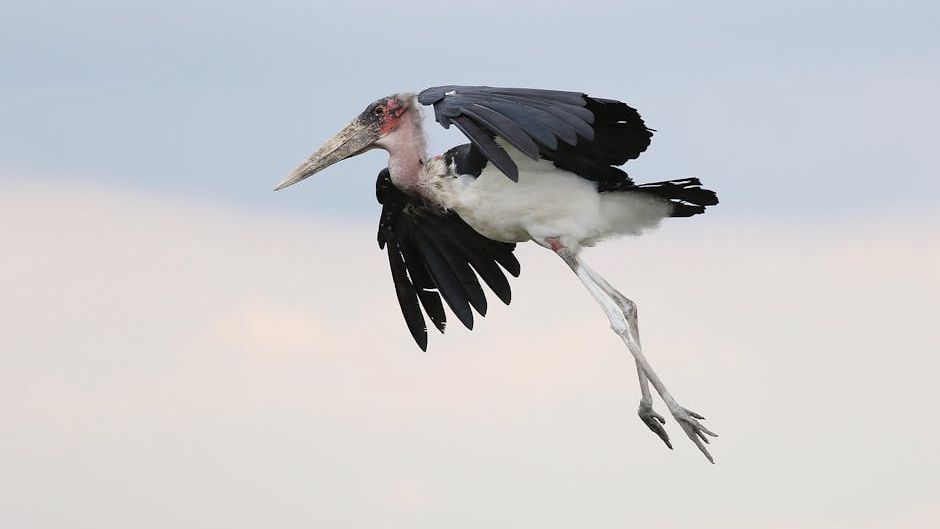
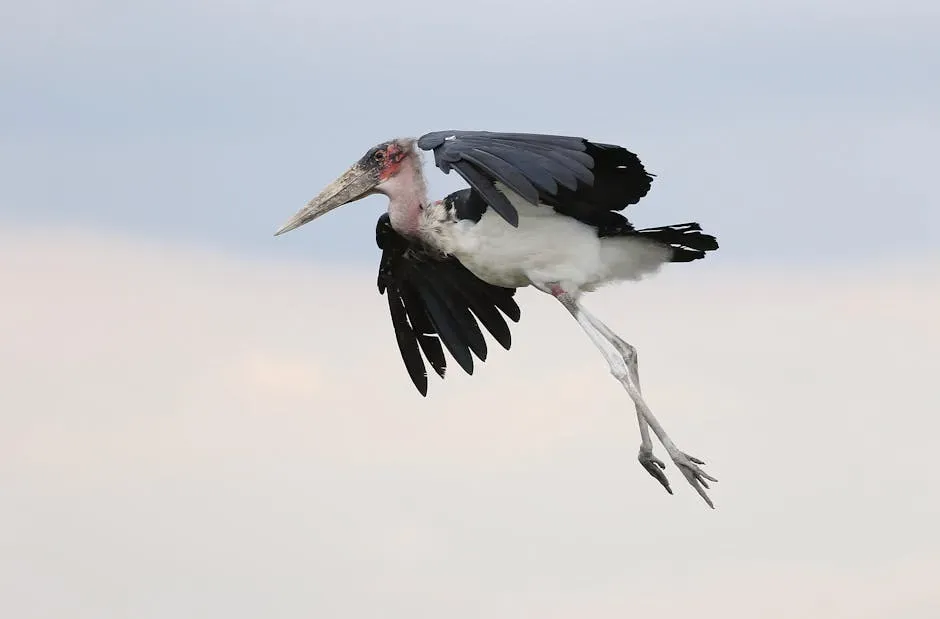
In the heart of South Africa’s Kruger National Park, a Marabou stork unleashed an extraordinary aerial defense against two black-backed jackals, captivating visitors and wildlife fans alike. Eyewitness Alet Evert stumbled upon the tense standoff near a bustling watering hole on January 3, turning an ordinary safari into a front-row seat for nature’s raw drama. This bold confrontation highlights the unpredictable survival battles that define Kruger’s vast wilderness.
Here’s the thing: such moments remind us how even towering birds must fight tooth and claw – or beak and wing – in the bushveld. With the incident going viral just weeks after its February 10 documentation, interest surges as enthusiasts dissect the stork’s precision and the jackals’ cunning. What unfolds next reveals deeper truths about predator-prey balances in one of Africa’s premier reserves.
Eyewitness Alet Evert’s Frontline Perspective
Alet Evert positioned herself perfectly near the watering hole, a magnet for thirsty animals in Kruger’s dry spells. She watched the jackals circle the stork with menacing intent, their pack mentality on full display. The bird, sensing danger, launched skyward in a display of agility that scattered the predators briefly. Evert’s account emphasizes the jackals’ quick regroup, only to face the stork’s unyielding stance. Her story adds raw authenticity, showing how routine visits yield unforgettable wildlife tales. Conservation circles buzz with her details, fueling online discussions about safari surprises.
The Stork’s Acrobatic Mastery in Action
Marabou storks boast wingspans exceeding two meters, giving them a natural edge in defensive bursts. This one capitalized on its height, propelling upward with martial arts-like force to disrupt the jackals’ advance. Such tactics stem from evolutionary honing, where sharp beaks and powerful wings deter ground threats. The precision strike turned vulnerability into victory, forcing a retreat. Experts note storks rely on these moves in contested spots like water sources. Ultimately, it showcases avian prowess against mammalian foes.
Jackals’ Cunning Yet Risky Strategy
Black-backed jackals, weighing under 15 kilograms each, thrive as opportunistic hunters in Kruger’s savanna. They flanked the stork, snapping jaws to test defenses during a seemingly weak moment. Their hit-and-run style aims to exhaust prey through relentless pressure. Yet the bird’s retaliation exposed the gamble in targeting larger adversaries. These adaptable scavengers shift diets from insects to birds, cementing their ecosystem role. Encounters like this affirm their resilience, even in defeat.
Kruger National Park’s Thriving Wildlife Arena
Spanning nearly 20,000 square kilometers, Kruger hosts over 500 bird species amid diverse habitats. Watering holes concentrate animals, sparking clashes from hyena-leopard fights to eagle-serpent duels. Conservation safeguards these interactions, free from human meddling. The park’s allure lies in unscripted spectacles that educate global audiences. Seasonal dry periods intensify drama at scarce resources. Visitors like Evert contribute vital sightings for monitoring efforts.
Broader Lessons from Predator-Prey Dynamics
Wildlife biologists hail the event as asymmetrical warfare textbook material. “Storks aren’t pushovers; their size and weaponry make them formidable,” notes one expert from the South African National Parks authority. Jackals regulate populations through teamwork, but falter against agile fliers. Similar defenses appear in herons and cranes across wetlands. These patterns reveal how elevation and speed outmaneuver ground predators. Robust populations signal healthy ecosystems, though habitat threats loom.
Final Thought
This stork-jackal showdown underscores nature’s unforgiving balance, where underdogs rise through sheer instinct. Kruger’s magic persists in protected wilds, inviting eco-tourism that funds preservation. Viral shares amplify awareness, sparking ethical viewing talks. What animal matchup would you bet on next in the bushveld? Share your thoughts in the comments.
Source: Original YouTube Video

- Urban Coyotes Show Remarkable Adaptability, Learning to Thrive in City Environments - July 22, 2026
- Beavers Are Nature’s Engineers, Creating Vital Habitats for Other Wildlife Species - July 21, 2026
- The Recovery of the California Condor Offers Hope for Other Critically Endangered Birds - July 21, 2026