

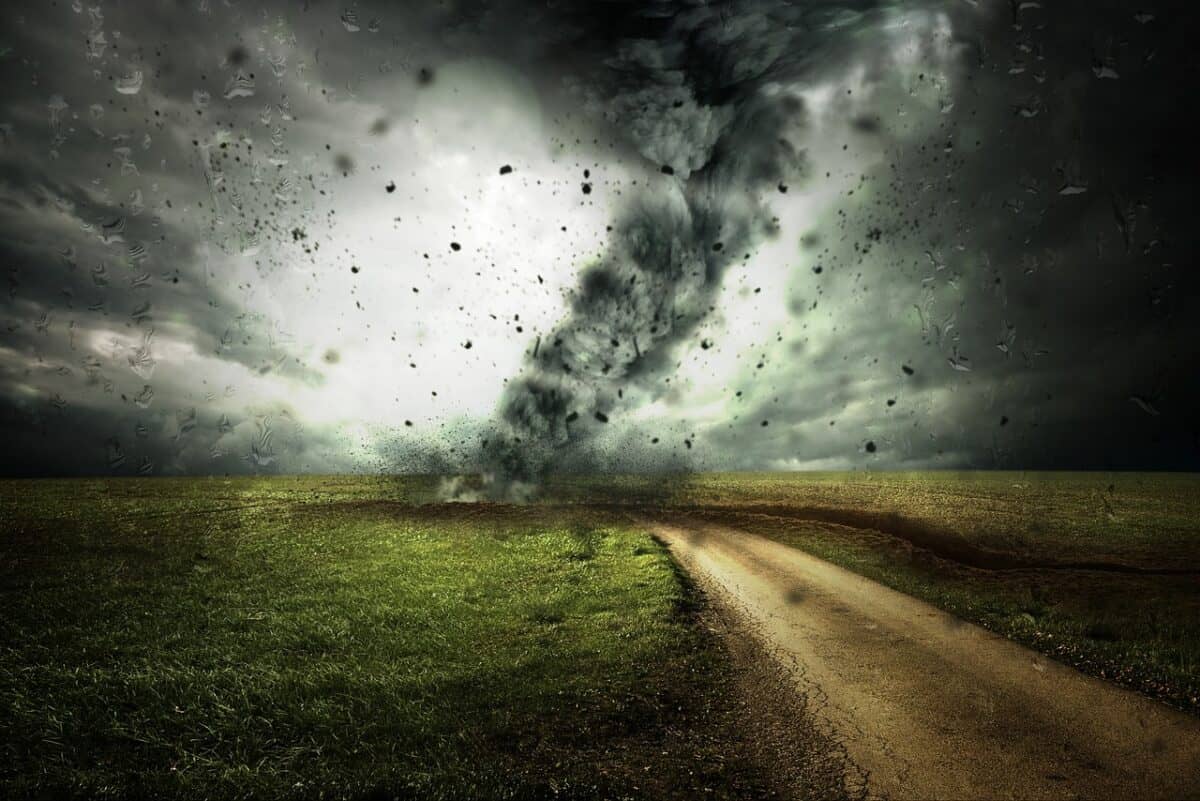
Severe thunderstorms erupted on April 14–15, 2026, producing at least six reported tornadoes across eastern Iowa and southern Wisconsin. These storms developed rapidly during the afternoon and evening hours, with rotating supercells spawning funnels that carved through rural landscapes.
One of the most striking tornadoes was captured on drone footage in east-central Iowa, where a powerful vortex moved across open fields, kicking up debris and dust. Damage was reported in multiple locations, including Union Center, Wisconsin, where structures were impacted and cleanup operations began shortly after the storms passed.
Grapefruit-Size Hail Causes Widespread Damage
While tornadoes grabbed headlines, the most widespread destruction came from enormous hailstones that pummeled the region. Hail ranging from baseball to grapefruit size—some measuring up to 4 inches across—was reported, particularly near Dane, Wisconsin, northwest of Madison.
These massive hailstones shattered car windows, dented vehicles, and damaged roofs and siding across communities. The sheer size and intensity of the hail highlighted the strength of the storm system, with meteorologists noting that such large hail is often associated with highly unstable atmospheric conditions and strong updrafts within thunderstorms.
Infrastructure Damage and Close Calls
In Independence, Iowa, the roof of a warehouse was torn off during the storm. Storm Chaser Aaron Rigsby said may have been caused by a tornado or intense straight-line winds. Similar structural damage was reported across parts of Wisconsin, underscoring how even non-tornadic winds within severe storms can cause significant destruction.
Despite the intensity of the storms, no immediate reports of fatalities emerged, offering a rare moment of relief amid the chaos. However, officials cautioned that damage assessments were still ongoing, with teams from the National Weather Service working to confirm tornado paths and assign official ratings.
Flooding Threat Looms After Repeated Downpours
Beyond tornadoes and hail, the storm system brought heavy rainfall that raised the risk of flooding across parts of the Midwest. Rivers in sections of Wisconsin and neighboring states began to swell, prompting evacuations in some low-lying areas.
Meteorologists warned that repeated rounds of storms over already saturated ground could worsen flooding conditions in the coming days. This layered threat—combining tornadoes, hail, and flooding—illustrates how severe weather events are becoming more complex and multi-hazard in nature.
A Relentless Start to the 2026 Severe Weather Season
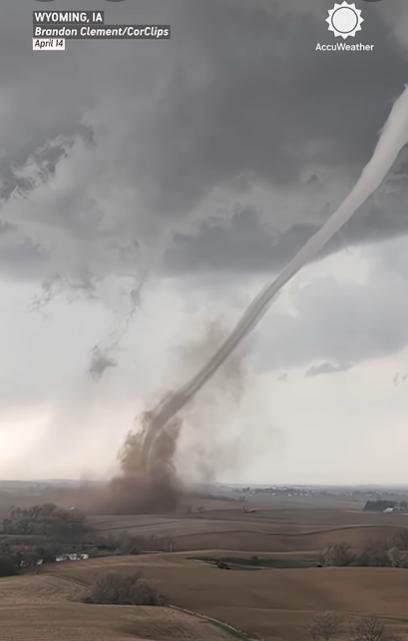
The outbreak is part of a broader trend of active and dangerous weather across the Midwest in 2026. In recent weeks, multiple storm systems have already produced tornadoes, large hail, and damaging winds across the central U.S., signaling an intense start to the severe weather season. Watcch the footage of drone image of tornado here.
What makes this episode particularly concerning is not just the scale of destruction, but the frequency of such events. When storms capable of producing tornadoes and grapefruit-sized hail occur within days of each other, it points to a highly energized atmosphere that may continue to fuel extreme weather patterns in the weeks ahead.
Conclusion: A Stark Reminder of Nature’s Growing Intensity
This Midwest outbreak is more than just another spring storm—it’s a powerful reminder of how quickly weather can turn destructive. From tornadoes tearing across open land to hailstones smashing through homes and vehicles, the impact was both sudden and severe.
If this pattern continues, 2026 could shape up to be one of the more volatile severe weather seasons in recent memory. And for communities across the Midwest, the message is clear: preparedness is no longer optional—it’s essential.

- 25 Hummingbird-Friendly Garden Tips That Will Bring These Tiny Birds Back Again and Again - July 30, 2026
- 10 Most Powerful Native American Spirit Animals and What They Mean. - July 30, 2026
- 12 Signs of Stomach Ache in Dogs - July 30, 2026