


In Lakeland, Florida, a stray cat named George stunned locals after pulling off a daring escape from an animal shelter, then making a solo journey nearly 5 kilometers (3 miles) back to his neighborhood. SPCA Florida had taken George, a community cat known to roam the Loma Verde apartment complex, for a routine neutering procedure as part of a trap-neuter-return (TNR) program.
Everything seemed to be going as planned—until George escaped from his cage before the staff could release him back to his familiar territory. The shelter staff found this baffling. “It’s extremely rare for cats to break out after surgery,” one SPCA staffer said. “We didn’t even know he was gone at first.”
The Long Walk Home
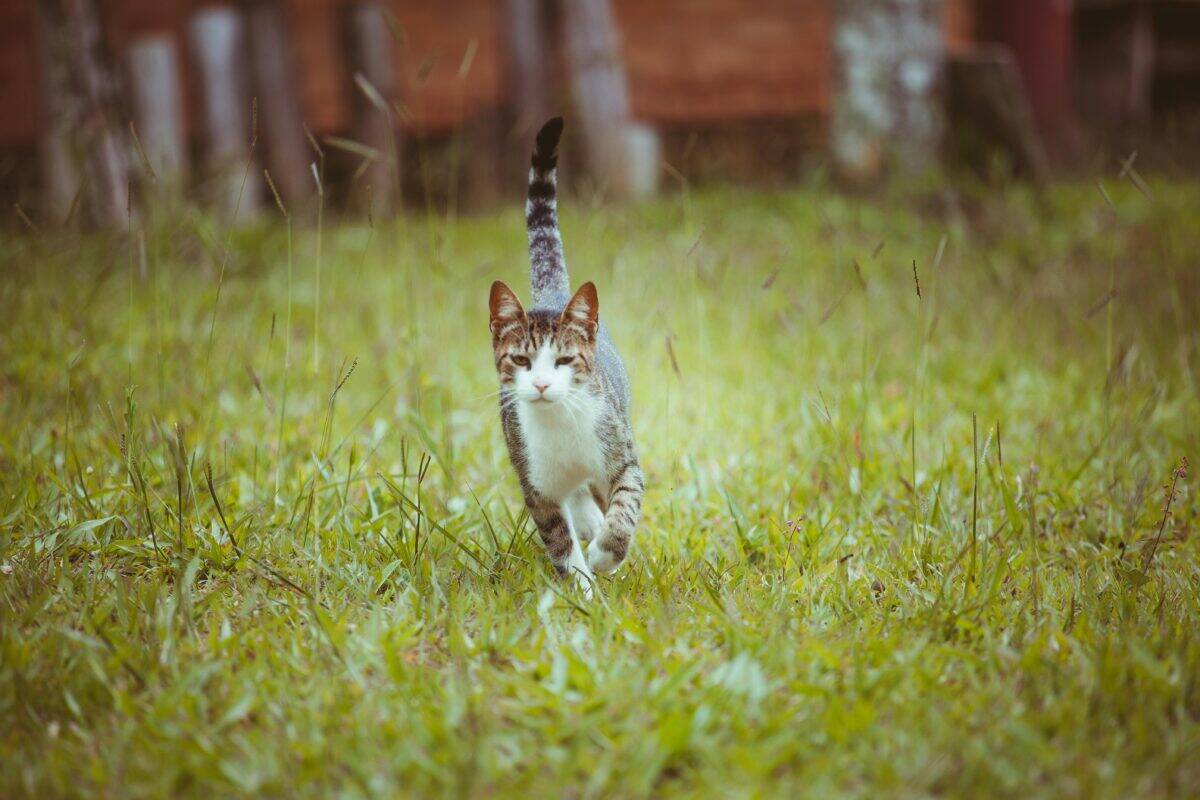
George’s journey wasn’t just long—it was risky. From the shelter on Brannen Road, he had to navigate urban roads, avoid traffic, cross at least one major water barrier (Lake Victoria), and dodge natural predators and other hazards. Despite being slightly underweight upon his return, he showed no injuries and was in good spirits.
Residents of Loma Verde were shocked—but not entirely surprised. “George knows where he belongs,” said Sherry Lewis, who helps feed and care for the community cats. “He’s part of this place. I think he just followed his instincts and came home.”
Why Community Cats Stick Around

George isn’t just any stray—he’s what animal advocates call a “community cat.” These cats aren’t owned by anyone in particular, but they’re cared for by multiple people in a neighborhood. TNR programs aim to keep populations healthy and stable without flooding shelters.
George had become a regular at Loma Verde. It loves lounging in carports, napping under trees, and accepting the occasional head scratch from a friendly neighbor. So, when he went missing after the neuter trip, residents mobilized—setting food traps, calling his name, and checking around the neighborhood daily.
What This Says About Animal Instincts
George’s homing behavior is more than just heartwarming—it’s scientifically fascinating. Cats have a strong sense of direction and are believed to use a combination of scent, memory, and environmental cues to find their way home. While some domestic cats struggle to relocate just a few blocks, George’s multi-kilometer trek shows how determined and capable a familiar feral can be.
SPCA Florida says they’re reviewing how the escape happened and have already adjusted their post-op procedures to prevent future getaways.

- Texas Ranchers Injured and Horses Killed in Aggressive Bee Attack - July 19, 2026
- Cougar Attack on Cyclists Shakes Washington Wilderness - July 19, 2026
- Snake Found in Arizona Toilet Shocks Homeowner - July 19, 2026