

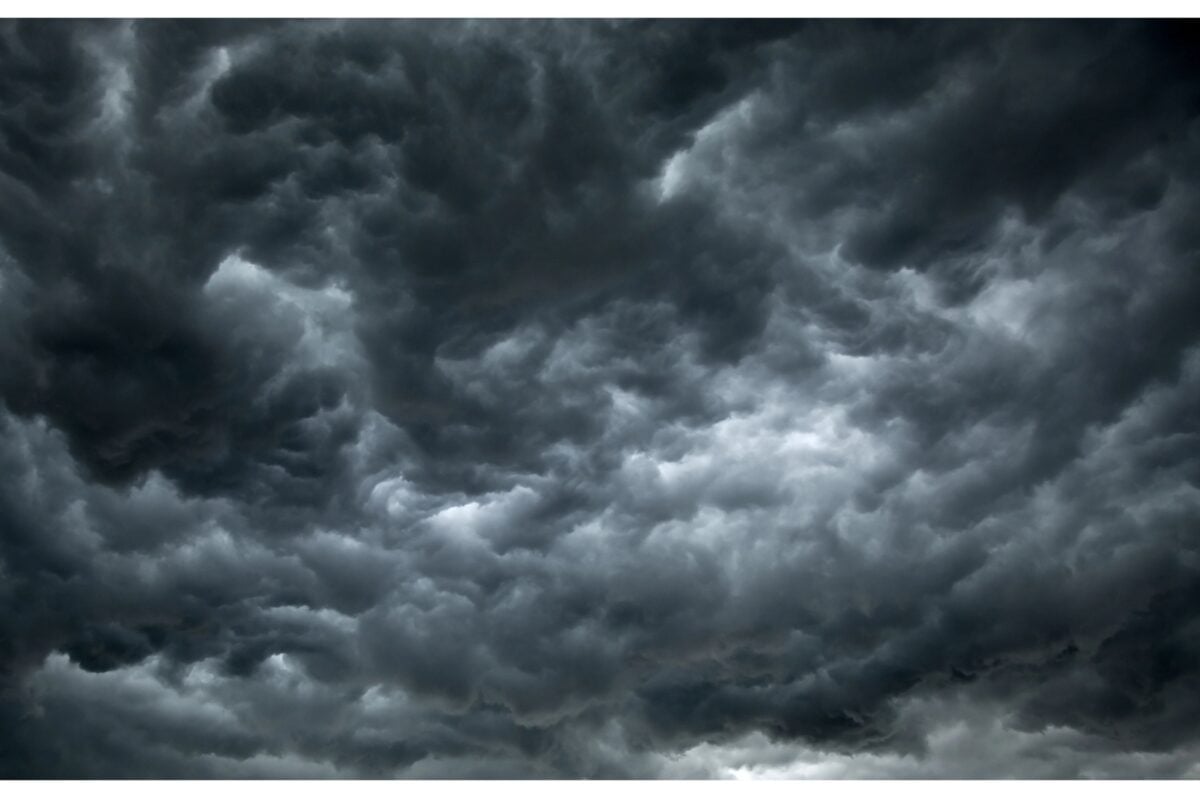
Storms have always been the great equalizers, humbling us with their sheer force. From hurricanes to tornadoes, and from flash floods to blizzards, each storm comes with its own set of challenges. Surviving one begins with understanding its nature. Modern weather forecasting provides a significant advantage, often giving hours, sometimes even days, of advanced warning. Before the winds pick up or the skies open, it’s crucial to arm yourself with knowledge. Know the type of storm heading your way and its potential risks—whether it’s violent winds, rising waters, or plummeting temperatures.
Prepare Your Shelter

🔥 Would you like to save this?
We'll email this post to you, so you can come back to it later!
As with most things in life, preparation is key. If you live in a storm-prone area, the integrity of your home can be your greatest defense. This means securing windows, reinforcing doors, and trimming any overhanging trees that could pose a danger. For those living in areas susceptible to flooding, consider flood barriers or sandbags. In the case of hurricanes or tornadoes, having a designated safe room—a basement or an interior space away from windows—could make all the difference. The goal is to create a space that can withstand nature’s wrath, even if only temporarily.
The Essentials You Need

🔥 Would you like to save this?
We'll email this post to you, so you can come back to it later!
When the power goes out and roads are blocked, you’re on your own. The importance of a well-stocked emergency kit cannot be overstated. Think of the essentials: enough non-perishable food and bottled water to last at least three days, a battery-powered radio, flashlights, extra batteries, first aid supplies, and necessary medications. A multi-tool and duct tape may seem like minor additions, but they often prove invaluable during crises. Don’t forget about blankets, clothing layers, and sturdy footwear in case you need to evacuate or endure a power outage during colder months.
The Importance of Communication

🔥 Would you like to save this?
We'll email this post to you, so you can come back to it later!
A storm can cut you off from the world, but staying connected is vital. Charge all electronic devices ahead of time and invest in portable battery packs or solar chargers. A battery-operated or hand-crank radio can provide life-saving updates when all other forms of communication fail. It’s also wise to establish a communication plan with loved ones. Identify a point of contact who is outside the storm’s path. Text messaging uses less bandwidth than phone calls, making it a better option when networks are overwhelmed.
Knowing When to Leave
🔥 Would you like to save this?
We'll email this post to you, so you can come back to it later!
There’s no shame in walking away from a fight you can’t win. If authorities advise evacuation, heed their warnings. The idea of “riding out the storm” can be dangerously romanticized, but the reality is far harsher. Ensure your vehicle’s gas tank is full before the storm hits, pack essential documents, medications, and irreplaceable items in waterproof bags, and have a planned route to safety. Whether you’re heading to a community shelter or a friend’s house outside the danger zone, leaving early is always safer than waiting until the last minute.
Patience and Vigilance

🔥 Would you like to save this?
We'll email this post to you, so you can come back to it later!
If evacuation isn’t possible or necessary, prepare to wait. Stay indoors, away from windows, and monitor weather updates closely. In a hurricane, you may experience the deceptive calm of the eye passing overhead. Don’t be fooled—this is not the end, and the storm’s second half can be even more dangerous. In the case of tornadoes, seek shelter in a basement or interior room. For floods, move to the highest point in your home. Survival during this time depends on staying vigilant, calm, and patient, even as chaos rages outside.
Navigating the Aftermath

🔥 Would you like to save this?
We'll email this post to you, so you can come back to it later!
Surviving the storm is just the beginning. The aftermath can often be more treacherous, with downed power lines, flooding, and blocked roads posing serious hazards. If you evacuated, wait for official clearance before returning home. Avoid walking or driving through floodwaters; even six inches of fast-moving water can knock an adult off their feet, and just two feet can sweep away most vehicles. If your home has sustained damage, take precautions to avoid injuries—wear sturdy shoes, gloves, and a mask to protect against debris and airborne contaminants.
Dealing with the Emotional Toll

🔥 Would you like to save this?
We'll email this post to you, so you can come back to it later!
Storms are traumatic, not just physically but emotionally. After surviving such an event, it’s normal to feel disoriented or overwhelmed. The days that follow can be a mental marathon. Seek support from community resources, talk with neighbors, and check in on friends and family. Rebuilding, both physically and emotionally, takes time. But remember, you don’t have to do it alone. The resilience of the human spirit often shines brightest in the darkest of times.
Lessons for the Future

🔥 Would you like to save this?
We'll email this post to you, so you can come back to it later!
Once the storm has passed and life begins to return to normal, it’s important to take stock. What worked in your preparations? What didn’t? Perhaps you were short on supplies or found your communication plan lacking. The key to surviving future storms is learning from the past. Weather patterns are becoming increasingly unpredictable, and with climate change influencing the frequency and severity of storms, it’s not a question of if another storm will hit, but when. Staying prepared and flexible is the ultimate form of defense.

Please send any feedback to Feedback@animalsaroundtheglobe.com
- The Great American Bison: An Iconic Species Making a Comeback - November 4, 2026
- The Remarkable World of Monkey Species - November 4, 2026
- Animals Gearing Up for Hibernation Across America - October 31, 2026