

America’s dogs tell a story that spans centuries, from ancient Native American companions to modern breeds developed for specific purposes. While many people think of Germany for their shepherds or England for their spaniels, the United States has quietly developed its own remarkable collection of canine breeds. These aren’t just variations of European dogs – …
USA

Discover the American states with the most fascinating wildlife. Ranging from mountains to coast these states have a broad range.

Maine’s diverse landscapes – from rugged coastlines to pristine forests and expansive wetlands – create perfect habitats for a remarkable variety of wildlife. For nature enthusiasts and animal lovers, the Pine Tree State offers some of the best wildlife viewing opportunities in the northeastern United States. With four distinct seasons presenting different animal behaviors and …

Wetlands are critical ecosystems that serve as havens for some of the world’s most fascinating and endangered amphibian species. These transitional zones between land and water create perfect microclimates for frogs, salamanders, newts, and caecilians to thrive. For wildlife enthusiasts and budding herpetologists, certain wetlands stand out as exceptional destinations to observe rare amphibians in …

For decades, the United States Navy has employed one of nature’s most intelligent creatures as allies beneath the waves. Bottlenose dolphins, with their exceptional biological sonar and remarkable intelligence, have become valuable assets in various naval operations. Their integration into military programs represents a fascinating intersection of natural ability and national security needs. This article …
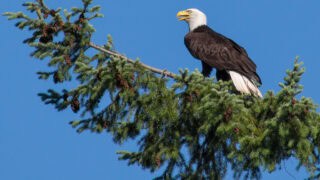
The bald eagle, America’s national bird and a symbol of freedom and strength, once faced the very real prospect of extinction in the contiguous United States. Their population, once numbering in the hundreds of thousands, had dwindled to just 417 nesting pairs by the early 1960s. Yet today, over 71,400 nesting pairs soar across American …

The United States boasts diverse ecosystems harboring various predatory species, from the alligator-filled swamps of Florida to the grizzly bear territories of Alaska. While many Americans live their entire lives without dangerous wildlife encounters, understanding which regions host potentially lethal predators remains crucial for outdoor enthusiasts, hikers, campers, and survivalists. This knowledge isn’t meant to …

Wisconsin’s diverse ecosystems harbor a variety of wildlife, including several species that can pose potential dangers to humans. While the Badger State isn’t known for deadly animal encounters like some regions, it’s still important for residents and visitors to recognize potentially harmful creatures that share this environment. From slithering serpents to stinging insects and aquatic …

Louisiana’s diverse ecosystems, from swampy bayous to pine forests, harbor a fascinating array of wildlife. Among these creatures are several venomous species that command respect and caution from residents and visitors alike. While the mention of venomous animals might trigger alarm, understanding these creatures is crucial for safely enjoying Louisiana’s natural beauty. This article explores …

In a startling ecological shift, tropical and subtropical fish species are increasingly being found in the Great Lakes—an ecosystem traditionally too cold to support them. This phenomenon has raised significant concerns among environmental scientists, conservationists, and local communities. Once considered impossible due to the frigid waters of these northern lakes, the survival of warm-water fish …