

In a remarkable wildlife conservation success story, Tasmanian devils have made a triumphant return to mainland Australia after being absent for thousands of years. These iconic marsupials, native to the island state of Tasmania, had previously been wiped out from the Australian mainland due to a combination of factors, including the arrival of dingoes approximately 3,000 years ago. Now, thanks to dedicated conservation efforts, these unique creatures are once again roaming freely in protected wilderness areas of New South Wales. This reintroduction represents not only a victory for the endangered species but also a potential ecological rebalancing that could benefit Australia’s delicate mainland ecosystems.
The History of Tasmanian Devils in Australia
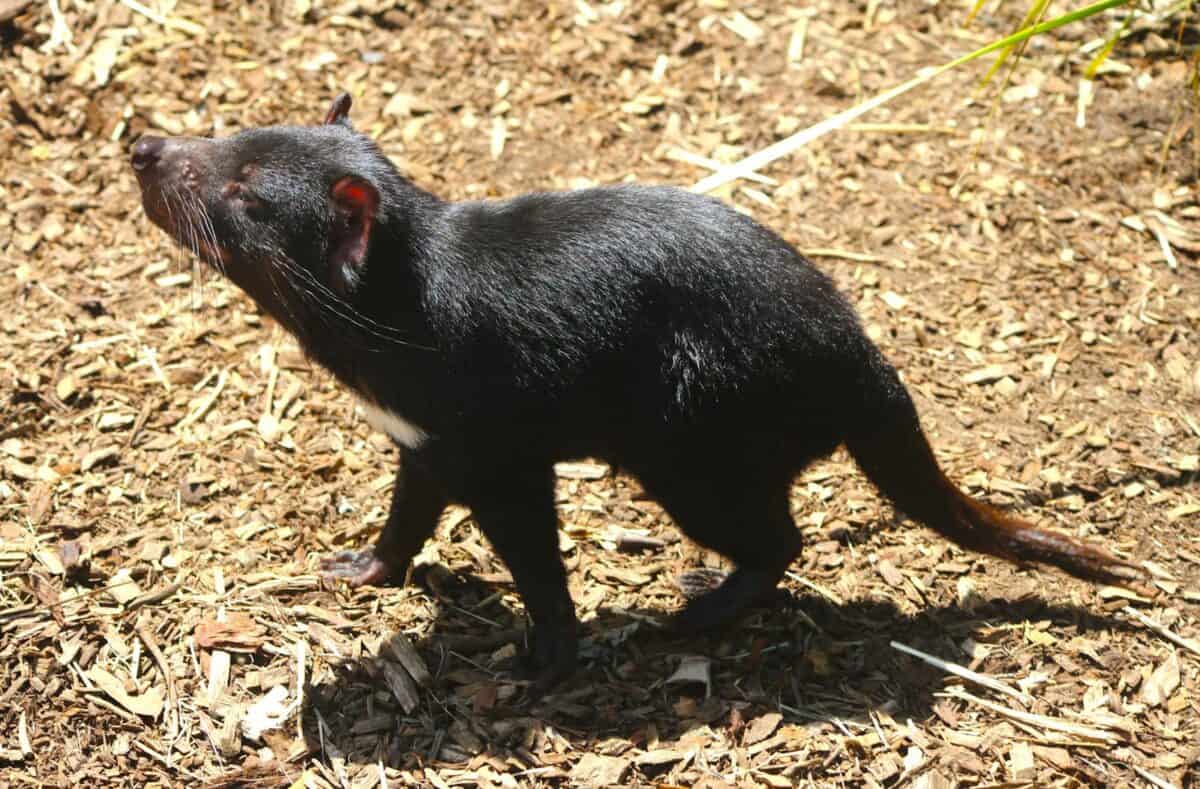
Tasmanian devils (Sarcophilus harrisii) once thrived across the Australian mainland, with fossil evidence suggesting their presence dating back hundreds of thousands of years. These carnivorous marsupials were an integral part of Australia’s ecosystem until approximately 3,000 years ago when they disappeared from the mainland. The most widely accepted theory for their extinction points to the introduction of dingoes by Asian seafarers. Unlike Tasmania, which was separated from the mainland when sea levels rose after the last ice age (approximately 12,000 years ago), the mainland offered no protection from these new predators. As a result, devils survived only on Tasmania, where dingoes never established a population, becoming an iconic symbol of the island state and earning their name “Tasmanian” devils despite their originally broader Australian range.
The Devastating Impact of Devil Facial Tumor Disease

In the late 1990s, Tasmanian devils faced a new existential threat with the emergence of Devil Facial Tumor Disease (DFTD), a rare transmissible cancer that spreads when devils bite each other during feeding or mating. The disease manifests as tumors around the face and mouth that eventually grow large enough to prevent the animal from eating, leading to starvation. Since its discovery, DFTD has caused catastrophic population declines, with some areas experiencing up to 90% population reduction. The disease’s unusual ability to transmit from animal to animal without rejection by the immune system made it particularly devastating. This crisis prompted wildlife authorities to classify Tasmanian devils as endangered in 2008 and catalyzed intensive conservation efforts to prevent their complete extinction.
Conservation Breeding Programs: Creating Insurance Populations
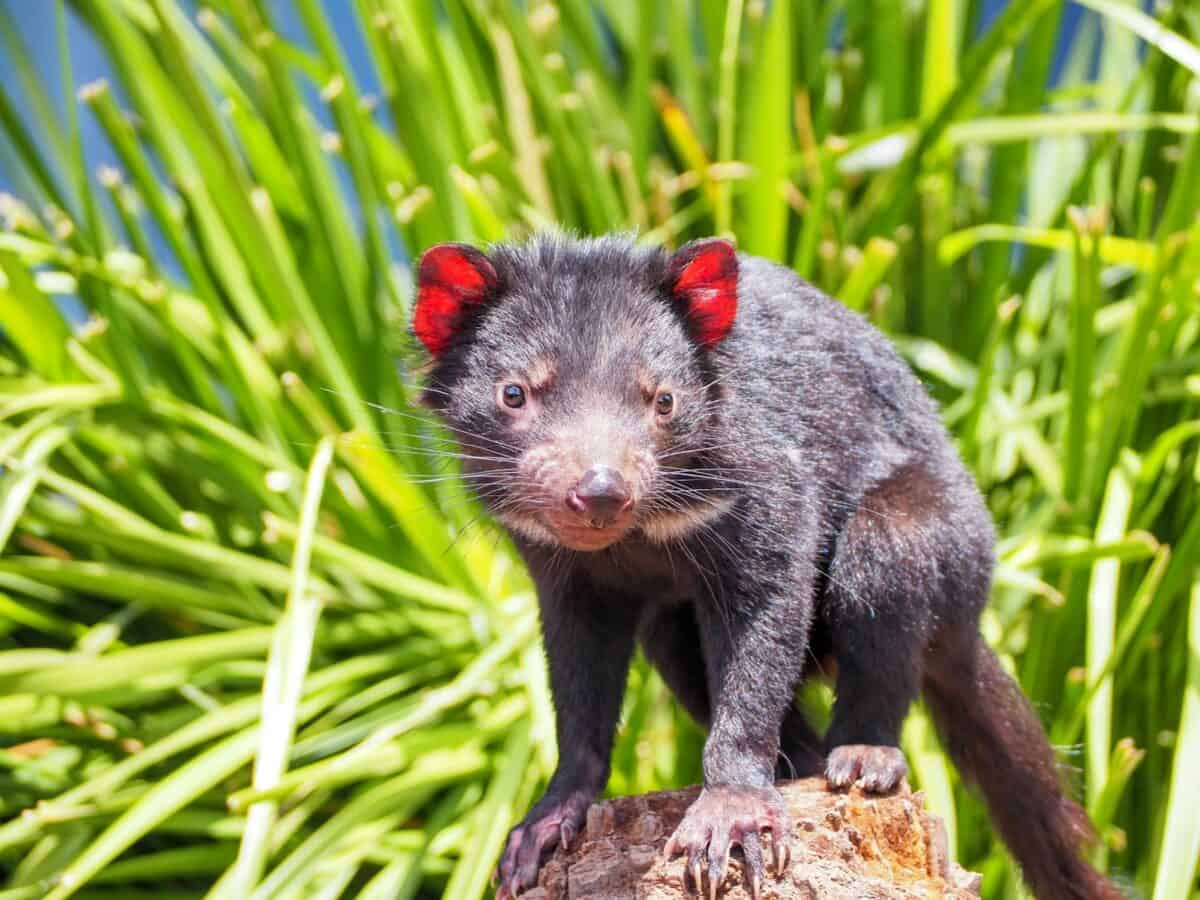
In response to the DFTD crisis, conservation organizations established breeding programs aimed at creating “insurance populations” – genetically diverse groups of disease-free devils maintained in captivity. The Tasmanian Devil Conservation Program, launched by the Tasmanian government in 2003, became the cornerstone of these efforts. Additionally, organizations like Aussie Ark (formerly Devil Ark) created specialized facilities dedicated to breeding healthy devils in mainland Australia. These programs carefully managed breeding to maximize genetic diversity, crucial for maintaining the species’ adaptive potential. By 2020, these initiatives had successfully produced multiple generations of healthy captive devils, creating a viable source population for potential wild releases. The insurance population strategy proved essential in preserving the species while researchers worked to understand and combat DFTD.
The Rewilding Vision Becomes Reality

The ambitious vision to return Tasmanian devils to mainland Australia began to take concrete shape in 2020, when Aussie Ark, in partnership with Global Wildlife Conservation and WildArk, released 26 devils into a 400-hectare (988-acre) sanctuary at Barrington Tops, New South Wales. This sanctuary, while fenced, represented a significant milestone as the first semi-wild environment for devils on the mainland in millennia. The initial release was followed by additional groups in 2021, bringing the total to more than 50 individuals. These devils were carefully selected from the insurance breeding program to ensure genetic diversity. Monitoring showed the animals quickly adapting to their new environment, successfully hunting, foraging, and most importantly, reproducing. The birth of joeys (baby devils) in the wild marked the first time in an estimated 3,000 years that Tasmanian devils had naturally reproduced on mainland Australia, signaling the program’s early success.
Ecological Benefits of Devil Reintroduction

The return of Tasmanian devils to mainland ecosystems offers potentially significant ecological benefits. As scavengers and predators, devils play an important role in maintaining ecological health by cleaning up carcasses and controlling populations of smaller predators. One of the most anticipated benefits is their potential impact on invasive predator species, particularly feral cats and foxes, which have devastated native Australian wildlife. Devils may compete with these introduced predators for resources or directly threaten them, potentially reducing their numbers and impact. Additionally, by consuming carrion, devils help clean the landscape and reduce disease transmission among other wildlife. Ecologists refer to this type of reintroduction as “rewilding” – restoring key species to recreate natural ecological processes and relationships that existed before human disturbance. The devil reintroduction represents one of Australia’s most significant rewilding efforts to date.
Unique Characteristics of Tasmanian Devils
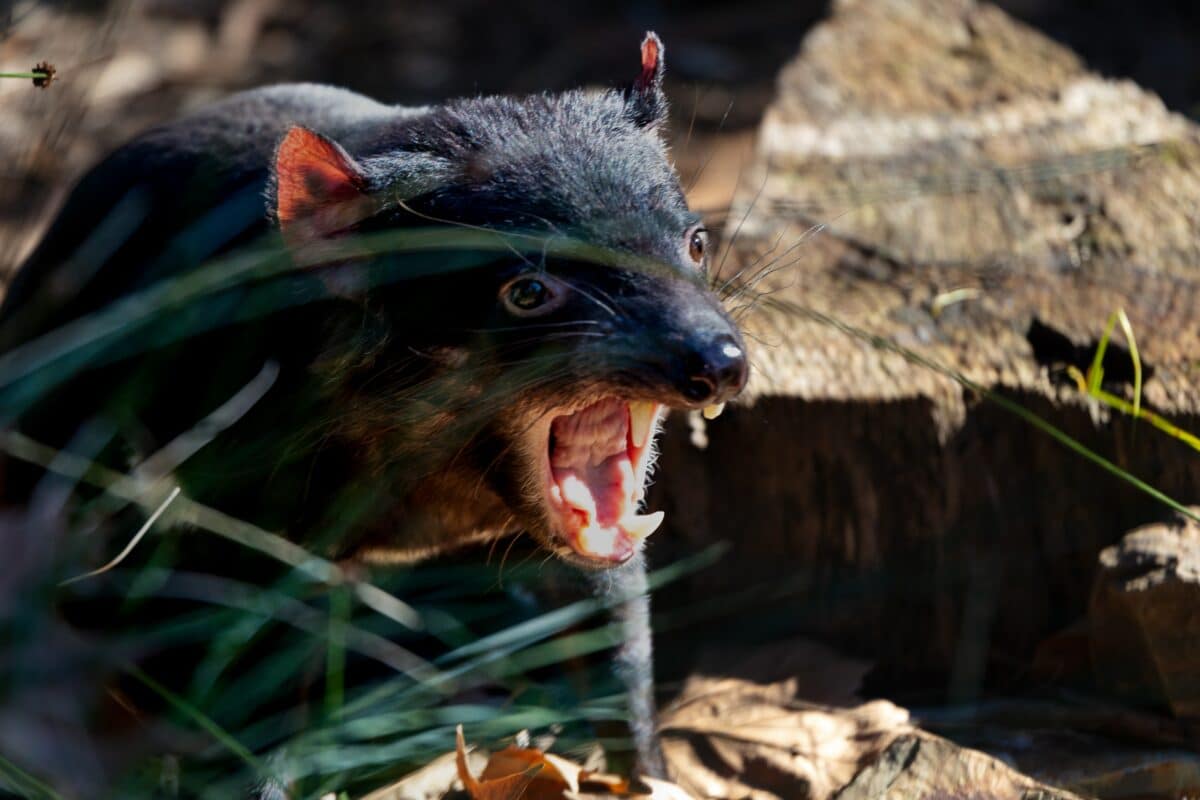
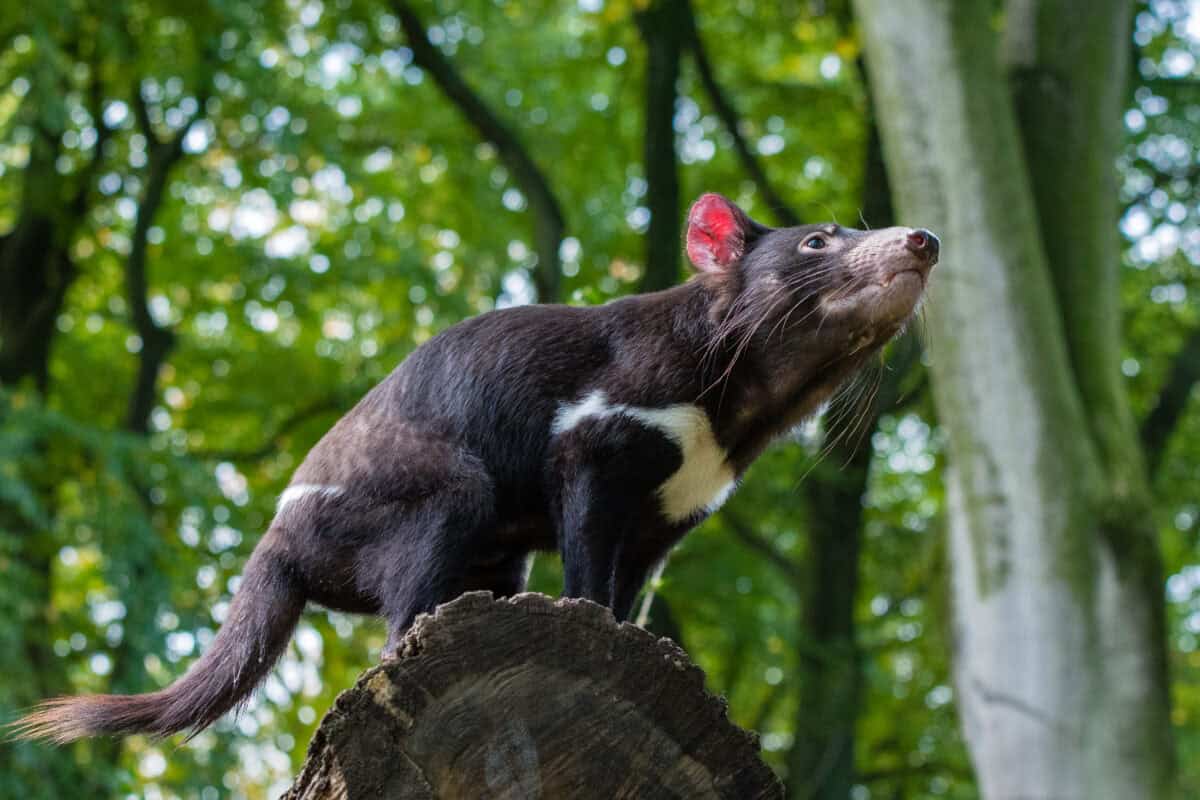
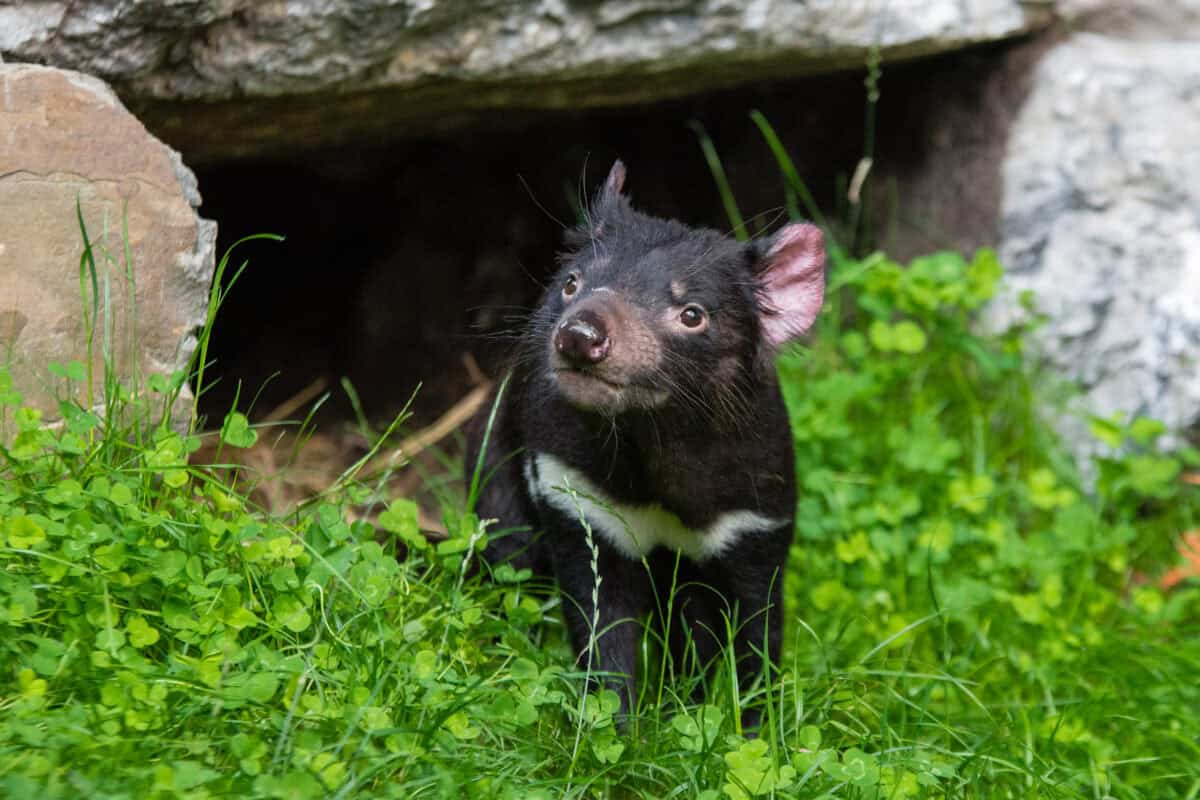
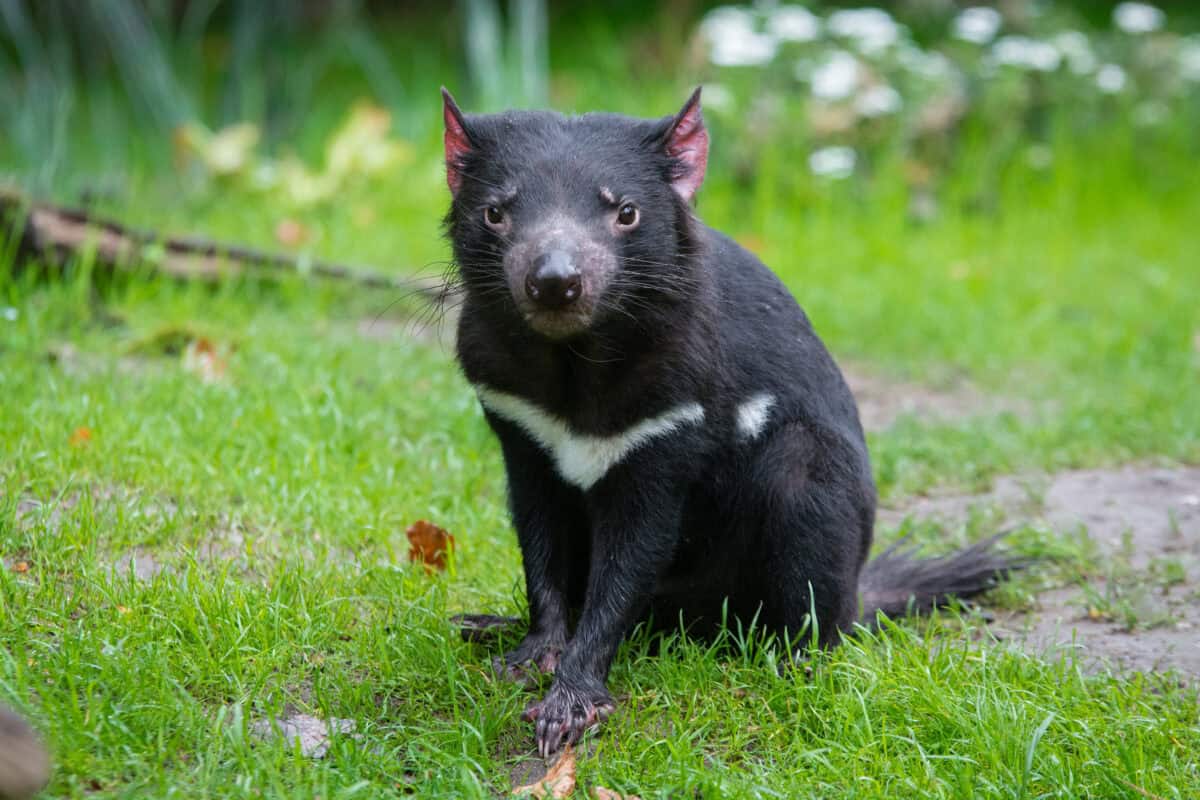
Tasmanian devils possess a suite of fascinating characteristics that make them unique among marsupials. Despite their fierce reputation, devils are relatively small, weighing between 8-14 kg (18-31 pounds), with males typically larger than females. They are characterized by their stocky build, black fur, distinctive white markings, and disproportionately large heads with powerful jaws capable of crushing bones. Devils are known for their extraordinary bite force, which at 553 Newtons (measured relative to body size) ranks among the strongest of any mammal. Another distinctive trait is their vocalizations – the blood-curdling screams, growls, and guttural noises that earned them their devilish name from early European settlers. These sounds are primarily used during feeding and mating confrontations. Despite their fearsome appearance and sounds, devils are generally shy around humans and prefer to avoid contact, making their successful adaptation to protected wilderness areas feasible.
Monitoring the New Populations

Tracking the progress of reintroduced devils involves sophisticated monitoring techniques that balance the need for data with minimal human interference. Wildlife biologists have equipped select devils with GPS tracking collars that provide real-time information about movement patterns, territory establishment, and activity levels. Additionally, strategically placed trail cameras throughout the sanctuary capture footage of devils in their natural behaviors, helping scientists assess adaptation without direct observation. Regular health assessments involve briefly capturing individuals to check for signs of disease, nutritional status, and reproductive condition. One of the most encouraging signs of successful adaptation has been evidence of reproduction. Through genetic sampling and camera monitoring, researchers have documented multiple breeding events and the birth of joeys since the reintroduction began. This comprehensive monitoring program allows conservationists to make data-driven decisions about future releases and management strategies.
Challenges and Obstacles to Successful Reestablishment
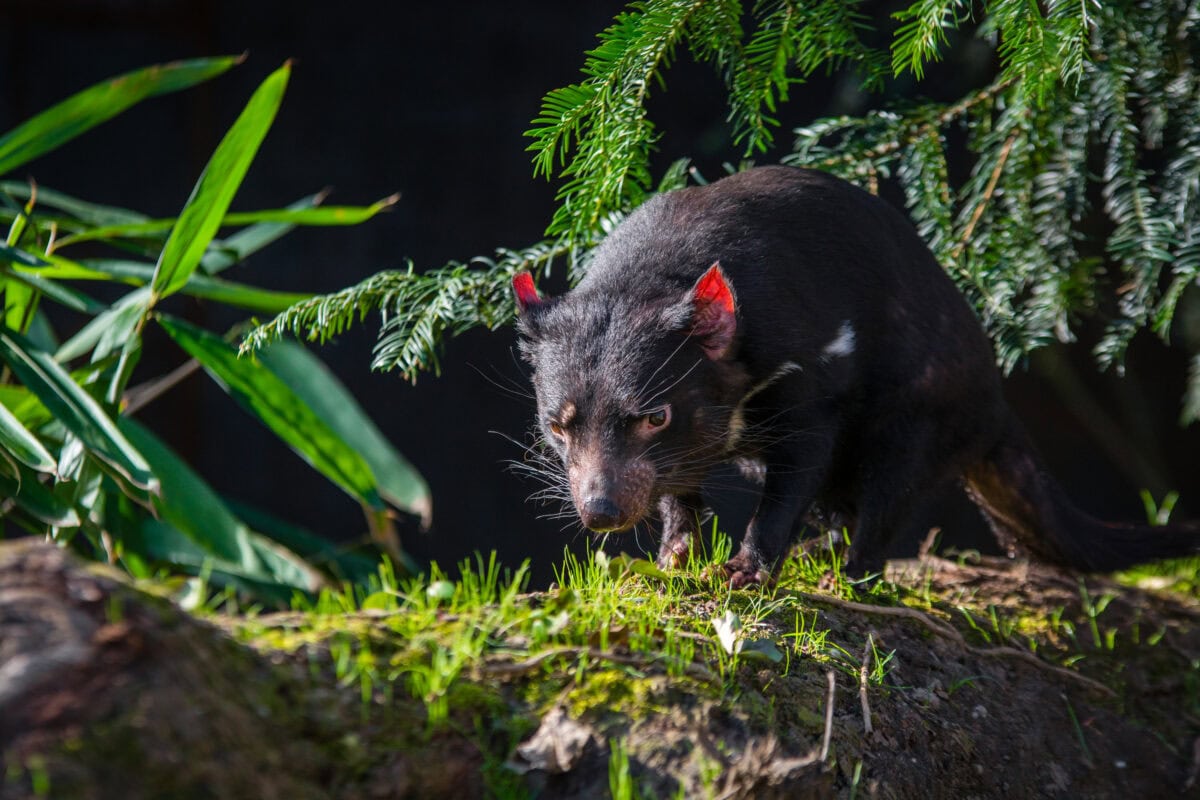
Despite early successes, the reintroduction of Tasmanian devils to mainland Australia faces several challenges. One significant concern is potential conflict with other native wildlife that has evolved without devils for thousands of years. Some ecologists worry about competition with other scavengers or impacts on prey species unaccustomed to devil predation. Another challenge is human-wildlife conflict in areas where devils might eventually expand near human settlements. Public education campaigns have been essential to build support and reduce misconceptions about these misunderstood marsupials. Disease management remains an ongoing concern, with protocols in place to monitor and respond to any signs of DFTD or other health issues. Additionally, climate change impacts, particularly increasing temperatures and altered fire regimes, could affect habitat suitability in the long term. Conservation managers must balance optimism with vigilance, adapting strategies as new challenges emerge in this pioneering rewilding effort.
Future Release Plans and Expansion
Building on the initial success at Barrington Tops, conservation organizations have developed ambitious plans to expand devil reintroductions across suitable mainland habitats. Future releases will likely follow a staged approach, beginning with additional fenced sanctuaries before potentially progressing to unfenced wilderness areas where devils can fully integrate into broader ecosystems. Site selection involves rigorous assessment of habitat quality, prey availability, potential conflict with human activities, and public support. Several potential release sites in eastern Australia are currently under evaluation, with priority given to protected areas with minimal threats from road mortality, persecution, or habitat modification. The long-term vision extends beyond simply establishing isolated populations to creating interconnected meta-populations that can naturally exchange individuals and genetic material. This approach would maximize resilience and adaptive potential, especially in the face of environmental changes. While full mainland restoration will take decades, each successful release brings this vision closer to reality.
The Role of Public Support and Education
Public engagement has proven essential to the success of devil reintroduction efforts. Conservation organizations have implemented multi-faceted education programs to build awareness and support among local communities, tourists, and the broader public. These initiatives include visitor centers at breeding facilities, school education programs, and digital media campaigns highlighting devil conservation. Fundraising efforts have successfully leveraged public interest in these charismatic animals, with “adoption” programs and merchandise sales providing crucial financial support. Community science programs allow volunteers to contribute to monitoring efforts, creating personal connections to the project while gathering valuable data. Indigenous partnerships have been particularly important, incorporating traditional ecological knowledge and cultural perspectives into management approaches. By cultivating broad-based support, conservationists hope to ensure the long-term sustainability of devil populations beyond the initial excitement of reintroduction.
Scientific Research Opportunities
The reintroduction of Tasmanian devils presents unprecedented research opportunities across multiple scientific disciplines. Ecologists are studying how the return of this native predator affects ecosystem dynamics, from changes in scavenger communities to potential trophic cascades affecting vegetation. Behavioral researchers are documenting how devil behavior differs between island and mainland populations, including territory size, social interactions, and hunting strategies. Geneticists continue to monitor the genetic health of reintroduced populations, tracking diversity and potential adaptation to mainland conditions. Disease ecology studies focus on both monitoring for DFTD and understanding devils’ impacts on disease dynamics in other wildlife populations. Conservation scientists are evaluating the effectiveness of different reintroduction methodologies, generating valuable knowledge for future rewilding efforts with other species. This wealth of research not only supports devil conservation but contributes to broader understanding of ecosystem restoration and species reintroductions worldwide.
Conclusion: A New Chapter for an Ancient Species
The return of Tasmanian devils to mainland Australia represents a profound conservation achievement and the opening of a new chapter in the species’ ancient history. After facing near extinction from disease and having been absent from the mainland for millennia, these remarkable marsupials are now breeding and thriving in protected areas, demonstrating nature’s resilience when given appropriate human support. While challenges remain and success is not guaranteed, the early positive results provide hope not only for the devil’s future but for Australia’s broader conservation efforts. This reintroduction exemplifies how targeted conservation action, scientific knowledge, public support, and patience can begin to heal some of the ecological wounds inflicted by human activity and invasive species. As devils continue to establish themselves in their ancestral mainland home, they offer a powerful symbol of conservation optimism in an era often characterized by environmental loss.

- The Glasswing Butterfly: Nature’s Invisible Beauty - July 21, 2026
- What Happens If a Whale Dies in the Ocean? - July 21, 2026
- Why You Should Stop Feeding Ducks at the Park - July 21, 2026