
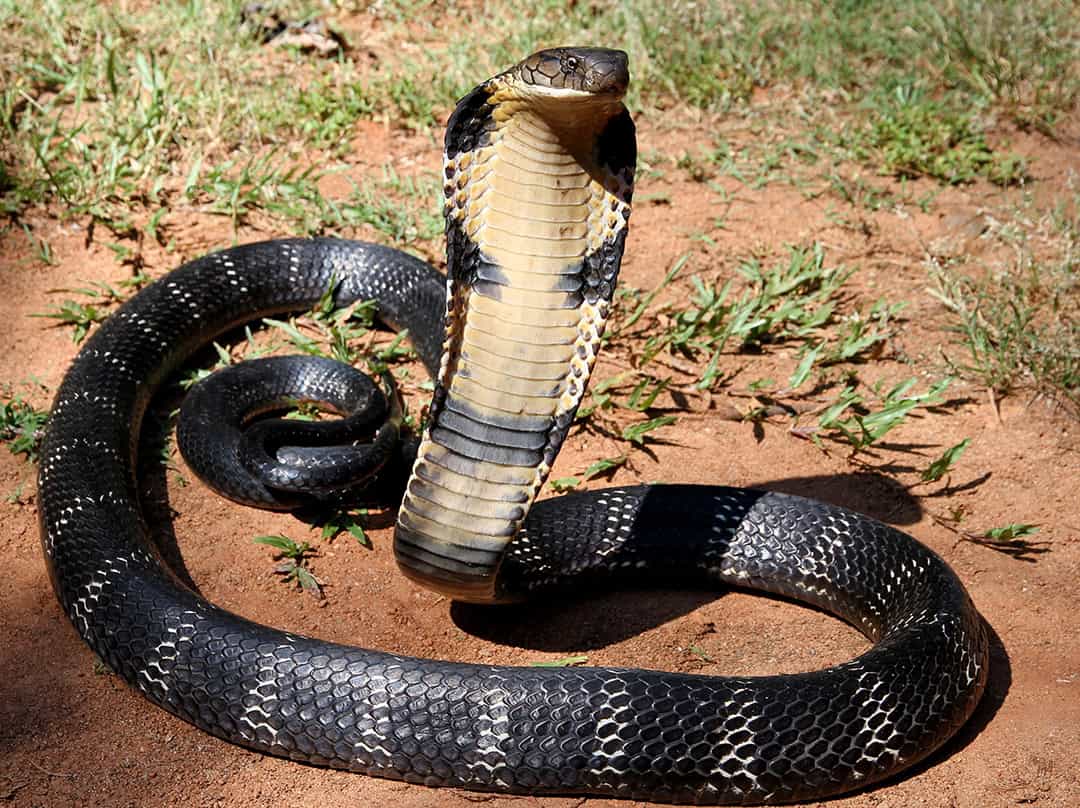
A diverse array of creatures quietly resides in the vast expanse of Earth’s ecosystems, equipped with remarkable adaptations. Among these adaptations, venom is a powerful tool for predation and defense. This natural weapon fascinates scientists and wildlife enthusiasts alike for its deadly efficacy. Join us as we delve into the captivating world of the animal kingdom’s most venomous inhabitants.
Understanding Venom: Nature’s Potent Concoction

🔥 Would you like to save this?
We'll email this post to you, so you can come back to it later!
Venom is a complex cocktail of proteins and enzymes, tailored by evolution to immobilize prey or deter predators. This biological weapon is delivered through specialized structures, like fangs, spines, or tentacles, with each species possessing unique venomous properties. Understanding these creatures requires an appreciation of how venom functions in the natural world.
The Inland Taipan: A Serpentine Master

🔥 Would you like to save this?
We'll email this post to you, so you can come back to it later!
Renowned as the world’s most venomous snake, the Inland Taipan, or “fierce snake,” possesses venom potent enough to kill dozens of humans in a single bite. Its venom contains a complex mixture of neurotoxins, procoagulants, and myotoxins, which together cause paralysis, internal bleeding, and tissue damage. Fortunately, this elusive snake resides in remote regions of Australia, reducing human encounters.
The Box Jellyfish: A Toxic Oceanic Marvel
🔥 Would you like to save this?
We'll email this post to you, so you can come back to it later!
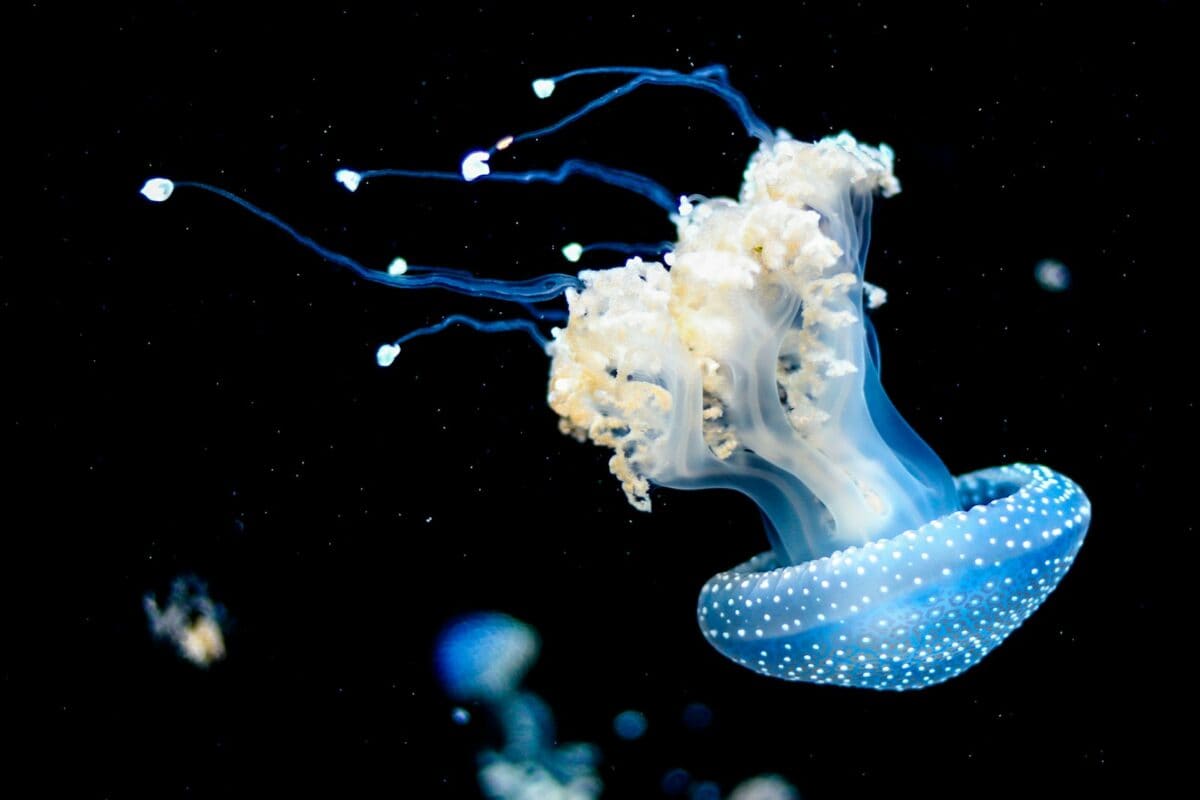
Dwelling in the waters of the Indo-Pacific, the Box Jellyfish is often regarded as the most venomous marine creature. Its tentacles are covered in specialized cells known as cnidocytes, which discharge venom capable of causing cardiac arrest, paralysis, and death. Swimmers in jellyfish-prone areas are advised to take extreme caution.
The Blue-Ringed Octopus: Small but Mighty
🔥 Would you like to save this?
We'll email this post to you, so you can come back to it later!
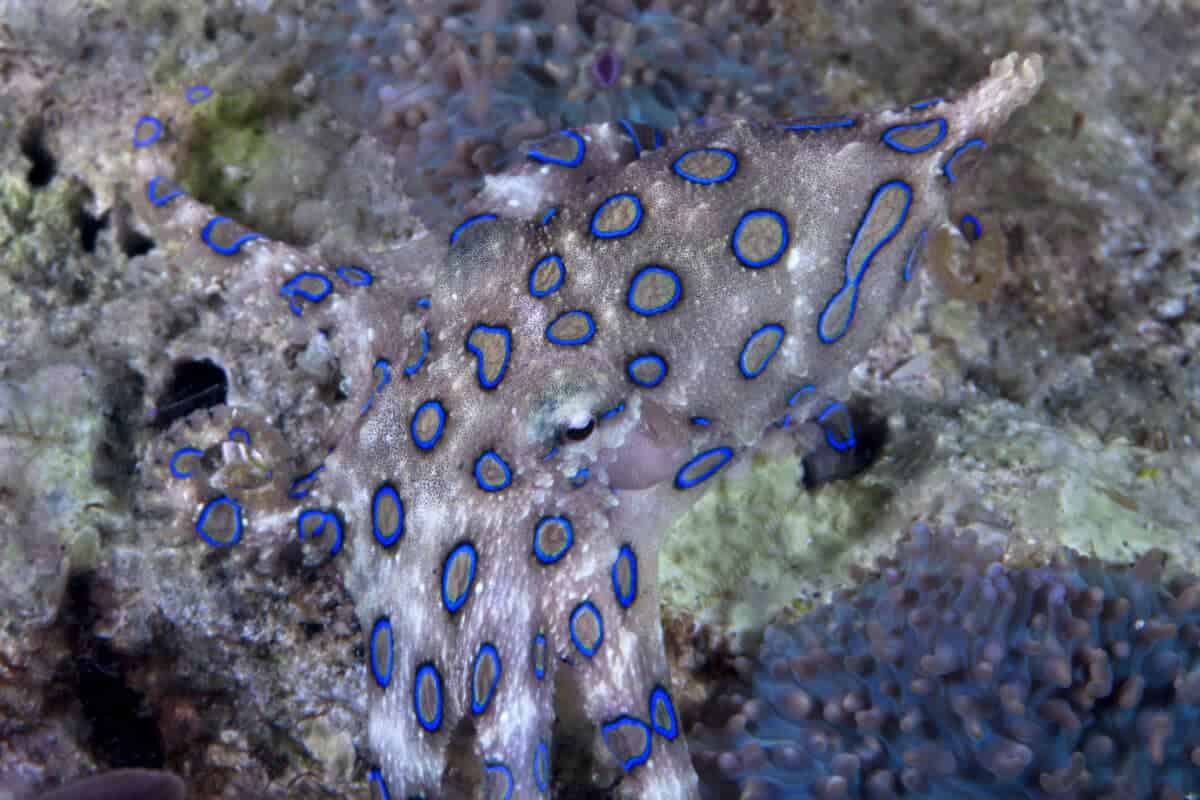
Despite its diminutive size, the Blue-Ringed Octopus bears a mighty punch with its venom containing tetrodotoxin, a potent neurotoxin. This venom can paralyze muscles and impair respiratory function, leading to asphyxia. Occupying tide pools and coral reefs, these octopuses are visually striking but warrant a wide berth.
The Stonefish: A Master of Camouflage and Toxicity

🔥 Would you like to save this?
We'll email this post to you, so you can come back to it later!
Stonefish are masters of disguise, blending seamlessly with the ocean floor. However, their venomous dorsal spines harbor a painful surprise for the unwary. The venom can cause excruciating pain, swelling, and tissue necrosis, making them one of the ocean’s most dangerous fish.
The Deathstalker Scorpion: An Arachnid Force

🔥 Would you like to save this?
We'll email this post to you, so you can come back to it later!
The name of the Deathstalker Scorpion is aptly given, as it reigns as the most venomous scorpion in the world. Found mainly in North Africa and the Middle East, its venom is a complex blend of neurotoxins causing extreme pain, fever, convulsions, and potentially lethal respiratory failure.
The Cone Snail: A Slow but Deadly Predator

🔥 Would you like to save this?
We'll email this post to you, so you can come back to it later!
In the serene waters of the Indo-Pacific, the ostensibly innocent-looking Cone Snail has a deadly mechanism. Using a harpoon-like tooth, it injects venom with over 100 different toxic compounds, capable of causing paralysis, respiratory failure, and even death in humans.
The Brazilian Wandering Spider: A Stealthy Threat

🔥 Would you like to save this?
We'll email this post to you, so you can come back to it later!
As the name suggests, the Brazilian Wandering Spider doesn’t spin webs but instead roams the forest floor. Its venom contains a potent mix of neurotoxins and serotonin, producing intense pain and severe systemic effects. While primarily nocturnal, these spiders can venture into human dwellings, increasing their threat profile.
The Sydney Funnel-Web Spider: A Fine Balance of Beauty and Danger

🔥 Would you like to save this?
We'll email this post to you, so you can come back to it later!
Indigenous to Australia, the Sydney Funnel-Web Spider’s bite delivers a cocktail of potent toxins, especially dangerous to humans and primates. Its venom acts quickly, causing muscle spasms, breathing difficulty, and, without prompt medical attention, can be fatal within hours.
The King Cobra: Monarch of Venomous Serpents

🔥 Would you like to save this?
We'll email this post to you, so you can come back to it later!
The King Cobra, the longest venomous snake, commands respect with its lethal venom and intimidating presence. Capable of delivering a large quantity of neurotoxic venom, it can incapacitate a human within minutes. Despite its fearsome reputation, it usually avoids confrontation, resorting to its venomous defense only when threatened.
Anemone and Coral: Anchoring Venom in Ecosystems

🔥 Would you like to save this?
We'll email this post to you, so you can come back to it later!
While not typically life-threatening to humans, certain sea anemones and corals possess venom that plays critical roles in their ecosystems. Their venom aids in capturing prey and warding off competitors for space. Divers and snorkelers should respect their natural habitats to avoid painful stings.
Coexisting with Venomous Creatures: Safety and Respect
🔥 Would you like to save this?
We'll email this post to you, so you can come back to it later!
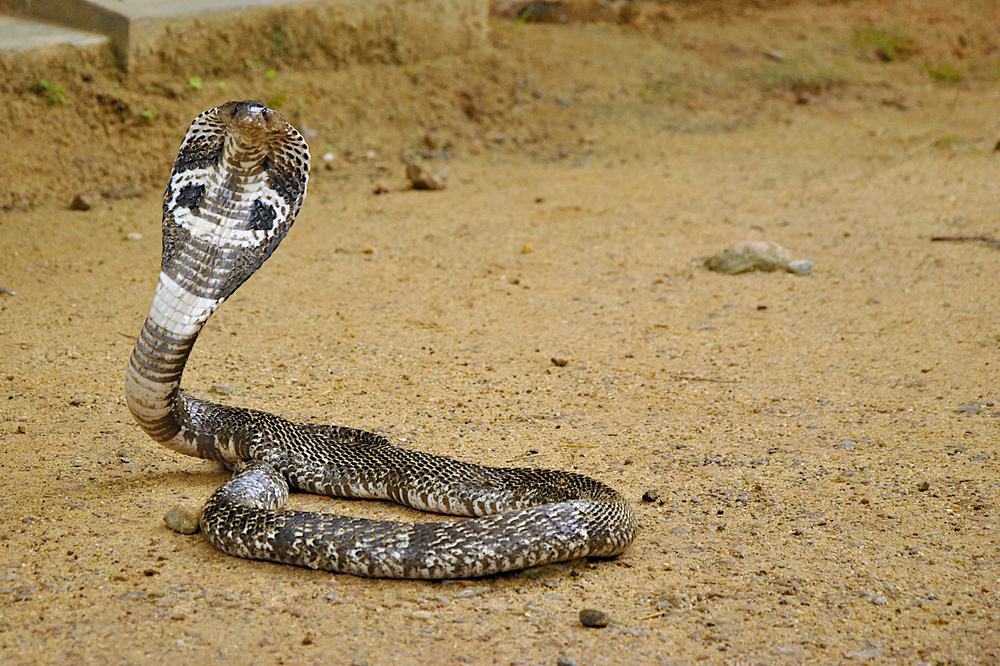
Venomous animals, though intimidating, are crucial to Earth’s biodiversity. They control prey populations and foster a balanced ecosystem. Awareness and education are key to safely coexisting with them. Understanding these creatures helps foster a respect for their roles in nature and supports conservation efforts.
In summary, venomous creatures, with their dazzling array of adaptations, highlight the fascinating and sometimes perilous intricacies of the natural world. By learning about these species, we gain insight into evolutionary marvels and the importance of preserving biodiversity. May this exploration inspire wonder and respect for the enigmatic residents of our planet.

- Simple Ways to Keep Your Pumpkins Safe from Squirrel Attacks - October 26, 2026
- Transform Your Garden with Vibrant and Everlasting Strawflowers - October 22, 2026
- How to Win Over Judges in Dressage Competitions - October 19, 2026