
Most people assume their dog just “gets” them because of a familiar tone of voice or a slouched posture on the couch. That explanation feels comfortable. It’s also incomplete.
Researchers digging into canine cognition have found something stranger sitting underneath that comfortable idea: dogs appear to be reading the tiny, involuntary movements in your face itself – the flicker at the corner of your mouth, the micro-lift of an eyebrow – often faster than another person would catch it. Some scientists believe dogs process human faces with a level of specificity no other species has ever been shown to match. Here’s what the research actually found, and a few of these results are hard to believe even after you read the studies yourself.
#1 – They Track Your Eyes Before Anything Else on Your Face
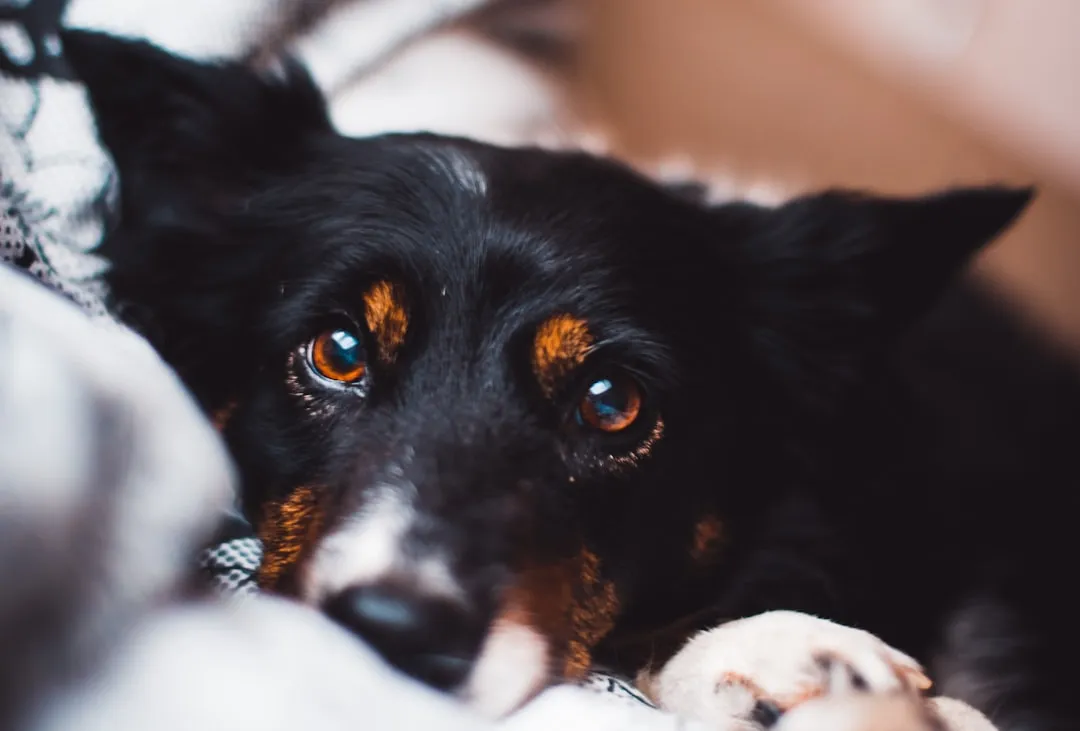
Dogs don’t scan your whole face evenly. They go straight for the eyes and stay there, no matter what expression you’re wearing.
Eye-tracking research out of the University of Helsinki found that dogs discriminated between human facial regions in their spontaneous viewing pattern and looked most to the eye region independently of facial expression. That means your dog isn’t glancing at your mouth to see if you’re smiling – it’s locked onto your eyes almost every single time, treating them as the primary source of information.
This lines up with how humans read each other, too, which is part of why the bond feels so mutual. Dogs treat your eyes as the control center of your entire emotional state, prioritizing them over your jaw, cheeks, or forehead. It’s a strategy built for efficiency, and it’s remarkably similar to how human infants learn to read faces. But that’s nothing compared to what we found about #2.
Fast Facts
- Dogs’ eyes lock onto human eyes first, regardless of expression, according to University of Helsinki eye-tracking research.
- This gaze priority mirrors how human infants first learn to read faces.
- The eye region acts as your dog’s primary information hub for reading emotion, ahead of the mouth or brow.
#2 – They Can Actually Tell Happy From Angry
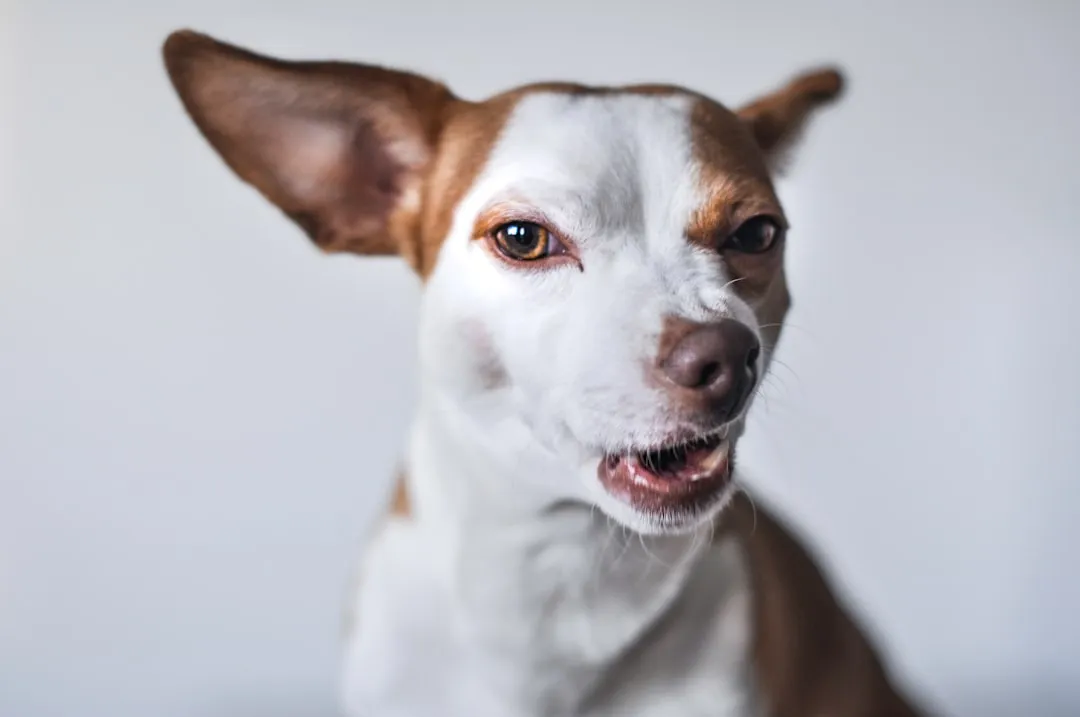
This isn’t guesswork or wishful pet-owner thinking. It’s been tested in controlled lab conditions, repeatedly.
Multiple research teams have confirmed that dogs can recognize individual humans and that they can distinguish between basic facial expressions, such as anger or happiness, just by facial features. That’s not a small claim – it means your dog is running a real-time classification system on your face, sorting your expression into categories before deciding how to react.
Where it gets more interesting is what they do with that information. Researchers observed that dogs seem to prefer happy faces to sad ones, which suggests they might be able to understand who is likely to give them a treat and who might be more likely to yell “Bad dog!” at them. In other words, your dog isn’t just noticing your mood – it’s using it to predict outcomes. But wait until you hear what’s happening with #3.
#3 – Puppy Dog Eyes Aren’t an Accident
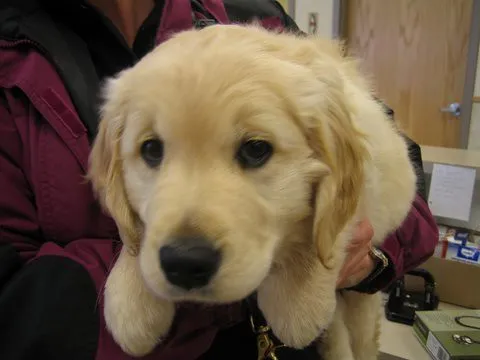
Most owners think the classic “sad puppy” look is just a cute, involuntary expression. Turns out, it might be far more deliberate than that.
Researchers studying oxytocin’s role in dog behavior noted that dogs who received oxytocin made more attempts to make eye contact with humans than dogs who did not, and dogs use eye contact with humans to signal that they need assistance – a behavior much less likely to happen with wolves. That single detail flips the “dumb puppy stare” narrative on its head. It’s a targeted communication tool, not a passive reflex.
Scientists also point out that this eye contact with humans in dogs is often accompanied by facial expressions, including the raising of the inner eyebrows to make “puppy dog eyes.” This expression evolved specifically to work on us. It’s manipulation in the friendliest possible sense, and it’s shockingly effective. But #4 takes this even further.
#4 – Their Eyebrows Move More When You’re Watching Them
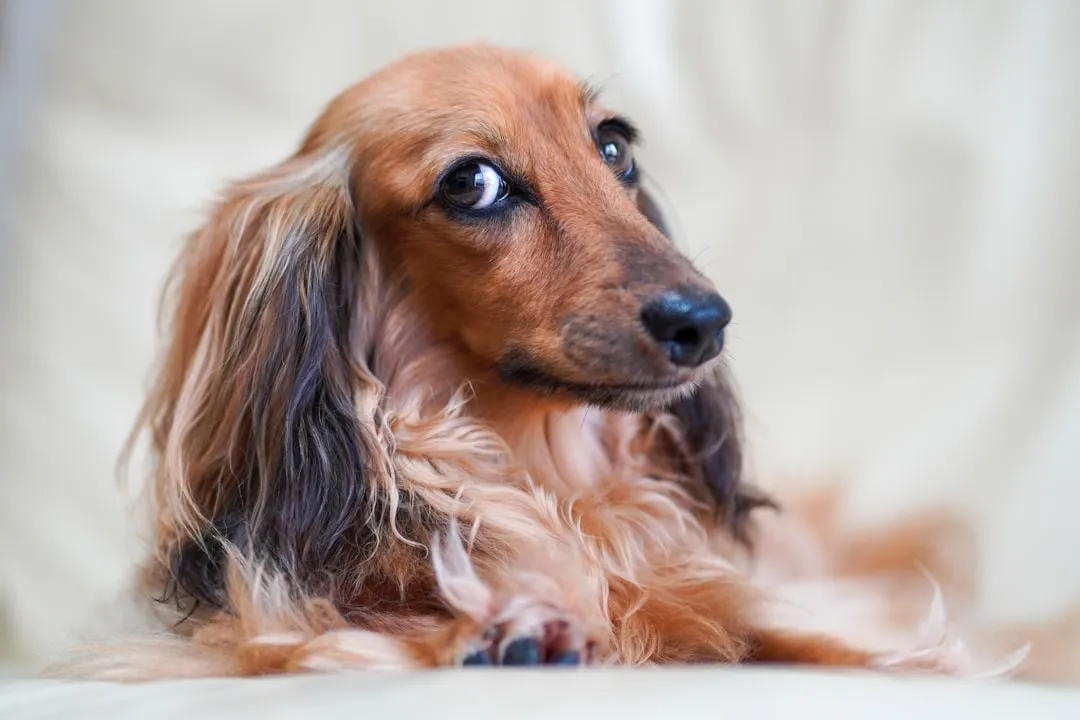
Here’s where it gets a little uncomfortable: your dog might be performing for you, not just reacting to you.
Studies analyzing eyebrow movement in dogs found that researchers concluded eyebrow raising in dogs primarily serves the purpose of aiding eye movement, after counting the number of eyebrow raises in 21 dogs, both in the presence and absence of a human. The comparison between “human present” and “human absent” conditions is the key. If the raises spike only when you’re around, that’s not a coincidence – that’s targeted signaling.
Separately, behavioral scientists at Portsmouth’s Dog Cognition Centre found something just as telling: dogs produced far more facial expressions when a human was watching than when a human was not. Your dog is adjusting its own face based on your attention. That’s not instinct alone – that’s audience awareness. But #5 is where the science gets genuinely wild.
#5 – Oxytocin Turns Eye Contact Into a Two-Way Bonding Loop
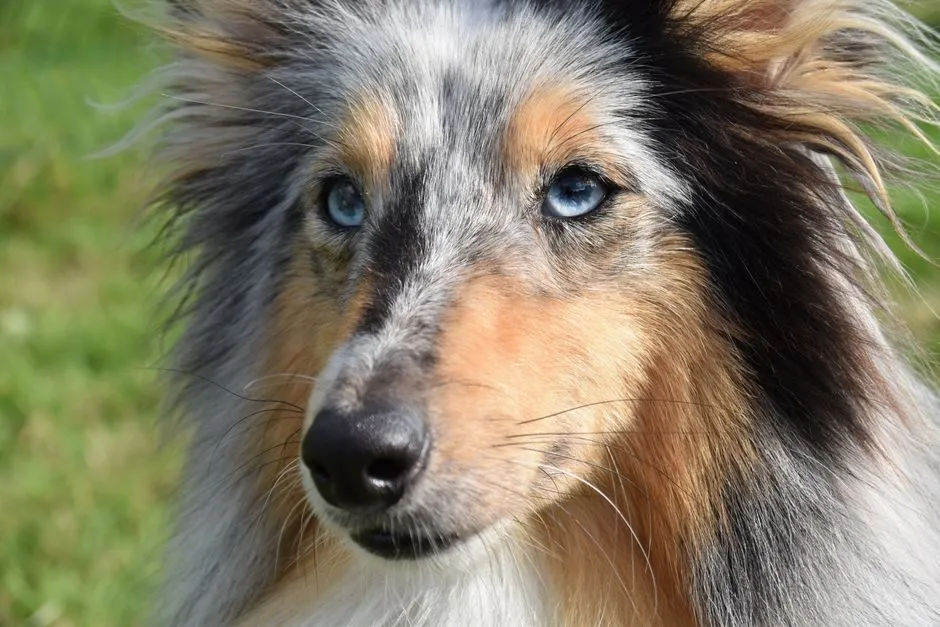
This is the part that surprises even seasoned dog owners: staring into your dog’s eyes is a biochemical event, not just a sweet moment.
Research published in Science found that humans bond emotionally as we gaze into each other’s eyes, a process mediated by oxytocin – and researchers showed such gaze-mediated bonding also exists between us and dogs, finding that mutual gazing increased oxytocin levels, and sniffing oxytocin increased gazing in dogs, an effect that transferred to their owners. This is a genuine feedback loop. You look at your dog, oxytocin rises in both of you, which makes the dog want to look back even more.
What’s stranger is who doesn’t share this trait. The same research noted that wolves, who rarely engage in eye contact with their human handlers, seem resistant to this effect. This bonding mechanism appears unique to domesticated dogs. But #6 shows just how far that recognition goes.
#6 – They Recognize Your Specific Face, Not Just a Generic Human
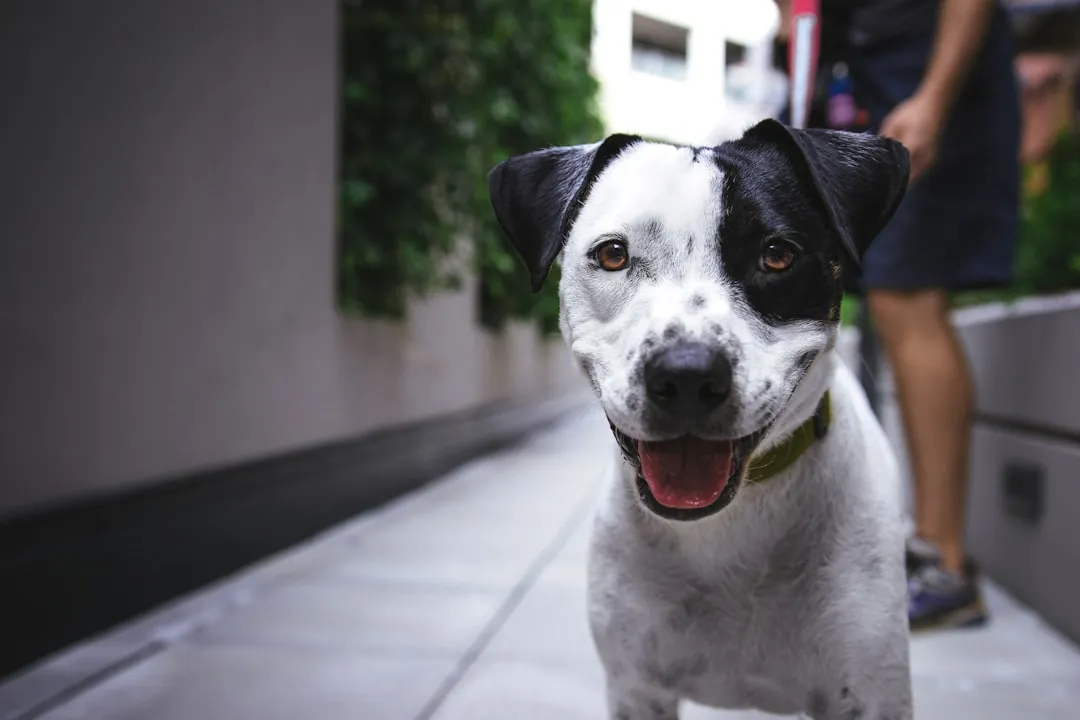
Your dog isn’t reacting to “a face.” It’s reacting to your face, specifically, even in flat, lifeless photographs.
Research on canine visual processing found that dogs pay attention to subtle cues in human faces: they can discriminate 2D representations of familiar and unfamiliar human faces and can do so even if only parts of the faces are shown. That’s an advanced form of facial recognition – partial-face identification is something even some AI systems still struggle with.
Separate findings reinforce this: dogs discriminate between 2D pictures of unfamiliar human faces and present a decrease in attention towards their owner if the latter’s head is not visible, suggesting dogs may even have an internal representation of their owner’s face. Your dog is carrying a mental “file” of your exact face, not just a vague category labeled “person.” But #7 adds a second layer to this system entirely.
#7 – They Match Your Face to Your Voice in Real Time
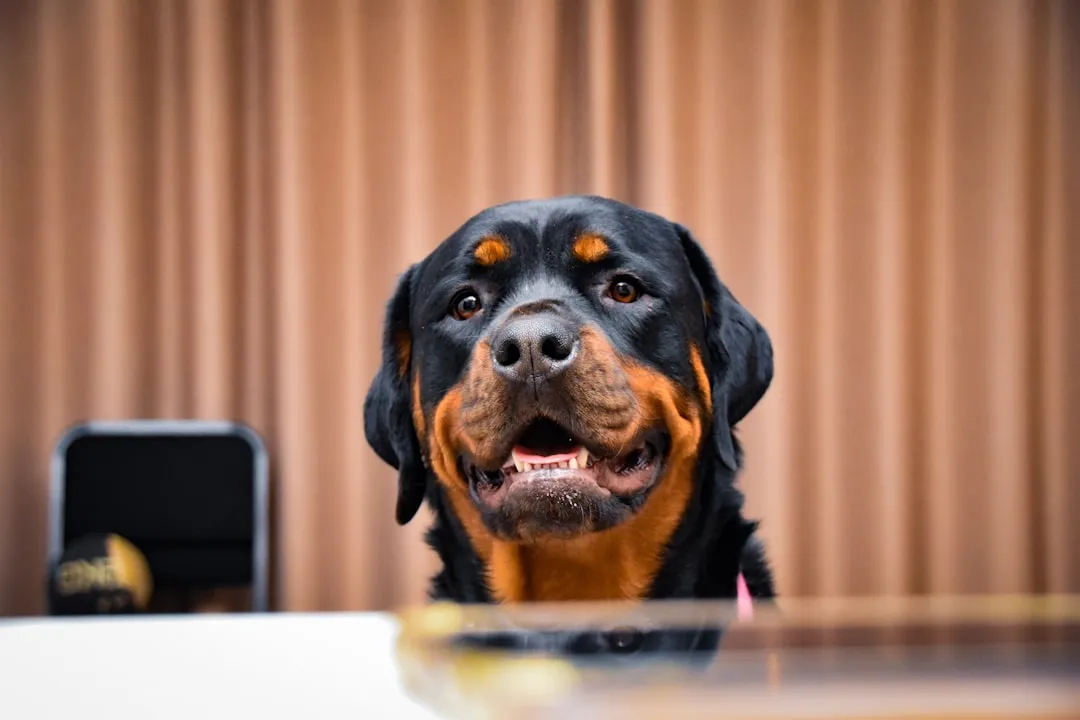
Dogs don’t process your face in isolation – they cross-reference it against how you sound, almost instantly.
A widely cited study covered by Science found that the dogs looked much longer at a face when the expression matched the tone of the voice, a measure that’s also been used to assess various cognitive abilities of other mammals. That’s a multi-sensory integration task, and it’s rare enough that researchers called it groundbreaking: it was the first time that a species, other than humans, has been shown to be capable of interpreting the vocal and facial expressions of an entirely different species of animal.
This means your dog is essentially fact-checking your face against your voice, and getting suspicious when the two don’t line up – like when you say “good boy” in an annoyed tone. That mismatch registers. But #8 reveals a surprising blind spot in this whole system.
#8 – Strangers Confuse Them More Than You’d Expect
Here’s an unpopular but well-supported truth: your dog’s face-reading skills are far more about you specifically than about humans in general.
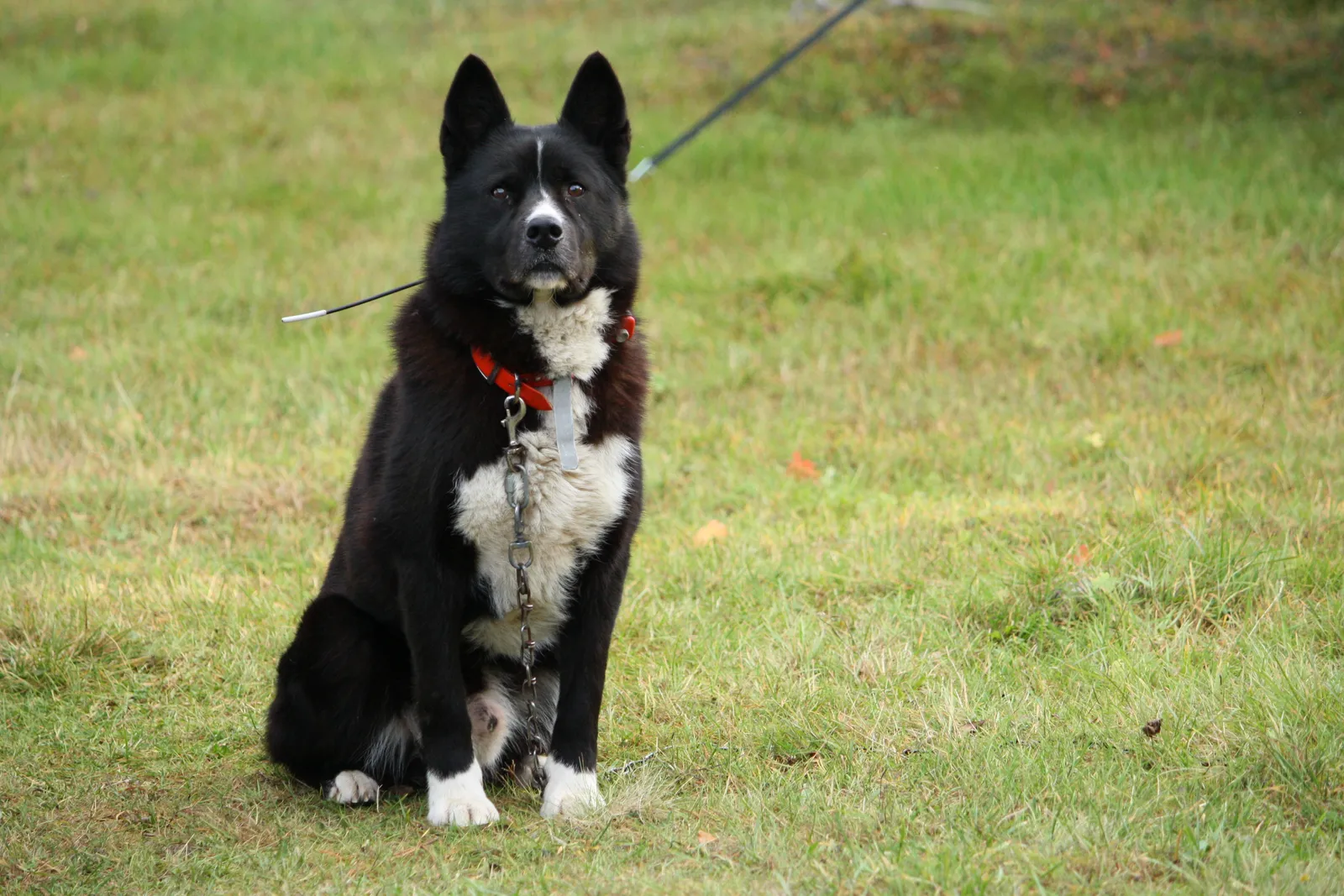
Research has shown that dogs are better at reading the expressions of their owners, and they can get confused when looking at a stranger, especially a person of a different gender. That’s a meaningful limitation. Your dog isn’t a universal human-emotion decoder – it’s an expert on your face, trained by thousands of repeated exposures.
This is worth remembering next time a dog seems hesitant or oddly reactive around a new person. It’s not necessarily bad behavior or poor socialization – it may simply be a facial-recognition mismatch the dog hasn’t calibrated yet. Strangers are a harder read, plain and simple. But #9 shows how deep this skill actually goes, developmentally.
Quick Compare
- Your face: Read quickly and confidently, even from partial or incomplete images.
- A stranger’s face: Harder to interpret, especially across a different gender.
- A fellow dog’s face: Often processed just as fluently – sometimes more so.
#9 – They Process Faces the Way Four-Year-Old Children Do
This comparison sounds absurd until you see the actual research design behind it.
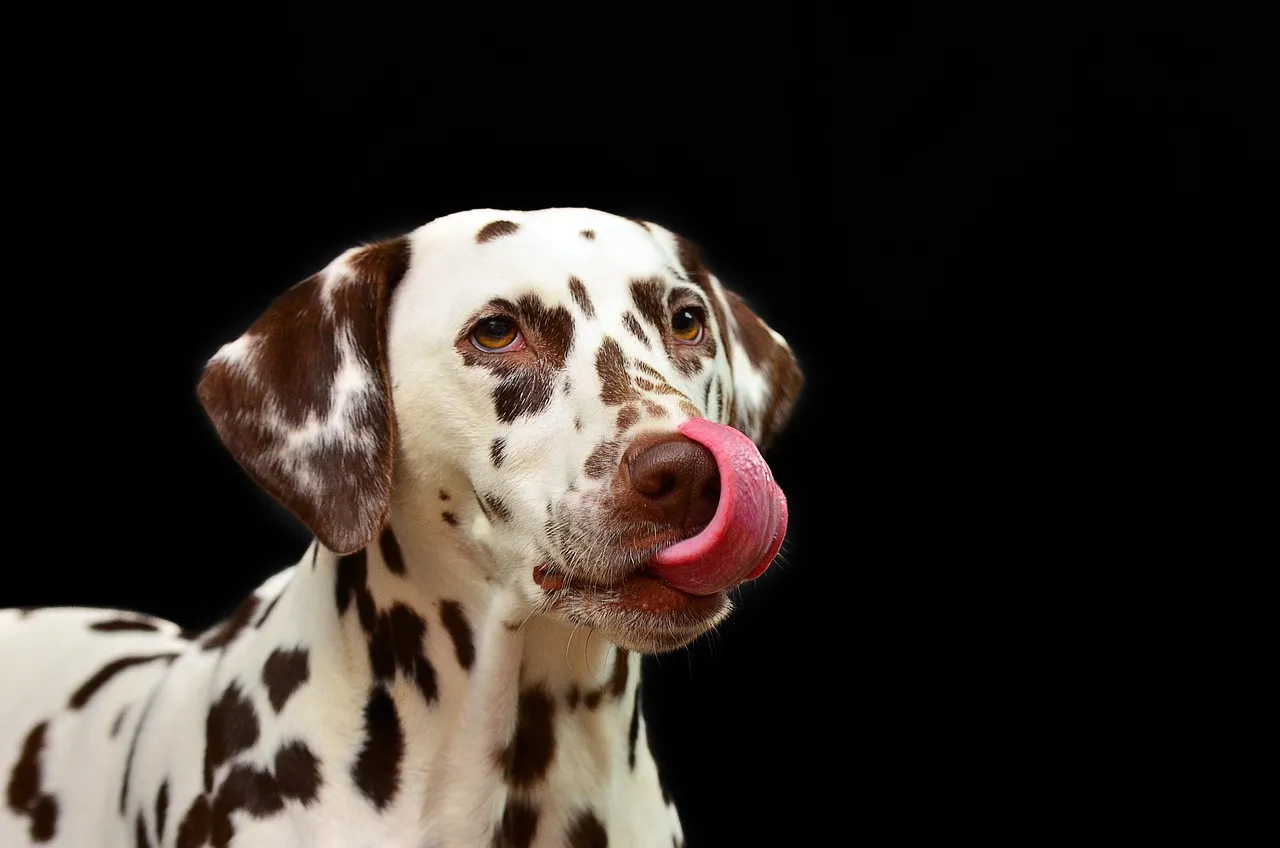
Scientists studying lateral gaze bias directly compared canine facial processing to that of young children, noting that domestication over 12,000 to 33,000 years, occupying a close social anthropogenic niche, would benefit considerably from an appropriate reading of humans’ facial communication. The comparison group wasn’t adult humans – it was four-year-olds, because that’s the developmental stage where facial categorization skills are still forming.
Researchers noted that it’s only by the age of four that children can categorize facial expressions with the sophistication dogs already show. Your dog’s face-reading ability sits in a similar developmental bracket to a preschooler’s – not primitive, but not fully “adult-level” either. Still, #10 proves this skill isn’t limited to pampered house pets.
#10 – Even Untrained Street Dogs Can Do This

This is where the “good breeding” or “expensive training” theories fall apart completely.
A study on free-ranging dogs found that village dogs, as well as pet dogs, could distinguish between subtle human communicative cues, performing a higher frequency of aversive gazes when researchers displayed angry expressions than happy ones. These weren’t dogs raised in homes with constant human interaction and training – they were dogs living independently in human-adjacent environments.
The implication is significant: village dogs’ ability in distinguishing between human facial expressions could provide them with an advantage in surviving in a human-dominated environment. This isn’t a trained trick. It’s a survival skill baked into the species. Whether it’s a $3,000 purebred or a street dog with no formal training, the wiring appears to be the same. But #11 shows a controversial twist to all this.
#11 – They’ll Actually Look Away From an Angry Face
Here’s a detail that contradicts the popular idea that dogs simply “stare lovingly” no matter what.
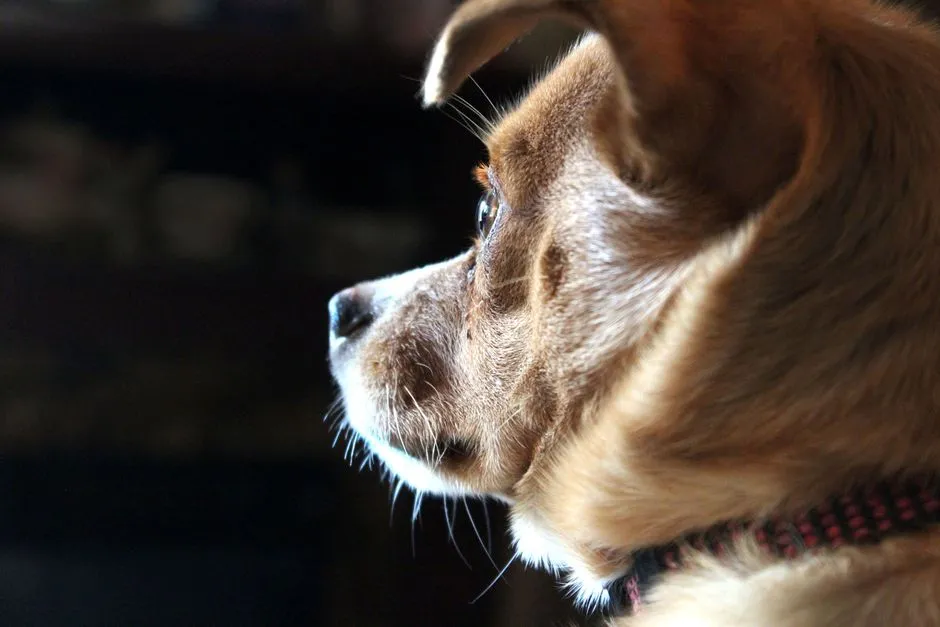
The village-dog study found dogs performed a higher frequency of aversive gazes (looking away) in the angry condition than in the happy condition. That’s a deliberate avoidance behavior – not confusion, not fear-freezing, but an active decision to break eye contact when the emotional signal reads as hostile.
This challenges the sentimental idea that dogs just want to gaze at you constantly. Sometimes the most emotionally intelligent response is disengagement, and dogs appear to know that instinctively. It’s a subtle but telling detail that gets left out of most “dogs love your face” narratives. But #12 might be the most humbling finding on this entire list.
#12 – They’d Actually Rather Look at Another Dog’s Face
This one tends to bruise a few owner egos, but the data is fairly consistent on it.
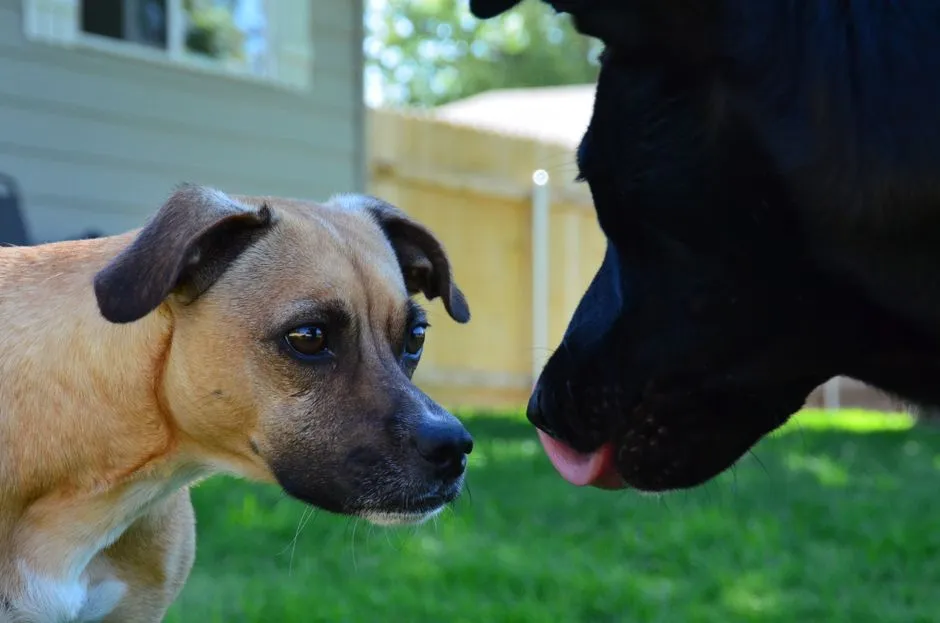
Research covered by Science found that dogs were best at matching expression to tone when looking at a fellow dog, which supports another study showing that dogs preferred looking at images of other dogs rather than those of humans. So while dogs are undeniably skilled at reading us, we’re not necessarily their first choice of face to study.
Dogs are, quite literally, born to be with people.
Brian Hare, canine cognition researcher
This is worth sitting with: your dog’s world isn’t entirely built around your face, even if it feels that way during a good cuddle session. Dogs are more fluent in “dog,” and we’re a very good second language. Still impressive – just not the full picture some owners want to believe. But #13 explains exactly why that second language developed at all.
#13 – Wolves Never Developed This Skill, Even When Raised by Humans
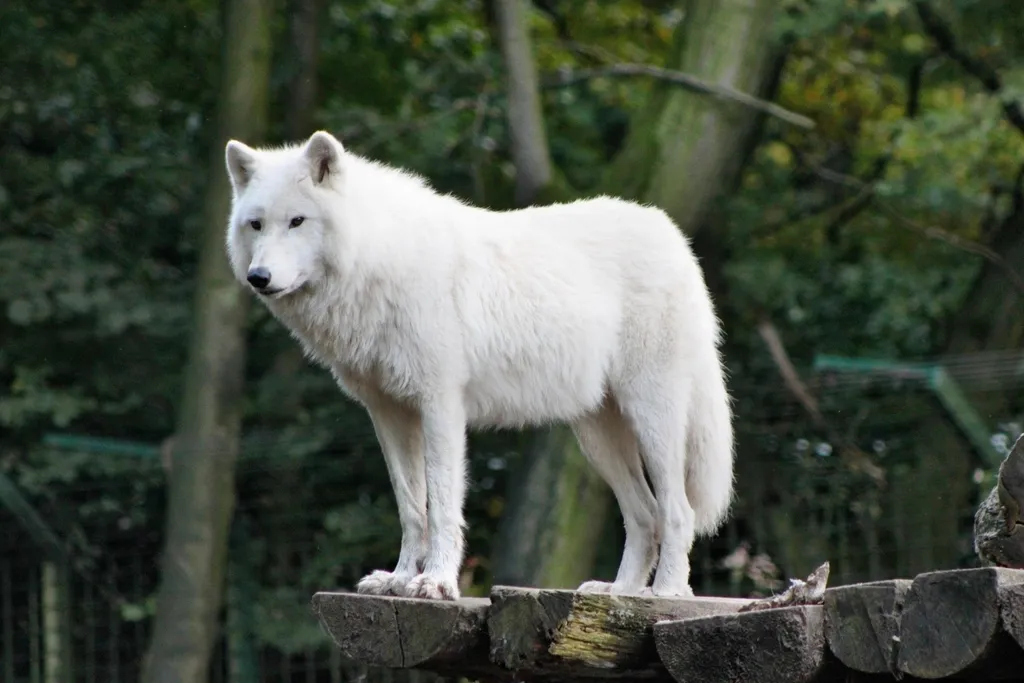
If this were just “any canine brain figuring out humans,” wolves should show the same behavior. They don’t.
Multiple studies point to the same conclusion: dog puppies attempt to make eye contact earlier than hand-raised wolf puppies, and dogs also lack the avoidant and aggressive behavior observed in hand-raised wolves toward humans. Even when wolves are raised from birth in human households, alongside human caregivers, they don’t develop the same facial-reading fluency.
This strongly suggests the skill isn’t just about proximity to humans – it’s a genuine product of domestication, likely selected for over thousands of years because dogs that read human faces well survived better and bred more successfully. This is a trait built specifically for us, and wolves simply never got the update. But #14 might be the most humbling finding of them all.
Worth Knowing
- Domestication is estimated to span roughly 12,000 to 33,000 years, shaping dogs’ close reading of human faces.
- Hand-raised wolf puppies still don’t attempt early eye contact the way dog puppies do.
- Wolves raised alongside humans still show more avoidant and aggressive behavior toward people than dogs do.
#14 – Their Skill Has Real Limits Science Still Can’t Fully Explain

For all the impressive research, dogs are not mind readers, and pretending otherwise does them a disservice.
Researchers are candid about this boundary: while dogs can distinguish different facial expressions, it isn’t entirely clear if they know what each one means – they probably can’t recognize wistful nostalgia or a “just kidding” wink and nod. That’s an important distinction between detecting an expression and understanding its meaning.
Even so, experts note that despite these limitations, dogs have a lot of other ways to figure out what their humans are feeling – our posture and movements, tone and volume, and even the words we say probably help a lot in making our dogs the super sensitive readers of human emotion. Your dog’s face-reading is one tool in a much bigger emotional toolkit, not a standalone superpower. It’s still remarkable – just not magic.
The Bottom Line
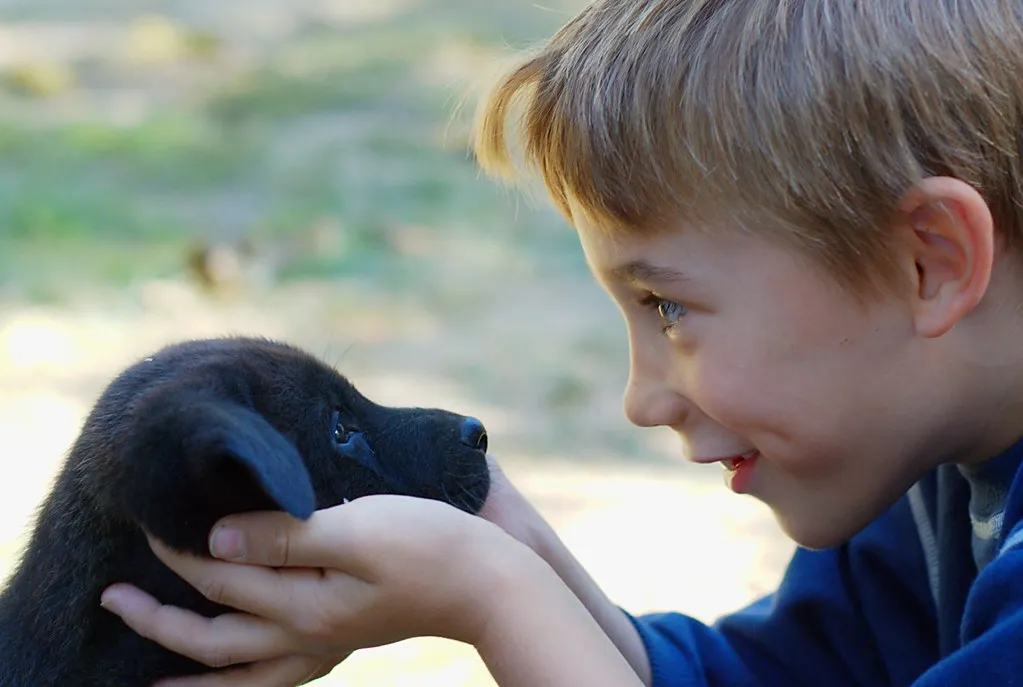
The research is clear: dogs genuinely read human faces with a specificity that borders on unsettling, from eyebrow micro-movements to matching your expression against your tone of voice. They recognize your individual face, not just “a human,” and their gaze toward you is chemically reinforced through oxytocin – a bonding loop wolves never developed.
But it’s not flawless. Strangers confuse them, subtle emotions go over their heads, and honestly, they’d probably rather read another dog’s face than yours. That’s the uncomfortable, honest version of the story, not the oversimplified “dogs just love you unconditionally” one.
If you ask me, that’s the part worth sitting with. The bond isn’t magic and it isn’t blind loyalty dressed up as science – it’s a real, evolved skill your dog built specifically around your face, sharpened over thousands of years because it worked. That’s a stranger and better story than the fairy tale. Which of these surprised you the most? Drop your dog’s weirdest “I know exactly what you’re feeling” moment in the comments.
