
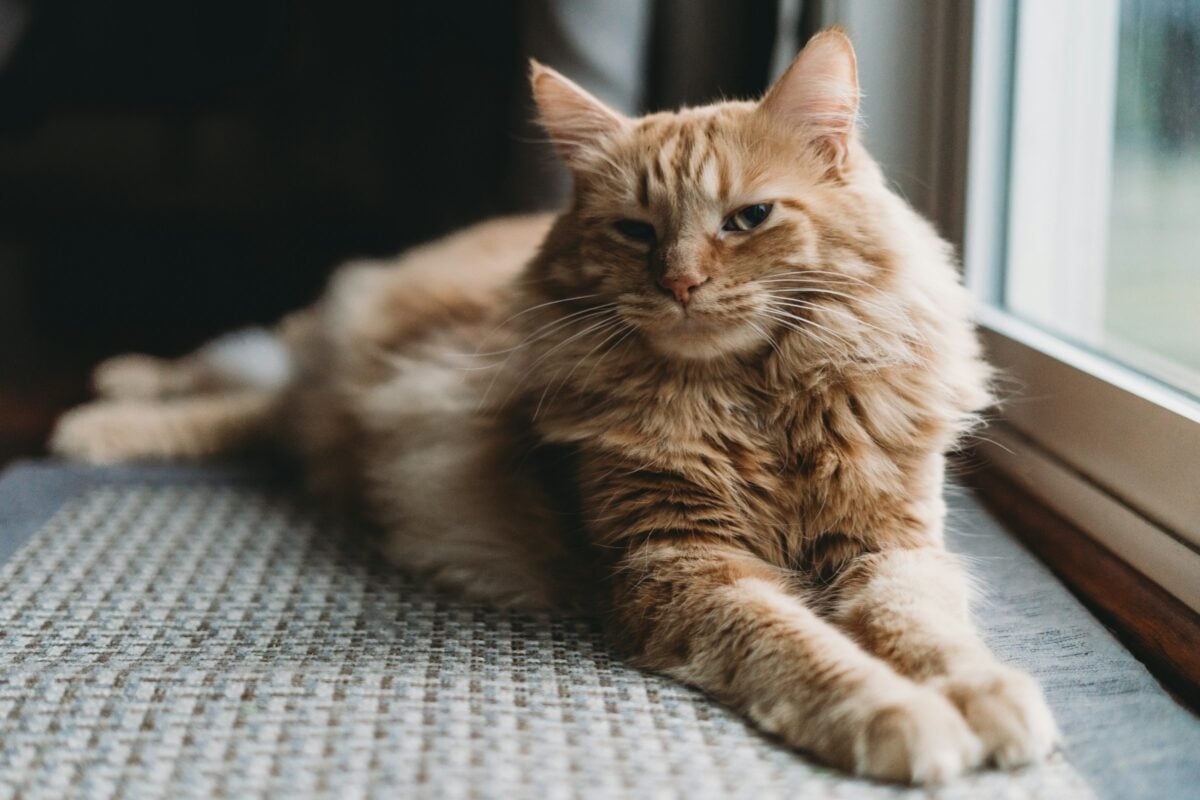
Most people assume a dying cat’s last weeks come down to expensive vet visits, complicated medication schedules, and one heartbreaking appointment at the end. That’s the story on the surface. Underneath it, senior cats are quietly asking for something much smaller and much harder to fake – and almost nobody explains what it actually is.
Hospice vets, feline behaviorists, and people who’ve sat on the floor at 3 a.m. with a dying cat all say the same thing: it isn’t the medicine that matters most. It’s what one person – you – chooses to do in the ordinary hours in between. Here are the 14 things your old cat is quietly hoping you’ll notice before it’s too late.
#1 – Predictable, Quiet Routine (So They Can Finally Relax)
🔥 Would you like to save this?
We'll email this post to you, so you can come back to it later!
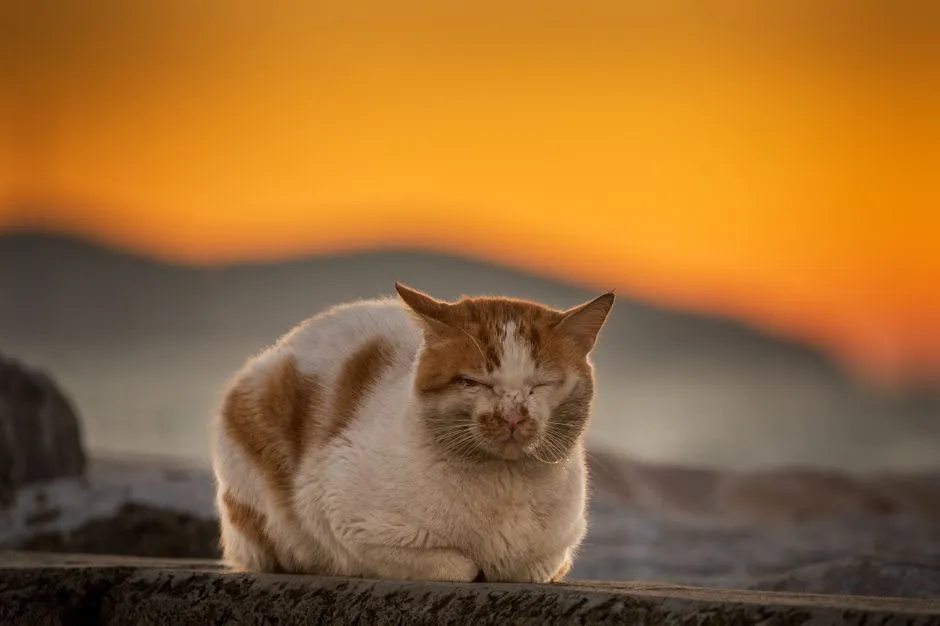
In the last weeks, an old cat doesn’t want more excitement. It wants less unpredictability. Their body hurts, their senses are duller, and surprise has stopped being fun in any form.
This is when one person becomes the anchor: same wake-up time, same feeding time, same spot on the couch. Old cats show real signs of lower stress when their day is boring in exactly the same way, over and over. Your job isn’t to entertain them anymore – it’s to make life so predictable that nothing ever feels like a threat.
- No random furniture rearranging “to freshen up the room.”
- No sudden parties, booming TV, or new pets “to cheer them up.”
Most people underestimate how exhausting constant micro-changes are to a frail animal. In these final weeks, the kindest thing you can do is let their world shrink and stabilize. When your cat can predict what you’ll do before you do it, that’s when they finally stop bracing for impact.
#2 – A Safe, Soft Territory They Don’t Have to Guard
🔥 Would you like to save this?
We'll email this post to you, so you can come back to it later!
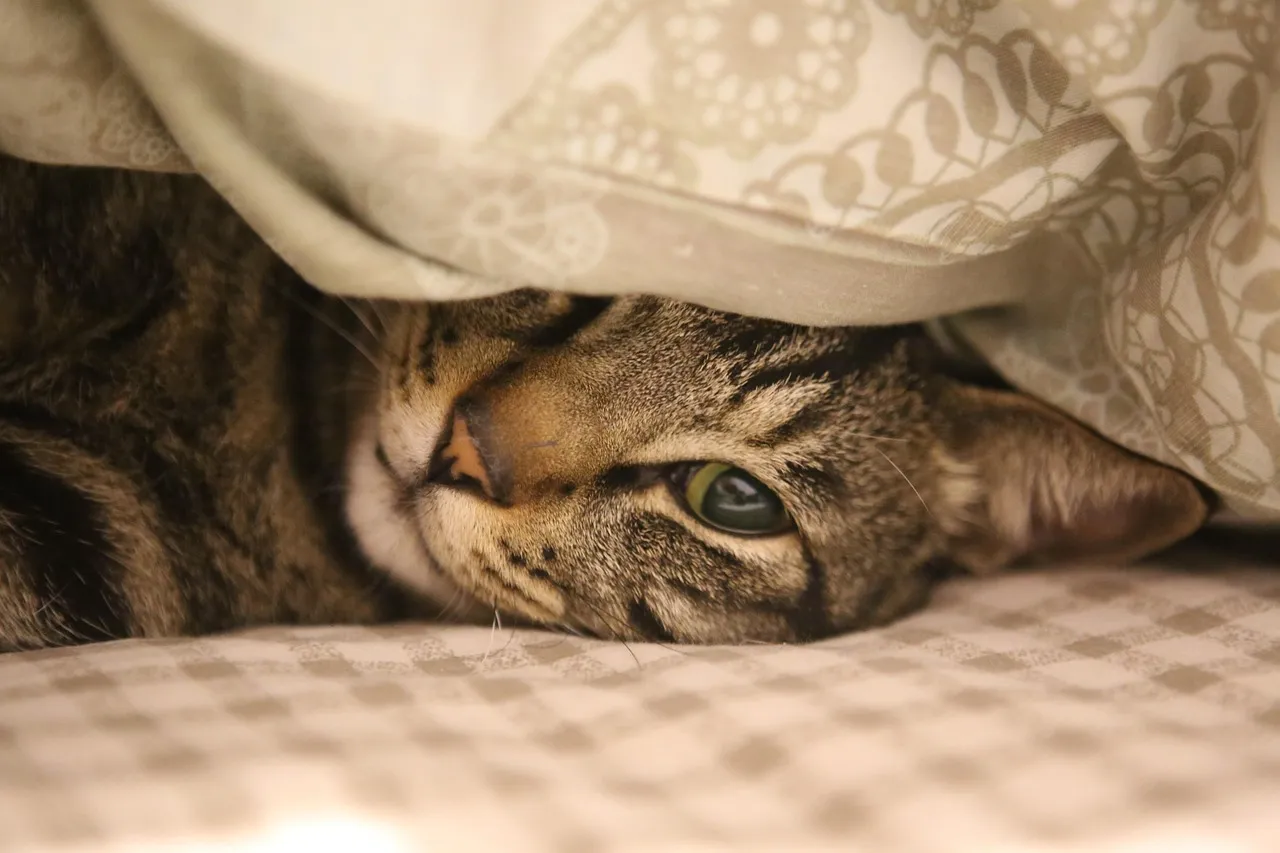
Everyone loves the idea of letting an old cat “enjoy the whole house,” but that’s often a human fantasy, not a feline one. At the end, most senior cats secretly want a much smaller, perfectly safe bubble where they don’t have to patrol or defend anything.
That’s where you come in. Your cat wants you to quietly shrink their world to a few cozy zones and protect those spaces like a bodyguard. When cats are dying, they often choose one corner or bed and stick to it – that’s not laziness, it’s survival.
- A low, soft bed (or two) in their favorite room, away from drafts.
- Water, litter, and food within a few steps, so every trip isn’t an expedition.
Then comes the crucial part: make it clear to everyone else that this is the cat’s territory, not a family attraction. No kids chasing, no dogs “checking,” no constant picking up for cuddles. The single thing your cat needs from you here is firm advocacy – you become the bouncer at the door to their peace.
#3 – Gentle, Consistent Touch on Their Terms
🔥 Would you like to save this?
We'll email this post to you, so you can come back to it later!
Here’s the harsh reality: many dying cats spend their last weeks being over-handled by people trying to be loving. Vets poke, techs restrain, relatives hug “one last time,” and the cat’s body already hurts before anyone even touches it.
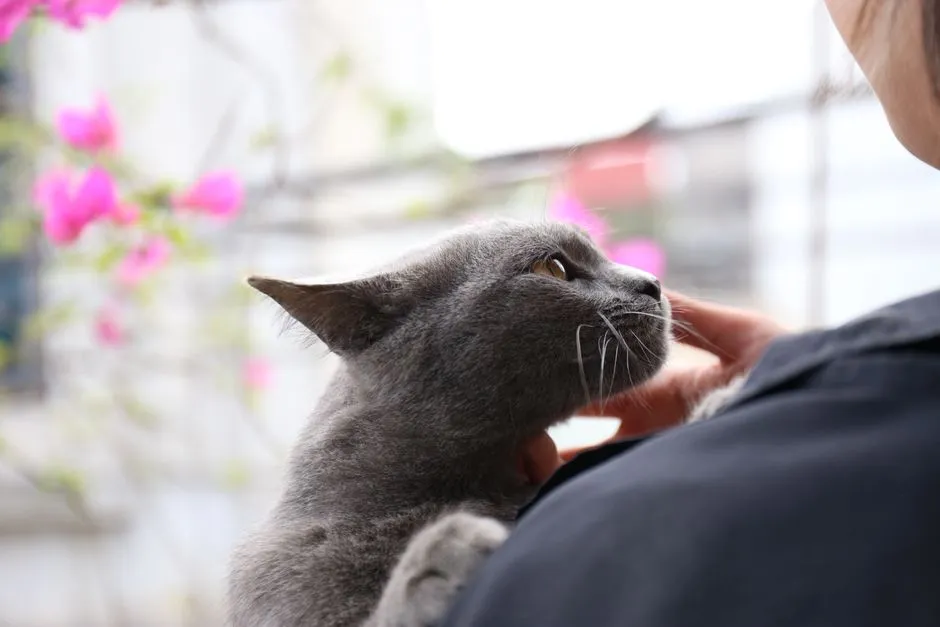
What an old cat actually wants from their person is one place where touch is always safe, predictable, and gentle – or respectfully absent. Set two rules and never break them: the cat decides when contact starts, and the cat decides when it stops. If they move away, you stop immediately, even mid-pet.
For many old cats, the sweet spot is slow strokes on the cheeks, head, and under the chin, avoiding hips, spine, and belly where arthritis or organ pain may live. If your cat leans into your hand and purrs, that’s a yes. If they flatten their ears or twitch their skin, that’s a no – and your self-control in that moment is the real act of love.
Quick Compare
- Safe touch zones: Cheeks, forehead, chin, base of the ears
- Zones to avoid: Hips, lower spine, belly, tail base
- Green light signs: Leaning in, slow blinking, purring
- Red light signs: Flattened ears, skin twitching, tail flicking
#4 – Food That’s About Pleasure, Not Rules
🔥 Would you like to save this?
We'll email this post to you, so you can come back to it later!
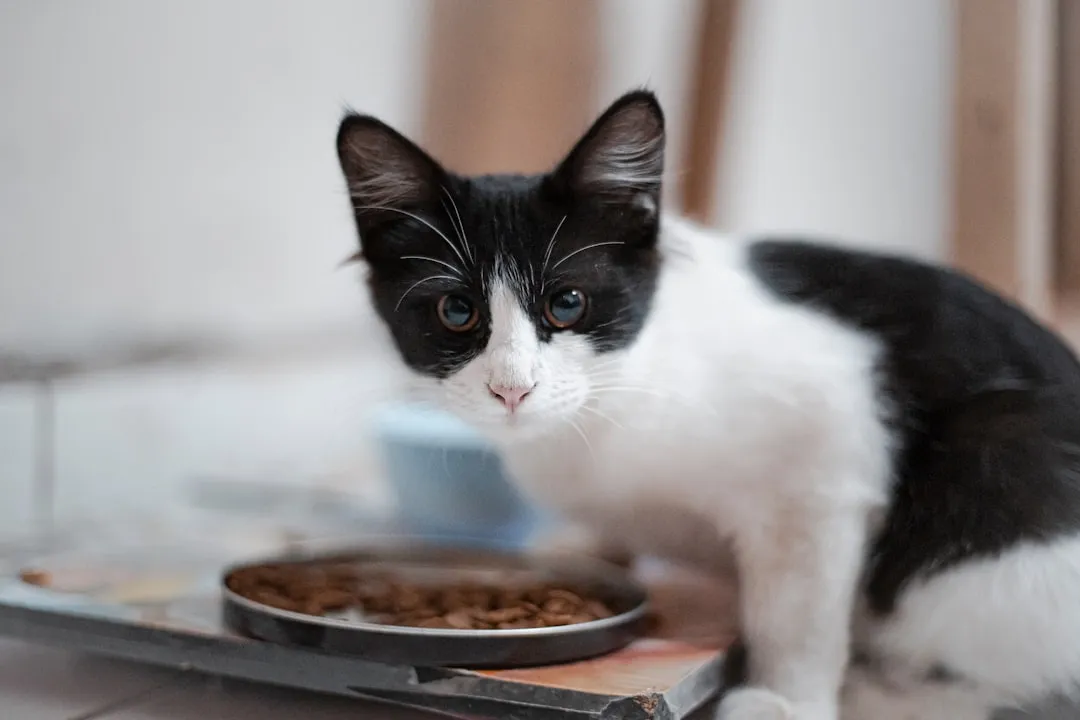
In the last weeks, your cat does not care about Instagram-worthy “species appropriate” diets or perfect ingredient lists. Appetite is often the first thing to disappear as kidneys struggle or nausea creeps in, and that’s terrifying to watch.
Vets who truly understand quality of life quietly shift the goal from perfect nutrition to any calories that bring joy. Your cat wants permission to enjoy food again, not another lecture from a bag label.
- Offering warmed, smelly wet food instead of dry.
- Adding a little tuna water, bone broth, or cat-safe baby food (onion and garlic-free) for aroma.
- Saying yes to that one “forbidden” treat in tiny amounts if your vet isn’t opposed.
The uncomfortable truth is that a cat with weeks left doesn’t benefit from strict diet control the way you’d expect. What matters more is whether eating still feels like a small pleasure or a daily battle. Your cat is mostly asking you to drop the purity tests and chase one simple thing: does this taste good right now?
#5 – Help Reaching the Places Their Body Can’t Handle Anymore
🔥 Would you like to save this?
We'll email this post to you, so you can come back to it later!
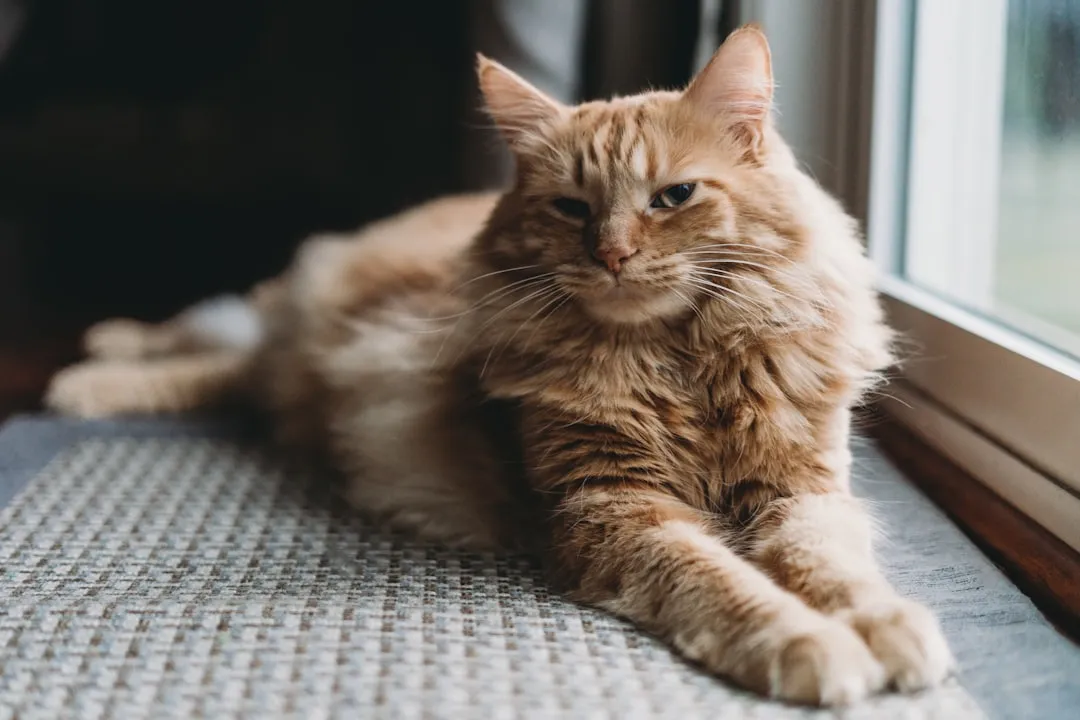
Old cats are prideful. They’ll pretend they can still jump on counters or climb stairs long after their joints disagree. To outsiders, it looks like they’re choosing to stay on the floor or sleep by the door.
In reality, many senior cats slowly lose access to their favorite spots because their body physically can’t get them there – and they’re waiting for one person to notice and quietly adapt the world to match their new limits.
- Ramps, stools, or strategically placed chairs to restore their old windowsill surveillance post.
- Easier access to your bed, the back of the couch, or that one sun patch on the armchair.
Even small changes, like a litter box with a very low entry lip or one on each floor, can be the difference between dignity and daily accidents. When an old cat stops using the litter box, it’s often mobility, not bad behavior. The kindness they crave isn’t pity – it’s practical help that lets them feel like themselves a little longer.
#6 – One Voice That Stays Calm When Everyone Else Panics
🔥 Would you like to save this?
We'll email this post to you, so you can come back to it later!
End-of-life weeks are full of spikes: sudden vomiting, new lab results, panicked family members. But your cat doesn’t understand test numbers or appointment reminders. What they register is one thing only – your emotional temperature.
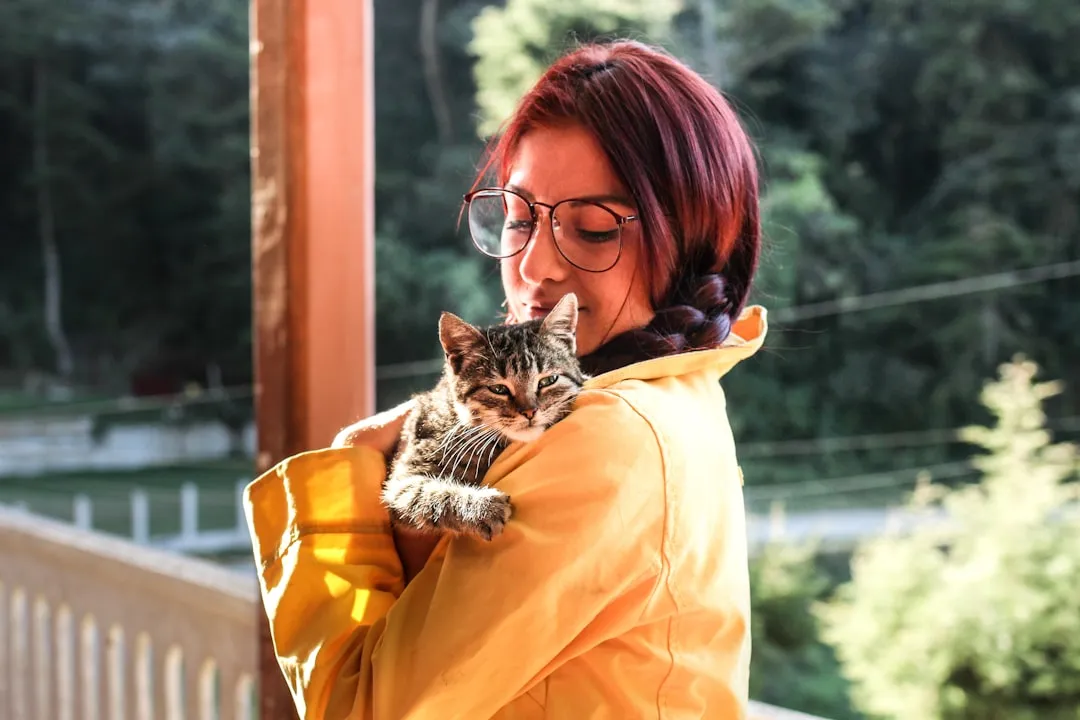
The person they trust most sets the emotional weather in the room. If you’re frantic, your breathing sharp, your movements jerky, their ancient brain reads danger and cranks up the fear response.
Your cat needs you to be the one human who doesn’t fall apart in front of them. That doesn’t mean you can’t cry – of course you will. It means you step outside, you sob in the car, you scream into a pillow, and then you come back in soft and steady. Speak quietly. Move slowly. Keep your hands warm. Cats read micro-tension better than almost any signal you can give them.
#7 – Protection from Unwanted Visitors and “Goodbye Performances”
🔥 Would you like to save this?
We'll email this post to you, so you can come back to it later!
This is the part many people don’t want to hear: your cat is not a family heirloom to be shared in its final days. When word gets around that the end is near, well-meaning people show up wanting their last goodbye, their final cuddle, their closure.
For the cat, this can turn the last days into a parade of strangers’ scents, hands, and tears – total sensory overload for a frail body. Your old cat wants you, their person, to say what they can’t.
- Limiting visitors to one or two calm people the cat already loves.
- Asking guests to sit quietly and let the cat approach, instead of grabbing.
- Cutting visits short if the cat hides, pants, or seems restless.
Some people will be offended. Some will call you overprotective. But you are not managing human feelings – you are managing one animal’s last days of safety. The only audience your cat needs is the person they already chose years ago.
#8 – Pain Relief You Push For, Even When It’s Awkward
🔥 Would you like to save this?
We'll email this post to you, so you can come back to it later!
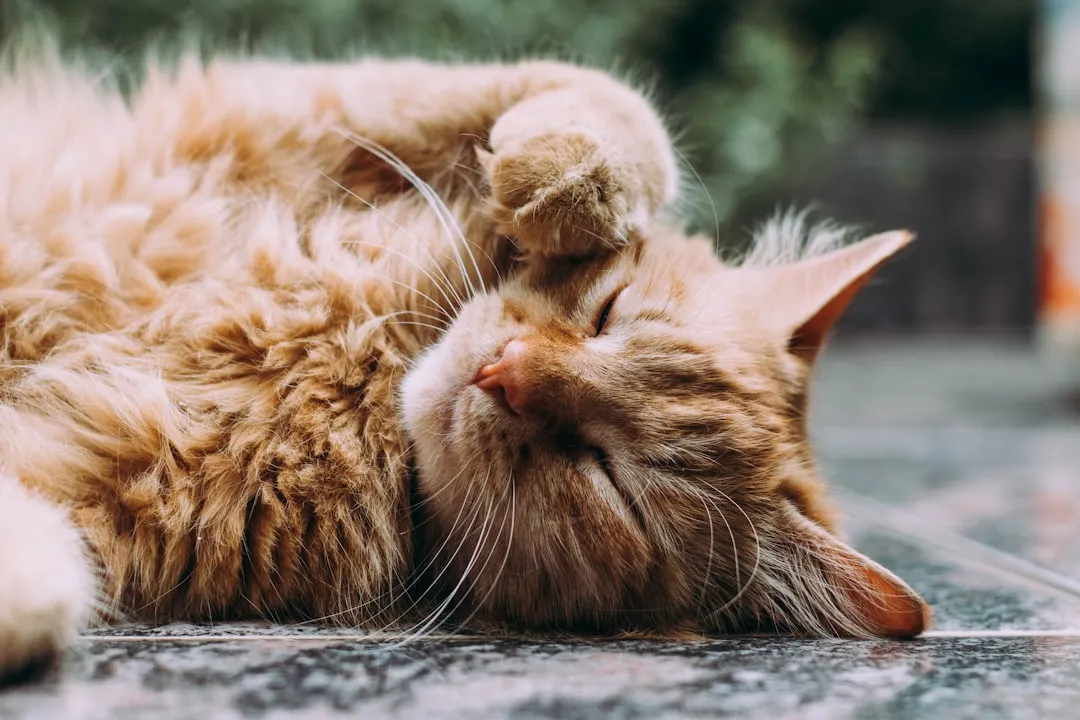
Too many old cats die in unnecessary pain because their person assumed that if it was bad, the vet would say something. The truth is more complicated. Vets balance side effects, costs, and what they think an owner will want to hear.
Your cat doesn’t need you to understand pharmacology. They need one human willing to ask bluntly: are we absolutely sure my cat isn’t in pain, and what more can we do to keep them comfortable?
Pain in cats is sneaky. Subtle changes like less grooming, fewer jumps, hiding, or a new hunched posture often mean more than dramatic meows ever could. Hospice-minded vets now use checklists and pain scales because cats are experts at hiding suffering. If your gut says they hurt, push the conversation about adjusting medications, anti-nausea drugs, or when to switch from curing to strict comfort care. At the end, the ethical priority flips: comfort first, purity second.
Worth Knowing
- Reduced grooming often signals pain, not laziness
- A hunched or crouched posture can mean hidden discomfort
- Reluctance to jump or climb often points to joint pain
- Hiding more than usual is a classic quiet distress signal
#9 – Honest, Unrushed Time With You Doing Nothing
🔥 Would you like to save this?
We'll email this post to you, so you can come back to it later!
Here’s the part most owners regret later: they were so busy managing schedules, syringes, and Google searches that they forgot to actually be with their cat. Old cats don’t care that you researched the best kidney diet for three hours.
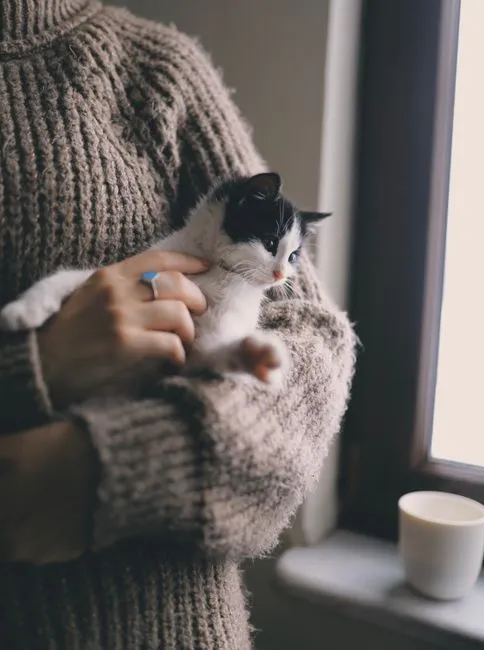
They care that you sat on the floor, turned off your phone, and simply existed next to them without an agenda. This isn’t a dramatic movie-style goodbye scene. It’s you working on your laptop near their bed instead of in another room, or falling asleep on top of the covers where they always used to nest between your knees.
Quality time at this stage looks almost boring to outsiders. But for your cat, your normal voice, your familiar smell, and your steady breathing are proof that the world hasn’t completely changed. You don’t have to say goodbye a hundred times. You just have to be there.
#10 – Permission to Be “Less Themselves” Without Being Scolded
🔥 Would you like to save this?
We'll email this post to you, so you can come back to it later!
Most people secretly hope their cat will stay exactly the same until the very last day – same habits, same personality, same routines. When that doesn’t happen, the human brain resists. We say things like, “Come on, you used to love this,” or “Why are you being difficult?”
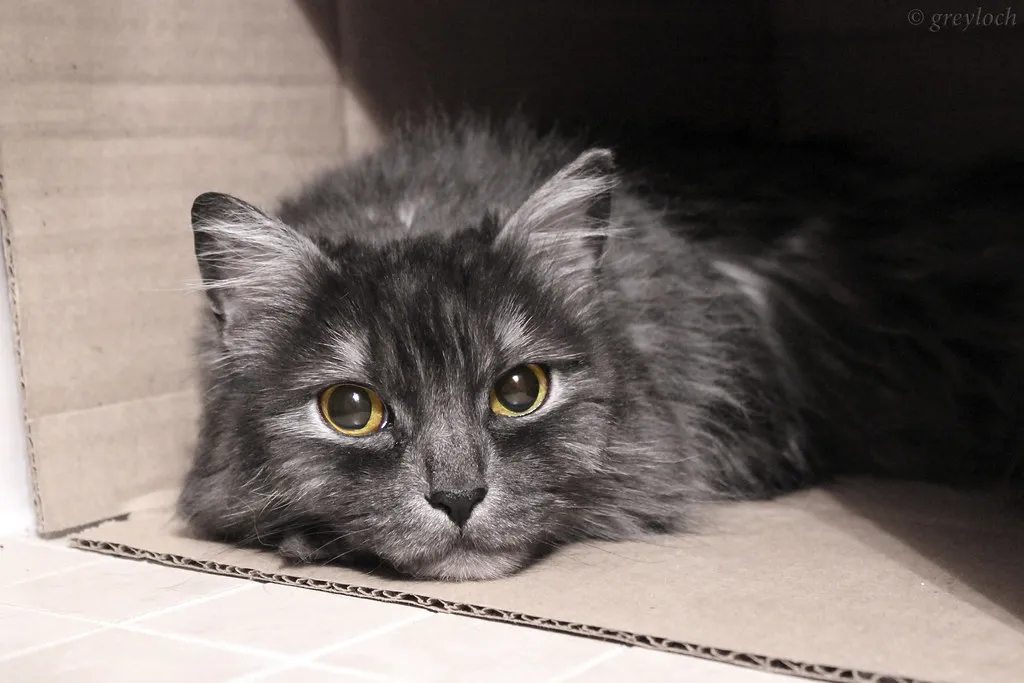
As bodies fail, behavior changes, and your cat needs one person to let that happen without judgment. They want the right to be a softer, slower, weirder version of themselves without you taking it personally.
- Accepting that play stops before it “should.”
- Letting them ignore guests they used to charm.
- Understanding that accidents, nighttime vocalizing, or clinginess are symptoms, not bad habits.
You don’t have to pretend the changes don’t hurt you – of course they do. But your cat is watching how you react every time they can’t do something they once did easily. If you meet each loss with frustration, they learn their body’s truth is a disappointment. If you meet it with gentleness, you become the one place where declining is allowed.
#11 – A Clean, Dignified Body (Even When They Can’t Groom)
🔥 Would you like to save this?
We'll email this post to you, so you can come back to it later!
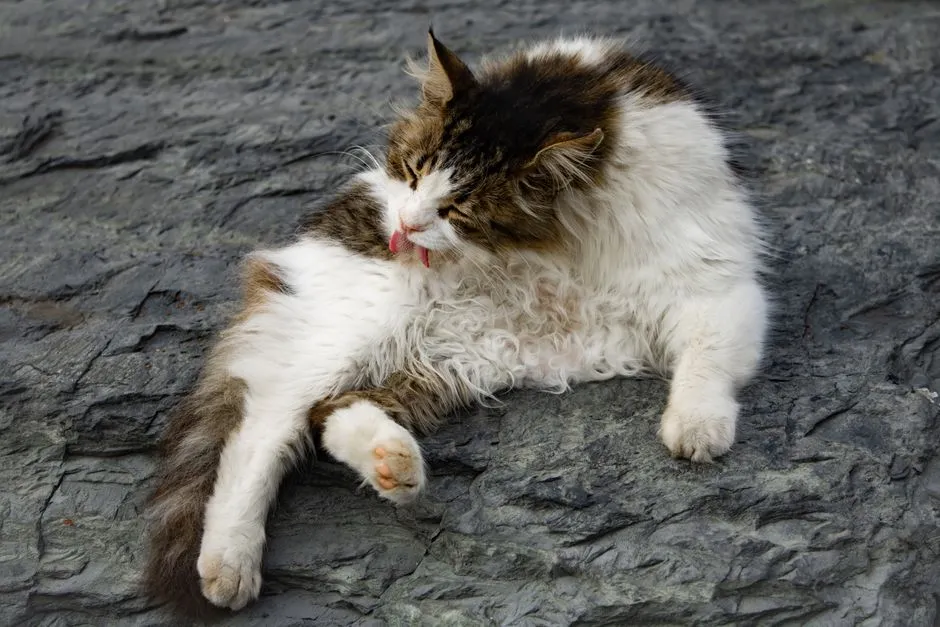
One of the most heartbreaking signs of decline is when a cat stops grooming. To a cat, a clean coat is more than vanity – it’s identity, scent control, and emotional regulation. When they can’t keep up, mats form, fur looks greasy, and skin can itch or hurt.
Your cat wants you to step in as their groomer, gently and regularly. Not for photos, but for comfort. That doesn’t mean forced baths in a sink, which many elderly cats find terrifying. It looks more like warm, damp cloth wipe-downs along the spine and hips, very soft brushing that avoids bony areas, and carefully trimming mats instead of yanking them out.
Pay special attention to the back end if arthritis or weight has made self-cleaning impossible. Keeping that area clean and dry can prevent painful infections and humiliating smells. Some people think, “They’re old, what’s the point?” The point is this: being clean lets your cat rest without constant skin irritation, and it preserves the dignity they’ve carried their whole life.
#12 – A Familiar Scented Nest That Smells Like You
🔥 Would you like to save this?
We'll email this post to you, so you can come back to it later!
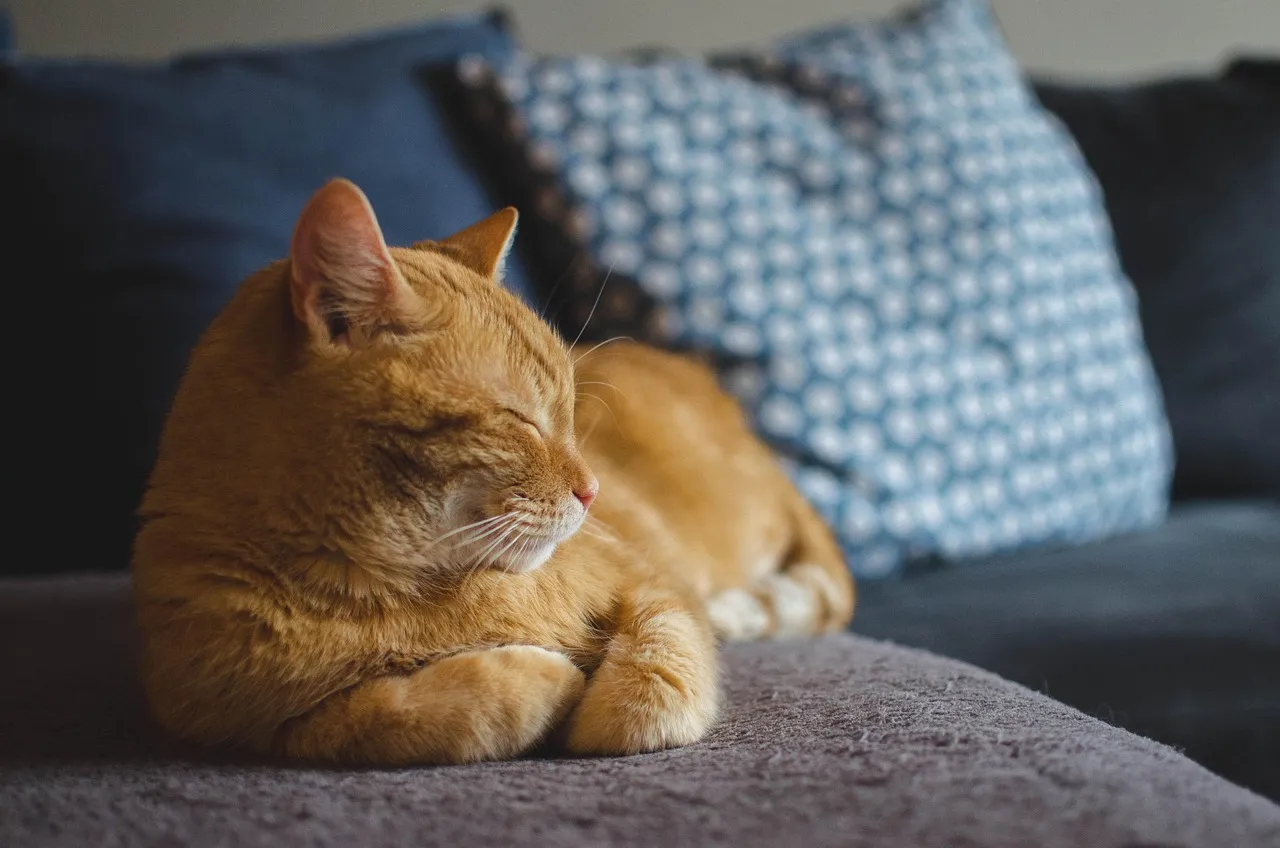
Humans underestimate how much dying animals rely on scent. Vision may fade, hearing can dull, but smell often remains one of the last sharp senses a cat has left. In the final weeks, your cat wants a nest – a bed, blanket, or spot – that smells intensely like home, and especially like you.
Not like laundry detergent, air freshener, or “pet-odor eliminator.” Like skin, old T-shirts, and years of shared life. Line their main bed with a shirt you’ve worn but not freshly washed, skip strong new cleaning products near their space, and keep their favorite blanket even if it’s shabby, instead of replacing it for aesthetics.
This is also why sudden boarding or hospital stays can be so disorienting – they wake up somewhere none of the molecules match their mental map. Your cat isn’t clinging to the house; they’re clinging to the invisible cloud of “us” that lives in fabric and air.
Fast Facts
- Cats rely heavily on scent to recognize safe spaces and people
- Smell is often one of the last senses to fade with age
- Unfamiliar cleaning products can make a space feel foreign overnight
- A worn, unwashed shirt can carry familiar scent for days
#13 – A Clear, Compassionate Decision When Suffering Outweighs Good Days
🔥 Would you like to save this?
We'll email this post to you, so you can come back to it later!
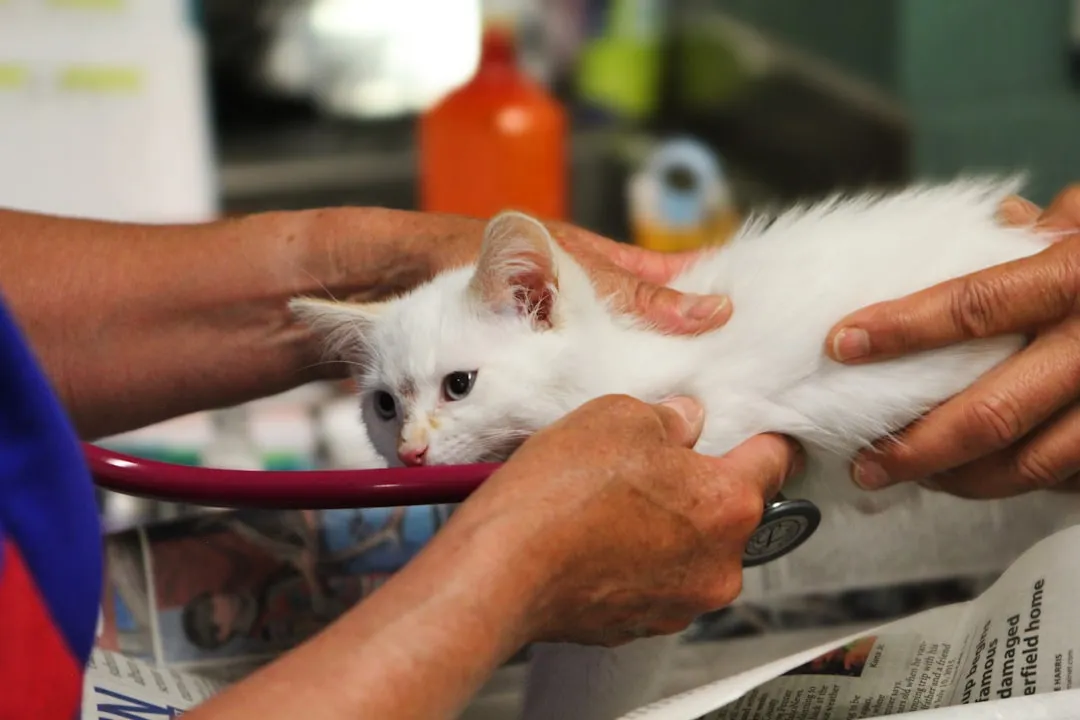
This is the thing no one wants to be responsible for, but your cat is counting on exactly one person to make the call: you. As bodies fail, there comes a point where “one more day” means one more day of mostly suffering. Your cat will keep breathing until the body stops, even if every breath hurts, because they can’t make that choice themselves.
What they want from you – and yes, this is heavy – is the courage to choose relief over your own fear of losing them. Hospice vets often suggest tracking good versus bad days. When bad days outnumber good, and basic pleasures like eating, purring, and seeking contact vanish more often than not, that’s a signal worth listening to.
At a Glance
- More bad days than good days over a one to two week stretch
- Little interest in food, water, or affection
- Labored breathing or persistent signs of pain despite medication
- Loss of interest in favorite spots, people, or routines
We are the only ones who can speak for them, and silence is not kindness.
Common hospice-care principle among veterinarians
Euthanasia, done thoughtfully, isn’t betrayal. It’s the final, brutal favor only a human can offer. Your cat doesn’t understand the needle, but they absolutely understand the difference between uncontrolled pain and its sudden absence. Indecision is still a decision, and it’s rarely the kind your cat would pick.
#14 – To Leave This World in Your Presence, Not Alone in a Back Room
🔥 Would you like to save this?
We'll email this post to you, so you can come back to it later!
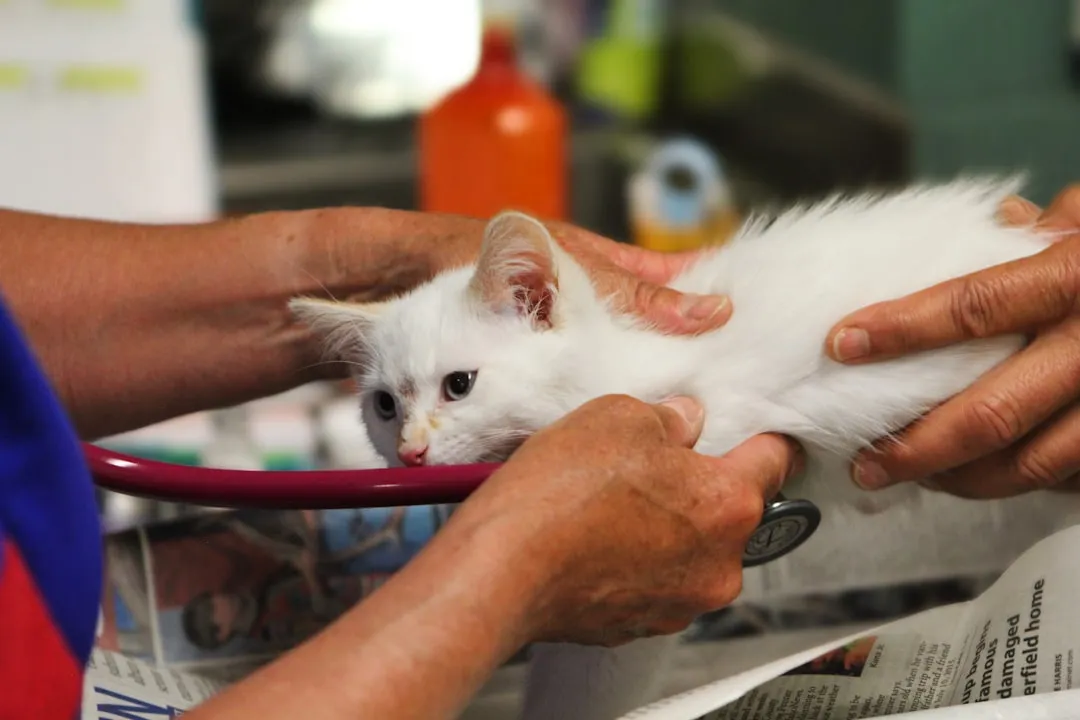
This is the one that breaks people, and the one cats need the most. In those final moments, when the vet arrives or you’re at the clinic, your cat doesn’t know the medical details. What they know is whether the scent and heartbeat they trusted for years is still there.
Many cats become visibly calmer when their person talks softly and touches them during euthanasia. The one they want in that room, above all, is the same one who filled their life with habits and smells: you.
Staying is hard. Some people step out because they’re afraid they’ll fall apart, or they don’t want that to be the last memory. But from your cat’s perspective, being carried to a strange room and handed to strangers is the real horror. If you can bear it, the final gift is simple: a hand on fur, a familiar voice in their ear, your scent in every breath. You are the thread that turns a clinical procedure into a gentle crossing.
The Bottom Line
🔥 Would you like to save this?
We'll email this post to you, so you can come back to it later!
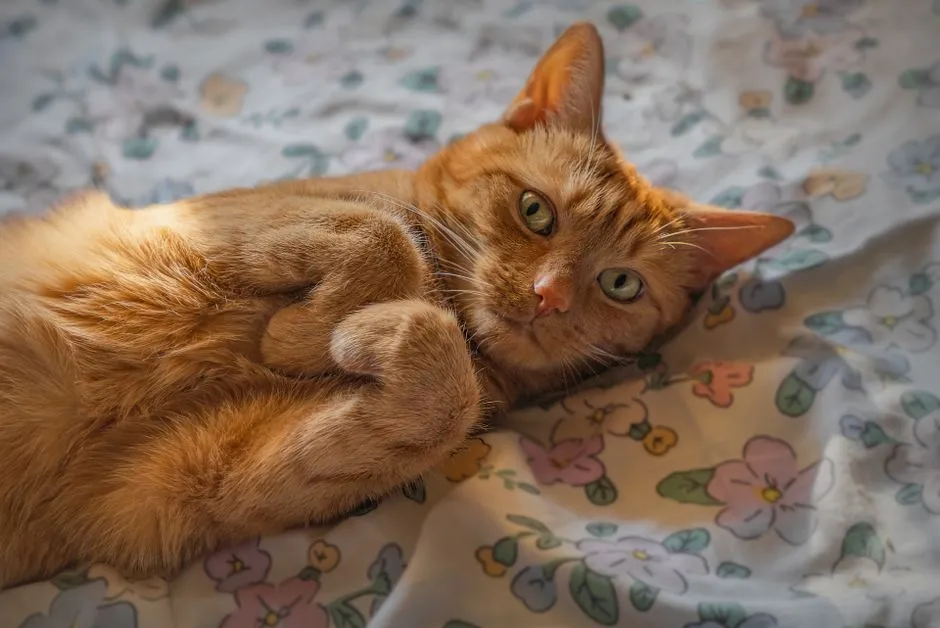
An old cat’s final weeks are not defined by the right supplement or the trendiest food. They’re defined by whether one person decided to show up fully – not just as a pet owner, but as a guardian of comfort, dignity, and timing.
The uncomfortable truth is this: your cat doesn’t need everyone to love them perfectly. They need one human to love them bravely. To say no to chaotic visitors. To say yes to pain relief. To accept messy behavior changes without scolding. And ultimately, to choose a peaceful ending over a longer, crueler decline.
Some people will insist nature should take its course. Others will call you soft for rearranging your life around a dying animal. They’re not the ones your cat watches when it hurts to move. You are. The question isn’t whether you’ll make every choice flawlessly – you won’t. It’s whether you’re willing to be that single, steady person your old cat is quietly asking for.
Did we miss something your old cat clearly asked you for at the end? Drop it in the comments – other grieving cat people will read it.

- 7 Everyday Habits That Can Make Your Senior Dog Happier - November 5, 2026
- 10 Enigmatic Structures That Continue to Puzzle Scientists Today - November 5, 2026
- 10 Strange Ruins in the Americas That Challenge What We Know About Early History - November 5, 2026