

Most new owners think the formula is simple: love, treats, a good vet, and maybe a six-week puppy class. Trainers watch that formula fail every single day.
The dogs that end up biting, guarding, or getting surrendered at two years old almost never had “bad breeding” or “bad luck.” They had a first year full of small, invisible mistakes nobody flagged in time. Here’s what professional trainers wish every new owner had heard before that first year quietly went sideways.
#14 – Your Puppy Isn’t Being “Bad”… They’re Being Under-Coached
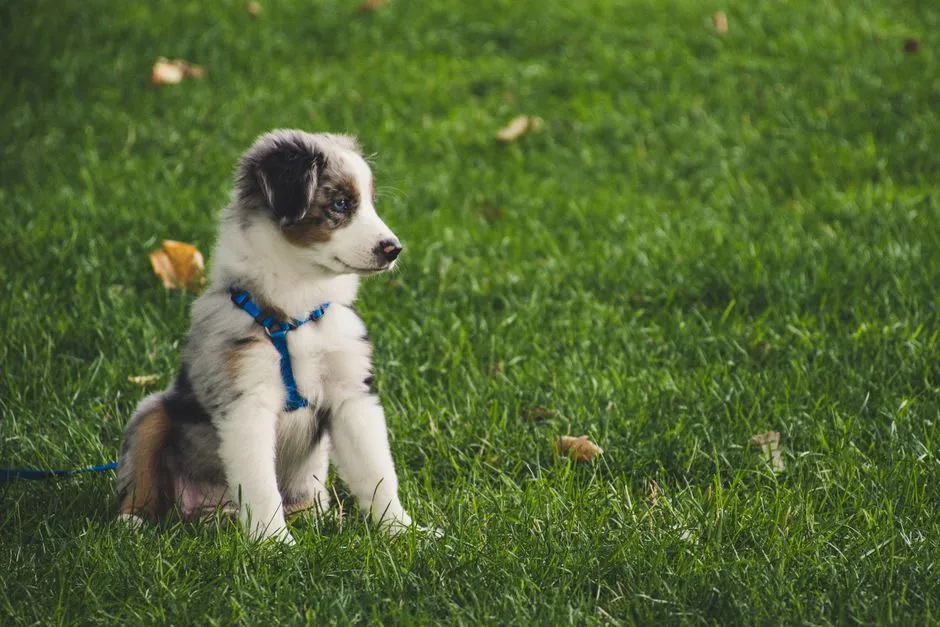
Most people assume barking, chewing, and zoomies mean a “naughty” dog. Trainers see something completely different: an animal that’s wildly under-coached for the human world you just dropped them into.
Your puppy wasn’t born knowing what “no,” “off,” or “leave it” means. They only know what works. If jumping gets attention, they’ll jump. If whining opens doors, they’ll whine louder next time.
Owners accidentally label their dog as stubborn instead of under-taught, and that mindset kills progress fast. When you assume your dog “knows better,” you punish, nag, or get emotional instead of calmly re-teaching the skill.
Here’s the real test: if a dog can’t do a behavior reliably in three different places, around real distractions, they don’t actually know it yet. Reframe your dog as under-coached instead of bad, and the whole relationship shifts from “why are you like this?” to “how do I make the right choice easier?”
Fast Facts
- Dogs repeat whatever behavior worked last time – not what you assume they “should” know.
- The three-place rule: a cue only counts as learned if it holds at home, on a walk, and around distractions.
- Calling a dog “stubborn” often changes how an owner reacts, which slows learning far more than the dog’s actual temperament does.
#13 – One Puppy Class Is Not a Personality Vaccine
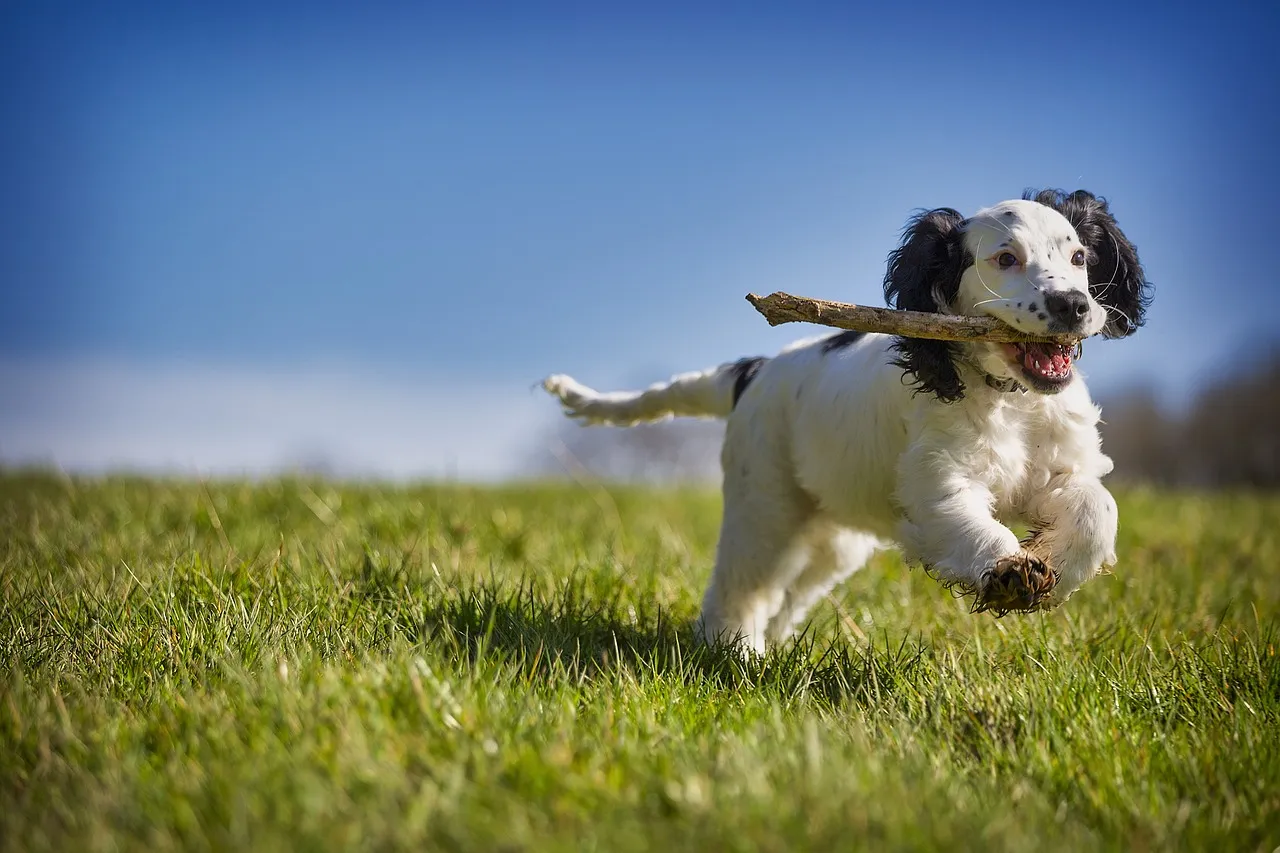
Most owners proudly say, “Oh, we did a puppy class, so we’re good.” Trainers quietly wince, because one six-week course is not a lifetime immunity shot against fear, reactivity, or aggression.
It’s a starting line, not a finish line. Socialization and training are ongoing skills, not something you check off once like a vet appointment.
Here’s what actually matters long after the class ends:
- Consistent practice at home, not just inside a training hall.
- Gradual exposure to real-life triggers – kids, bikes, delivery drivers, visitors, other dogs at varying distances.
Many “sudden” behavior problems at one or two years old aren’t sudden at all. They’re early issues that got ignored the moment the class certificate went on the fridge. The dog did fine in a quiet training room and then completely fell apart in a busy apartment hallway, because that step never actually happened.
#12 – Socialization Doesn’t Mean Letting Your Puppy Meet Everyone
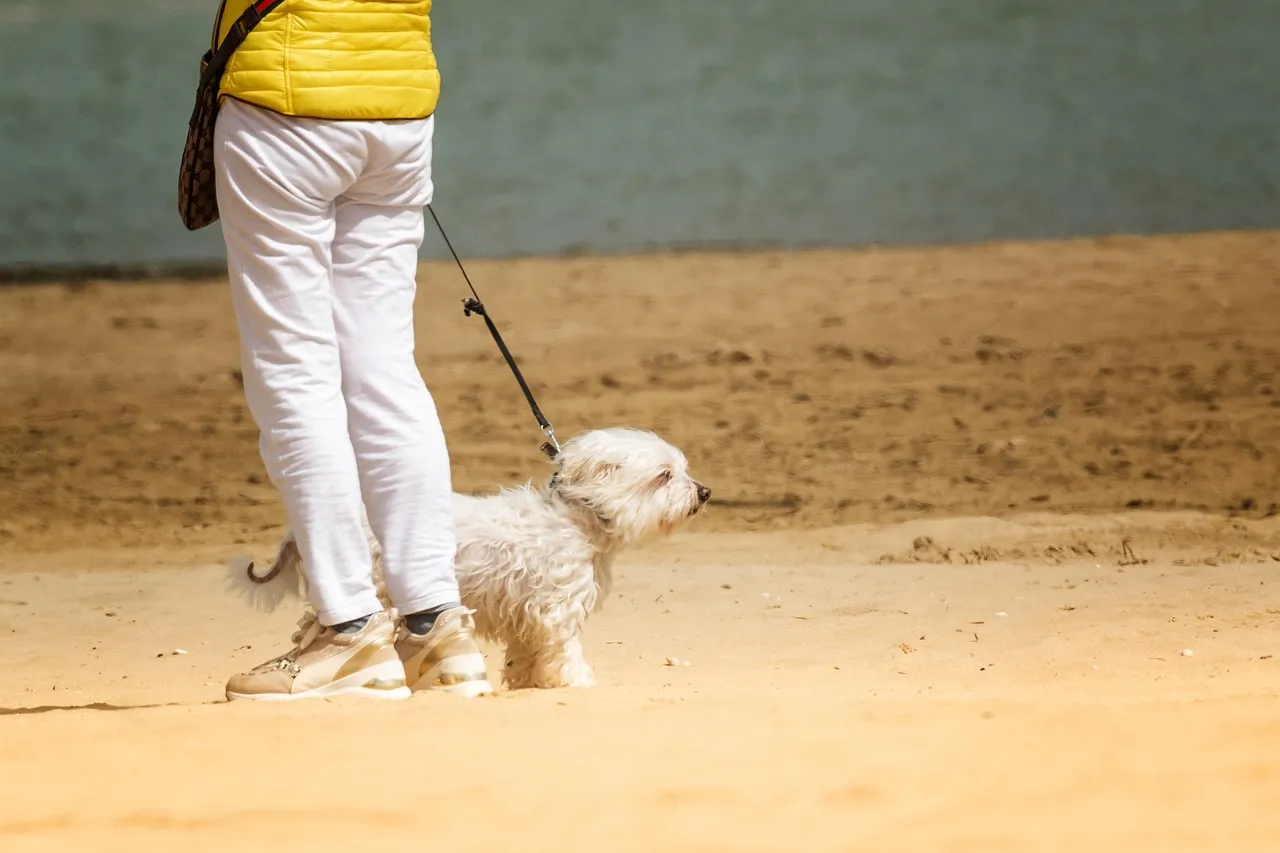
Most people think socialization means “let my puppy say hi to every dog and human we pass.” Trainers call that chaos, not socialization.
True socialization is teaching your dog how to feel and act in new situations – calm, neutral, and safe. That almost never happens when a puppy is being mobbed at the dog park or dragged into every stranger’s hands.
Over-socializing by forcing contact can be just as damaging as under-socializing. Nervous puppies get flooded and shut down. Confident puppies get pushy and rude, and both habits stick.
Trainers actually love calm exposure at a distance, where a pup can observe, sniff, and simply exist near something new, plus rewarding relaxed eye contact instead of frantic greetings. Most people don’t realize that “let him say hi!” can quietly build leash reactivity, because the dog learns to scream, lunge, or drag on leash just to get the access they used to get for free.
#11 – Your Dog Park Obsession Might Be Making Your Dog Worse
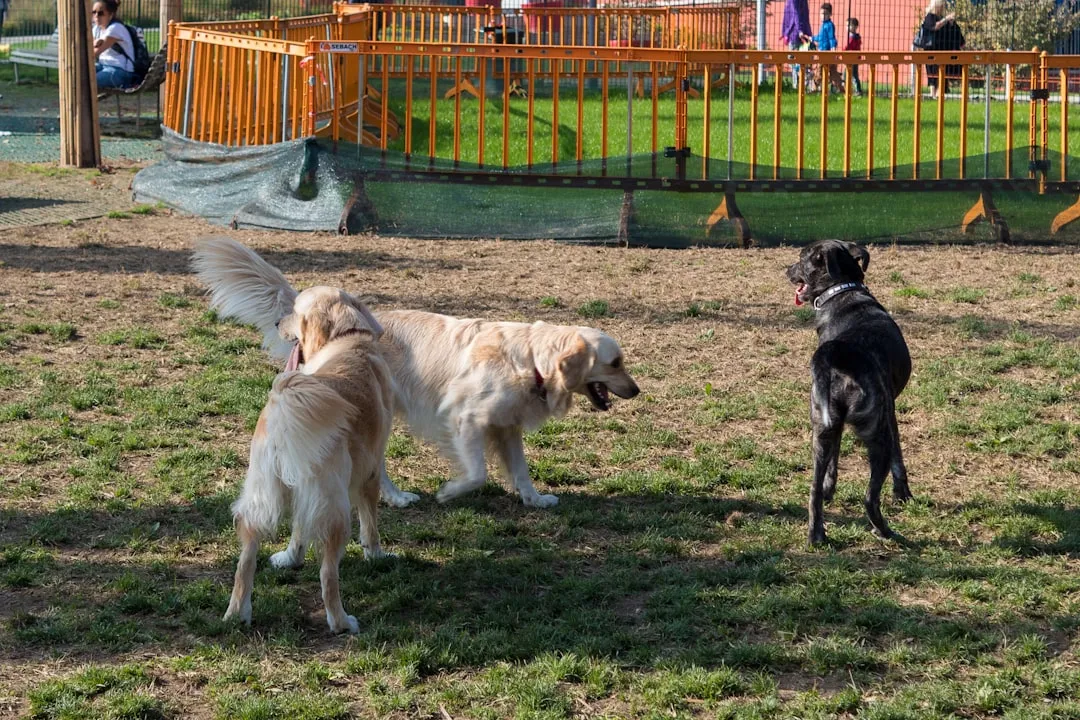
Plenty of owners treat the dog park like a daily non-negotiable, a doggy Disneyland. A growing number of trainers quietly avoid them altogether.
Too many unknown dogs, unknown owners, and zero structure is a recipe for bad habits. Rough play, bullying, rehearsed chasing, and over-arousal are shockingly common, and most of it gets waved off as “just dogs being dogs.”
Here’s what’s really happening under the surface: shy dogs learn that other dogs equal scary, because nobody steps in to protect them. Pushy dogs get rewarded for body-slamming, humping, and blowing off recall. Fights or near-fights can leave scars that outlast the bruise.
Controlled, pre-arranged play with one or two well-matched dogs is usually safer and more useful than a chaotic free-for-all. Some dogs genuinely thrive at the dog park – but plenty don’t, and the fallout often shows up months later, disguised as “random” reactivity.
#10 – “They’ll Grow Out of It” Is the Most Expensive Lie in Dog Ownership
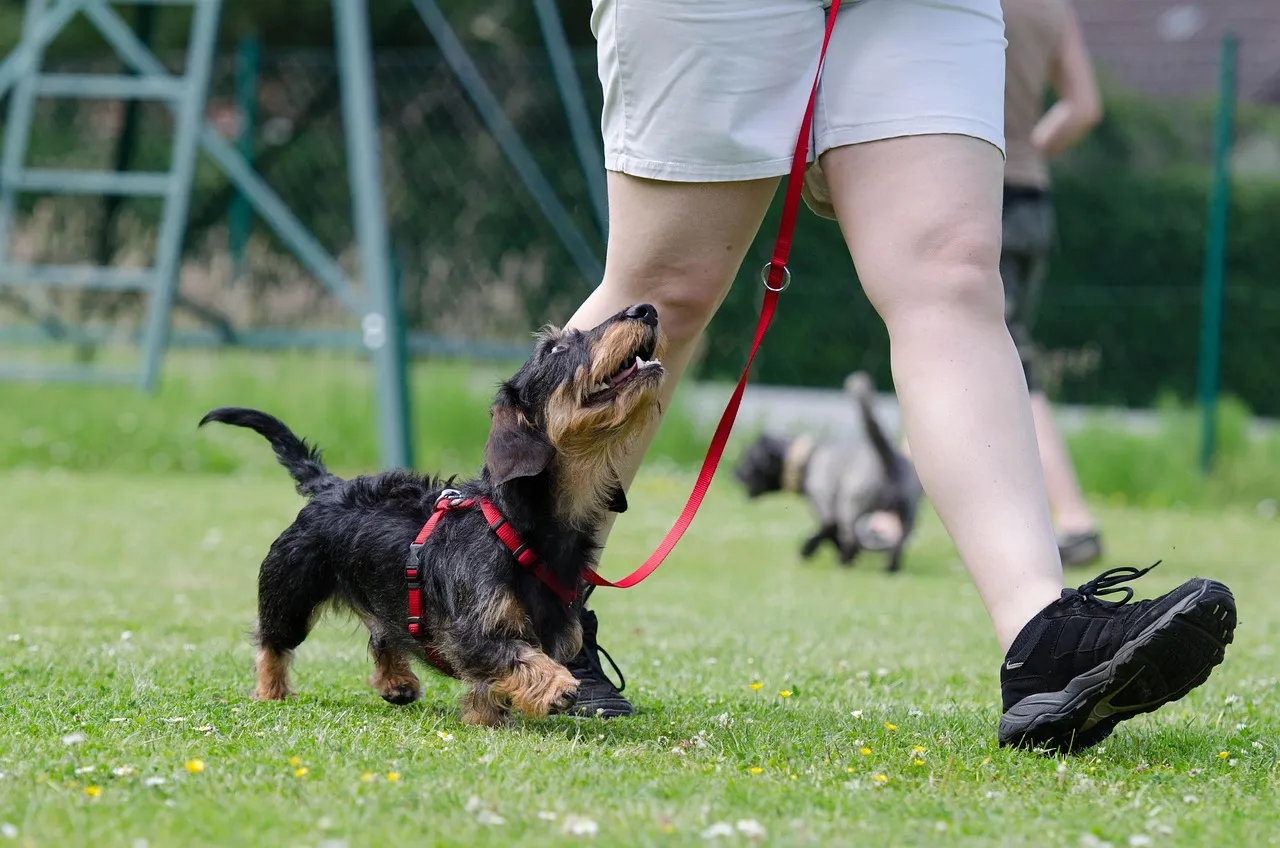
Trainers hear it constantly: “He’ll grow out of the biting, the jumping, the guarding.” The harsh truth is the opposite – dogs don’t grow out of most behaviors, they grow into them.
Rehearsed behaviors get stronger, slicker, and harder to interrupt with every repetition. That “cute” resource guarding over a chew toy at four months can quietly become a full bite by age two.
The brain literally wires around repetition. Every time your dog practices barking at the window, hauling you down the street, or ignoring recall, that neural pathway gets more efficient and more automatic.
Waiting to see if it goes away is a lot like ignoring a credit card bill and hoping the balance disappears. Early, small interventions are cheaper and kinder than waiting for a full-blown crisis – and many of the dogs surrendered or euthanized at two or three years old showed the very first red flags well before their first birthday.
#9 – A Tired Dog Is Not the Same as a Regulated Dog

Everyone repeats the same line: “a tired dog is a good dog.” Trainers roll their eyes at this one every time.
A dog that’s simply exhausted can still be anxious, wired, or overstimulated underneath – just too drained to show it, until they explode over something small.
Endless ball throwing, daycare five days a week, and nonstop hyper play can build an athlete with no off-switch. Real energy management is about regulation, not just fatigue.
Quick Compare
- Tired dog: physically drained but often still anxious underneath, prone to exploding over small triggers once the crash hits.
- Regulated dog: calm even with stimulation nearby, able to settle in a busy room without needing to be run into the ground first.
- What builds regulation: nose work, puzzle feeders, and quiet decompression walks – not just repetitive fetch or nonstop daycare.
Mental work like nose games, training, and puzzle feeders burns brain calories and builds focus. Calm decompression – sniff walks, quiet chews – helps the nervous system actually reset. Over-exercising a young dog to “take the edge off” often backfires, building insane stamina and chronic stress instead. A truly regulated dog can rest in a busy room, not just pass out after being run into the ground.
#8 – Free-Feeding, Free-Roaming Puppies Learn Chaos, Not Manners

Letting a puppy wander and graze all day feels kind, even relaxed. Trainers see the opposite: zero structure, zero leverage, and a puppy self-training on your furniture and walls.
When a puppy can practice whatever they want – counter-surfing, chewing baseboards, peeing in corners – that becomes their default program, not by accident but by design.
Food and freedom are two of your most powerful training tools. When both are just always available, you quietly lose your biggest ways to influence behavior.
Structured mealtimes in a bowl or puzzle feeder, free time earned after potty breaks and a bit of training, and supervised play followed by calm crate or pen breaks – none of this is about being a drill sergeant. It’s about making the right choice the easiest choice. Most house-training and chewing “problems” are really supervision and structure problems, and while owners blame the breed, trainers blame the floor plan.
#7 – Crate Training Isn’t “Mean,” It’s Emotional Seatbelts
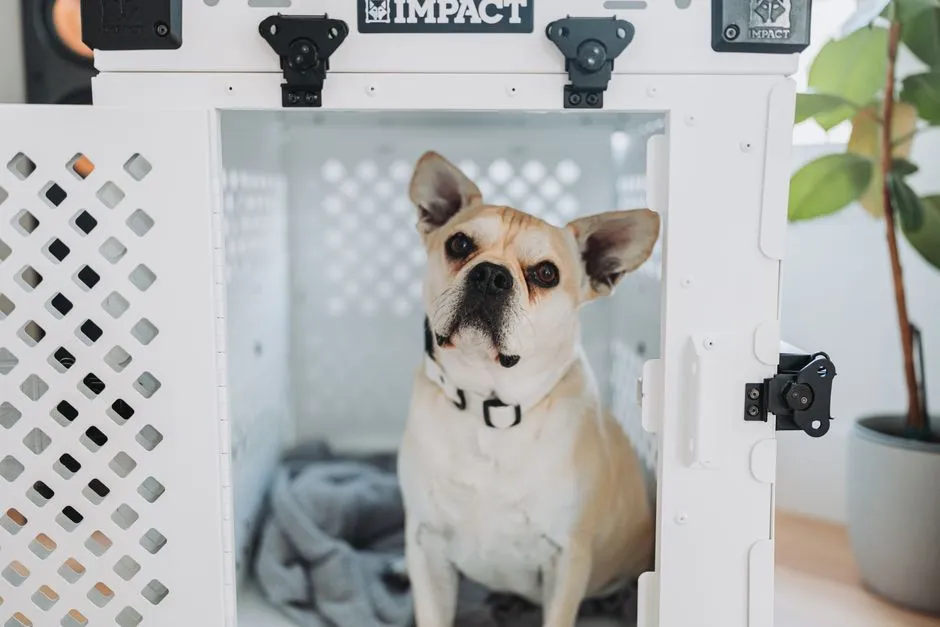
Some owners proudly announce, “we don’t believe in crates, we just let them be free.” Trainers quietly think, “we’ll see you after the first destroyed couch or the first bite.”
A good crate setup is less like a jail cell and more like a baby’s crib – essential for both safety and sanity, not a punishment.
Done right, crate training teaches a dog how to self-soothe and settle without constant human input, that alone time is normal rather than a panic trigger, and that resting instead of pacing is actually okay.
Most separation anxiety cases start exactly here – puppies who were never taught how to be okay by themselves in short, safe bursts. Then suddenly at eight or ten months old, the owner expects a full eight-hour workday absence, and panic sets in overnight. Dogs who learn to nap in crates or pens early tend to be far more flexible and resilient later on.
#6 – Your Dog Is Studying You Harder Than You’re Training Them
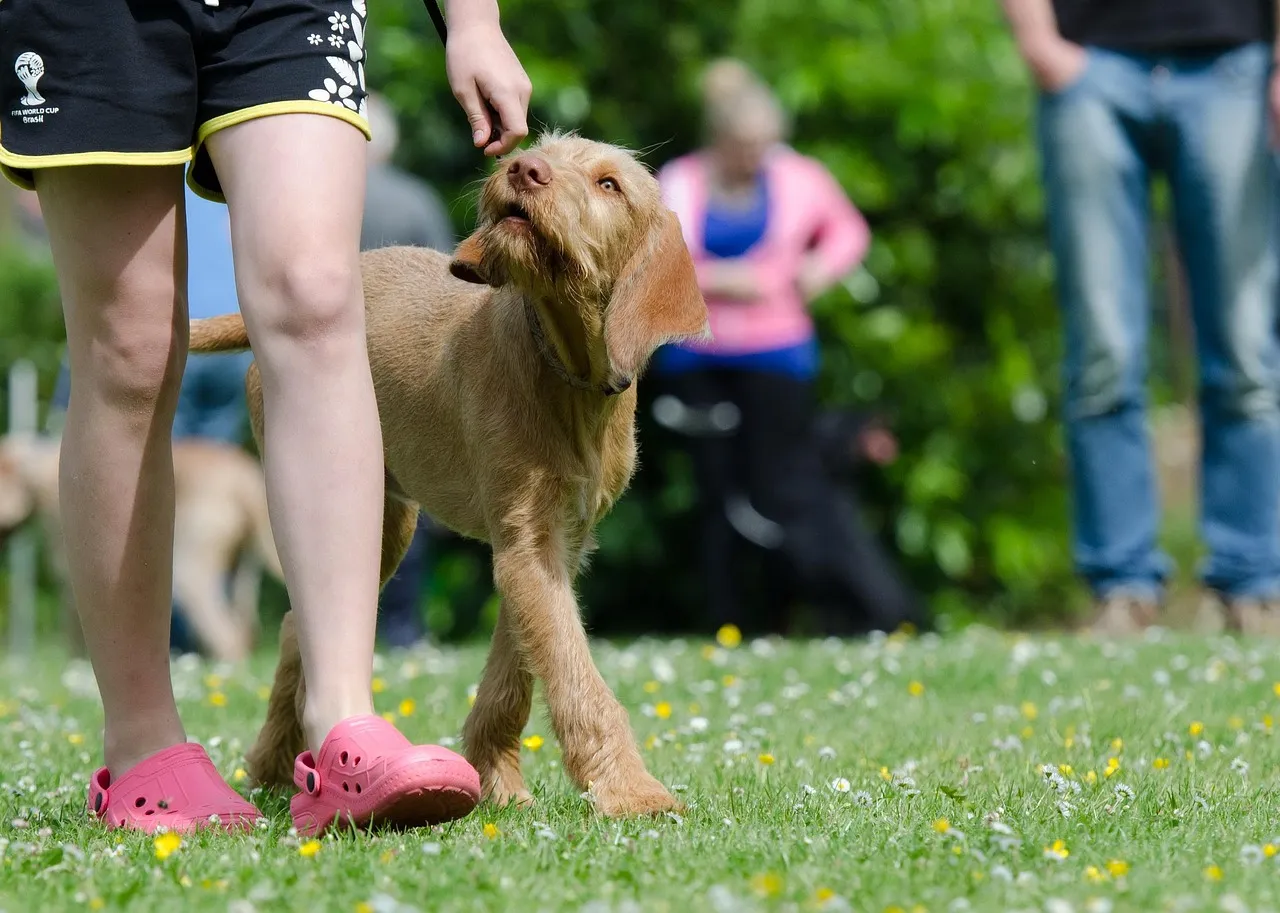
Owners obsess over cues like “sit” and “stay.” Dogs obsess over a different question entirely: “when does this human actually mean it?”
Your timing, body language, and consistency are the real training program running in the background, whether you meant to build one or not.
If “come” sometimes means playtime and sometimes means bath time, crate, and the fun ending, your dog isn’t being disobedient – they’re being logical. Repeat a cue five times, and you’ve just taught your dog they can wait until the fifth time. Say “off” and let nothing actually change, and the word becomes background noise. Allow jumping when you’re in a good mood, and you’ve at least partly trained that behavior yourself.
Trainers wish more owners understood that dogs are brutally honest behaviorists. They follow whatever pays off most consistently, not whatever you claim they “already know.”
#5 – Genetics and Early Breeding Matter More Than Most People Want to Admit

Many owners cling to the comforting idea that any dog can become anything with enough love. Trainers know that’s not fully true, and they know it costs people heartbreak to find out the hard way.
Love helps enormously, but genetics and early breeding choices place real limits on temperament. A herding breed built for sharpness and motion sensitivity won’t magically become a couch potato just because you didn’t want all that energy.
Ethical breeders and good rescues prioritize stable, human-focused dogs over looks or hype. They expose puppies to normal household life before eight weeks old, and they avoid pairing anxious with anxious, or reactive with reactive, no matter how pretty the litter looks on paper.
Worth Knowing
- Ask whether puppies were raised inside the home versus isolated in a kennel or barn before eight weeks old.
- Ask about the temperament of both parent dogs in person, not just pedigree papers or photos.
- Ask a rescue directly for any known bite, guarding, or shelter-behavior history before adoption day.
It’s controversial, but many trainers will quietly say this out loud: some first-year disasters start the day the dog was born, not the day you brought them home. Doing your homework on lines, rescue history, and realistic needs can prevent a lot of heartbreak down the road.
#4 – Your Vet Is Not Automatically Your Behavior Expert
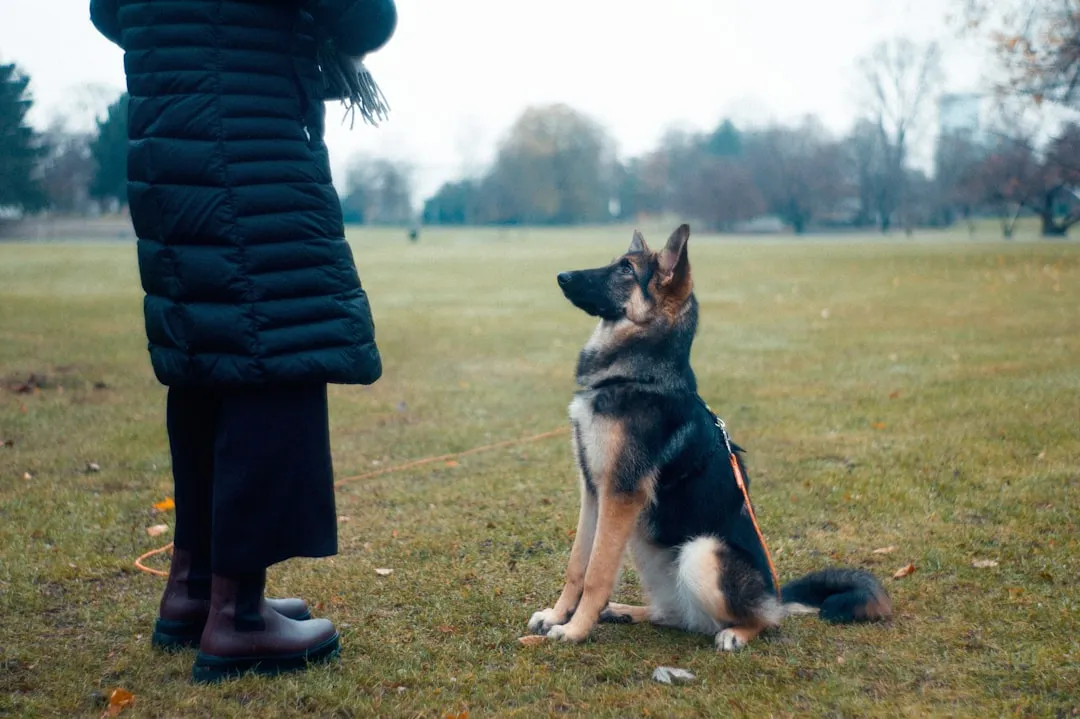
Most owners assume that if their vet isn’t worried about a behavior, it’s no big deal. Trainers have watched that assumption quietly ruin dogs.
Vets are medical experts first. Many receive minimal behavior training unless they seek it out on their own – some are fantastic with behavior, some simply aren’t, and that’s just the reality of the profession.
Red flags owners shrug off because “the vet said he’ll grow out of it” include stiffening or freezing when touched, guarding food, toys, or spaces even “a little,” and growling at kids, visitors, or other dogs.
By the time those “quirks” turn into bites, everyone is panicking. Good vets and good trainers work as a team – the vet rules out pain or medical issues, and the trainer handles the learning and emotional piece. Waiting for a physical injury before taking behavior seriously is a lot like waiting for a car crash to admit the brakes were bad.
#3 – Your Household Rules Matter More Than Any Fancy Training Method
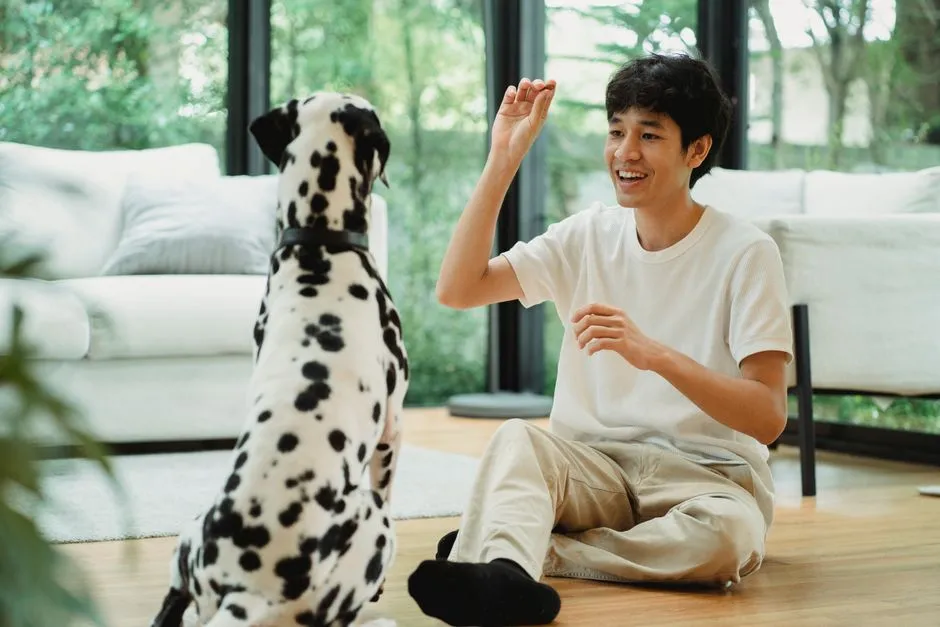
People obsess over whether to use a clicker, a special collar, or whatever method is trending on TikTok this month. Trainers care about one thing far more: does everyone in the house actually play by the same rules?
One person allows couch cuddles. Another screams the moment the dog jumps up. One feeds scraps from the table “just this once.” Another is fighting counter-surfing daily. The dog isn’t confused – the system is.
Dogs thrive on clear boundaries that don’t randomly shift with someone’s mood, predictable routines around feeding, walks, and downtime, and the same response to the same behavior no matter who’s home that day.
Most “stubborn” dogs are actually living in wildly inconsistent environments. A thirty-minute training session simply can’t compete with twenty-three hours a day of mixed messages. Trainers can fix your technique – they cannot fix your family politics.
#2 – Punishing Warnings Is How You Accidentally Train Bites
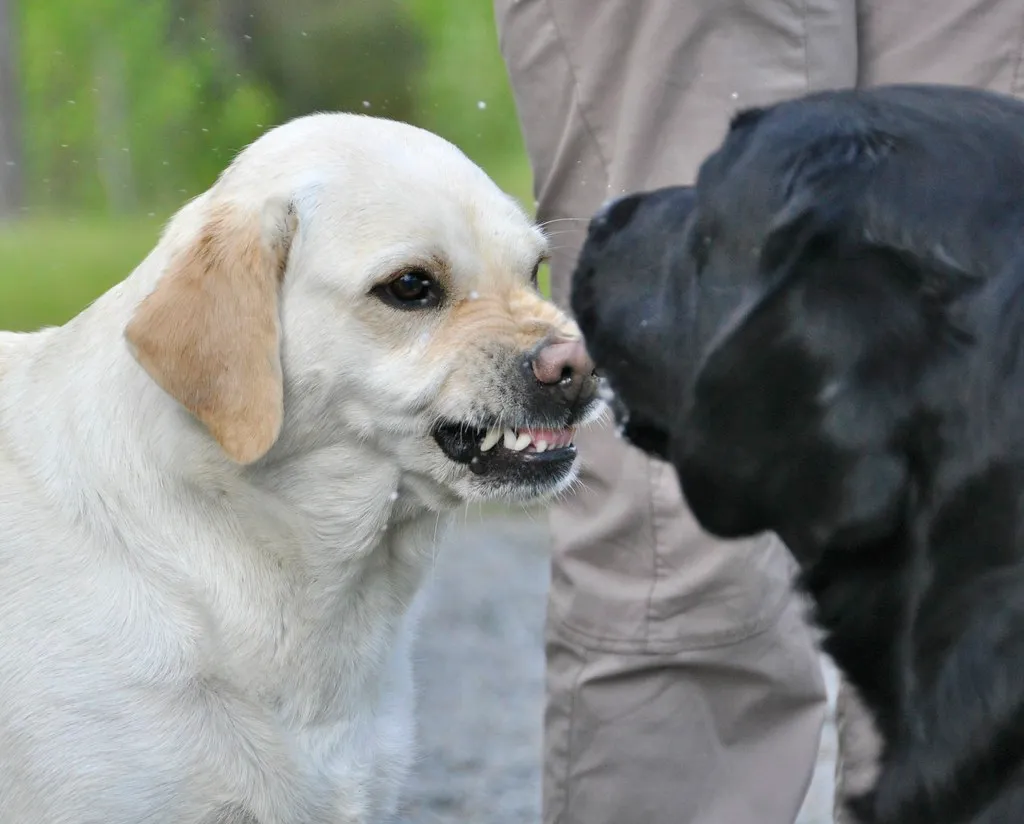
Many owners scold growling, air snaps, or stiff body language because it “looks aggressive.” Trainers see those same signals as life-saving warnings, not defiance.
When you punish a growl, you don’t remove the feeling behind it – you just remove the early alert. The dog still feels scared, trapped, or threatened. Next time, they may skip the warning entirely and go straight to teeth.
At a Glance
- Stiffening, freezing, or “whale eye” – where the whites of the eyes show – are often the earliest signals.
- Lip licking, yawning out of context, or turning away signal discomfort long before a growl ever happens.
- A low growl or air snap is typically the dog’s last warning, not the first sign something was wrong.
This is brutally important around kids especially. Dogs corrected for moving away, lip-licking, or low growling learn that their communication gets ignored, or punished, so they escalate faster the next time, seemingly “out of nowhere,” when in reality they’d been trying to say no for months.
Trainers prefer to listen to the growl, remove the pressure, and address whatever’s actually causing it, then work on changing the dog’s feelings about the trigger through careful, gradual training. Correcting the emotion out of a dog doesn’t make it disappear – it just drives it underground until it resurfaces somewhere worse.
#1 – Waiting Until There’s a “Big Problem” Is How Dogs Lose Their Homes

The thing trainers wish owners understood most of all: early help isn’t overreacting. It’s exactly how you avoid becoming one of the heartbreak stories.
By the time there’s a bite, a serious attack, a landlord warning, or a rehoming ad posted online, the dog has usually rehearsed the problem behavior for months, sometimes years. At that point, fixing it is harder, slower, more expensive, and sometimes not fully possible anymore.
Many owners quietly admit, after the fact, that they saw the signs the whole time – a puppy that froze when handled but “seemed fine otherwise,” a young dog that lunged at bikes “just sometimes,” a rescue that guarded food “but never actually bit.” Instead of acting early, they waited for time, for maturity, for the dog to “get used to it.”
That wait is what quietly ruins first years, and too often, entire lives. Calling a trainer in the first few weeks isn’t dramatic – it’s responsible. It’s the difference between shaping a flexible young brain and fighting an entrenched pattern at three years old.
The Bottom Line
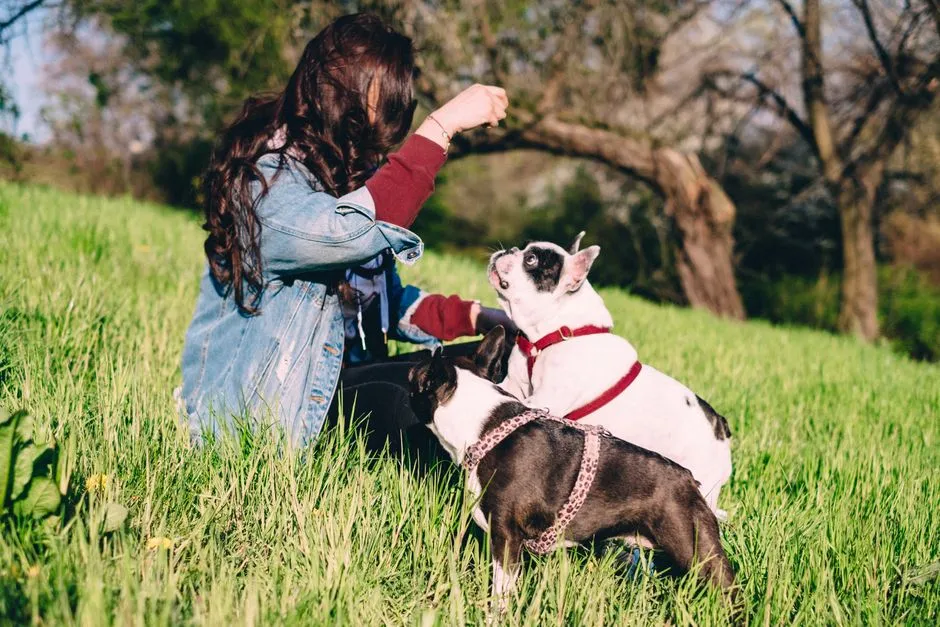
The messy truth trainers see every single day is this: most “problem dogs” didn’t start out that way. They were under-coached, over-hoped for, and left to guess their way through a human world that makes no sense to them.
The first year isn’t just “puppy days.” It’s when structure, genetics, socialization, and your own daily habits quietly set the trajectory for every year that follows.
Some people won’t like hearing that love isn’t enough, that their vet might miss behavior red flags, or that dog parks and “they’ll grow out of it” thinking are part of the problem. But pretending otherwise is exactly how good dogs end up in bad, avoidable situations.
If anything on this list stung a little, take that as good news – it means you care enough to change course before year one becomes year three. The only real question left is which of these fourteen truths hit closest to home, and what you’re going to do differently starting today.

- 13 Odd Hummingbird Habits Ornithologists Say Still Puzzle Them After More Than Four Decades of Study - August 2, 2026
- 18 Dog Breeds Older Vets Remember Treating Constantly That Younger Vets Have Never Once Seen - August 2, 2026
- 17 Small Things Your Old Cat Starts Doing When It Knows the End Is Coming Closer - August 2, 2026