

Think you know the smartest creatures on this planet? Most of us can name the usual suspects like dolphins, elephants, and our primate cousins. Those creatures get plenty of credit for their brainpower. That’s fair enough, they’ve earned it. Yet scattered across rainforests, oceans, and remote mountain ranges are wild animals whose intelligence flies completely under the radar.
Some of them solve puzzles that would stump a five-year-old child. Others use tools with surgical precision or remember complex solutions for years on end. The kicker? You’ve probably never even heard of most of them. Their brilliance unfolds in hidden corners of our world, far from documentaries and zoo exhibits. Let’s dive into the unexpected geniuses of the animal kingdom.
1. The Kea: New Zealand’s Mountain Genius
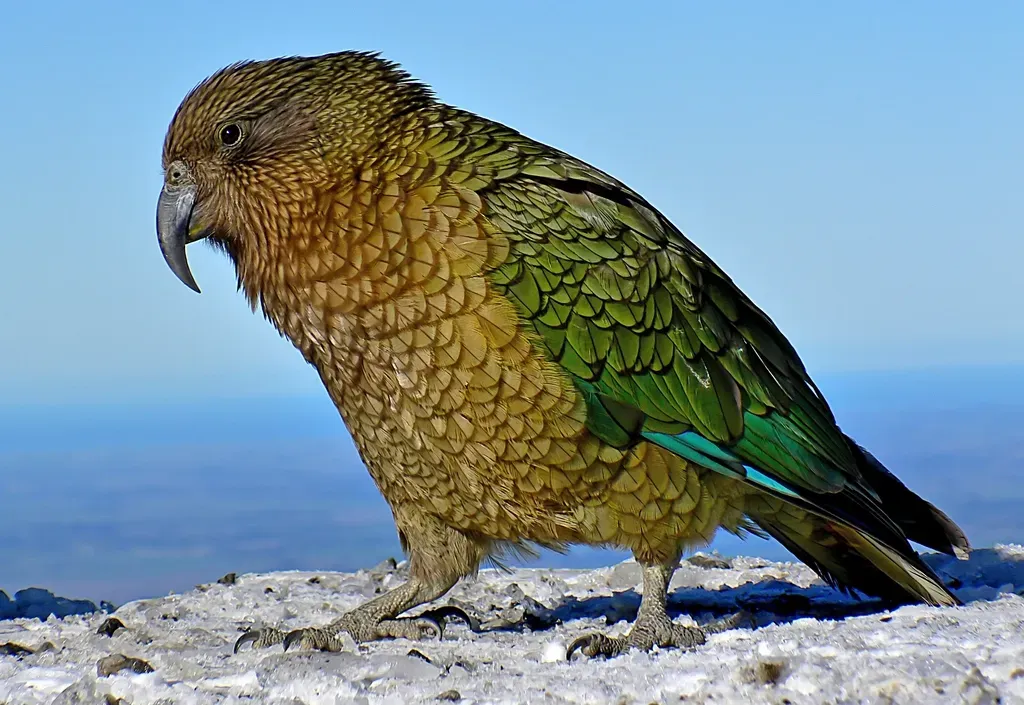
This green and blue parrot from New Zealand has been shown to solve problems on the first attempt, suggesting they mentally work out solutions before even starting tasks. That’s honestly impressive when you think about it. Watching a kea at work feels like witnessing a feathered engineer in action.
These birds have solved second-order tool-use tasks, where one tool must be used to acquire another, and they can learn from observing other keas performing problem-solving tasks. Their collaborative nature sets them apart too. Living in the harsh alpine environment of New Zealand’s Southern Alps, keas have adapted not just physically but mentally, developing problem-solving skills that rival some primates.
2. The Fossa: Madagascar’s Cunning Predator
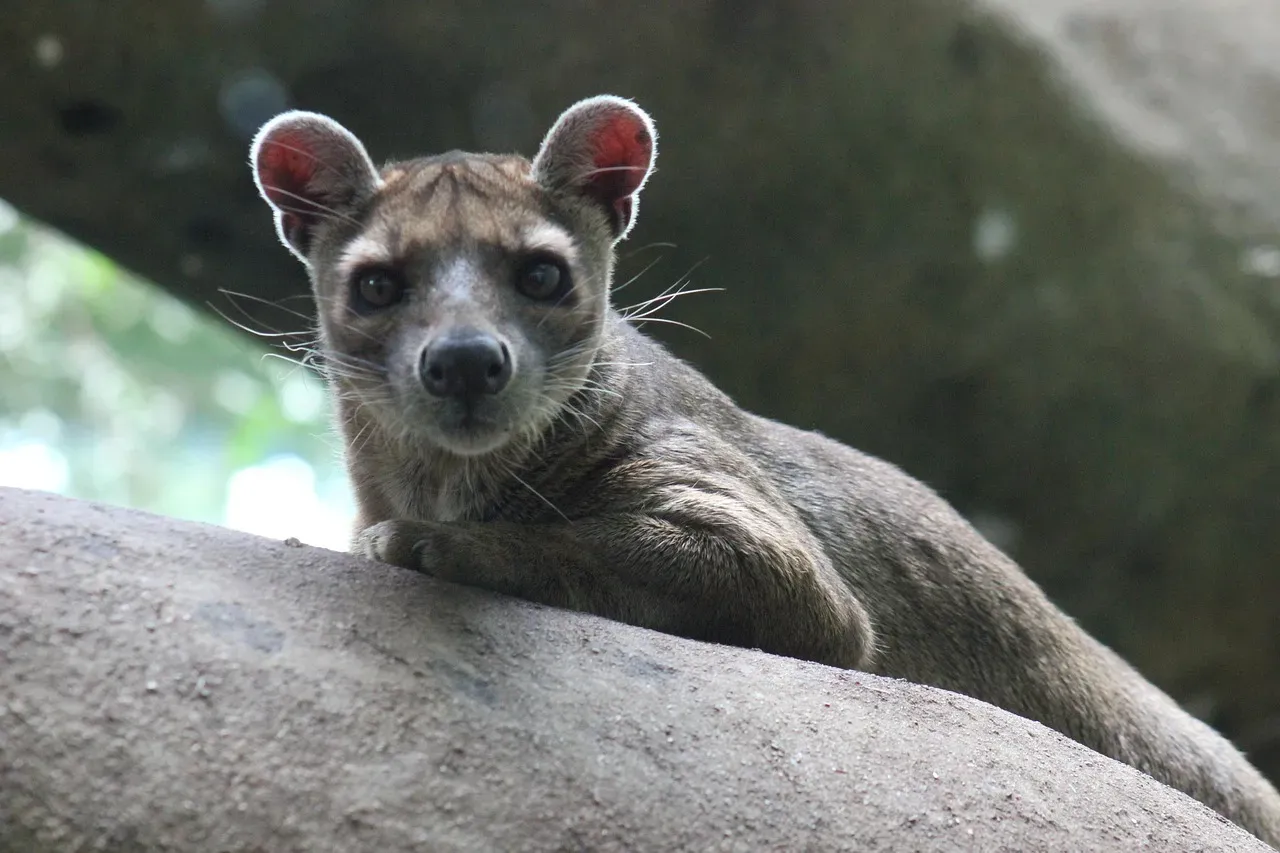
This slender, long-tailed cat from Madagascar is an intelligent and agile animal that feeds on anything from lemurs to wild pigs, using its retractable claws, sharp teeth, and long tail to navigate tree branches. The fossa remains one of the most elusive predators on Earth.
An elusive and solitary creature, fossas only come together during mating season and most females will have a single litter each year consisting of two to four pups who remain with their mother until around five months of age. Their intelligence shows in how they hunt, adapting their strategies based on terrain and prey behavior. It’s a testament to their cognitive flexibility that they thrive in Madagascar’s unique ecosystem.
3. Cuttlefish: The Ocean’s Shape-Shifting Mastermind
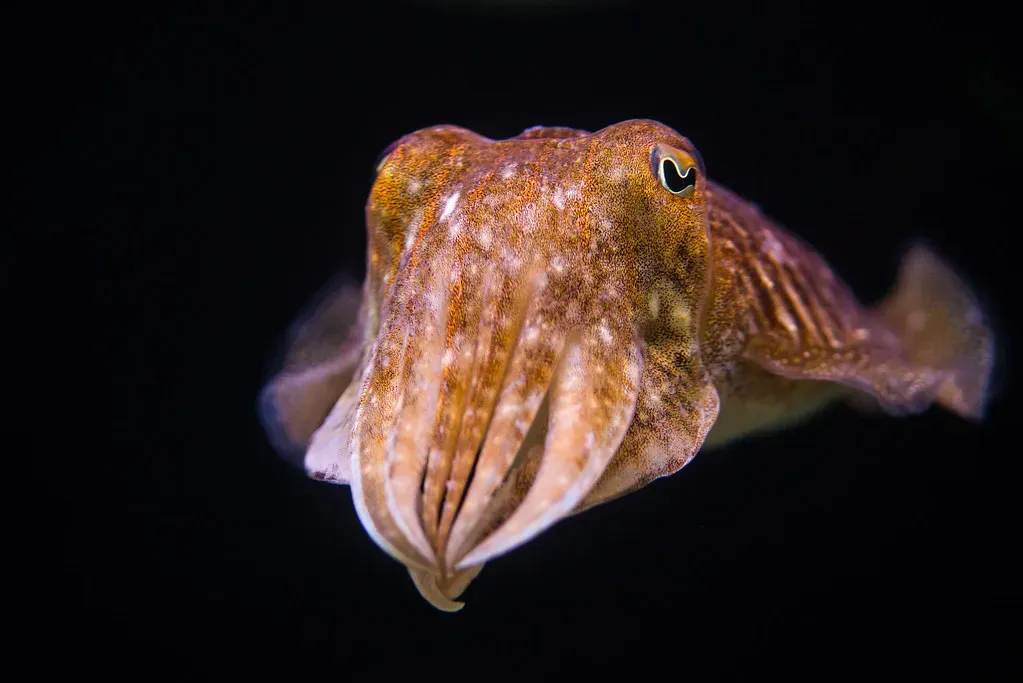
These cephalopods remember what they ate and when and where they ate it, with memory that does not decline with age, and they are masters of disguise who can change their appearance at will to mimic colors and textures of their environment. Honestly, it’s like watching nature’s special effects team at work.
Smaller males will sometimes mimic the female pattern and even pretend to hold an egg sac to sneak past larger guard males, and in a 2021 study, cuttlefish passed the marshmallow test demonstrating self-control, thought to be the cornerstone of intelligence. Their brainpower challenges our assumptions about what intelligence looks like. Who knew a creature without a backbone could be this clever?
4. The Giant Forest Hog: Africa’s Elusive Intellect
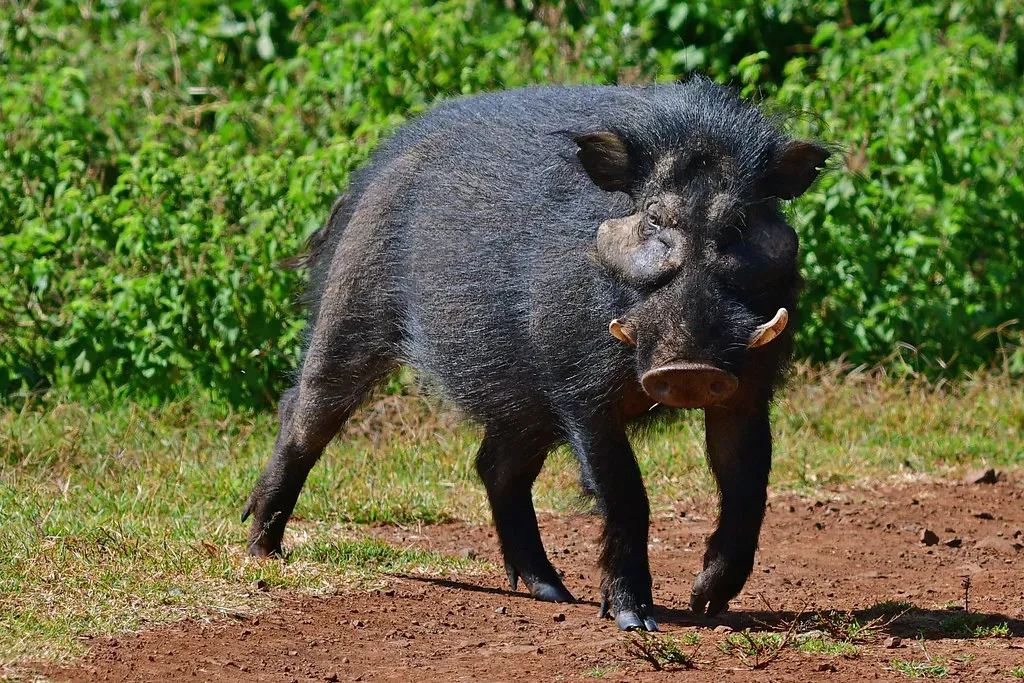
Weighing up to 270 kilograms, the giant forest hog is one of the world’s largest wild species of pig and one of the most elusive, very skilled in avoiding predators but also known for confronting them to protect their group. These massive swine possess a kind of street smarts that keeps them alive in dense African forests.
They navigate complex social hierarchies within their groups and make strategic decisions about when to flee and when to fight. They gather in forests, grasslands and swampy areas as they cannot sweat and need daily mud baths to keep cool. This behavioral adaptation demonstrates their ability to solve the problem of thermoregulation in creative ways.
5. Sea Lions: The Ocean’s Problem-Solving Champions
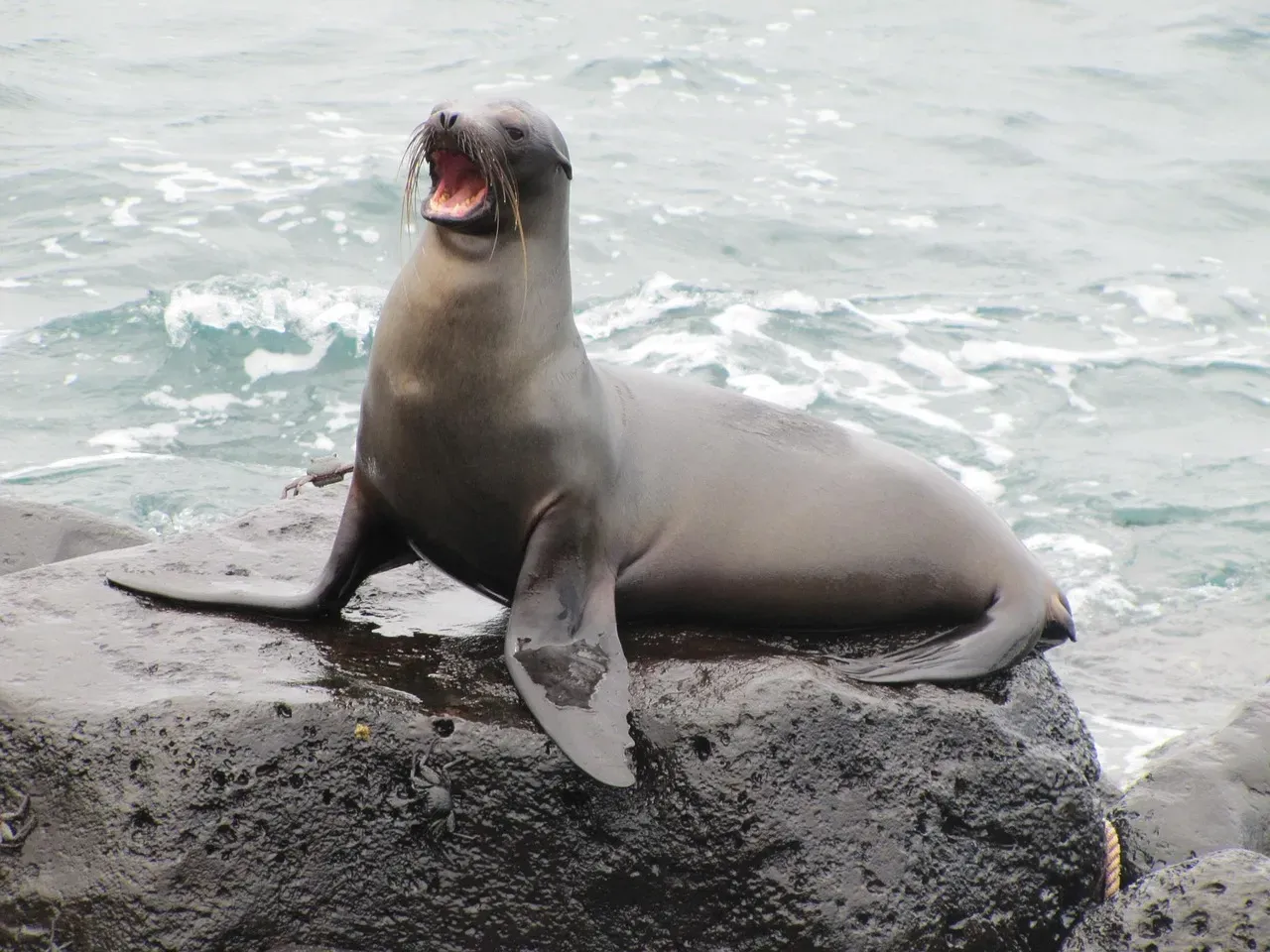
Sea lions are smart marine animals with amazing problem-solving skills, able to understand simple commands and grasp the idea of sameness, something once thought only primates could do. These playful marine mammals pack serious brainpower beneath their whiskers.
They can figure out puzzles and perform all sorts of tasks when trained, and their mental abilities are quite impressive for ocean dwellers, using their smarts in the wild to find food and navigate tricky ocean currents. Their intelligence extends beyond trained tricks. In their natural habitat, they demonstrate creativity that would make any escape artist proud.
6. Koalas: Australia’s Strategic Thinkers
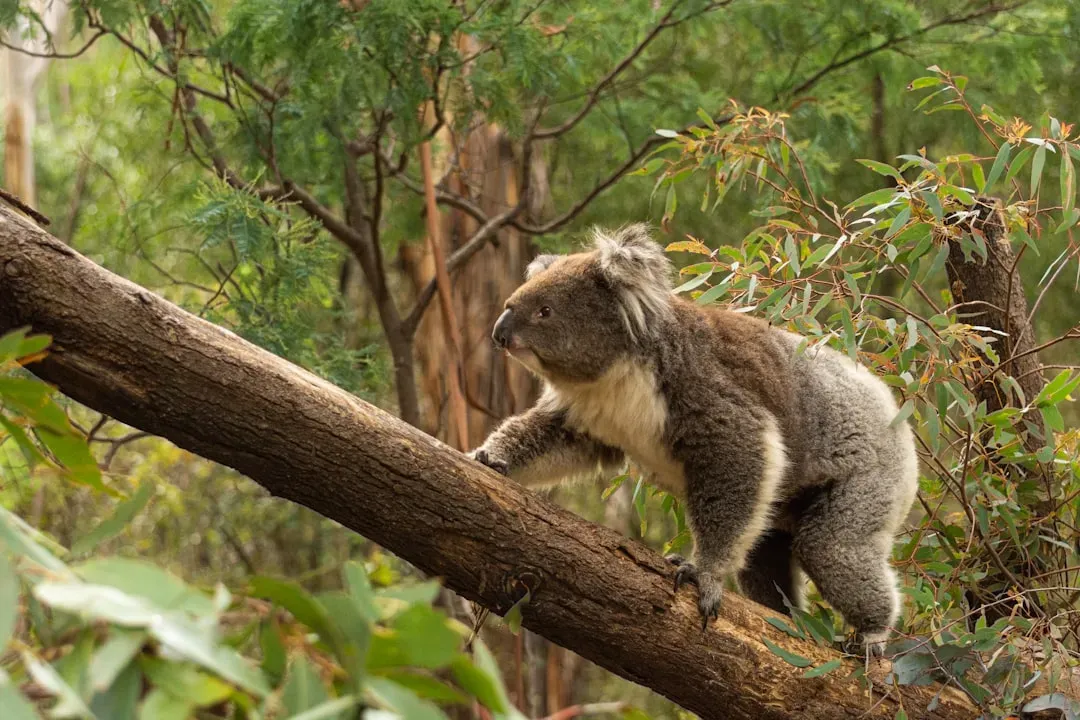
Koalas are well-loved for their adorable looks, but they also do well in the intelligence category, seeming able to predict what will happen in a particular situation based on past experiences, and instead of swimming across bodies of water they have learned they can hitch a ride on passing boats. That’s some next-level lazy genius right there.
These eucalyptus lovers get dismissed as dopey, but their behavior tells a different story. Their ability to learn from experience and modify behavior accordingly shows cognitive flexibility. The fact that they’ve figured out humans will ferry them across water rather than swim? That’s just brilliant resource management.
7. The Wolverine: Wilderness Intelligence Personified
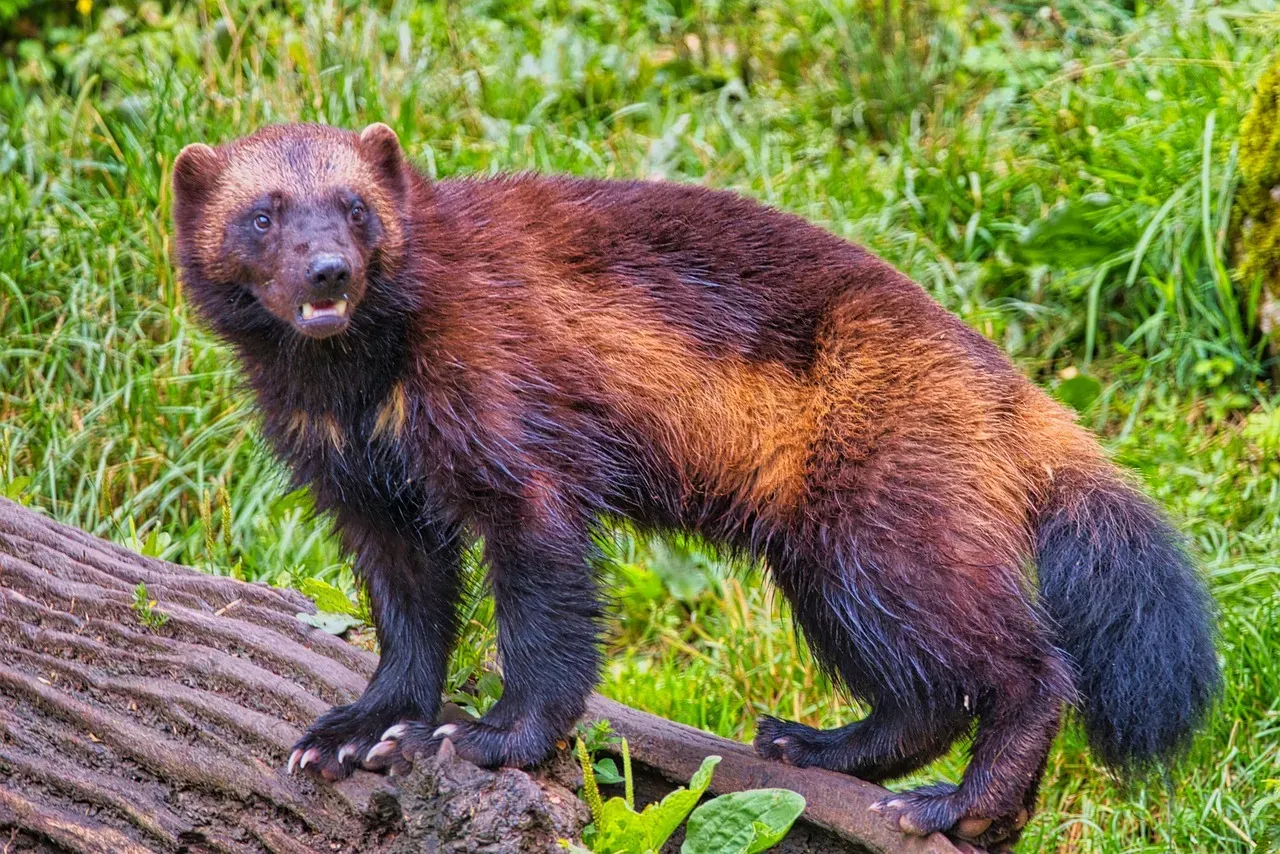
The wolverine’s low population density and wide-ranging territory make it nearly impossible to see in the wild as they can be found in remote areas of undisturbed wilderness, and wolverines easily dispatch small prey such as rabbits but can also attack large animals such as caribou. These fierce carnivores embody survival intelligence.
Their problem-solving shows in their hunting strategies and ability to cache food across vast territories, remembering locations under deep snow months later. Wolverines possess exceptional spatial memory and adapt their behavior based on seasonal changes and prey availability. They’re essentially the survivalists of the animal kingdom.
8. African Grey Parrots: Feathered Einsteins
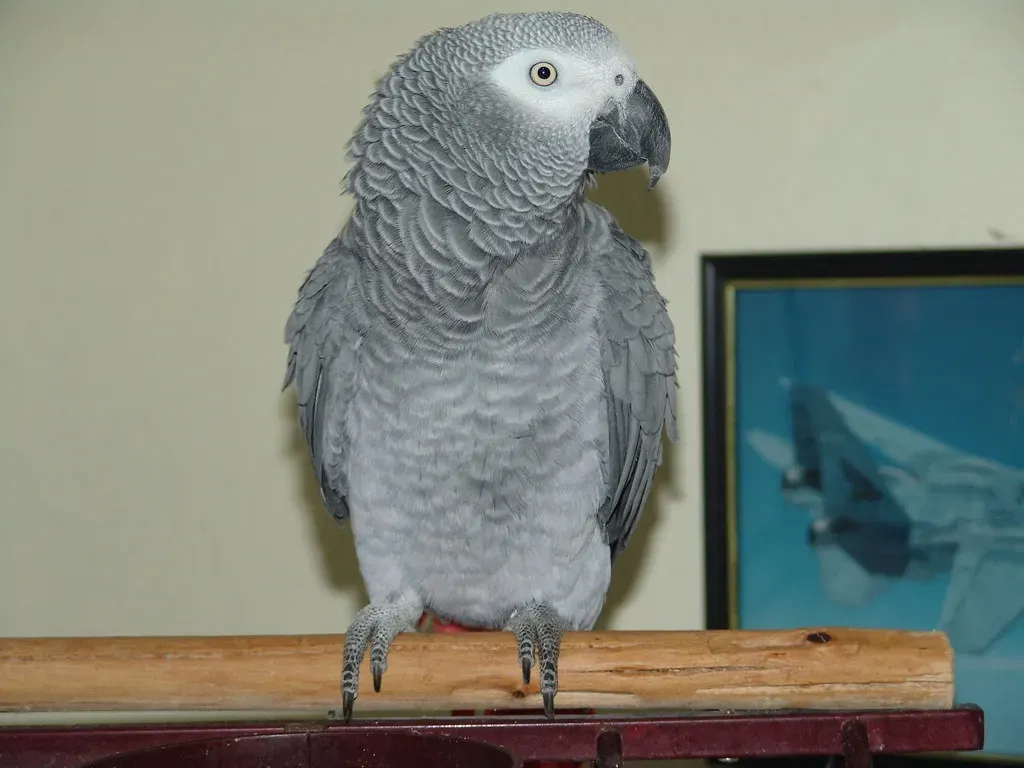
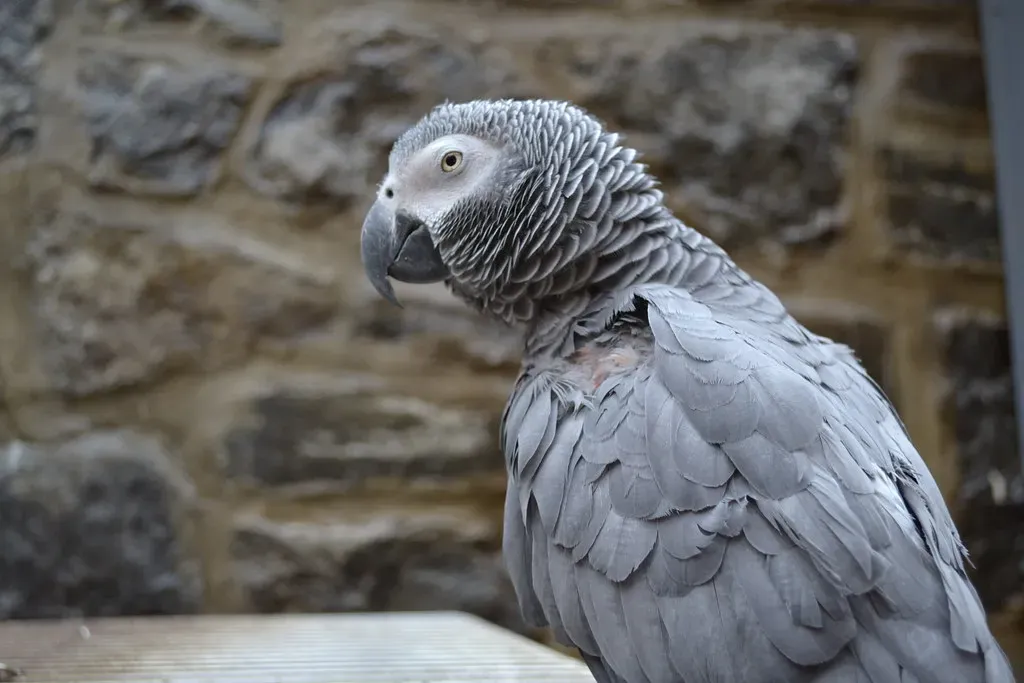
Alex, an African grey studied by animal psychologist Dr. Irene Pepperberg over 30 years, could identify 50 objects, seven colors and five shapes, as well as recognize numbers up to six, and was able to perform cognitive tests at a level higher than five-year-old human children, demonstrating reasoning. Let’s be real, that’s mind-blowing.
These parrots are known for their impressive memory, allowing them to recall words, faces, and events over long periods, and they excel at understanding concepts such as shapes, colors, numbers, and sizes, demonstrating advanced cognitive abilities. Their intelligence challenges traditional views on what non-mammalian brains can achieve.
9. Hyenas: Underestimated Collaborative Geniuses
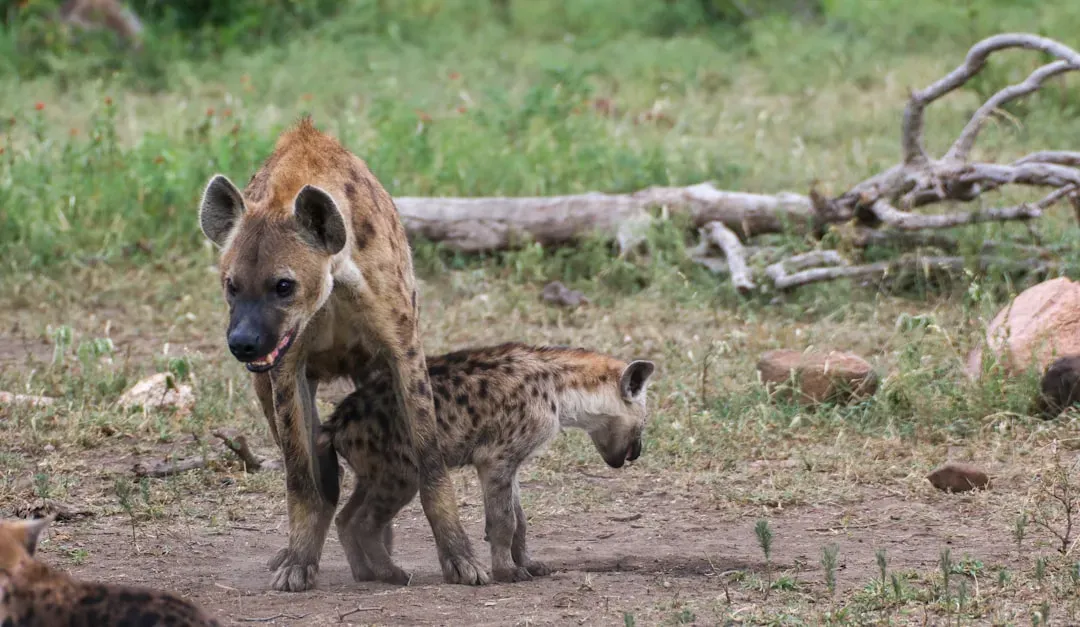
When researchers built a rig with two dangling ropes that opened a trap door revealing food when both ropes were yanked simultaneously, not only did hyenas work together to pull the ropes without training, but experienced hyenas even taught rookies in their pack how to do it. Monkeys needed human help to pass the same test.
These misunderstood carnivores possess complex social intelligence that rivals primates. Their clan structures involve intricate hierarchies and cooperation strategies. Hyenas remember individual relationships within their groups and adjust their behavior accordingly. The fact that they can innovate and teach others without human intervention speaks volumes about their cognitive capabilities.
10. Raccoons: Urban Adaptation Masters
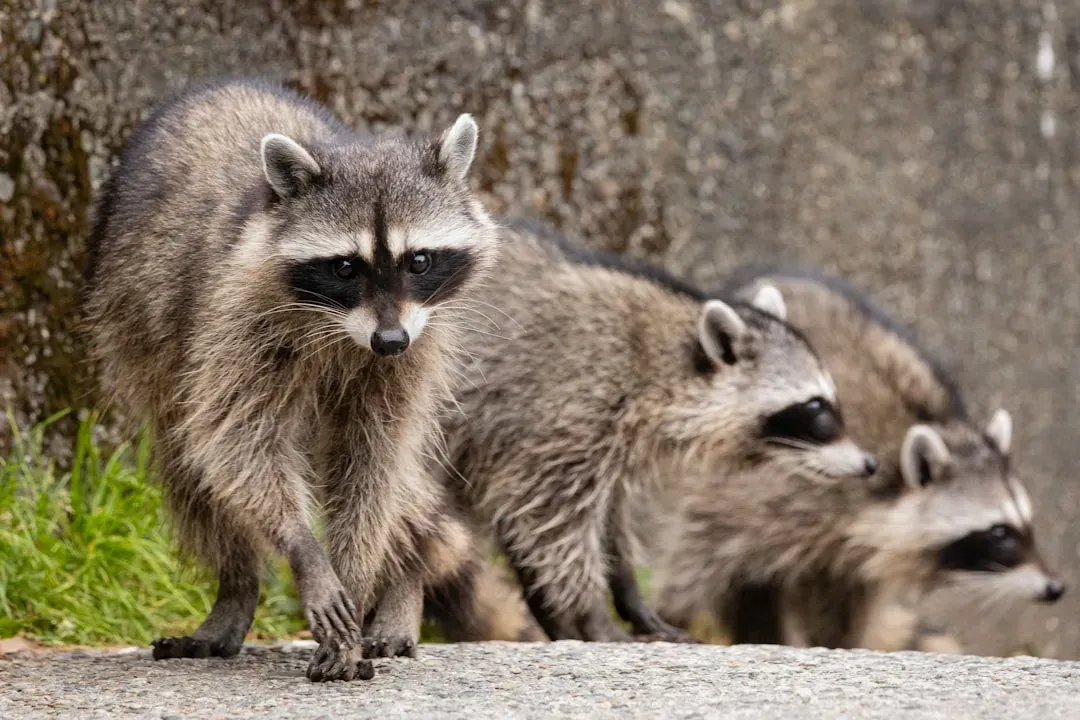
Raccoons have impressed scientists with their problem-solving abilities, and in studies they’ve shown they can figure out complex puzzles as well as monkeys can. Anyone who’s tried to keep them out of a garbage can knows this already.
Raccoons can open locks, unscrew jar lids, and remember solutions to problems for up to three years, and their problem-solving skills go beyond just getting food as they have been observed using tools and working together to solve tasks. A recent study by the Royal Society has shed light on their unique cognitive abilities, setting them apart from other animals. Their adaptability to human environments showcases exceptional cognitive flexibility.
11. Wolves: Pack Strategists Extraordinaire
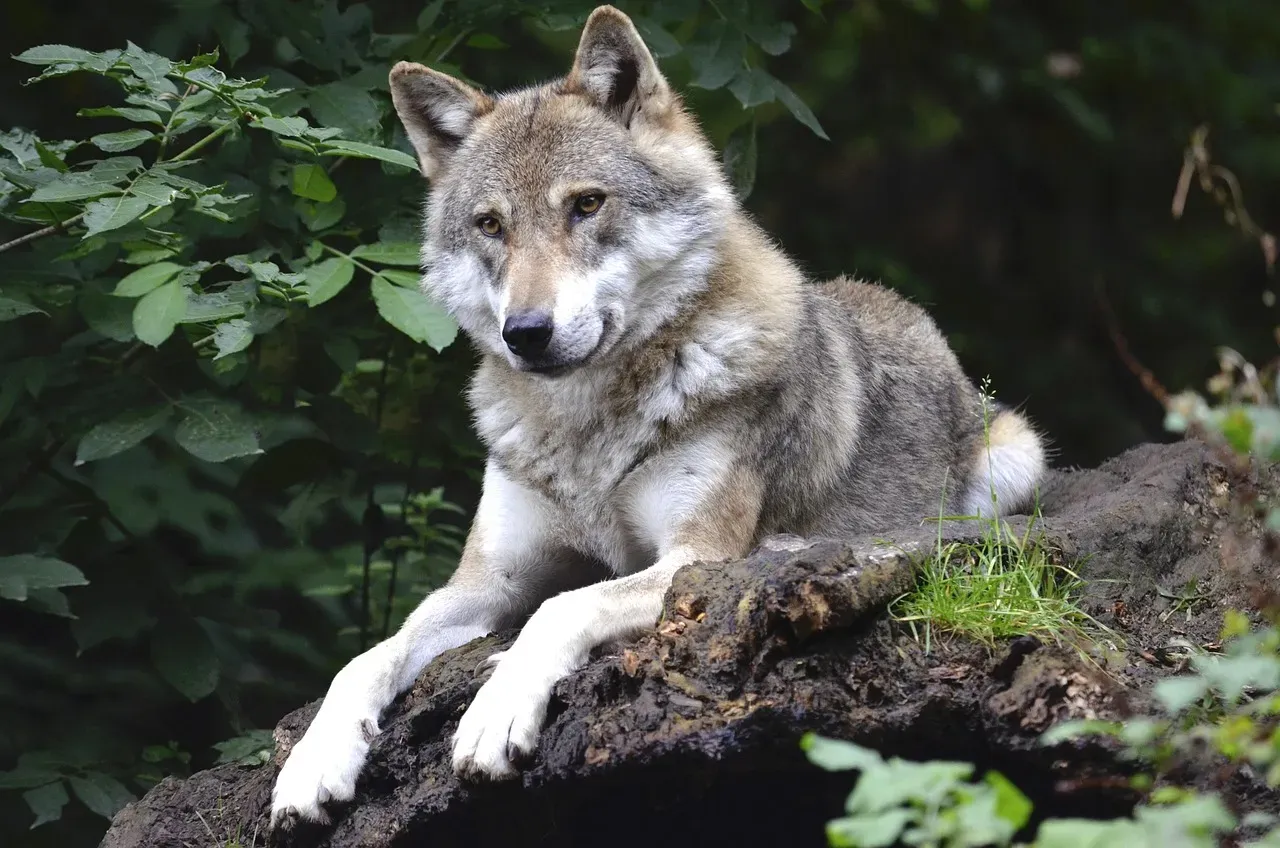
Wolves are smart creatures with amazing problem-solving skills, and they work together in packs to hunt, using teamwork to take down prey much larger than themselves. Their intelligence manifests through coordination and communication.
They communicate in complex ways using howls, body language, and scent marking to share information with their pack, which helps them coordinate hunts and protect their territory. In captivity, wolves have shown they can solve puzzles to get rewards, and they’re quick learners who can remember solutions to problems they’ve faced before. This memory serves them well in the wild’s ever-changing challenges.
12. Pigeons: The Underrated Urban Intellects
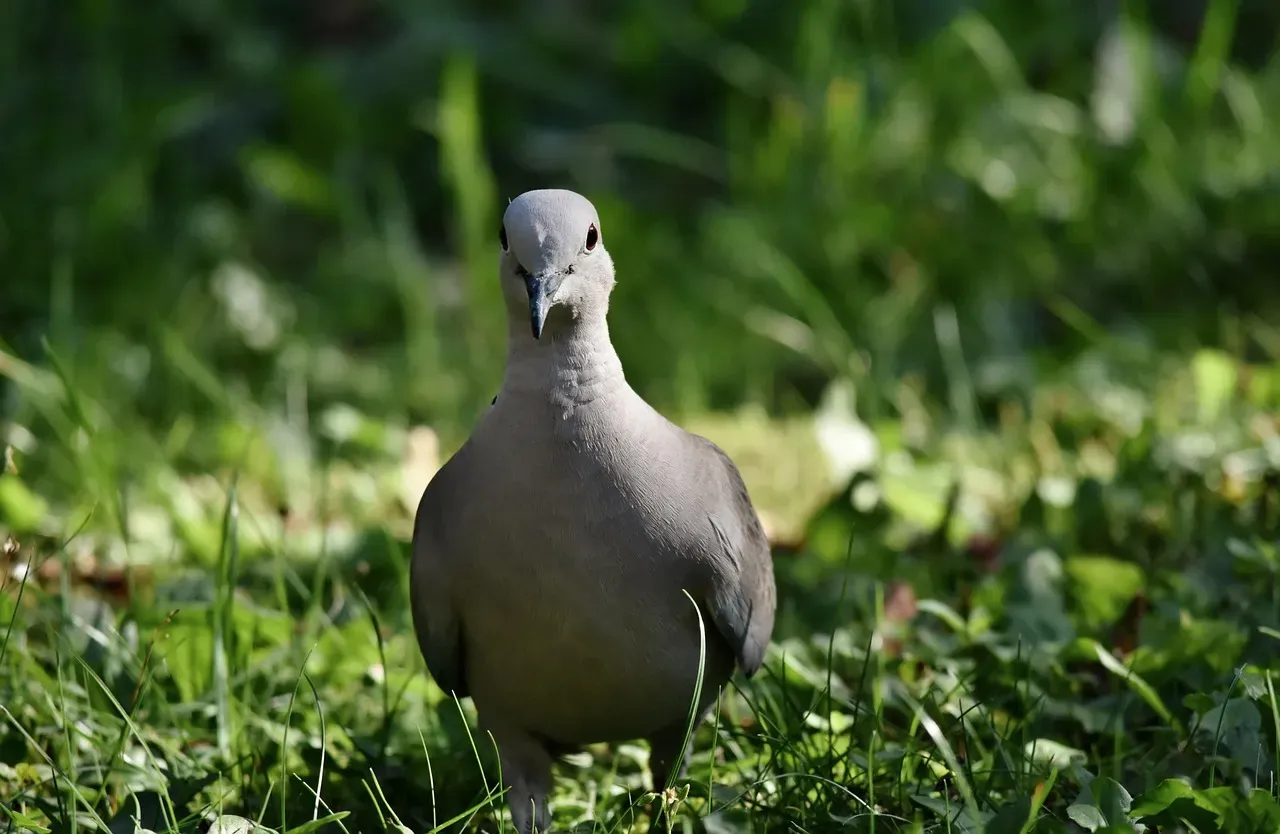
When researchers mapped the brain of pigeons, they discovered the areas for long-term memory and problem solving were wired just like a human’s. That should make you look at city pigeons differently.
Pigeons are better at game shows than humans, with studies showing that pigeons play Monty Hall at a significantly higher success rate than humans. Pigeons have been used in research due to their impressive problem-solving abilities, and they can remember human faces, holding grudges like a pro. Next time you see one strutting around, remember there’s a tiny clever brain ticking away under those feathers.
13. The Okapi: Congo’s Cryptic Survivor
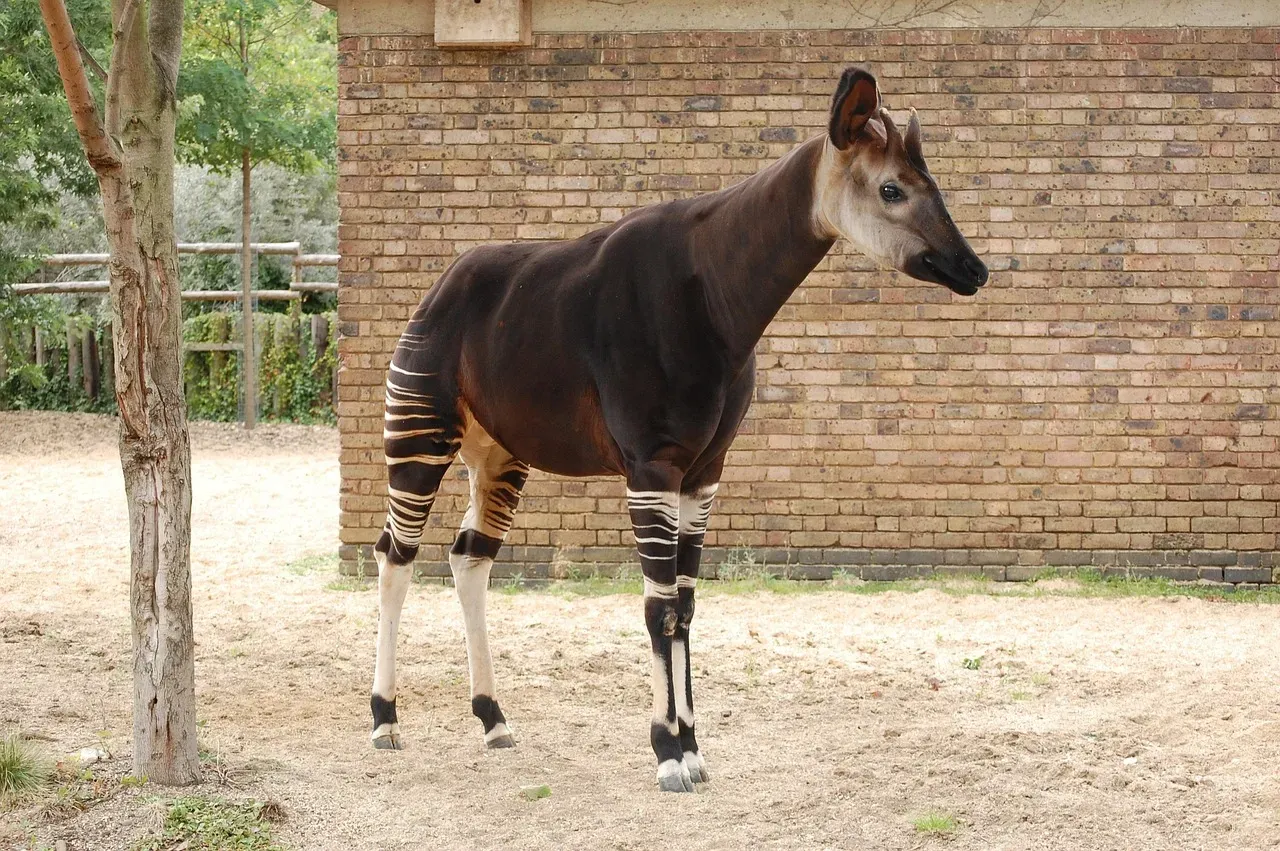
This mammal is native to the Democratic Republic of the Congo in Central Africa, and despite the zebra-like stripes, it is actually more closely related to giraffes, with a coat that is chocolate to reddish brown in contrast with white horizontal stripes and rings on the legs. The okapi’s intelligence shows in its survival strategies.
This animal is well-adapted to the environment where they live which helps them with avoiding predators including leopards and people, and okapis’ zebra-like markings and dark reddish fur help camouflage them among dense, shadowy forests. Their ability to remain virtually invisible in their habitat while navigating complex forest environments demonstrates sophisticated spatial awareness and predator avoidance strategies.
14. Crows and Ravens: Avian Problem-Solving Legends
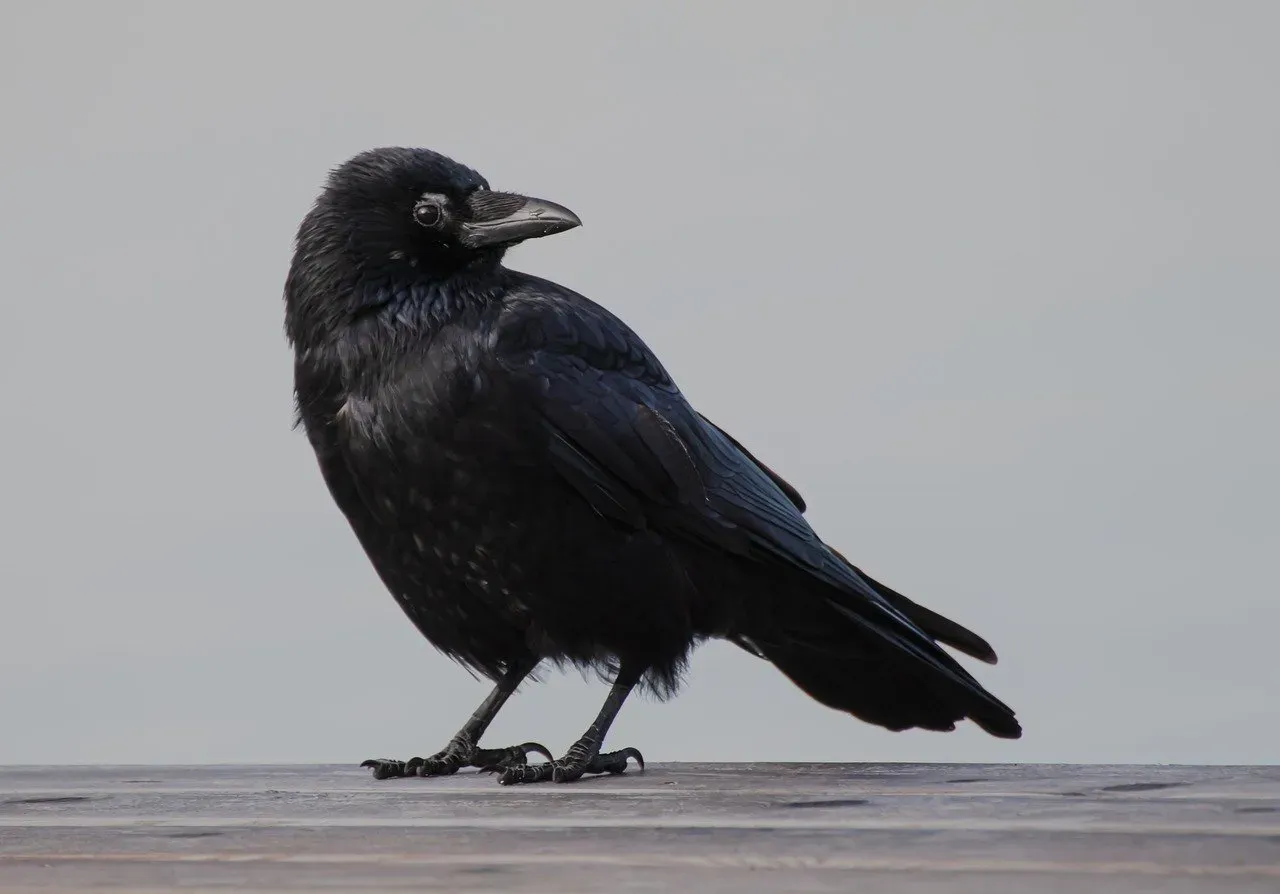
Ravens and crows are living proof that it’s not the size of your brain that counts but how you use it, and research suggests four-month-old ravens could be as intelligent as some adult apes. Here’s the thing, these birds are genuinely scary smart.
Ravens are extremely intelligent birds, and they have better planning skills than human toddlers, with one study revealing they could select a key from an array of objects that could be used to open a special box with a treat inside, finding the correct key 90 percent of the time and patiently waiting a whopping 17 hours for the opportunity to use it. That level of patience and planning is remarkable for any creature.
15. Goffin’s Cockatoos: Indonesia’s Feathered Engineers
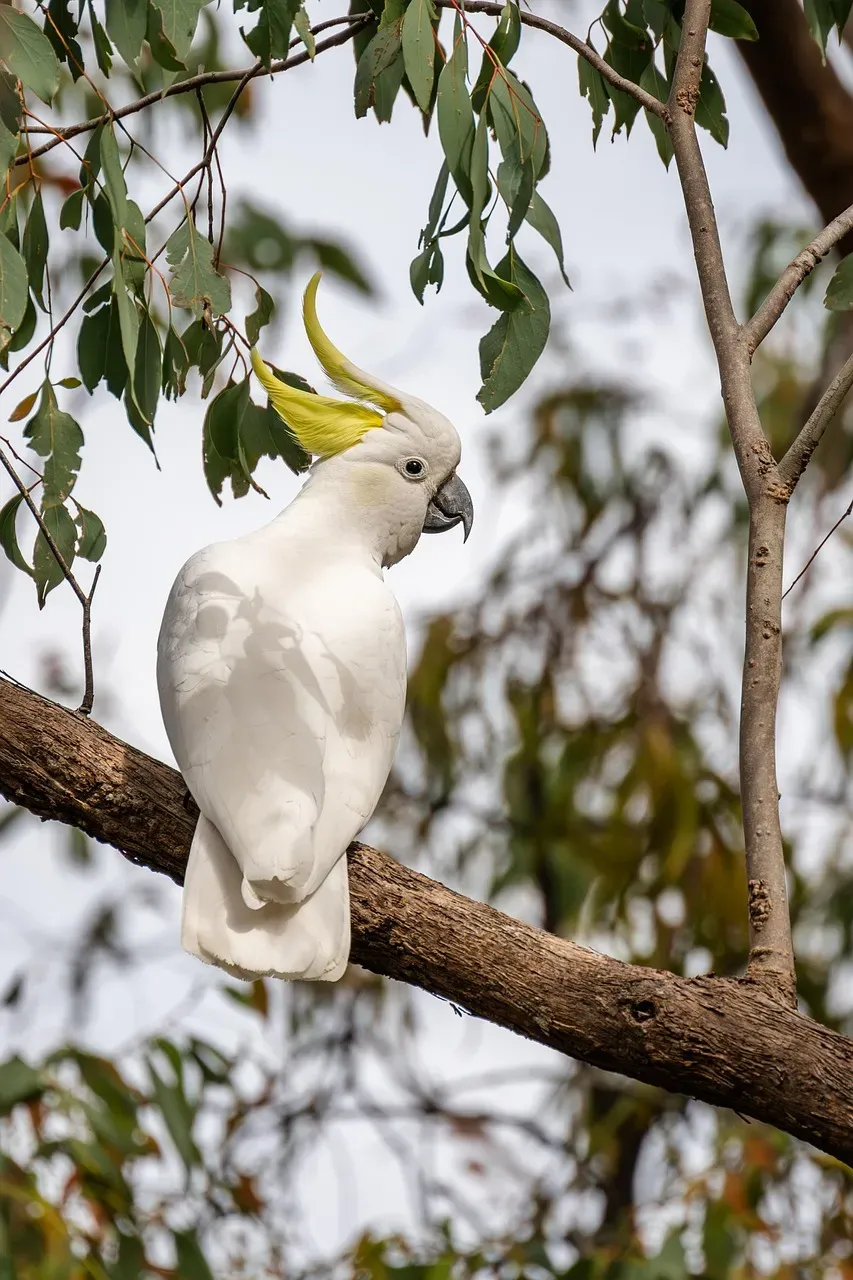
Goffin’s cockatoos are clever birds that can solve tricky problems. These white parrots from Indonesia demonstrate engineering skills that would impress any craftsperson. They can manufacture tools from different materials, modifying them to suit specific tasks.
They can feel emotions and even comfort each other when they’re sad, and these amazing animals are considered one of the smartest creatures around. Their ability to understand mechanical principles, combined with their social and emotional intelligence, places them among the most cognitively advanced birds on Earth. Watching them work through complex puzzles reveals a level of innovation rarely seen outside primates.
Conclusion
The animal kingdom’s brilliance extends far beyond the usual suspects we celebrate in nature documentaries. From New Zealand’s mountainous keas solving multi-step puzzles to Madagascar’s elusive fossas hunting with tactical precision, intelligence wears many faces in the wild. These 15 remarkable creatures demonstrate that cognitive prowess isn’t limited to large brains or familiar species.
Their problem-solving abilities, memory, adaptability, and innovation challenge our understanding of what it means to be intelligent. Each species has evolved unique mental capabilities suited to their specific environments and challenges. Perhaps the most humbling realization is how much we still don’t know about the hidden geniuses living among us. What do you think? Which of these surprised you the most?
