
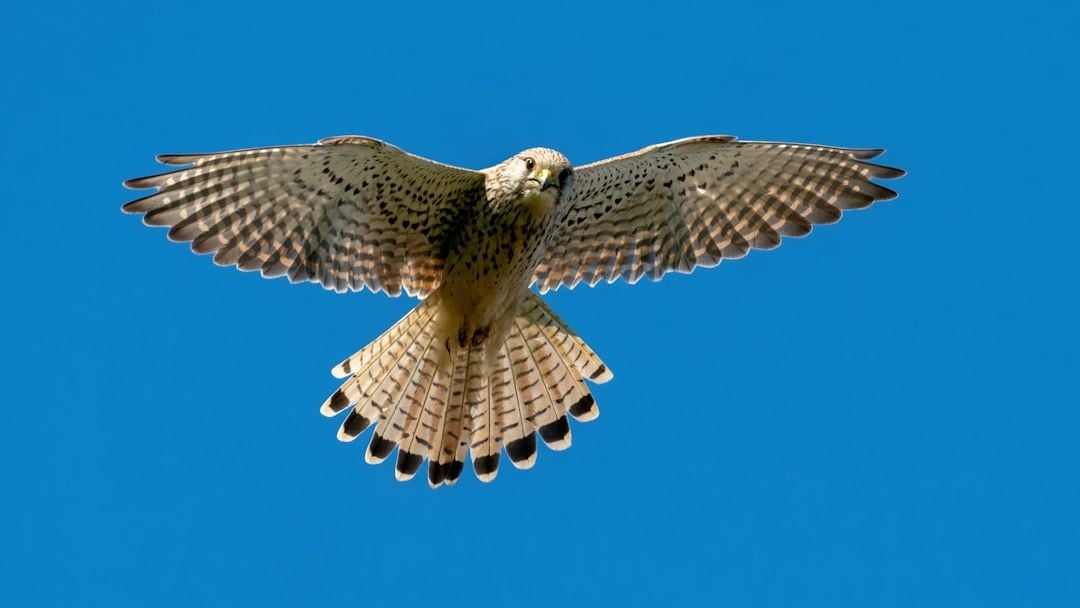
Looking up at the vast North American skies can be humbling, especially when you notice the silhouette of something powerful gliding effortlessly on invisible currents. These aren’t just birds. They’re apex predators, commanding the air with a presence that’s captivated humans for centuries. Each species brings its own drama to the wilderness, from remote mountain peaks to suburban backyards.
What makes a bird of prey truly majestic goes beyond size or speed. It’s the way they hunt, the territories they claim, the sheer force of their talons. Some are icons of freedom, others are ghosts of the tundra, while a few have clawed their way back from near extinction. Let’s get started and discover which six raptors truly own the skies above this continent.
Bald Eagle: The Symbol That Soared Back From the Brink
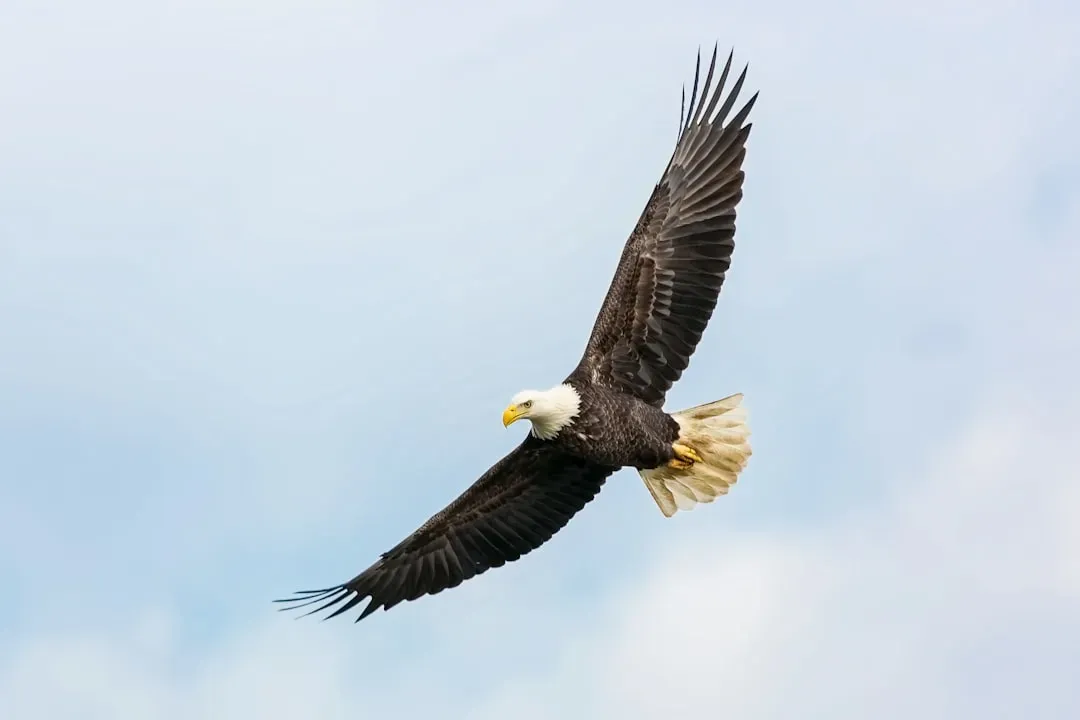
The bald eagle is both majestic and massive, and it’s impossible to think about North American birds of prey without picturing this iconic raptor first. With its striking white head and tail contrasting against dark brown plumage, the bald eagle became the national emblem of the United States back in 1782. Yet by the mid-twentieth century, this bird nearly vanished.
DDT was banned from usage in the United States in 1972, and conservation measures increased bald eagle populations. Today, these birds live in every state except Hawaii. Female bald eagles have a wingspan of up to 8 feet, making them impossible to miss when they’re hunting along coastlines or near lakes and rivers.
About 70% of a Bald Eagle’s diet is made up of fish, and they prefer fish while hunting by flying over the water. They’re also notorious for their thieving habits, harassing ospreys until the smaller birds drop their catch mid-flight. Honestly, it’s not the most honorable hunting strategy, but it works.
Golden Eagle: The Wilderness Warrior
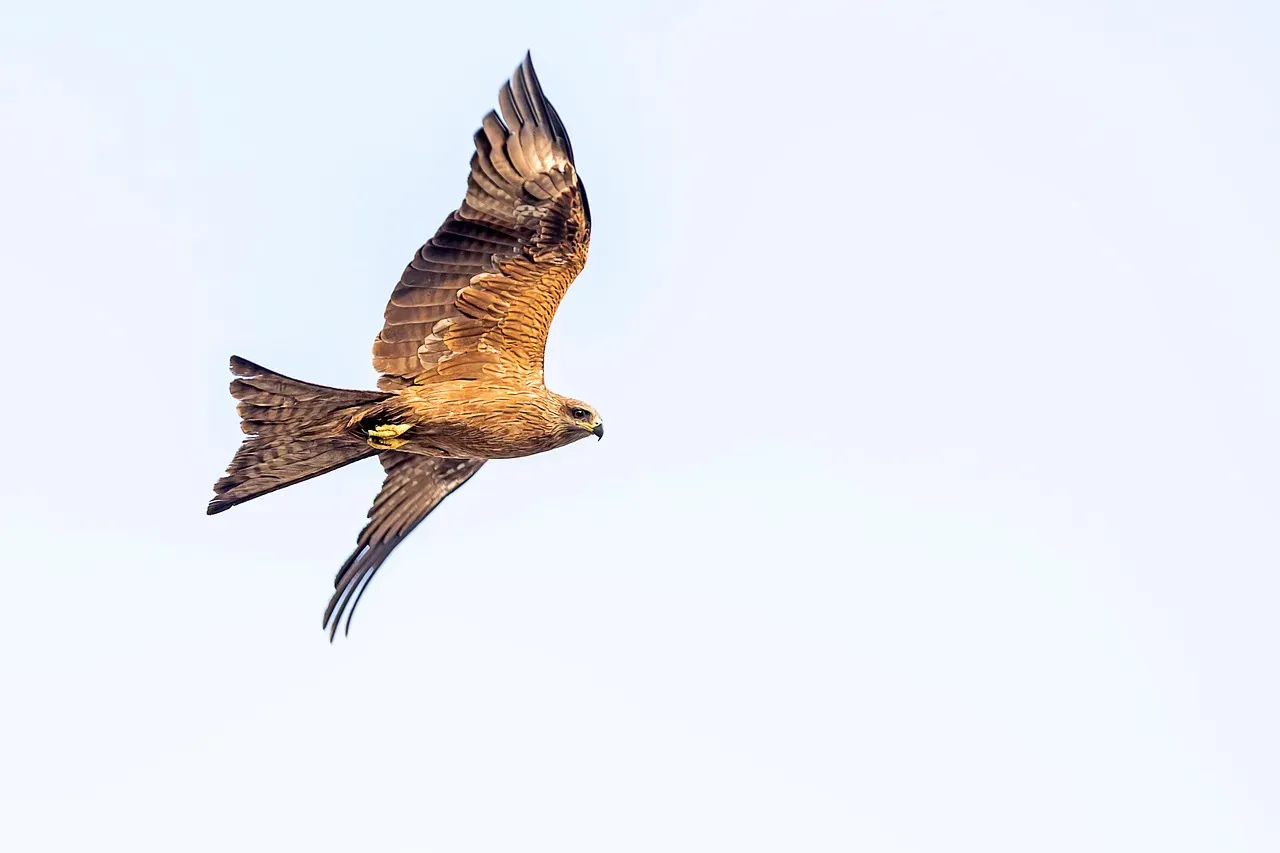
The golden eagle is one of the largest, fastest, and nimblest raptors in North America with lustrous gold feathers gleaming on the back of its head and neck. Unlike the fish-loving bald eagle, golden eagles are land hunters, pursuing rabbits, ground squirrels, and even young deer across open terrain.
Eagles have eyesight that is 4 to 8 times stronger than that of humans and can spot their prey from a distance of 3 kilometers. This fierce predator prefers the rugged West, breeding across mountain ranges and grasslands from Alaska down through Mexico. Golden eagles live in western U.S. states plus Canada, Alaska and northern regions of Mexico, preferring higher altitudes and diverse habitat from intermittent forests to deserts and prairies.
These raptors typically weigh between 6.6 and 15 pounds and have a wingspan ranging from 6 to 7.5 feet. Their feathered legs extending all the way to their talons distinguish them from bald eagles, giving them better protection in colder climates. It’s hard to say for sure, but many wildlife enthusiasts consider the golden eagle even more formidable than its famous cousin.
California Condor: Giant of the Skies
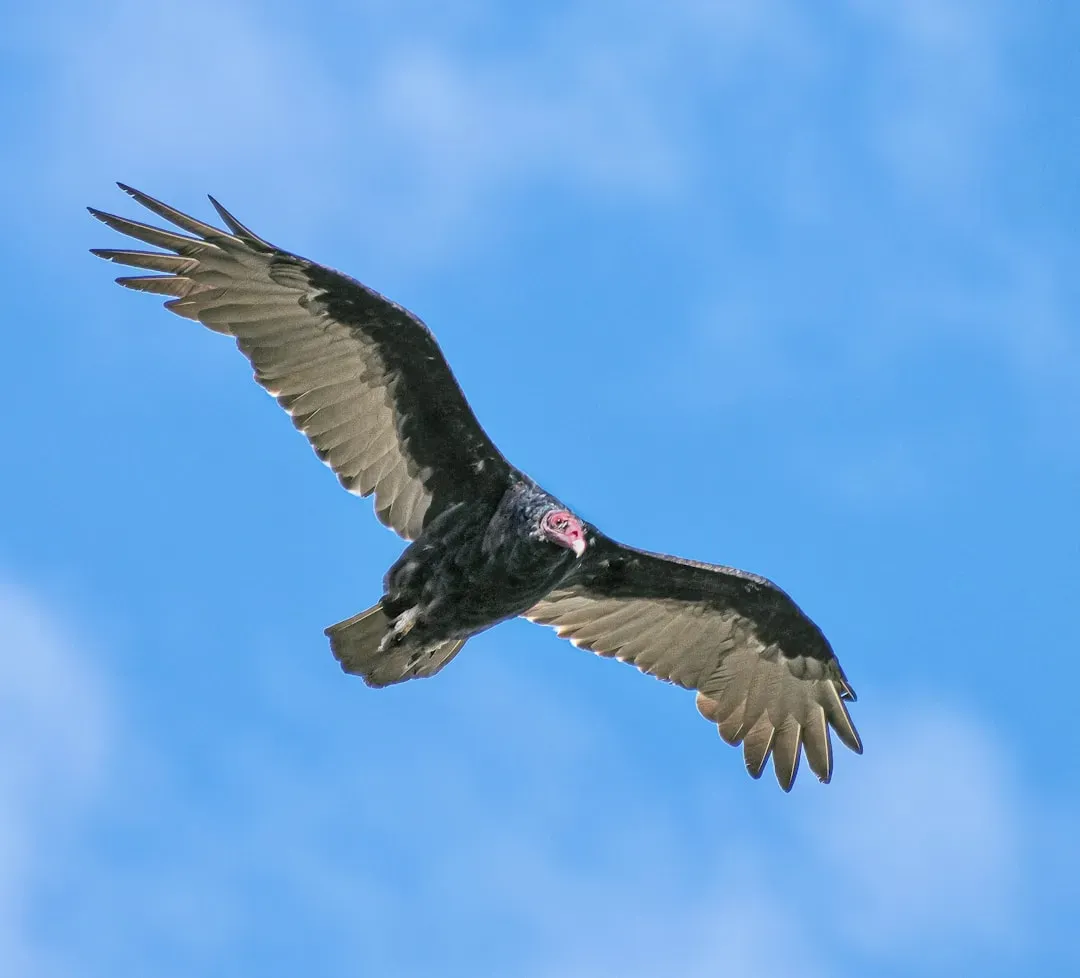
The California condor is the largest bird of prey in North America with a wingspan stretching up to 3.05 meters (10.0 feet), soaring on thermal currents sustained by long, broad wings. This scavenger nearly disappeared forever, with only 22 birds remaining in the wild by the 1980s.
All remaining wild California condors were captured and a captive breeding program overseen by various zoos and conservation organizations was very successful, and there are now approximately 500 California condors in existence. Seeing one today feels like witnessing a miracle of conservation science in action.
This condor feeds almost exclusively on carrion, ranging from deer and livestock to marine mammals, locating food by watching other scavengers such as turkey vultures and golden eagles. Their massive wingspan allows them to glide for hours without a single flap, scanning the landscape below with remarkable efficiency. It can be found in southern Utah, central and southern California, Baja California, and at the Grand Canyon.
Peregrine Falcon: Speed Demon of the Air
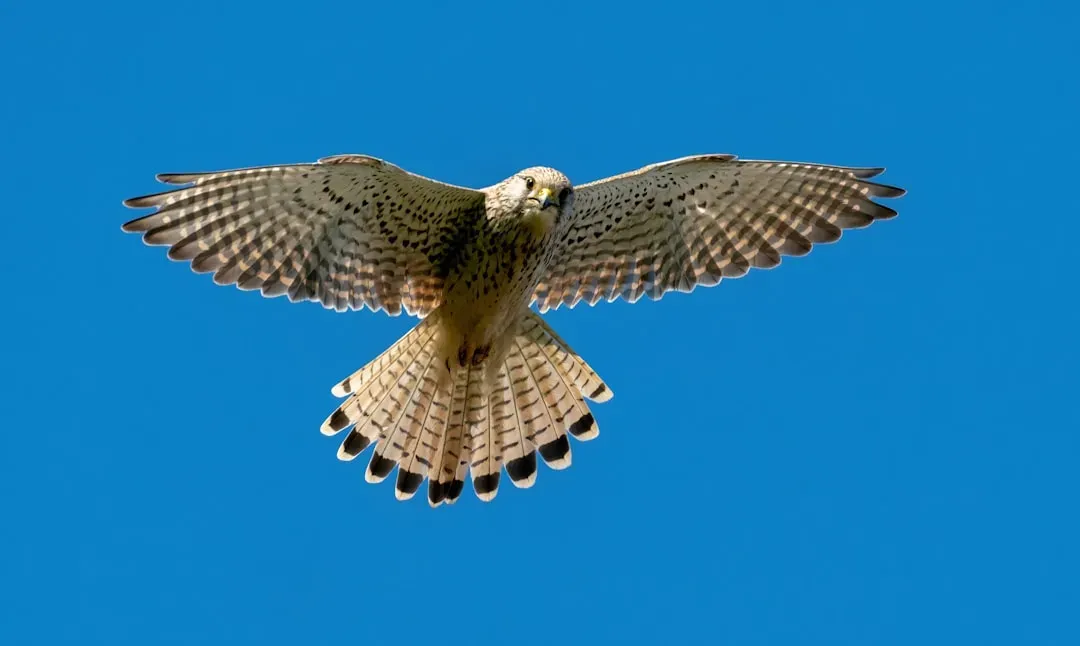
The Peregrine Falcon reaches speeds of up to 200 mph during its hunting stoop, reaching over 200 miles per hour, making it the fastest animal on the entire planet. Let’s be real, that’s absolutely insane velocity for any living creature.
The Peregrine Falcon is an expert hunter and uses its incredible speed and agility to catch other birds in mid-air. These falcons were once extirpated from much of their range due to DDT poisoning, just like bald eagles. The peregrine falcon was extirpated from Massachusetts in the 1950s when DDT caused its eggshells to crack, but it has recovered well and current numbers exceed historical highs, with most nesting on tall buildings or bridges in cities.
Peregrine falcons average around 2 lbs and stand up to 1.5 feet tall, with a wingspan averaging around 3.5 feet long. Their pointed wings and streamlined bodies are perfectly designed for aerial pursuit. You’ll find them hunting from skyscrapers in major cities as often as from cliff faces in wilderness areas.
Red-Tailed Hawk: The Roadside Sentinel
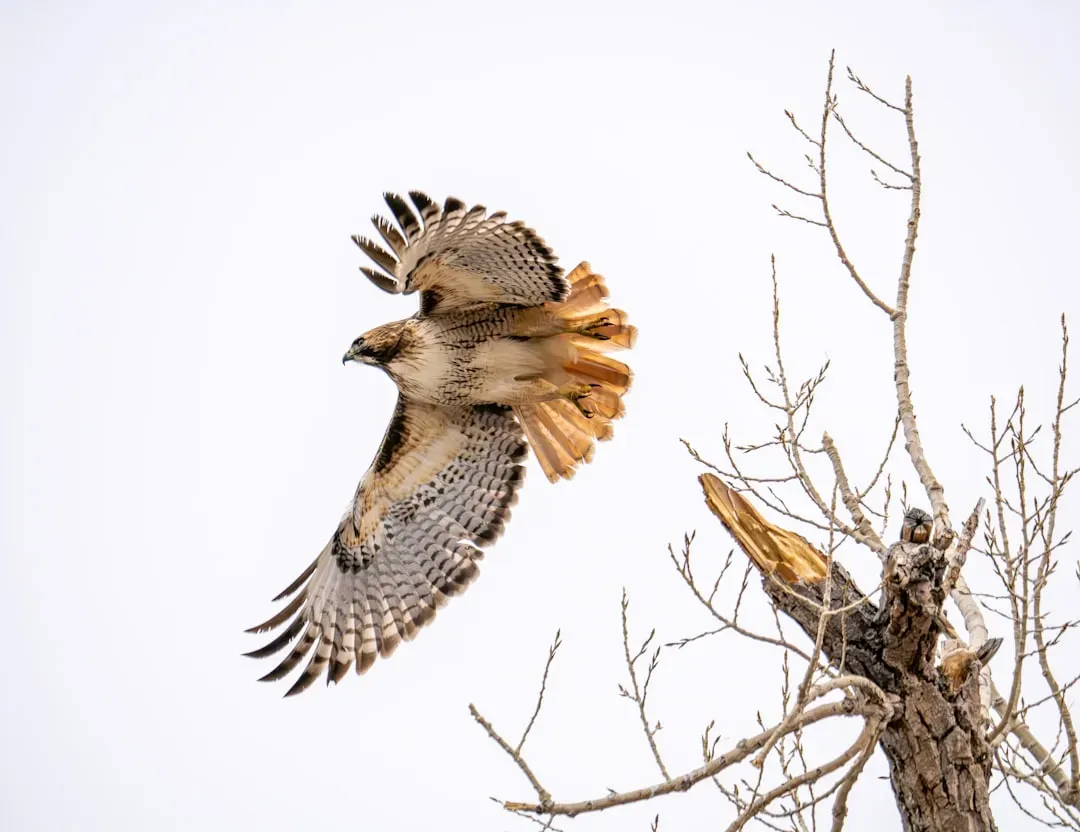
This is the most widespread and familiar large hawk in North America, bulky and broad-winged, designed for effortless soaring. If you’ve ever spotted a large bird perched on a telephone pole along the highway, chances are excellent it was a red-tailed hawk.
Red-tailed hawks are the most common hawk in North America. They can be distinguished from other North American hawks by the eponymous tail, which is uniformly brick-red above and light buff-orange below. These adaptable hunters thrive everywhere from deserts to grasslands to urban parks.
The Red-tailed Hawk diet varies with location and season, with mammals such as voles, rats, rabbits, and ground squirrels often being major prey. They’re patient hunters, often waiting motionless on a perch for extended periods before swooping down on unsuspecting rodents. This is probably the most common hawk in North America, and you’ll see several individuals on almost any long car ride, anywhere.
Osprey: The Fish Hawk Specialist
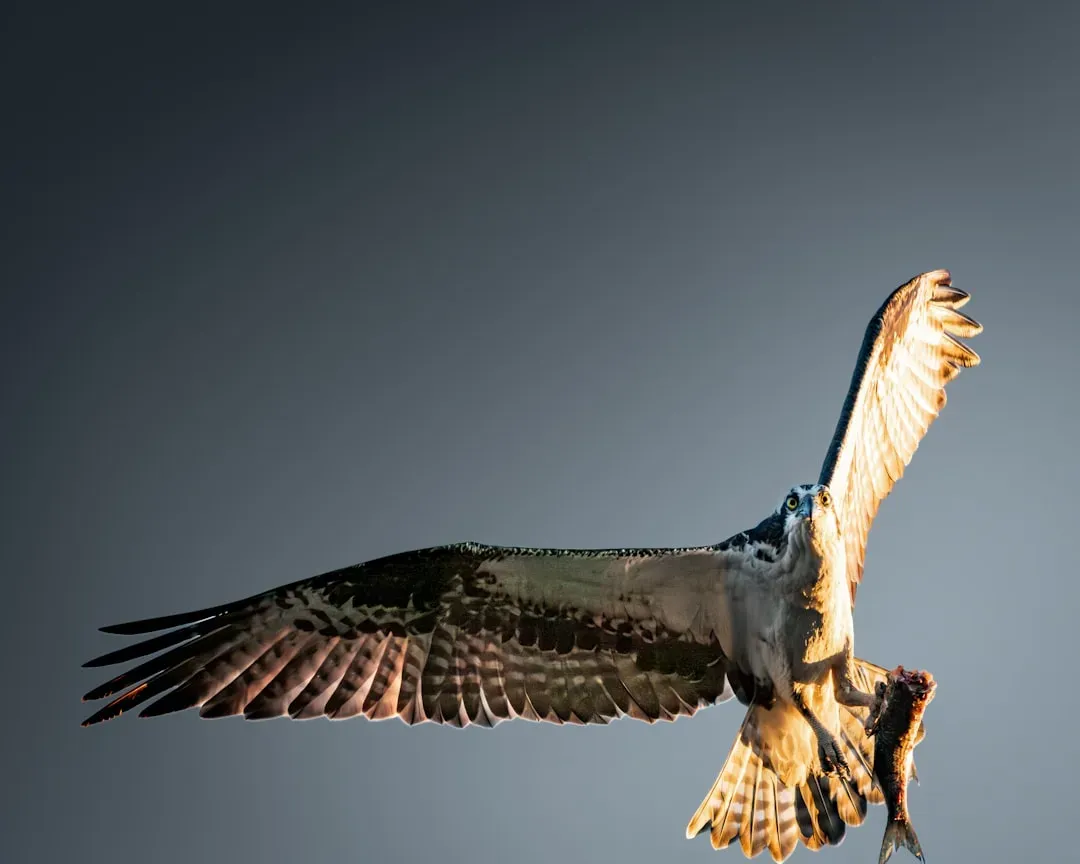
The Osprey is now a relatively common breeder along the coast with dramatic black-and-white plumage and long wings that are unmistakable, feeding almost exclusively on fish and hovering over the water before making a spectacular dive. This raptor is the ultimate fishing specialist, with reversible outer toes and spiny foot pads that help it grip slippery prey.
Unlike bald eagles that steal fish from others, ospreys do their own work. They plunge feet-first into the water, sometimes submerging completely before emerging with a fish clutched in their talons. It’s honestly one of the most impressive hunting displays in nature.
Ospreys are primarily known for their piscivorous diet and are adept hunters that skillfully dive to capture fish from various water bodies around the world. Their nests are massive stick platforms built atop dead trees, channel markers, or specially constructed platforms. You can find them anywhere there’s open water with decent fish populations, from coastal estuaries to inland lakes and rivers.
Conclusion
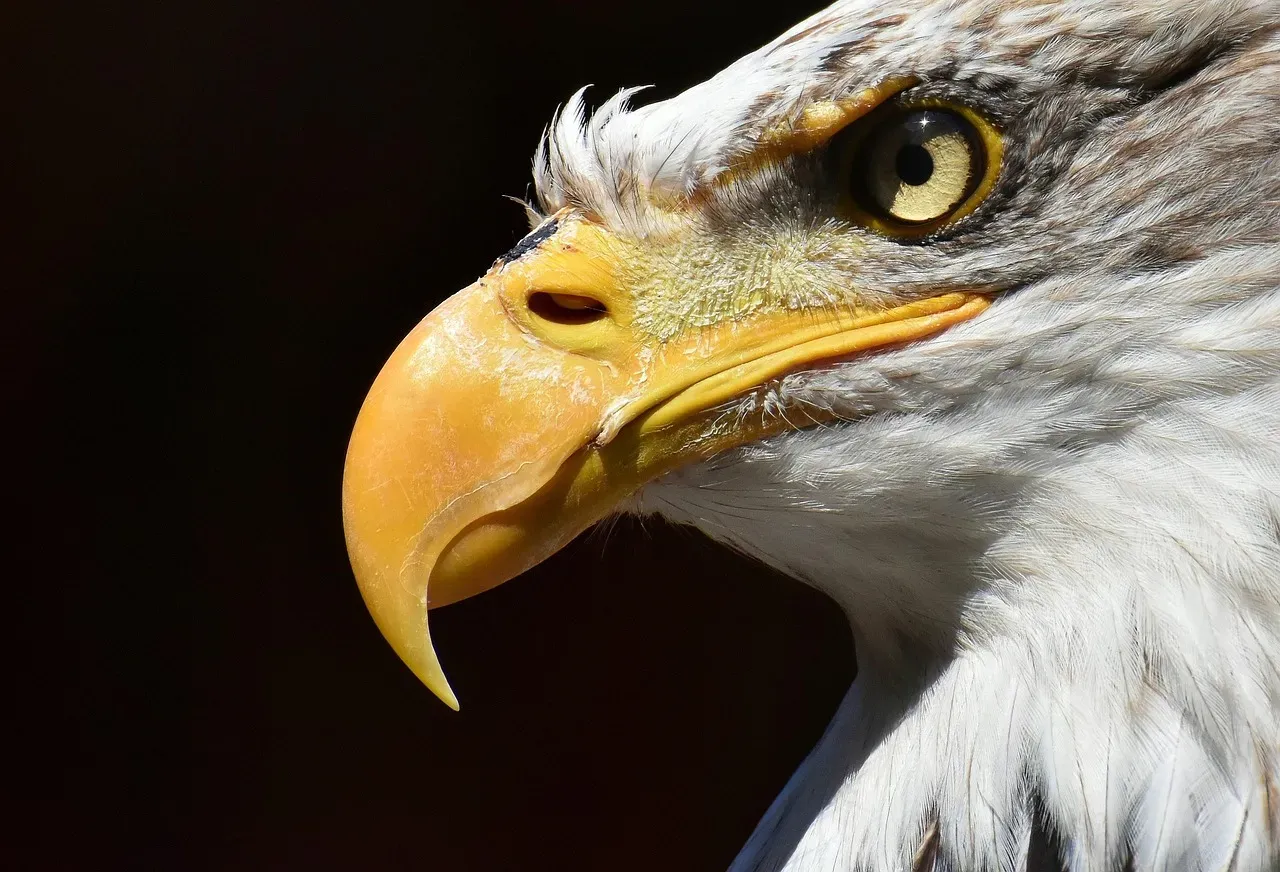
North America’s skies belong to these six magnificent hunters, each ruling their domain with specialized skills honed over millions of years of evolution. From the conservation triumph of the bald eagle to the sheer speed of the peregrine falcon, these birds remind us what’s possible when humans commit to protecting wildlife. The California condor’s recovery from 22 individuals shows that even species on the absolute edge can return from the brink.
Next time you’re driving down a highway or walking near water, look up. That silhouette circling overhead might be a red-tailed hawk scanning for mice, or perhaps an osprey preparing to dive. These raptors aren’t just surviving in our modern world – many are thriving, adapting to cities and suburbs while maintaining their wild essence.
Which of these majestic birds have you been lucky enough to see? Keep watching the skies.
