
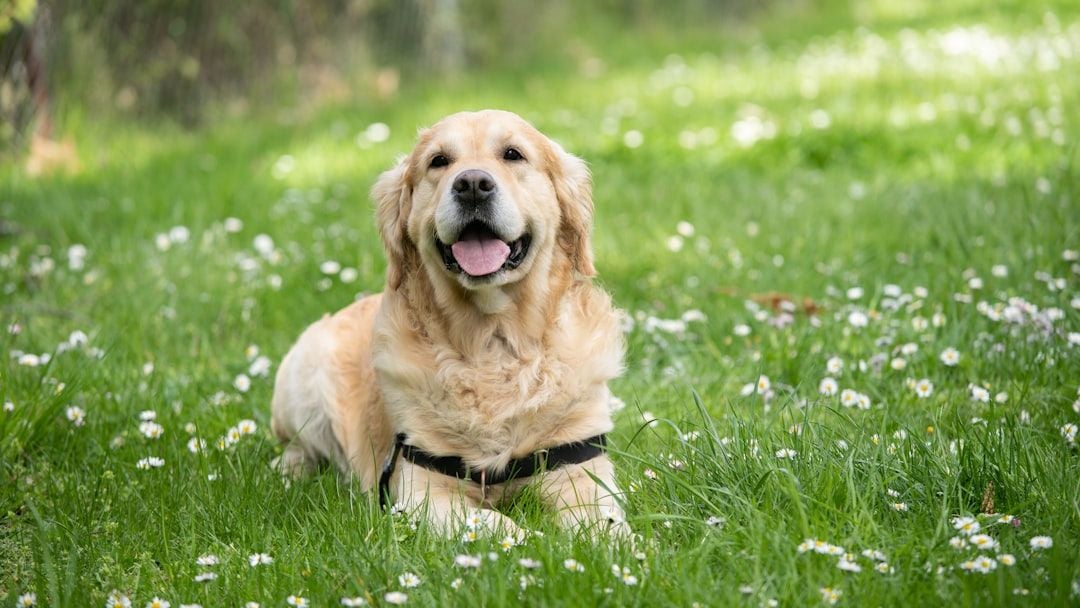
Labrador Retriever
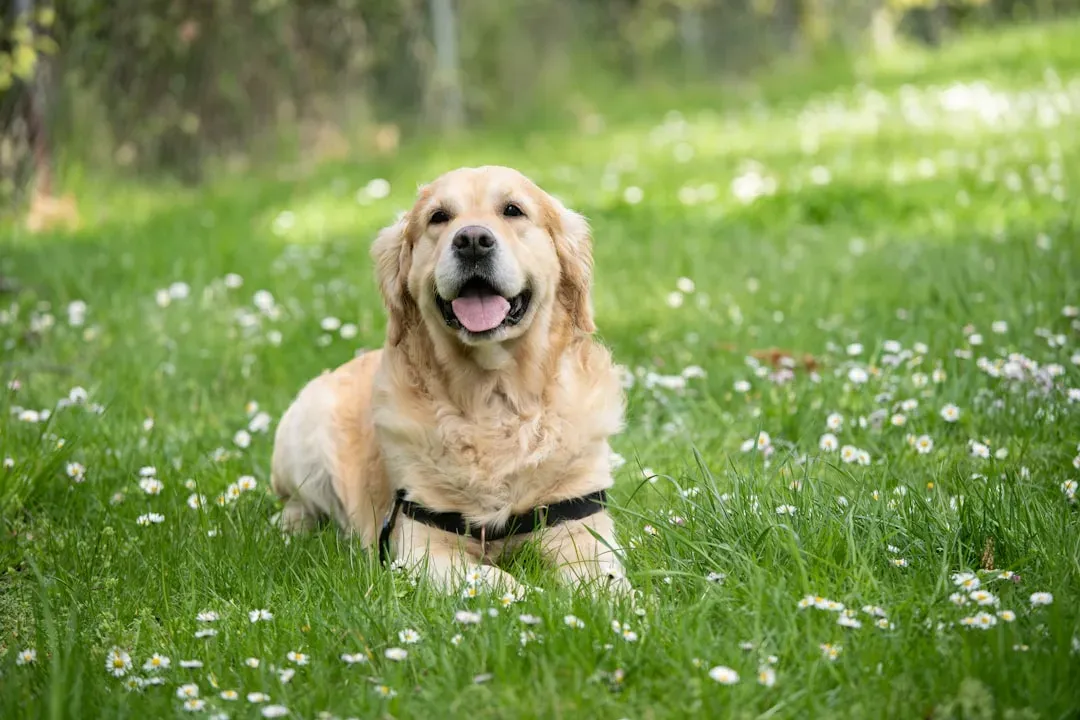
Labrador Retrievers stand out for their steady temperament and eagerness to work alongside people. They often excel at noticing scent changes tied to blood sugar fluctuations or other metabolic shifts. Their friendly nature makes them easy to integrate into daily routines without adding stress.
Many handlers describe Labs as quick to respond with clear signals when something feels off. These dogs frequently appear in medical service roles because of their adaptability across different environments. Their combination of energy and focus supports consistent performance over time.
Golden Retriever
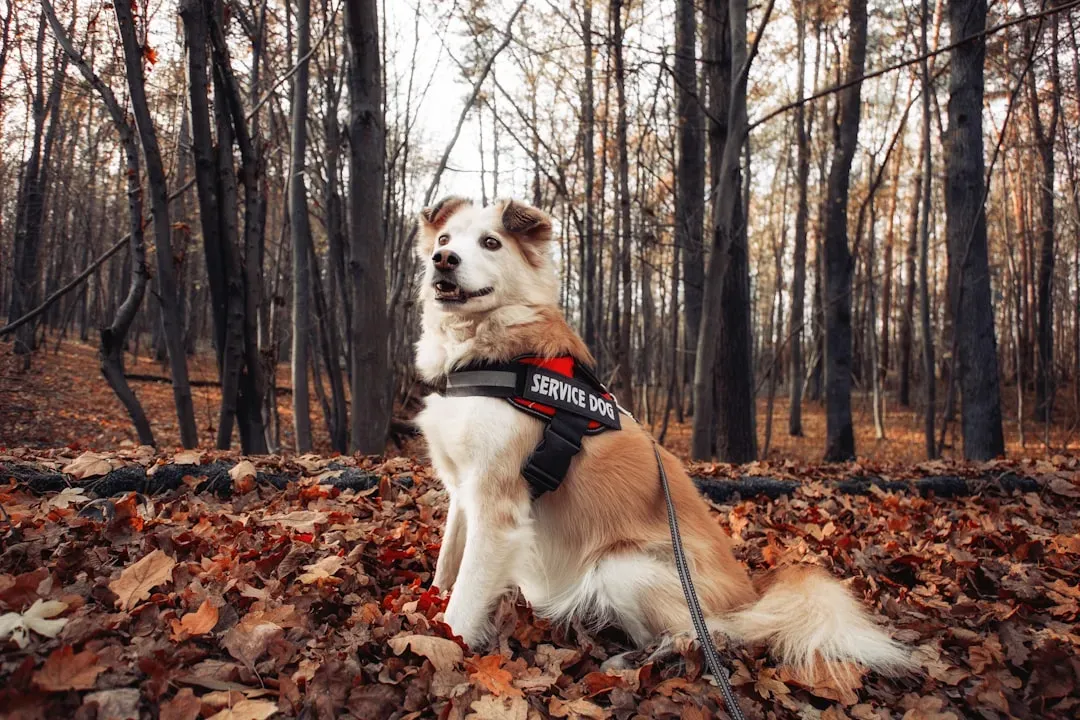
Golden Retrievers bring a gentle presence and sharp awareness that suits medical alert work well. They tend to form strong bonds with their handlers, which helps them tune into personal patterns and subtle cues. Their intelligence supports learning specific responses to emerging health changes.
Owners often note how these dogs remain attentive during quiet moments at home or on outings. Goldens handle a range of conditions through scent and behavioral observation. Their calm demeanor keeps situations steady even when alerts occur.
German Shepherd
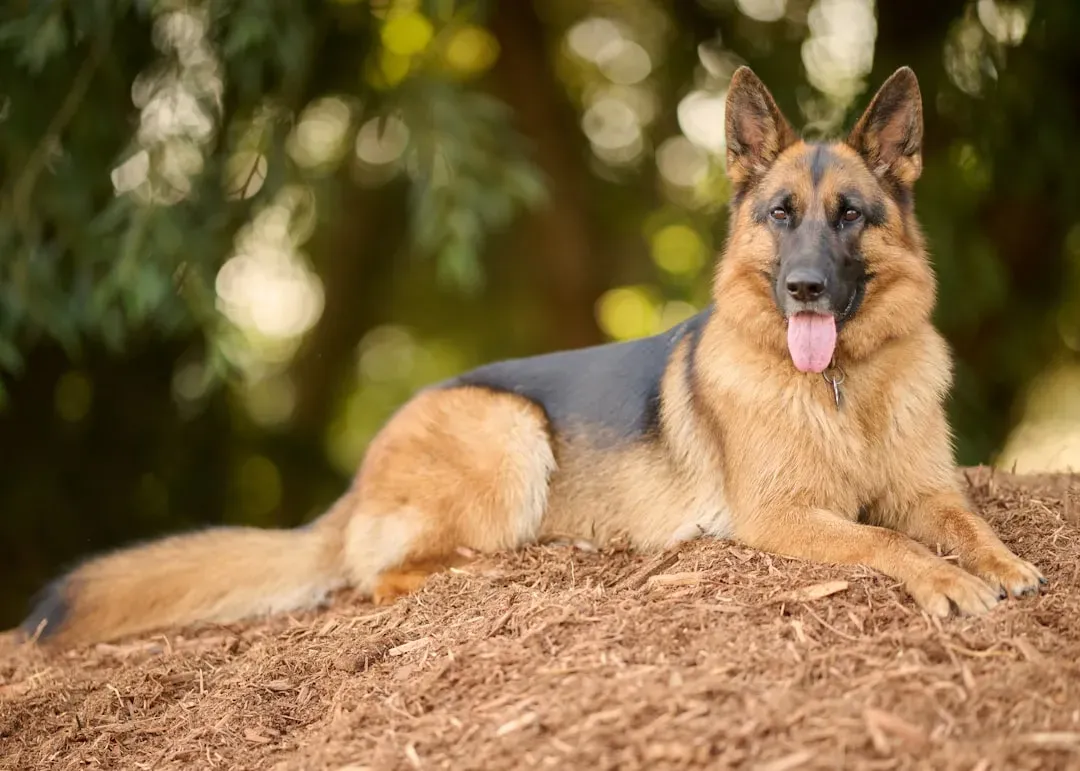
German Shepherds offer focused drive and protective instincts that translate effectively to medical detection tasks. They pick up on physical and chemical signals with precision, often staying close until the handler addresses the issue. Their trainability allows them to master complex alert sequences.
These dogs maintain composure in varied settings, from busy streets to quiet rooms. Handlers value their reliability when monitoring for events like seizures or pressure changes. The breed’s natural vigilance complements structured training programs.
Standard Poodle
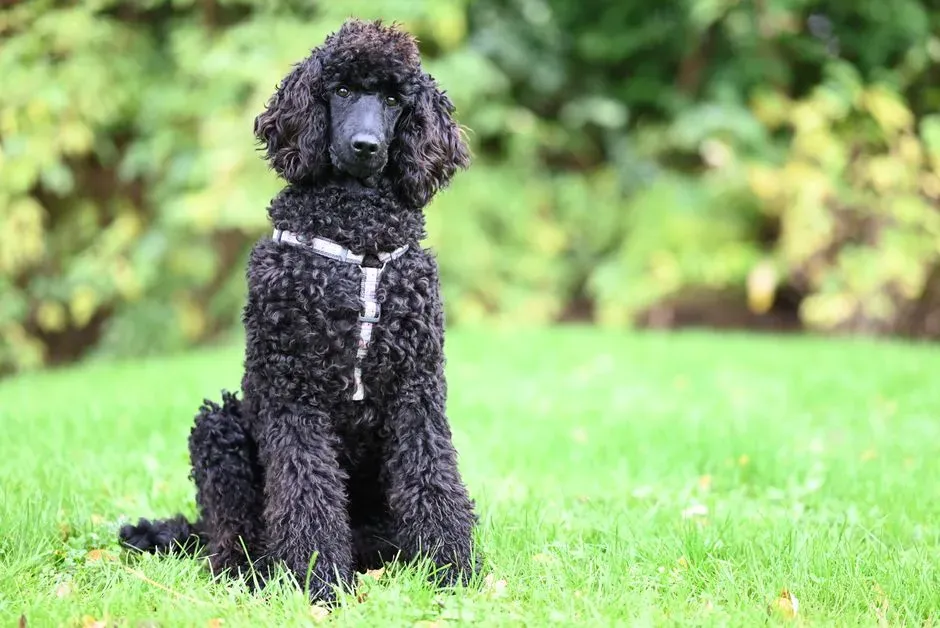
Standard Poodles combine high intelligence with a hypoallergenic coat, making them practical choices for many households. They detect volatile compounds in breath or sweat linked to medical shifts and respond with targeted actions. Their versatility supports both alert and response duties.
These dogs adapt quickly to individual handler needs and routines. Poodles often show patience during the learning phase of service work. Their lively yet steady personality keeps interactions positive and effective.
Great Dane
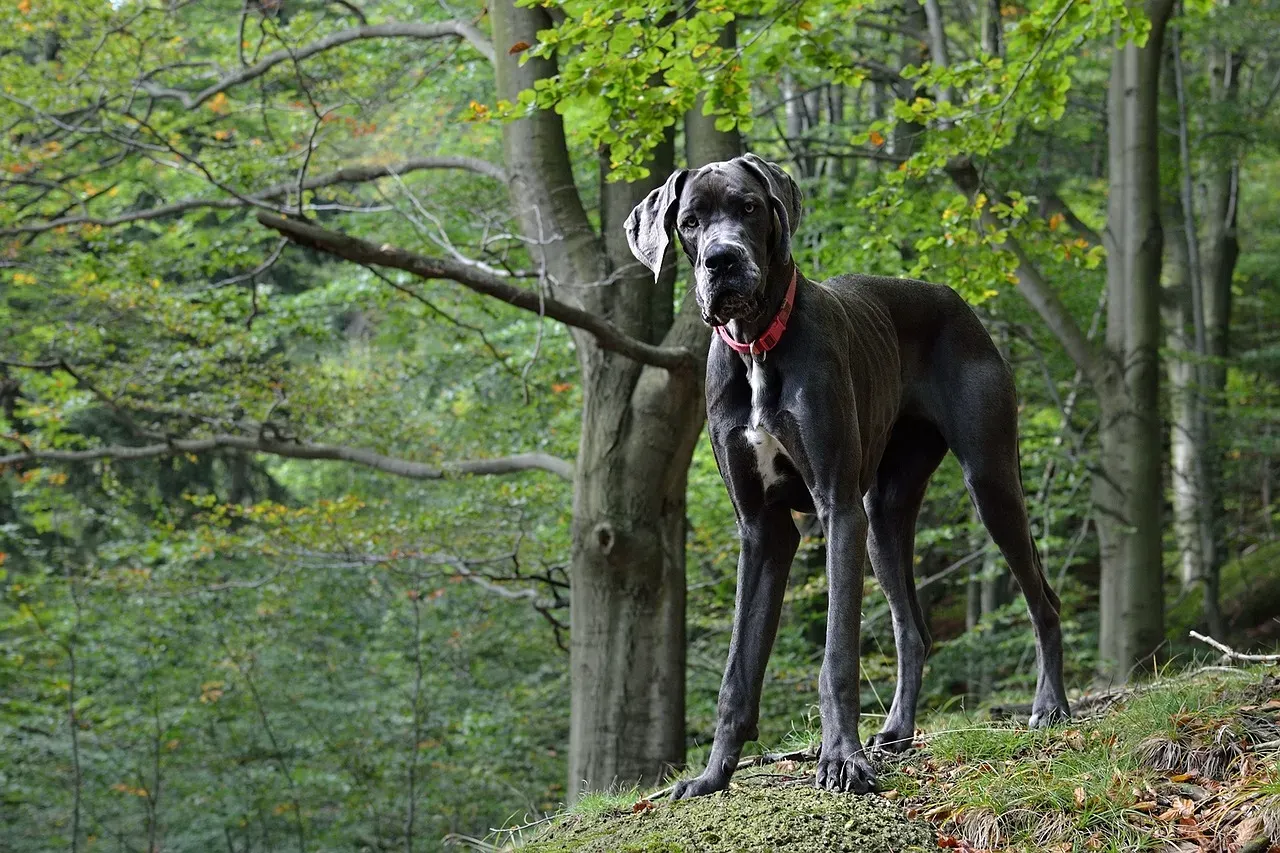
Great Danes bring a calm, imposing size that provides both physical presence and emotional reassurance. They sense impending changes through scent and body language observation, then offer steady alerts. Their gentle disposition suits close, ongoing partnerships.
Despite their stature, these dogs move thoughtfully around their handlers during sensitive moments. Many excel in cardiac or seizure related roles due to their observant nature. Their loyalty strengthens the bond that supports reliable detection.
Border Collie
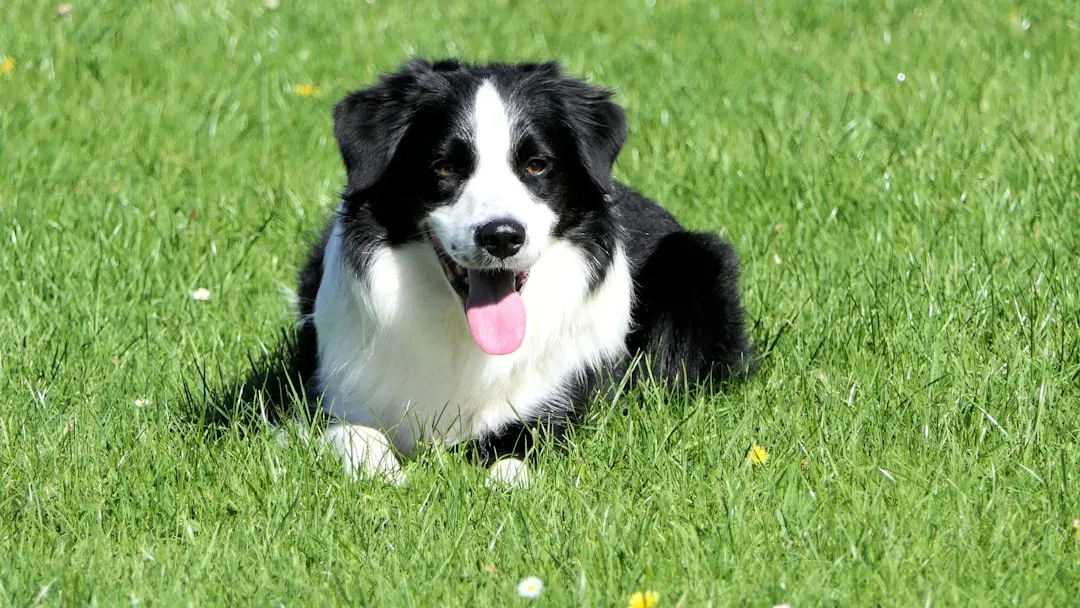
Border Collies possess intense focus and problem solving skills that aid in recognizing early medical indicators. They monitor handlers closely and react to minor variations in posture or scent. Their energy level supports active lifestyles while maintaining alert readiness.
These dogs often develop personalized signals tailored to their specific person. Training harnesses their herding heritage into precise medical responses. Handlers appreciate how Border Collies stay engaged without becoming overwhelming.
Boxer
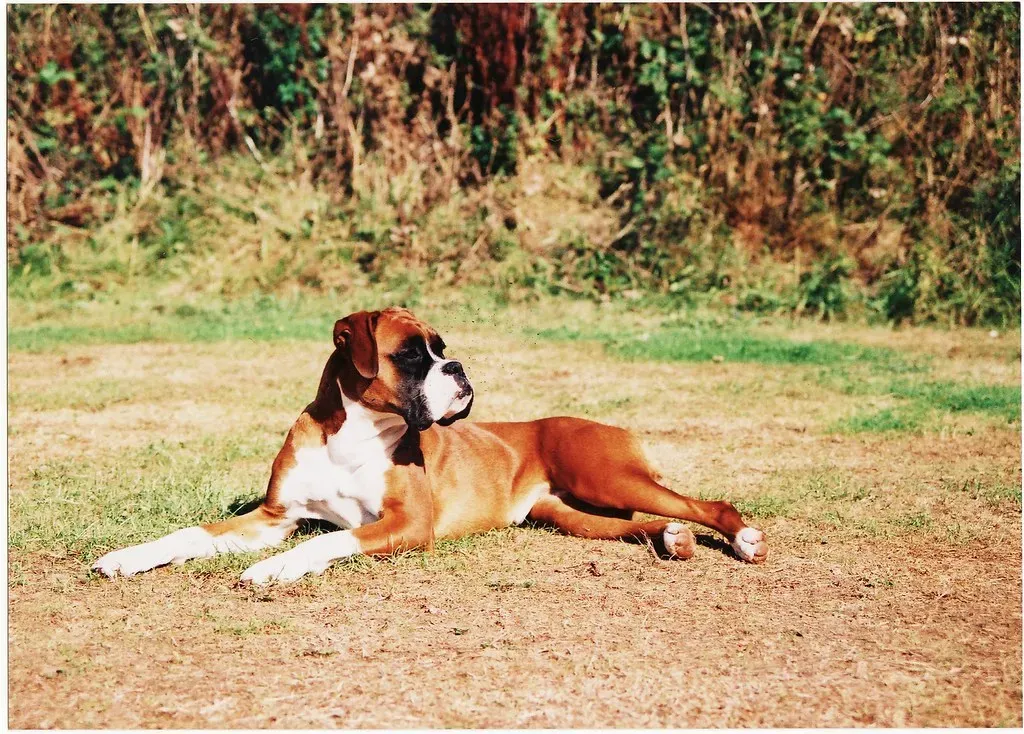
Boxers deliver playful energy balanced with protective instincts suited to alert duties. They notice shifts in their handler’s condition and communicate through consistent behaviors developed over time. Their muscular build and stamina help them stay attentive throughout the day.
Many Boxers form deep attachments that enhance their sensitivity to personal health patterns. The breed handles training for conditions involving sudden onset events effectively. Their expressive faces and actions make signals easy to interpret in the moment. Dogs across these breeds demonstrate how partnership with the right companion can add layers of safety and awareness. The three warning signs commonly observed include persistent staring at the handler, gentle pawing or nudging, and vocalizing through barks or whines. These behaviors give valuable seconds to prepare or seek assistance. Ultimately, the real value lies in the unique connection between dog and person rather than any single breed trait. Selecting a dog involves matching temperament and lifestyle needs above all. With proper training and realistic expectations, such partnerships continue to offer meaningful support in daily life.

- The Wild Animal Each Zodiac Sign Would Become Under Pressure - August 5, 2026
- The Desert Town in Nevada Slowly Being Buried by Moving Sand - August 5, 2026
- Do Animals Feel Emotions Like Humans? New Studies Reveal Surprising Truths - August 5, 2026