
Worried about unexpected vet bills?
Pet insurance can cover thousands in unexpected vet costs. Get a free quote from Lemonade in under 2 minutes.
Get My Free Quote →Sponsored · Opens Lemonade.com
We like to think science has figured out most of the big stuff about the natural world. We’ve mapped the human genome, sent probes to the edges of our solar system, and can predict the weather with startling accuracy. Still, when it comes to animals, nature keeps throwing curveballs that leave even the brightest researchers scratching their heads.
Some behaviors are so bizarre, so illogical by our standards, that scientists are left grasping at theories while the animals just keep doing their thing. These aren’t just cute quirks or mildly interesting habits. They’re phenomena that challenge our fundamental understanding of biology, consciousness, and evolution. So let’s get started and explore seven animal behaviors that continue to puzzle scientists in ways you probably never imagined.
Dolphin Sleep: One Brain Hemisphere at a Time
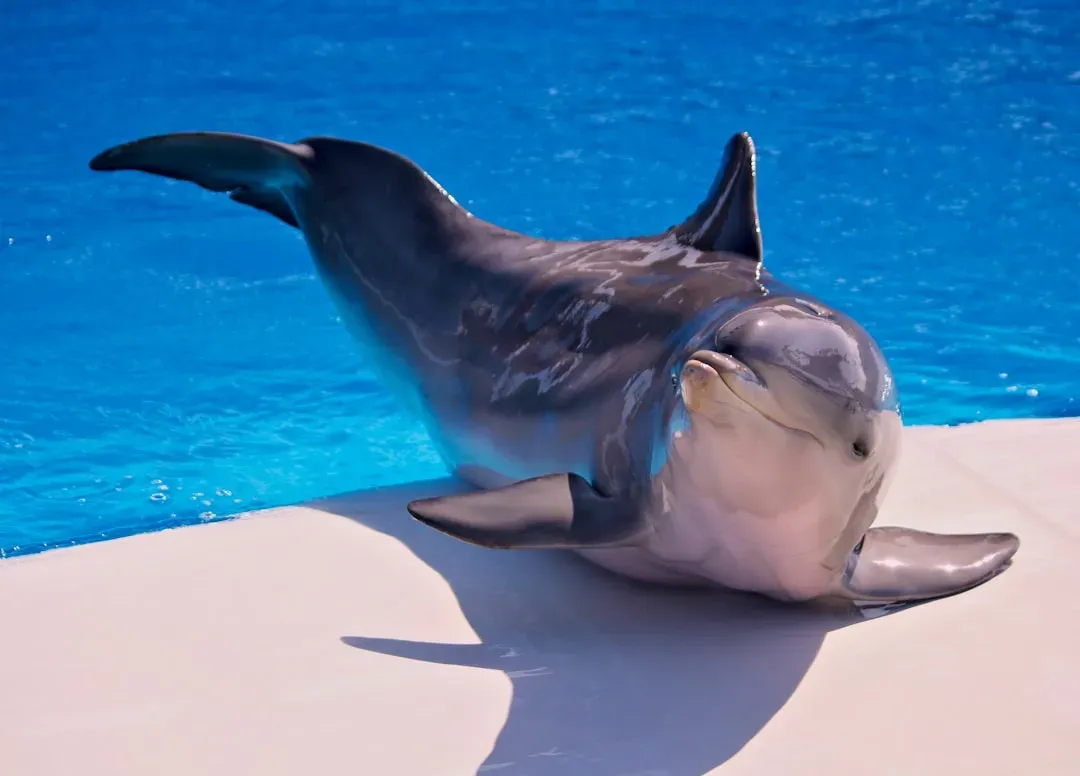
Dolphins have a unique way of sleeping that defies conventional understanding by sleeping with only one half of their brain at a time, keeping the other half active, which allows them to continue swimming, surfacing for air, and remaining alert to potential threats even while resting. Imagine trying to write an essay while simultaneously taking a nap. That’s essentially what dolphins accomplish every single night.
The two halves of the dolphin’s brain take turns resting, ensuring that the animal never fully loses consciousness, and this behavior raises questions about the nature of consciousness and sleep. Scientists call it unihemispheric slow-wave sleep, which sounds impressive but doesn’t really explain how an animal can be half asleep and half awake simultaneously without going completely insane. Is it a survival adaptation born from living in predator-filled waters, or something even stranger lurking beneath the surface?
Mass Whale Beachings: A Deadly Mystery

Why do whales beach themselves in groups with no warning? This question haunts marine biologists across the globe. These majestic creatures, equipped with sophisticated echolocation and navigation abilities, sometimes inexplicably drive themselves onto shores where they face certain death. Entire pods have been found stranded, suggesting something collective rather than individual goes terribly wrong.
Theories range from underwater sonar interference disrupting their navigation to disease outbreaks affecting their spatial awareness. Some researchers point to magnetic field anomalies or even parasite infections that scramble their internal compasses. Yet none of these explanations fully account for why such intelligent, social animals would follow each other to their doom. The behavior remains one of the ocean’s most tragic and perplexing mysteries.
Zombie Ants: Fungal Mind Control
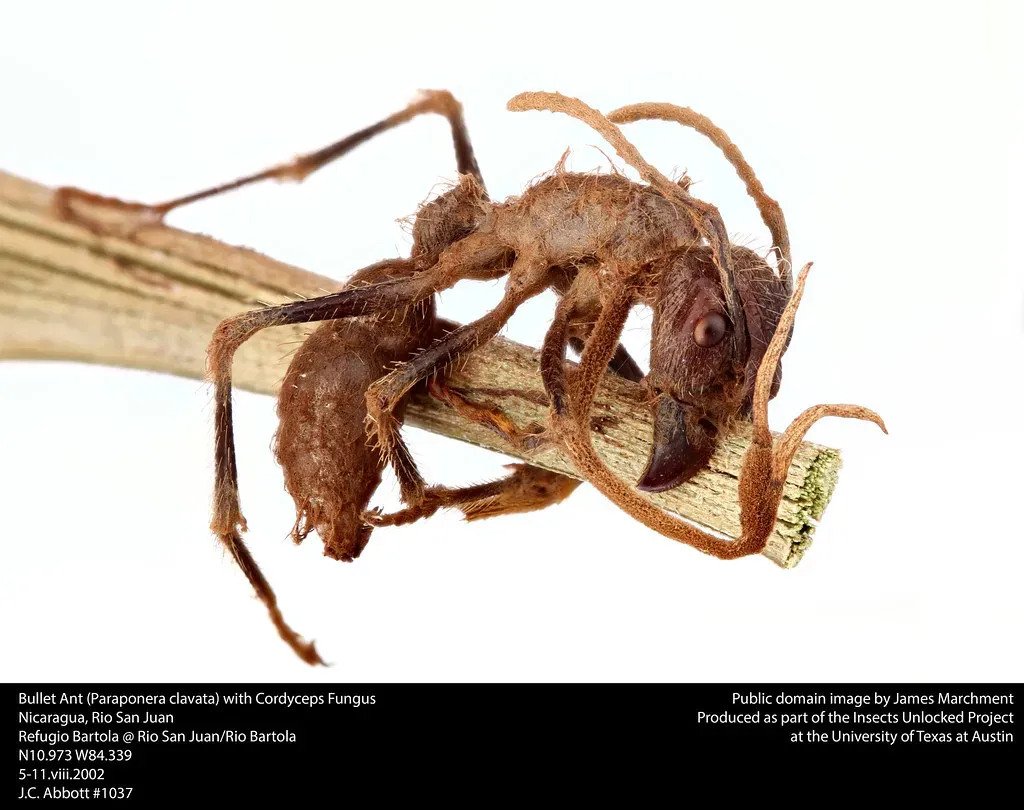
This bizarre behavior raises questions about the nature of control and manipulation in the animal kingdom, with researchers still investigating the mechanisms behind how the fungus manages to control the ant so precisely, though the full picture remains elusive. Picture an ant going about its business, then suddenly abandoning its colony, climbing to a precise height on a plant stem, and clamping down before a fungus erupts from its head. It’s the stuff of horror movies, except it’s very real.
The Ophiocordyceps fungus essentially hijacks the ant’s nervous system, turning it into a puppet that positions itself in the perfect humidity and height for the fungus to spread its spores. Scientists have studied the chemical compounds involved, but honestly, the exact mechanism that gives the fungus such precise control over complex behaviors remains largely mysterious. What’s truly unsettling is how specific the manipulation is, with different fungi targeting different ant species with surgical precision.
Bumblebee Flight: Defying Aerodynamics
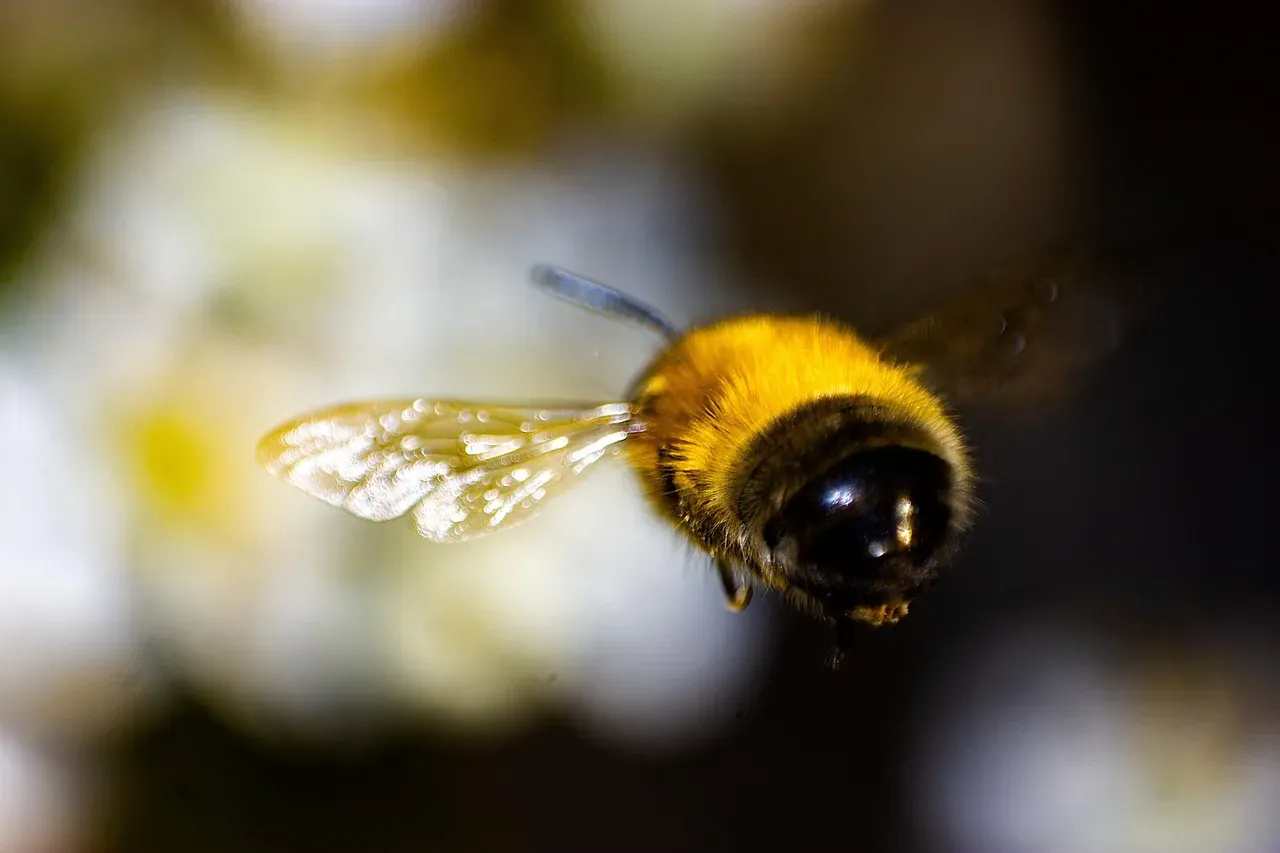
The flight of the bumblebee has long puzzled scientists, defying conventional aerodynamic principles, and despite their seemingly inefficient wings, bumblebees are highly maneuverable and capable of sustained flight, which has led to the popular myth that bumblebees should not be able to fly. Their plump bodies and tiny wings look comically mismatched, like trying to fly a sofa with dinner plates.
Researchers have since discovered that bumblebees use unique wing movements to generate lift, but questions remain about the evolution and efficiency of their flight. They beat their wings roughly 200 times per second in a figure-eight pattern, creating vortices that generate more lift than traditional aerodynamic models would predict. It’s less about soaring gracefully and more about brute-forcing their way through the air with sheer determination and biomechanical innovation that engineers are still trying to fully understand and replicate.
Starling Murmurations: Synchronized Without a Leader
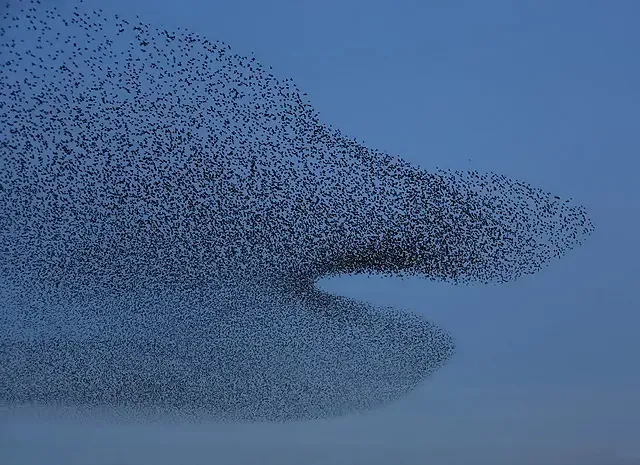
When thousands of birds move like one giant, shifting organism, it creates a spectacle known as murmuration, and how they coordinate without crashing remains unclear to ornithologists. Watching this natural ballet unfold across a twilight sky feels almost otherworldly. The coordinated movement appears so fluid and instantaneous that it seems impossible without some form of telepathy or central command.
Theories suggest it could be a defense mechanism against predators or alternatively it might be a way to keep warm during cold nights, and regardless of the reason, murmurations captivate observers and challenge our understanding of collective animal behavior. Each bird apparently responds to the movements of its seven closest neighbors within a split second, creating cascading waves of motion. Yet this still doesn’t fully explain the breathtaking precision or why starlings, specifically, developed this behavior while most other bird species didn’t.
Cow Compass Alignment: Facing North and South

Cows possess an uncanny alignment with Earth’s magnetic field, a behavior that has baffled scientists, with observations revealing that cows tend to face north or south while grazing or resting, a mysterious preference that defies explanation and is seen worldwide, regardless of environmental factors. Go to any pasture and you might notice something odd if you pay attention: cattle tend to orient themselves along a north-south axis.
The mechanism behind this alignment is still unknown, with researchers exploring possible magnetic sensitivity similar to that seen in migratory birds, and understanding this behavior could offer insights into magnetic perception across different species, though despite technological advancements, the reasons for this alignment remain speculative. What advantage does facing a particular direction offer a grazing cow? Does it help with digestion, temperature regulation, or is it simply a vestigial instinct from some ancient ancestor? The questions multiply faster than the answers.
Spider Ballooning: Flying on Invisible Silk Threads
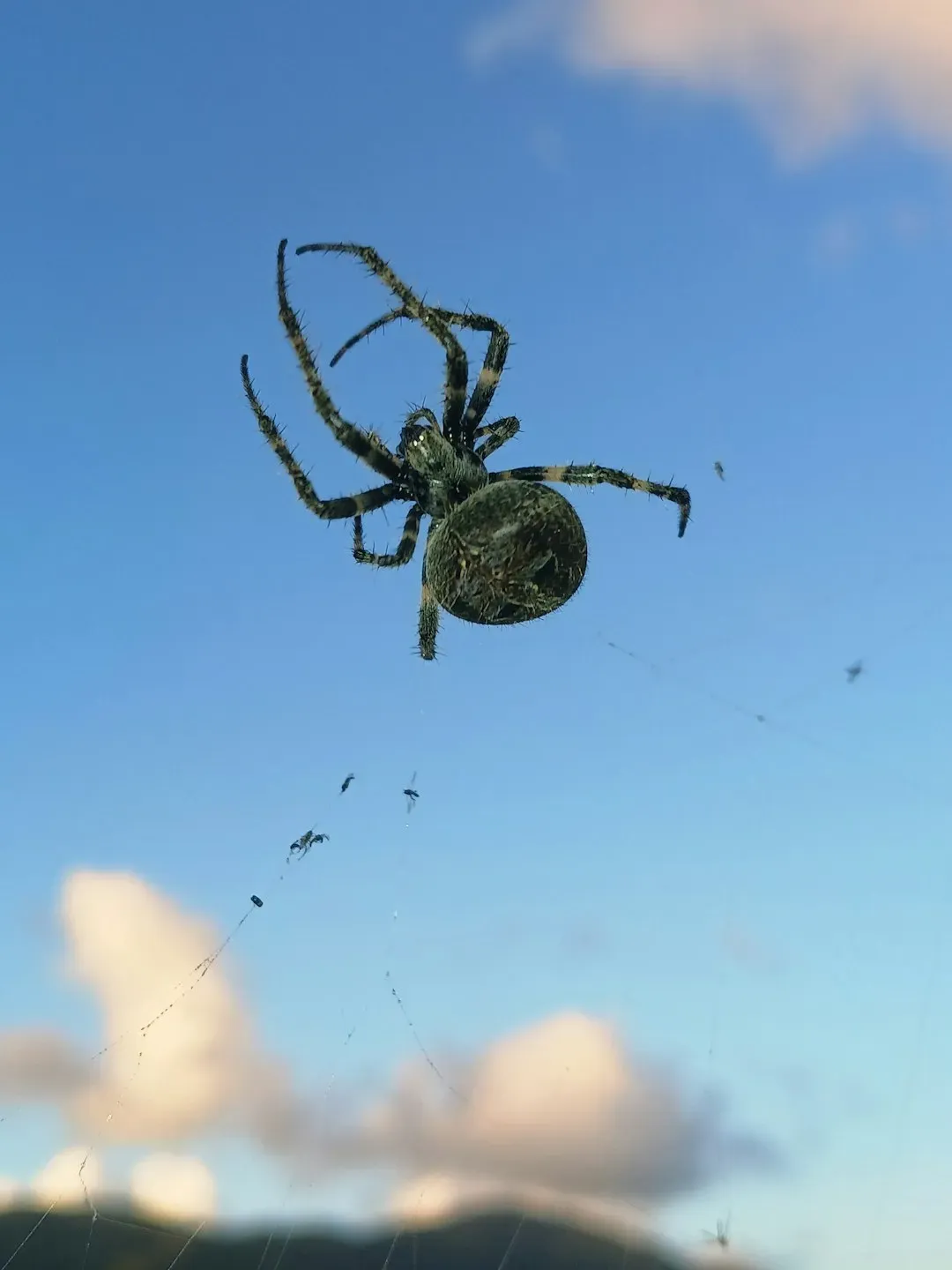
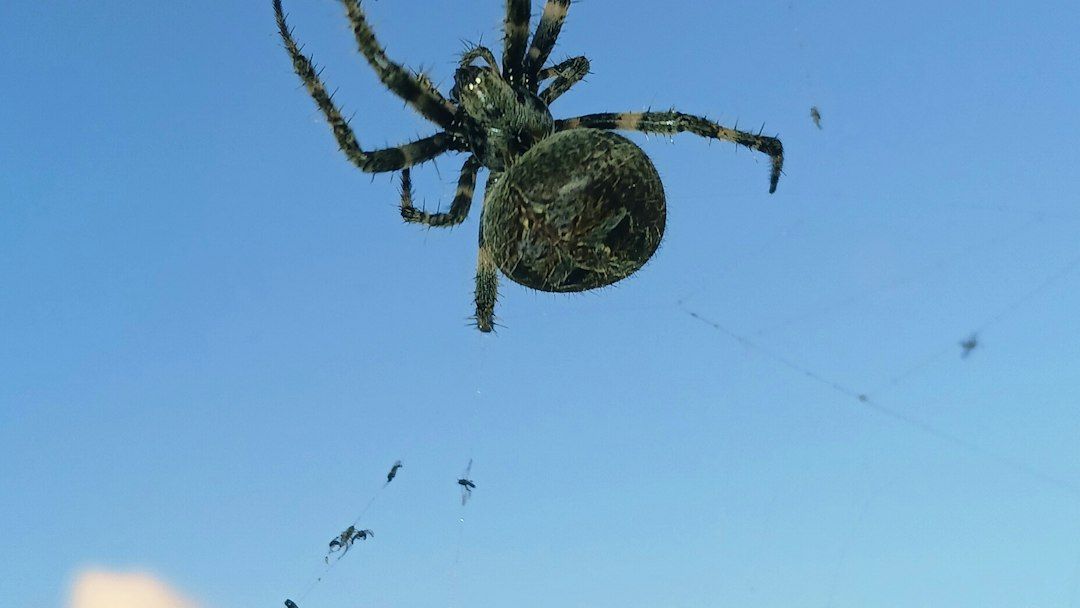
What in the world makes spiders decide to fly using silk, like creepy little parachuters? It sounds like something from a fever dream, but spiders genuinely launch themselves into the air by releasing gossamer threads that catch the wind. Some have traveled hundreds of miles, crossing entire oceans on these fragile silk parachutes.
This extraordinary behavior allows spiders to disperse and colonize new areas, but the mechanics are not fully understood, and scientists continue to study the aerodynamics and environmental triggers of ballooning. Recent research suggests spiders might actually sense and use atmospheric electric fields to take flight, not just wind currents. The idea that tiny eight-legged creatures can detect and exploit electromagnetic forces to achieve flight is both fascinating and deeply weird, opening questions about sensory abilities we never knew existed in such small creatures.
Conclusion
The animal kingdom clearly has no intention of making things easy for scientists. These seven behaviors represent just a fraction of the natural phenomena that continue to confound researchers despite our sophisticated technology and decades of study. Each mystery serves as a humbling reminder that nature operates on principles we’re still struggling to understand.
What strikes me most is how these behaviors often seem perfectly normal to the animals performing them. Dolphins don’t marvel at their split-brain sleep, and bumblebees don’t contemplate the physics of their flight. They simply exist, following patterns honed by millions of years of evolution that we’ve barely begun to decode. Perhaps that’s the real lesson here: the natural world owes us no explanations.
What do you think about these bizarre behaviors? Which one surprises you the most? Share your thoughts in the comments below.
Worried about unexpected vet bills?
Pet insurance can cover thousands in unexpected vet costs. Get a free quote from Lemonade in under 2 minutes.
Get My Free Quote →Sponsored · Opens Lemonade.com
