
Most of us barely glance out the kitchen window before reaching for our morning coffee. Yet right there, just beyond the glass, a spectacular living art show might already be playing out. The birds visiting your backyard are not just pleasant background noise – some of them wear color combinations so outrageous, so genuinely breathtaking, that seeing one for the first time can stop you dead in your tracks.
Honestly, I think most people have no idea what kind of feathered brilliance their own yard can attract. We imagine vivid tropical birds as things you need a plane ticket and a jungle tour to see. The truth is far more exciting. Let’s dive in.
1. The Painted Bunting: Nature’s Flying Rainbow
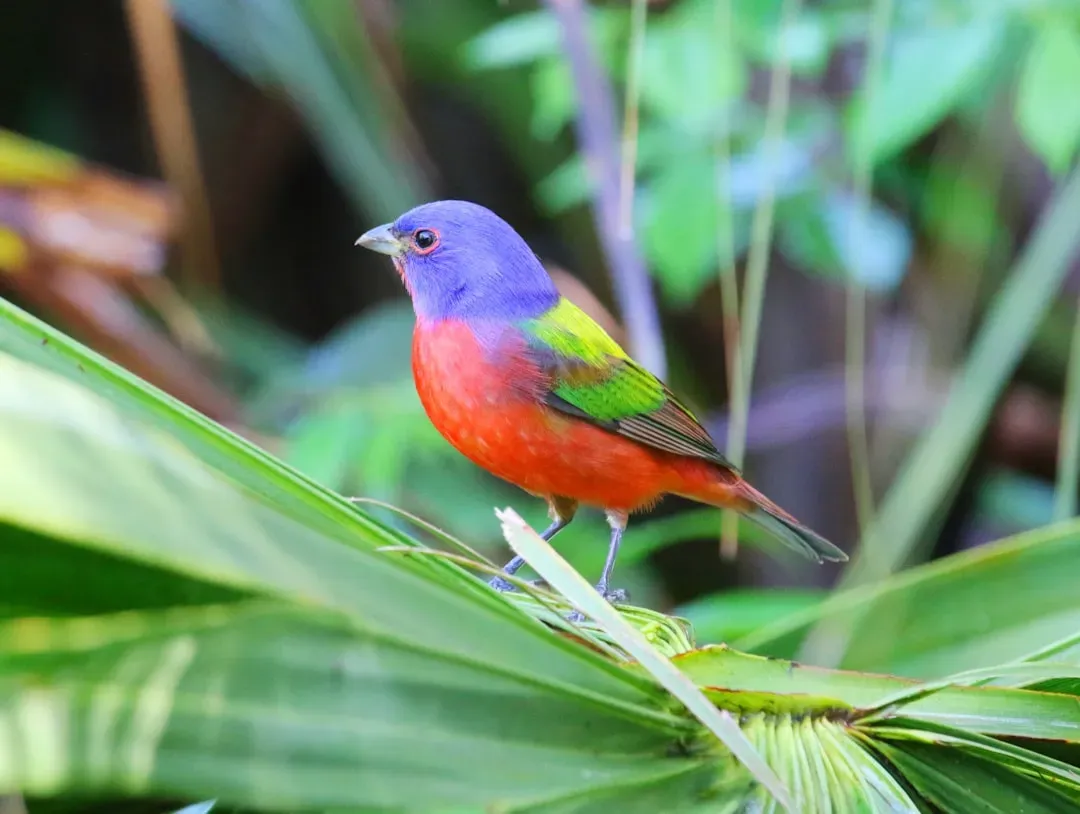
If there is one bird that almost doesn’t look real, it’s this one. With their vivid fusion of blue, green, yellow, and red, male Painted Buntings seem to have flown straight out of a child’s coloring book. Think of it like someone handed a tiny bird to a abstract painter and said, “Go wild.” The result is genuinely shocking the first time you see it.
The male painted bunting is often described as the most beautiful bird in North America and has been nicknamed “nonpareil,” meaning “without equal.” Painted buntings are shy and secretive, and often difficult to observe with the human eye, though they can be fairly approachable where they are habituated to bird feeders. To attract them, keep your feeders stocked with white millet and make sure there’s plenty of dense, low shrub cover nearby.
2. The Northern Cardinal: The Backyard Celebrity
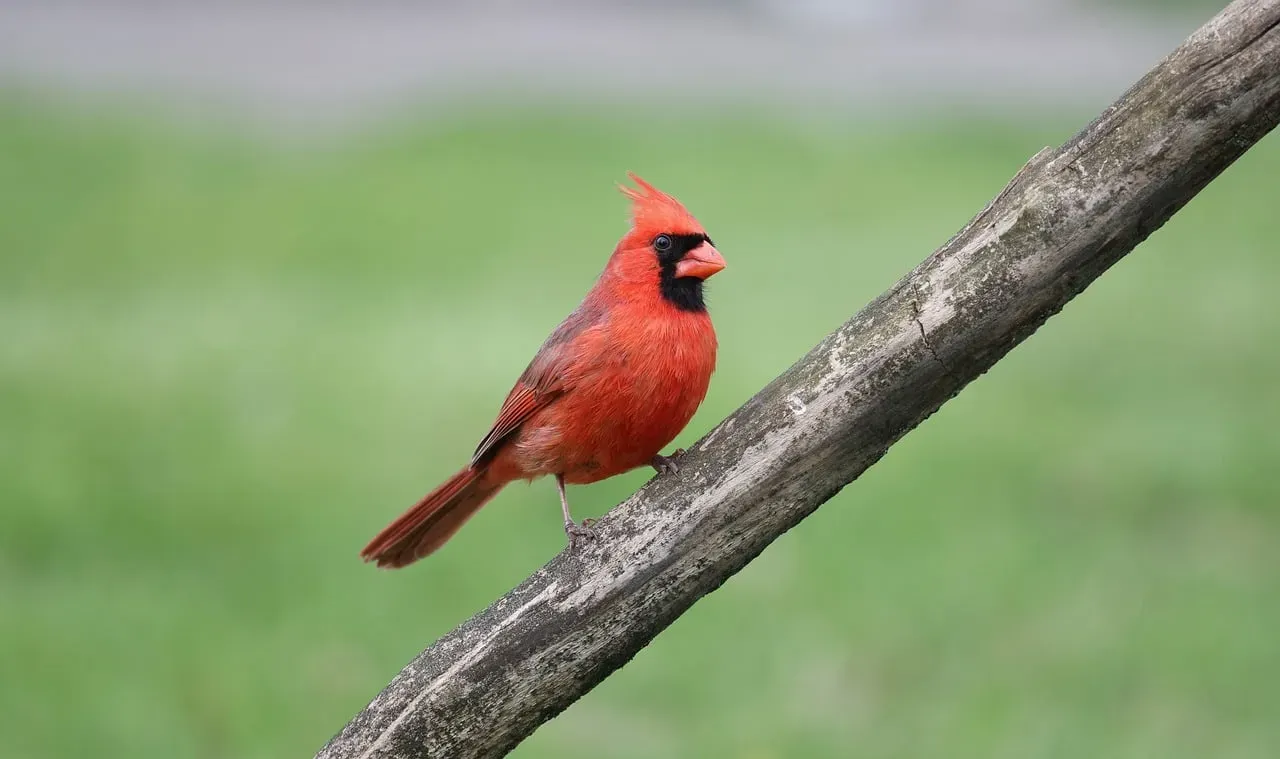
There’s a reason this bird is beloved from coast to coast. One of the most popular birds in North America, the Northern Cardinal is the official state bird of no fewer than seven eastern states. Abundant in the Southeast, it has been extending its range northward for decades and now brightens winter days with its color as far north as southeastern Canada. A male cardinal perched against fresh snow looks like nature’s own Christmas card.
The male cardinal boasts a brilliant red color all over his body, with a black face mask and a distinctive crest on the top of his head, while females have a more subdued coloration with streaked patterns. Cardinals eat a lot of seeds and fruit but will also forage on insects and larvae. Sunflower seeds at a standard tube or platform feeder will practically guarantee a visit.
3. The American Goldfinch: The Little Sun Visitor
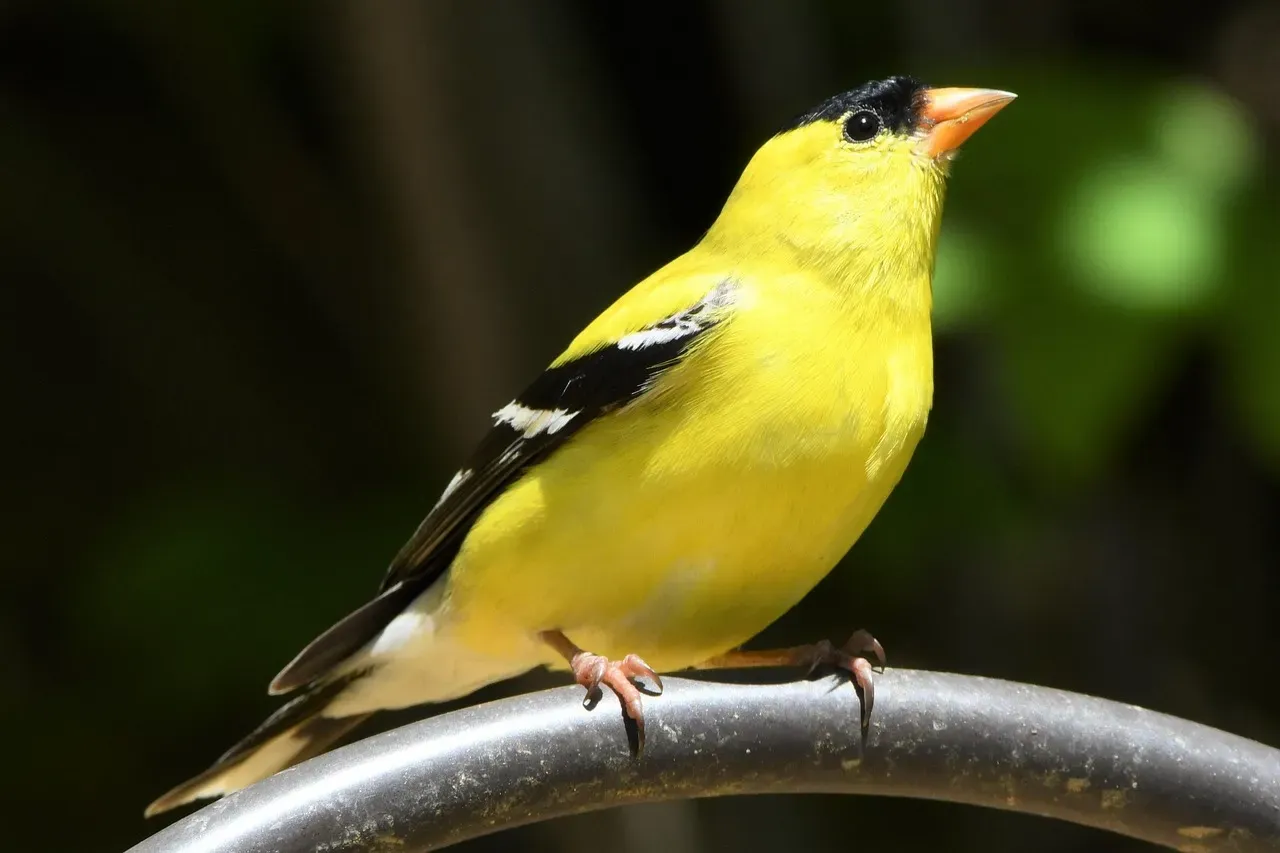
Few things announce the arrival of summer quite like a flash of electric yellow darting across your yard. The American goldfinch undergoes a complete molt and displays sexual dichromatism: the male is a vibrant yellow in the summer and an olive color during the winter, while the female is a dull yellow-brown shade which brightens only slightly during the summer. It’s almost like two completely different birds wearing the same body at different times of year.
American Goldfinches are unusual among goldfinches in molting their body feathers twice a year, once in late winter and again in late summer. The brightening yellow of male goldfinches each spring is one welcome mark of approaching warm months. Backyard birders attract them using feeders containing niger seed, or by planting grasses and perennial plants, such as zinnias, cosmos, bee balm, or globe thistle, which produce seedheads favored by finches.
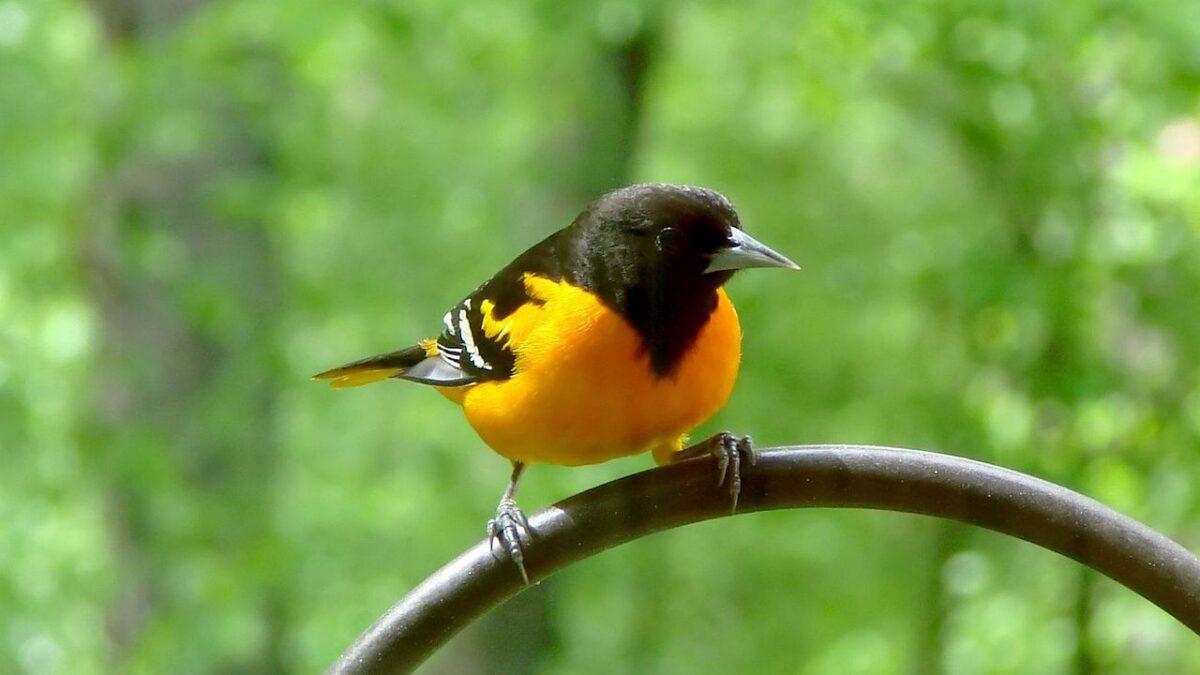
4. The Baltimore Oriole: The Flame-Colored Architect
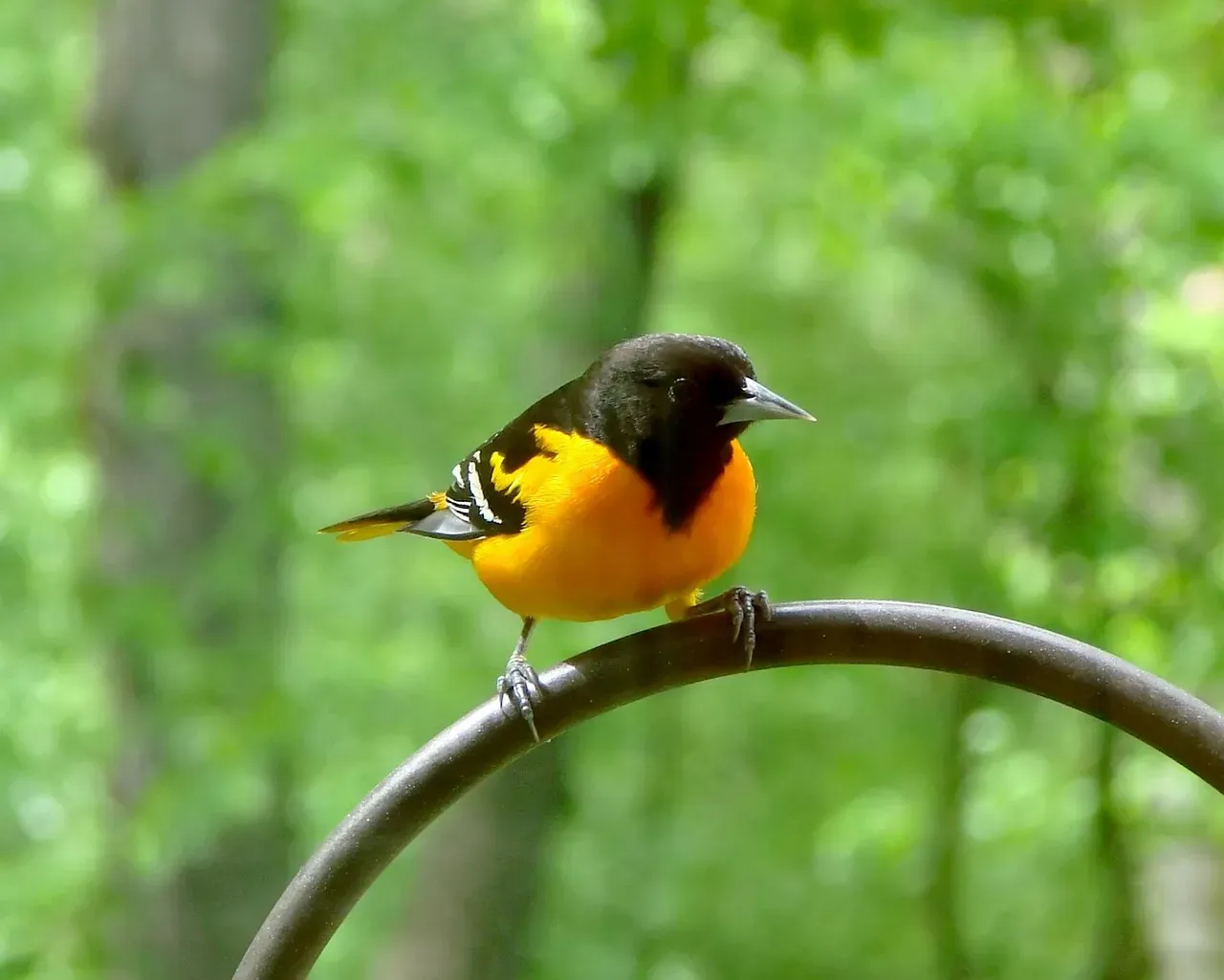
Spotting a male Baltimore Oriole for the first time is a genuine jolt. Adult males are flame-orange and black, with a solid-black head and one white bar on their black wings. The rich, whistling song of the Baltimore Oriole, echoing from treetops near homes and parks, is a sweet herald of spring in eastern North America. The male’s brilliant orange plumage blazes from high branches like a torch.
Here’s the thing about their nesting behavior – it’s almost as impressive as their color. The nest of the Baltimore oriole is sock-shaped, woven with a number of materials, and hangs from a slender tree branch. These hanging nests are built many feet above the ground and must be sturdily built to support the weight of the eggs a female will lay. Cut oranges in half and hang them from trees to invite orioles into your yard. Special oriole feeders filled with sugar water supplement the flower nectar that Baltimore Orioles gather.
5. The Eastern Bluebird: Sky on Wings
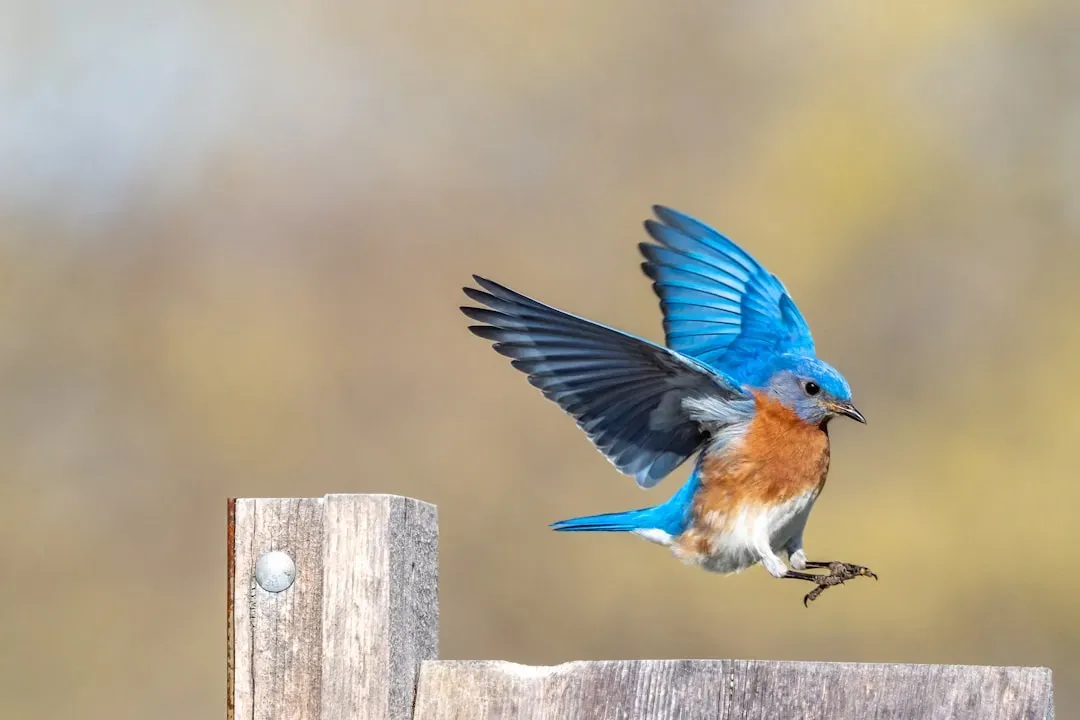
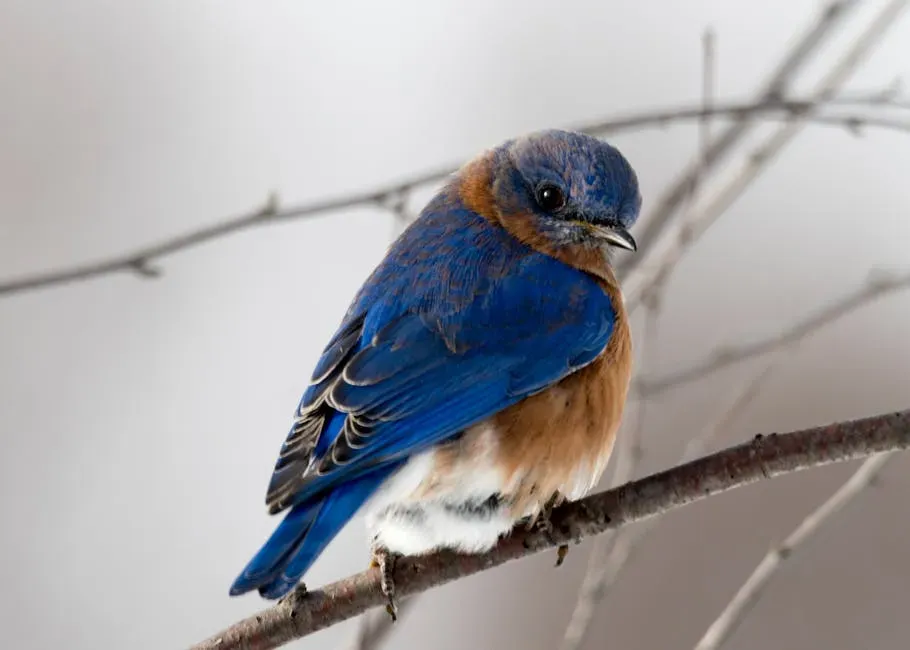
There is something almost meditative about watching an Eastern Bluebird perch on a fence post in the early morning light. Eastern and Western bluebirds appear very similar with bright blue heads and backs and rosy-orange on their breast. It’s the kind of color combination that seems too precise, too deliberate to be an accident of evolution. Honestly, it looks designed.
While the bluebird does not often come to feeders, it will readily eat mealworms if they are provided. The bluebird will use a nest box if one is available and is one of the most loved birds to make its nest in a birdhouse. The Eastern Bluebird’s territory covers a larger range than the Western, and Eastern bluebirds can be found throughout the eastern and central states. Put up a nestbox in an open area and you may be rewarded with resident bluebirds all season long.
6. The Indigo Bunting: The Electric Blue Illusion
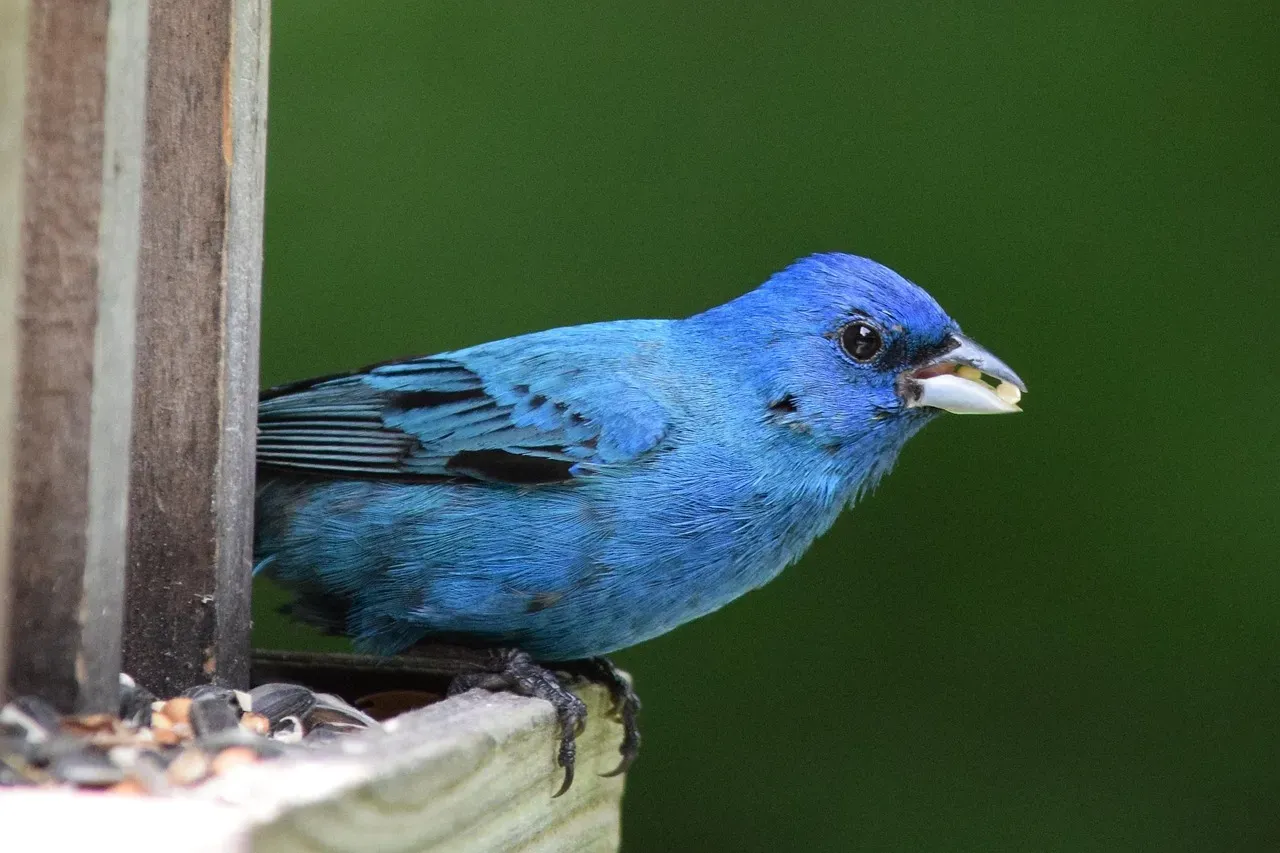
This one comes with a genuinely mind-bending twist. The feathers of the Indigo Bunting don’t actually have blue pigment. They just appear blue because of pockets of air and keratin in their feathers that refract and reflect the blue wavelength of light. It’s the same optical trick that makes the sky look blue. You’re not seeing color – you’re seeing physics. In some lighting conditions, they shift into a brilliant turquoise that stops you mid-sentence.
Unlike the Eastern Bluebird with its rusty and white belly, the male Indigo Bunting is entirely blue, startlingly so when seen in good light. This is one of the most abundant and widely distributed nesting birds in the eastern states and is found in shrubby areas and weedy fields at all elevations. Researchers were able to demonstrate how birds use the stars by studying captive Indigo Buntings in a planetarium. They discovered that the birds are able to orient themselves to a star even as the star moves in the sky. That’s right – this tiny backyard visitor navigates by the stars.
7. The Scarlet Tanager: The Red Flash of the Treetops
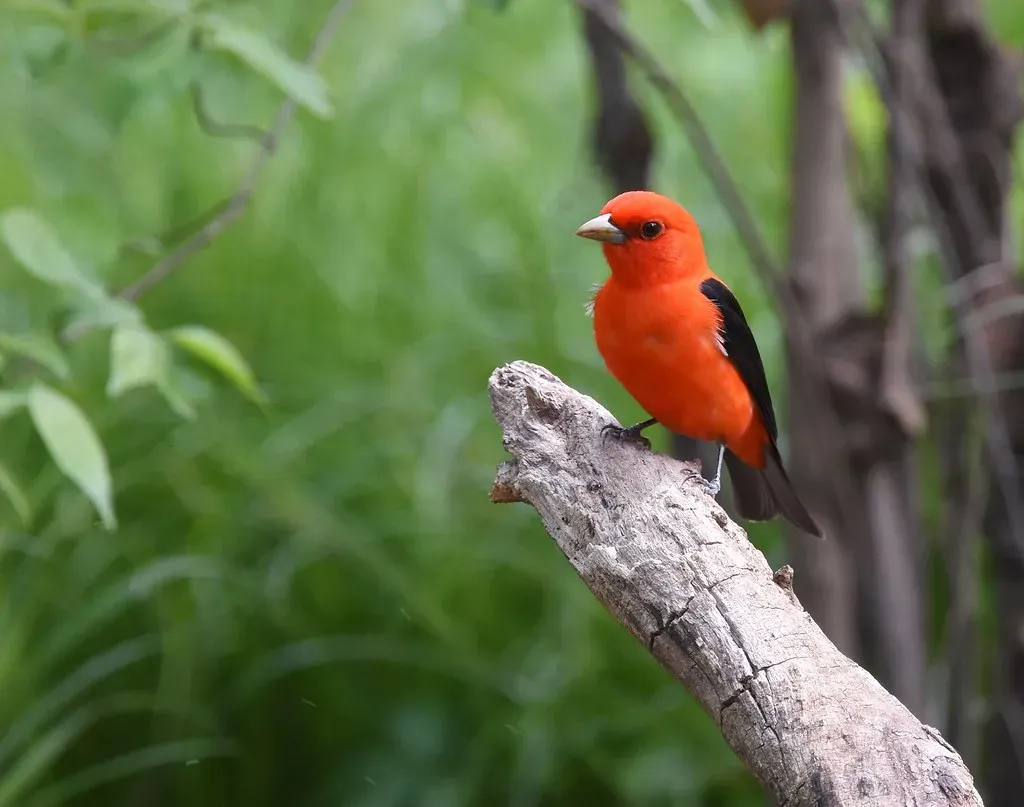
Most people never see a Scarlet Tanager up close, and that’s a genuine shame. Male scarlet tanagers have dark wings and tails with bright red bodies, while females and immature birds are a greenish tone. Imagine a bird wearing a candy-apple red body suit with jet-black wings – it’s as dramatic as it sounds, like nature decided to go full theater. Though easy to pick out due to their vibrant color, they can be hard to find as they like to stay high in forest canopies.
Simply stunning, tanagers are usually spotted in the forest canopies in the eastern United States. They can occasionally be coaxed into backyards with nectar, suet, mealworm, or jelly feeders. Patience is the key word here. Set up varied food sources, plant some tall native trees, and give it time. The reward, when it finally comes, is nothing short of extraordinary.
8. The Cedar Waxwing: The Elegant Masked Wanderer
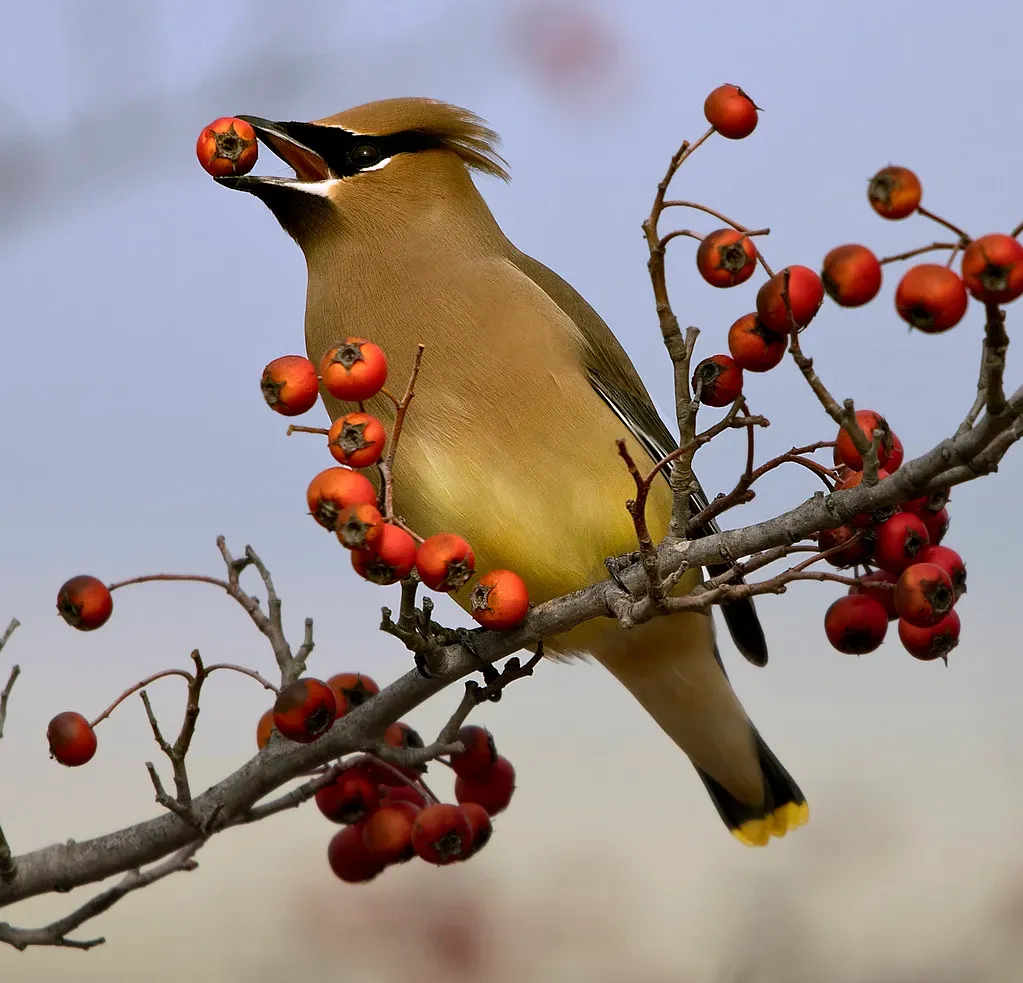
Cedar Waxwings carry themselves differently from other backyard birds. They’re sleek, almost aristocratic. The Cedar Waxwing is a very unique-looking bird and can be easily identified by the black mask that wraps around its head, covering its eyes. Add to that a silky smooth plumage of warm tan and golden-yellow, and a tail dipped in bright yellow as if someone dragged it through a bucket of paint. The waxy red wingtips and yellow tips on their tail feathers are colored by carotenoids, which are pigments found in fruits the birds consume.
Their diet consists mainly of fruit and berries, but they do feed on insects as well. If you want to attract them to your yard, you can plant fruit-bearing trees and berry bushes. Attract Cedar Waxwings to your backyard by planting native trees and shrubs with small fruit such as serviceberry, dogwood, juniper, winterberry, and hawthorn. They tend to travel in flocks, so when one arrives, a whole wave of elegance often follows right behind it.
9. The Blue Jay: The Bold, Brainy Beauty
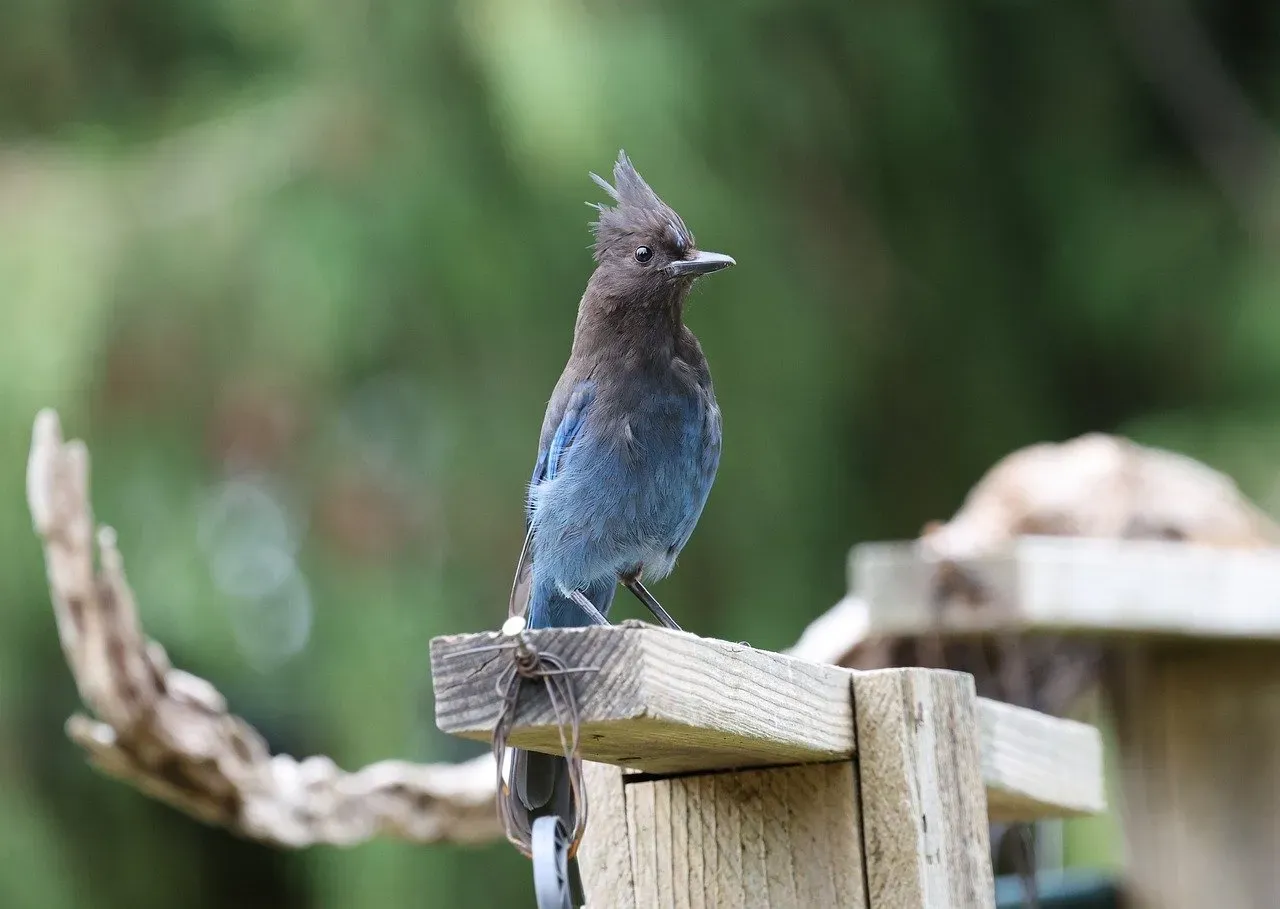
One of the loudest and most colorful birds of eastern backyards and woodlots, the Blue Jay is unmistakable. Intelligent and adaptable, it may feed on almost anything, and it is quick to take advantage of bird feeders. The bold cobalt-blue feathers, crisp white underparts, and that distinctive black collar make it an almost graphic design masterpiece. It’s the kind of bird that looks like it was drawn rather than born.
Blue Jays are known to vocally mimic hawks and birds of prey, whether to alert other jays of danger or to scare away other birds is still unclear. These are some of the most beautiful common birds in North America because of their stunning blue and white feathers. They form strong bonds with their families and sometimes create flocks with thousands of birds when migrating. Whatever you might think about their bold personality at the feeder, there is no denying that the Blue Jay is one spectacular-looking bird.
Your Backyard Is More Extraordinary Than You Think
There’s something genuinely moving about realizing that world-class beauty is right outside your door. You don’t need to travel to a rainforest or a national park. A feeder, a few native plants, and a little patience can transform your ordinary backyard into one of the most colorful wildlife habitats you’ve ever seen.
These nine birds represent a range of personalities, behaviors, and absolutely jaw-dropping colors – from the starlit navigator of the Indigo Bunting to the painted masterpiece of the Bunting that carries no equal. Each one is a reminder that nature hasn’t run out of ways to astonish us. It just needs an invitation.
So, the real question isn’t which of these birds is the most beautiful. The question is: which one will you spot first? Let us know in the comments who’s already visiting your yard!

- 8 US Cities Reeling Under Flooding Problems - July 26, 2026
- The Secret Lives of Nocturnal Wonders: Animals That Thrive Under Moonlight - July 26, 2026
- 8 Reasons Cedar Waxwings Pass Berries From Beak to Beak - July 26, 2026