


In the vast savannas and forests of Africa and Asia, elephants have developed an extraordinary ability that has fascinated scientists and naturalists for decades: they can seemingly detect approaching rainstorms from distances of up to 100 miles away. This remarkable sense isn’t just an interesting biological curiosity—it’s a crucial survival adaptation that helps these massive mammals find water in often harsh, drought-prone environments. Elephants’ ability to predict rainfall from such extreme distances represents one of the most impressive sensory capabilities in the animal kingdom, combining several specialized adaptations that have evolved over millions of years. This incredible talent allows herds to time their migrations perfectly, anticipating the arrival of life-giving rains long before humans with our most sophisticated weather technology can perceive any changes.
The Evolutionary Advantage of Rain Detection
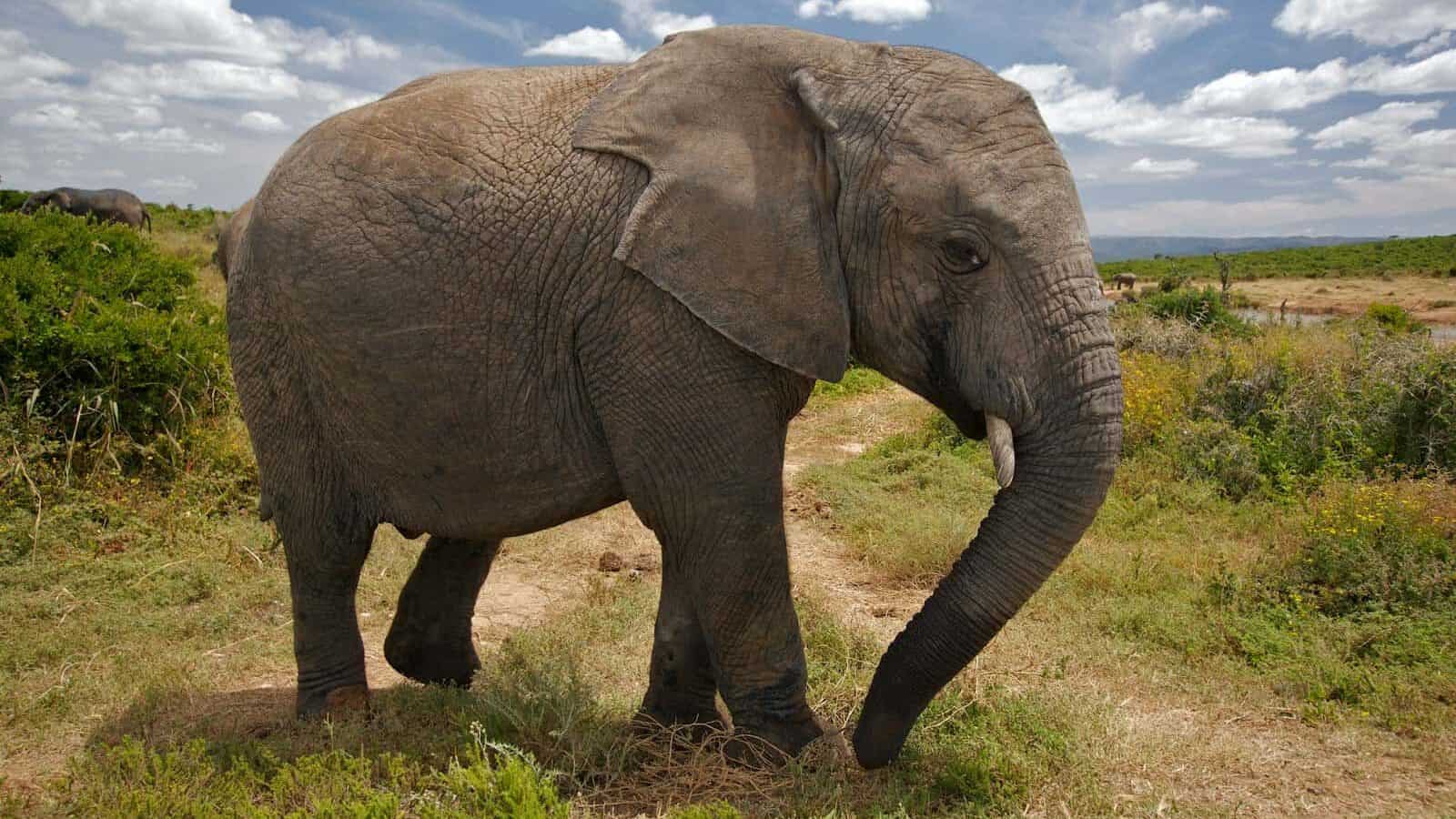
For elephants, the ability to locate water is literally a matter of life and death. An adult elephant requires between 30-50 gallons of water daily, making hydration a constant concern, especially during dry seasons. Natural selection has strongly favored individuals with superior abilities to find water sources, particularly in unpredictable environments. The capacity to detect distant rainfall provides a tremendous evolutionary advantage, allowing elephants to navigate directly toward areas where water will soon be available, rather than randomly searching or relying only on memory of permanent water sources. This adaptation is particularly crucial in arid regions where water sources are sparse and temporary. Over generations, elephants with better rain-sensing abilities were more likely to survive droughts and successfully reproduce, passing on this remarkable trait to their offspring and eventually making it a characteristic feature of elephant sensory capabilities.
Infrasound: The Secret Communication Channel

At the heart of elephants’ rain-detecting superpower lies their ability to perceive infrasound—sound waves with frequencies below the threshold of human hearing (typically below 20 Hz). Thunderstorms generate powerful infrasonic rumblings that travel enormous distances through both air and ground. While humans cannot detect these low-frequency sound waves, elephants have evolved specialized hearing adaptations that make them exquisitely sensitive to these vibrations. Research has shown that elephants can perceive sounds as low as 14-16 Hz and possibly even lower, with extraordinary sensitivity. These infrasonic waves from distant storms propagate through the atmosphere and ground with minimal degradation, allowing the information to travel much farther than higher-frequency sounds. When distant thunderstorms begin forming, even before visible lightning or audible thunder at human ranges, elephants can detect the distinctive infrasonic signature of the developing weather system from remarkable distances.
The Elephant’s Extraordinary Ears
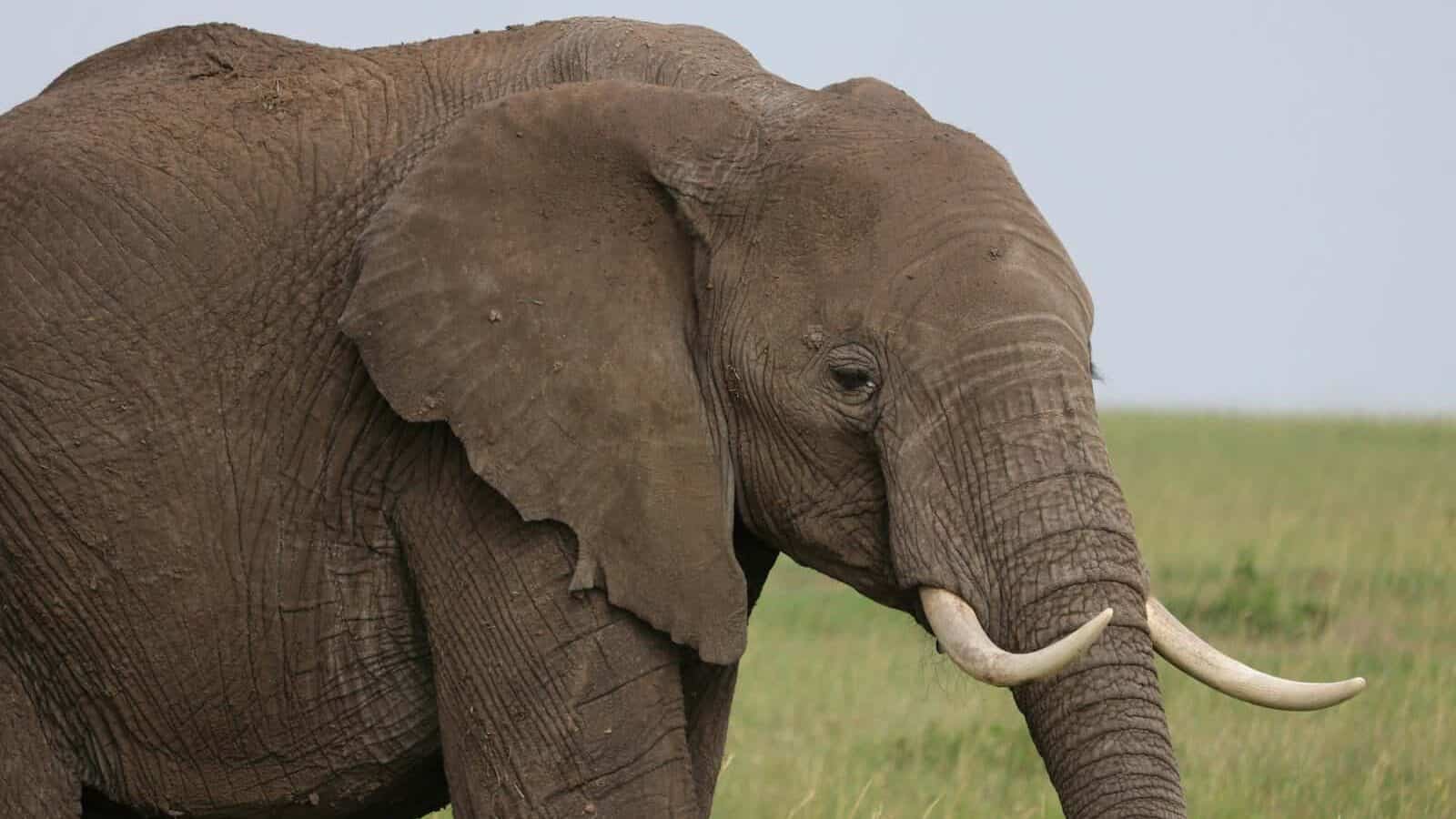
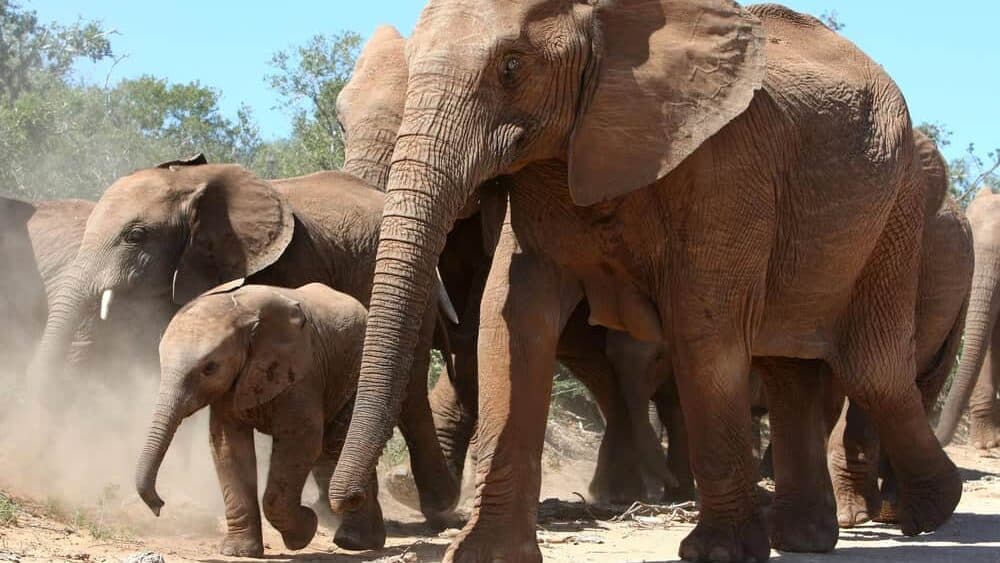
An elephant’s massive ears serve multiple functions beyond the obvious role in thermoregulation. Their enormous surface area and complex internal structure create an acoustic receiving system perfectly tuned for detecting distant sounds, particularly low-frequency vibrations. The ears function somewhat like satellite dishes, capturing and focusing sound waves toward the ear canal. African elephants, with their larger ears compared to their Asian cousins, appear to have greater sensitivity to distant infrasonic signals. The ears contain an intricate network of blood vessels and nerves that may enhance their ability to detect subtle pressure changes associated with distant weather systems. Elephants will often be observed holding their ears out in a specific orientation, seemingly “tuning in” to distant sounds beyond human perception. This positioning behavior increases when weather changes are approaching, suggesting they are actively gathering acoustic information about distant storms.
Sensitive Feet: Feeling Storms Through the Ground
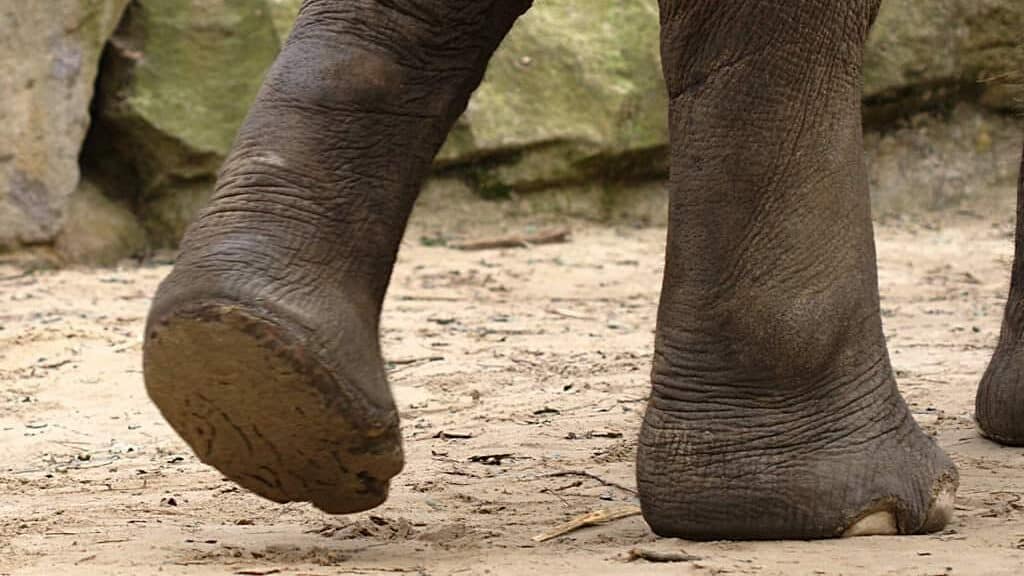
Complementing their aerial infrasound detection, elephants also possess remarkable sensitivity to ground-transmitted vibrations through specialized structures in their feet. Their feet contain fatty pads with concentrations of mechanoreceptors that can detect subtle seismic vibrations traveling through soil and rock. These vibrations can be generated by distant thunderstorms, which create distinctive seismic signatures as thunder reverberates against the earth. Research has demonstrated that elephants can detect these ground-transmitted signals from storms dozens of miles away. The structure of elephant feet is uniquely adapted for this purpose, with the fatty pads acting as acoustic lenses that amplify and focus vibrations toward the sensitive nerve endings. This dual-channel sensing system—combining airborne and ground-transmitted infrasound—gives elephants a comprehensive three-dimensional awareness of distant weather phenomena that far exceeds human capabilities.
The Brain Behind the Sensing: Neural Processing

Detecting infrasound is only part of the equation—elephants must also possess specialized neural circuitry to process and interpret these signals. Their brains contain enlarged auditory processing regions dedicated to analyzing low-frequency sounds. Studies of elephant brain anatomy have revealed disproportionately developed temporal lobes with specialized neural networks for processing complex acoustic information. These brain structures allow elephants to distinguish between different types of infrasonic signals, separating those produced by thunderstorms from other environmental sounds or calls from other elephants. Even more impressive, elephants appear able to extract directional information from these signals, determining not just that rain is coming, but precisely from which direction. Their neural processing capabilities also likely involve integrating information across time, analyzing subtle changes in infrasonic patterns that might indicate a storm’s development, intensity, and movement patterns—essentially creating a mental “weather map” based solely on acoustic information.
Behavioral Evidence of Rain Detection
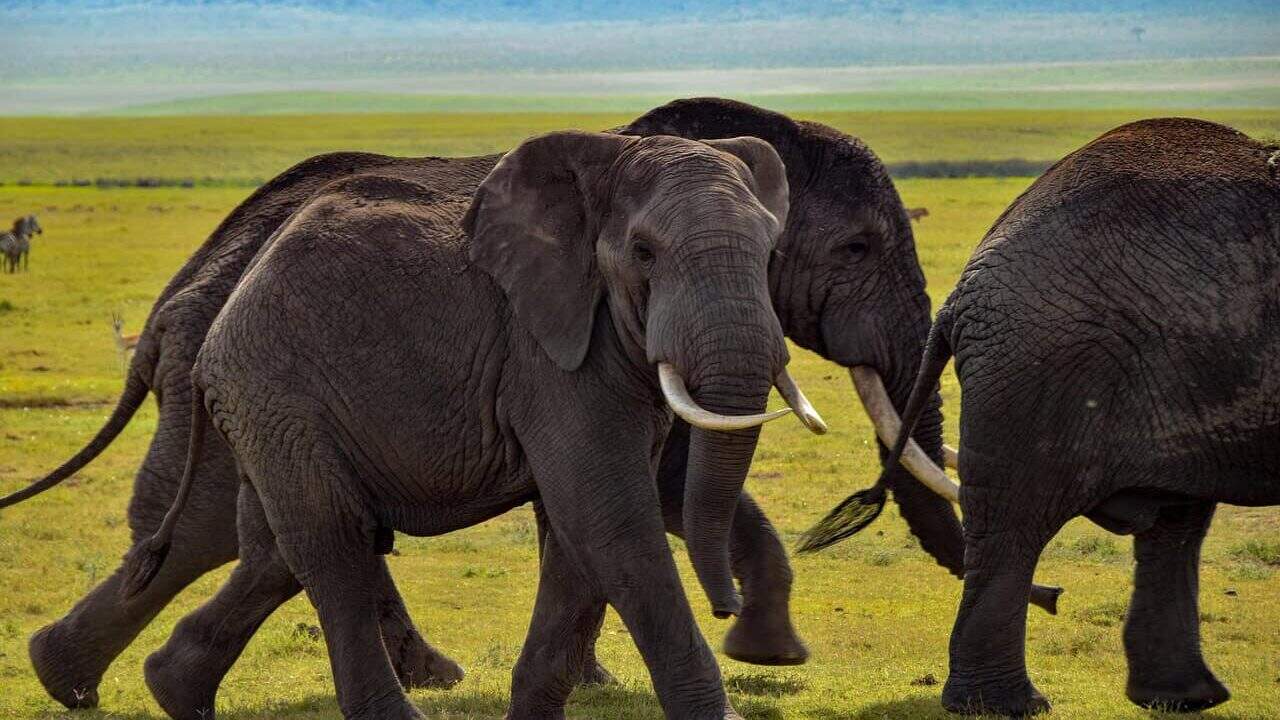
Field researchers have documented numerous instances of elephant behavior that strongly support their rain-sensing abilities. Herds have been observed suddenly changing direction and marching with purpose toward areas where rain would fall hours or even days later—often traveling in straight lines toward distant storm systems that were completely invisible to human observers. In one famous documented case in Namibia, a herd traveled nearly 100 miles in a direct line toward an area that experienced rainfall 48 hours later. Researchers tracking elephant movements using GPS collars have found statistical correlations between herd movements and subsequent rainfall patterns that cannot be explained by chance. Perhaps most tellingly, elephants often display distinctive behaviors before storms arrive: increased vocalizations, ear movements, and a general state of excitement or alertness that precedes human awareness of approaching weather by many hours. These behavioral patterns provide compelling evidence of the elephants’ ability to sense distant rainfall using sensory channels beyond human perception.
Cultural Knowledge and Learned Behavior
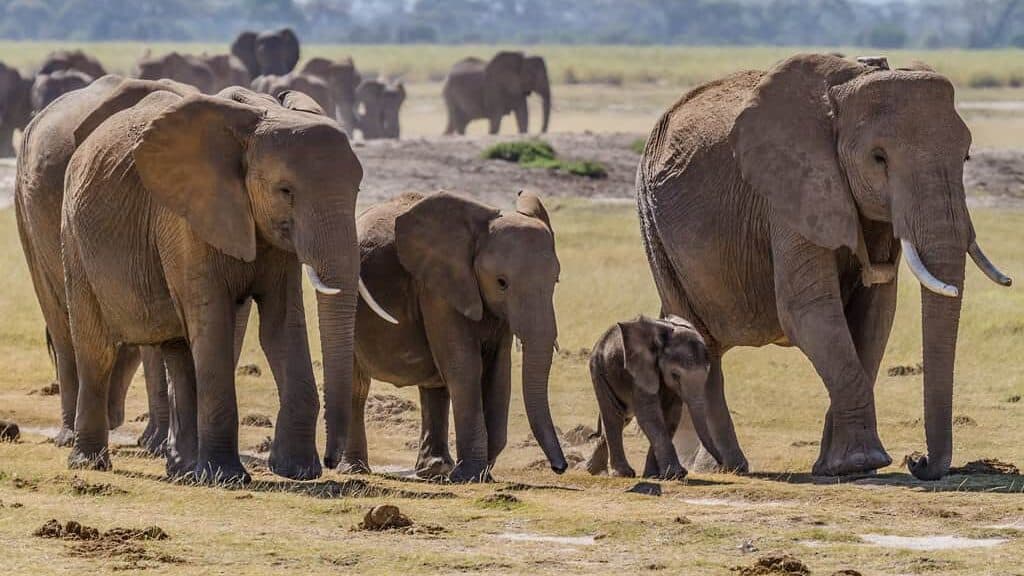
While the physiological adaptations for detecting distant rainfall are innate, elephants also benefit from cultural knowledge passed down through generations. Elephant herds are led by experienced matriarchs who may live 60-70 years, accumulating detailed knowledge about weather patterns, seasonal variations, and landscape features. These elder females teach younger generations to interpret infrasonic signals correctly and make appropriate movement decisions based on distant weather detection. Researchers have observed that herds with older, more experienced matriarchs make more accurate predictions about rainfall locations than those led by younger females. This combination of biological adaptation and cultural learning creates a sophisticated system for water-finding that has allowed elephants to thrive in challenging environments for millions of years. The transmission of this knowledge represents a form of non-human culture that enhances the survival value of their sensory adaptations through accumulated wisdom across generations.
Scientific Research and Documentation
Scientific understanding of elephants’ rain-detecting abilities has advanced significantly in recent decades. Pioneering work by researchers like Katy Payne in the 1980s first documented elephants’ use of infrasound for communication, opening the door to understanding their weather-sensing abilities. Subsequent studies using advanced acoustic monitoring equipment have confirmed elephants’ exceptional sensitivity to low-frequency sounds from distant sources. More recently, researchers have employed GPS tracking combined with weather data to analyze correlations between elephant movements and subsequent rainfall patterns. A 2018 study published in the journal Scientific Reports demonstrated that elephant herds in Namibia could detect and move toward rainfall events occurring up to 192 kilometers (119 miles) away—far beyond the range of human perception. Laboratory studies have also confirmed elephants’ extraordinary hearing sensitivity in the infrasonic range, providing physiological evidence for their capability to detect distant storms. Despite these advances, many aspects of elephants’ rain-detection abilities remain poorly understood and represent active areas of ongoing research.
Comparison to Other Animal Weather Prediction Systems

While elephants’ ability to detect distant rainfall is remarkable, they aren’t the only animals with impressive weather-sensing capabilities. Birds often detect approaching storms through sensing changes in barometric pressure, with some species able to alter migration patterns to avoid bad weather. Frogs and toads may change their calling patterns hours before rainfall arrives, responding to subtle humidity changes. Sharks have been documented swimming to deeper waters before hurricanes approach, likely detecting pressure changes or low-frequency sounds. However, elephants stand out in the animal kingdom for the extreme distances over which they can detect approaching rainfall. The combination of their infrasonic hearing, ground vibration sensitivity, neural processing capabilities, and cultural knowledge creates a weather prediction system that exceeds most other animal species in both range and accuracy. Even compared to other large mammals with good hearing, such as rhinos or giraffes, elephants demonstrate superior abilities to detect and respond to distant weather events.
Conservation Implications of This Ability
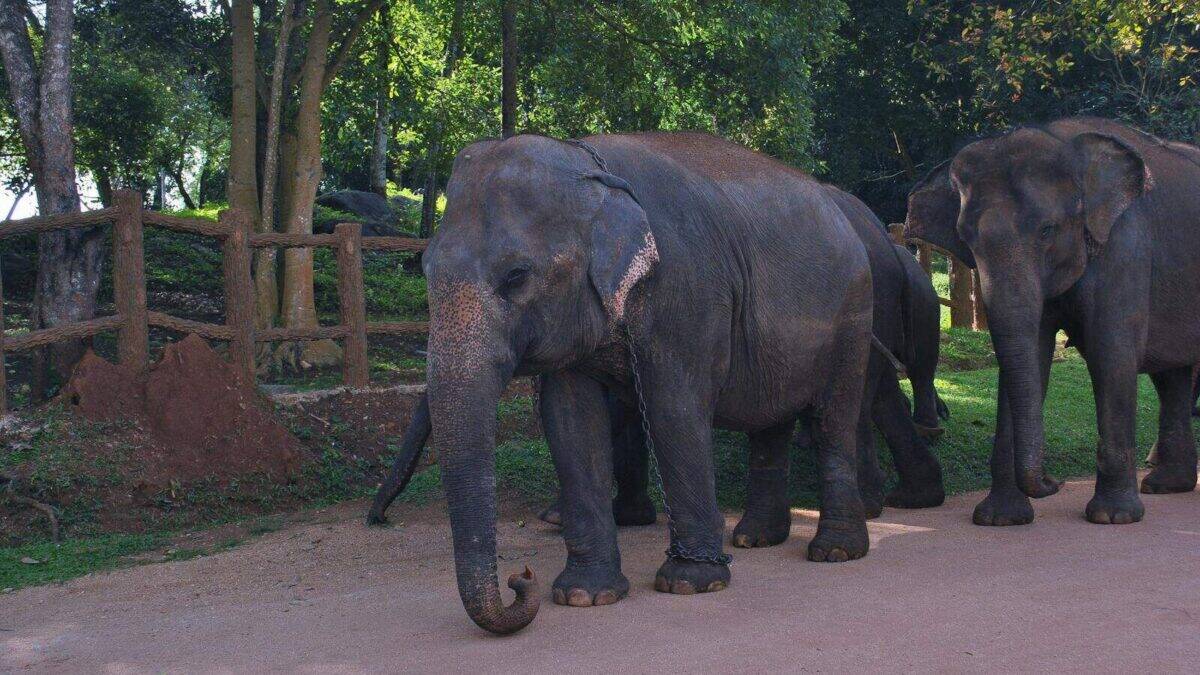
Understanding elephants’ rain-detection abilities has important implications for conservation efforts. As habitat fragmentation increases due to human development, elephants’ traditional movement corridors may be disrupted, potentially interfering with their ability to respond to distant rainfall cues. Climate change may also alter rainfall patterns in ways that make elephants’ predictive abilities less reliable. Conservation planners now recognize the importance of preserving large, connected landscapes that allow elephants to utilize their remarkable sensory capabilities effectively. Additionally, this knowledge helps explain certain elephant-human conflicts—herds may be drawn toward agricultural areas not randomly, but because they’ve detected rainfall that will produce new vegetation growth in those regions. Conservation strategies that incorporate understanding of elephants’ sensory world and movement patterns in response to distant rainfall can lead to more effective protection measures. Preserving not just elephants themselves but their ability to exercise these remarkable adaptations is increasingly recognized as an important conservation goal.
Modern Technology vs. Elephant Senses
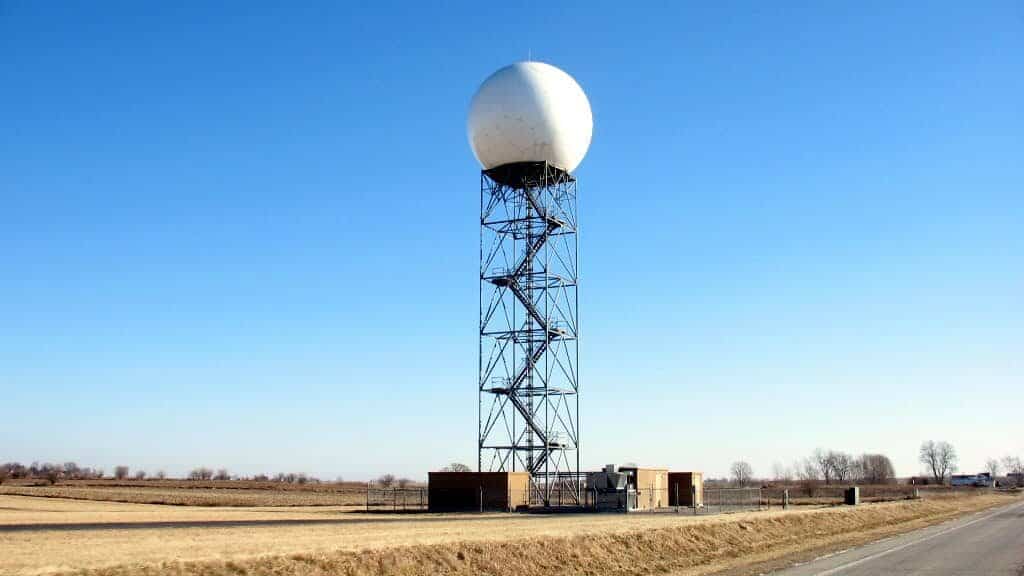
It’s humbling to compare elephants’ natural abilities with our most sophisticated weather detection technology. Modern meteorological systems employ Doppler radar, satellite imagery, atmospheric sensors, and supercomputer models to predict rainfall patterns—yet elephants achieve comparable results using only their built-in biological sensors. While human technology can now predict weather across greater distances than elephants can sense it, our advanced warning systems are the product of centuries of scientific development and billions in investment. Elephants’ ability to detect storms from 100 miles away evolved naturally through the gradual process of natural selection. In some ways, elephants’ detection system is more energy-efficient than our technology, requiring only the calories an elephant consumes rather than massive power infrastructure. Their system is also remarkably reliable in remote areas where modern technology is unavailable. This comparison highlights the remarkable sophistication of naturally evolved sensory systems and reminds us that technology still has much to learn from biological adaptations refined over millions of years.
The elephant’s ability to detect rainfall from up to 100 miles away stands as one of nature’s most impressive sensory adaptations. Through their specialized hearing structures, sensitive feet, sophisticated neural processing, and accumulated cultural knowledge, elephants have developed a weather prediction system that allowed them to thrive in challenging environments long before human meteorologists existed. This remarkable capability represents not just a biological curiosity but a sophisticated survival adaptation developed over millions of years of evolution. As we continue to study and understand these magnificent animals, their extraordinary senses remind us of the remarkable adaptations that can emerge through natural selection. In a world increasingly dominated by human technology, the elephant’s rain-detecting ability stands as a humbling reminder that our most sophisticated inventions often have precedents in the natural world—and that we still have much to learn from the extraordinary sensory capabilities of our fellow inhabitants on this planet.

- What’s Hiding in the Forests of the Pacific Northwest - July 21, 2026
- Tarsiers: The Tiny Primates with Giant Eyes - July 21, 2026
- Are Zoos Still Ethical in 2025? - July 21, 2026