

In the vast world of animal reproduction, there exists an extraordinary spectrum of reproductive strategies. While mammals typically produce small litters and invest heavily in each offspring, some creatures take a dramatically different approach, producing offspring in numbers that defy imagination. The animal kingdom’s most prolific reproducers can release millions of eggs in a single spawning event, employing a strategy that compensates for high mortality rates with sheer numerical advantage. This article explores these remarkable reproductive champions, examining the evolutionary advantages of mass reproduction and the fascinating adaptations that make it possible.
Ocean Sunfish: The Heavyweight Champion of Egg Production

The ocean sunfish (Mola mola) stands as the undisputed vertebrate champion of egg production. These bizarre-looking marine giants can release up to 300 million eggs during a single spawning event, an astounding number that eclipses most other vertebrates. Weighing up to 2,200 pounds but sporting a comically tiny mouth and tail, the ocean sunfish compensates for its awkward appearance with unparalleled reproductive output.
This extraordinary reproductive capacity serves as a crucial survival strategy. Ocean sunfish eggs and larvae face overwhelming odds, with predation, disease, and environmental challenges claiming the vast majority before they reach maturity. By releasing hundreds of millions of eggs, these fish ensure that even with a survival rate of less than 0.0001%, enough offspring will survive to maintain the species. This strategy, known as r-selection, prioritizes quantity over parental investment, allowing the sunfish to thrive despite the minuscule chances of any individual egg developing into an adult.
Oysters: Prolific Bivalve Reproducers

Oysters exemplify the incredible reproductive potential of marine invertebrates. A single female oyster can release between 50-200 million eggs in one spawning season, with the exact number varying by species and individual size. These bivalve mollusks typically reproduce through broadcast spawning, where males and females release gametes directly into the water column, allowing for external fertilization.
The reproductive strategy of oysters reflects their sessile lifestyle and the challenges of their marine environment. Unable to move to find mates, oysters rely on synchronous spawning events triggered by environmental cues such as water temperature and lunar cycles. This mass reproduction creates a brief but intense period where the surrounding waters become cloudy with reproductive cells, maximizing the chances of successful fertilization despite the diluting effects of ocean currents. Despite this enormous reproductive output, oyster populations face significant pressures from overharvesting, habitat destruction, and ocean acidification.
Coral: Colonial Reproducers with Massive Spawning Events
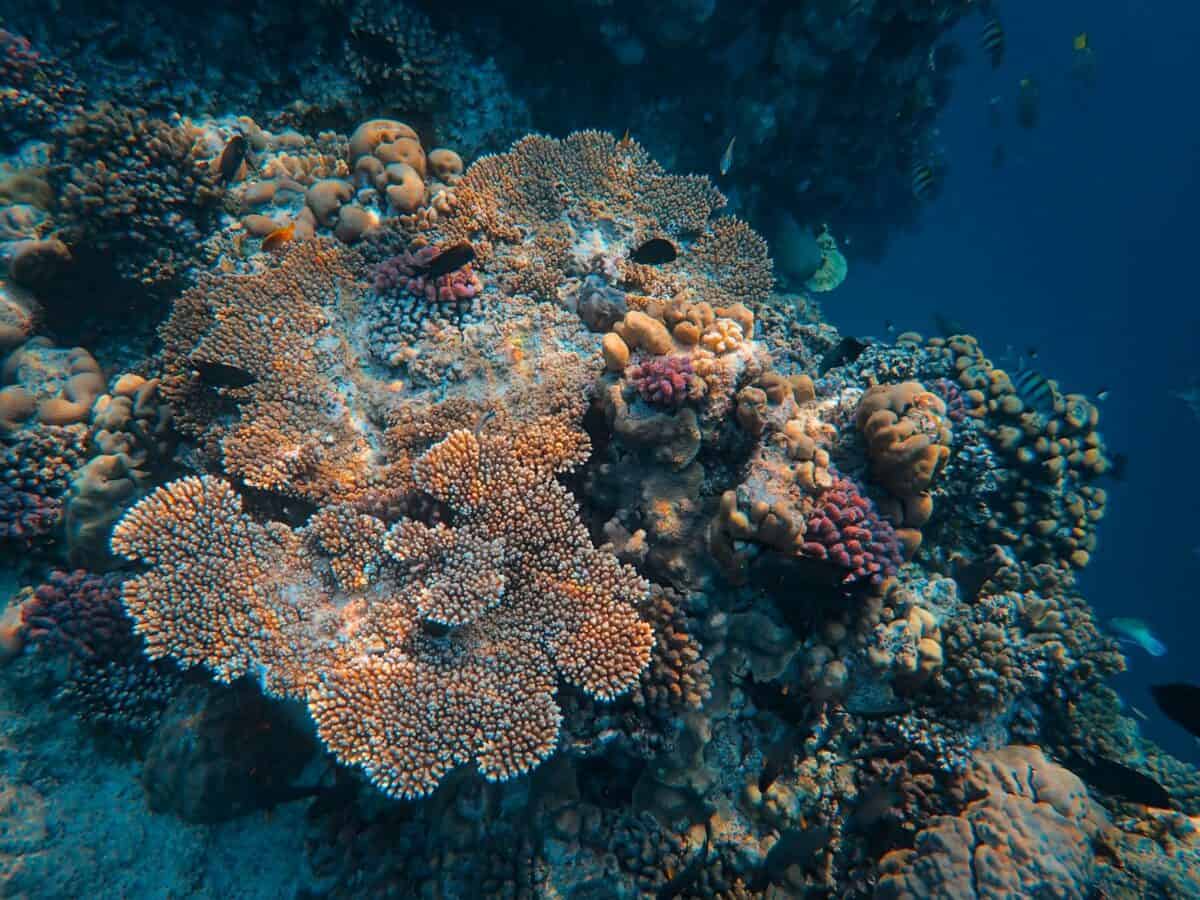
Coral reefs host some of nature’s most spectacular mass reproduction events. During coral spawning, entire reef systems release their gametes in synchronized events that scientists have described as “underwater snowstorms.” A single large coral colony can release millions of eggs and sperm bundles, contributing to one of nature’s most magnificent reproductive displays. These synchronized spawning events typically occur annually, often correlated with specific moon phases and water temperatures.
This reproductive strategy demonstrates a remarkable evolutionary adaptation to the challenges of sessile marine life. By coordinating their reproductive efforts, corals achieve higher fertilization rates while overwhelming potential predators that might otherwise consume all their reproductive output. The spectacle of coral spawning has become an important focus for conservation efforts, as these events provide both a critical window into reef health and an opportunity for human-assisted reproduction to help restore damaged reef systems affected by climate change and other environmental stressors.
Codfish: Prolific Teleost Reproducers

Atlantic cod (Gadus morhua) represent another impressive example of mass reproduction in the ocean. A large female cod can produce between 3-9 million eggs per spawning season. This extraordinary fecundity once supported one of the world’s most productive fisheries, though cod populations have suffered dramatic declines due to overfishing in many regions. The reproductive strategy of cod exemplifies the classic fisheries management challenge of protecting species with high reproductive potential from human exploitation.
Cod reproduction involves complex spawning migrations, with adults traveling to specific grounds where environmental conditions favor egg and larval survival. Unlike some fish species that provide parental care, cod employ a broadcast spawning strategy with no parental investment after the eggs are released. This approach trades offspring survival probability for sheer numbers, allowing cod to thrive in challenging marine environments where predation on eggs and larvae is intense. Despite their impressive reproductive capacity, the recovery of depleted cod stocks has proven difficult, highlighting how even the most fecund species can be vulnerable to anthropogenic pressures.
Parasitic Roundworms: Microscopic Reproductive Powerhouses

Among the most prolific reproducers in the animal kingdom are certain parasitic roundworms. The human roundworm (Ascaris lumbricoides), which infects approximately 800 million people worldwide, demonstrates extraordinary reproductive potential. A single female can produce up to 200,000 eggs per day and may continue this production for up to a year, potentially generating over 70 million eggs during her lifetime. This reproductive strategy enables these parasites to maintain their life cycles despite the majority of eggs never encountering suitable hosts.
The remarkable fecundity of these parasites represents an evolutionary response to the numerous barriers they face in completing their life cycles. Each egg must survive in the environment, be ingested by a suitable host, evade immune defenses, and reach appropriate tissues to develop into an adult. By flooding the environment with millions of eggs, these parasites ensure that enough will complete this challenging journey to maintain their populations. This reproductive strategy has made parasitic worms among the most successful and widespread animals on Earth, despite their seemingly vulnerable position in the food web.
Sea Stars: Mass Spawners with Remarkable Regenerative Abilities
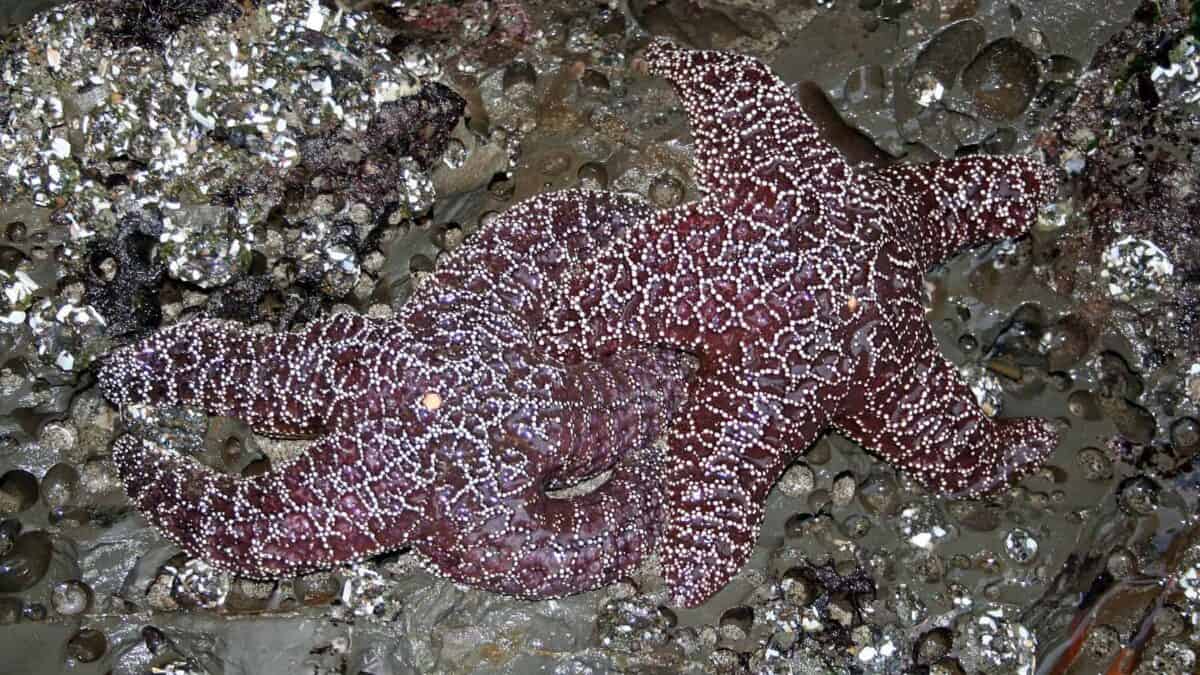
Sea stars (asteroids) combine mass reproduction with remarkable regenerative capabilities. Depending on the species, a single female sea star can release anywhere from several hundred thousand to millions of eggs during spawning events. These echinoderms typically reproduce through broadcast spawning, releasing gametes into the water column where fertilization occurs externally. The resulting larvae drift with ocean currents as part of the plankton, undergoing complex metamorphosis before settling to begin life as juvenile sea stars.
What makes sea star reproduction particularly fascinating is how it complements their regenerative abilities. In addition to sexual reproduction through egg production, many sea stars can reproduce asexually through fragmentation. If a sea star loses an arm to a predator, not only can it regenerate the missing limb, but in some species, the severed arm can develop into an entirely new individual. This dual reproductive strategy—combining mass egg production with regenerative capabilities—has allowed sea stars to become successful and adaptable members of marine ecosystems worldwide, from tropical coral reefs to the frigid waters of polar regions.
Termite Queens: Insect Egg-Laying Machines

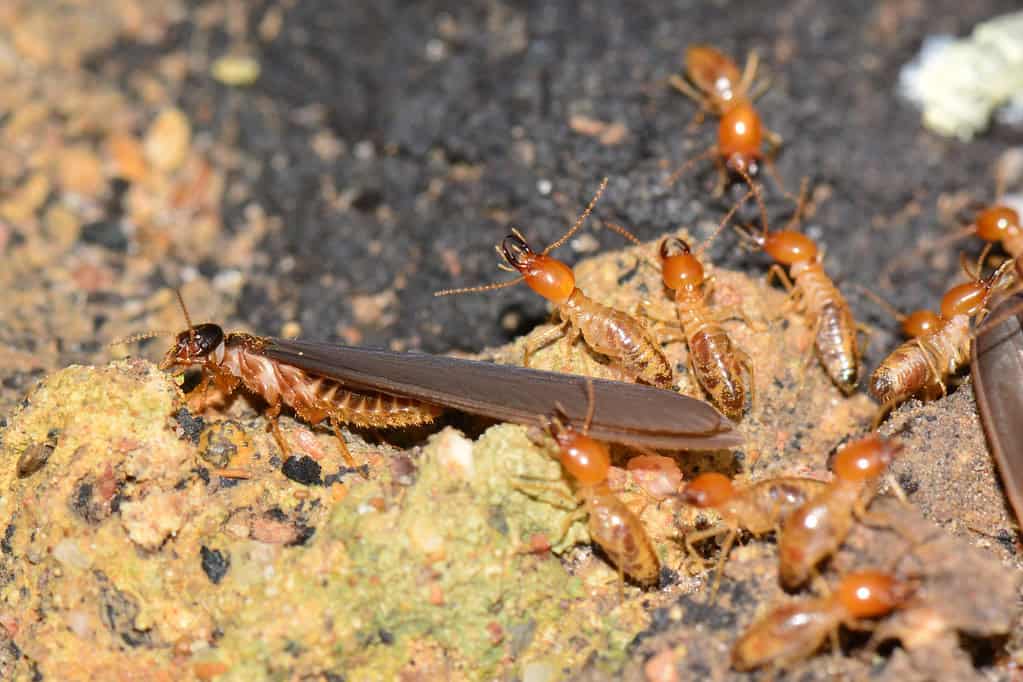
While marine animals often claim the highest absolute numbers for egg production, certain insects demonstrate remarkable reproductive output relative to their size. The queens of some termite species stand out as extraordinary reproducers in the insect world. A mature queen of species like Macrotermes bellicosus can lay up to 30,000 eggs per day, amounting to millions over her potential 15-20 year lifespan. This makes termite queens among the longest-lived and most productive insects on Earth.
The termite queen’s reproductive capacity enables the formation of massive colonies containing millions of individuals, all genetically descended from a single founding pair. To support this extraordinary reproductive output, the queen’s body undergoes dramatic physiological changes, developing an enormously distended abdomen filled with egg-producing ovaries. The queen becomes virtually immobile, transforming into a living egg-laying machine sustained by worker termites that feed and care for her. This specialized reproductive strategy, known as physogastry, represents one of the most extreme examples of reproductive adaptation in the animal kingdom.
Frogs and Toads: Amphibian Mass Reproducers
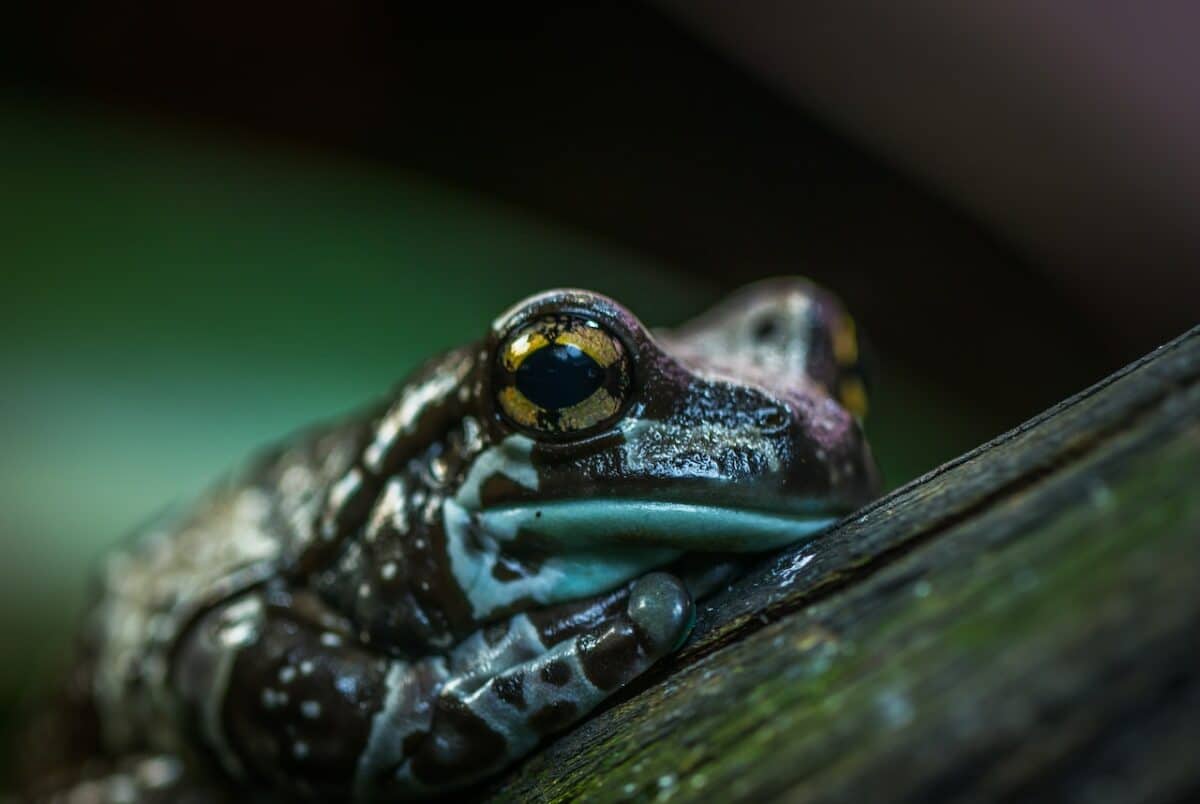
Among vertebrates, certain amphibians demonstrate impressive reproductive output. The cane toad (Rhinella marina), for example, can lay clutches containing 8,000-35,000 eggs at once. Some frog species produce even larger clutches, with the bullfrog (Lithobates catesbeianus) capable of laying up to 20,000 eggs in a single reproductive event. These large clutch sizes represent an evolutionary response to the vulnerable nature of amphibian eggs and larvae, which face numerous predators in aquatic environments.
The reproductive strategy of most frogs and toads involves external fertilization in water, with no parental care following egg deposition. This approach necessitates large numbers of eggs to ensure sufficient survival. However, the amphibian world also showcases diverse reproductive adaptations, with some species evolving elaborate parental care behaviors despite smaller clutch sizes. These range from the gastric-brooding frogs (now extinct) that swallowed and protected their fertilized eggs in their stomachs, to poison dart frogs that carry tadpoles on their backs to suitable water bodies. These variations highlight how reproductive strategies evolve along a continuum between quantity and quality of offspring.
Ocean Quahog: Long-Lived Bivalves with Impressive Lifetime Fecundity

The ocean quahog (Arctica islandica) combines impressive reproductive output with extraordinary longevity. These bivalve mollusks can live for over 500 years, making them among the longest-lived animals on Earth. Throughout their centuries-long lives, female quahogs release millions of eggs annually during spawning seasons. This combination of longevity and high reproductive output means a single individual might produce billions of eggs over its lifetime—a cumulative reproductive total that few other animals can match.
The reproductive strategy of the ocean quahog reflects the harsh realities of marine environments, where newly released larvae face overwhelming odds against survival. By spreading reproductive effort across centuries rather than a single massive spawning event, these mollusks hedge against environmental variability. This long-term reproductive approach has proven remarkably successful, allowing quahogs to persist through dramatic climate shifts and evolutionary time periods. Their ability to continue reproducing into extreme old age challenges conventional understandings of senescence and offers intriguing insights into the evolution of aging and reproduction.
Freshwater Mussels: Unique Reproductive Strategies
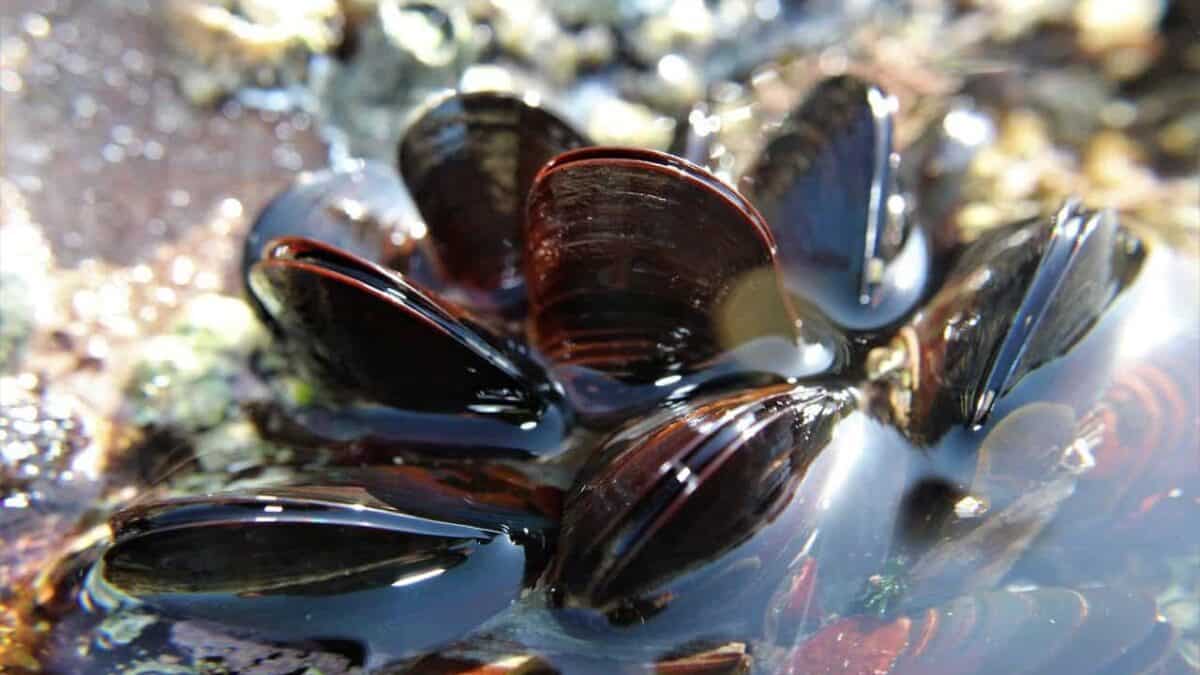
Freshwater mussels employ both high reproductive output and fascinating adaptations to ensure offspring survival. A single female freshwater mussel can produce between 200,000 and several million eggs annually. However, unlike many other mass reproducers, freshwater mussels have evolved specialized strategies to increase the survival chances of their offspring. After fertilization, eggs develop into parasitic larvae called glochidia that must attach to specific fish hosts to complete their development.
To facilitate this critical host attachment, some freshwater mussel species have evolved elaborate lures that mimic small fish, crayfish, or aquatic insects. When a potential host fish approaches the lure, the female mussel expels clouds of glochidia, increasing the chances of successful attachment. This combination of high reproductive output with specialized host-parasitism represents one of nature’s most remarkable reproductive innovations. Unfortunately, these complex life cycles make freshwater mussels particularly vulnerable to environmental changes, contributing to their status as one of the most endangered animal groups in North America.
Evolutionary Context of Mass Reproduction

The evolution of reproductive strategies that produce millions of offspring at once represents a fascinating example of life history trade-offs. Known as r-selected reproduction (where “r” refers to the intrinsic rate of natural increase), this strategy prioritizes quantity over quality of offspring. Species that produce vast numbers of eggs typically invest minimal energy in each individual egg and provide no parental care. This approach evolves in environments where mortality rates are high, unpredictable, or density-independent, making the survival of any individual offspring highly uncertain.
This reproductive strategy stands in stark contrast to K-selected species (where “K” refers to carrying capacity) like elephants, whales, and humans, which produce few offspring but invest heavily in their care and development. While simplistic, this r/K selection framework helps explain the incredible diversity of reproductive strategies observed across the animal kingdom. Mass reproduction represents an effective evolutionary solution to environments where the odds of individual survival are low but resources are sufficient to support the occasional population boom when conditions temporarily improve. The success of this strategy is evidenced by the persistence and ecological importance of mass-reproducing species across diverse habitats.
The Ecological Significance of Mass Reproduction

The mass reproduction strategies described throughout this article play crucial ecological roles in numerous ecosystems. The synchronous release of millions or billions of eggs and larvae creates significant pulses of biomass that fuel marine and freshwater food webs. These reproductive events provide essential nutrition for countless filter feeders, planktivores, and predators at higher trophic levels. For many marine species, the timing of their own life cycles has evolved to capitalize on these predictable pulses of abundance.
Beyond their role as food, mass spawning events contribute to ecosystem resilience and connectivity. The planktonic larvae produced during mass spawning events can disperse over vast distances, connecting populations that might otherwise remain isolated. This genetic connectivity helps maintain biodiversity and adaptive potential across meta-populations. Additionally, the evolutionary arms race between mass reproducers and their predators has driven the development of remarkable adaptations on both sides, contributing to the extraordinary biodiversity observed in aquatic ecosystems. Understanding and protecting these reproductive processes remains a critical conservation priority in our rapidly changing global environment.
Conclusion: Nature’s Reproductive Extremes
The phenomenon of animals producing millions of eggs at once represents one of nature’s most fascinating evolutionary strategies. From the ocean sunfish with its 300 million eggs to the termite queen’s relentless daily production of tens of thousands of eggs, these reproductive champions highlight the incredible diversity of approaches to the universal challenge of species perpetuation. Through these massive reproductive events, we witness evolution’s answer to environments where individual survival is unlikely but potential resources are vast.
The prevalence of mass reproduction across diverse animal groups—from fish to mollusks, echinoderms to arthropods—underscores its effectiveness as a survival strategy. By overwhelming predators through sheer numbers and ensuring that at least a few offspring encounter favorable conditions, these species have maintained their place in ecosystems for millions of years. Their reproductive adaptations represent some of the most specialized physiological systems in the animal kingdom.
Understanding these extreme reproductive strategies provides valuable insights into ecological relationships, evolutionary processes, and life history theory. As many mass-reproducing species face unprecedented threats from habitat destruction, climate change, and overharvesting, preserving their reproductive capabilities becomes increasingly important for maintaining ecosystem function. The animals that lay millions of eggs at once remind us of nature’s astonishing diversity and the countless solutions that have evolved to solve the fundamental challenge of reproduction in a dangerous world.
By appreciating these reproductive wonders, we gain a deeper understanding of the complex and interconnected nature of life on Earth, where even the most seemingly excessive strategies serve critical evolutionary and ecological purposes. The million-egg reproducers represent not wasteful excess but rather nature’s hedge against uncertainty—a reproductive insurance policy that has stood the test of evolutionary time.

- 10 Animals That Cheat Death in the Most Unexpected Ways - July 19, 2026
- The Shrimp That Punches Like a Bullet - July 19, 2026
- This Tiny Mammal Can Slow Its Heartbeat to One Beat Per Minute - July 19, 2026