

In the microscopic world of insects, ants stand as remarkable examples of strength and resilience. Among the approximately 12,000 known ant species worldwide, certain varieties possess extraordinary physical capabilities that would make even the strongest human athletes envious. The ability to lift 50 times their body weight—equivalent to a human lifting a truck—is not just a fascinating trivia fact but a testament to evolutionary adaptation and biomechanical efficiency. This phenomenal strength has captured the imagination of scientists, nature enthusiasts, and the general public alike, making ants subjects of extensive research and admiration.
The Science Behind Ant Strength
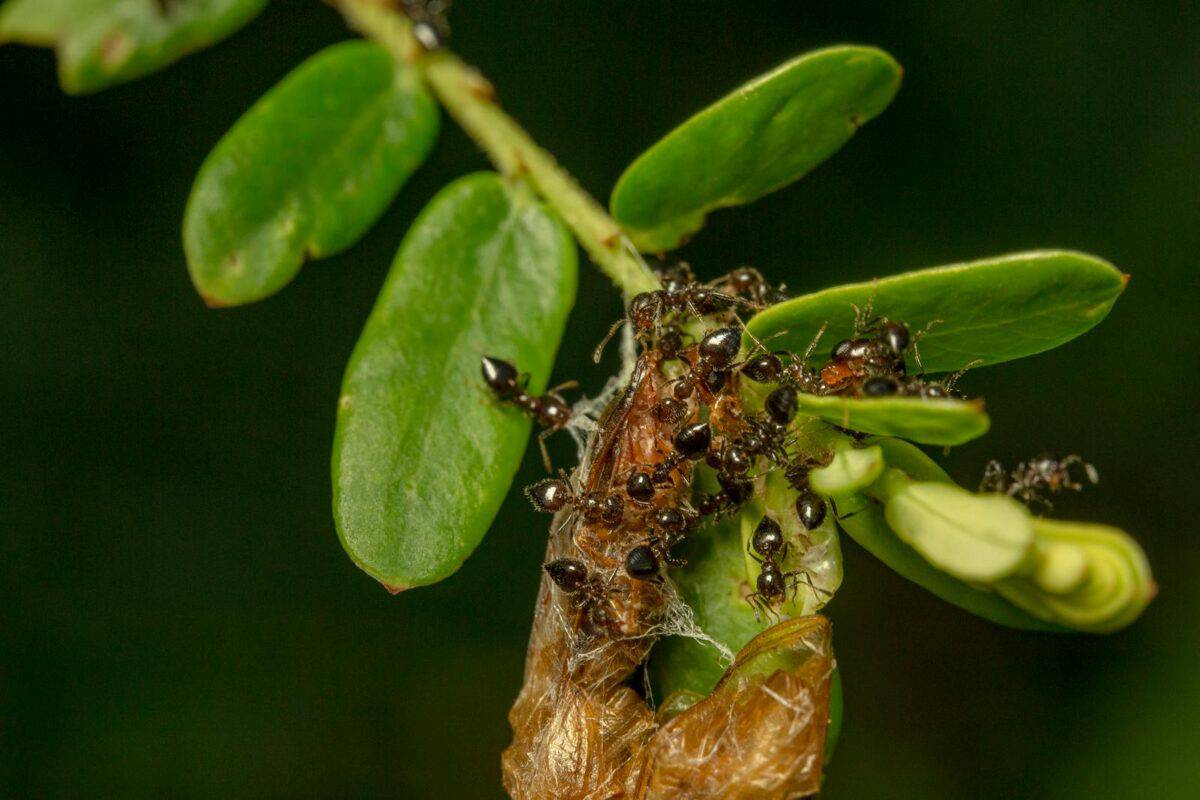
The impressive strength-to-weight ratio of ants stems primarily from their size and muscle composition. Unlike larger animals, including humans, ants benefit from what scientists call the “square-cube law.” As an organism grows larger, its volume (and therefore mass) increases at a faster rate than its muscle strength, which is proportional to the cross-sectional area of muscle tissue. Conversely, smaller creatures like ants have more muscle strength relative to their body weight. Additionally, ant muscles, particularly those in their necks and mandibles, can produce more force per unit area than the muscles of larger animals, allowing them to exert tremendous force despite their tiny size.
Which Ant Species Are the Strongest?

While many ant species demonstrate impressive strength, the Asian Weaver Ant (Oecophylla smaragdina) and the Leafcutter Ant (Atta cephalotes) are often cited as among the strongest relative to their size. The Asian Weaver Ant has been documented carrying objects up to 100 times its own weight when moving along a horizontal surface. Leafcutter ants regularly carry leaf segments that may weigh 50 times their body weight over considerable distances. The Allegheny Mound Ant (Formica exsectoides) is another remarkably strong species, capable of dragging prey items many times heavier than itself back to the colony. These strength capabilities vary depending on the ant species, individual size, and the specific task being performed.
The Engineering of Ant Anatomy

Ants’ extraordinary strength can be attributed to their exoskeleton—a hard, external structural framework that provides both protection and muscle attachment points. Unlike vertebrates, whose muscles attach to an internal skeleton, ant muscles connect directly to the inside surface of their exoskeleton. This arrangement creates a mechanical advantage, particularly when lifting or carrying objects. Their six legs distribute weight effectively, and the structure of their neck—which can withstand forces up to 5,000 times the ant’s weight before rupturing—allows certain species to lift and carry extremely heavy objects relative to their size. The neck joint in particular acts similar to a biological shock absorber, transferring force efficiently throughout the ant’s body.
Comparing Ant Strength to Human Capability
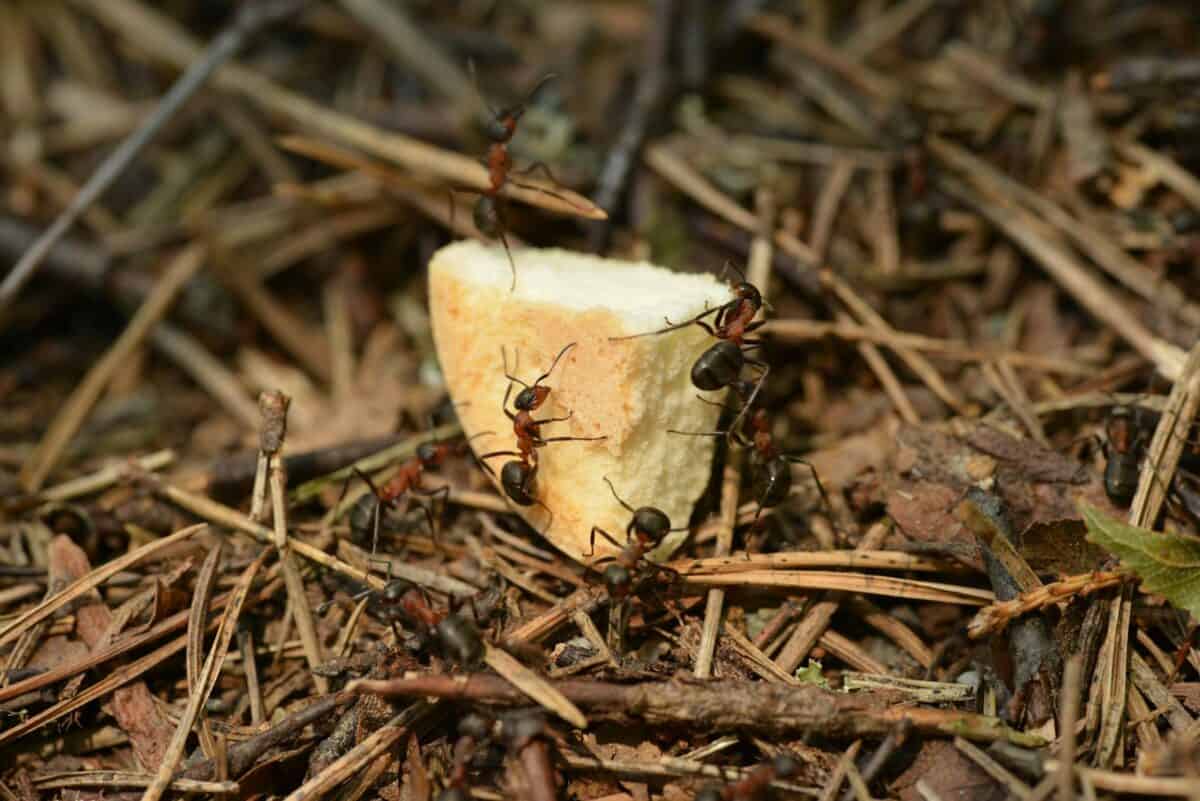
To put ant strength in perspective, if a human possessed the same strength-to-weight ratio as an ant capable of lifting 50 times its body weight, an average 180-pound person would be able to lift approximately 9,000 pounds—the weight of a full-sized school bus. The world’s strongest human weightlifters can typically lift about 3 times their body weight in controlled competition settings. Even the strongest documented human feats of strength pale in comparison to what ants accomplish routinely. This vast difference highlights not just the impressiveness of ant physiology but also the fundamental limitations that come with larger body sizes in the animal kingdom.
The Role of Strength in Ant Colonies
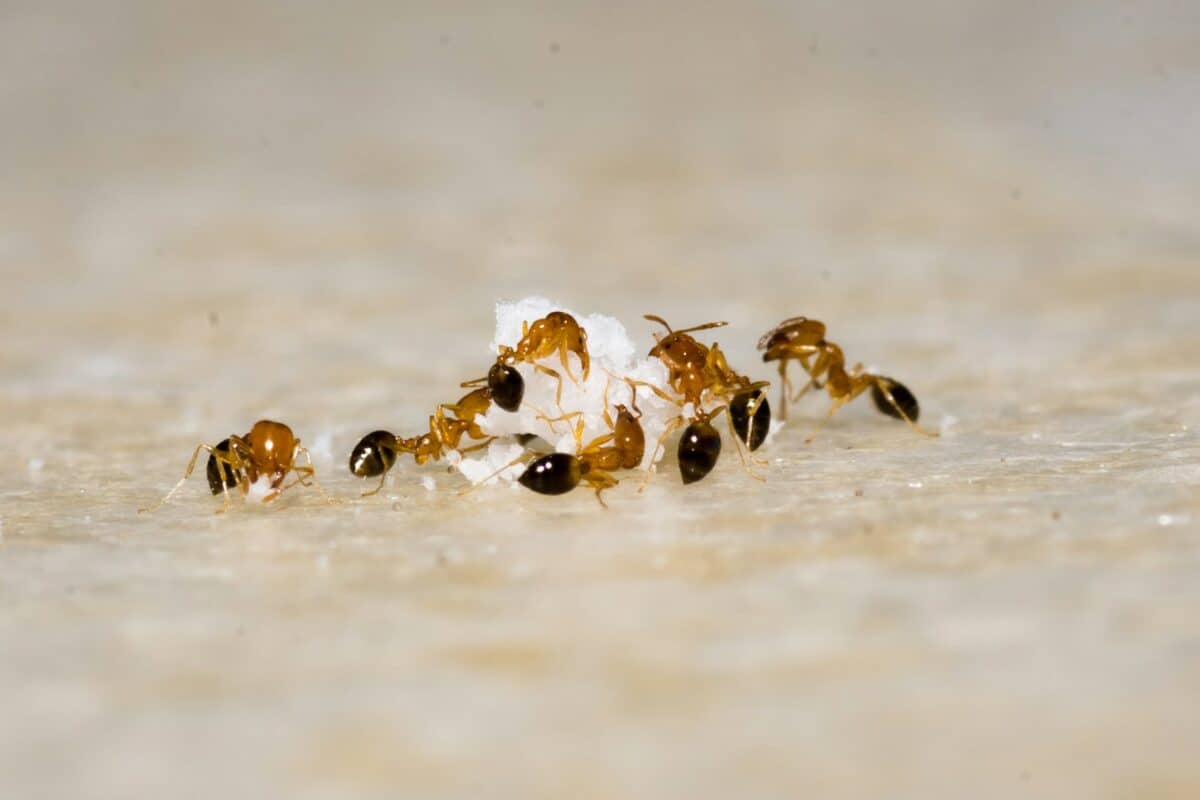
Ant strength isn’t merely a fascinating biological curiosity—it’s essential for colony survival and success. Worker ants use their remarkable strength to collect food, construct and maintain nests, defend territory, and rescue nestmates. Leafcutter ants, for example, cut and transport plant material back to their colonies to serve as substrate for the fungus gardens that provide their primary food source. Army ants use their strength to overpower prey many times their size through coordinated group attacks. The collective strength of thousands of colony members allows ant societies to manipulate their environment, achieve complex architectural feats, and efficiently gather resources in ways that would be impossible for individual insects without such proportional strength.
Mandibles: The Powerful Tools

Among the most impressive features contributing to ant strength are their mandibles—the external mouthparts used for carrying, cutting, fighting, and manipulating objects. Some species, like the trap-jaw ant, possess mandibles that snap shut at speeds reaching 145 miles per hour, generating forces hundreds of times their body weight. Soldier ants in many species develop disproportionately large mandibles specialized for defense and combat. The Asian Weaver Ant uses its mandibles not only for carrying heavy loads but also for precise manipulation during nest construction, where workers pull leaves together while others use larval silk to bind them. These versatile tools represent one of nature’s most efficient biomechanical adaptations, combining strength with precision.
Cooperative Lifting: Multiplying Strength Through Teamwork

While individual ants can lift many times their body weight, their strength becomes even more impressive when they work together. Ants exhibit remarkable cooperative behaviors when transporting large food items or building materials, effectively multiplying their strength through coordinated effort. Research has shown that groups of ants carrying objects can adjust their positions and forces applied based on the terrain and obstacles they encounter. This collective intelligence allows them to transport items that would be impossible for a single ant to move. Scientists have observed that instead of simply adding their forces linearly, ants can achieve synergistic effects through perfectly timed cooperative movements, allowing a group to move objects that might require exponentially more individual ants working independently.
Biomechanical Lessons from Ant Strength
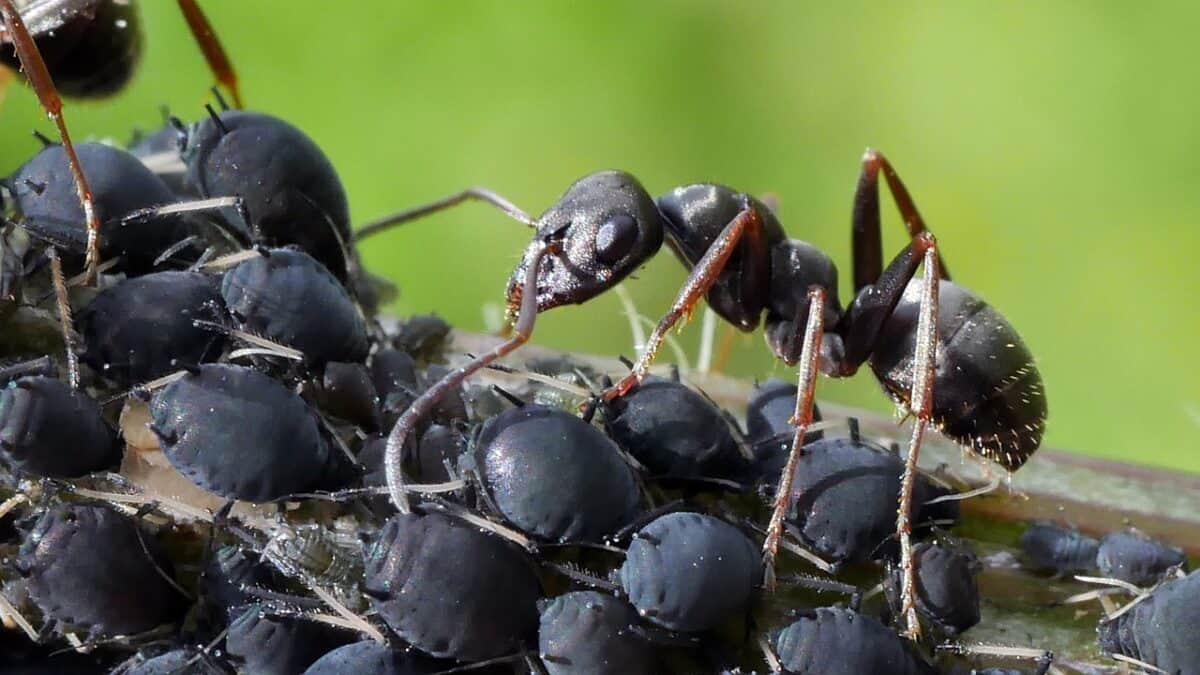
The extraordinary strength capabilities of ants have not gone unnoticed by engineers and robotics researchers. The field of biomimetics—designing machines inspired by biological systems—has drawn significant lessons from ant physiology. Researchers have developed micro-robots that mimic the strength-to-weight advantages and jointed limb structures of ants. The principles behind ant mandible mechanics have influenced the design of surgical tools and precision grippers. The proportional strength of ants has also informed the development of more efficient exoskeletons for human use, potentially helping people with mobility limitations or augmenting capabilities in industrial settings. By understanding how ants generate and apply force so efficiently, scientists continue to discover new applications for these biological design principles.
Evolutionary Advantages of Super Strength

The remarkable strength of ants didn’t develop by chance—it evolved through natural selection as a response to environmental challenges and opportunities. Ants evolved from wasp-like ancestors approximately 140-168 million years ago, and their strength capabilities have been refined through countless generations. The ability to carry large food items back to the nest provided a significant competitive advantage, allowing colonies to exploit resources other insects couldn’t access. Strong mandibles enabled better defense against predators and more effective hunting. The capacity to move soil and building materials facilitated the construction of complex nests that protected colonies from environmental threats. These advantages have contributed to ants becoming one of the most successful animal groups on Earth, representing an estimated 15-20% of terrestrial animal biomass in many ecosystems.
Measuring Ant Strength: Scientific Approaches
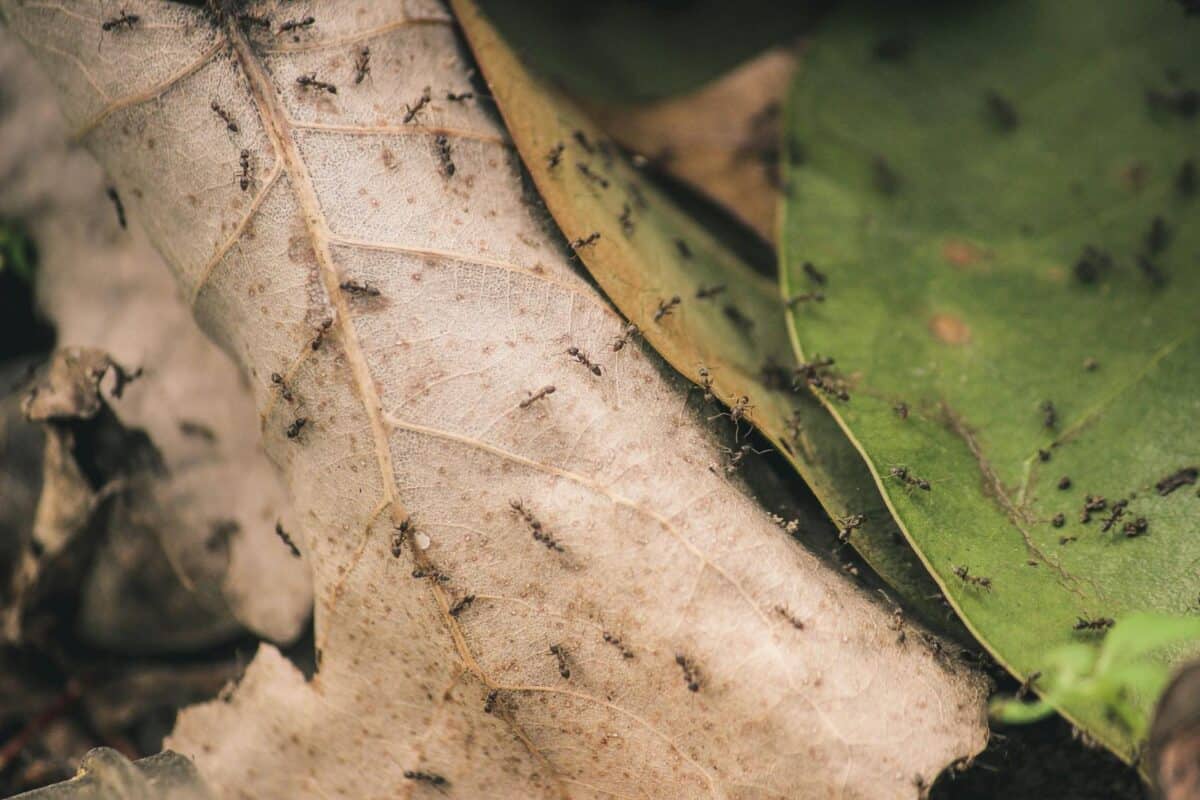
Quantifying the strength capabilities of different ant species presents unique challenges for researchers. Scientists have developed various ingenious methods to measure ant lifting and carrying capacity. Some studies use microbalances and specially designed force transducers to measure the maximum force generated by individual ants. Others attach microscopic weights to ants and observe their capacity to lift or drag these calibrated loads. High-speed videography allows researchers to analyze the mechanics of ant movement when carrying different objects. Through these methods, scientists have documented considerable variation in strength both between species and among individuals within the same colony, with factors such as age, size, and role within the colony influencing strength capabilities. These precise measurements have confirmed that many ant species can indeed regularly lift 50 times their body weight, with some individuals exceeding even this impressive benchmark.
Factors That Limit Ant Strength
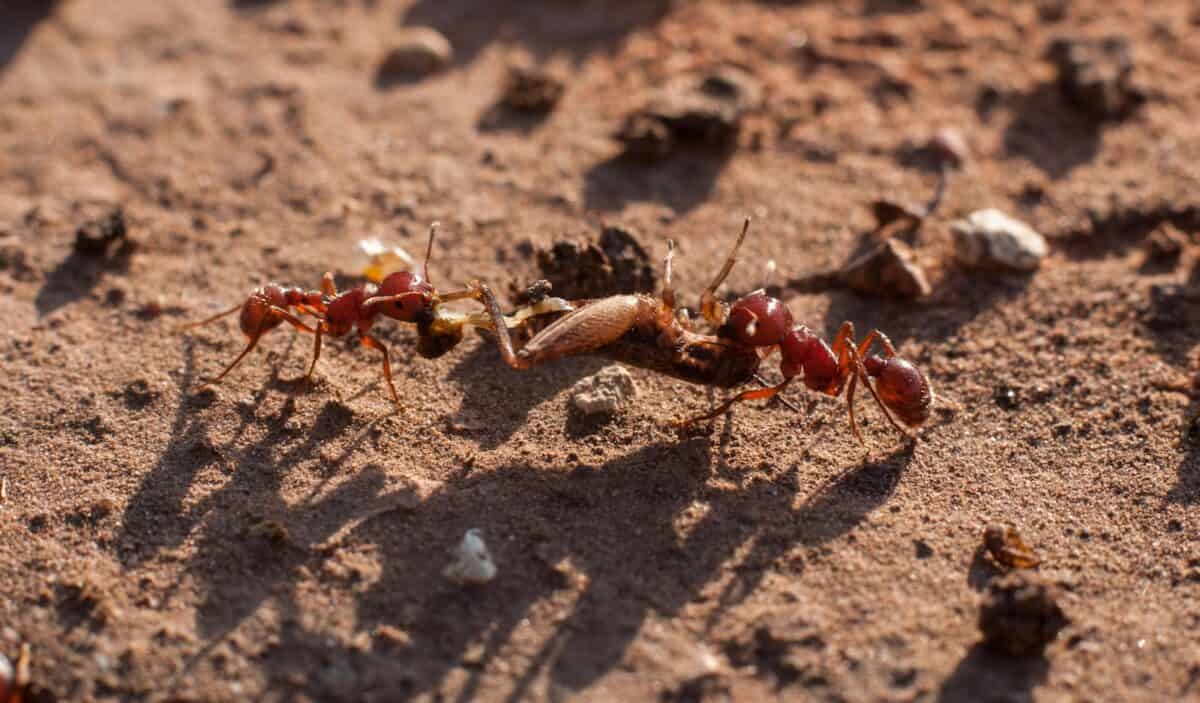
Despite their impressive capabilities, ant strength does have limits determined by both external and internal factors. Environmental conditions significantly impact performance—ants generally display reduced strength in extreme temperatures or low-oxygen environments. The physical properties of the objects being carried also matter; awkwardly shaped items that affect balance or create inappropriate leverage points can reduce effective carrying capacity. Within the ants themselves, energy availability serves as a crucial limiting factor. Carrying heavy objects increases metabolic demands, requiring more energy expenditure. Additionally, the structural integrity of the exoskeleton places absolute limits on maximum force generation before mechanical failure occurs. Research has shown that older worker ants typically demonstrate reduced carrying capacity compared to their younger counterparts, suggesting age-related physiological changes affect maximum strength over an ant’s lifespan.
Human Applications Inspired by Ant Strength
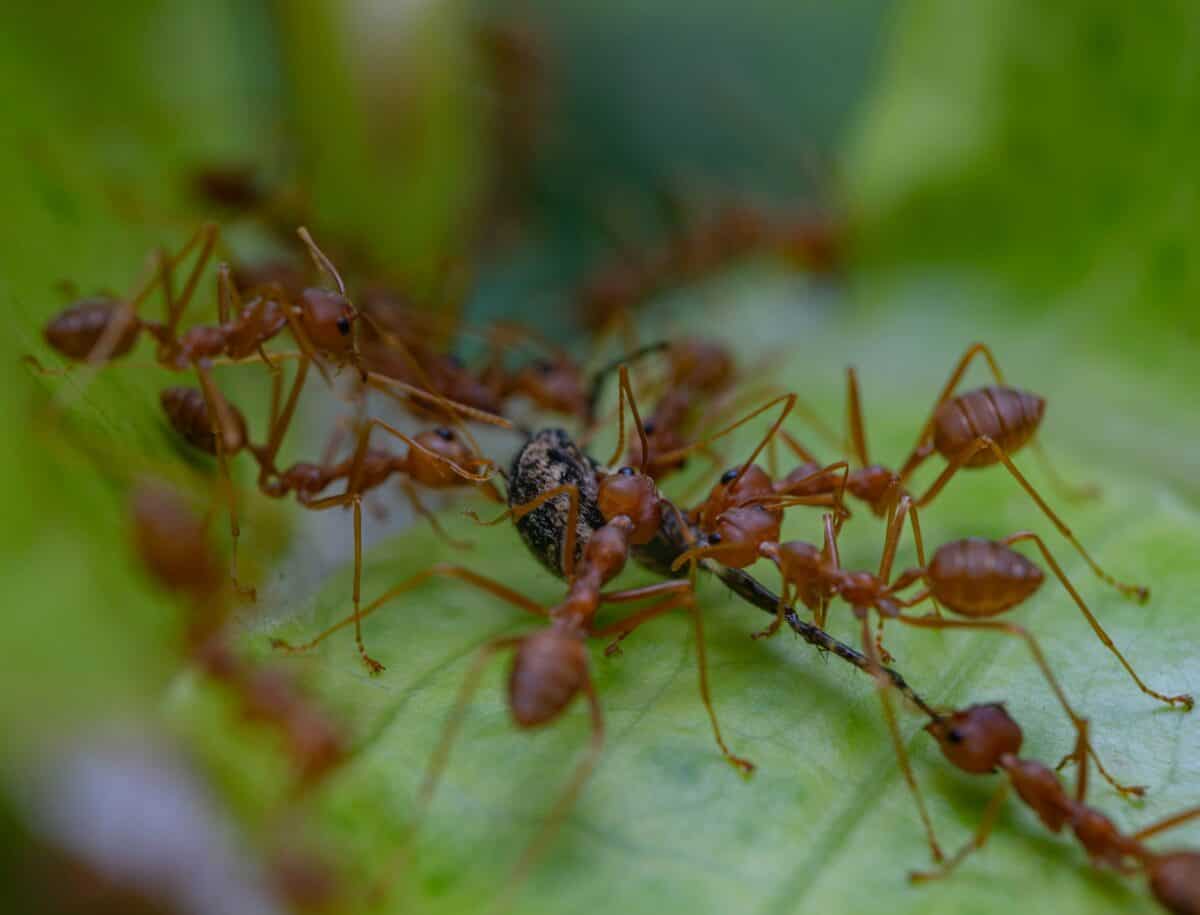
The proportional strength of ants has inspired numerous practical applications beyond basic scientific understanding. In materials science, researchers study the composition of ant exoskeletons to develop lighter, stronger structural materials for construction and transportation. The principles of distributed load-bearing observed in ant colonies have influenced structural engineering approaches for buildings and bridges. Military applications include the development of stronger body armor and more efficient load-carrying systems for soldiers based on ant biomechanics. In medicine, understanding how ant muscles generate force efficiently despite their small size has contributed to the development of microactuators for minimally invasive surgical tools. Perhaps most significantly, the field of robotics continues to advance through applying principles observed in ant strength and movement, particularly for search-and-rescue robots that must navigate complex environments while carrying or moving objects many times their own weight.
The Remarkable Legacy of Ant Strength
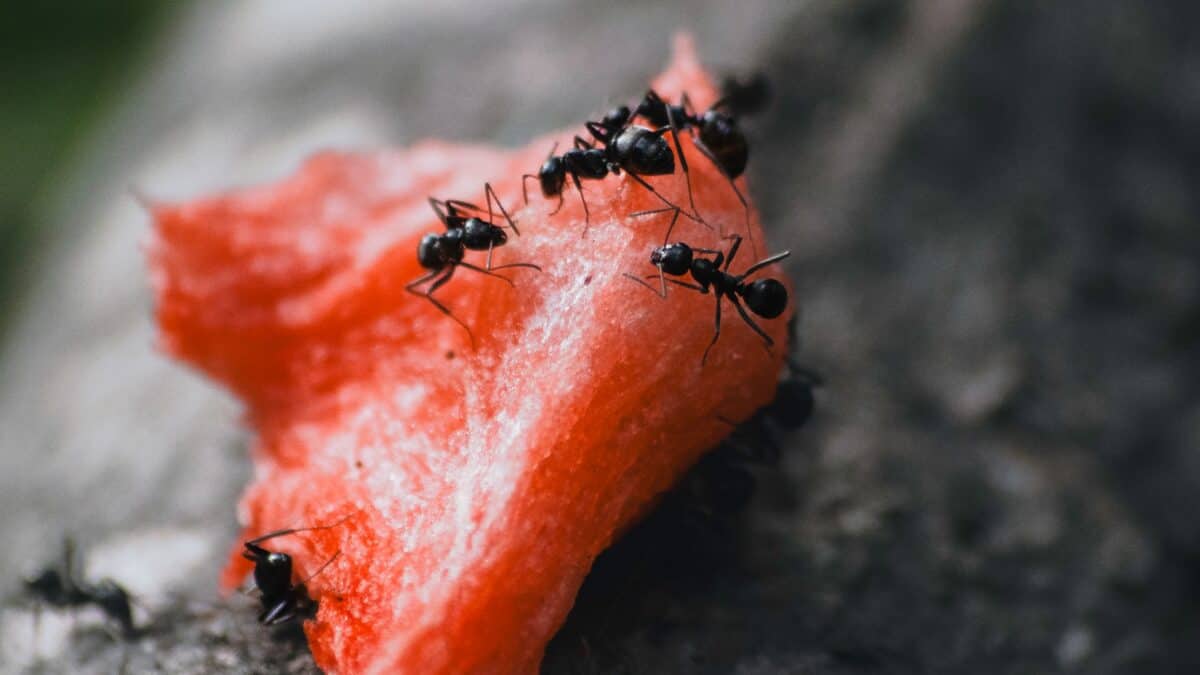
The ability of ants to lift 50 times their body weight represents one of nature’s most impressive engineering feats. This remarkable adaptation has contributed significantly to the evolutionary success of ants, allowing them to become dominant ecological forces on every continent except Antarctica. Their strength-to-weight ratio not only inspires human technological innovation but also provides a humbling reminder of nature’s elegant solutions to complex physical challenges. As scientists continue to study the biomechanics and evolutionary development of ant strength, we gain deeper insights into fundamental principles of physics, biology, and engineering. The tiny ant, often overlooked underfoot, demonstrates that true strength isn’t merely about size, but about the efficient design, application of force, and the multiplication of capability through cooperation—lessons that extend far beyond the remarkable world of these miniature powerhouses.

- The Forgotten Lake Where Flamingos Nest in the U.S. - July 10, 2026
- This U.S. Forest Is Home to the Largest Herd of Wild Elk - July 10, 2026
- The Most Dangerous Lake in the World—And Why It Can Kill Instantly - July 10, 2026