


In the realm of regenerative biology, the axolotl stands as a marvel of nature, possessing abilities that seem almost magical to human observers. While many amphibians can regenerate certain body parts, the Mexican axolotl (Ambystoma mexicanum) takes this capability to extraordinary levels. These remarkable creatures can regrow not just limbs and tails, but also parts of vital organs including the heart, spinal cord, and even portions of their brain—all without scarring or loss of function. As scientists delve deeper into understanding these regenerative mechanisms, axolotls have become central figures in research that may one day revolutionize human medicine and treatment of injuries that are currently considered permanent.
The Remarkable Axolotl: Nature’s Regeneration Champion

The axolotl, native to Lake Xochimilco in Mexico City, is an aquatic salamander that has fascinated scientists for centuries. Unlike most salamanders, axolotls exhibit neoteny—they retain juvenile features throughout their lives, including external gills that fan out from their heads like delicate coral formations. Their most extraordinary trait, however, is their unparalleled regenerative capacity. While many vertebrates can heal wounds, the axolotl can completely reconstruct complex body parts and organs with perfect structural and functional restoration. This ability extends to limbs, tail, spinal cord, heart, eyes, and portions of their brain, making them exceptional subjects for regenerative medicine research. Their cells possess a remarkable plasticity that allows them to dedifferentiate and reform into various tissue types as needed, a capability that human cells largely lack.
The Science Behind Limb Regeneration
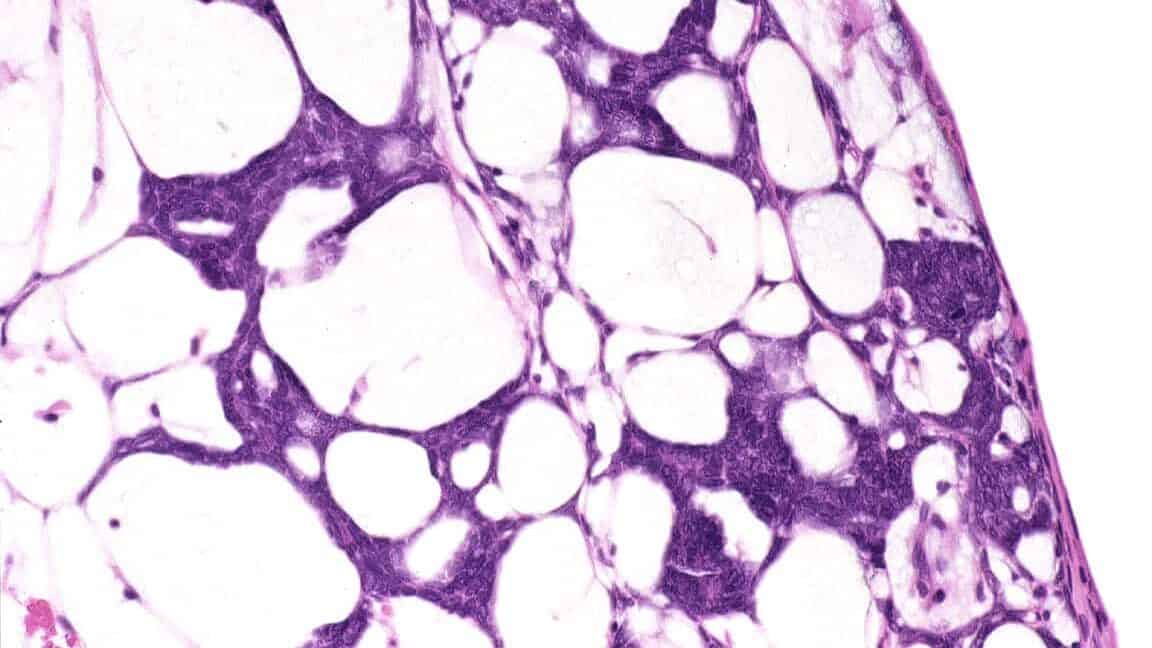
When an axolotl loses a limb, a process of extraordinary complexity begins. Within hours of amputation, epithelial cells migrate to cover the wound, forming what scientists call the wound epidermis. Beneath this protective layer, cells near the amputation site dedifferentiate—essentially reverting to a stem cell-like state—and form a blastema, a mass of cells crucial for regeneration. Unlike scar formation in mammals, which seals wounds but prevents regeneration, axolotl cells maintain positional memory, allowing them to rebuild the limb with proper orientation and structure. The entire process can take anywhere from one to two months, depending on the animal’s age, size, and environmental conditions. What’s particularly fascinating is that the regenerated limb is a perfect copy of the original, complete with bones, muscles, nerves, and blood vessels, all in their correct anatomical positions—a feat no human-made technology can yet achieve.
Brain Regeneration: The Ultimate Restoration

Perhaps even more astonishing than limb regeneration is the axolotl’s ability to repair and regenerate portions of its brain. When substantial parts of the brain are removed or damaged, axolotls can regenerate the lost neural tissue, including the cerebrum and other complex structures. Research has shown that after brain injury, neural stem cells proliferate rapidly and migrate to the damaged area. These cells then differentiate into various types of neurons and glial cells, integrating seamlessly with existing brain tissue. Even more remarkably, studies indicate that axolotls retain memories and learned behaviors after brain regeneration, suggesting functional recovery extends beyond mere structural replacement. This phenomenon stands in stark contrast to mammals, including humans, where brain damage is largely permanent and often debilitating. Understanding how axolotls accomplish this neural regeneration could potentially revolutionize treatments for traumatic brain injuries, stroke, and neurodegenerative diseases in humans.
The Regeneration Timeline: A Carefully Orchestrated Process

Axolotl regeneration follows a predictable timeline that varies depending on the structure being regenerated. For limbs, the process begins immediately after injury with the formation of the wound epidermis within 24 hours. By days 7-10, the blastema is fully formed and begins the reconstruction process. Around day 30, the new limb becomes visible as a miniature version of the original, and by day 60, the limb is usually fully regenerated, though it may continue to grow to match the size of the corresponding limb. Brain regeneration follows a similar pattern but can take longer—up to six months for complete functional recovery. Spinal cord regeneration is particularly rapid, with axons beginning to cross the injury site within days and substantial recovery occurring within weeks. This predictable timeline has allowed researchers to study the molecular signals governing each stage of regeneration, providing valuable insights into how the process might potentially be induced in human tissues.
Cellular Players in the Regeneration Process
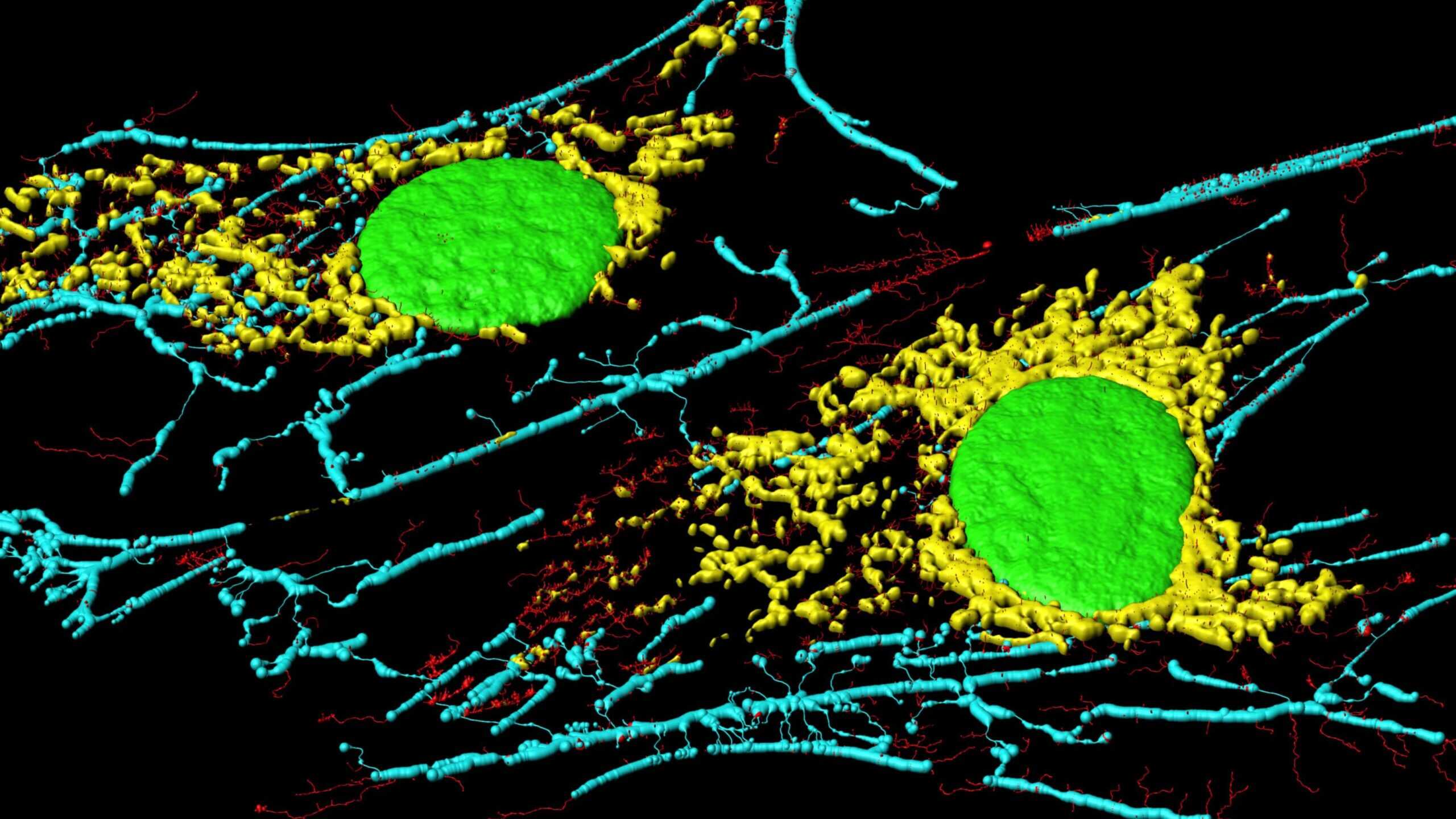
The axolotl’s regenerative abilities rely on a complex cast of cellular players. Fibroblasts, typically responsible for producing scar tissue in mammals, take on a different role in axolotls, helping to form the blastema and contributing to new tissue formation. Macrophages, critical components of the immune system, coordinate the early stages of regeneration by clearing debris and releasing signaling molecules that promote a regenerative rather than inflammatory response. Neural stem cells and progenitor cells proliferate rapidly following brain or spinal cord injury, differentiating into new neurons and glial cells. Perhaps most fascinating are the muscle satellite cells, which can dedifferentiate and redifferentiate to form not just new muscle, but also contribute to cartilage and skeleton formation in the regenerating limb. This cellular plasticity—the ability of cells to change their identity—is a key feature that distinguishes axolotl regeneration from the limited healing capabilities of mammals.
Genetic Factors Enabling Regeneration
Recent advancements in genomic technology have allowed scientists to sequence the axolotl genome, revealing genetic factors that contribute to their regenerative abilities. At approximately 32 billion base pairs, the axolotl genome is ten times larger than the human genome, containing numerous genes and regulatory elements associated with regeneration. Studies have identified several key genes that are upregulated during regeneration, including those involved in the Wnt/β-catenin signaling pathway, which helps coordinate cell proliferation and differentiation. The gene PAX7 plays a crucial role in muscle regeneration, while TGF-β family members help regulate the inflammatory response and prevent scarring. Additionally, axolotls possess unique adaptations of tumor suppressor genes like p53, allowing cells to proliferate rapidly during regeneration without developing into cancers. Perhaps most interestingly, many of these genes have human counterparts, suggesting that our limited regenerative abilities may result not from missing genes but from differences in how these genes are regulated and expressed.
The Role of the Immune System in Regeneration

The axolotl immune system plays a critical and somewhat paradoxical role in regeneration. Unlike in mammals, where inflammation often impedes healing and promotes scarring, the axolotl’s immune response actively supports regeneration. Within hours of injury, macrophages and other immune cells infiltrate the wound site, but instead of triggering a prolonged inflammatory response, they release factors that promote healing and regeneration. Research has shown that depleting macrophages significantly impairs the regenerative process, indicating their essential role. Additionally, the axolotl immune system appears to be more tolerant of the blastema cells, which express markers that might trigger rejection in mammals. This balanced immune response—enough to prevent infection but not so aggressive as to impede regeneration—represents another key difference between axolotls and humans. Understanding how axolotls modulate their immune response could potentially help develop treatments to reduce scarring and promote healing in human patients.
Comparing Axolotl Regeneration to Other Species

While the axolotl’s regenerative abilities are extraordinary, they are not entirely unique in the animal kingdom. Various species possess different degrees of regenerative capacity, creating a fascinating spectrum for comparative study. Planarians, small flatworms, can regenerate their entire bodies from tiny fragments, owing to a high proportion of adult stem cells. Zebrafish can regenerate fins, heart tissue, and parts of their brain, making them valuable research models. Some reptiles, like certain lizards, can autotomize (self-amputate) and regrow their tails, though the regenerated structure lacks the vertebral column of the original. Even mammals show limited regeneration—mouse digit tips can regenerate if amputated at the right position, and deer annually regrow their antlers. Humans, while possessing the poorest regenerative abilities among those mentioned, can regenerate liver tissue and fingertips (particularly in children). This comparative approach helps scientists identify both conserved regenerative mechanisms that might be activated in humans and unique adaptations that make axolotl regeneration so complete.
Environmental Factors Affecting Regeneration

The axolotl’s remarkable regenerative abilities are not constant but can be influenced by various environmental factors. Temperature plays a crucial role—regeneration proceeds most efficiently within an optimal temperature range of 16-18°C (60-64°F). At lower temperatures, the process slows significantly, while higher temperatures can stress the animal and impair regeneration. Water quality is equally important; pollutants and toxins can inhibit the complex cellular processes required for proper regeneration. Nutritional status also affects regeneration speed and quality, with well-fed axolotls regenerating more quickly and completely than undernourished individuals. Age is another significant factor, with younger axolotls generally regenerating faster and more perfectly than older specimens. Interestingly, the capacity for regeneration persists throughout the axolotl’s lifespan, though it may diminish somewhat with advanced age. These observations highlight that regeneration is not merely a genetic program but a complex process influenced by the animal’s overall physiological state and environment.
Applications in Human Medicine

The axolotl’s extraordinary regenerative abilities hold tremendous potential for applications in human medicine. Researchers are studying axolotl regeneration to develop new approaches for treating spinal cord injuries, which currently have limited recovery options. The perfect scar-free healing observed in axolotls could inform treatments for burn victims and others suffering from extensive scarring. Understanding how axolotls regenerate heart tissue might lead to therapies for heart attack patients, potentially allowing damaged cardiac muscle to be replaced rather than forming non-functional scar tissue. Perhaps most ambitiously, insights from axolotl brain regeneration could eventually contribute to treatments for traumatic brain injuries, stroke, and neurodegenerative diseases like Alzheimer’s and Parkinson’s. While direct transfer of axolotl regeneration to humans faces significant biological barriers, including our more complex immune system and different cellular responses to injury, identifying the key molecular pathways could potentially allow scientists to activate dormant regenerative capabilities in human tissues or develop drug therapies that mimic aspects of the axolotl’s regenerative response.
Conservation Status and Research Challenges
Despite their scientific importance, wild axolotls face severe conservation challenges. They are critically endangered in their native habitat, with wild populations declining by more than 99% since the 1980s due to urban expansion, water pollution, and introduced predatory fish species. Today, fewer than 1,000 wild axolotls are estimated to remain in the canals of Xochimilco. While they breed readily in captivity, ensuring the genetic diversity of research populations presents ongoing challenges. The axolotl’s enormous genome—about ten times larger than the human genome—posed significant obstacles to sequencing efforts until recent technological advances finally allowed its complete sequencing in 2018. Additionally, the long lifespan and generation time of axolotls (compared to other laboratory models like zebrafish) can slow research progress. Ethical considerations also surround axolotl research, particularly in balancing the potential medical benefits against the welfare of these sentient creatures. Despite these challenges, international conservation efforts and research programs continue to work toward preserving both wild axolotl populations and their invaluable contributions to regenerative medicine research.
Future Directions in Axolotl Regeneration Research
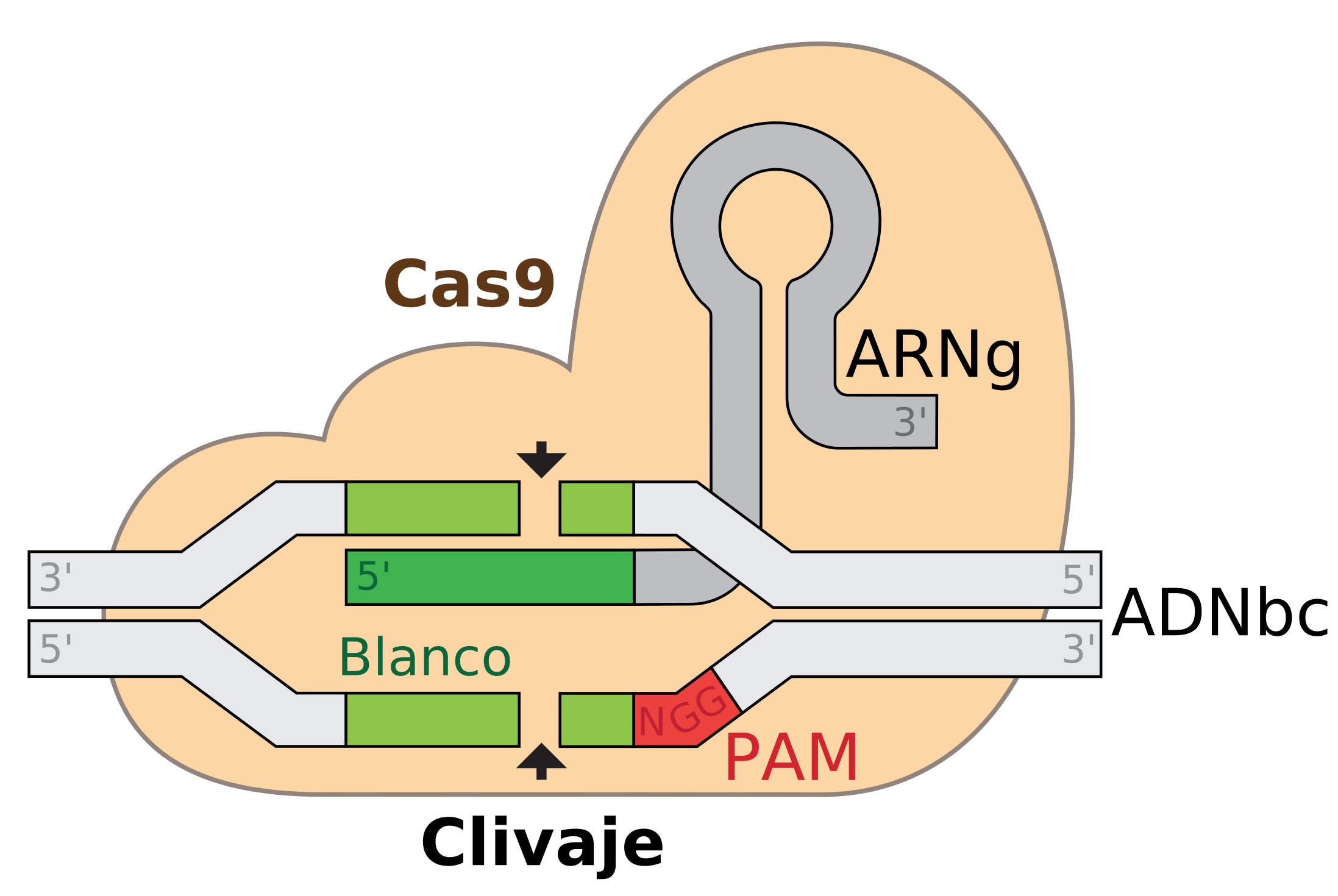
Research into axolotl regeneration continues to advance rapidly, with several promising directions emerging. Single-cell RNA sequencing technologies are allowing unprecedented insights into the molecular changes occurring in individual cells throughout the regeneration process. CRISPR-Cas9 gene editing techniques, recently adapted for use in axolotls, enable researchers to precisely manipulate genes to determine their roles in regeneration. Three-dimensional imaging techniques provide detailed visualizations of the structural changes during regeneration, while advances in tissue engineering offer potential for creating hybrid human-axolotl in vitro models to test regenerative therapies. Another exciting frontier involves comparative studies between axolotls and closely related salamander species with different regenerative capacities, helping to identify the specific genetic and cellular adaptations that enable the axolotl’s exceptional abilities. As these research tools continue to develop, our understanding of the fundamental mechanisms behind axolotl regeneration will deepen, potentially bringing us closer to revolutionary medical applications.
The axolotl’s extraordinary ability to regenerate complex structures, including portions of its brain and entire limbs, represents one of nature’s most remarkable adaptations and offers invaluable lessons for human medicine. Through studying these unique creatures, scientists have uncovered cellular and molecular mechanisms that challenge our understanding of what’s possible in tissue regeneration and repair. While we may never achieve the axolotl’s level of regenerative capacity in humans, each discovery brings us closer to developing treatments that could improve outcomes for patients with currently irreparable injuries and conditions. As we continue to unravel the secrets of axolotl regeneration, we must also ensure the conservation of these remarkable animals, recognizing that they are not just scientific curiosities but sentient beings whose existence in the wild hangs precariously in the balance. The story of the axolotl reminds us that sometimes the most extraordinary solutions to human challenges can be found by observing and respecting the remarkable adaptations that have evolved in the natural world around us.

- Owls and Other Forest Dwellers of the Cascades - July 19, 2026
- What Happens When a Python Eats Something Too Big? - July 19, 2026
- Baby Koalas Hug Their Moms for Safety and Comfort - July 19, 2026