
There’s a moment many people over 60 know too well – the house goes quiet, the evenings stretch long, and the absence of another living presence starts to feel heavy. A dog doesn’t fix everything, but the right one can genuinely change the texture of your days. Not just company, but a reason to get up, step outside, and feel needed again.
The tricky part? Not every dog is the right dog. Some breeds will wear you out. Others will thrive on your pace, curl up beside you, and match your life so naturally it’ll feel like they were made for it. The 15 breeds below are the ones that actually deliver on that promise – and a few of them might genuinely surprise you.
Fast Facts
- A 12-year Swedish study of 3.4 million adults found dog owners living alone had a 33% lower risk of all-cause death than non-dog-owning solo households.
- Adults over 60 who own pets are 36% less likely to describe themselves as lonely than non-pet owners.
- Dog walking is linked to lower BMI, fewer doctor visits, and more frequent exercise in seniors.
- Pet ownership in solitary seniors may slow cognitive decline by up to 30%, according to UCI Health research.
- The American Heart Association acknowledges a plausible causal link between dog ownership and reduced cardiovascular disease risk.
15 – Shih Tzu
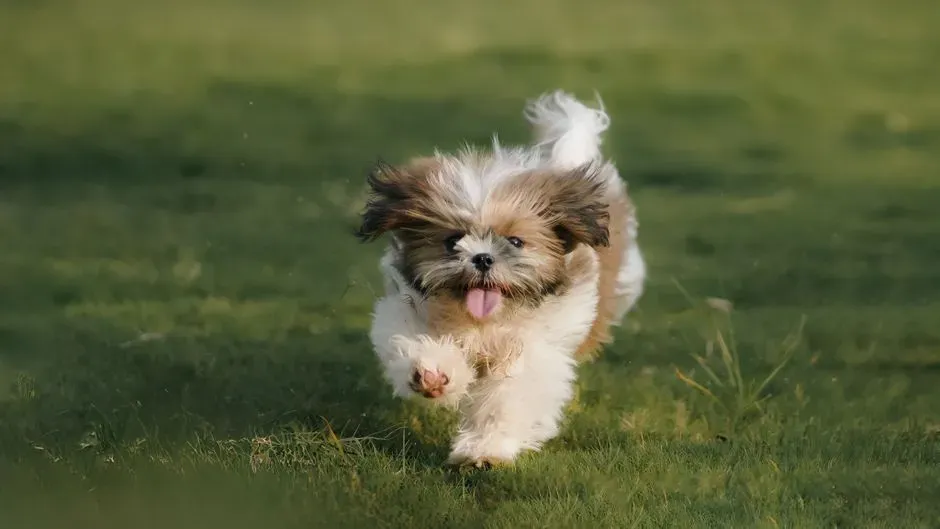
Don’t let the glamorous coat fool you – underneath all that fur is one of the most easygoing, people-devoted dogs you’ll ever meet. Shih Tzus were literally bred for one job: keeping their owner company. They’re not herding dogs or guard dogs. They’re lap dogs in the truest, most intentional sense, and they take that role seriously.
They need only short daily walks and are perfectly content in an apartment or a small house. Many owners skip the high-maintenance long coat entirely and keep their Shih Tzu in a short “puppy cut” that takes grooming from a chore to a quick brush. Calm, quiet, and endlessly affectionate – this breed sets the tone for everything on this list.
14 – Poodle (Toy or Miniature)
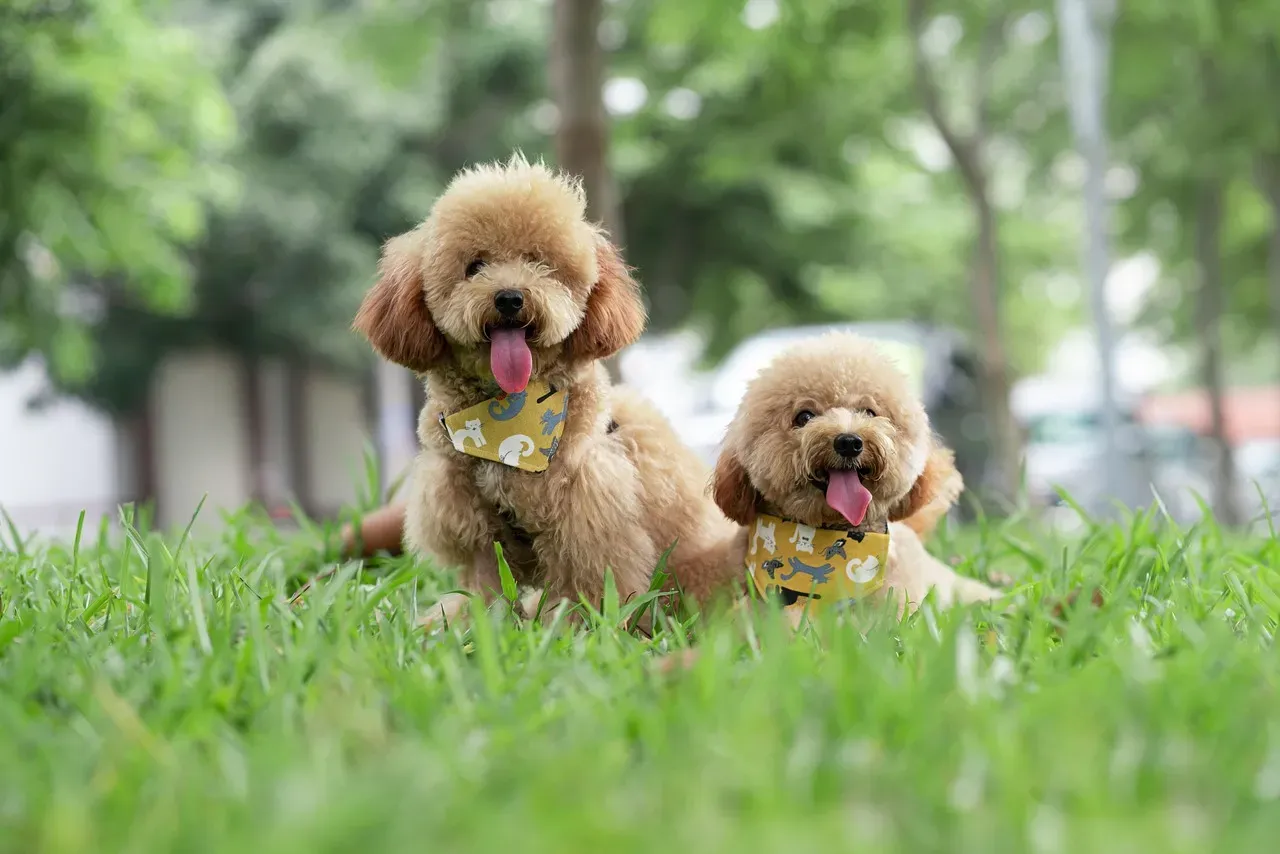
If you’ve ever wanted a dog that actually listens, the Toy or Miniature Poodle will feel like a revelation. These dogs are ranked among the most intelligent breeds in the world, and that intelligence translates directly into how easy they are to live with. They learn routines fast, pick up on moods, and respond to calm, consistent handling in a way that makes everyday life genuinely smoother.
Their hypoallergenic, low-shedding coats are a major practical win for anyone who doesn’t want dog hair coating every surface. They adapt just as happily to a quiet retired lifestyle as they do to a more active one. Toy Poodles weigh as little as 4 pounds; Miniatures top out around 15. Either way, you’re getting a big personality in a very manageable package.
13 – Maltese
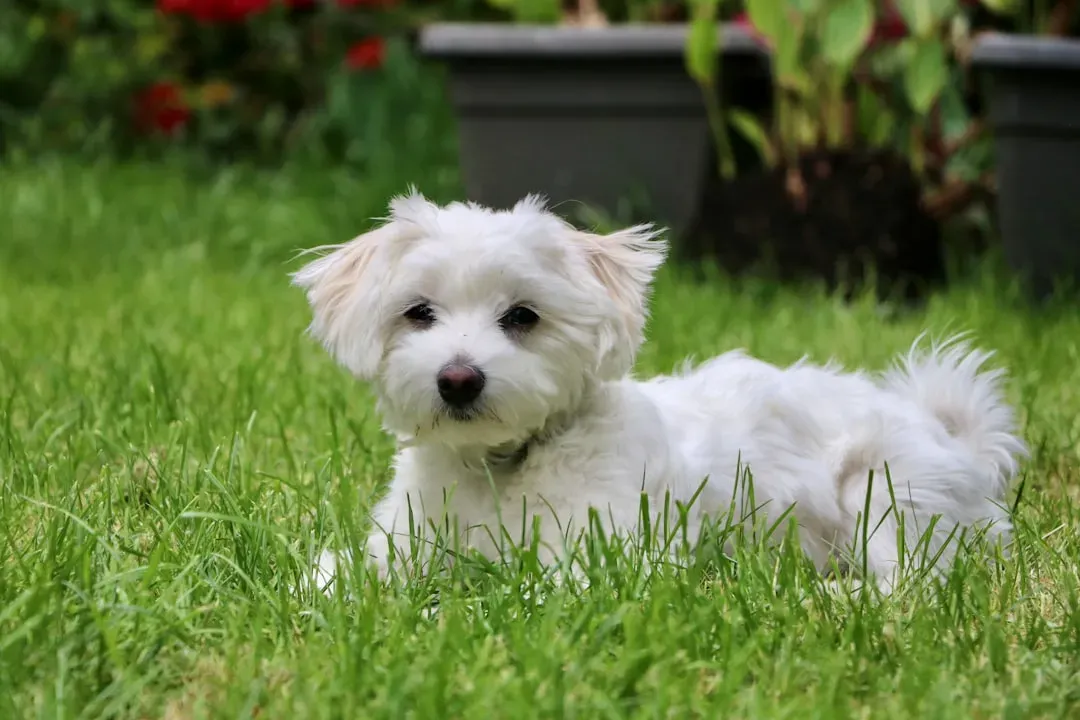
The Maltese has been a companion dog for over two thousand years – ancient Greeks and Romans kept them, Renaissance nobles painted them, and they’ve barely changed because there was never any reason to. They’re small, gentle, deeply devoted, and ask for very little beyond your presence and a little daily brushing.
At under 7 pounds, they’re easy to carry, easy to manage, and easy to take almost anywhere. Their affectionate temperament makes them naturals as therapy dogs, but more importantly for someone living alone, they’re the kind of dog that gravitates toward you – seeks you out, settles near you, and makes the quiet feel less empty. That’s not a small thing.
12 – Bichon Frisé
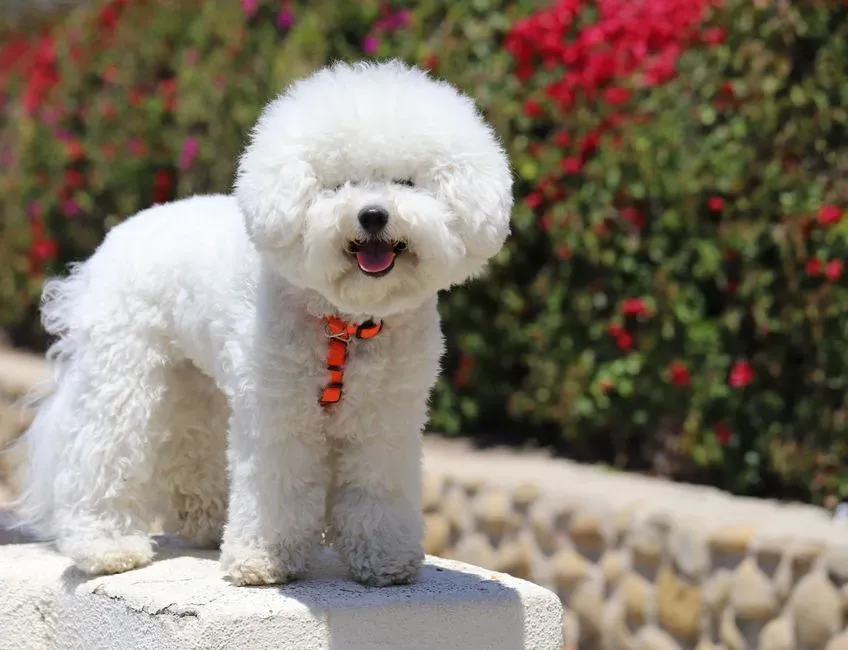
If there’s a breed that seems constitutionally incapable of a bad mood, it’s the Bichon Frisé. These dogs are genuinely cheerful in a way that’s almost contagious – bouncy without being overwhelming, social without being needy. They love people, get along with guests and other animals, and bring a low-grade warmth to any room they’re in.
They’re also hypoallergenic and low-shedding, which matters more than people expect until they’ve lived with a heavy shedder. A Bichon is equally happy going for a short walk around the block or spending a slow Sunday morning on the couch with you. For seniors who want a dog that fits around their life rather than demanding to run it, the Bichon hits a rare sweet spot.
At a Glance: Small Breed Lifespans
- Maltese: 12–15 years
- Bichon Frisé: 12–15 years
- Shih Tzu: 10–16 years
- Toy Poodle: 14–18 years
- Pomeranian: 12–16 years
11 – French Bulldog
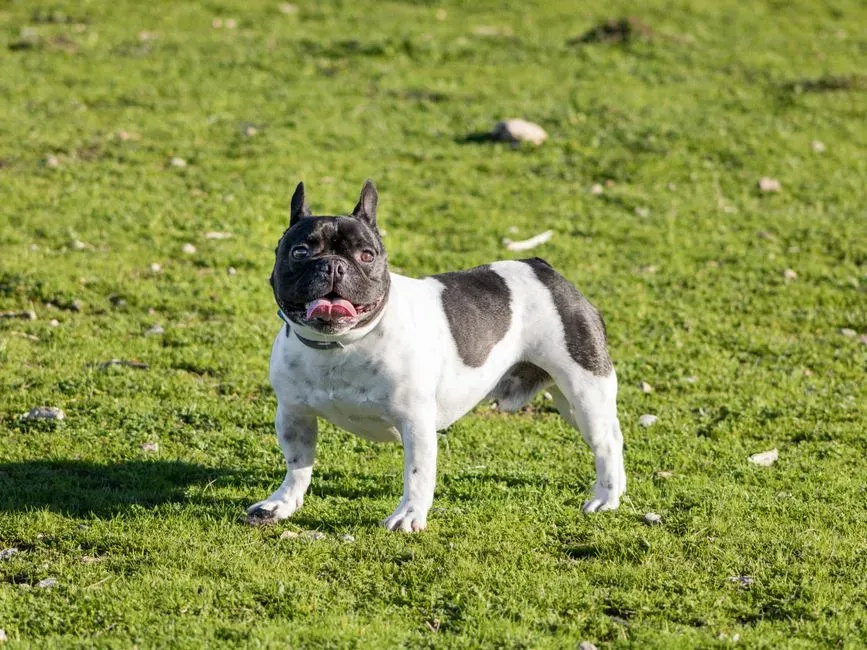
The French Bulldog is essentially a small dog in a compact, muscular frame with the personality of a devoted couch companion who occasionally acts ridiculous for your entertainment. They’re quiet, they don’t need much exercise, and they form strong attachments to their person – the singular human they’ve decided is their whole world.
Frenchies are a particularly good fit for apartment living. No yard required, no long trail hikes needed. A couple of short walks a day and a warm spot next to you on the sofa, and they’re genuinely content. Their short coat means minimal grooming. The one honest caveat: they can have health issues related to their flat face, so it’s worth sourcing from a responsible breeder. But for the right owner, a French Bulldog repays that care with years of loyal, low-drama company.
10 – Pug
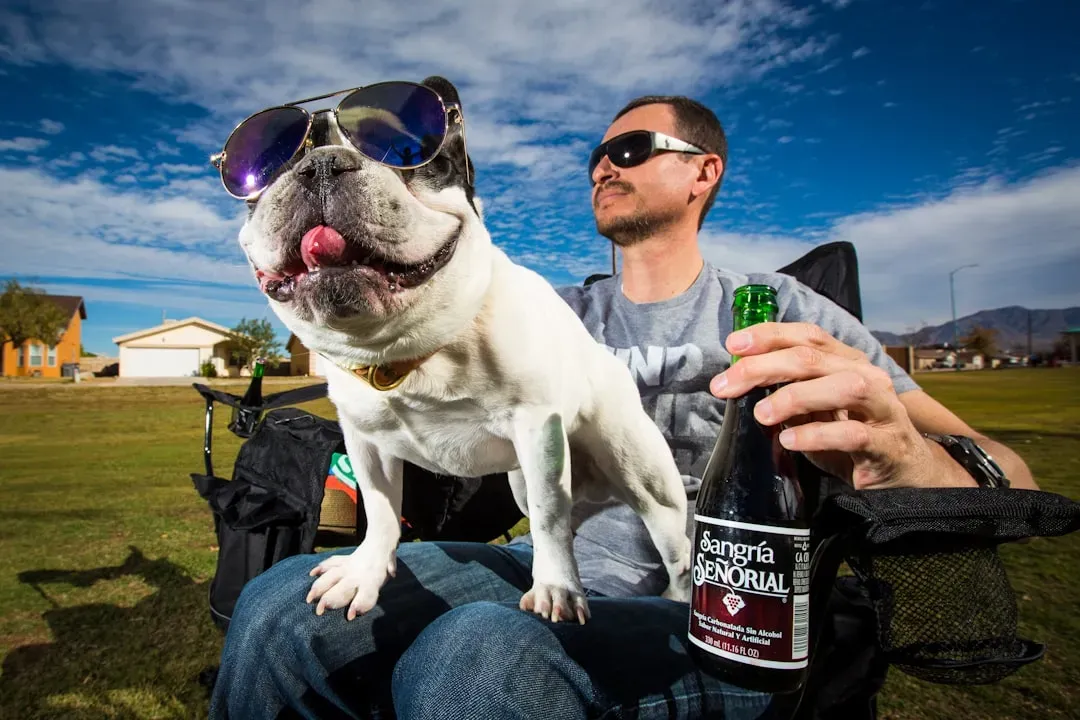
Pugs are one of those breeds people either find immediately charming or take a little time to warm up to – and then they’re devoted forever. There’s something about a Pug’s expressive, wrinkled face and unshakeable desire to be physically close to their owner that wins people over completely. They don’t want to be in the next room. They want to be on your lap.
Exercise needs are minimal, which is honest good news for owners who aren’t looking to run marathons. Short daily walks keep them happy and healthy. One practical note: those adorable facial wrinkles need a quick wipe-down regularly to prevent irritation – it takes about 30 seconds and becomes second nature fast. In return, you get a calm, funny, affectionate companion who treats every moment with you like it’s exactly where he wanted to be.
9 – Havanese
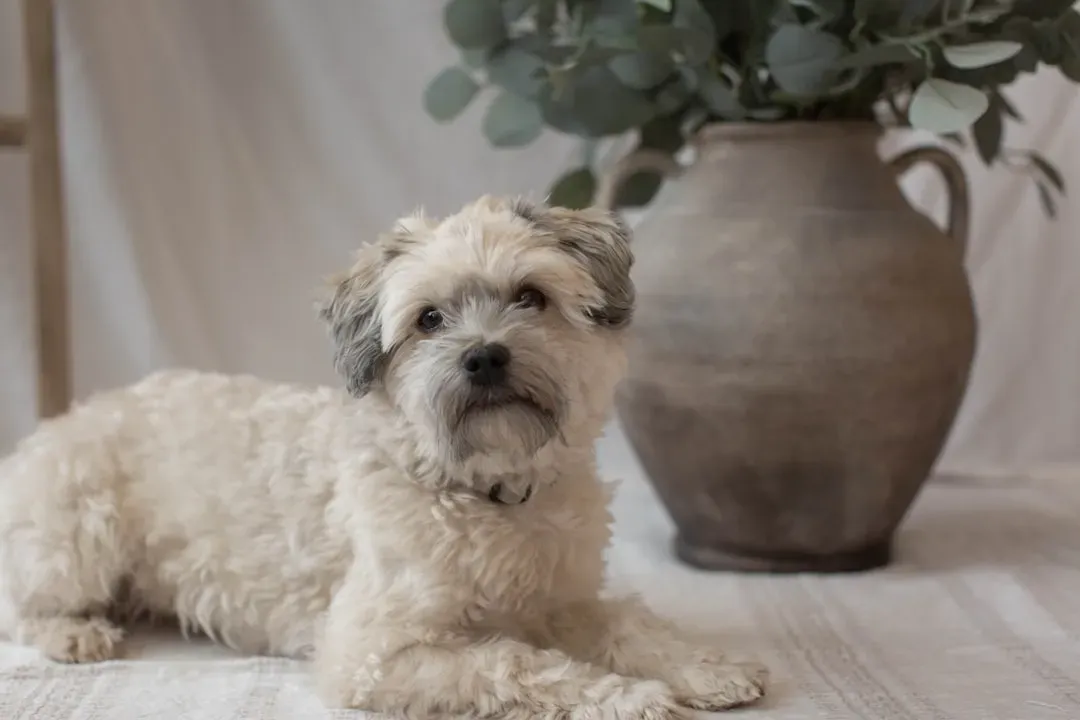
Cuba’s only native breed, the Havanese developed specifically as a companion dog for families in Havana – and you can feel that history in how naturally they attach to people. They’re cheerful, expressive, and social in a way that makes them wonderful for seniors who have visitors or other pets, but equally wonderful for someone living quietly alone.
Their long silky coat is beautiful but manageable – many owners keep it trimmed short for easier care. What sets the Havanese apart from similar small breeds is a certain emotional attunement. They’re sensitive to their owner’s mood and tend to respond in kind, offering more active engagement when you’re up for it and calm presence when you’re not. That kind of adaptability is genuinely valuable when you live alone.
8 – Cavalier King Charles Spaniel
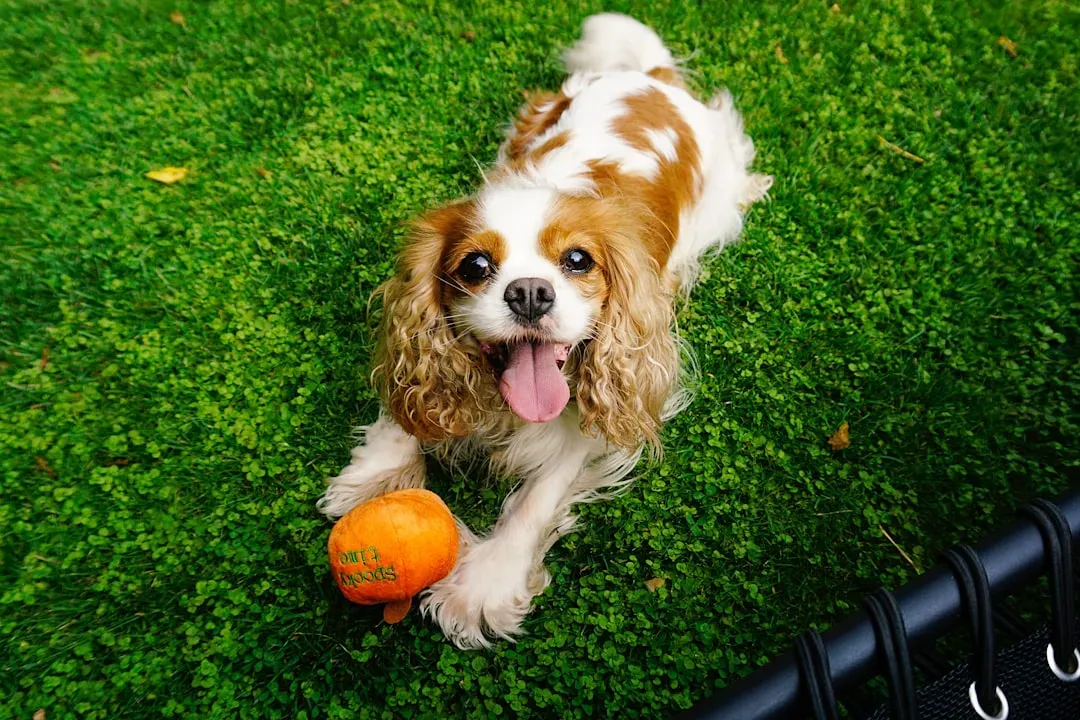
The Cavalier is the breed that consistently appears on every “best dog for seniors” list – and for good reason. They have a gentleness that feels almost deliberate, a soft temperament that pairs naturally with a slower-paced life. They enjoy a daily walk, but they’re not demanding about it. They want to be near you above everything else.
The Cavalier King Charles Spaniel is a gentle, affectionate breed that thrives as part of a family. They do not do well living away from people.
American Kennel Club
That last part matters when you live alone: this is a dog that genuinely needs human closeness, which means you’ll never feel like you’re imposing on them by wanting company. They’re medium-sized, manageable, and adaptable to both houses and apartments. Regular grooming keeps their silky coat from matting, but it’s also an excuse to sit quietly together – which both of you will probably enjoy.
Worth Knowing: Cavalier King Charles Spaniel
- Weight: 13–18 lbs – light enough to lift, substantial enough to feel present
- Lifespan: 9–14 years
- Exercise: One moderate daily walk is enough; they adapt well to your pace
- Temperament: Gentle, calm, deeply human-oriented – rarely shows aggression
- Best for: Seniors in apartments or homes who want a warm, attentive shadow
7 – Coton de Tulear
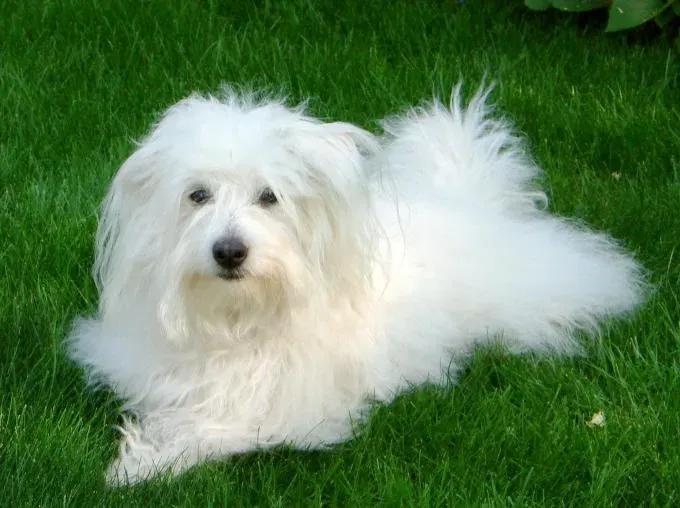
The Coton de Tulear is the breed most people have never heard of until they meet one – and then they can’t stop talking about it. Named for their cotton-soft white coat and the port city of Tulear in Madagascar, these dogs are joyful, clownish, and deeply bonded to their people. They were bred as companion animals, full stop, and they’ve never forgotten it.
They need minimal exercise – short walks and a little indoor play go a long way. Their coats are long and soft but surprisingly tangle-resistant compared to similar breeds, though regular brushing is still worth the effort. What you get in return is a dog who follows you from room to room, greets every morning like a small celebration, and makes it genuinely hard to feel lonely. For someone living alone, that daily enthusiasm isn’t trivial.
6 – Pomeranian
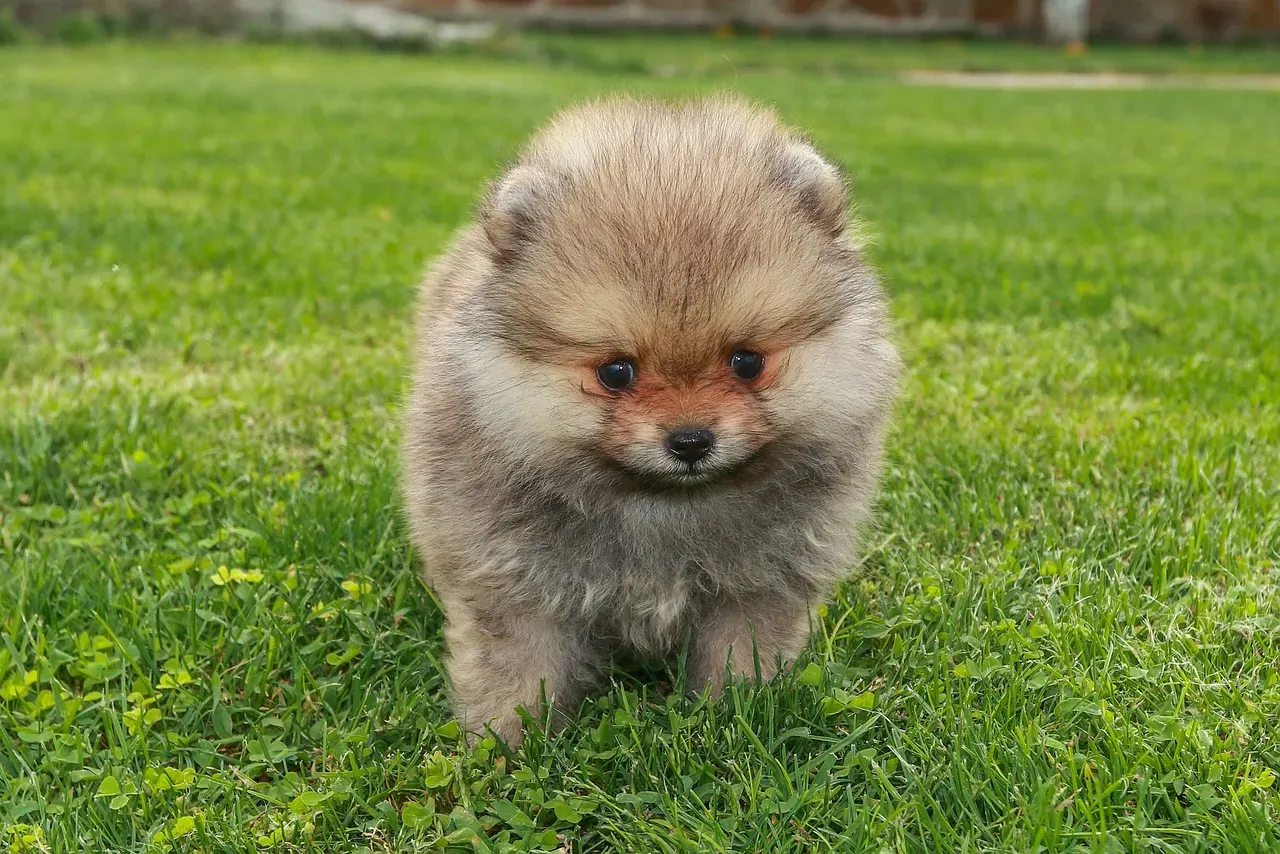
Don’t mistake a Pomeranian’s small size for fragility – these dogs have the confidence of an animal twice their size and a personality that fills a room. They’re lively, alert, and form fierce loyalties to their owner. For someone living alone, that bond can feel remarkably sustaining. A Pom notices when you’re home, notices when you’re sad, and makes a point of being near you.
Their natural alertness makes them surprisingly effective little watchdogs – they’ll let you know when someone’s at the door long before the knock lands. They don’t require heavy exercise, just short daily walks and a little play. Their fluffy double coat needs regular brushing to stay beautiful, but many owners find that grooming routine becomes one of the quiet pleasures of the day. A Pomeranian earns its place not through size or utility, but through sheer warmth.
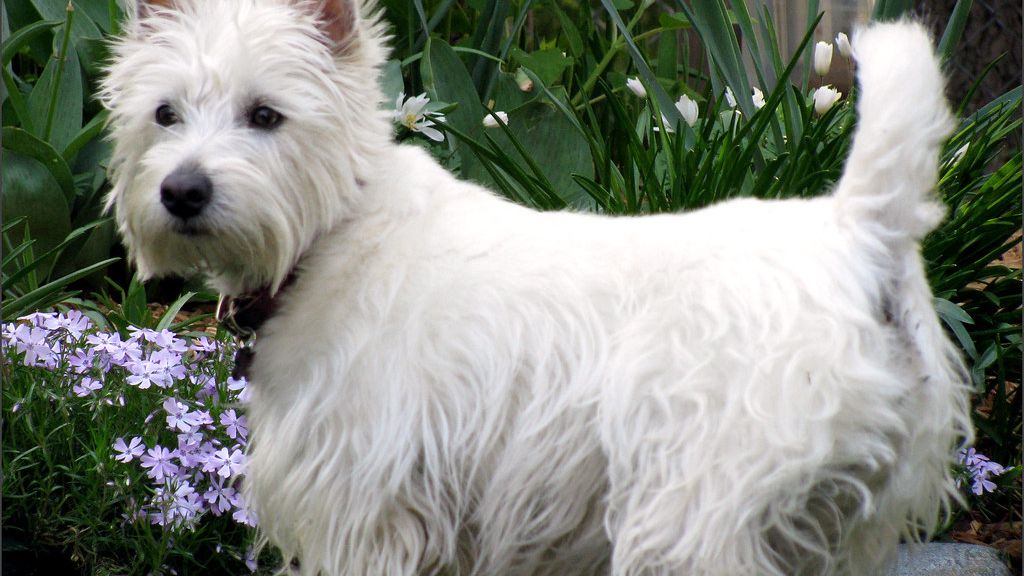
5 – West Highland White Terrier (Westie)
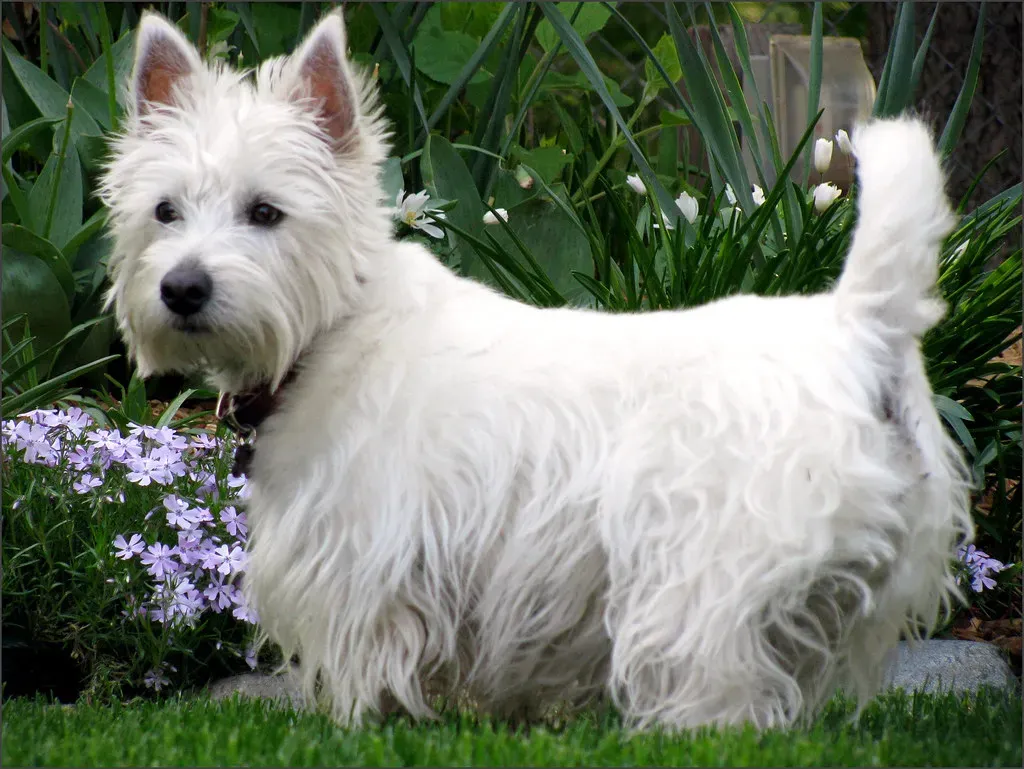
The Westie is a dog with opinions. Unlike some of the softer, more yielding breeds on this list, a West Highland White Terrier brings a sturdy, spirited independence that some seniors find genuinely energizing. They’re confident, curious, and game for whatever the day holds – a longer walk on a good day, a quiet afternoon inside when you’re not feeling it.
They’re compact and hardy, built originally for Scottish terrain, which means they’re tough without being difficult. Their crisp white coats need regular grooming but don’t shed heavily. Westies are best suited to seniors who want a dog with a little personality – one that feels like a companion with its own point of view rather than a pet that just follows orders. If that sounds appealing, a Westie won’t disappoint.
4 – Pembroke Welsh Corgi
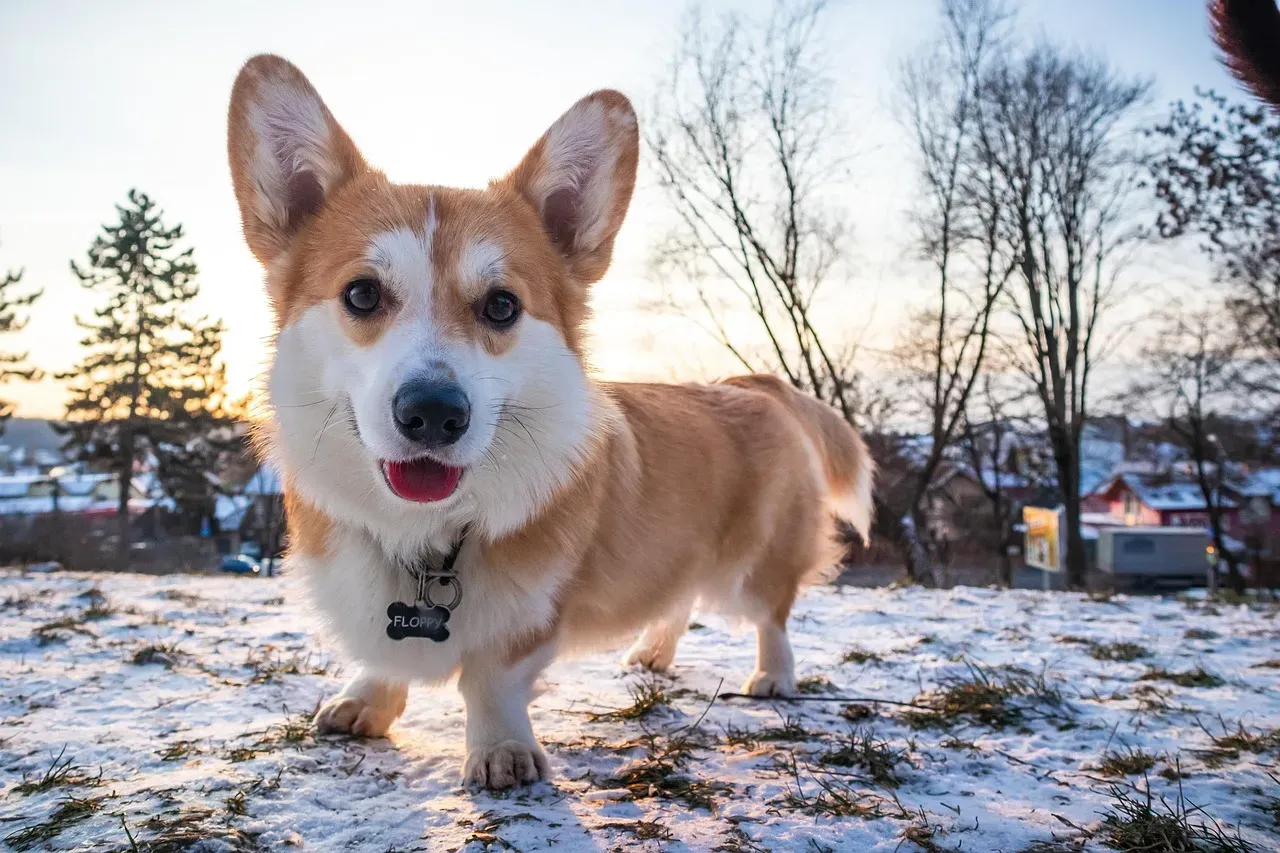
Corgis carry a quiet dignity that’s hard to explain until you’ve been around one. They’re smart, calm in the home, and extraordinarily loyal to their person. Queen Elizabeth II kept them for over seven decades – not because it was tradition, but because they’re genuinely exceptional company. A Corgi doesn’t just tolerate your presence; it prefers it.
They need moderate daily exercise – a real walk, not just a shuffle to the end of the block – which can be a genuine benefit for seniors who want a reason to stay active but not a dog that will pull them off their feet. Corgis are alert and vocal enough to provide a sense of security at home, but not so high-strung that they’re exhausting. At around 25 to 30 pounds, they’re substantial without being difficult to manage.
Quick Compare: Matching Energy Level to Lifestyle
- Low activity (short strolls fine): Shih Tzu, Maltese, Bichon Frisé, Pug, French Bulldog, Coton de Tulear
- Moderate activity (one solid daily walk): Cavalier King Charles Spaniel, Havanese, Pomeranian, Westie, Greyhound
- Active lifestyle needed: Pembroke Welsh Corgi, Golden Retriever, Labrador Retriever
3 – Greyhound (Retired Racing)
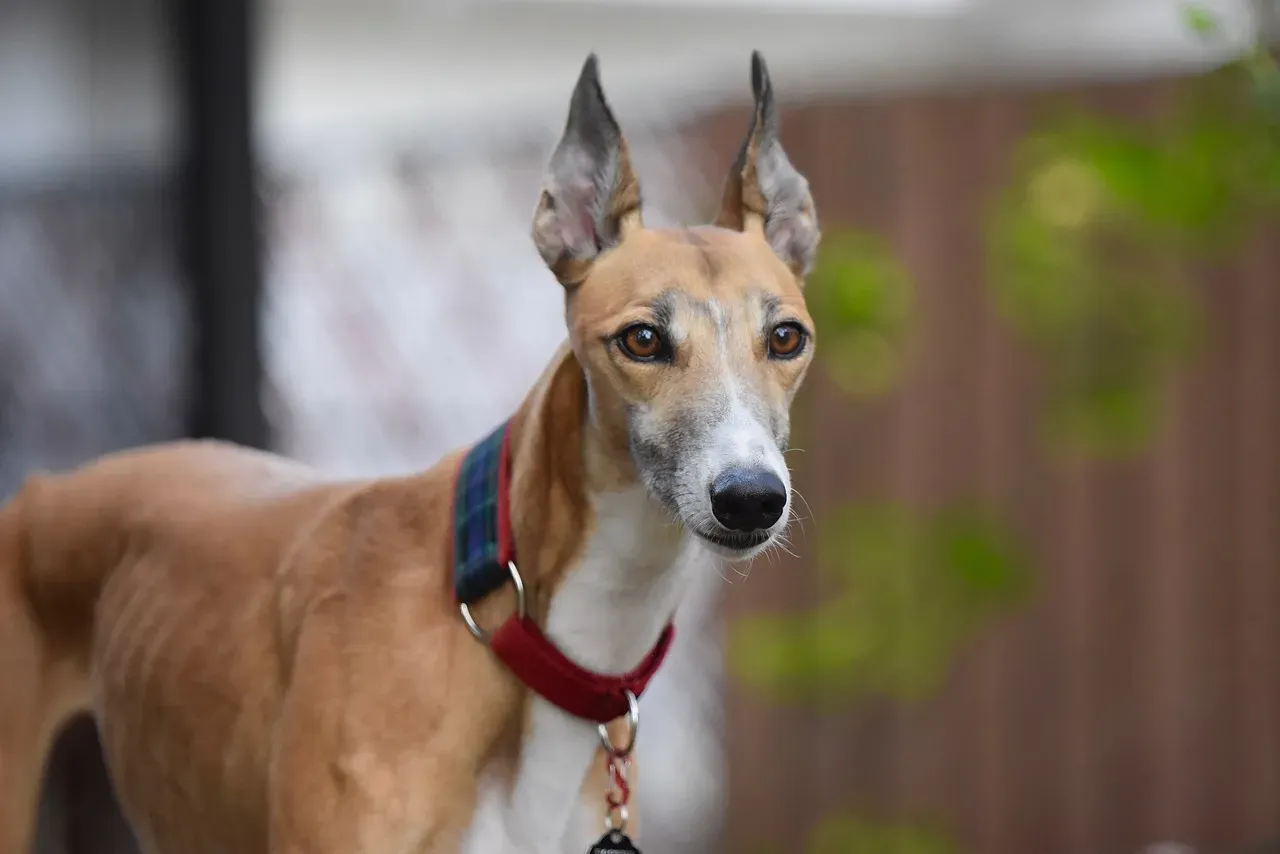
This one surprises almost everyone. Greyhounds – retired racing greyhounds in particular – are among the calmest, most low-maintenance dogs you can share a home with. Despite their athletic appearance, they are legendary couch dogs. They sprint when they sprint, and then they sleep for the next several hours with a contentment that borders on philosophical.
They’re gentle, quiet, and tend to bond deeply with a single person or family. They don’t bark excessively, they’re easy to groom, and they carry themselves with a peaceful elegance that’s genuinely calming to be around. For a senior living alone who wants a larger dog without the energy demands of most large breeds, a retired greyhound is one of the best-kept secrets in the dog world. Adoption through rescue organizations is typically straightforward and deeply rewarding.
2 – Golden Retriever
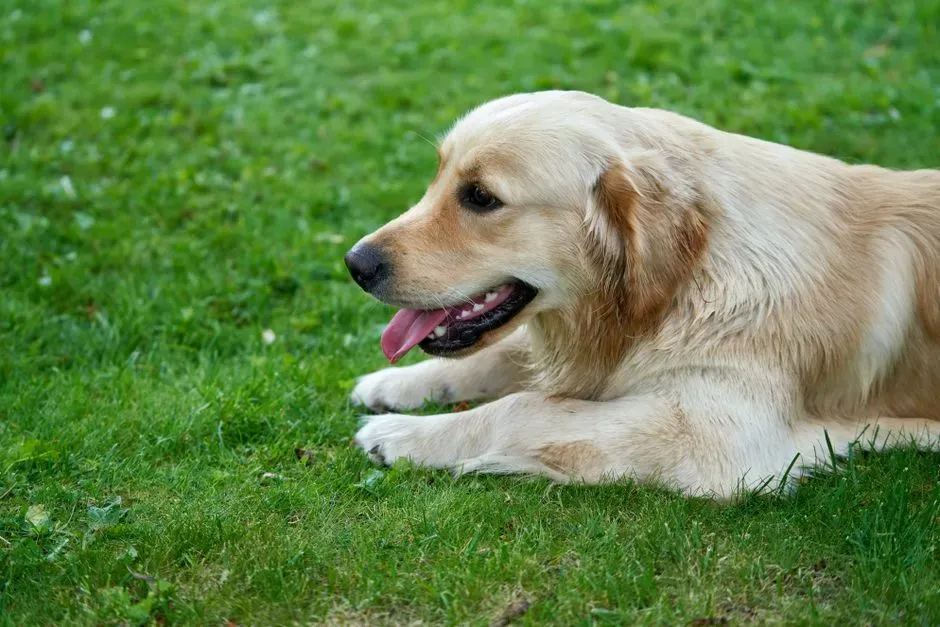
There’s a reason the Golden Retriever has been one of America’s most beloved family dogs for decades – they seem almost designed to make people feel good. They’re warm, patient, emotionally tuned-in, and happy. Not performed happiness, but a genuine, stable contentment that radiates outward and affects everyone around them. Living with a Golden means living with a constant, low-grade feeling that things are going to be okay.
They do need real daily exercise – a proper walk or some active outdoor time – which means they’re best suited to seniors who can stay reasonably active or have a yard. They’re also larger dogs, around 55 to 75 pounds, so handling matters. But for seniors who can meet those needs, few breeds offer the depth of companionship a Golden provides. They don’t just fill the silence – they genuinely seem to understand it.
1 – Labrador Retriever
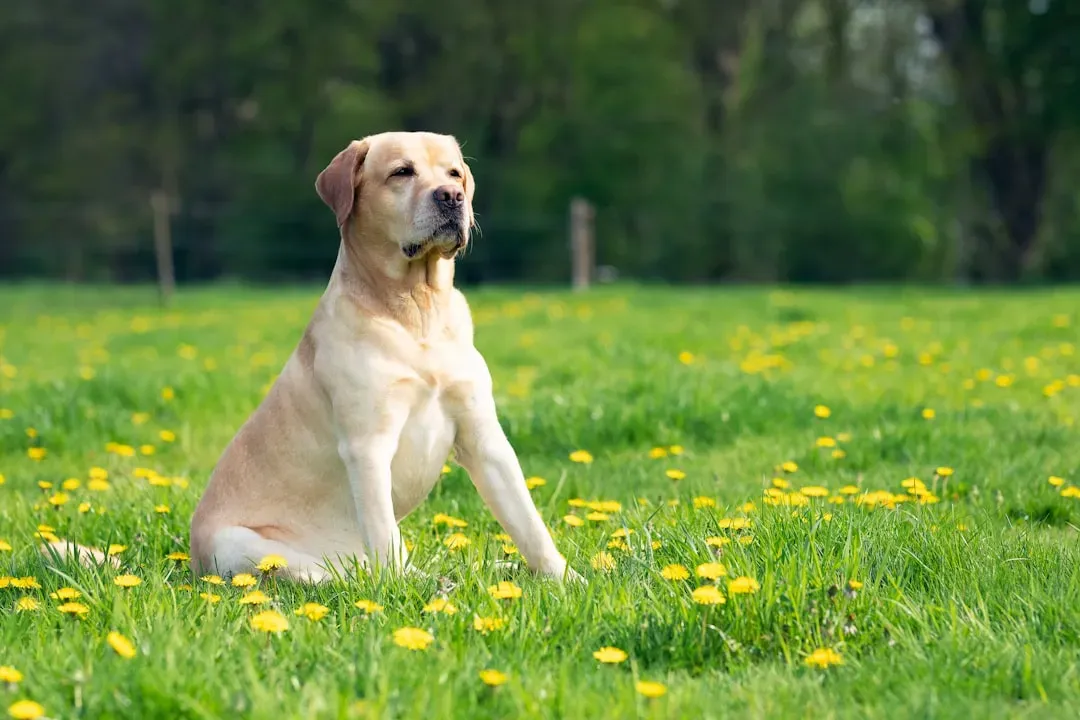
For over 30 consecutive years, the Labrador Retriever held the top spot as America’s most popular dog breed – and it’s not a mystery why. Labs are friendly without being overwhelming, loyal without being clingy, and gentle without being passive. They have a steadiness to them that makes them feel less like a pet and more like a presence. Coming home to a Lab after a long or lonely day is one of the more reliable mood-lifters on earth.
Labs do require exercise and thrive with an active owner, so they’re the best fit for seniors who are still mobile and want a reason to stay that way. They’re also famously adaptable – equally at home in a house with a yard or a larger apartment with a nearby park. They’re patient, trainable, and deeply social. If you’re over 60 and living alone and wondering whether the right dog could genuinely change your daily life, a Labrador Retriever is probably the most honest answer to that question.
The Bottom Line
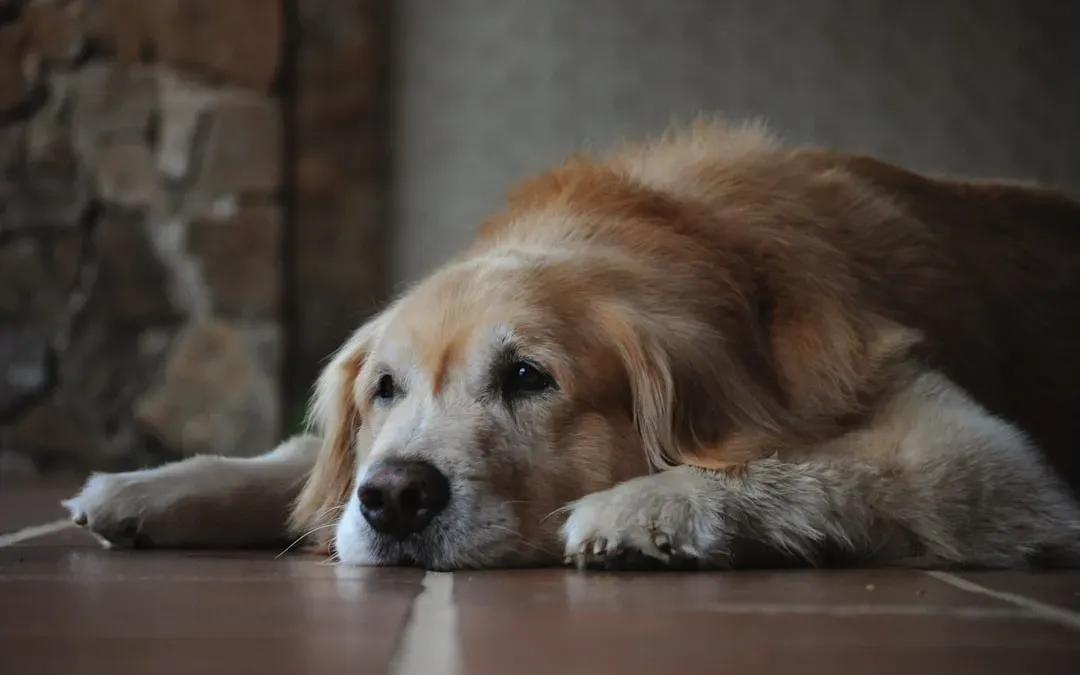
Here’s the opinion worth having after all of this: the best dog for someone over 60 living alone isn’t the one on any list – it’s the one whose energy, size, and temperament actually fit your real life, not the life you imagine you’ll have with a dog. Be honest about how much you want to walk, how much grooming sounds enjoyable versus overwhelming, and whether you want a shadow or a companion with a little more independence.
What’s also worth saying plainly: dogs do something for people living alone that’s hard to replicate any other way. They give shape to the day. They make the house feel occupied. They offer affection that doesn’t come with history or complications. Every single breed on this list is capable of being genuinely transformative for the right person. The goal isn’t to find a perfect dog – it’s to find your dog. When you do, you’ll wonder how the house ever felt livable without one.

- 11 Ways Your Cat Is Secretly Protecting You Every Day - August 14, 2026
- 10 Mistakes People Make When Camping in Wolf Country - August 14, 2026
- 8 Dog Breeds That Form the Strongest Bond With One Person - August 14, 2026