

Picture this: you’re enjoying your morning coffee, gazing out at your beautiful garden, when you spot those dreaded clusters of three leaves lurking near your prized roses. Your heart sinks. It’s poison ivy, and it’s practically mocking you from the flower bed. But here’s the thing – you don’t have to surrender your garden to this green menace or risk weeks of itchy torment trying to remove it.
There’s a brilliant solution that’s been quietly revolutionizing how gardeners tackle this persistent problem. It’s so simple, you probably already have everything you need sitting in your kitchen right now.
The Science Behind Why Poison Ivy is So Dangerous
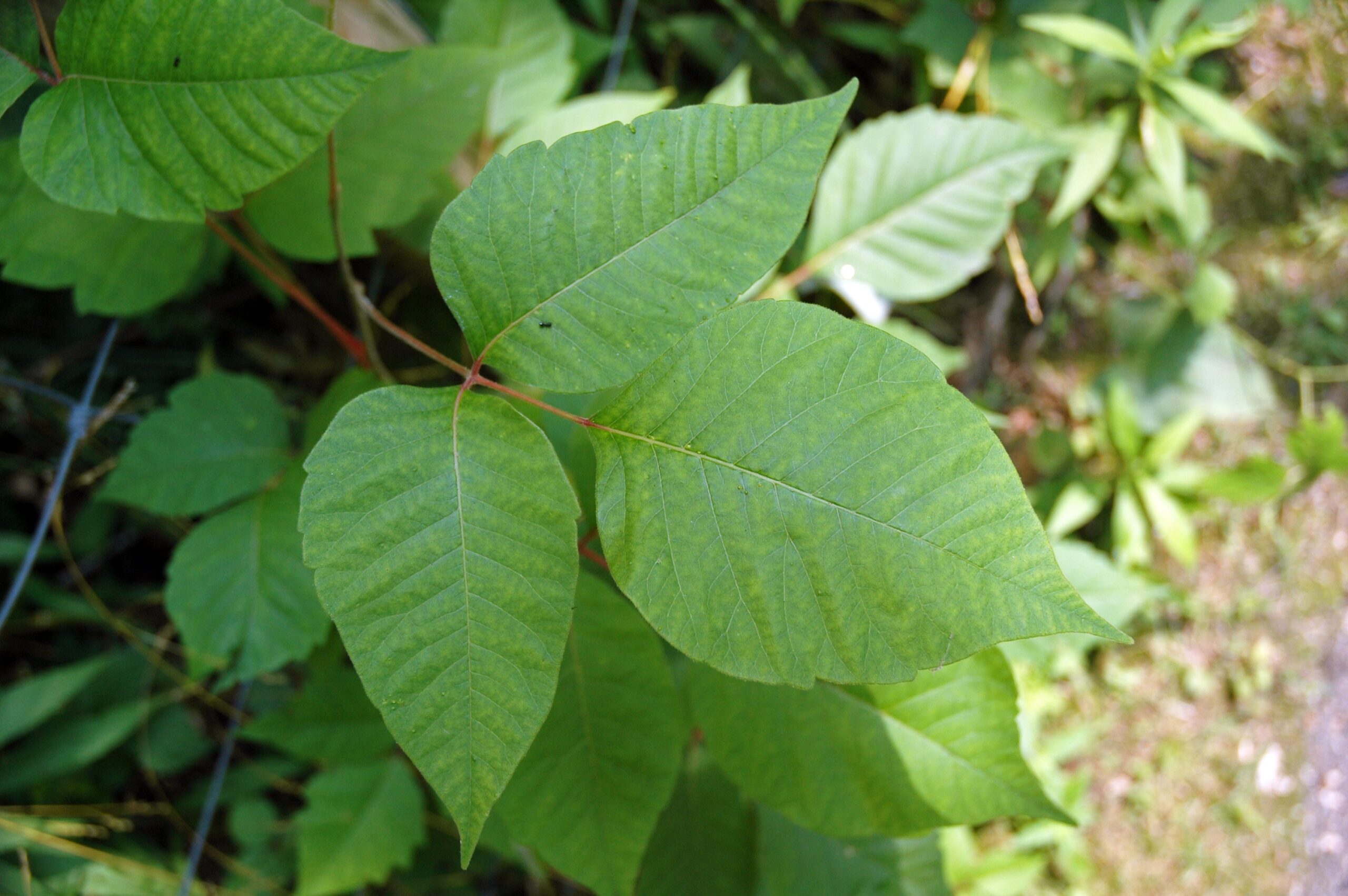
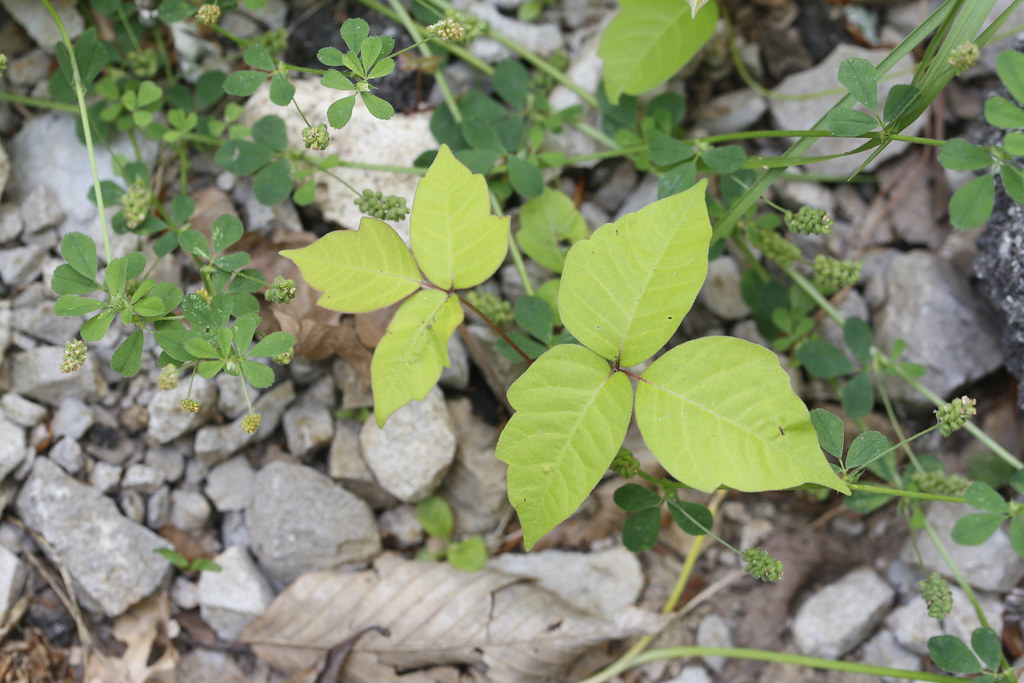
Poison ivy is a plant that contains an oily resin known as urushiol. When urushiol comes into contact with the skin, it results in contact dermatitis, a red, itchy rash with bumps or blisters. What makes this plant particularly treacherous is that this toxic oil isn’t just on the leaves.
All parts of the plant (stems, leaves, roots, flowers, and fruits) are poisonous at all times of the year. A toxic, or sensitizing, oily compound (urushiol) is contained in specialized resin ducts in the various plant parts. Even more alarming, the plant oil lingers (sometimes for years) on virtually any surface until it’s washed off with water or rubbing alcohol.
Why Traditional Removal Methods Fall Short
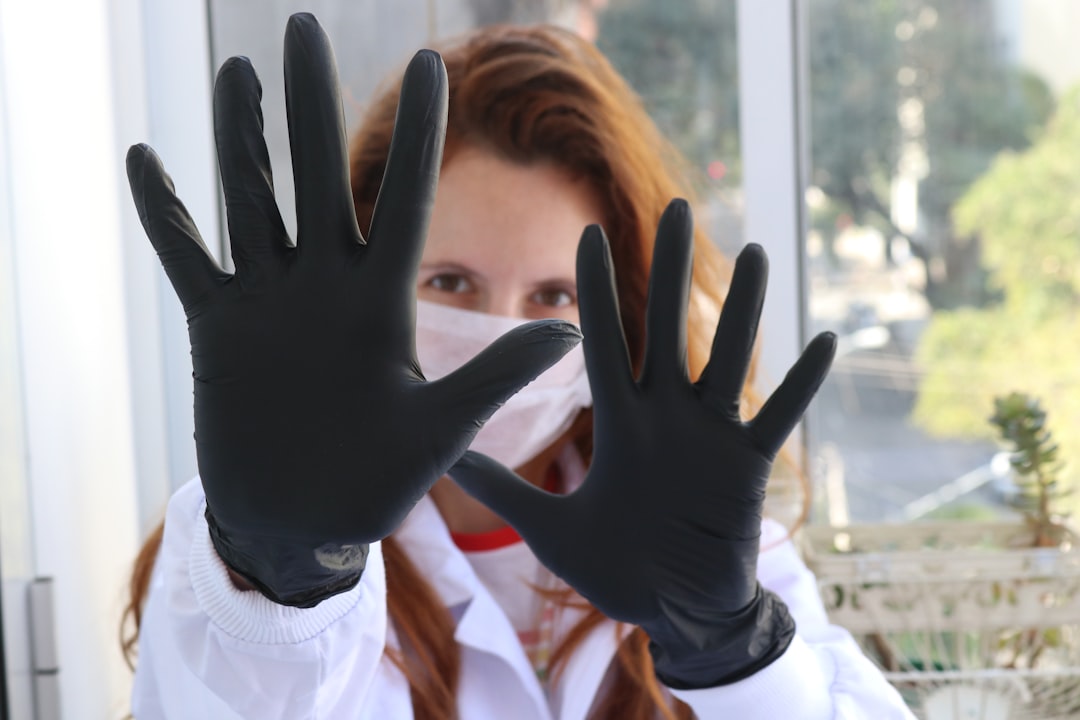
Most gardeners make the mistake of approaching poison ivy removal like any other weed problem. They grab their regular gloves, maybe throw on long sleeves, and hope for the best. This approach is like bringing a water gun to a wildfire – technically it’s a weapon, but it’s not nearly enough.
Pulling poison ivy by glove is one of the most effective ways of removing the plant. However, this process requires direct contact with the plant. Therefore, it requires extreme care to prevent disturbing the plants and their roots. The problem is that even with gloves, urushiol can seep through fabric, contaminate your tools, and spread to unexpected places like your car door handle or phone.
The Garbage Bag Hack That Changes Everything
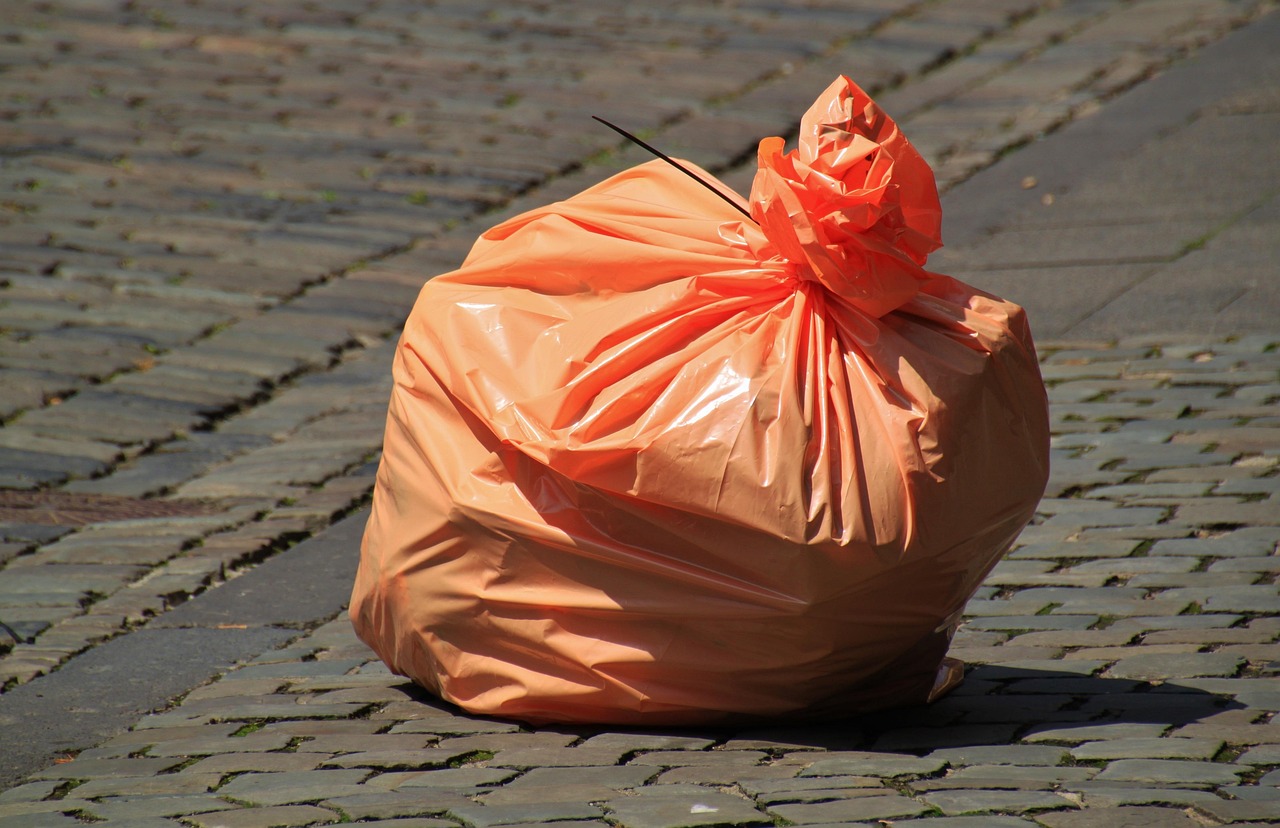
Here’s where things get interesting. Remove poison ivy safely by wearing a garbage bag as a protective cover. The plastic barrier allows you to take the plant up from the root without touching it. This isn’t just some internet gimmick – it’s a legitimate technique that landscape professionals have been quietly using for years.
Once you’re fully clothed in long sleeves, jeans, and gloves, you’ll grab your trash bag and turn it inside-out. Put one of the drawstrings over your head, like you’re putting on a cape but holding it in front of you. Then, put your dominant arm into the bag as though it’s a big ill-fitted glove. It might look ridiculous, but this simple setup creates an impenetrable barrier between you and the urushiol oil.
Step-by-Step Execution of the Garbage Bag Method
The beauty of this technique lies in its simplicity, but execution matters. You’ll use this gloved hand, covered in a garbage bag, to pull the poison ivy from trees, starting at the roots. The key is to grip the plant firmly at its base and pull upward in one smooth motion, ensuring you get as much of the root system as possible.
If you have one grouping to pull out, pull your hand out, pull the bag back into its proper positioning with the ivy now inside, remove the handle from your neck, and tie it up. This creates a sealed containment system where the poison ivy can’t escape and contaminate anything else. For larger infestations, you can then put the ivy into another open trash bag if you have a lot to deal with.
Essential Safety Gear Beyond the Garbage Bag
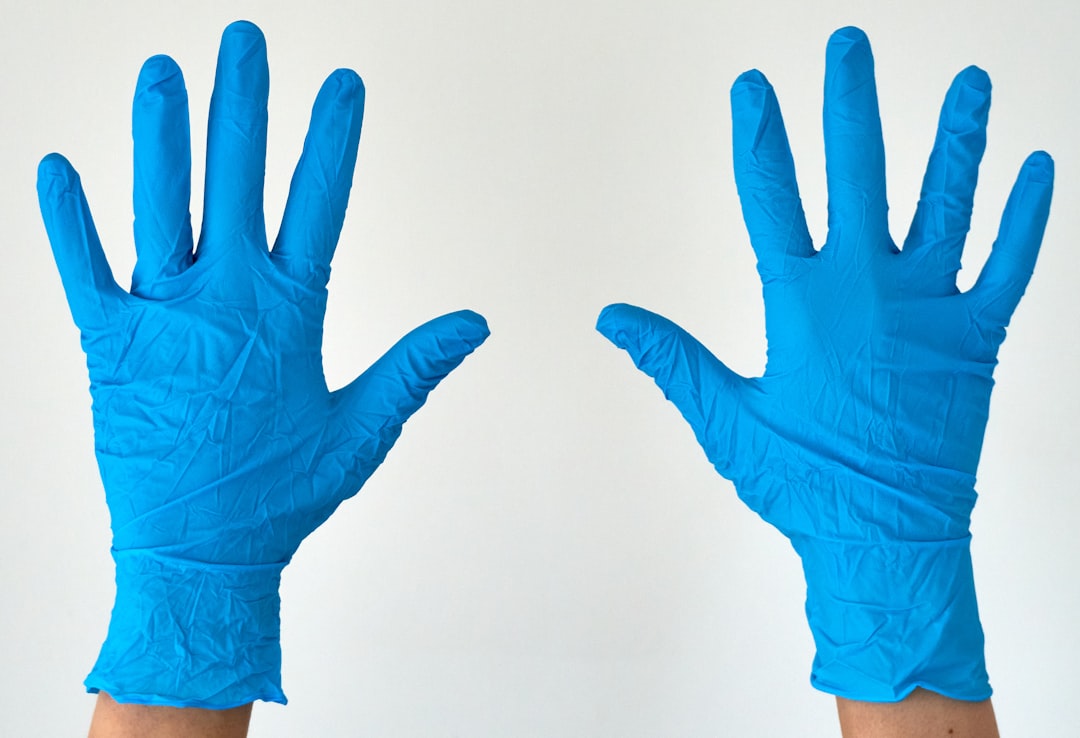
While the garbage bag is your primary weapon, it’s not a solo act. As well as garbage bags, you will need gloves, pants, and a long-sleeved shirt to safely remove this common and dangerous plant. Think of it as creating multiple layers of defense against urushiol penetration.
Wear long sleeves, long pants, boots, and gloves. Wash exposed clothing separately in hot water with detergent. Barrier skin creams, such as lotion containing bentoquatum, may offer some protection. Don’t forget eye protection – safety glasses can prevent accidental contact if plant debris flies toward your face during removal.
Post-Removal Cleanup: The Make-or-Break Moment
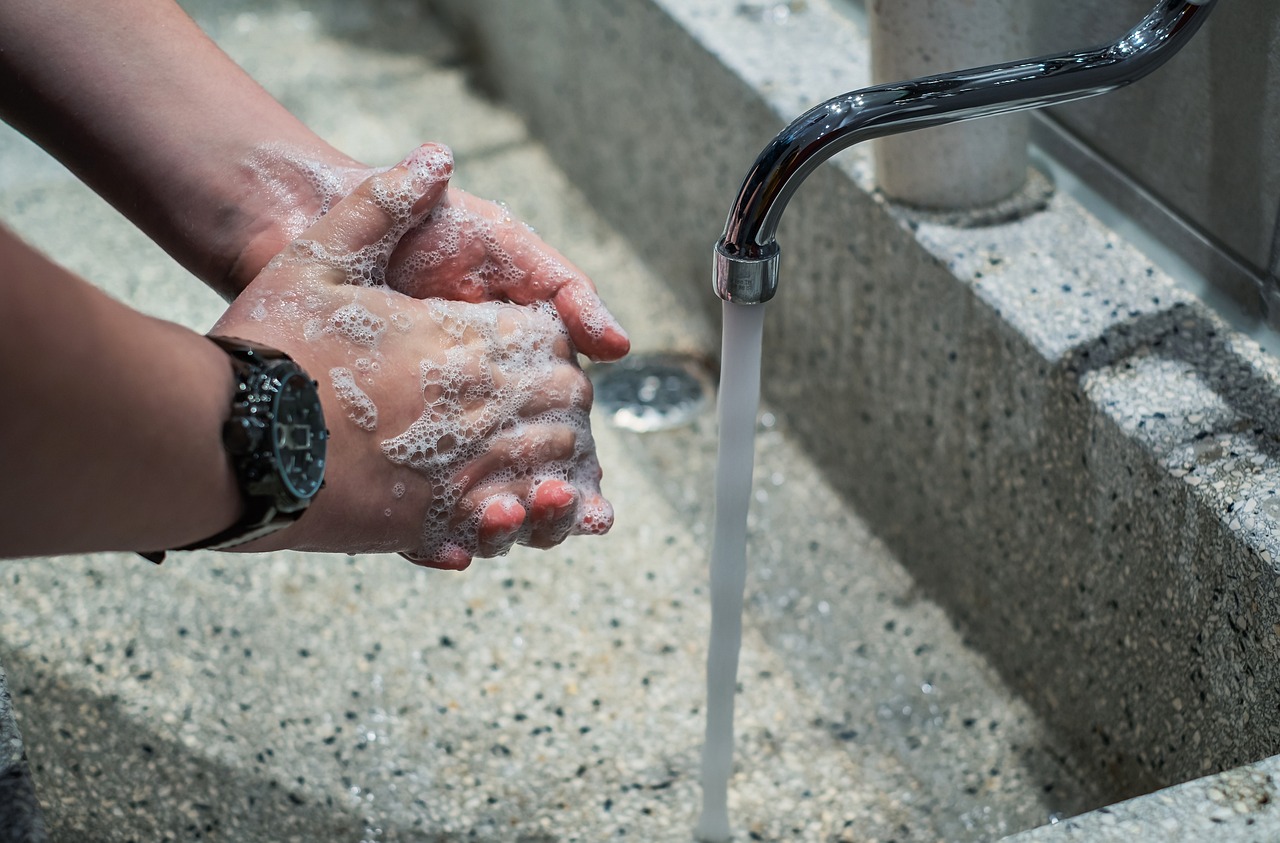
Here’s where many people snatch defeat from the jaws of victory. You’ve successfully removed the poison ivy without direct contact, but now you’re holding a garbage bag full of toxic plant material. The cleanup process is absolutely critical.
When you’re done, remove your gloves and clothes, then put them directly into the washing machine. And anytime you come in contact with poison ivy, a shower is always suggested, as the oil that causes the rash can spread in the water. Use regular laundry detergent and hot water. When the cycle is complete, run the wash again to completely remove urushiol.
Alternative Professional-Grade Solutions
If the garbage bag method seems too unconventional for your taste, there are other barrier options worth considering. They are inexpensive, disposable and go all the way up to the shoulder for great protection. When discovering poison ivy, she puts a pair on over her regular garden gloves, pulls the vine or leaves and then turns the glove inside out on the weed to safely remove it from the garden.
Another option involves specialized protective gear. Maybe I’ll just pick up a pair of tyvek coveralls or cheaper/lighter generic polypropylene coveralls for this short section along with gloves and shoe covers. These coveralls are advertised as resistant to grease so maybe oils too? While more expensive than garbage bags, these provide comprehensive protection for extensive poison ivy removal projects.
The Hidden Dangers Everyone Overlooks

Even after successfully removing poison ivy, many people make critical mistakes that lead to exposure days or weeks later. It is possible to pick up the rash from plant oil that may have stuck to clothing, pets, garden tools, and other items that have come in contact with these plants. The plant oil lingers (sometimes for years) on virtually any surface until it’s washed off with water or rubbing alcohol.
Your pets can become unwitting carriers of urushiol oil. Wash your pet if it may have brushed up against poison ivy, oak, or sumac. Most pets are not sensitive to poison ivy, but the oil can stick to their fur and cause a reaction in someone who pets them. This means Fluffy could give you poison ivy weeks after the initial removal if you don’t take proper precautions.
Conclusion: Taking Back Your Garden
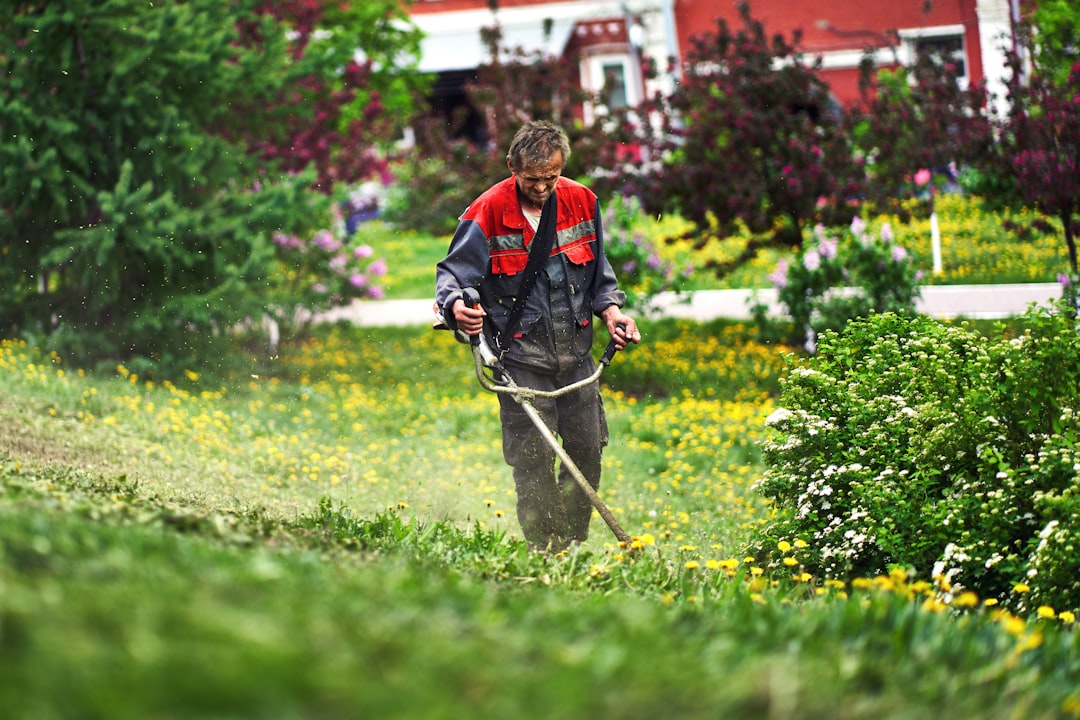
The garbage bag hack isn’t just about removing poison ivy – it’s about reclaiming your confidence in your garden. No more tiptoeing around suspicious three-leafed plants or surrendering entire sections of your yard to this persistent invader. With nothing more than a simple garbage bag and proper technique, you can tackle poison ivy removal like a seasoned professional.
Remember, the key to success lies not just in the removal technique, but in the comprehensive approach: proper preparation, careful execution, thorough cleanup, and safe disposal. The next time you spot those telltale leaves of three in your garden sanctuary, you’ll know exactly what to do.
Your garden should be a place of peace and beauty, not a minefield of itchy consequences. With this simple hack in your gardening arsenal, poison ivy becomes just another manageable garden challenge rather than a reason to stay indoors. After all, isn’t it time your garden belonged to you again, not to the weeds?

- 10 Signs That Reveal Your Spirit Animal Is a Snake - July 18, 2026
- 10 Common Dog Training Mistakes That Actually Harm Your Bond - July 18, 2026
- The #1 Reason Vets Say Hummingbirds Are Avoiding Your Garden - July 17, 2026