


Stingrays are one of the ocean’s most enigmatic inhabitants. Known for their graceful movements and unique appearance, these creatures captivate marine enthusiasts worldwide. Among the many encounters with these fascinating fishes, one story stands out—the capture of the biggest stingray ever recorded in US waters, an event that both astonished and educated marine biologists and fishers alike.
What Defines a Stingray?

Stingrays belong to the elasmobranch family, which includes sharks and skates. Characterized by their flat bodies and long tails, stingrays spend much of their time hidden beneath the sand in coastal regions. This allows them to stealthily hunt their prey while avoiding predators. Despite their menacing name, most stingrays are harmless to humans unless provoked.
Physical Characteristics of Stingrays

Stingrays vary widely in size, color, and shape. They can measure anywhere from a few inches to over six feet in length, with a wingspan that covers several feet. Their unique diamond-shaped bodies and tail spines are their most notable traits, which they use primarily for defense.
The Remarkable Catch A Record-Breaking Stingray

The record-breaking stingray caught in US waters was a colossal specimen that drew attention from the fishing community and scientists alike. This particular stingray, caught off the coast, measured over seven feet in wingspan and weighed hundreds of pounds, representing a remarkable example of the species’ potential size.
The Location of the Catch

It was along the warm and nutrient-rich waters of the Gulf of Mexico where this extraordinary stingray was discovered. This region is known for its diverse marine life, providing an ideal habitat for large sea creatures, including rays and sharks.
The Role of Technology in the Catch

Advancements in fishing technology played a pivotal role in the capture and documentation of this massive stingray. High-strength fishing lines, sonar equipment, and other modern tools allowed fishers to manage and study the animal effectively in its natural environment.
Conservation and Ethical Considerations
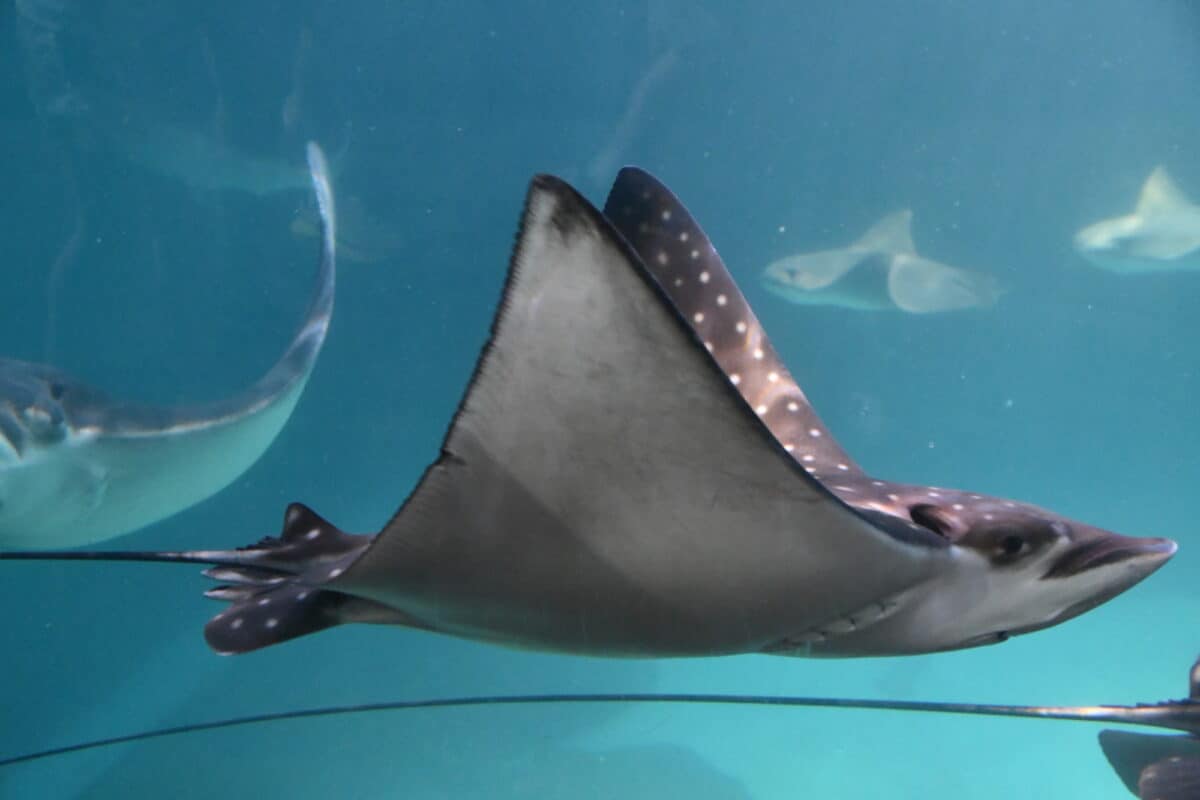
The capture of such a large stingray raises important questions about marine conservation and the ethics of fishing large marine animals. Conservationists emphasize the importance of catch-and-release programs to ensure the survival of these species while promoting sustainable fishing practices.
Stingray Behavior A Glimpse into Their World
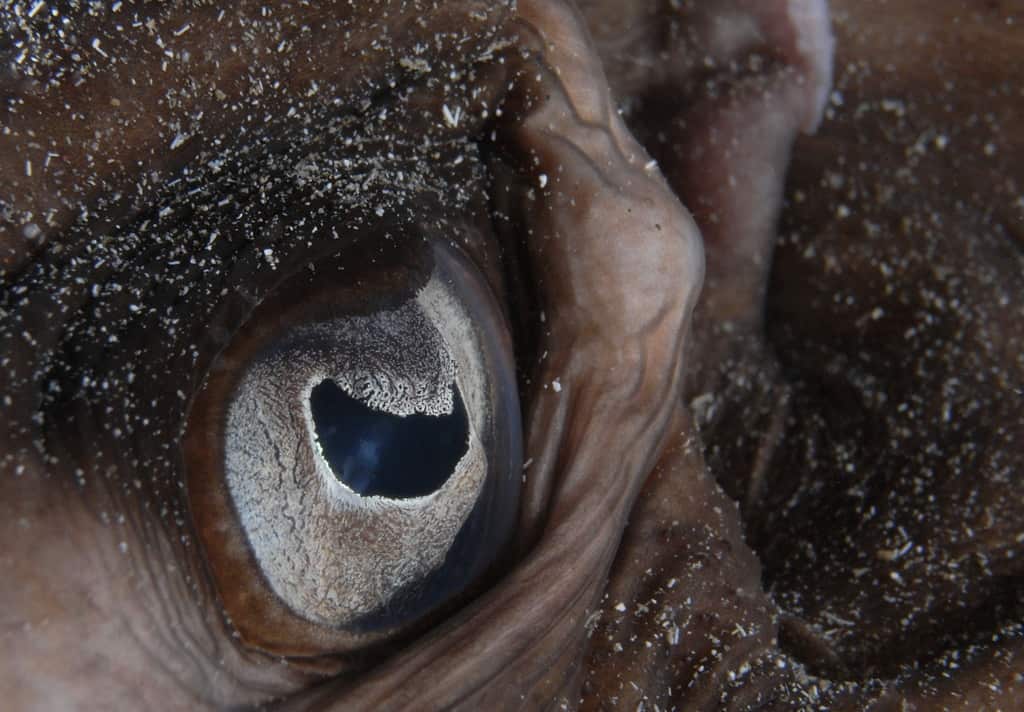
Stingrays are known for their solitary nocturnal behavior, often hunting alone as they glide over the ocean floor. They primarily feed on mollusks, crustaceans, and small fish, using their keen senses to locate prey buried in the sand.
Scientific Interest and Research
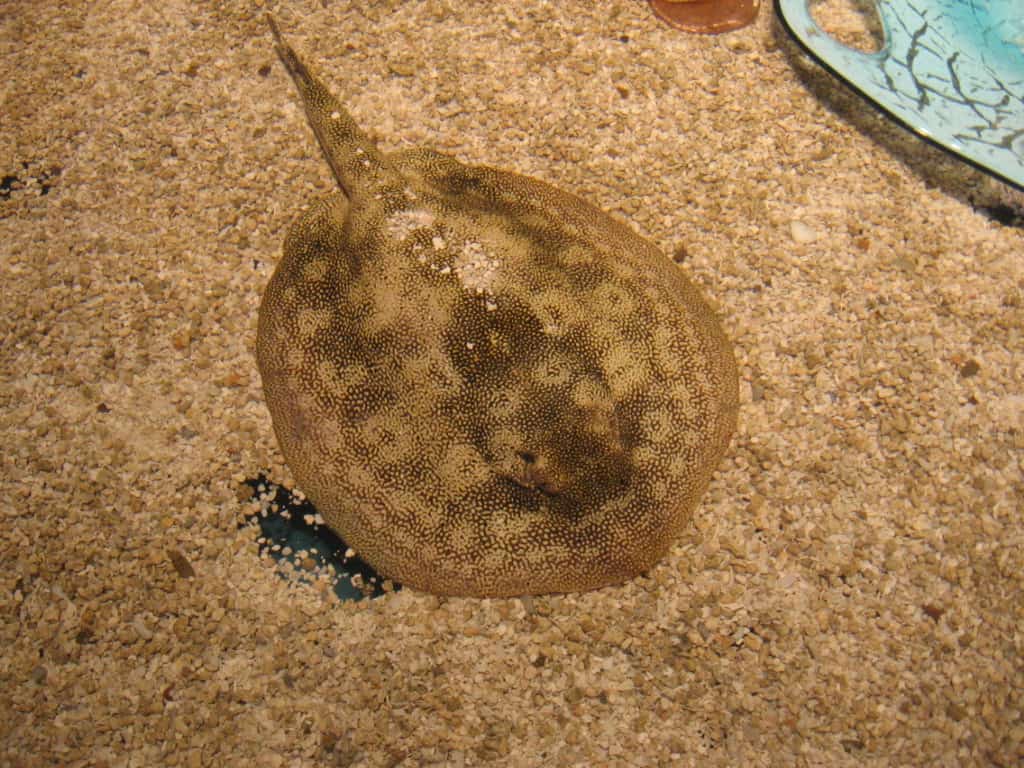
The capture of the largest recorded stingray has fueled scientific interest in stingray ecology and biology. Researchers are keen to understand more about their growth rates, migratory patterns, and reproductive habits to better protect these species.
The Impact of Climate Change on Stingrays
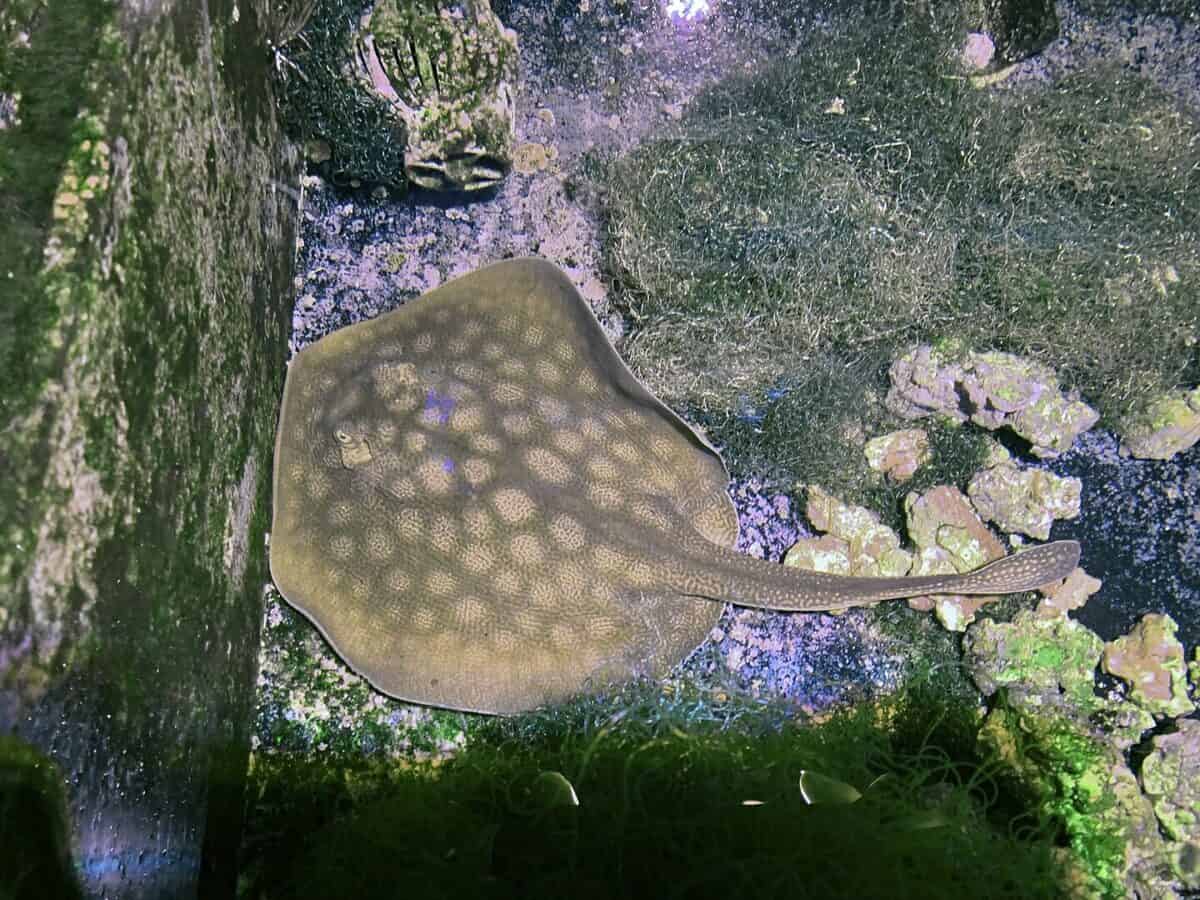
Climate change poses significant challenges for marine life, including stingrays. Rising ocean temperatures and habitat degradation threaten their natural environments, affecting their feeding and breeding grounds. Researchers are closely monitoring these changes to develop effective conservation strategies.
Stingray Aquariums and Human Interaction
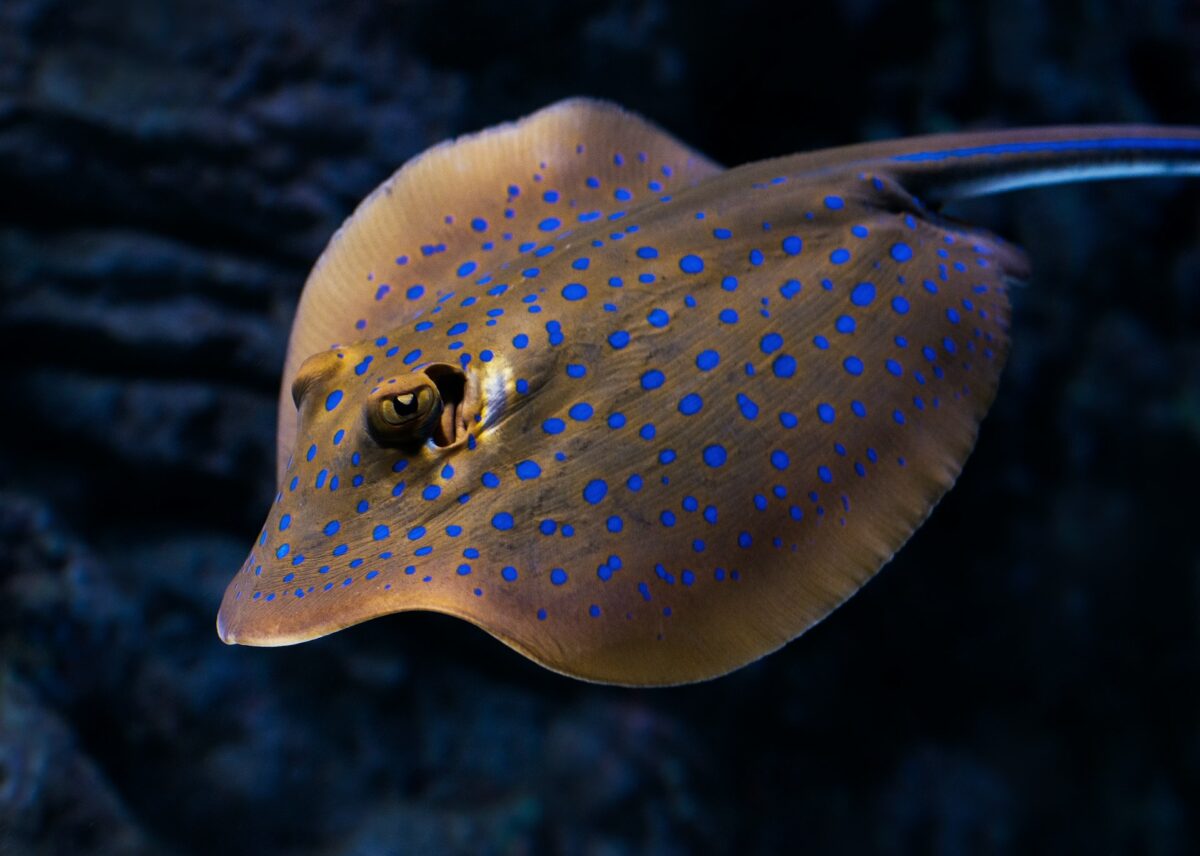
Stingrays are popular attractions in aquariums where visitors can learn about their unique traits and behaviors. These interactions raise awareness about marine life and the importance of preserving ocean ecosystems, fostering a new generation of ocean stewards.
The Future of Stingray Conservation
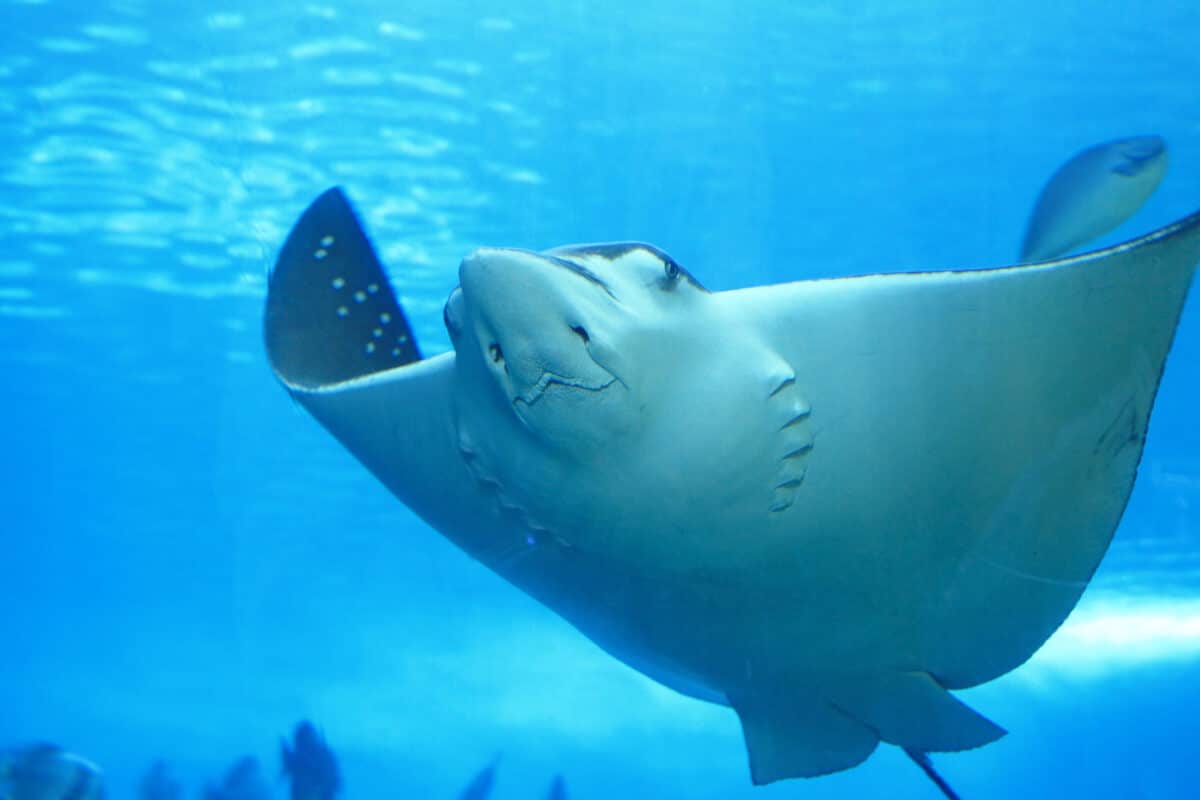
Efforts to conserve stingray populations are advancing through international cooperation and research initiatives. By implementing protective measures and promoting marine conservation education, the future looks hopeful for maintaining healthy stingray populations across the globe.
Conclusion: A Continuing Fascination
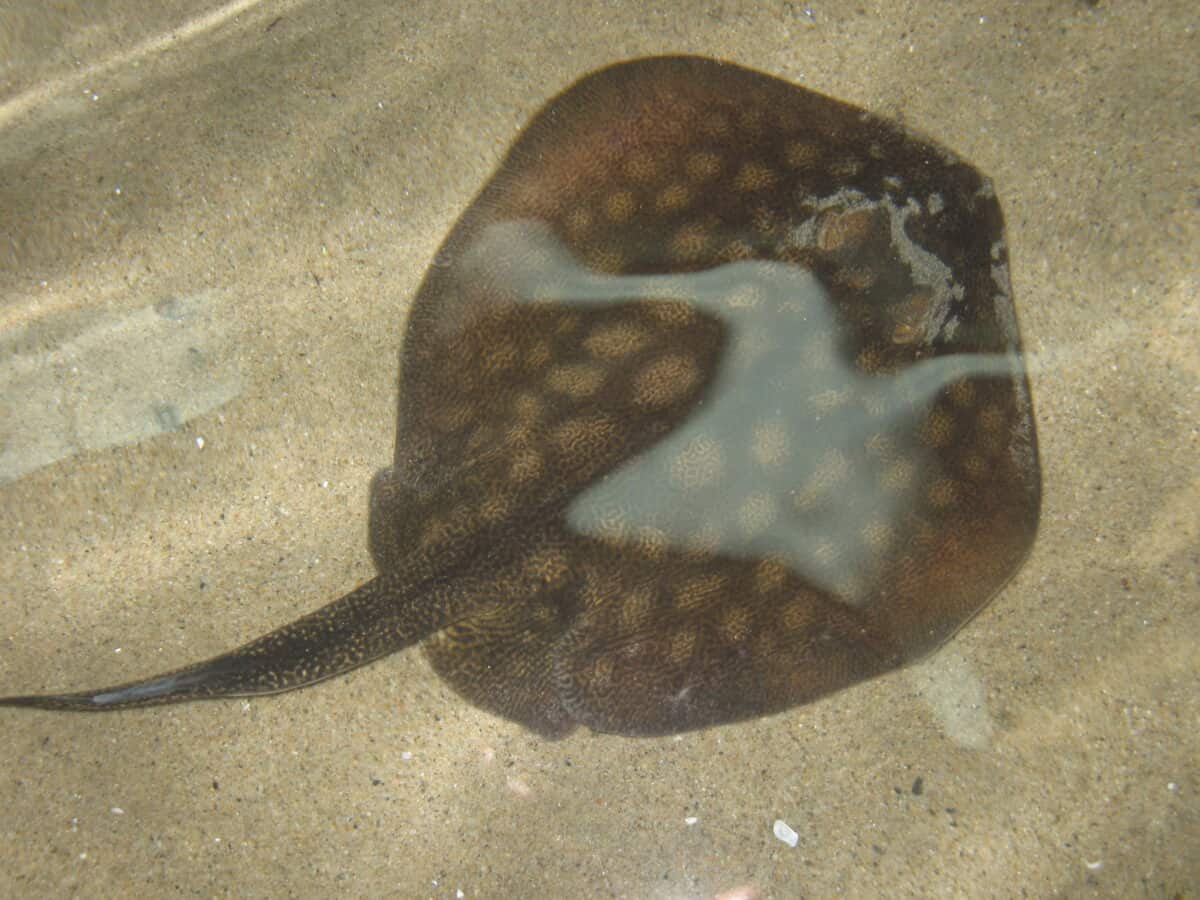
The capture of the biggest stingray in US waters not only marked a milestone in fishing history but also highlighted the continued intrigue and mystery surrounding these majestic creatures. As we strive to protect their habitats and understand their role in marine ecosystems, stingrays remain a symbol of the beauty and complexity of the ocean’s depths.

As a little kid, I fell in love with nature, wildlife, and animals. Living in the USA, South Africa, Italy, China and Germany gave me the opportunity to discover the world's Wildlife. My favorite animals are Mountain Gorillas, Siberian Tigers, and Great White Sharks.
I'm a certified PADI Open Water Diver, went to Everest Base Camp and Trekked Gorillas in Uganda. I hold a Master of Science in Economics and Finance.
Please send any feedback to feedback@animalsaroundtheglobe.com
- 14 Cold-Blooded Creatures That Thrive in Heat - June 25, 2026
- 10 Most Powerful Earthquakes That Shook the US to Its Core - June 25, 2026
- New York Urban Raccoons Are Smarter Than Ever Scientists Are Shocked - June 25, 2026