


For centuries, the snapping turtles of Nebraska have fascinated scientists and nature enthusiasts alike. Their mysterious migrations, cutting through the heart of the American Midwest, offer critical insights into ecosystem dynamics and the resilience of wildlife. These migratory patterns are not only captivating but also vital to understanding broader ecological trends.
The Enigma of Snapping Turtle Migration

🔥 Would you like to save this?
We'll email this post to you, so you can come back to it later!
The snapping turtle, with its prehistoric appearance and formidable demeanor, is a creature of mystery. Its migration patterns, especially in Nebraska, have puzzled scientists for years. Unlike birds or mammals, turtles are not typically known for long-distance migrations. However, in Nebraska, snapping turtles embark on surprisingly extensive journeys, sometimes crossing over 10 miles to reach their nesting sites.
Understanding the Snapping Turtle’s Habitats
🔥 Would you like to save this?
We'll email this post to you, so you can come back to it later!
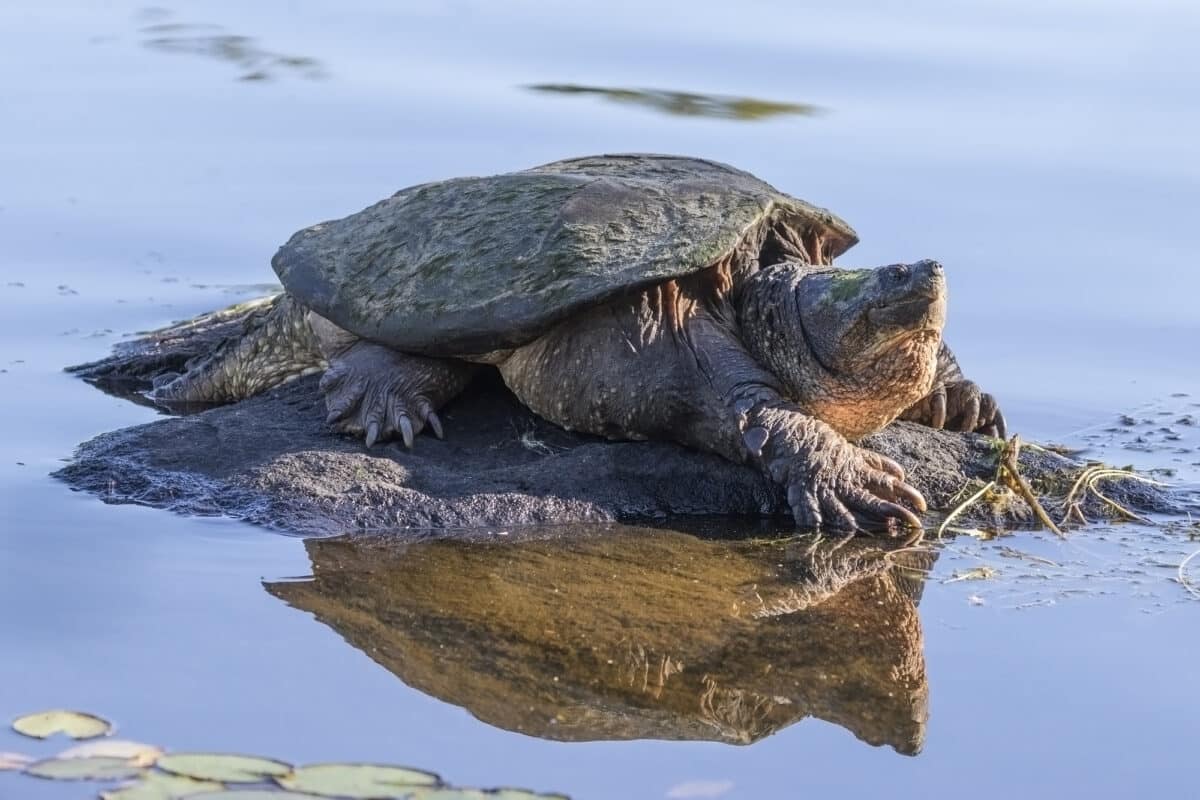
Snapping turtles are semi-aquatic reptiles that thrive in slow-moving rivers, lakes, and streams. In Nebraska, they are often found in marshy areas near water bodies. These habitats provide them with abundant food, including fish, frogs, and aquatic plants. Such environments also offer protective cover, reducing predation risks.
What Triggers the Migration?

🔥 Would you like to save this?
We'll email this post to you, so you can come back to it later!
The precise triggers for the migration of snapping turtles remain partially elusive. Researchers suggest a combination of environmental cues, such as temperature changes and food availability, might signal the start of migration. Additionally, the quest for optimal nesting grounds and genetic factors could also play significant roles.
The Journey of a Lifetime

🔥 Would you like to save this?
We'll email this post to you, so you can come back to it later!
As spring arrives, snapping turtles commence their epic journey. Males typically remain closer to their home ranges, while females travel farther distances to locate suitable nesting sites. This migration is a crucial phase in the turtle’s life cycle, ensuring the propagation of their species across generations.
Navigating Nebraska’s Diverse Landscapes

🔥 Would you like to save this?
We'll email this post to you, so you can come back to it later!
One of the remarkable aspects of snapping turtle migration is their ability to traverse diverse terrains. From navigating marshy wetlands to crossing roads and farmland, these turtles display impressive resilience. Their journey is fraught with danger, particularly from vehicular traffic, highlighting a need for conservation efforts.
The Role of Snapping Turtles in Ecosystems

🔥 Would you like to save this?
We'll email this post to you, so you can come back to it later!
Snapping turtles are apex predators in their aquatic environments, playing a crucial role in maintaining the health of ecosystems. By regulating fish populations and serving as scavengers, they help recycle nutrients back into the ecosystem, contributing to ecological balance.
Conservation Concerns and Challenges
🔥 Would you like to save this?
We'll email this post to you, so you can come back to it later!
There are growing concerns about the impact of human activities on snapping turtle populations. Habitat destruction, pollution, and road mortality present significant threats. Conservationists are advocating for measures such as road underpasses and public awareness campaigns to mitigate these threats.
Climate Change and Its Impact

🔥 Would you like to save this?
We'll email this post to you, so you can come back to it later!
Climate change poses an additional threat to the migratory patterns of snapping turtles. Changes in temperature and precipitation can disrupt their natural behaviors, affecting their reproductive success and survival. Understanding these impacts is crucial for developing effective conservation strategies.
Research and Monitoring Efforts

🔥 Would you like to save this?
We'll email this post to you, so you can come back to it later!
To better understand snapping turtle migration, scientists have employed various tracking technologies. Radio telemetry and GPS devices allow researchers to collect data on movement patterns, habitat preferences, and environmental conditions. These insights are vital for informed conservation planning.
The Importance of Public Awareness

🔥 Would you like to save this?
We'll email this post to you, so you can come back to it later!
Raising public awareness about snapping turtles and their ecological significance is essential for their protection. Educational initiatives can foster a deeper appreciation for these ancient creatures and encourage community involvement in conservation efforts. Engaging local communities is key to creating sustainable habitats for wildlife.
Collaborative Efforts for Conservation

🔥 Would you like to save this?
We'll email this post to you, so you can come back to it later!
Effective conservation of snapping turtles requires collaboration among researchers, conservation organizations, and policymakers. By working together, these stakeholders can implement habitat protection measures, monitor populations, and advocate for legislation that supports wildlife preservation.
A Future for Nebraska’s Snapping Turtles

🔥 Would you like to save this?
We'll email this post to you, so you can come back to it later!
The future of snapping turtle populations in Nebraska depends on our ability to address the challenges they face. Through continued research, conservation initiatives, and public engagement, there is hope that these resilient creatures will continue their migrations for generations to come.
The bizarre migration of Nebraska’s snapping turtles offers unique insights into the resilience and adaptability of wildlife. These remarkable journeys emphasize the importance of preserving natural habitats and highlight the critical role of these turtles in maintaining ecological balance. By understanding and addressing the challenges they face, we can ensure that these ancient mariners continue to thrive in Nebraska and beyond.

- How Koalas Survive on a Diet of Toxic (To Humans) Eucalyptus Leaves - November 5, 2026
- The Largest Python Ever Captured in Florida’s Everglades - November 5, 2026
- The Largest Sea Turtle Ever Rescued Off North Carolina - November 5, 2026