

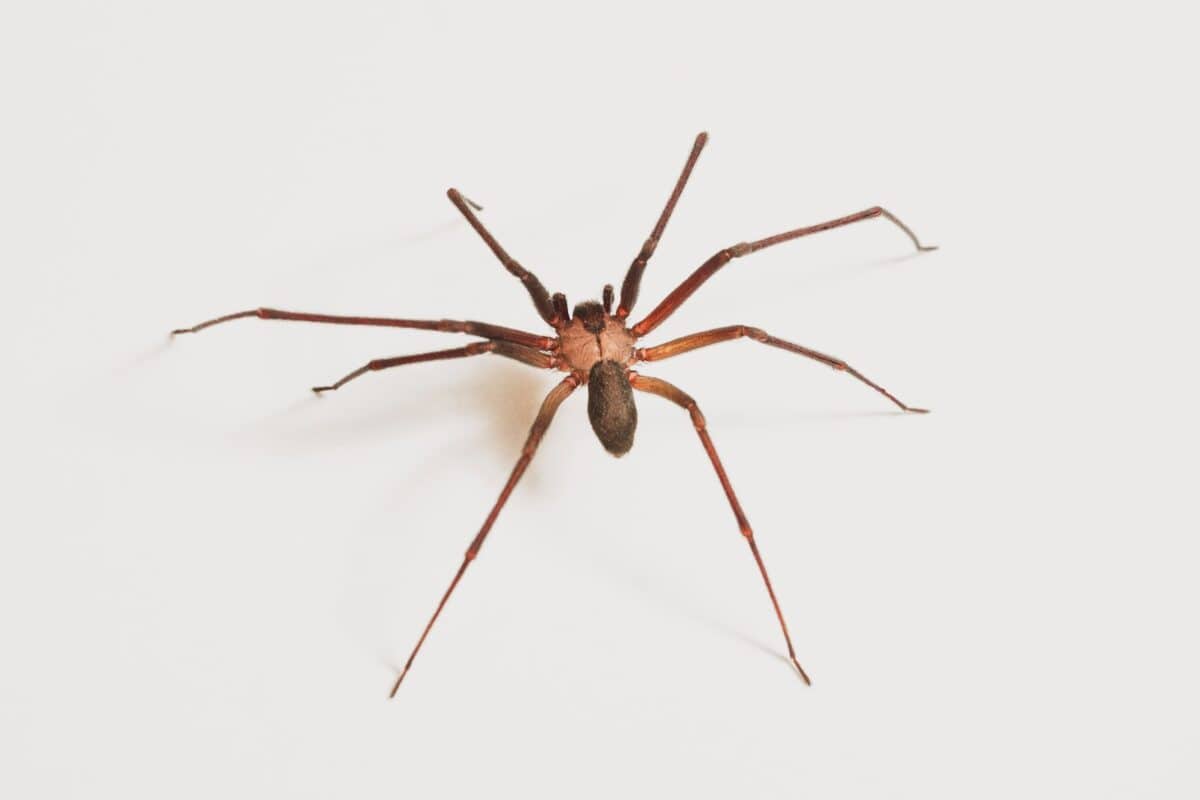
When it comes to spiders that evoke fear in North Americans, the brown recluse often tops the list alongside black widows. Known for its venomous bite and characteristic violin-shaped marking, this spider has gained a somewhat mythical status in many regions. However, despite its fearsome reputation, the brown recluse is frequently misidentified, and its range and prevalence are often misunderstood. This article delves into the truth about brown recluse spiders—their identification, habitat, behavior, and the reality of their bites—to provide a clearer picture of these misunderstood arachnids that may be more common in certain regions than many people realize.
Identifying the Brown Recluse
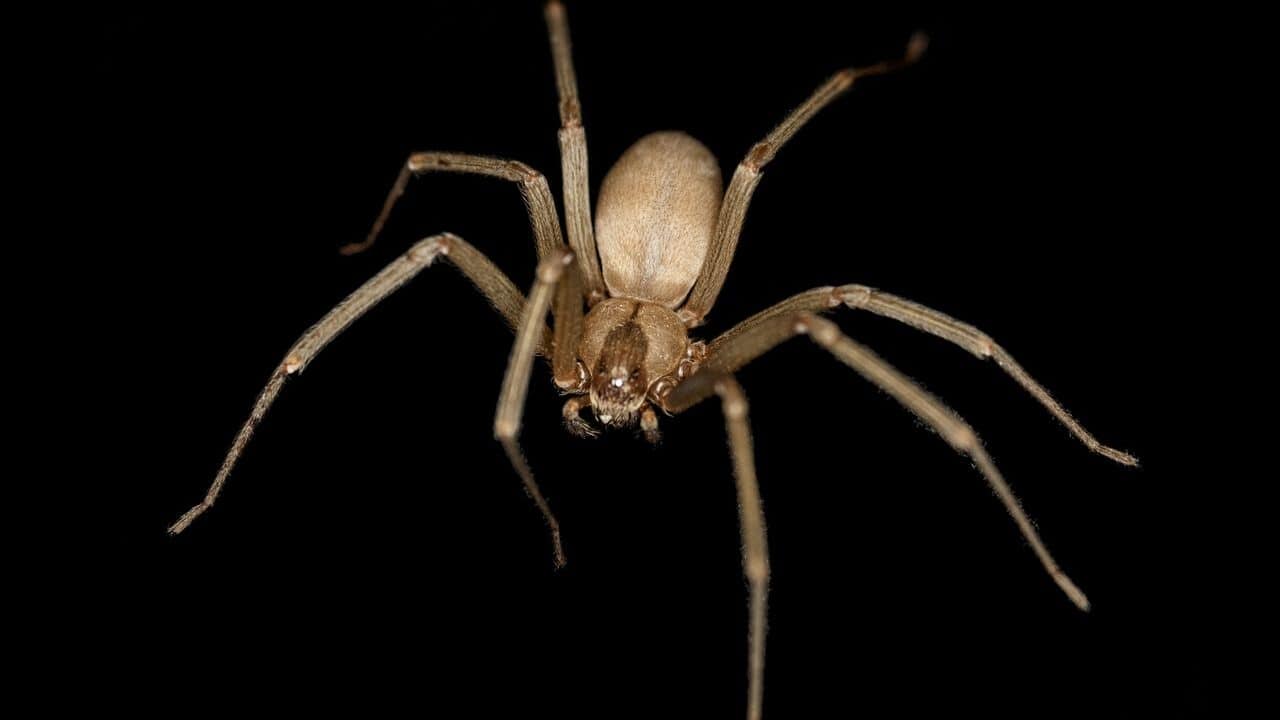
The brown recluse spider (Loxosceles reclusa) is also known as the violin spider or fiddleback due to the distinctive violin-shaped marking on its cephalothorax (the fused head and thorax). This marking is darker than the rest of the body and points toward the abdomen. Adult brown recluses typically measure between 6 and 20 millimeters (about 1/4 to 3/4 inch) in body length, with a leg span reaching approximately 2.5 centimeters (1 inch).
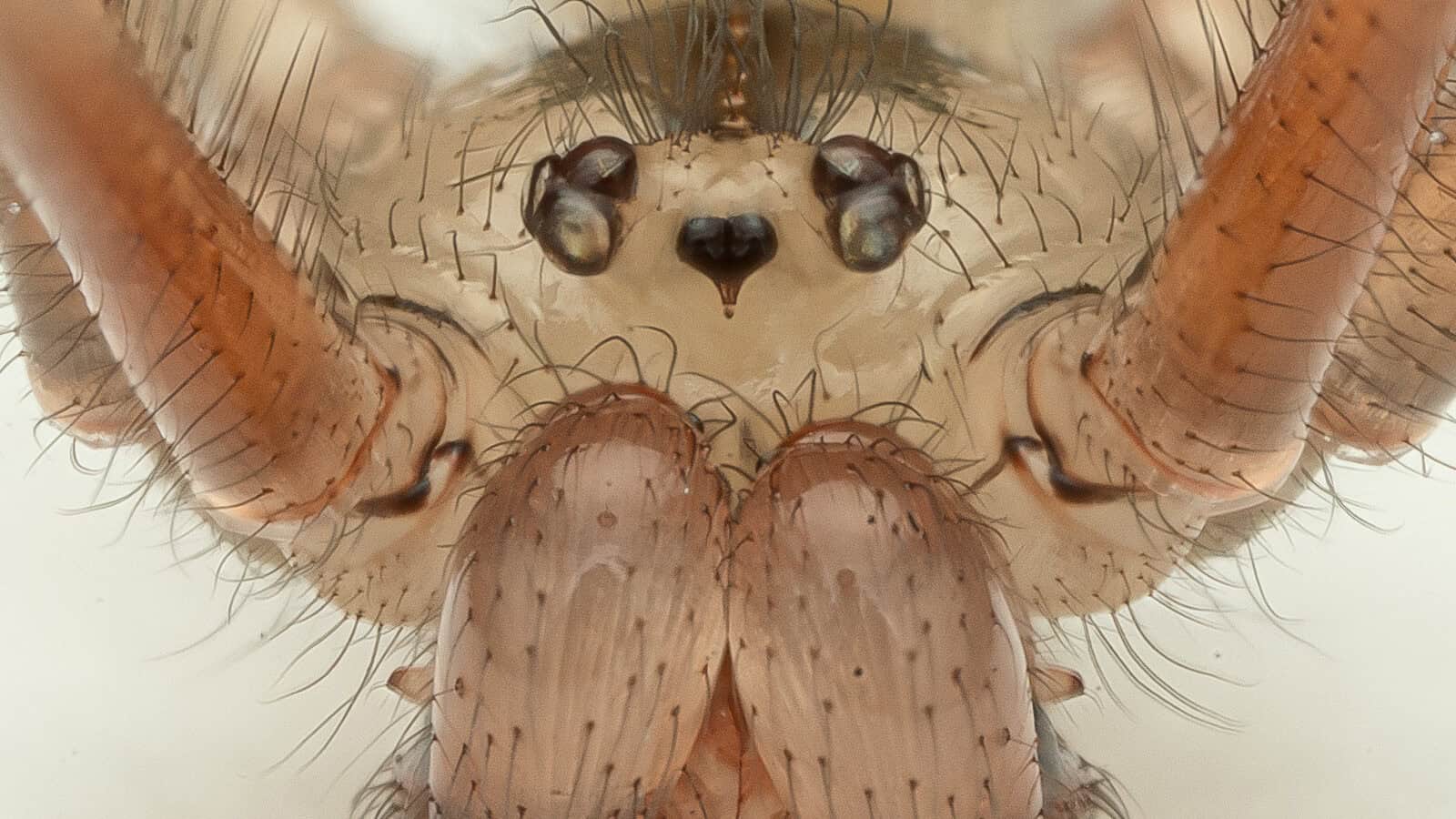
One of the most definitive characteristics of the brown recluse is its eye pattern. Unlike most spiders that have eight eyes arranged in two rows, the brown recluse has six eyes arranged in three pairs forming a semicircle. This feature, though difficult to observe without magnification, is one of the most reliable ways to identify these spiders. Additionally, brown recluses have uniformly colored legs without stripes or bands, and their bodies are covered in fine hairs, giving them a velvety appearance.
Natural Habitat and Range
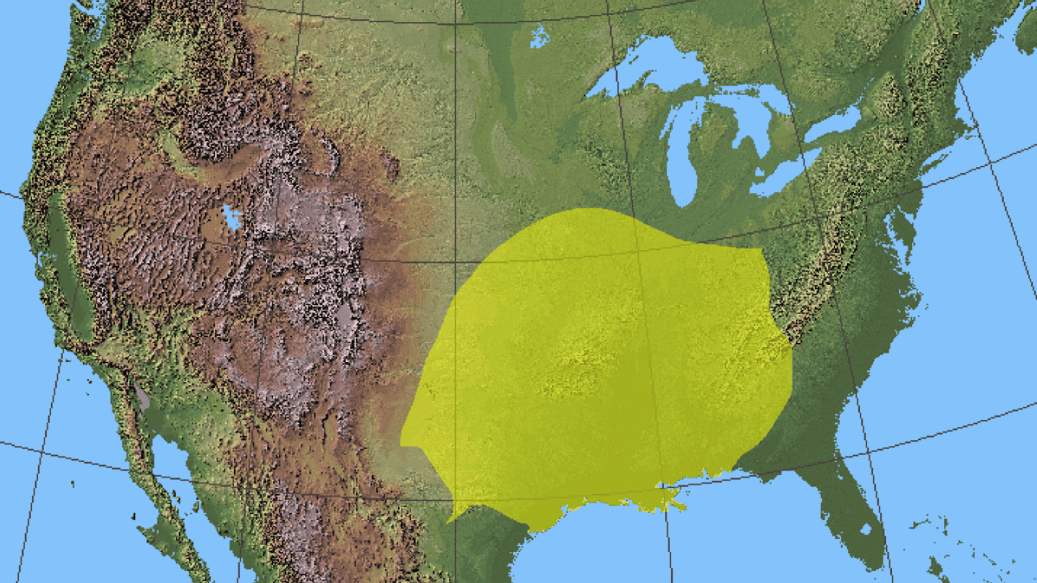
Brown recluse spiders are primarily found in the central and southern United States. Their range extends from Nebraska to Ohio in the north and from Texas to Georgia in the south, with the highest concentrations occurring in Missouri, Arkansas, Oklahoma, and parts of Tennessee. Despite numerous reports of brown recluse sightings outside these areas, confirmed populations are rare beyond this central region, often limited to isolated introductions via human transport.
Within their range, brown recluses prefer dry, undisturbed areas. Outdoors, they can be found under rocks, logs, woodpiles, and debris. Indoors, they gravitate toward dark, seldom-used spaces such as attics, closets, basements, crawl spaces, and storage areas. They often hide in cardboard boxes, unused clothing and shoes, under furniture, behind baseboards, and in crevices. Their preference for these secluded locations aligns with their name “recluse,” highlighting their shy and non-aggressive nature.
Population Density in Affected Areas
In regions where brown recluse spiders are endemic, their populations can reach surprising densities. Research conducted in heavily infested homes in Kansas and Missouri has documented thousands of brown recluse spiders in single residences. One study reported collecting over 2,000 brown recluses from a home in Kansas over a six-month period, with the residents experiencing no bites during this time. This high population density is often unknown to homeowners, as the spiders’ nocturnal and reclusive nature keeps them hidden from view.
What’s particularly noteworthy is that even in homes with substantial brown recluse populations, bites remain relatively rare. This contradicts the common perception that living in close proximity to these spiders inevitably leads to dangerous encounters. Instead, it suggests that brown recluses generally avoid human contact and only bite when directly threatened or pressed against the skin—such as when someone puts on clothing in which a spider has taken refuge or rolls onto one while sleeping.
Behavior and Lifestyle
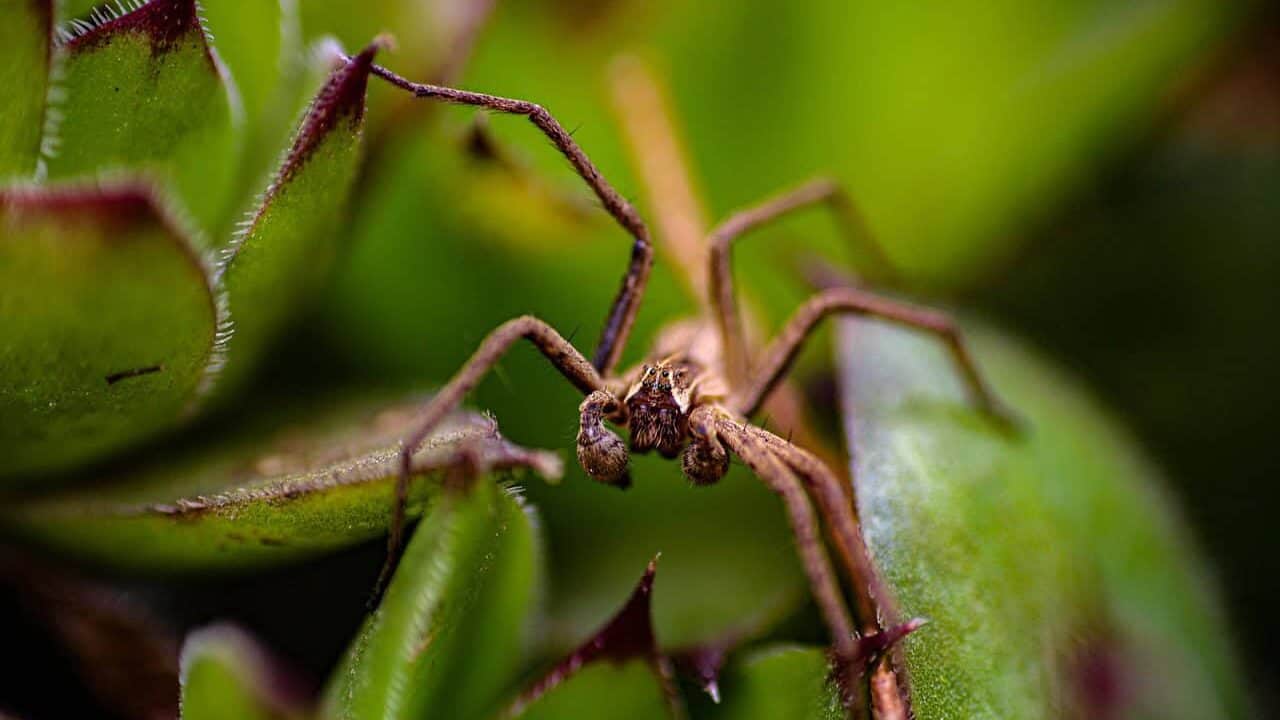
Brown recluse spiders are primarily nocturnal hunters, emerging at night to search for prey. They do not build elaborate webs to catch food; instead, they construct irregular, loosely organized webs for shelter. When hunting, they actively pursue their prey, which typically consists of small insects and other arthropods. Brown recluses can survive for extended periods without food or water, with some studies suggesting they can live for up to six months without eating under optimal conditions.
Despite their venomous nature, brown recluses are not aggressive toward humans and prefer to retreat when disturbed. They bite only when directly threatened or inadvertently pressed against the skin. Their reclusive behavior means they typically avoid areas with regular human activity, preferring undisturbed locations where they can remain hidden during daylight hours. This behavior significantly reduces the likelihood of human-spider encounters, despite the spider’s potential abundance in certain regions.
The Reality of Brown Recluse Bites

Brown recluse bites are far less common than public perception might suggest. Even in areas where these spiders are abundant, confirmed bites remain relatively rare. When bites do occur, they often result from the spider being inadvertently pressed against the skin, such as when someone puts on clothing where a spider has hidden or rolls onto one while sleeping. The initial bite may go unnoticed, as it’s typically painless or feels like a mild sting.
Symptoms of a brown recluse bite can vary significantly from person to person. Some bites cause minimal reaction, while others develop into more serious wounds. Typical symptoms include redness, swelling, and mild pain at the bite site within the first few hours. In more severe cases, a blister may form, surrounded by a blue-gray discoloration with a red ring around it—often described as a “target” or “bull’s-eye” pattern. Systemic symptoms such as fever, chills, nausea, joint pain, and weakness can occur in rare cases, particularly in children or individuals with compromised immune systems.
Necrotic Lesions: Facts and Misconceptions
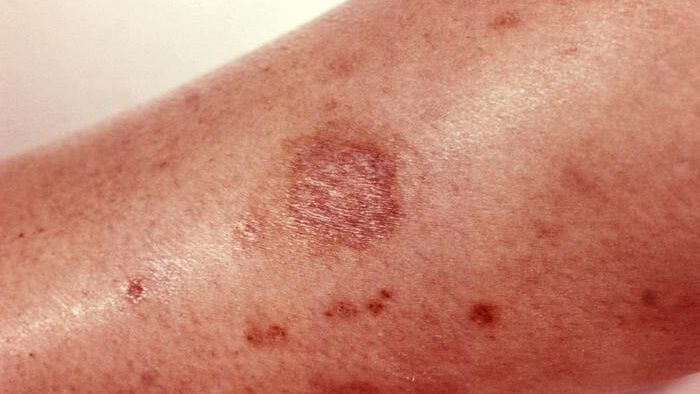
The most feared complication of a brown recluse bite is the development of necrotic lesions—areas of dying tissue that form dark, sunken ulcers as the venom destroys surrounding cells. While these lesions can occur, they’re not as common as popular media might suggest. Research indicates that less than 10% of brown recluse bites result in significant necrosis. When necrotic lesions do develop, they typically reach their maximum size within 1-2 weeks and may take several months to heal completely, sometimes leaving scars.
Many skin conditions are misdiagnosed as brown recluse bites, particularly in regions where these spiders are not endemic. Conditions such as bacterial infections (including MRSA), fungal infections, various forms of dermatitis, diabetic ulcers, and even some forms of skin cancer can present with symptoms similar to those of a brown recluse bite. This misdiagnosis has contributed significantly to the exaggerated perception of brown recluse bite frequency and severity. Medical professionals now recommend confirming the presence of brown recluse spiders in the area before diagnosing a skin lesion as a spider bite.
Medical Treatment for Bites

If you suspect a brown recluse bite, it’s advisable to seek medical attention, particularly if the bite site develops a blister, ulcer, or if you experience systemic symptoms like fever or joint pain. While most bites heal without specific treatment, medical professionals can provide appropriate care to manage symptoms and prevent complications. Treatment typically focuses on wound care, pain management, and monitoring for signs of infection or systemic illness.
Currently, there is no FDA-approved antivenom for brown recluse bites in the United States, though research continues in this area. Treatment options may include cleaning the wound, applying ice to reduce inflammation, elevation of the affected area, pain relievers, and in some cases, antibiotics to prevent secondary infection. For severe cases involving significant tissue damage, treatments might include corticosteroids, hyperbaric oxygen therapy, or surgical removal of necrotic tissue. It’s important to note that early intervention does not necessarily prevent necrosis, as the venom’s effects can continue to develop over time.
Prevention and Control in Homes

Preventing brown recluse infestations begins with reducing potential hiding places. Regularly clean and declutter areas where these spiders might hide, such as basements, attics, closets, and storage areas. Keep clothing and shoes off the floor or store them in sealed plastic containers. Shake out clothing, shoes, and bedding that have been undisturbed before use, especially in areas known to harbor these spiders. Reduce clutter around the home’s exterior, including woodpiles, rocks, and debris that might serve as outdoor habitats.
For homes with known infestations, a combination of approaches may be necessary. Sticky traps placed along walls and in corners can help monitor and reduce spider populations. Regular vacuuming, including behind furniture and along baseboards, can remove spiders and their webs. For significant infestations, professional pest control services may be warranted. These professionals can apply appropriate treatments to affected areas while advising on long-term prevention strategies. Remember that total elimination may be challenging in regions where these spiders are endemic, but management to reduce encounters is certainly achievable.
Common Misidentifications
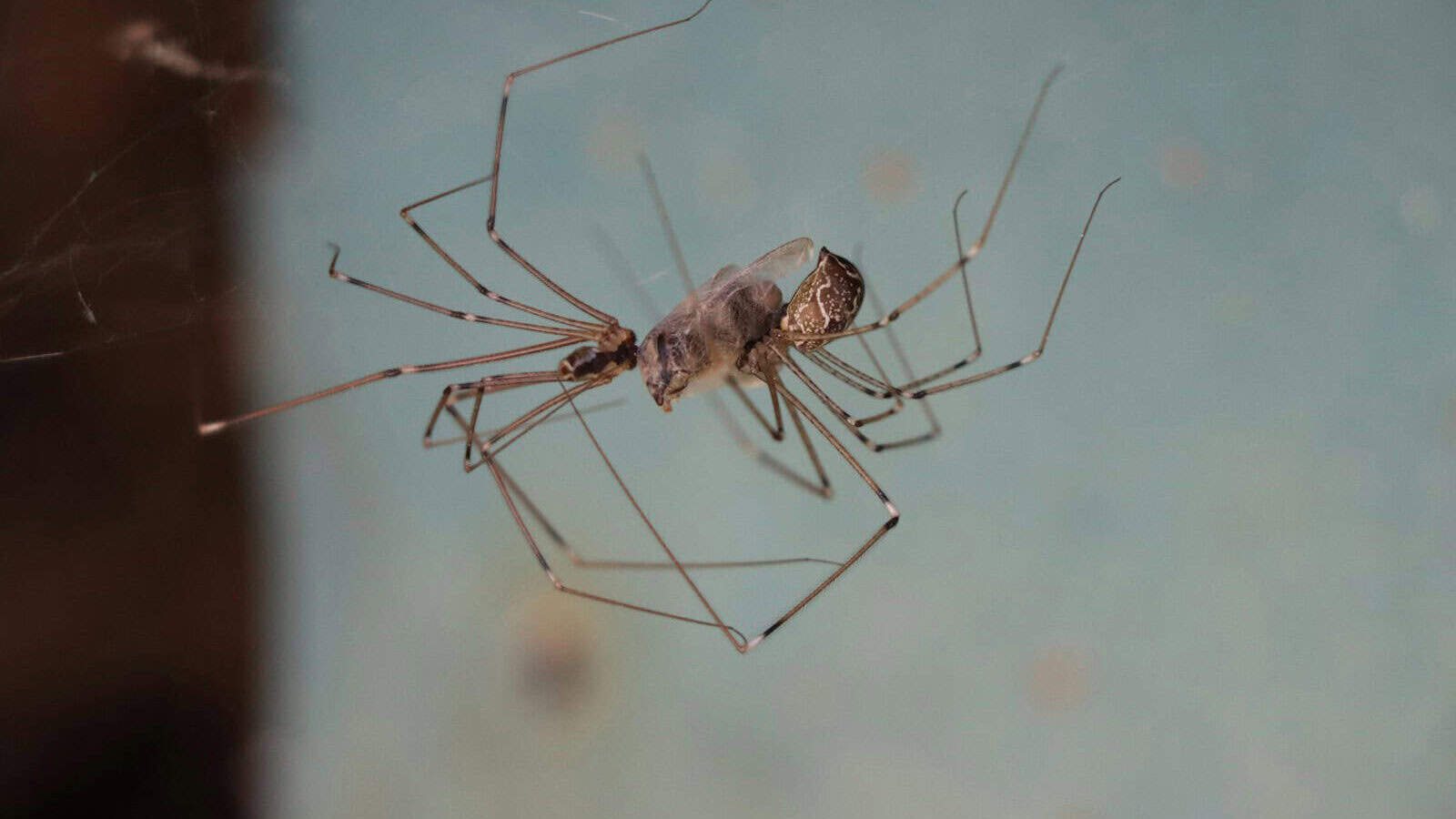
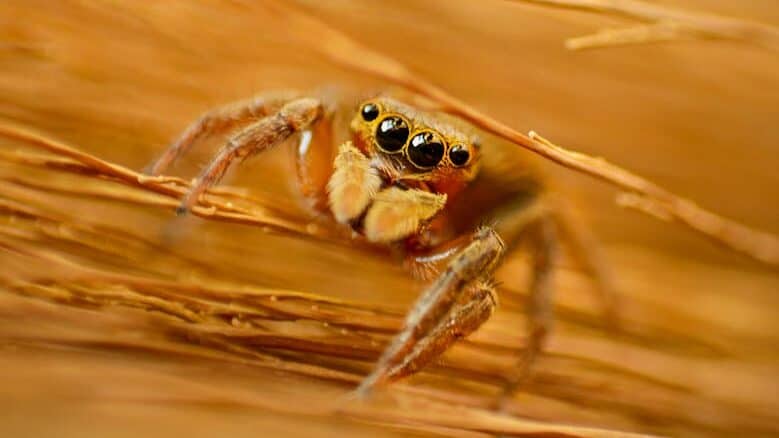
Many spiders are mistakenly identified as brown recluses, contributing to exaggerated fears about their prevalence. Common lookalikes include the cellar spider, wolf spider, grass spider, and various species of house spiders. Unlike the brown recluse, most of these lookalikes have eight eyes arranged in two rows, striped or banded legs, or distinctive markings on their abdomens. The lack of the violin-shaped marking and the different eye arrangement are key distinguishing features that separate these harmless spiders from the brown recluse.
The widespread misidentification has led to what arachnologists call “brown recluse syndrome”—the tendency to blame any mysterious skin lesion on these spiders, even in areas where they don’t exist. In a revealing study, researchers invited people to send in spiders they believed to be brown recluses from regions outside the spider’s known range. Of the thousands of specimens submitted, less than 1% were actually brown recluses. This demonstrates how unfamiliarity with the spider’s true characteristics leads to misidentification and perpetuates unnecessary fear.
Ecological Importance
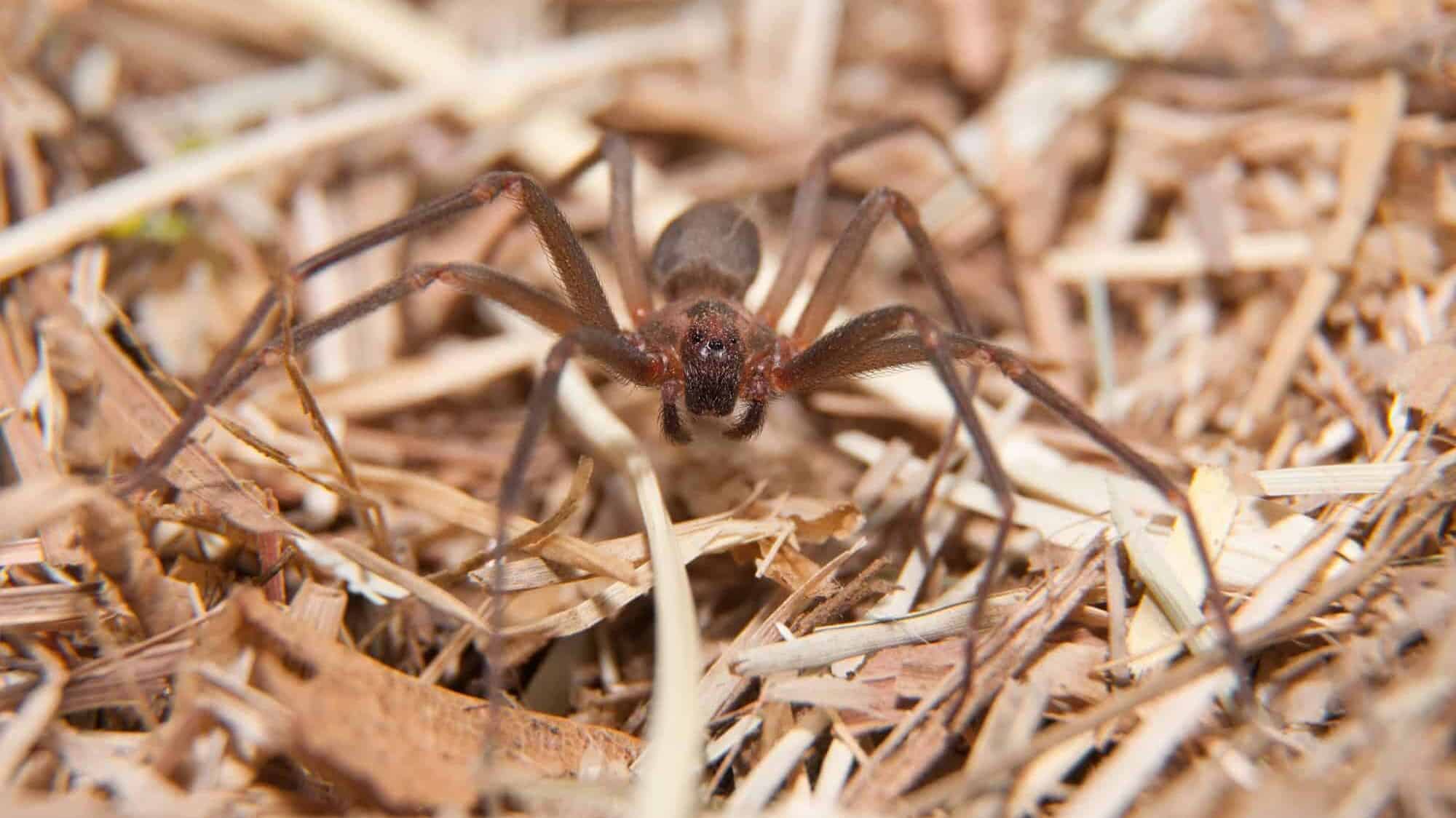
Despite their fearsome reputation, brown recluse spiders play a beneficial role in ecosystems by controlling populations of insects and other small arthropods. As predators, they help maintain balance in the environments they inhabit, both natural and human-made. In homes where they reside, they may help control populations of cockroaches, flies, and other household pests, though this benefit must be weighed against the potential risks of their venomous bites.
Understanding the ecological role of brown recluses can help foster a more balanced perspective on these often-maligned creatures. Rather than viewing them solely as dangerous pests to be eliminated, recognizing their place in the wider ecosystem can promote more targeted and appropriate management approaches. This perspective shift doesn’t diminish the importance of taking precautions in areas where these spiders are common but encourages a more informed and less fearful response to their presence.
Research and Scientific Understanding
Scientific research on brown recluse spiders continues to evolve, with recent studies focusing on the composition of their venom, the mechanisms of tissue damage, and potential treatments for bites. The primary component of concern in brown recluse venom is sphingomyelinase D, an enzyme that destroys cell membranes and can cause the characteristic necrotic lesions. Researchers are investigating how this enzyme works and exploring potential inhibitors that might be developed into treatments.
Advancements in molecular biology have also improved our understanding of brown recluse distribution and taxonomy. DNA analysis has helped clarify the relationships between different Loxosceles species and confirmed the limited range of L. reclusa in North America. Additionally, research on population dynamics has provided insights into how these spiders spread and establish in new areas, information that is crucial for developing effective management strategies. As scientific understanding advances, public education efforts become increasingly important to dispel myths and promote evidence-based approaches to living with these misunderstood arachnids.
The brown recluse spider occupies a unique position in American arachnology—a creature whose fearsome reputation often exceeds the actual threat it poses. In areas where these spiders are endemic, they may indeed be more common than many people realize, sometimes existing in surprising numbers within homes and buildings. However, their reclusive nature, preference for avoiding human contact, and the relatively low incidence of serious bites even in heavily infested areas suggest that coexistence is not only possible but is the reality for many people living within their range.
Education remains the most powerful tool in addressing concerns about brown recluse spiders. Understanding their true identification, habitat preferences, behavior, and the actual risks associated with their bites allows for informed, measured responses rather than unnecessary fear or panic. Simple preventive measures can significantly reduce the likelihood of unwanted encounters, while proper medical knowledge ensures appropriate treatment when bites do occur.
For those living in regions where brown recluses are common, awareness and reasonable precautions represent a balanced approach—acknowledging the potential risks while recognizing that these spiders have been quiet neighbors to humans for centuries. This perspective not only promotes more effective management of these arachnids but also contributes to a broader appreciation for the complex and often misunderstood creatures with which we share our environments.
As research continues to advance our understanding of brown recluse biology, ecology, and venom, we can hope for even better approaches to prevention and treatment in the future. In the meantime, replacing fear with knowledge remains our best strategy for living alongside these fascinating, if occasionally troublesome, members of our ecological community.

- The Brown Recluse: More Common Than You Think - July 25, 2026
- The Largest Toads Ever to Overrun American Wetlands - July 25, 2026
- Can Pets Get Jealous? Experts Weigh In - July 25, 2026
Leave a comment
You must be logged in to post a comment.