
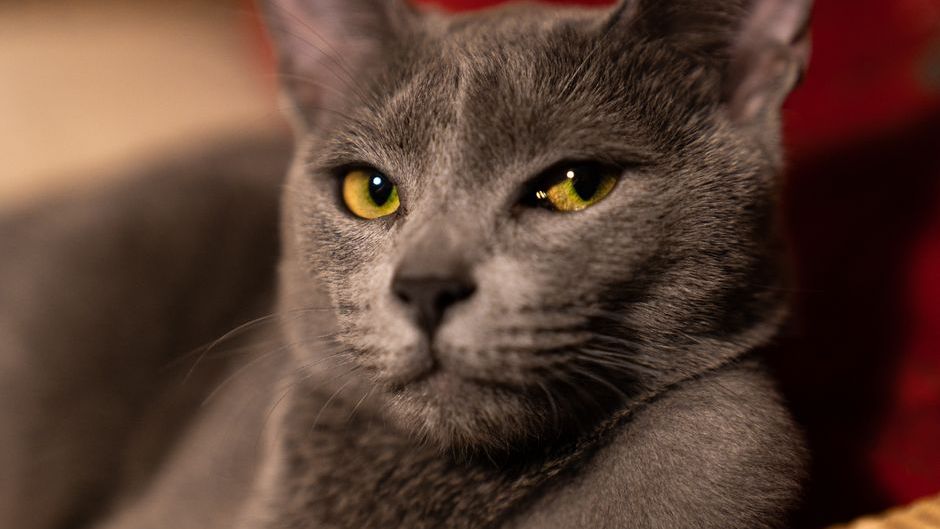
Cat lovers often notice how different breeds carry their own quirks, from the independent wanderer to the lap seeking companion. Mapping those traits onto the sixteen Myers Briggs types turns the exercise into a playful way to see both cats and people in a fresh light.
ISTJ: British Shorthair
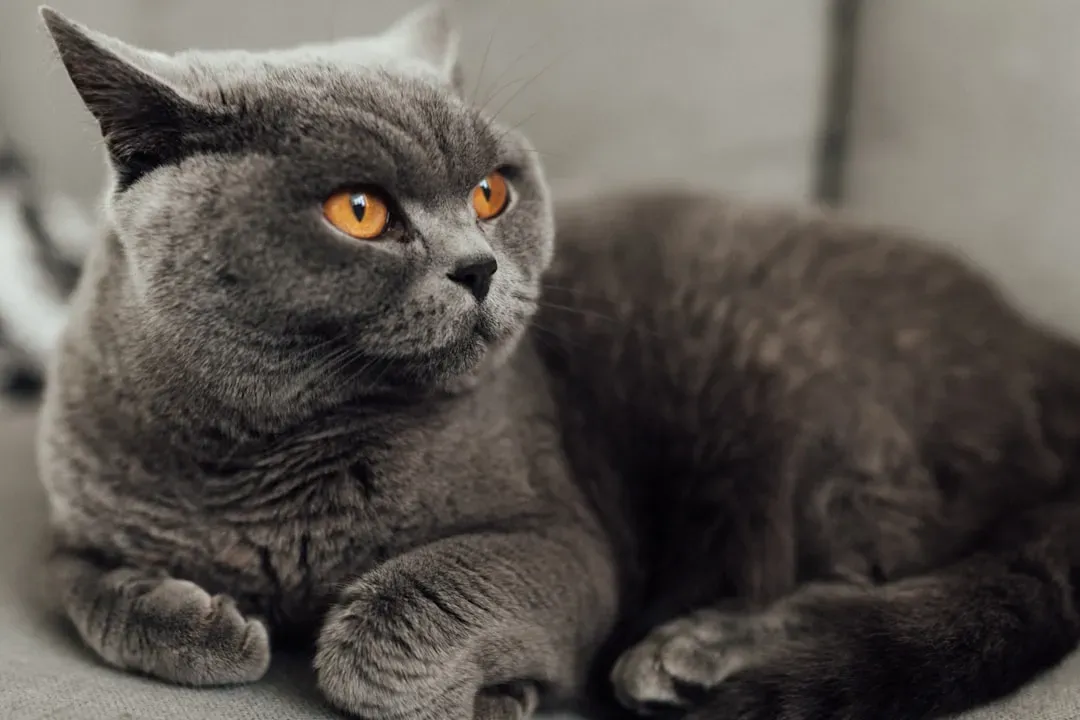
The British Shorthair brings a steady presence that fits the ISTJ preference for order and reliability. These cats tend to follow routines, from their preferred sleeping spots to mealtime expectations, and they rarely cause unnecessary drama around the house.
Owners appreciate how the breed stays composed even when schedules shift slightly. Their dense coat and sturdy build reflect a no nonsense approach to daily life that many practical personalities recognize in themselves.
ISFJ: Ragdoll
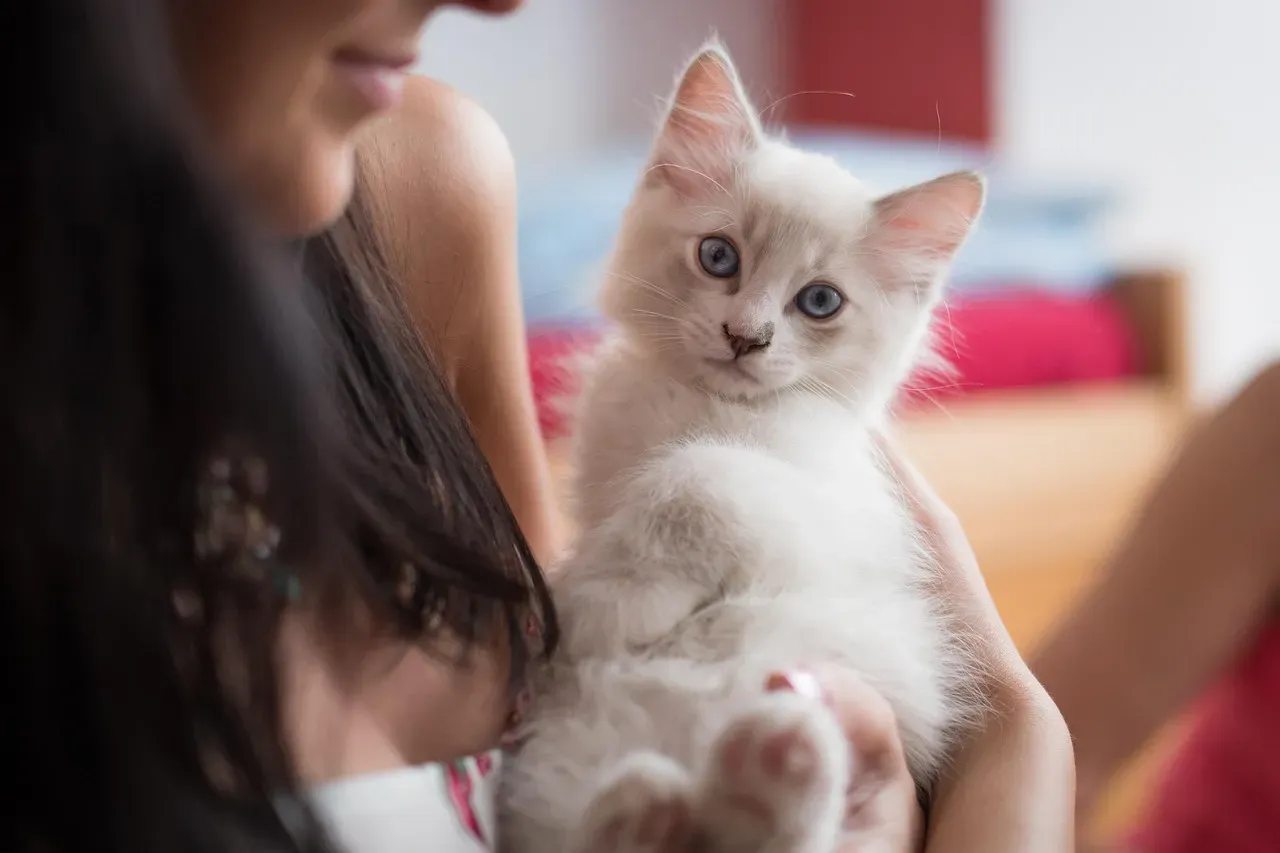
Ragdolls lean into affectionate bonds and often go limp when held, mirroring the ISFJ focus on care and harmony. They seek out quiet company rather than loud play and seem content simply being near their people throughout the day.
This breed shows patience with children and other pets, creating a calm household atmosphere. Their gentle nature makes them reliable companions for those who value emotional steadiness over constant excitement.
INFJ: Siamese
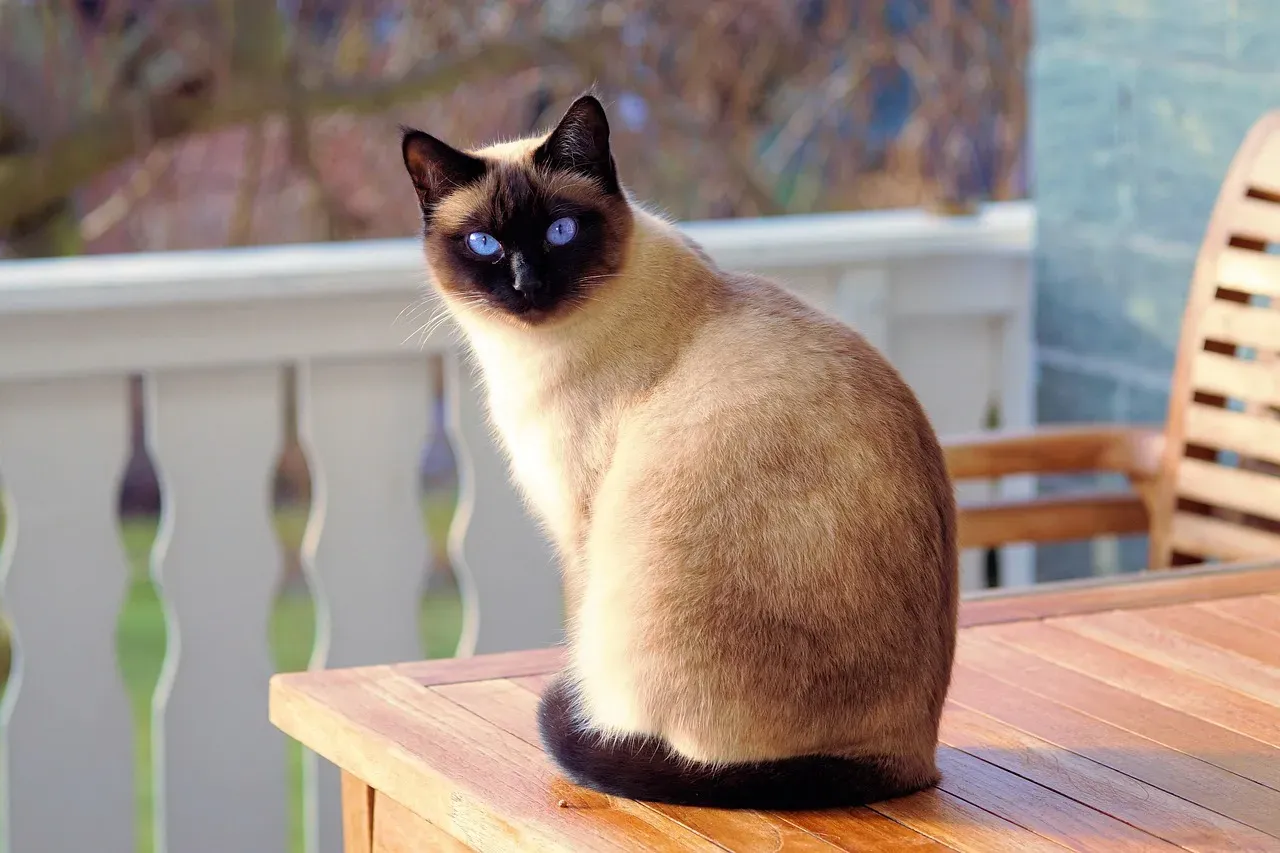
Siamese cats combine vocal expression with deep attachment, echoing the INFJ blend of insight and selective closeness. They often follow one person around the home and communicate needs with a distinctive tone that demands attention.
Their intelligence shows in puzzle solving and quick learning of household patterns. At the same time they maintain an air of mystery that keeps interactions meaningful rather than superficial.
INTJ: Russian Blue
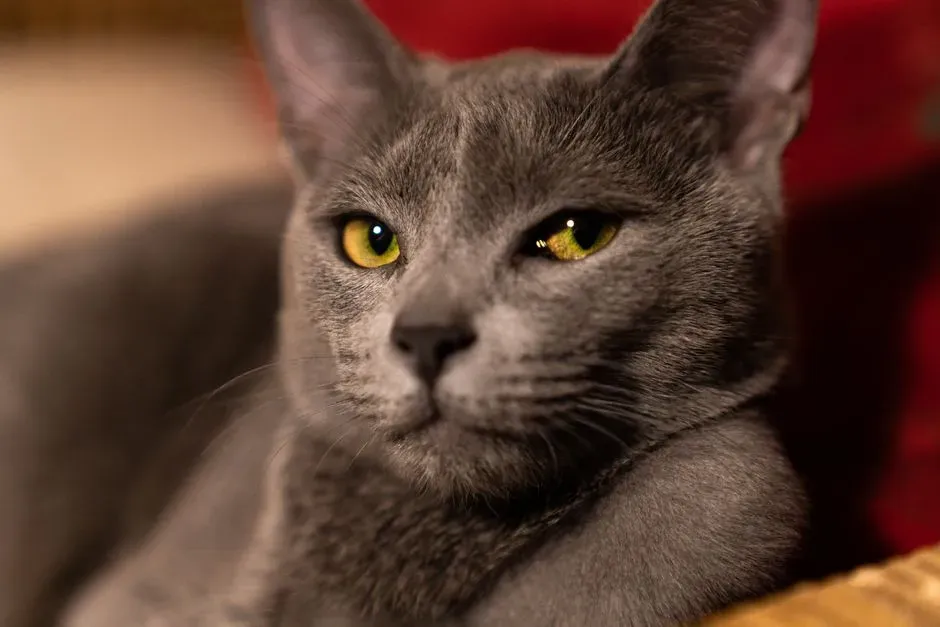
Russian Blues carry an independent streak paired with sharp observation skills that align well with INTJ traits. They explore their environment methodically and often choose one trusted human for deeper interaction while keeping others at a polite distance.
The breed tends to avoid chaos and prefers predictable surroundings where they can plan their movements. Their sleek appearance and reserved demeanor reinforce a sense of quiet competence.
ISTP: Bengal
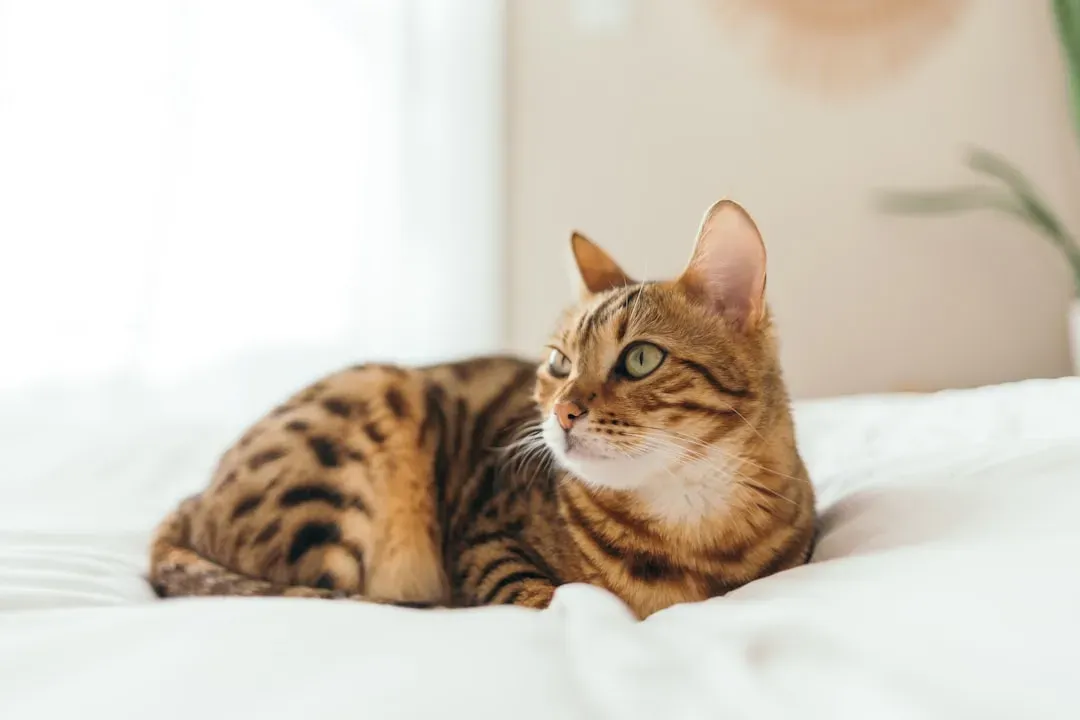
Bengals bring energy and curiosity that suit the ISTP love of hands on discovery. They climb, leap, and investigate new objects with a focus that can turn an ordinary room into a personal obstacle course.
This breed thrives on variety and often masters tricks or puzzle feeders faster than expected. Their athletic build supports an active lifestyle that appeals to personalities who prefer doing over prolonged discussion.
ISFP: Persian
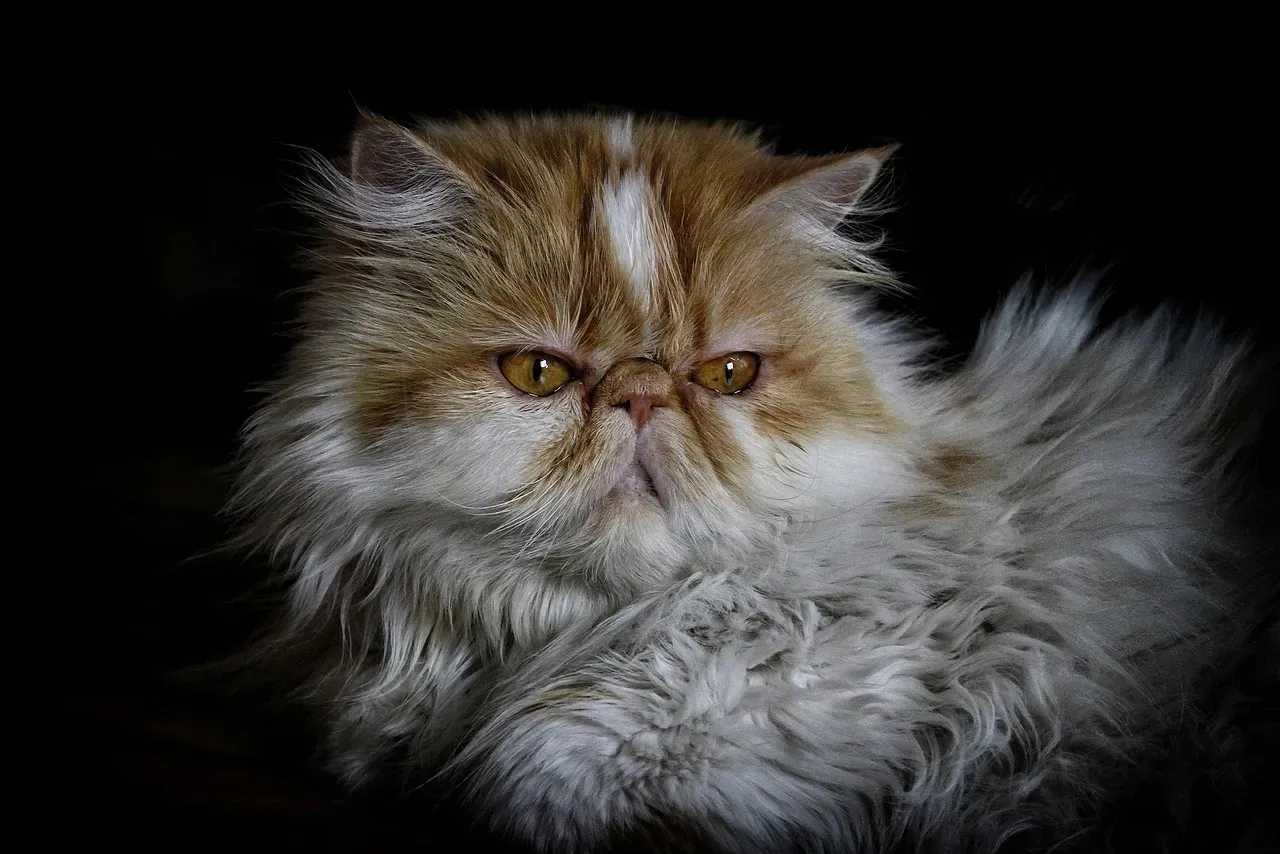
Persians embody a calm aesthetic that matches the ISFP appreciation for beauty and comfort. They move with deliberate grace and seem happiest when surroundings feel peaceful and visually pleasing.
The breed enjoys gentle grooming sessions and quiet observation from a favorite perch. Their long coats require care, yet they accept it as part of a tranquil daily rhythm.
INFP: Maine Coon
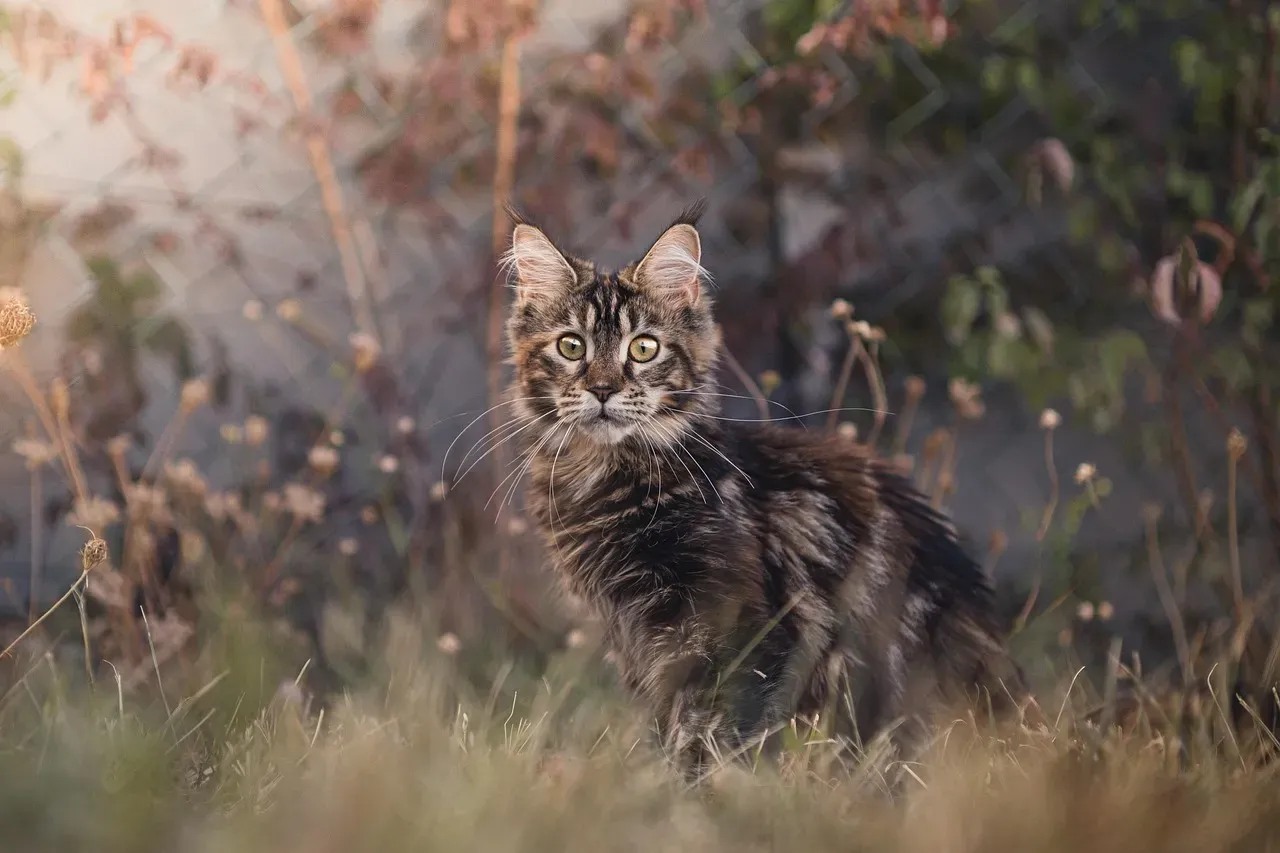
Maine Coons offer a gentle giant presence that resonates with INFP values of authenticity and quiet support. They often form strong individual bonds while still allowing space for personal reflection.
Their playful yet sensitive nature shows in soft chirps and patient interactions with other animals. Owners notice how the breed adapts to emotional tones in the home without demanding constant attention.
INTP: Sphynx
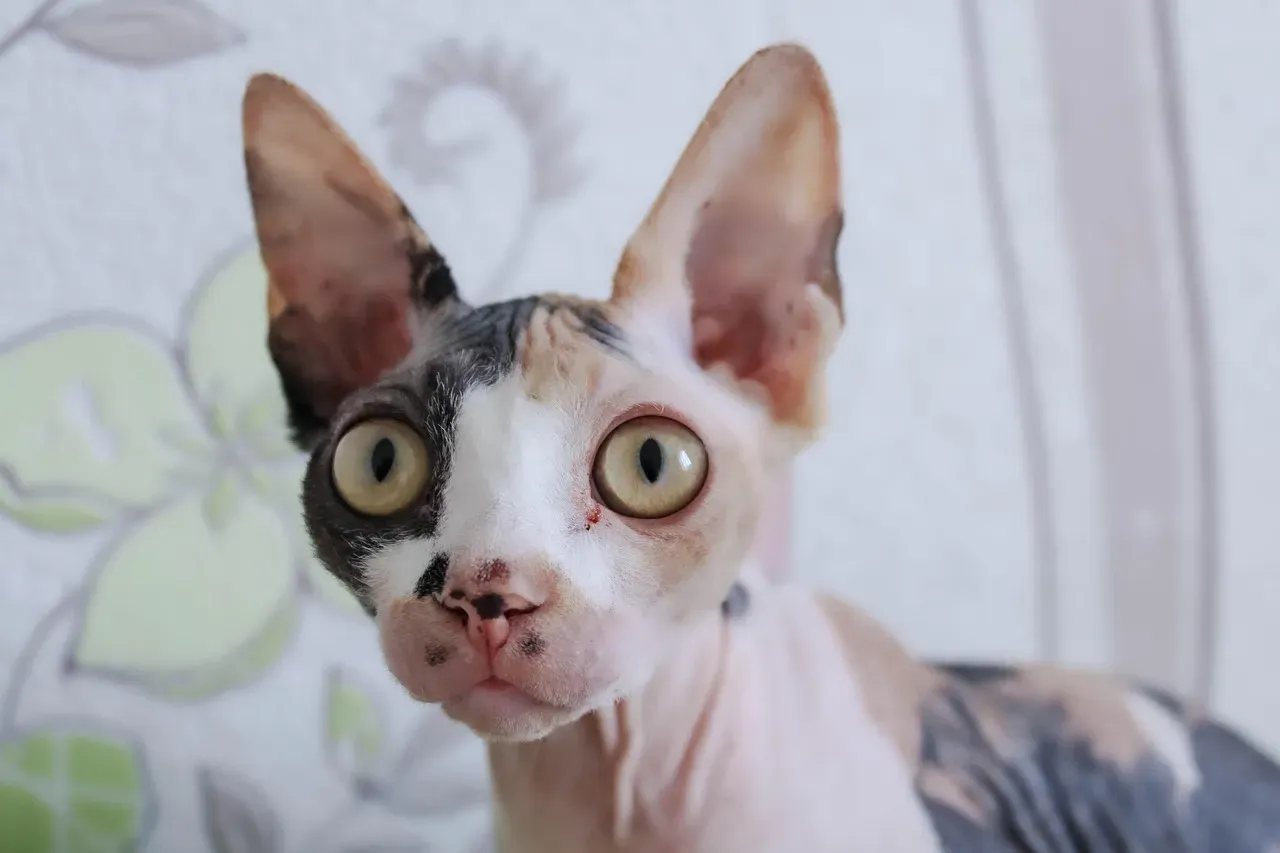
Sphynx cats display curiosity and a willingness to engage with novel situations that fit the INTP drive for understanding. Their lack of fur makes temperature regulation important, yet they still seek out interesting spots to explore.
This breed learns household routines quickly and often initiates interaction when something new appears. Their expressive faces and social tendencies create opportunities for the kind of mental stimulation many analytical minds enjoy.
ESTP: Abyssinian
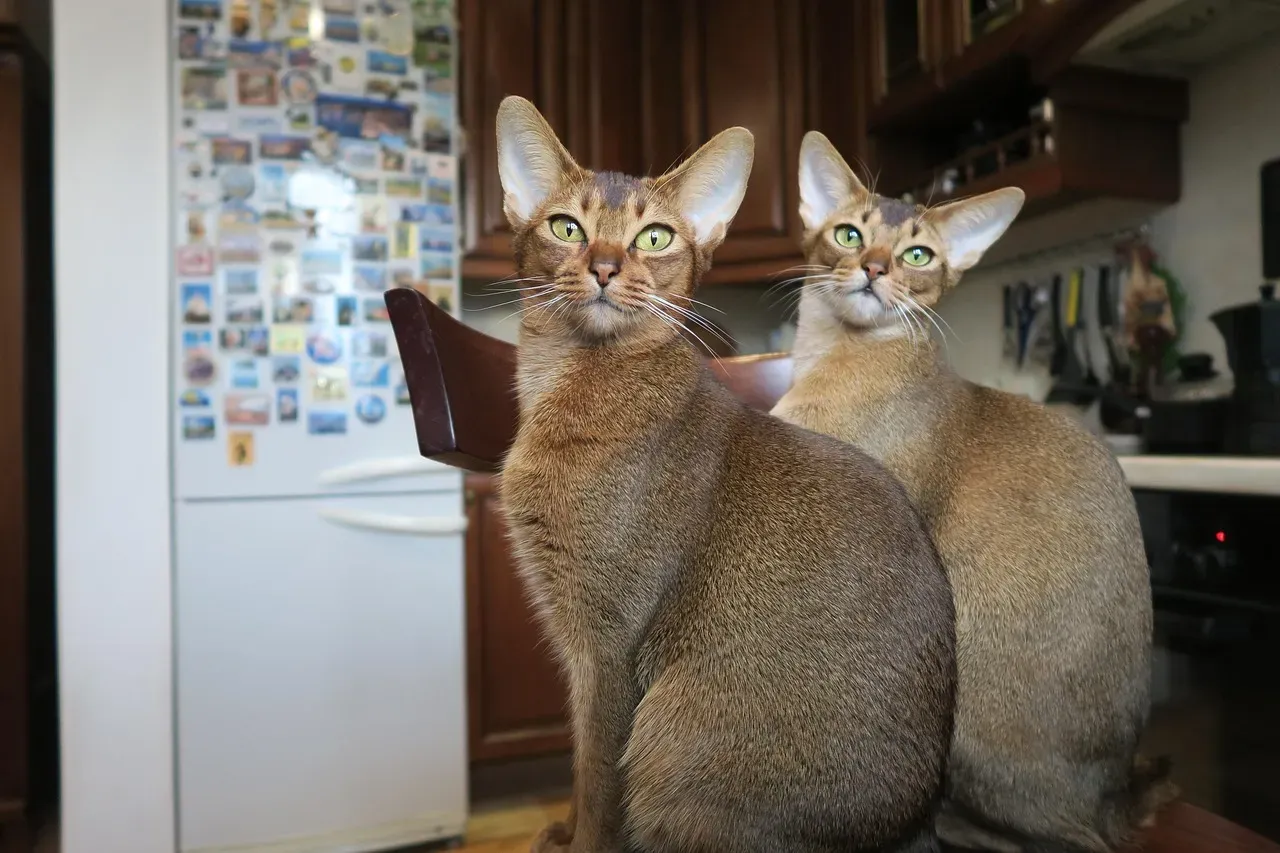
Abyssinians bring lively energy and a love of movement that aligns with ESTP spontaneity. They climb high surfaces and chase toys with focus that keeps the household dynamic.
The breed adapts easily to new environments and often leads play sessions rather than following. Their sleek build supports quick reactions that mirror a preference for action in the moment.
ESFP: Bombay
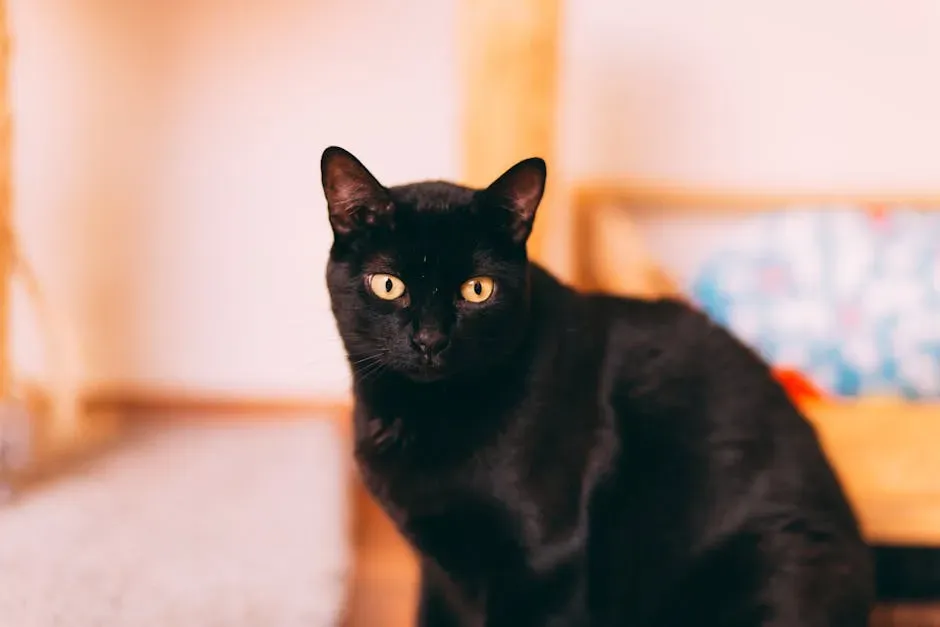
Bombay cats carry a glossy confidence and social warmth that suits the ESFP enjoyment of connection. They seek out attention through playful gestures and seem to thrive when the spotlight lands on them.
This breed often follows people from room to room and responds well to interactive toys or gentle handling. Their outgoing nature adds a lively note to daily routines without overwhelming quieter moments.
ENFP: Turkish Van
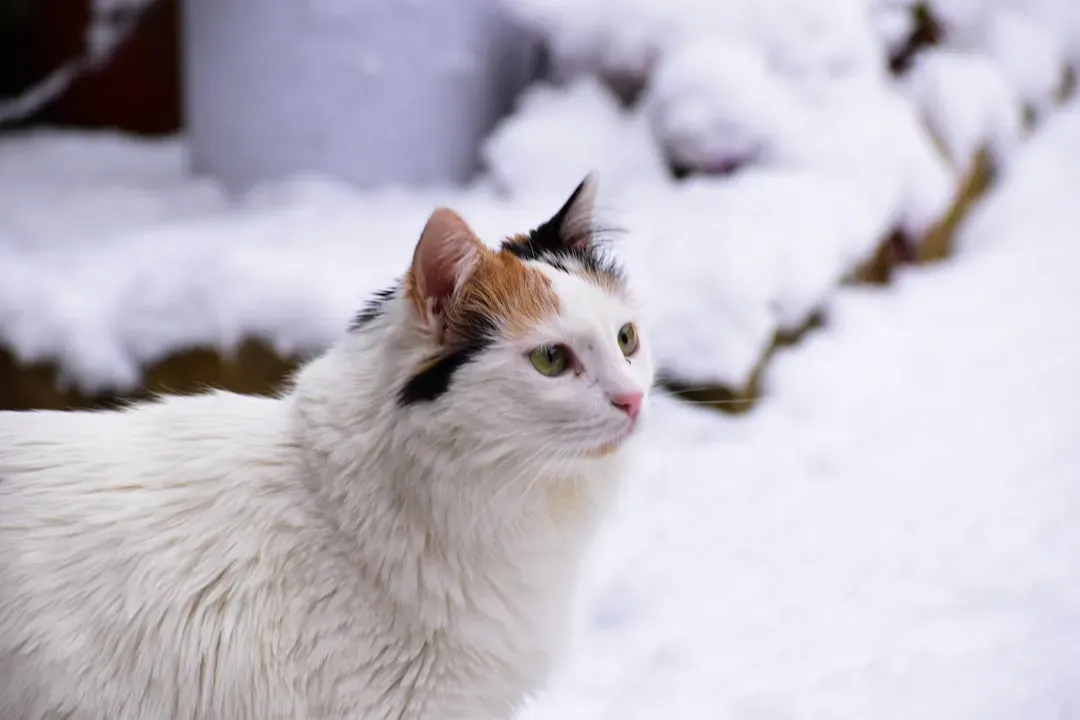
Turkish Vans show an adventurous spirit and love of water play that captures ENFP enthusiasm. They explore new spaces with excitement and often invent games that involve both people and objects around the home.
The breed maintains a friendly outlook toward visitors while still forming close ties with their main household. Their energy levels shift with the mood of the room, creating an engaging presence.
ENTP: Cornish Rex
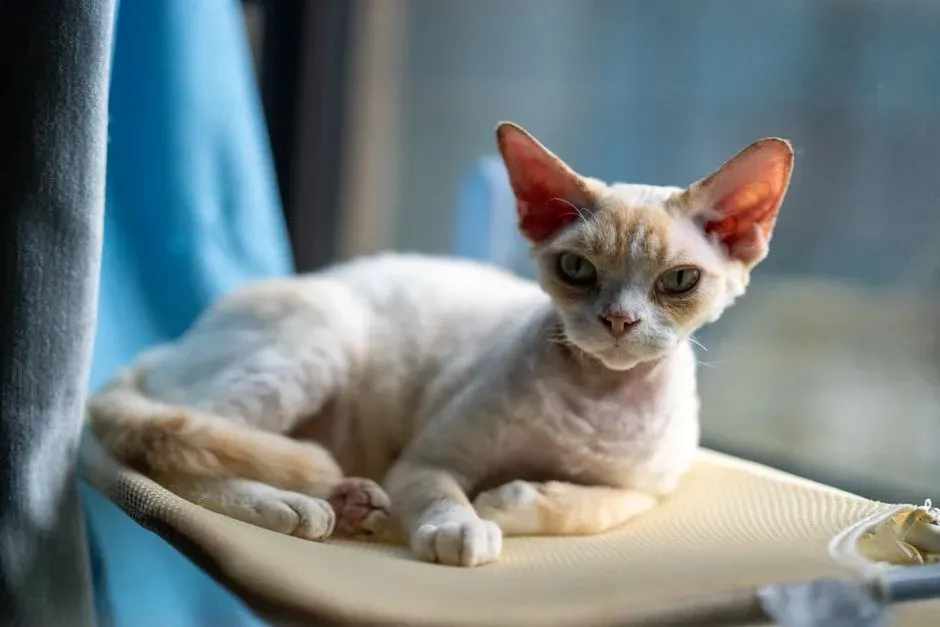
Cornish Rex cats display quick wit through their agile movements and interest in problem solving games. They enjoy testing boundaries and often find creative ways to reach high shelves or open cabinets.
This breed forms bonds through shared activity rather than constant cuddling. Their wavy coats and lively expressions add a distinctive flair that appeals to personalities drawn to novelty.
ESTJ: Chartreux
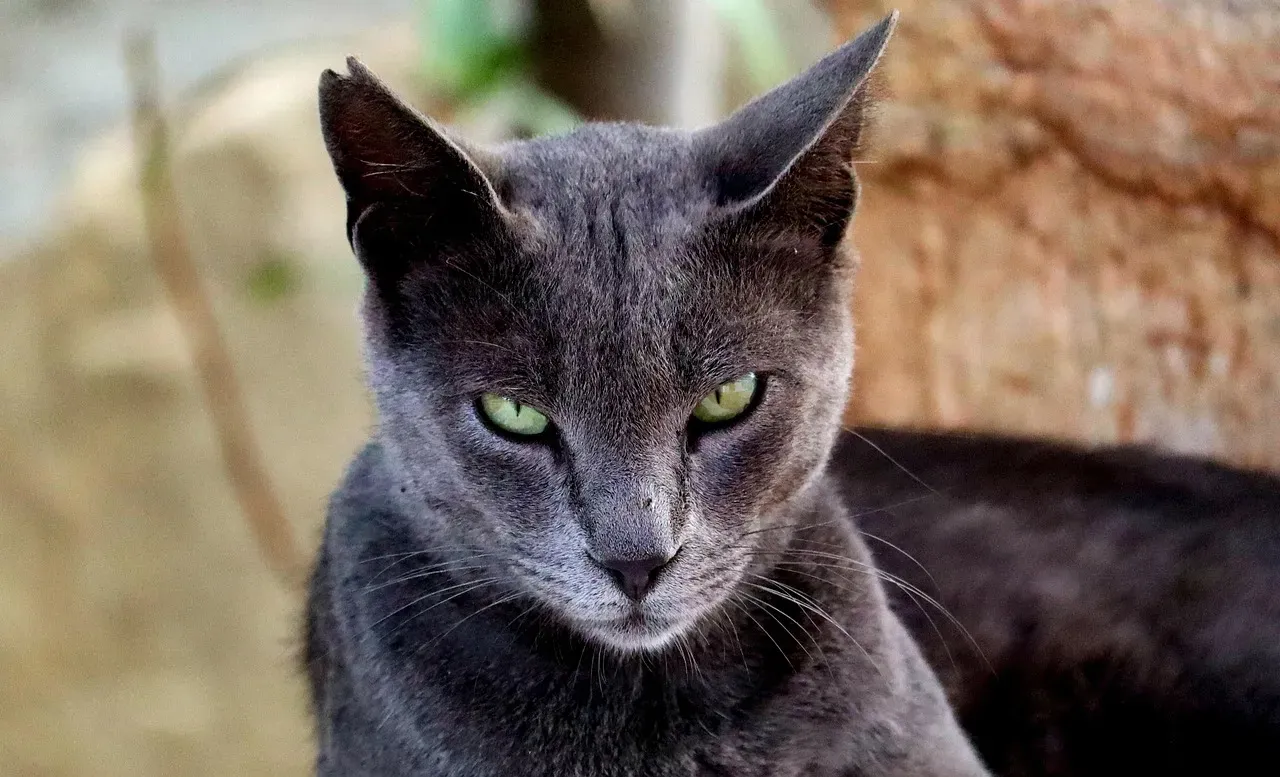
Chartreux cats project a composed authority that matches ESTJ preferences for structure. They patrol their territory with purpose and often establish clear routines that the whole household follows.
The breed tends to supervise activities from a central spot and steps in when things feel disorganized. Their sturdy frame and steady gaze reinforce a sense of dependable leadership.
ESFJ: Birman
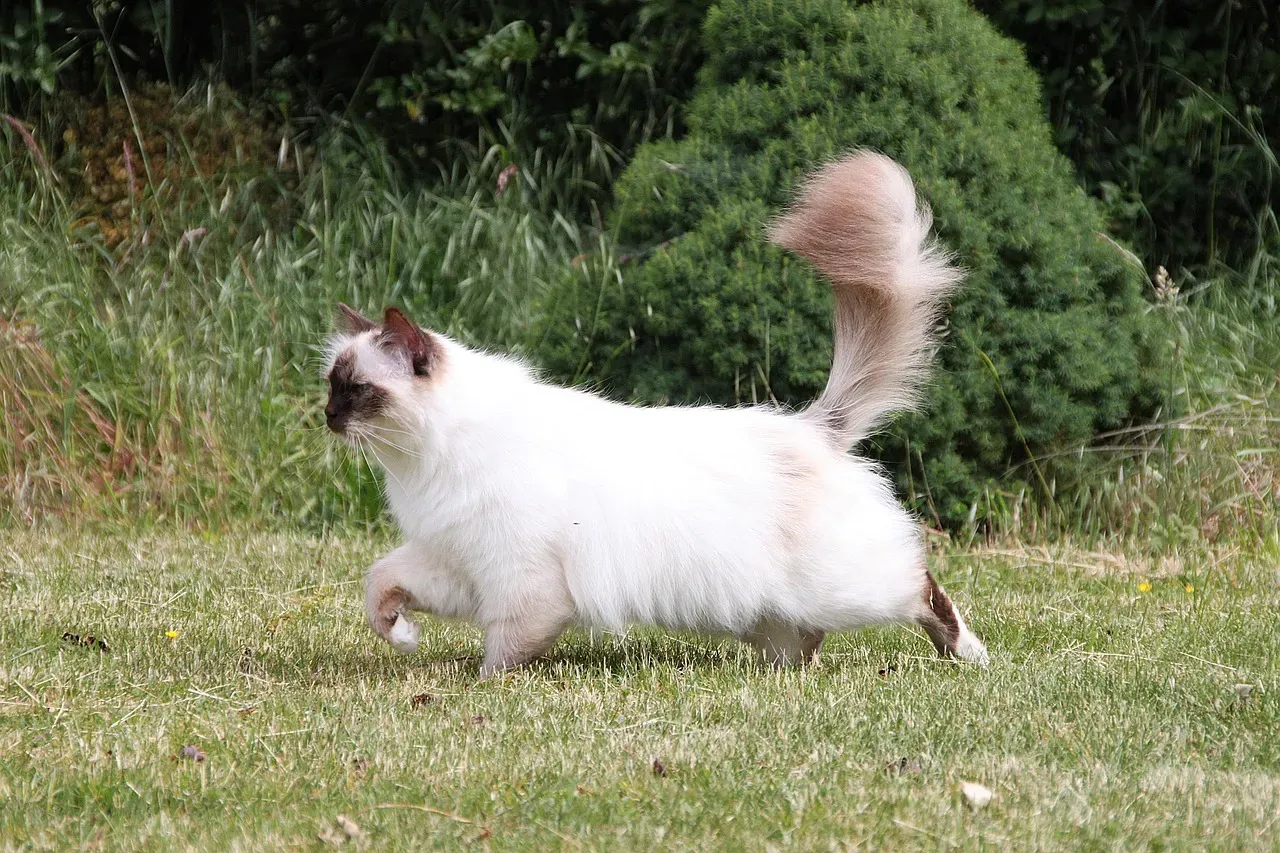
Birmans bring a sociable warmth that fits the ESFJ focus on group harmony. They greet family members at the door and often position themselves where they can keep an eye on everyone at once.
This breed shows patience during busy periods and seems to sense when extra attention would help smooth tensions. Their striking markings and gentle manners make them natural centers of household life.
ENFJ: Oriental Shorthair
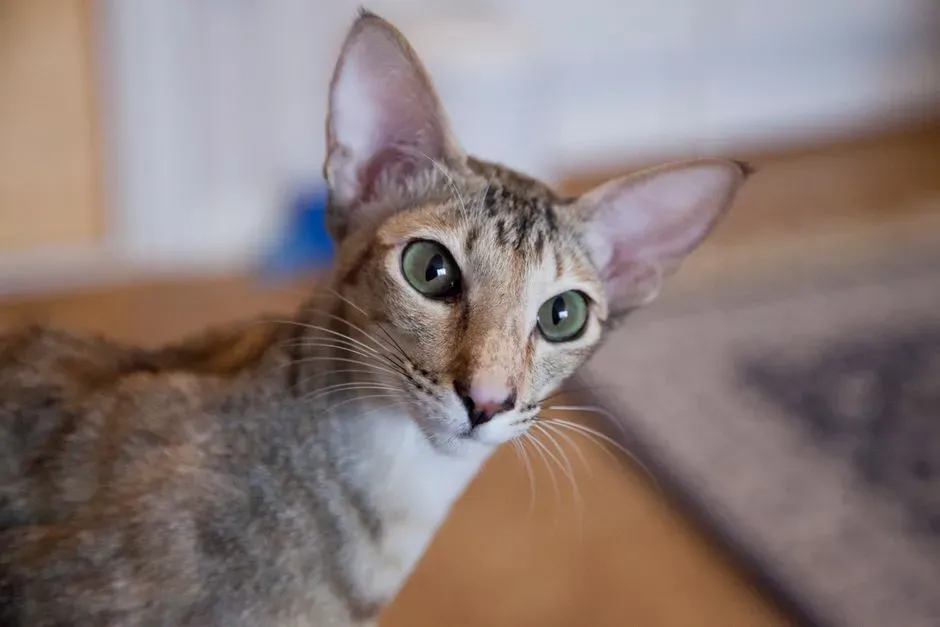
Oriental Shorthairs combine expressiveness with a desire to connect that echoes ENFJ tendencies. They use a wide range of vocalizations to communicate and often insert themselves into family activities.
The breed forms strong attachments and appears sensitive to shifts in mood around them. Their sleek lines and attentive eyes create an engaging presence that draws people in.
ENTJ: Savannah
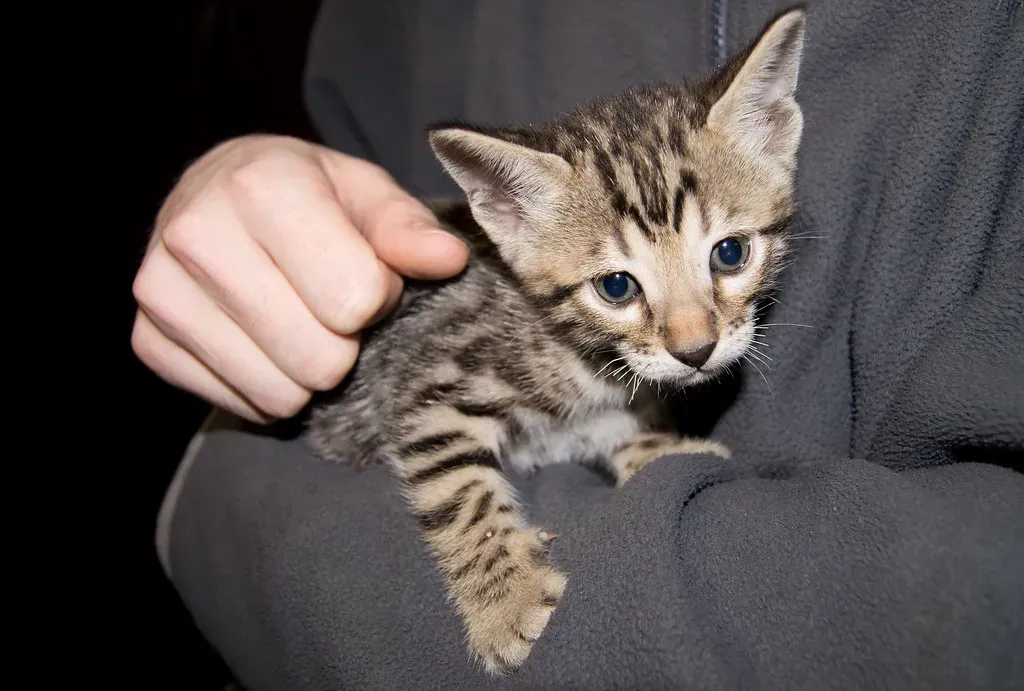
Savannah cats carry a commanding presence and strategic approach to their environment that suits ENTJ drive. They assess situations quickly and often take the lead in exploring new spaces or solving access challenges.
This breed maintains high energy while still respecting clear boundaries once established. Their athletic build and bold markings reflect a personality that values both achievement and visible results.
Conclusion
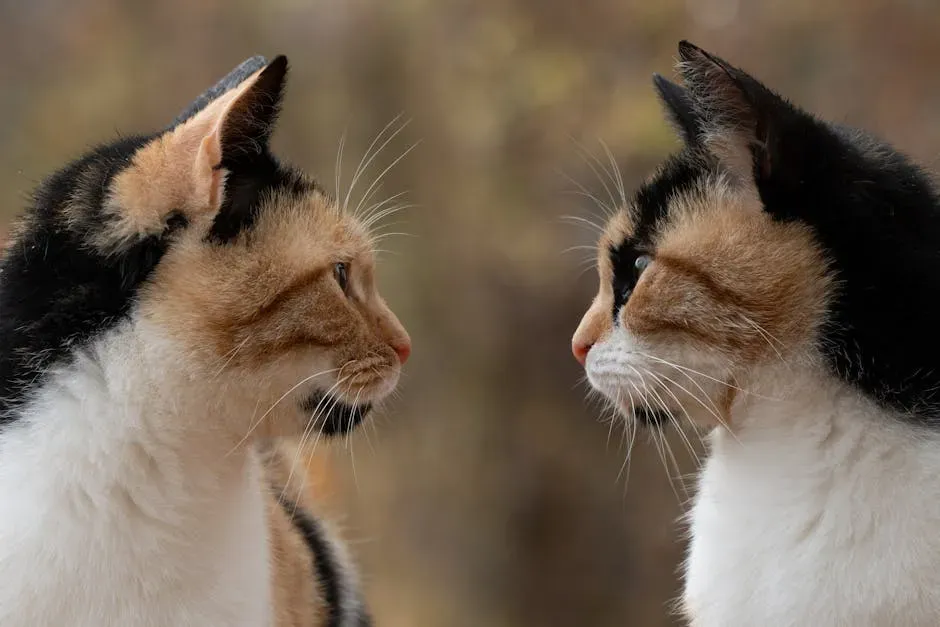
These pairings highlight how cat breeds already carry recognizable patterns that echo human personality frameworks. Matching them invites owners to notice small details in daily behavior that might otherwise pass unnoticed.
Ultimately the exercise reminds us that both cats and people thrive when their natural tendencies find room to express themselves. A thoughtful match can turn ordinary moments into quiet sources of understanding.

- The Wild Animal Each Zodiac Sign Would Become Under Pressure - August 5, 2026
- The Desert Town in Nevada Slowly Being Buried by Moving Sand - August 5, 2026
- Do Animals Feel Emotions Like Humans? New Studies Reveal Surprising Truths - August 5, 2026