

Worried about unexpected vet bills?
Pet insurance can cover thousands in unexpected vet costs. Get a free quote from Lemonade in under 2 minutes.
Get My Free Quote →Sponsored · Opens Lemonade.com
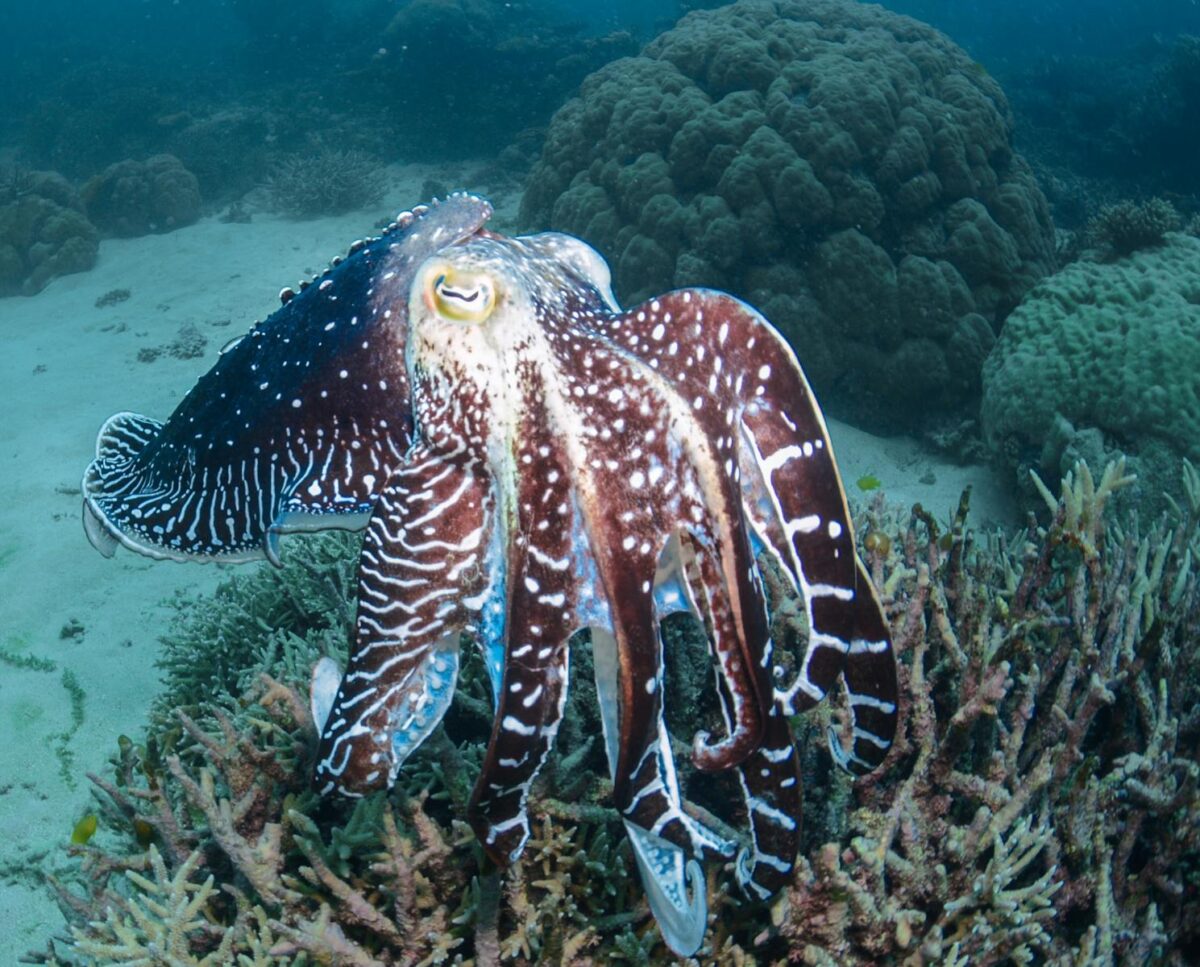
The cuttlefish, a remarkable marine creature, captivates scientists and ocean enthusiasts alike with its extraordinary ability to change color and its mesmerizing mating dance. Often called the “chameleon of the sea,” the cuttlefish employs a sophisticated combination of color alteration, movement, and body patterning not just for camouflage, but also for communication and courtship. In the mysterious depths of the ocean, the cuttlefish’s mating dance unfolds as a beautiful display of nature’s wonders. This article dives into the intricacies of the cuttlefish’s color-changing capabilities and their significance in mating rituals.
The Anatomy of the Cuttlefish

Cuttlefish belong to the class Cephalopoda, which includes octopuses and squids. What sets cuttlefish apart is their unique internal shell, known as the cuttlebone, which provides buoyancy control. Despite their name, cuttlefish are not fish; they are mollusks. Their anatomy includes eight arms and two longer tentacles, used prominently during their elaborate mating displays.
The Remarkable Ability to Change Color

The cuttlefish’s ability to change color is facilitated by specialized skin cells called chromatophores. These cells contain sacs of pigment that expand or contract to alter the cuttlefish’s color. Underneath, iridophores and leucophores further modify these colors by reflecting light. This dynamic skin can not only change colors dramatically but also create complex patterns and textures.
The Science Behind the Color Change

The cuttlefish’s skin is sensitive to the environment, capable of detecting changes in light and pressure. Through complex neural mechanisms, the cuttlefish adjusts the size of its chromatophores with astonishing speed. This rapid color change can occur in less than a second, allowing cuttlefish to respond quickly to surroundings or interact with potential mates.
The Purpose of Color Change in Mating
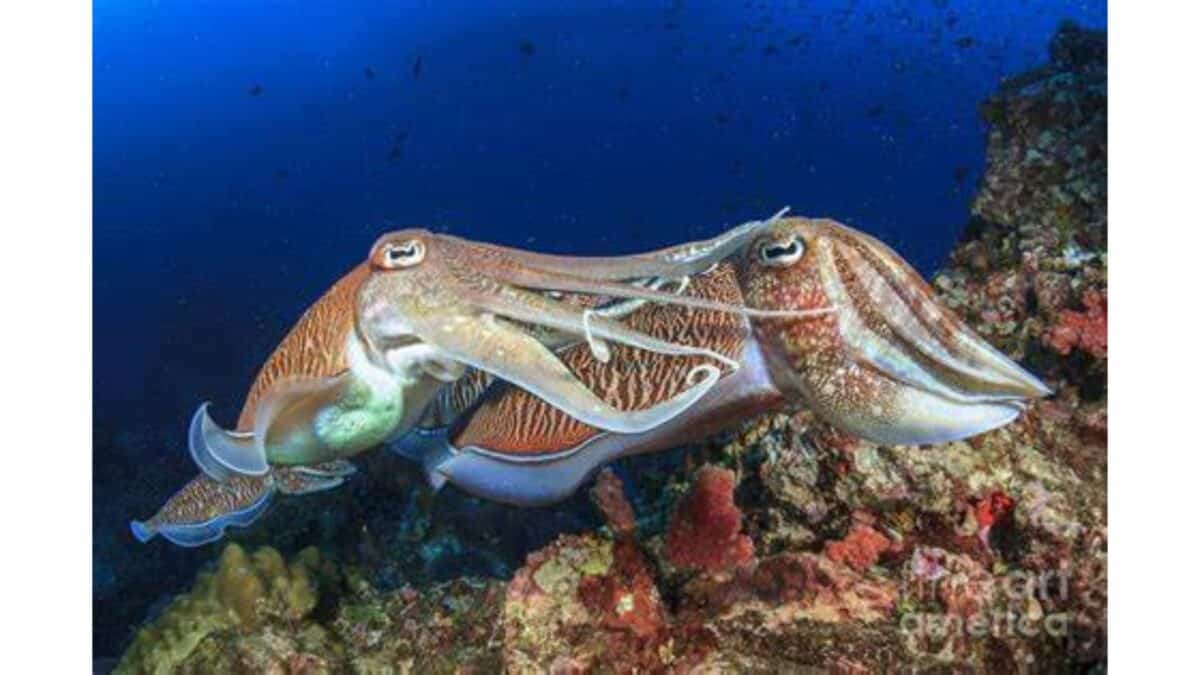
While color change serves several purposes, including camouflage and communication, it becomes particularly crucial during mating. During courtship, male cuttlefish showcase vivid color displays to attract females. The legacies of evolution have programmed these cephalopods to use their unique coloration skills as an essential part of their reproductive success.
The Mating Dance: A Courtship Display
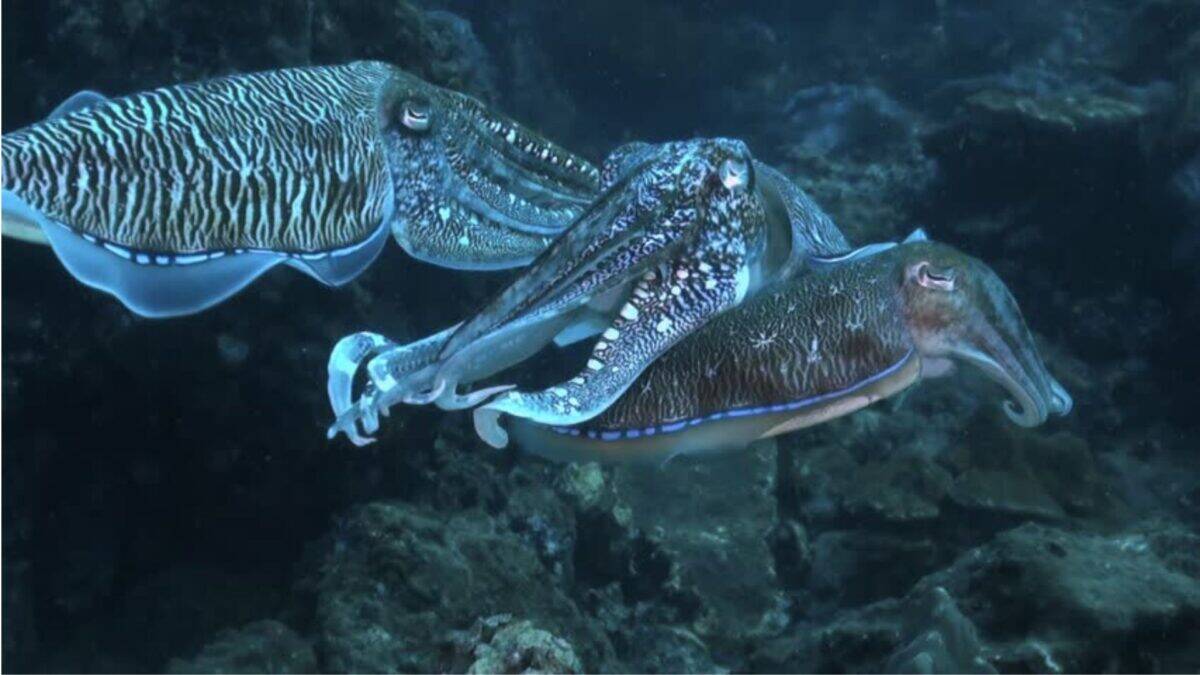
The mating dance of the cuttlefish is a fascinating spectacle. Males will often engage in elaborate color displays and movements to woo females. These displays can include intricate zebra-like stripes or flashes of light and dark bands, signaling readiness and suitability as a mate. This dance acts not only as an attraction mechanism but also as a competition tactic against rival males.
The Role of Gender in the Mating Dance
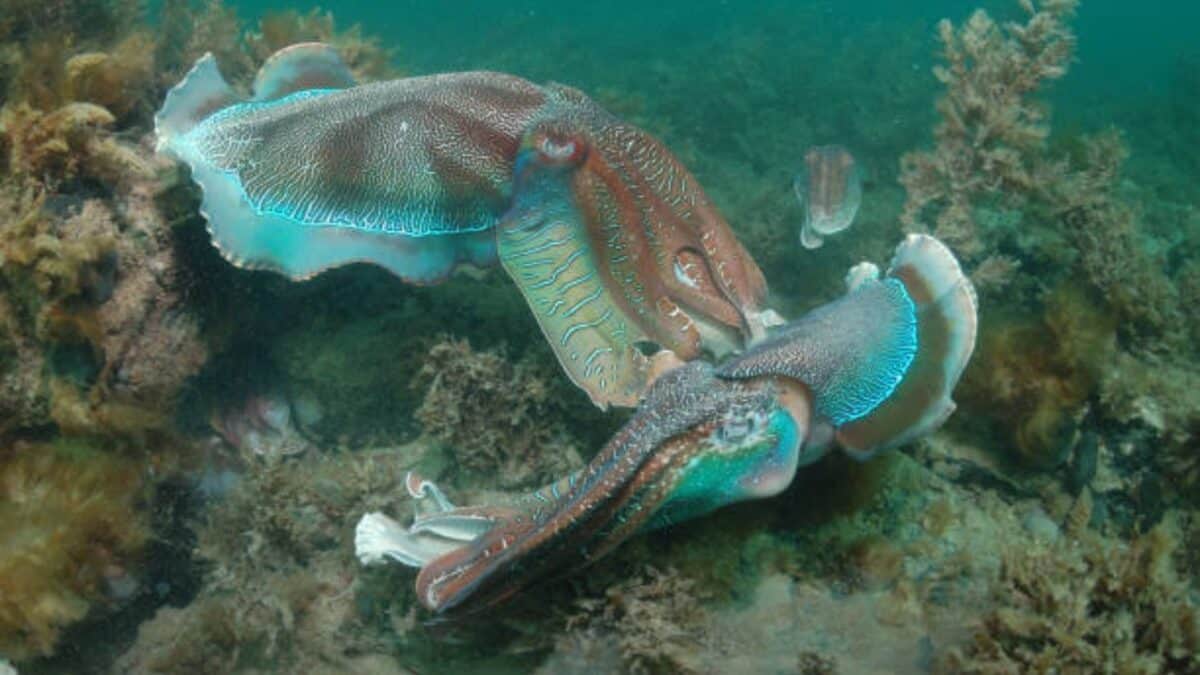
Male cuttlefish face intense competition for mates, often necessitating the development of additional strategies. Some males employ “sneaker” tactics, where they change colors to mimic females, allowing them to slip past larger males and mate with the female undetected. This gender deception demonstrates the cuttlefish’s ability to utilize its color-changing skills in a strategic, rather than purely aesthetic, manner.
How Females Respond to Mating Displays
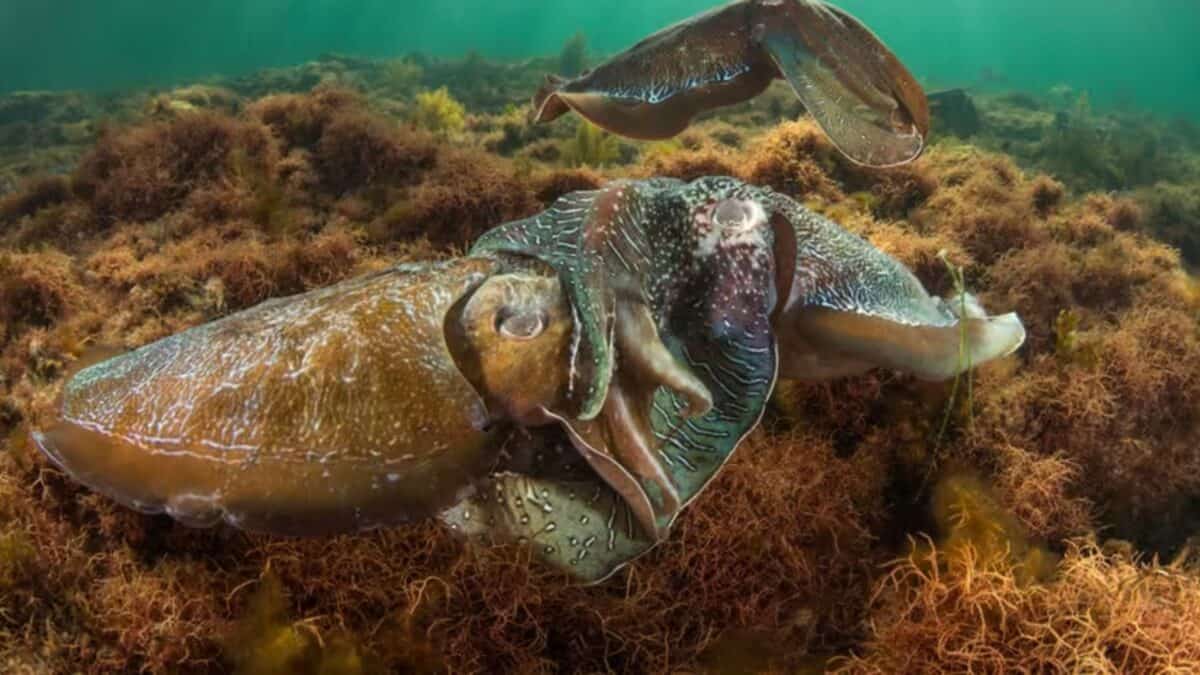
Females play a critical role in the cuttlefish mating dance. They are not passive spectators but active participants, assessing the male displays before choosing mates. This choice is influenced by the vigor and attractiveness of the male’s display, which likely serves as an indicator of genetic fitness and the potential for successful offspring.
Environmental Influences on Mating Displays
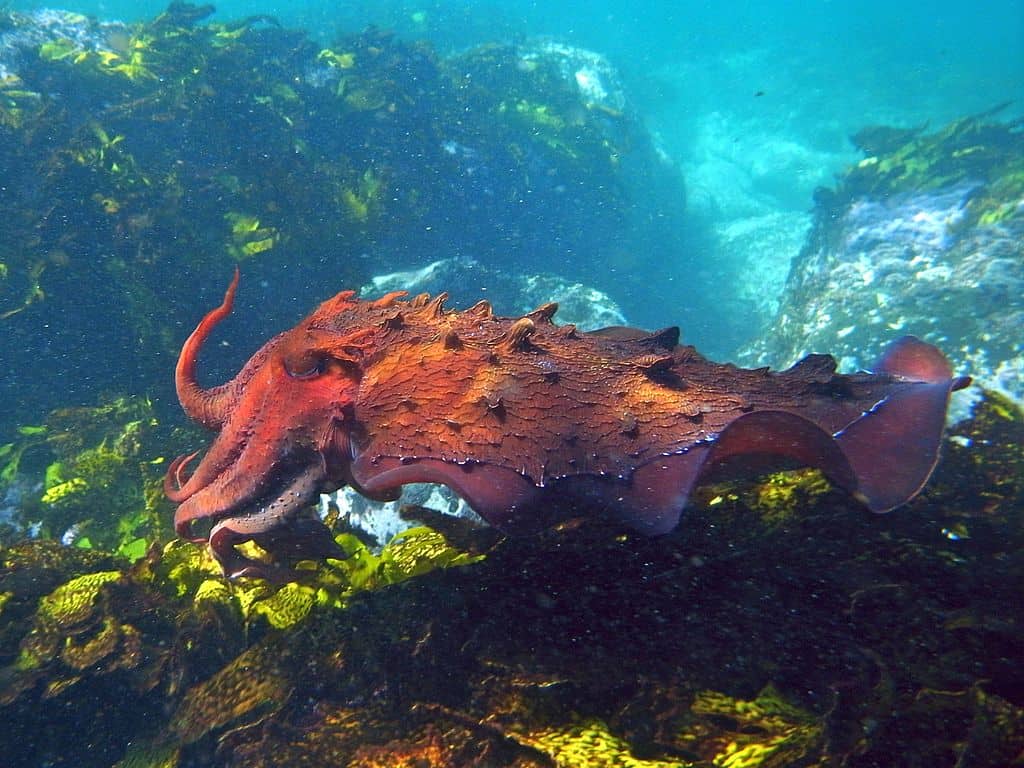
The clarity of water, the presence of predators, and the density of the cuttlefish population can influence mating displays. In turbid or predator-rich waters, the scale and intensity of color displays may be altered. These environmental factors play a crucial role in determining how conspicuous a cuttlefish can afford to be during its display.
The Color-Changing Dance and Surviving Ocean Predators
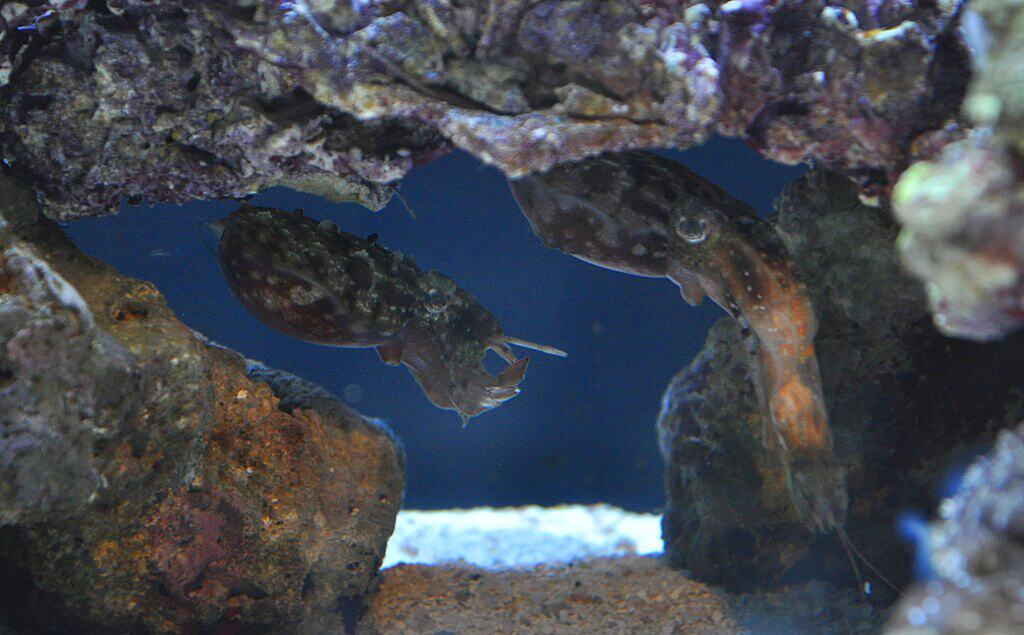
Besides attracting mates, the color-changing abilities of cuttlefish during their mating dance also help them evade predators. By rapidly shifting appearances, cuttlefish can confound predators, making them crucial in balancing their need to attract and survive in the ocean’s threatening depths.
Scientific Research on Cuttlefish Mating Rituals
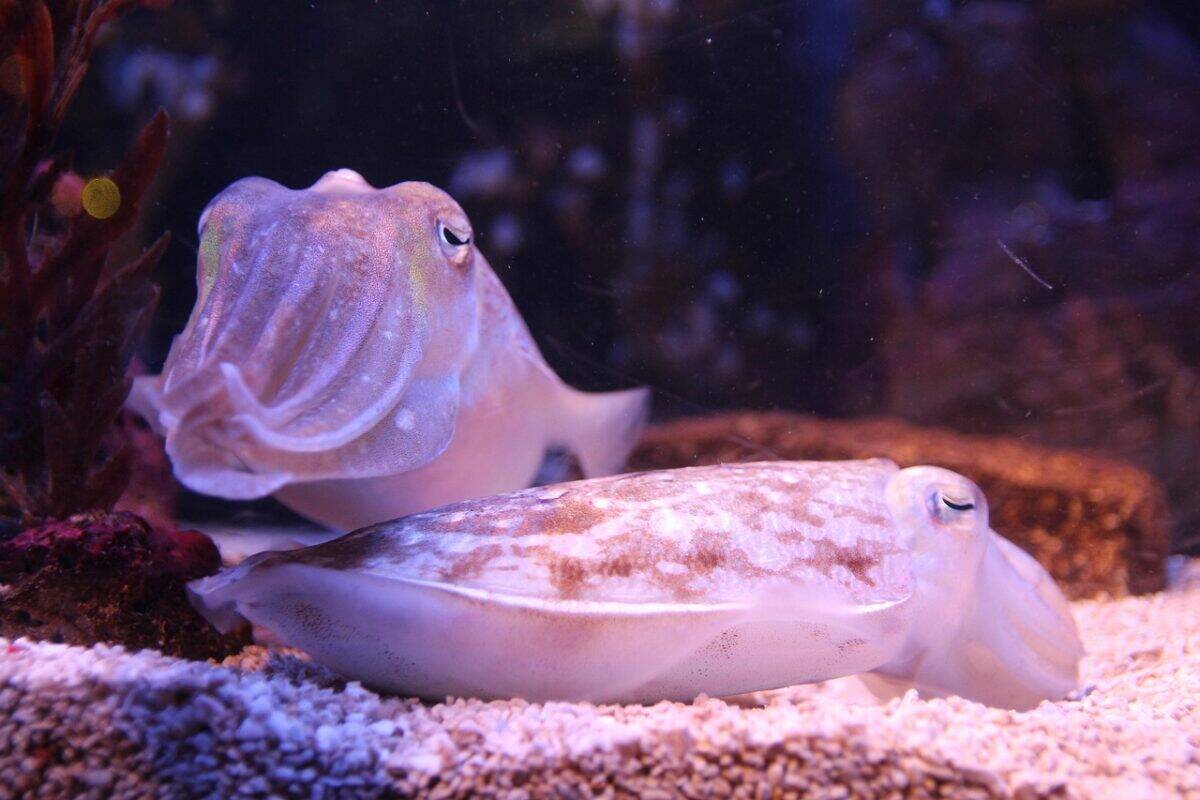
Ongoing research continues to uncover new facets of the cuttlefish’s mating rituals. Scientists study these dances not only to understand cuttlefish behavior but also to gain insights into the communication systems of other complex life forms. These studies help unveil the complexities of animal behavior and the evolutionary pressures that shape them.
Technology Inspired by Cuttlefish

The cuttlefish’s ability to change color quickly and effectively has inspired technological innovations. Biomimicry of cuttlefish skin has led to developments in materials science, potentially paving the way for dynamic camouflage materials and advanced textiles that change color or pattern based on environmental cues.
The cuttlefish’s color-changing mating dance is a remarkable demonstration of nature’s creativity and adaptability. Through its intricate displays, the cuttlefish showcases not only an evolutionary marvel but also a captivating aspect of marine life that continues to intrigue and inspire. This blend of art and function in the animal kingdom reinforces the beauty and complexity that lie beneath the ocean’s waves.
Worried about unexpected vet bills?
Pet insurance can cover thousands in unexpected vet costs. Get a free quote from Lemonade in under 2 minutes.
Get My Free Quote →Sponsored · Opens Lemonade.com

- Why Zambia’s Kafue National Park Is the Best Place to See Wild Dogs - June 10, 2026
- 25 Most Majestic Birds That Will Take Your Breath Away - June 10, 2026
- 21 Most Impressive Hunters in the Animal Kingdom - June 10, 2026
Leave a comment
You must be logged in to post a comment.