

Natural disasters have long been a part of Earth’s history, and among these calamities, floods stand out for their devastating impact. Floods have not only claimed countless lives but also erased entire cities from the map, leaving behind stories of tragedy and resilience. This article explores some of the deadliest floods in history, examining their causes, effects, and the lessons learned.
Introduction to the Catastrophic Power of Floods

🔥 Would you like to save this?
We'll email this post to you, so you can come back to it later!
Floods are one of the most destructive natural disasters due to their ability to sweep away people, homes, and livelihoods in an instant. They can be triggered by heavy rains, dam failures, or rapidly melting snow, and their reach can extend for miles. Over history, several floods have stood out for their sheer destruction and impact.
The Yellow River Flood of 1931

🔥 Would you like to save this?
We'll email this post to you, so you can come back to it later!
The 1931 Yellow River flood in China is considered one of the deadliest natural disasters ever recorded. After a series of severe weather events, including intense rainfall, the river overflowed, affecting 52 million people. Entire villages were submerged, leading to an estimated death toll of between one to four million, making this flood a stark reminder of nature’s fury.
The Central China Floods of 1931

🔥 Would you like to save this?
We'll email this post to you, so you can come back to it later!
In the same year, the central regions of China endured catastrophic flooding caused by a combination of cyclones, long periods of rain, and the overflowing of the Yangtze, Yellow, and Huai Rivers. The floods left behind a path of destruction, affecting an area the size of England and causing widespread famine and disease.
The Indian Ocean Tsunami of 2004

🔥 Would you like to save this?
We'll email this post to you, so you can come back to it later!
While technically a tsunami, the massive flooding caused by the Indian Ocean earthquake in December 2004 was devastating. The tsunami, triggered by a 9.1 to 9.3 magnitude earthquake, affected 14 countries and caused nearly 230,000 deaths, making it one of the most lethal natural disasters in recorded history.
The North Sea Flood of 1953

🔥 Would you like to save this?
We'll email this post to you, so you can come back to it later!
This flood profoundly affected Northwestern Europe, particularly England and the Netherlands. A combination of a high spring tide and a severe European windstorm overwhelmed sea defenses, submerging vast areas of land and leading to over 2,500 deaths. The disaster spurred advancements in flood defenses and infrastructure in the affected regions.
The Bangladesh Floods of 1998

🔥 Would you like to save this?
We'll email this post to you, so you can come back to it later!
Bangladesh, a country known for its vulnerability to flooding, experienced one of its worst instances in 1998. The relentless monsoon rains and overflowing rivers led to two-thirds of the country being submerged for several months. The floods displaced millions of people and severely damaged agriculture, highlighting the continual risk to low-lying regions.
The Great Mississippi Flood of 1927

🔥 Would you like to save this?
We'll email this post to you, so you can come back to it later!
The Mississippi River flood in 1927 remains one of America’s most significant flood disasters. After months of incessant rain, the river burst its banks, flooding 27,000 square miles and displacing thousands of people. The social and economic aftermath of this disaster had long-lasting effects on the U.S., particularly for African American communities in the South.
The Hanoi and Red River Delta Flood, 1971

🔥 Would you like to save this?
We'll email this post to you, so you can come back to it later!
This disaster in Vietnam, caused by the continuous onslaught of monsoon rain, led to the Red River exceeding its capacity. The flood took nearly 100,000 lives and affected millions, disrupting the agricultural heart of Vietnam and highlighting the vulnerability of densely populated river deltas to flooding.
The Kerala Floods of 2018

🔥 Would you like to save this?
We'll email this post to you, so you can come back to it later!
In a dramatic instance of extreme weather exacerbated by environmental factors, the Indian state of Kerala experienced unprecedented flooding in 2018. The combination of heavy monsoon rains and dam releases led to widespread devastation, affecting over five million people and claiming nearly 500 lives. The disaster underscored the importance of sustainable development and effective disaster management systems.
The Czech Republic Flooding of 2002
🔥 Would you like to save this?
We'll email this post to you, so you can come back to it later!
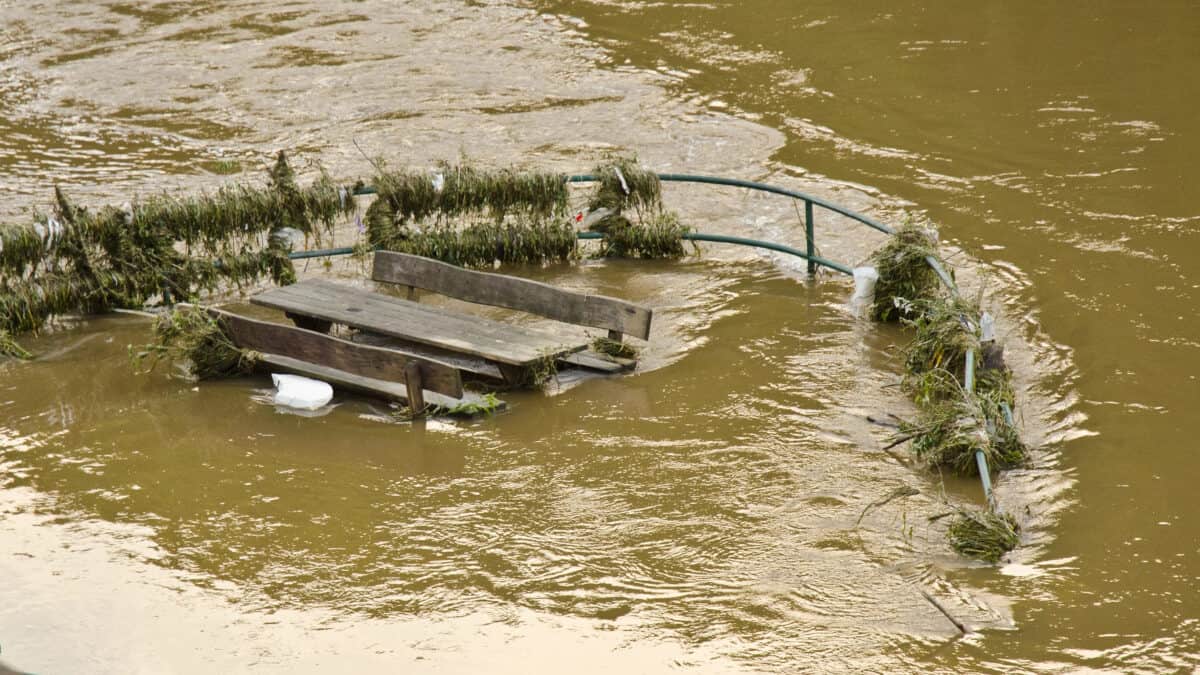
The river Vltava and its tributaries swelled due to continuous heavy rain, leading to the worst flooding the Czech Republic had seen in over a century. Major cities, including Prague, were inundated. The disaster prompted a reevaluation of flood management and heritage conservation strategies in affected areas.
The Queensland Floods of 2010-2011

🔥 Would you like to save this?
We'll email this post to you, so you can come back to it later!
Australia’s Queensland experienced wide-scale flooding due to heavy rainfall and cyclone activity at the turn of the decade. The floods covered an area larger than France and Germany combined, causing considerable economic and social impact, especially in agricultural sectors.
The Truths We Must Accept about Flooding

🔥 Would you like to save this?
We'll email this post to you, so you can come back to it later!
Exploring these historical floods highlights common threads: the need for robust infrastructure, early warning systems, and sustainable environmental practices. As climate change accelerates weather unpredictability, it becomes crucial to learn from past events and enhance resilience to protect life and preserve communities.
Conclusion

🔥 Would you like to save this?
We'll email this post to you, so you can come back to it later!
While floods remain an inevitable aspect of our natural world, preparedness and resilient infrastructure can mitigate their worst impacts. By understanding the conditions that lead to these catastrophes and implementing effective strategies, societies can work towards safeguarding their future against similar devastation.

- 10 Enigmatic Structures That Continue to Puzzle Scientists Today - November 5, 2026
- 10 Strange Ruins in the Americas That Challenge What We Know About Early History - November 5, 2026
- Beyond the Bark: Decoding Your Dog’s 12 Most Common Vocalizations - November 5, 2026