
More than eighty percent of Earth’s oceans remain unexplored, unmapped, and largely unknown to science. That isn’t a rough estimate or a figure from decades past – it’s still the operating reality in 2026. Below the sunlit surface layers that most people picture when they think of the sea lies a world so vast, so pressurized, and so dark that it has resisted human understanding far longer than outer space.
What’s changing now is our ability to actually go there, stay there, and look carefully. Remotely operated vehicles, better genetics technology, and unprecedented global research collaborations are pulling back the curtain on creatures that have spent millions of years perfecting the art of living in the invisible. The pace of discovery has accelerated to a degree that genuinely surprises even the scientists leading the expeditions.
The Colossal Squid Steps Into the Light – After a Century of Hiding
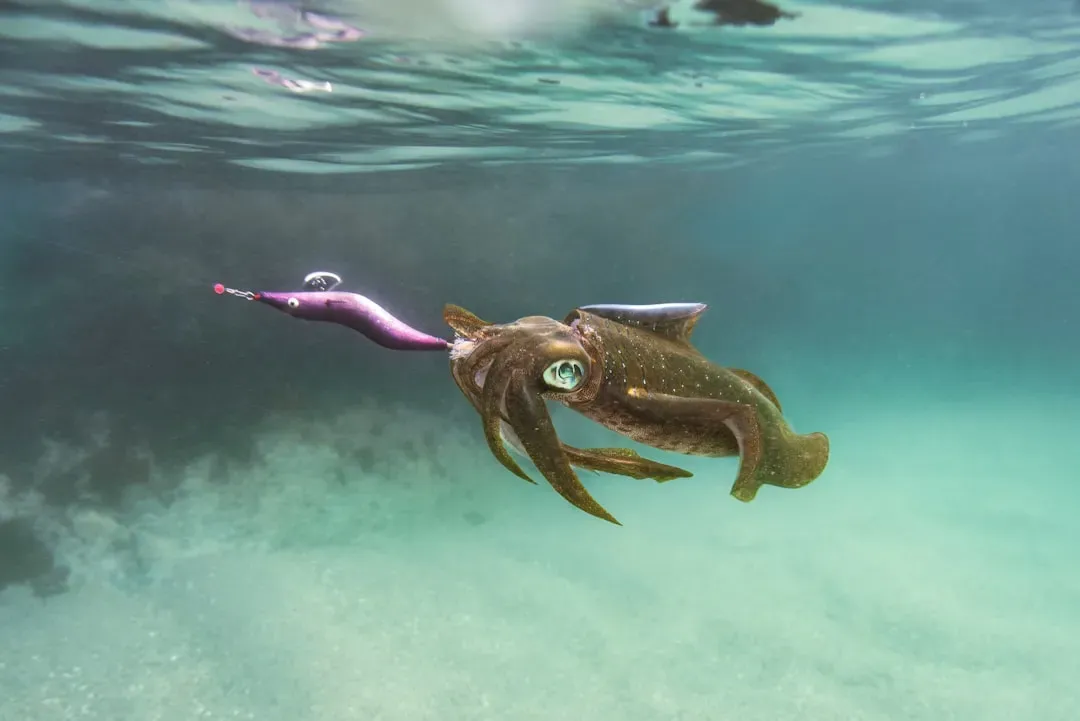
There are animals that feel almost mythological until the moment they’re confirmed to be real. The colossal squid has occupied that strange space in marine biology for one hundred years. For a century, scientists have searched for a titan lurking in the oceans’ depths: a squid that can weigh up to half a ton. It was known mainly from fragments – beaks found in whale stomachs, scars left on deep-sea fish – but never truly observed.
The team aboard Schmidt Ocean Institute’s Research Vessel Falkor captured footage of a 30-centimeter-long squid at a depth of 600 meters using their remotely operated vehicle SuBastian during an Ocean Census flagship expedition. The expedition took place in the remote South Sandwich Islands in the South Atlantic Ocean. The animal was a transparent juvenile, delicate-looking and entirely calm in the dark water around it.
Colossal squids have likely not been caught on camera until now due to their large, sensitive eyes, which probably cause them to avoid research equipment that can be bright and loud. Because of their elusive nature, researchers still know little about their diet, lifespan, or reproductive traits. Much of what is known has been learned from similar species. A creature this large – these leviathans can grow to about 23 feet long and can weigh more than 1,000 pounds – remaining so thoroughly hidden is a remarkable reminder of how little we’ve seen.
A World Below the World: Life Discovered Beneath Hydrothermal Vents
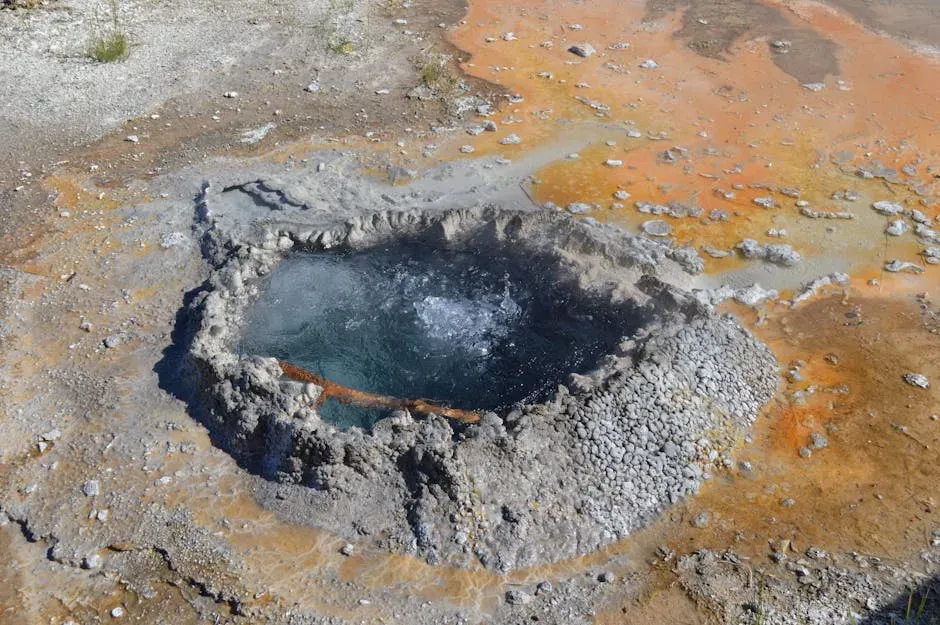
For decades, hydrothermal vents were considered among the most extreme environments where complex life could survive. Researchers knew animals lived around the vents, clustered near superheated plumes in total darkness. What they didn’t expect was what was living underneath them. Using an underwater robot, a science team overturned chunks of volcanic crust, discovering cave systems teeming with worms, snails, and chemosynthetic bacteria. The discovery adds a new dimension to hydrothermal vents, showing that their habitats exist both above and below the seafloor.
The ROV’s arm flipped over a small chunk of the volcanic crust, revealing cavities below the hydrothermal vents filled with water at a balmy 75 degrees Fahrenheit, as well as tube worms in both larvae and adult form, mobile animals such as snails, and chemosynthetic bacteria. Scientists had spent the past 46 years studying hydrothermal vents and microbial life in the subsurface, but had never looked for animals under these volcanic hot springs.
Scientists posit that tube worm larvae traverse this subsurface maze to travel from vent to vent. The tube worms initially live down there before moving up toward the vents as they grow as much as 85 centimeters per year. The implication is significant: the subseafloor isn’t just rock and heat. It may be a nursery, a transit corridor, and an ecosystem in its own right – one that has been operating quietly beneath our feet, and beneath the ocean floor, all along.
The Clarion-Clipperton Zone Is Rewriting the Tree of Life
The Clarion-Clipperton Zone sits in the middle of the Pacific, a vast stretch of deep ocean between Hawaii and Mexico. It’s been generating scientific interest for a different reason – the metallic nodules scattered across its floor contain minerals critical to green energy technology. But the biology living among those nodules keeps generating surprises of its own.
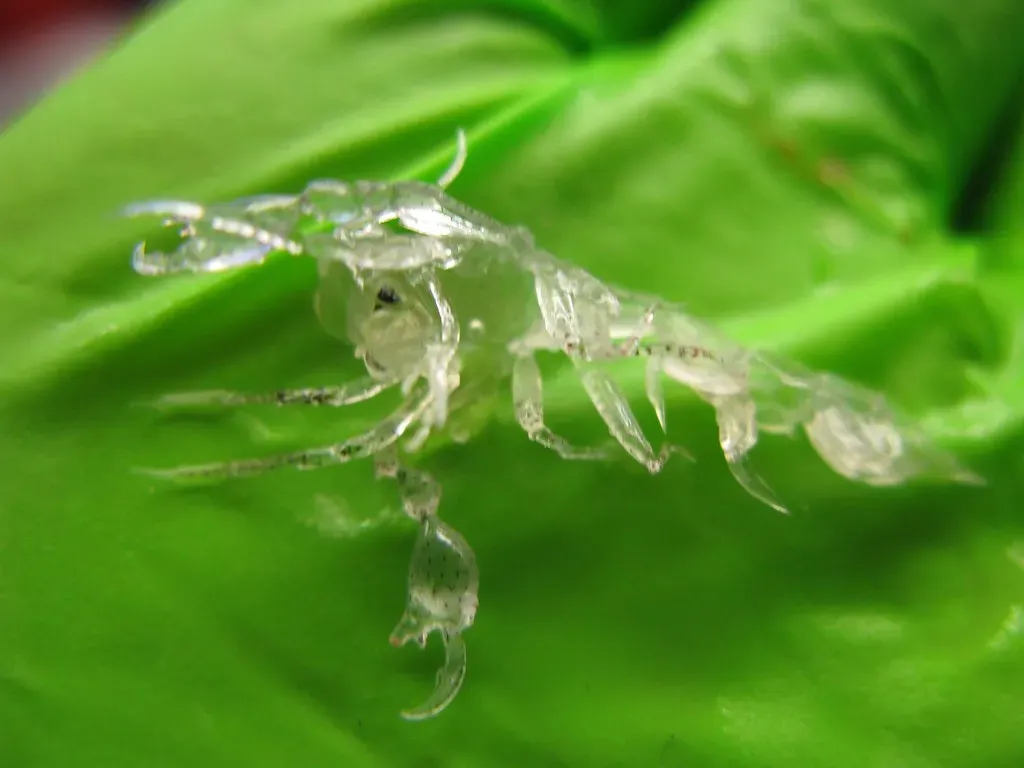
In a remarkable deep-sea breakthrough, researchers discovered 24 new species of amphipods in the Pacific’s Clarion-Clipperton Zone, including a rare, entirely new superfamily. The Clarion-Clipperton Zone is a vast area covering around six million square kilometres of deep ocean between Hawaii and the west coast of Mexico. Despite its remoteness, the area has drawn a lot of interest recently because of the metallic nodules that litter the ocean floor.
The aquatic amphipods discovered so far are incredibly diverse, but there are likely to be many more species hidden in the depths of the ocean. Just 13 species were previously known from the CCZ, but genetic and molecular samples suggest there are probably more than 200 spread across the region. The difference between 13 known species and a projected 200 captures, very cleanly, how early we still are in understanding what lives down there.
Creatures That Glow in a World Without Sun
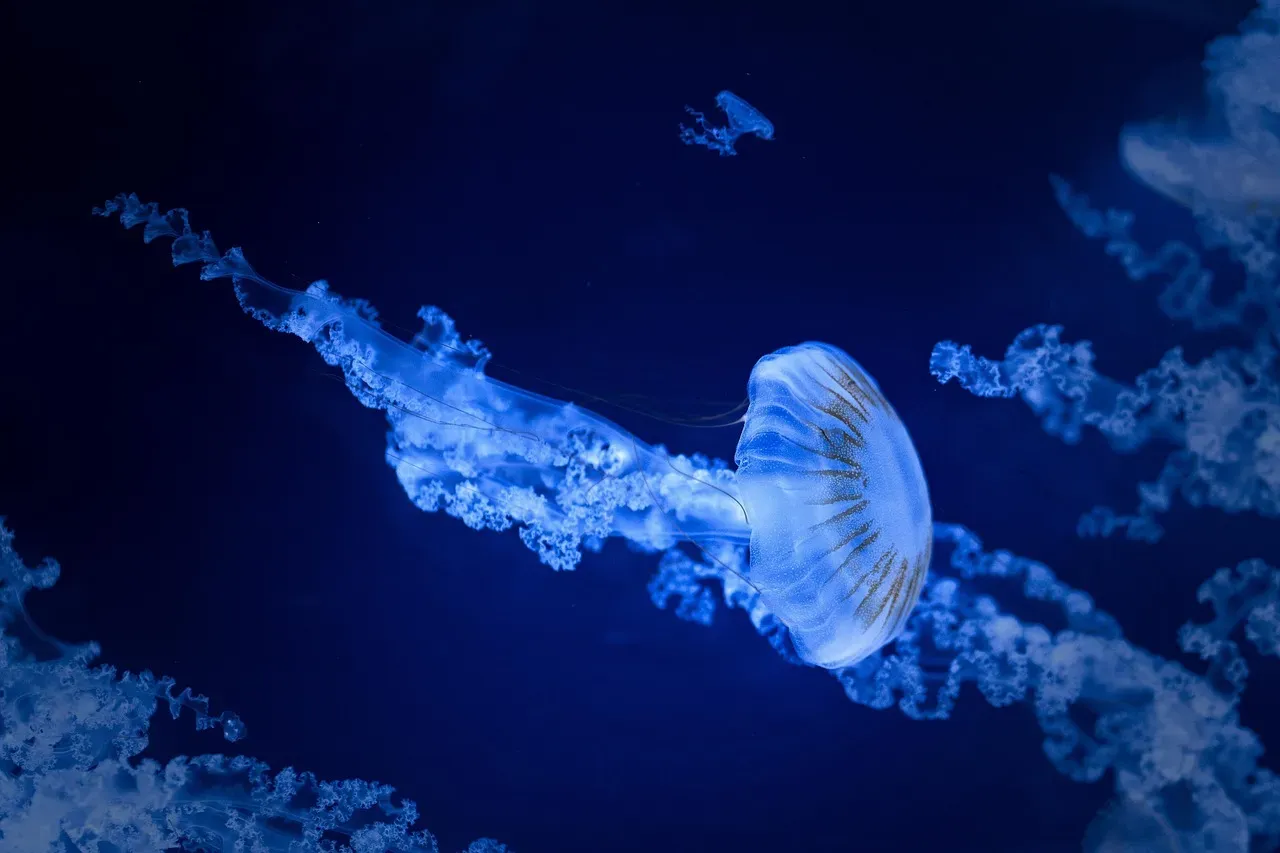
Light is not absent from the deep ocean. It just doesn’t come from above. In the permanent darkness of the deep-sea biome, and especially in the twilight mesopelagic zone ranging from 200 to 1,000 meters depth, representatives of most animal groups have evolved an arsenal of light-generating adaptations for predator evasion, prey capture, and conspecific or host attraction. Bioluminescence is, in a very real sense, the language of the deep.
Research has shown that 76 percent of observed individuals in the water column have bioluminescence capability. Among recent finds, the new species Corallizoanthus aureus, representing the first documented deep-sea cave species to bioluminesce, flashed a 515-nanometer green light in response to chemical or mechanical disturbance. Light is one of the best ways to deter predation in caves at 400 meters below the surface.
Far below the Pacific Ocean, in a world without sunlight, scientists exploring the seafloor off the coast of California discovered a new species of shimmering, scale-covered worm aptly named Iskra’s Glitter Worm. Iskra’s Glitter Worm has been found in several unusual habitats: whale falls, wood falls, and methane seeps. Each habitat runs on chemical energy rather than sunlight, which makes the worm’s versatility across all three environments genuinely unusual and scientifically interesting.
Strange New Bodies: Creatures That Challenge Basic Biology
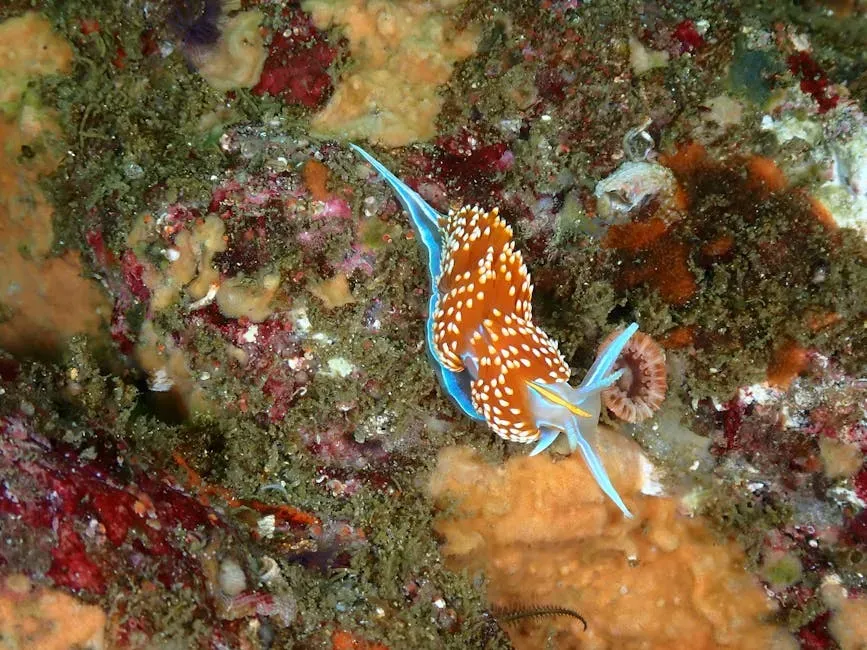
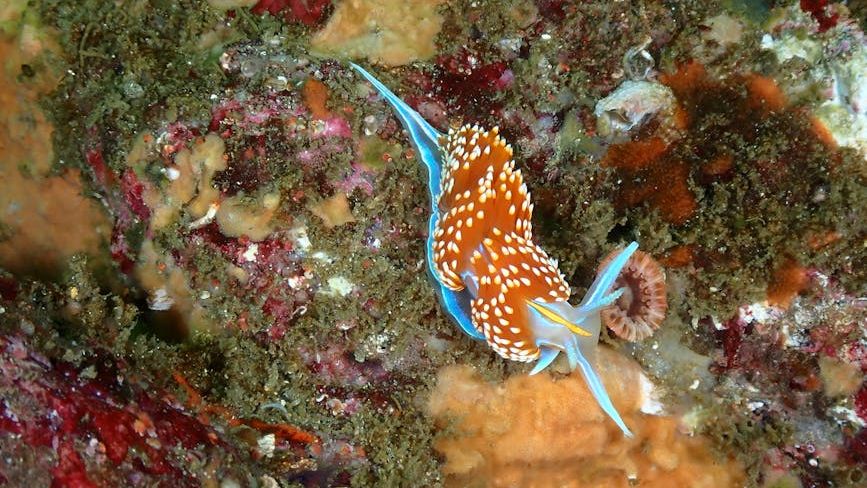
Some of the most striking deep-sea discoveries aren’t just new species. They’re animals that stretch what we think biology can do. Scientists at California’s Monterey Bay Aquarium Research Institute had occasionally spotted a translucent creature in the ocean’s midnight zone for more than two decades. This year, they finally determined what it was – the mystery mollusk is actually a nudibranch, or sea slug, from an entirely new family, now dubbed Bathydevius caudactylus.
The Sponge Ambusher Worm reaches about 18 cm in length and, much like the Bobbit Worm, is an ambush predator with an impressive set of jaws. Interestingly, it sets its trap in a rather peculiar location: the central cavity of a glass sponge. Glass sponges are covered with sharp spicules made of silica, which means living inside one would be like making your home inside a thorn bush made of glass. The adaptation is so specific, so niche-perfect, that it raises fascinating questions about how evolution finds these solutions.
Some deep-sea limpets thrive in extreme environments, from near-freezing waters to areas just metres away from hydrothermal vent fluids exceeding 300 degrees Celsius. Remarkably, they incorporate iron sulfides into their shells, forming a natural metal armor that provides protection against predators and withstands the immense pressure of the deep sea. Metal armor built from volcanic chemistry. The deep ocean doesn’t just host unusual animals – it builds them.
How Technology Is Making the Impossible, Routine

None of these discoveries would be possible without a quiet revolution in how scientists access the deep. The heart of this revolution lies in three converging technologies: autonomous navigation, artificial intelligence, and electric propulsion systems that can operate for over 72 hours without human intervention. What once required a massive budget and months of planning can now happen in the middle of a broader expedition, almost incidentally.
Non-invasive micro-CT imaging is revolutionizing barnacle taxonomy, allowing researchers to study complex morphology without destructive dissection. From collection to publication, one recent species description took just 48 hours, a remarkable contrast to the global average of 13.5 years. The pace of taxonomy itself is being compressed. That matters enormously, because many marine species face extinction due to human-driven biodiversity loss before scientists even learn they exist.
This work contributes to the International Seabed Authority’s Sustainable Seabed Knowledge Initiative and its “One Thousand Reasons” project, which aims to formally describe 1,000 new species by the end of the decade. Global collaboration, faster publishing tools, and smarter underwater robots are converging at exactly the right moment. The deep ocean is finally being listened to. What it’s telling us, species by species and ecosystem by ecosystem, is that it has been far busier, far stranger, and far more alive than anyone imagined.
Why This Moment Matters More Than Ever
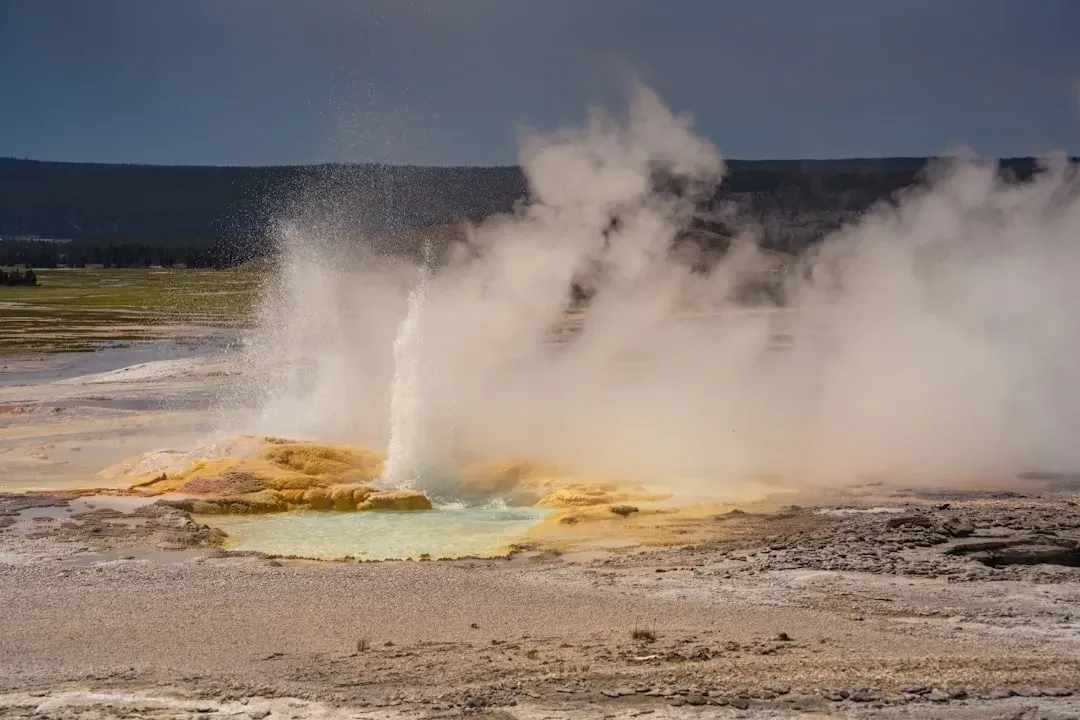
The timing of these discoveries carries weight beyond pure scientific excitement. There is intense interest in mining the deep sea for technology-critical minerals. Researchers hope that shedding more light on the inner workings of hydrothermal vent ecosystems will help shield them from development. These areas are of potential interest to deep-sea mining companies because of the minerals that leach out of the magma-heated water. That economic incentive could endanger one of the planet’s most unique environments.
Deep-sea organisms have evolved unique biochemical adaptations to survive crushing pressure, freezing temperatures, and complete darkness. These adaptations are yielding novel compounds with potential medical applications. Enzymes from hydrothermal vent bacteria are already used in research, and future discoveries could include new antibiotics, anti-cancer agents, and industrial catalysts. There is, in other words, enormous practical value in understanding what lives down there – value that goes far beyond curiosity.
A single research expedition found a total of 30 new deep-sea species, highlighting just how much of the ocean remains unexplored. Multiply that across hundreds of expeditions per year, across dozens of research programs, and the picture becomes clear. We are in the middle of the most productive era of deep-sea discovery in human history, and the ocean is more than keeping pace with our questions.
Conclusion: The Deep Is Not Finished With Us Yet
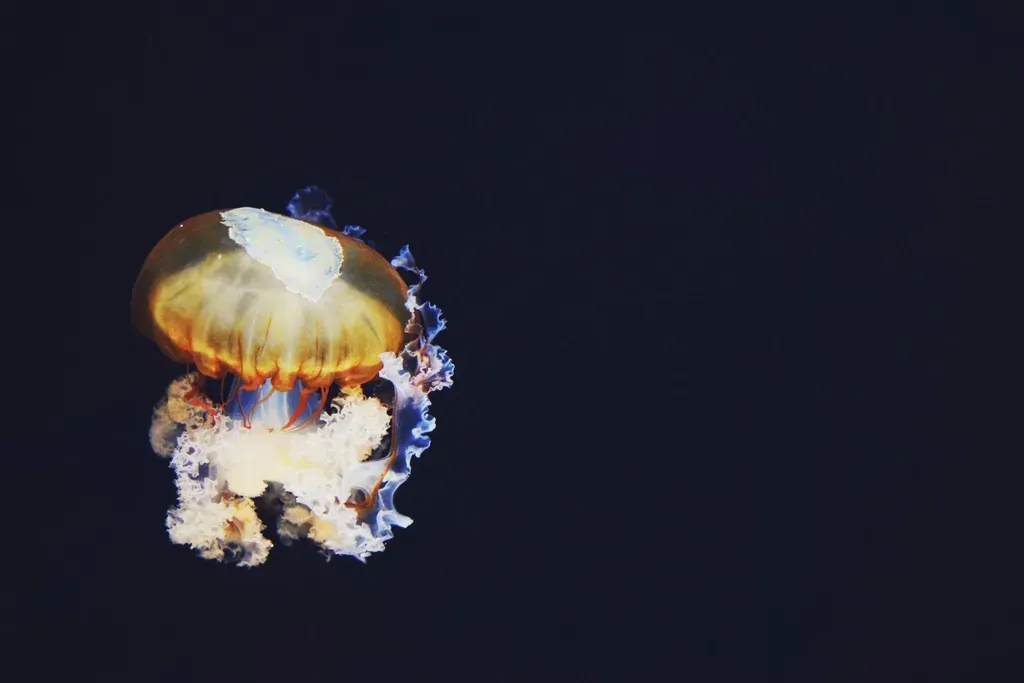
There’s something genuinely humbling about a creature the size of a small car that managed to avoid being filmed, alive, for a hundred years. Or an entire ecosystem thriving beneath the seafloor that we only discovered by physically flipping over rocks with a robotic arm. The deep ocean hasn’t been secretive because it lacks life. It’s been secretive because we lacked the means, and perhaps the patience, to truly look.
What strikes me most about this wave of discovery is not just the creatures themselves, remarkable as they are. It’s the realization that our entire understanding of what a “habitat” is, what a food chain requires, what life actually needs, has been built almost entirely on the surface world. The deep ocean runs on different rules – chemistry instead of sunlight, pressure instead of warmth, darkness that turns out to be full of light.
The scientists racing to describe, document, and protect these species before they’re disturbed or lost deserve far more attention than they typically receive. They’re not just cataloguing animals. They’re mapping the edges of what life can be. And if the last few years are any indication, those edges are much further out than anyone expected. The deep has been waiting a long time for us to show up. It’s already showing us things we weren’t prepared for.

- 9 Touching Stories of Animal Loyalty That Redefine Family Bonds - July 25, 2026
- 8 Unique Dog Breeds That Are Perfect for Older Owners - July 25, 2026
- The Way You Pet Your Dog Can Make All the Difference to Their Comfort - July 25, 2026