
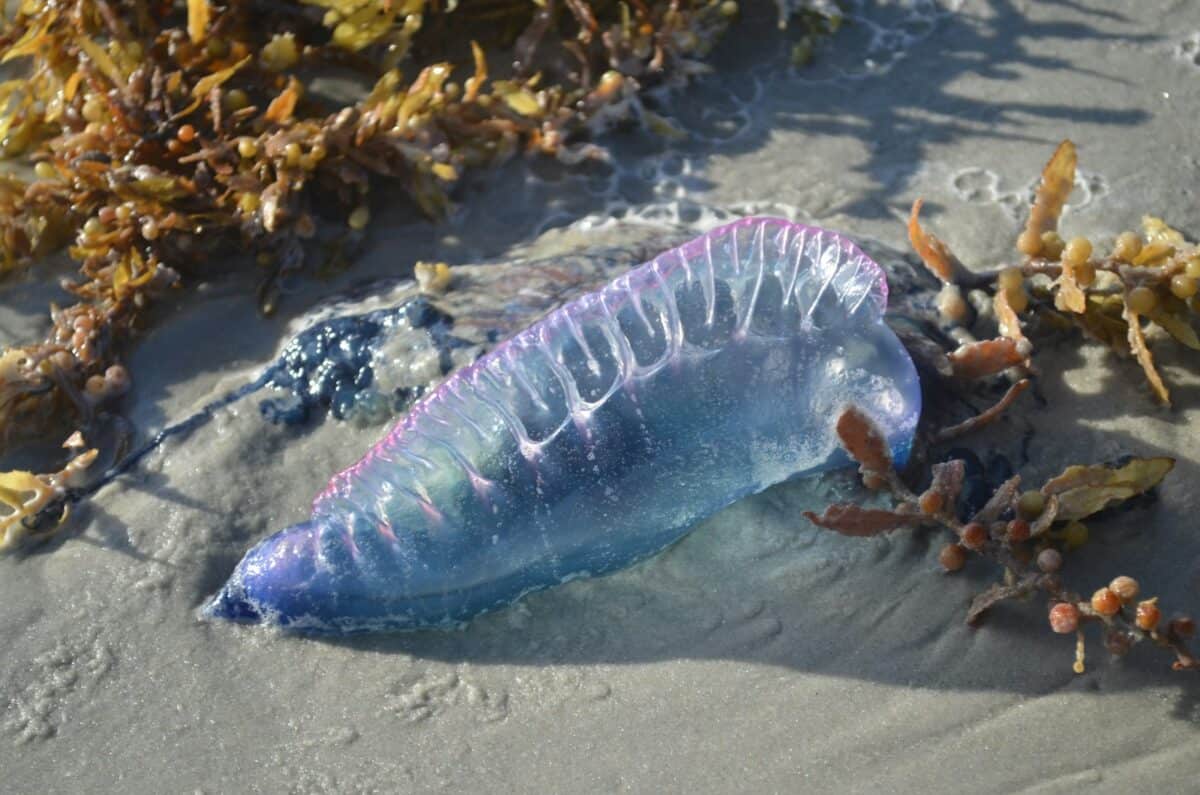
The ocean’s depths harbor some of nature’s most unsettling creations. Below 1,000 meters, where sunlight fails to penetrate, lies the deep sea—an alien realm making up 95% of Earth’s habitable space yet less explored than the Moon’s surface. In this high-pressure, near-freezing environment, evolution has crafted nightmarish predators with bioluminescent lures, expandable jaws, and transparent bodies. Their adaptations, while terrifying to human sensibilities, represent remarkable evolutionary solutions to surviving in one of the planet’s most extreme environments. Join us as we descend into the abyss to encounter the most spine-chilling hunters you’ll thankfully never meet face-to-face.
The Fearsome Frilled Shark

Looking like it swam straight out of prehistoric times, the frilled shark (Chlamydoselachus anguineus) is often described as a “living fossil” due to its primitive features. With a serpentine body that can reach up to 6.5 feet in length, this deep-sea predator possesses one of the most unsettling mouths in the ocean. Its jaws are lined with 300 trident-shaped teeth arranged in 25 rows, designed not just to bite but to trap prey with virtually no chance of escape. When a frilled shark lunges, these backward-facing teeth make it impossible for captured prey to wriggle free.
What makes this ancient hunter particularly unnerving is its hunting method. Unlike most sharks that pursue prey actively, the frilled shark is believed to bend its flexible body and strike like a snake, swallowing prey whole in a single terrifying motion. Typically dwelling at depths between 500 and 5,000 feet, these elusive predators primarily hunt squids, smaller sharks, and bony fishes. Despite being rarely seen by humans, occasional sightings near the surface of sickly or dying specimens have contributed to their legendary status as one of the deep’s most formidable inhabitants.
The Black Swallower: Nature’s Extreme Overeater
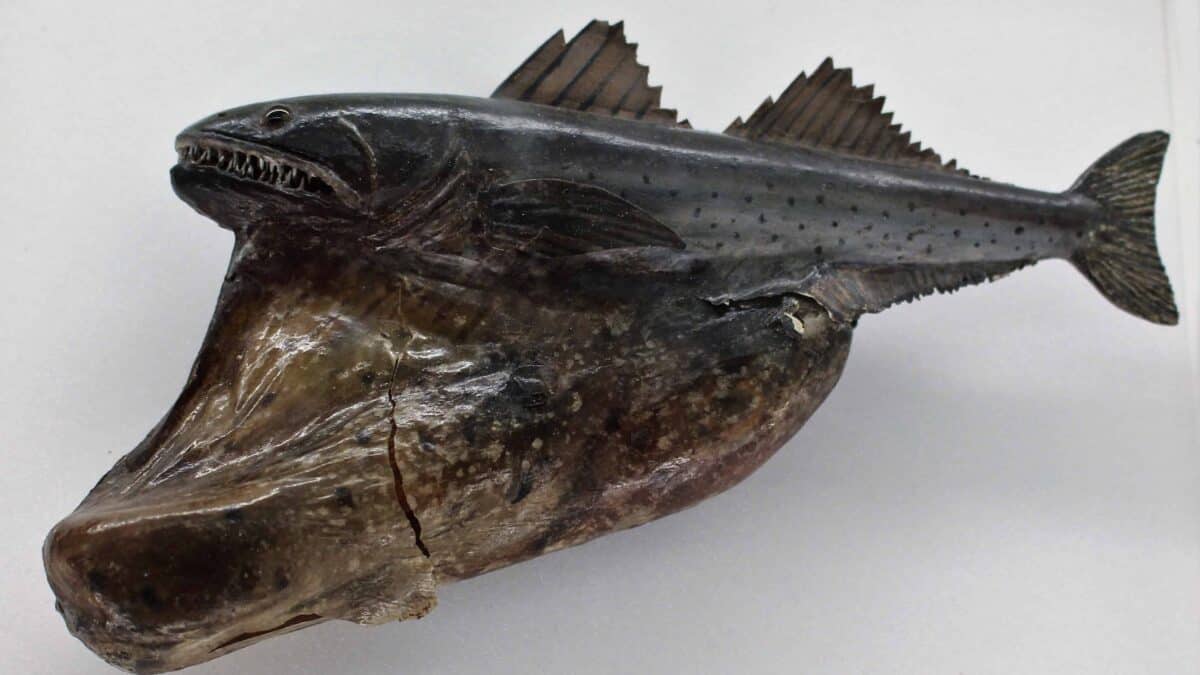
The Black Swallower (Chiasmodon niger) might not look intimidating at first glance—typically measuring just 10 inches long—but this diminutive predator possesses one of the most remarkable feeding capabilities in the animal kingdom. Found at depths ranging from 2,300 to 9,800 feet, this fish has evolved the extraordinary ability to consume prey more than twice its length and ten times its mass. Its secret lies in a highly distensible stomach coupled with expandable jaws that unhinge to accommodate meals that seem impossibly large.
This extreme feeding adaptation comes with significant risks. Scientists have discovered deceased Black Swallowers floating on the ocean’s surface with prey still inside them—prey so large that the digestive process couldn’t keep pace with decomposition. As bacteria break down the swallowed fish, gases build up, causing the Black Swallower to float helplessly to the surface where it ultimately dies. This grim fate illustrates the high-stakes survival strategies employed in the deep sea, where meals are scarce and every opportunity to feed must be seized, regardless of potential consequences. The Black Swallower represents one of nature’s most extreme examples of the “feast or famine” lifestyle that characterizes many deep-sea predators.
The Goblin Shark’s Projectile Jaws
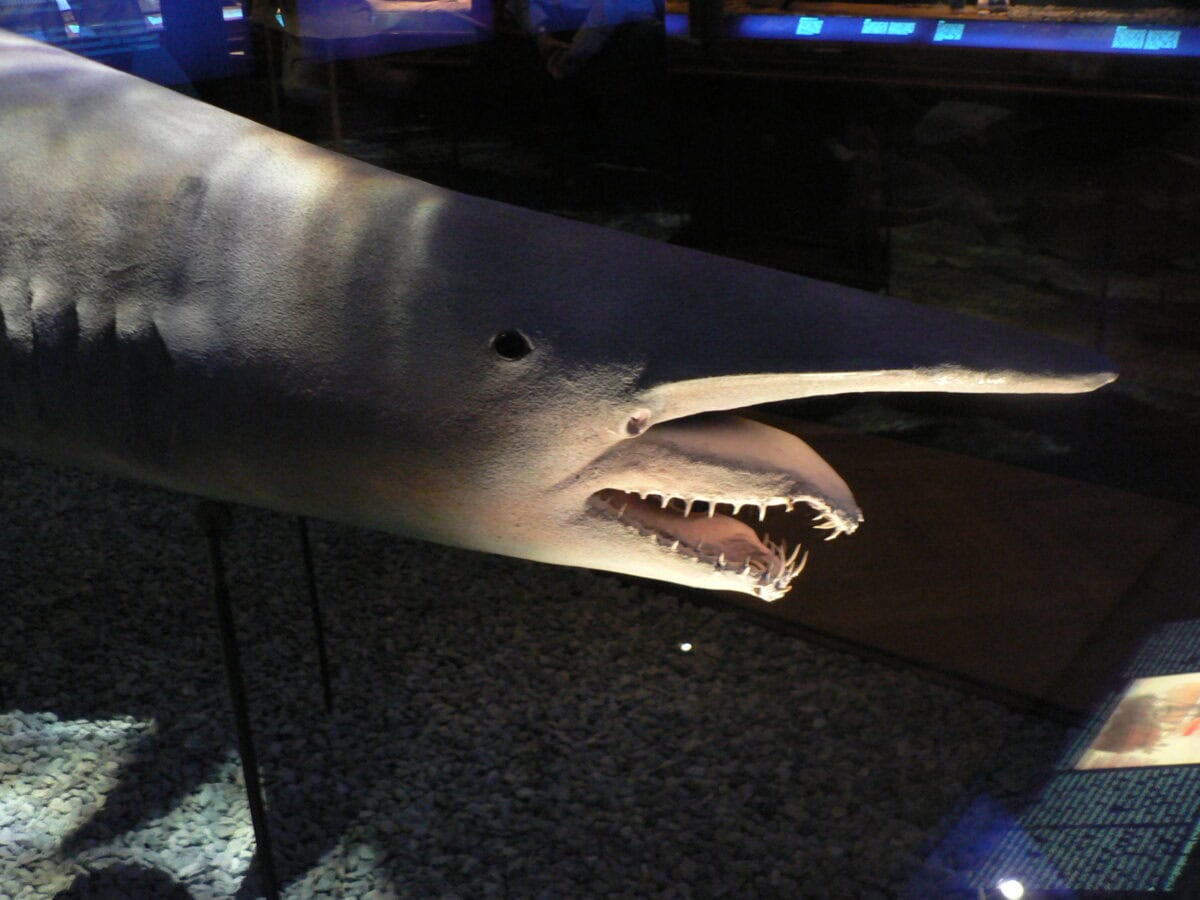
Perhaps no deep-sea creature evokes more visceral discomfort than the Goblin Shark (Mitsukurina owstoni). This rare species, with fossils dating back 125 million years, possesses a distinctive profile dominated by a elongated, flattened snout resembling a sword blade above a set of protrusible jaws that seem straight from science fiction. The goblin shark’s most terrifying feature is its feeding mechanism—its jaws can launch forward at incredible speed, extending up to 9.5 inches from its face in mere milliseconds. High-speed camera footage has revealed this “slingshot feeding” to be among the fastest known feeding strikes in the ocean.
Adding to its nightmarish appearance, the goblin shark typically displays a pinkish-gray coloration due to blood vessels visible through its semi-transparent skin. Its 50+ needle-like teeth are specialized for snatching soft-bodied prey like squid and fish in the near-total darkness where it hunts, usually at depths between 890 and 3,150 feet. While not aggressive toward humans and rarely encountered at less than 330 feet deep, accidental catches by deep-sea fishermen have provided most of our limited knowledge about this living phantom. The goblin shark serves as a reminder that the deep sea has perfected hunting mechanisms far more alien and effective than anything humans could design.
The Vampire Squid’s Cloak of Darkness

Despite its intimidating name, the Vampire Squid (Vampyroteuthis infernalis) isn’t actually a true squid—nor is it particularly vampiric. This unique deep-sea inhabitant occupies its own distinct order, representing a living fossil that bridges the evolutionary gap between octopuses and squids. What earns this creature its ominous name is its cape-like webbing connecting its eight arms, coupled with eyes that appear glowing red under certain light conditions. When threatened, the Vampire Squid performs one of the deep sea’s most dramatic defensive displays—it inverts its “cloak,” turning itself inside out and exposing spiny projections that ward off predators.
Unlike many entries on this list, the Vampire Squid isn’t an aggressive predator. It feeds primarily on marine snow (organic detritus sinking from upper waters), plankton, and small crustaceans. However, its adaptation to extreme environments makes it no less remarkable. Living in the oxygen minimum zone at depths between 2,000 and 3,000 feet, it survives in waters with oxygen saturations as low as 3%—conditions lethal to most complex marine life. The Vampire Squid also possesses the unique ability to produce clouds of bioluminescent mucus instead of ink, creating disorienting light displays that confuse predators as it escapes into the darkness. This creature reminds us that not all deep-sea adaptations revolve around aggressive predation—sometimes, survival depends on mastering defensive strategies in an environment where danger lurks in all directions.
The Nightmare Anglerfish Mating Ritual
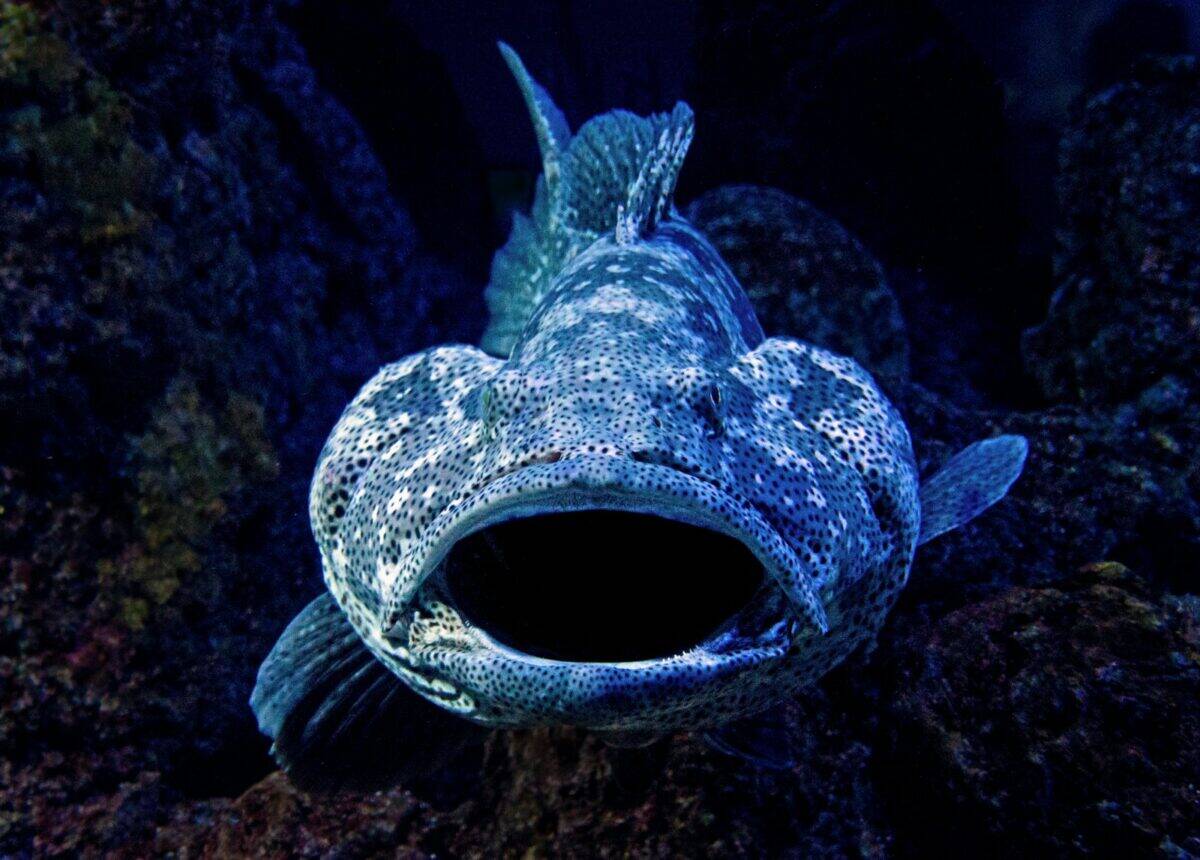
Anglerfish, particularly the Ceratioid group living in deep oceanic waters, have long captured human imagination with their glowing lures and gaping, fang-filled mouths. However, what truly places these creatures among the deep’s most disturbing inhabitants is their extraordinary reproductive strategy. The sexual dimorphism between males and females is so extreme it initially confused scientists into believing they were entirely different species. While females grow to impressive sizes (up to 3.3 feet in some species), males remain tiny—sometimes less than an inch long—and exist solely to find and fertilize females.
When a male locates a female, he bites into her body and initiates one of nature’s most extreme parasitic relationships. The male’s mouth dissolves into the female’s flesh, and their blood vessels fuse as the male essentially dissolves everything unnecessary for reproduction. Eventually, the male becomes nothing more than a permanent sperm-producing appendage attached to the female, sometimes referred to as “sexual parasitism.” A single female may carry multiple male attachments simultaneously, ensuring she always has fertilization available in the vast, sparsely populated abyss. This bizarre adaptation ensures reproduction in an environment where encounters between individuals are exceedingly rare, demonstrating how deep-sea pressures have driven evolution toward solutions that seem alien by surface-dwelling standards.
The Pacific Viperfish’s Light-Up Death Trap
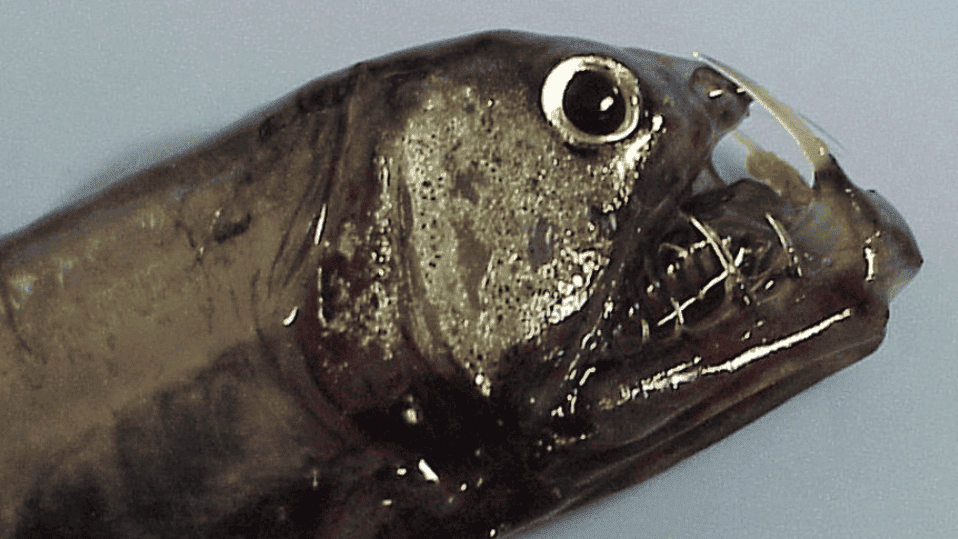
The Pacific Viperfish (Chauliodus macouni) embodies the perfect deep-sea ambush predator, combining stealth, speed, and terrifying dental anatomy. Growing up to 12 inches long, this creature possesses fangs so disproportionately large they won’t fit inside its mouth—instead protruding outward even when its jaws are closed. These needle-sharp teeth, which can measure up to one-third of the fish’s head length, are connected to its skull by a specialized hinge mechanism that allows them to be folded back against the roof of its mouth when swallowing large prey.
What makes the viperfish particularly effective as a hunter is its sophisticated bioluminescent luring strategy. Like an underwater angler, it dangles a modified dorsal fin spine tipped with light-producing photophores to attract curious prey in the darkness. The viperfish can manipulate this light—turning it on and off at will—to mimic the movements of potential prey, drawing victims directly to its waiting jaws. Additionally, the viperfish possesses light organs along its belly that are believed to provide counter-illumination, masking its silhouette from predators lurking below. During daylight hours, viperfish migrate to depths exceeding 5,000 feet, rising to around 2,000 feet at night to hunt in slightly shallower waters where prey is more abundant. Their hunting strategy, combining deception with lethal anatomical weaponry, represents one of the most effective predatory adaptations in the deep ocean.
The Dragonfish’s Invisible Red Searchlight

The Dragonfish (family Stomiidae) has developed one of the most sophisticated hunting adaptations in the deep sea—the ability to produce and see red light, a superpower in an environment where most creatures have evolved to detect only blue light. Unlike the blue-green bioluminescence common in deep-sea creatures, the dragonfish generates red light through specialized organs beneath its eyes. This acts as a covert searchlight that illuminates prey without alerting them to the predator’s presence, similar to how infrared night vision works for human military operations.
Beyond its stealth lighting system, the dragonfish possesses a nightmarish appearance with a large head dominated by an enormous mouth lined with fang-like teeth. Some species, like the Pacific Blackdragon (Idiacanthus antrostomus), feature a barbel extending from the chin that functions as an additional lure. The dragonfish’s body is typically covered in light-absorbing pigments that render it nearly invisible except for strategic bioluminescent points. This combination of invisible searchlights, light-absorbing camouflage, and devastating dental equipment makes the dragonfish one of the deep sea’s most effective hunters. While most species remain relatively small (under 15 inches), their hunting efficiency and terrifying appearance have cemented their reputation among the ocean’s most formidable deep-dwelling predators.
The Ghostly Barreleye’s Transparent Head
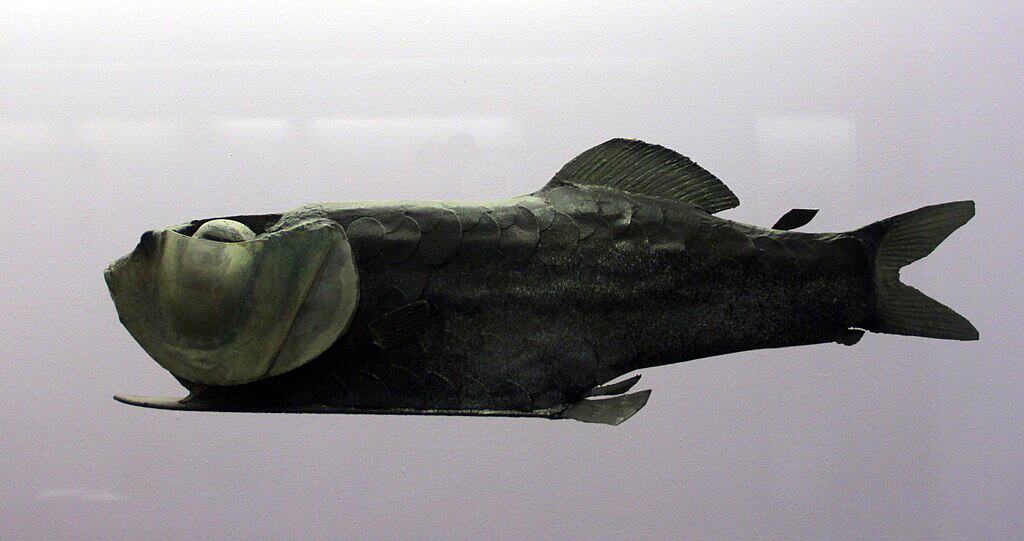
The Barreleye fish (family Opisthoproctidae) possesses perhaps the most alien-looking adaptation among deep-sea predators—a completely transparent head filled with fluid that houses its tubular, highly sensitive eyes. These specialized eyes can rotate within the transparent dome, allowing the fish to look upward through its own forehead to spot the silhouettes of potential prey against the faint light filtering down from above. When prey is located, the barreleye can pivot its eyes forward to track its approach, providing unprecedented visual coverage that’s crucial in the darkness of the deep.
Beyond its remarkable ocular adaptations, the barreleye has evolved highly sensitive tubular nostrils that detect the faintest chemical traces in the water, further enhancing its hunting capabilities. Species like the Pacific Barreleye (Macropinna microstoma) hover nearly motionless in the water column at depths between 2,000 and 2,600 feet, waiting for small crustaceans and jellyfish to pass overhead. Their bodies typically measure 6-8 inches long and feature tiny fins that allow for precise, energy-efficient movements when stalking prey. First discovered in 1939, barreleyes remained poorly understood until recently, when ROV (Remotely Operated Vehicle) technology captured footage of living specimens with intact transparent heads—previous specimens brought to the surface had their delicate head structures damaged by pressure changes and collection methods. This living “submarine with a cockpit” represents one of the most specialized visual adaptations in the animal kingdom.
The Predatory Siphonophore’s Colonial Deception
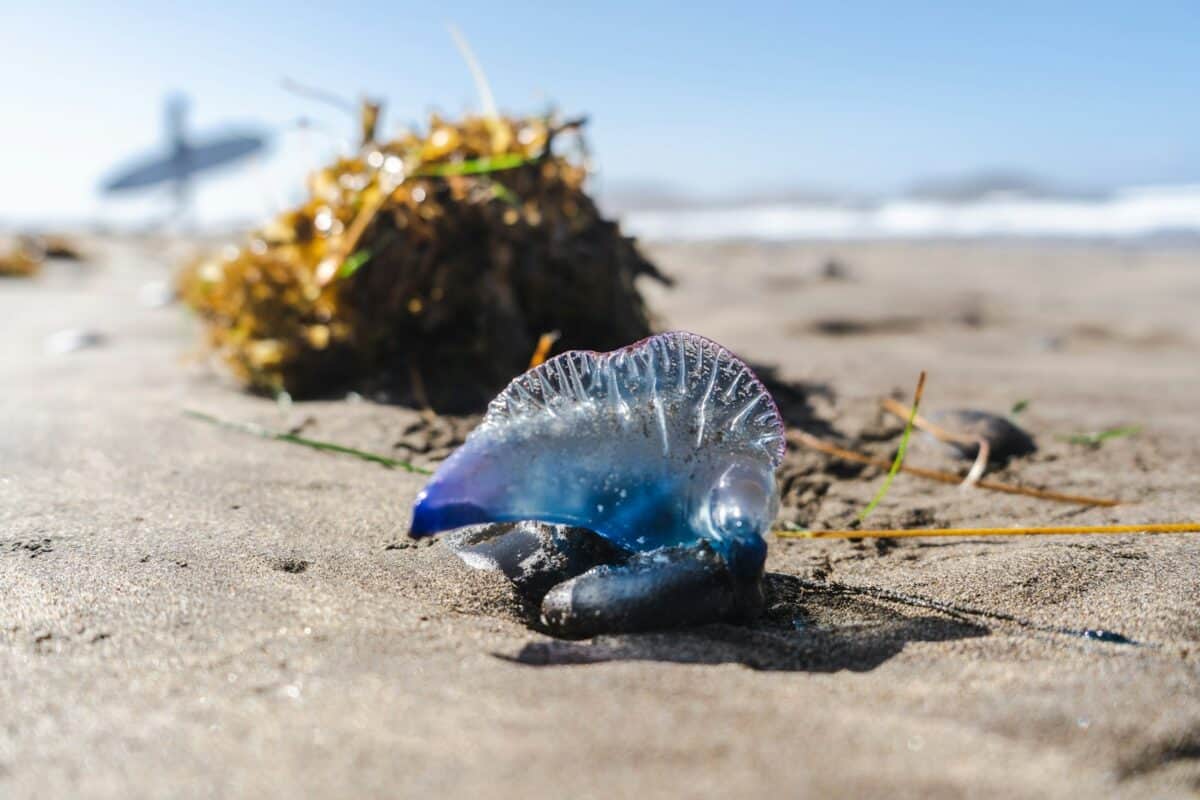
Siphonophores represent some of the most misunderstood predators in the deep sea, largely because they challenge our conception of what constitutes an individual organism. These creatures, relatives of jellyfish, aren’t single animals but colonies composed of specialized individual organisms (zooids) that function together as a unified predatory entity. The most infamous example, the giant siphonophore Praya dubia, can form chains exceeding 130 feet in length—longer than a blue whale—making them among the longest organisms in the world. Each specialized zooid within the colony performs a specific function: some manage propulsion, others handle digestion, reproduction, or defense.
What earns siphonophores their place among the deep sea’s most terrifying predators is their hunting strategy. These living nets drift through the water column with tentacles extended, creating deadly curtains that can span tens of feet. Their tentacles are equipped with millions of specialized stinging cells called nematocysts that inject toxins into anything that touches them, immobilizing prey instantly. Some deep-dwelling siphonophores produce bioluminescent displays that attract curious prey directly into their trap. Once captured, the prey is passed to specialized feeding zooids that digest it externally before absorbing the nutrients. These ghostly, nearly transparent colonial predators silently sweep through the mesopelagic zone between 650 and 3,300 feet, creating one of the ocean’s most effective and alien hunting systems—a single organism composed of thousands of individuals functioning as a coordinated floating death trap.
The Fangtooth’s Record-Breaking Dental Arsenal

The Fangtooth (genus Anoplogaster) earns its place among the deep’s most intimidating predators by possessing the largest teeth relative to body size of any fish in the ocean. Despite reaching only about 7 inches in length, these compact hunters sport disproportionately massive fangs that are so large the fish has evolved specialized sheaths on the roof of its mouth to prevent it from impaling itself when it closes its jaws. These dagger-like teeth, coupled with an oversized jaw mechanism, allow the fangtooth to capture prey larger than itself—a crucial adaptation in the food-scarce deep sea where no feeding opportunity can be missed.
Fangtooths typically inhabit depths ranging from 1,600 to 6,500 feet, making vertical migrations to shallower waters at night to hunt. Their bodies are covered in armor-like scales and spines that offer protection from larger predators, while their tiny eyes suggest they rely more on pressure-sensing lateral lines than vision to detect prey. Young fangtooths undergo a remarkable transformation as they mature—juveniles bear little resemblance to adults, possessing longer fins and less extreme teeth while living in shallower waters. This dramatic metamorphosis, combined with their menacing appearance, has earned them the nickname “ogrefish” among marine biologists. Despite their terrifying appearance, fangtooths pose no threat to humans, remaining far too deep and small to be dangerous—yet their extreme dental adaptations represent one of evolution’s most specialized solutions to deep-sea predation challenges.
The Gulper Eel’s Expanding Abyss

The Gulper Eel (Eurypharynx pelecanoides), also known as the Pelican Eel, represents one of the deep sea’s most bizarre anatomical extremes. While its body typically measures around 3 feet long, the most striking feature is its massively distensible mouth and stomach, which can expand to hold prey many times larger than the eel itself. Unlike most predatory fish that rely on speed or strength, the Gulper Eel has evolved to be an opportunistic ambush predator, capable of swallowing large prey in a single gulp—a valuable adaptation in an environment where meals may be encountered rarely.
Adding to its unsettling appearance, the Gulper Eel possesses a bioluminescent organ at the tip of its tail that it likely uses as a lure to attract curious prey. Its tiny eyes provide limited vision, suggesting it hunts primarily using its other senses in the darkness between 3,000 and 6,000 feet deep. The eel’s jaw structure lacks true teeth, instead featuring specialized ridges and folds that prevent prey from escaping once captured. Its body is extraordinarily fragile with

- This Tiny Insect Can Survive in Outer Space—Here’s How - July 21, 2026
- Could the Tasmanian Tiger Be Brought Back to Life? - July 21, 2026
- Why You Should Never Approach a Sleeping Hippo - July 21, 2026