
The marine world has always been a realm of intrigue and wonder, hiding its secrets in the vastness of the deep blue. Among its many mysteries, the recent discovery of the deepest-diving octopus ever recorded has sparked excitement and curiosity among scientists and ocean enthusiasts alike. This record-breaking cephalopod, spotted in the Pacific Ocean, dives to astonishing depths, shedding light on the adaptability and resilience of ocean dwellers. In this article, we’ll dive deeper into the characteristics, behavior, and significance of this remarkable octopus.
Meet the Record-breaking Diver

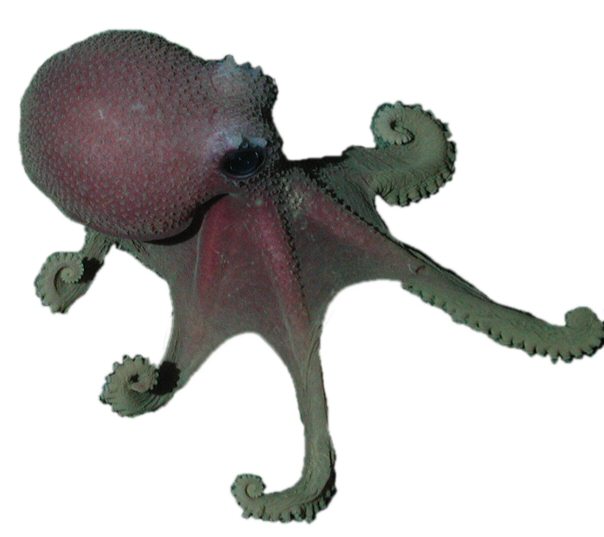
Encountered in the chilly waters of the Pacific, this octopus has been identified as belonging to the Graneledone genus. Known for their adaptability to extreme conditions, these octopuses are often found in deep-sea environments, but never before at such extraordinary depths. This particular specimen was spotted at nearly 7,000 meters, setting a new benchmark for octopus diving capabilities.
Characteristics of the Graneledone Octopus
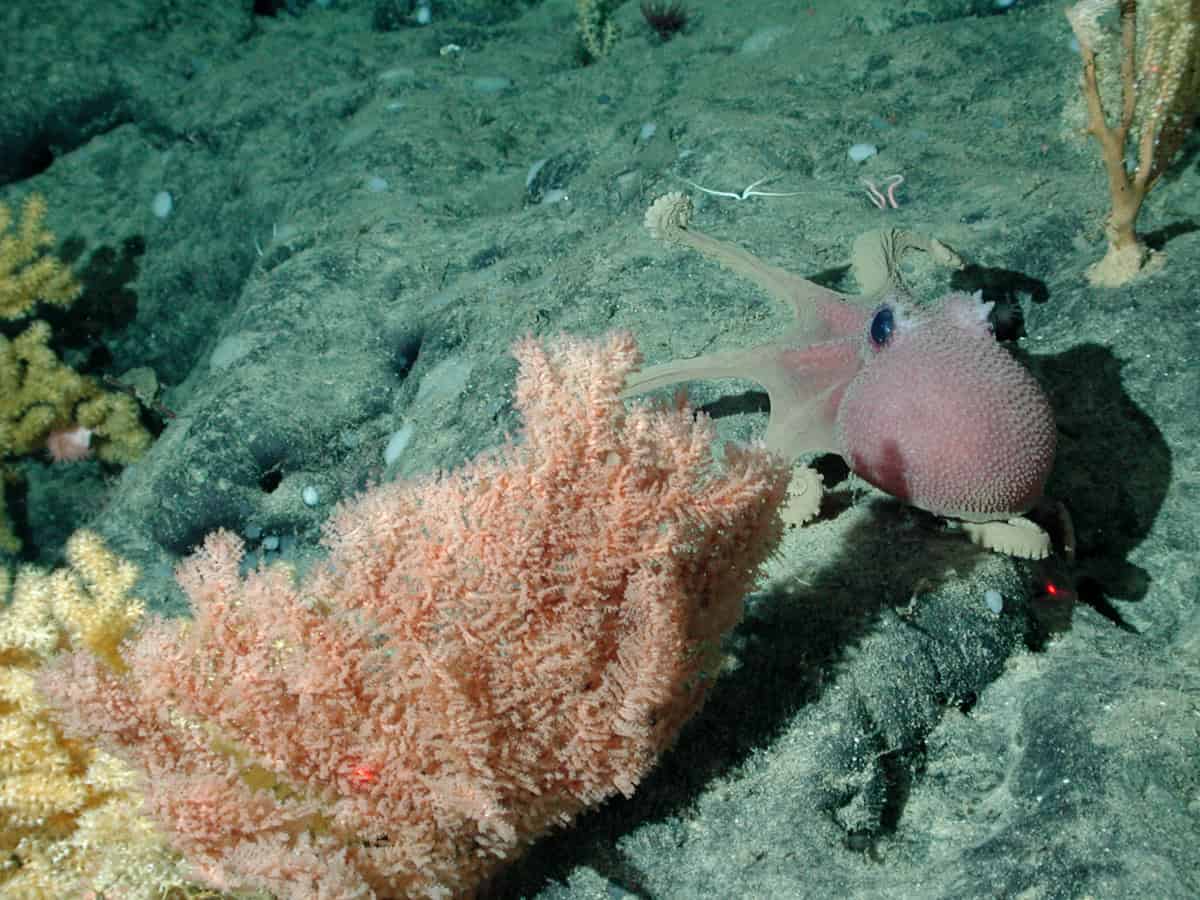
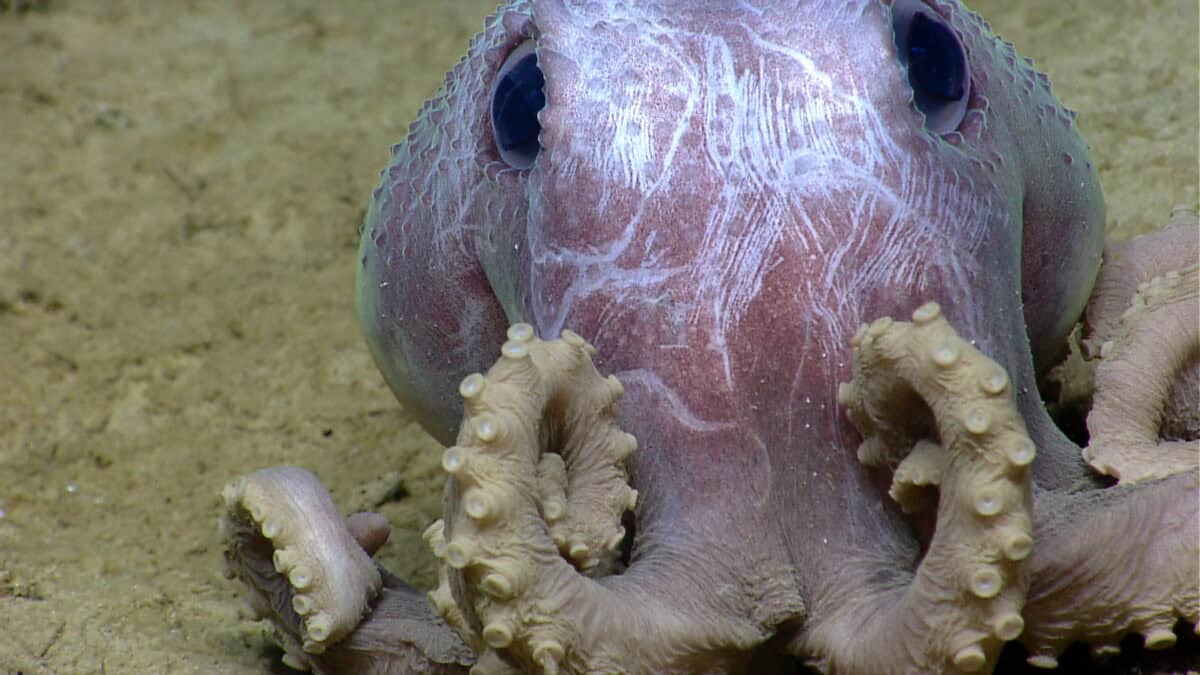
The Graneledone octopus is distinguished by its robust body, lack of an ink sac, and well-developed sense organs, adaptations that are essential for survival in the pitch-black depths of the ocean. These cephalopods are usually petite in size, allowing them to conserve energy and move with agility through their high-pressure habitat.
Adapting to Extreme Conditions
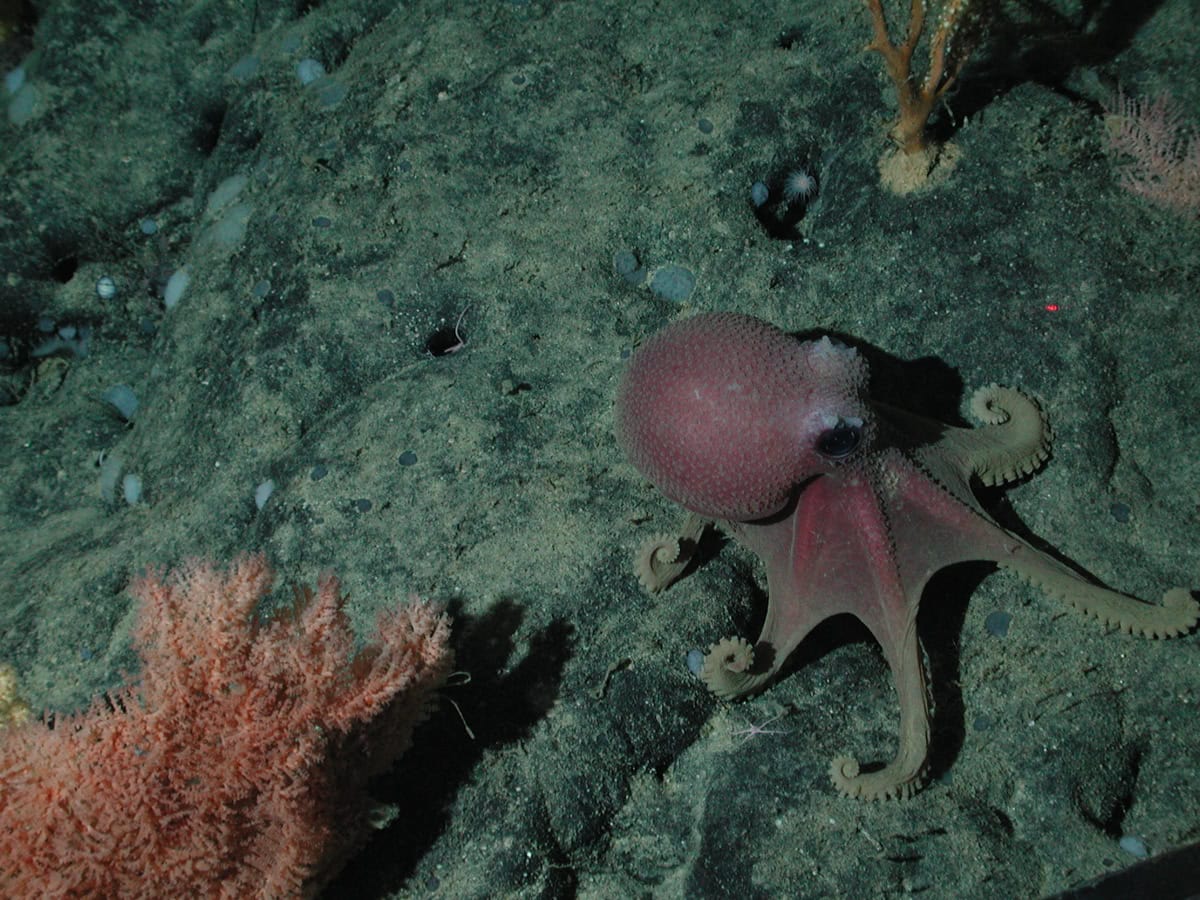
Life in the deep sea is a constant battle against high pressures, low temperatures, and limited food availability. To thrive in such an environment, Graneledone octopuses possess several remarkable adaptations. Their flexible, gelatinous bodies can withstand immense pressure, while their slow metabolism enables them to endure long periods without food.
The Importance of Discovery

Spotting the deepest-diving octopus is a significant milestone in marine biology. It provides valuable insights into the distribution and diversity of life in the least explored parts of our planet. Such discoveries enhance our understanding of how marine creatures have evolved to conquer the formidable challenges of the deep sea.
The Role of Technology in Deep-Sea Exploration
This groundbreaking observation was made possible with the aid of advanced submersible technology and remotely operated vehicles (ROVs). These tools have revolutionized the way scientists explore ocean depths, allowing for detailed observations and data collection from environments once considered inaccessible.
Behavioral Insights from the Deep
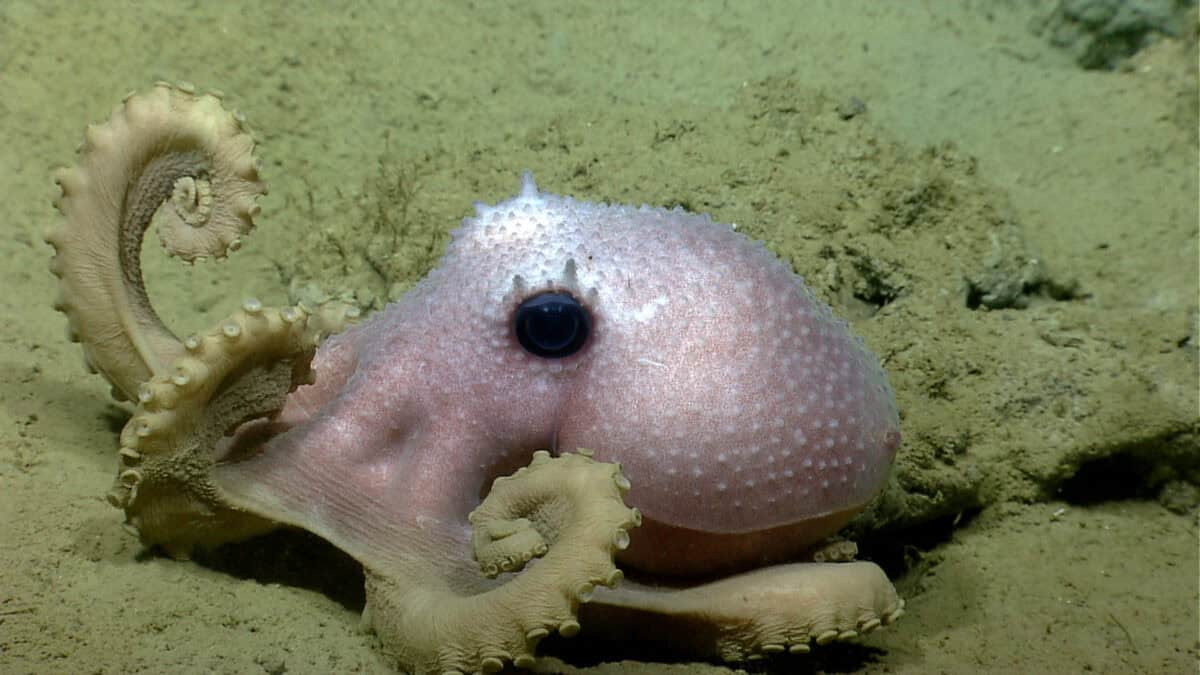
Observations of the Graneledone octopus provide a fascinating glimpse into its behavior. These creatures are thought to be solitary hunters, feeding on crabs, shrimp, and other deep-sea inhabitants. Their presence at such depths suggests well-developed hunting strategies that rely on stealth and surprise rather than speed.
Surviving in the Dark Abyss

At the depths where this octopus was found, sunlight is non-existent, plunging the environment into perpetual darkness. To navigate this, Graneledone octopuses rely heavily on their acute sense of touch and chemoreception—an incredible adaptation befitting life in the deep sea.
Conservation Challenges for Deep-Sea Species
The discovery of this deep-diving octopus also raises questions about the conservation of deep-sea ecosystems. These environments are increasingly threatened by human activities such as deep-sea mining and fishing practices. Protecting these vital ecosystems is crucial for maintaining the biodiversity of our oceans.
Learning from Cephalopods

Cephalopods, including octopuses, squids, and cuttlefish, are known for their intelligence and problem-solving abilities. Studying these creatures not only reveals more about the variety of life forms on Earth but also provides potential insights into neurological studies and biomimicry applications.
Implications for Climate Research

By examining the biology and habitats of deep-sea residents like the Graneledone octopus, scientists can gain more knowledge on ocean carbon cycles and climate change. These organisms often play pivotal roles in oceanic processes that affect global environmental conditions.
The Future of Marine Exploration

The oceans cover more than 70% of our planet’s surface, yet much of it remains unexplored. As technology advances, so does our ability to uncover the hidden wonders of the deep. The deep-diving octopus’s discovery underscores the importance and excitement of continued oceanographic research.
A Call to Action

As we uncover the mysteries of the ocean, it becomes imperative to foster a deep sense of stewardship for marine environments. Efforts to preserve these unique ecosystems will ensure that marvels like the deepest-diving octopus continue to thrive, showcasing the wonders of nature to future generations.
In summary, the sighting of the deepest-diving octopus in the Pacific is a testament to the hidden marvels of the ocean, illustrating both the resilience of life and the importance of exploration. These findings not only enhance our understanding of marine biology but also serve as a reminder of the rich tapestry of life awaiting discovery beneath the waves.

- 10 Animals That Cheat Death in the Most Unexpected Ways - July 19, 2026
- The Shrimp That Punches Like a Bullet - July 19, 2026
- This Tiny Mammal Can Slow Its Heartbeat to One Beat Per Minute - July 19, 2026