

The mysterious depths of the ocean continue to surprise scientists with fascinating discoveries. One such wonder is the deepest jellyfish bloom observed in U.S. waters, captivating marine biologists and the general public alike. This remarkable event offers insight into the lives of these gelatinous creatures and emphasizes the ocean’s unexplored mysteries. Join us as we dive into this intriguing phenomenon, uncovering the secrets of the ocean’s ethereal denizens.
Understanding Jellyfish Blooms

Jellyfish blooms are occurrences where large numbers of jellyfish congregate, sometimes covering extensive areas of the ocean. These gatherings can happen for several reasons, including changes in water temperature, ocean currents, and nutrient availability. While often seen in shallower waters, this deep-sea bloom represents a record in terms of depth, challenging our understanding of jellyfish habitats.
The Significance of This Bloom

This particular bloom’s depth is unprecedented, showcasing jellyfish at levels previously thought less accommodating to their existence. This suggests a potential change in jellyfish behavior or oceanic conditions driving them to these great depths.
Where Was the Bloom Discovered?
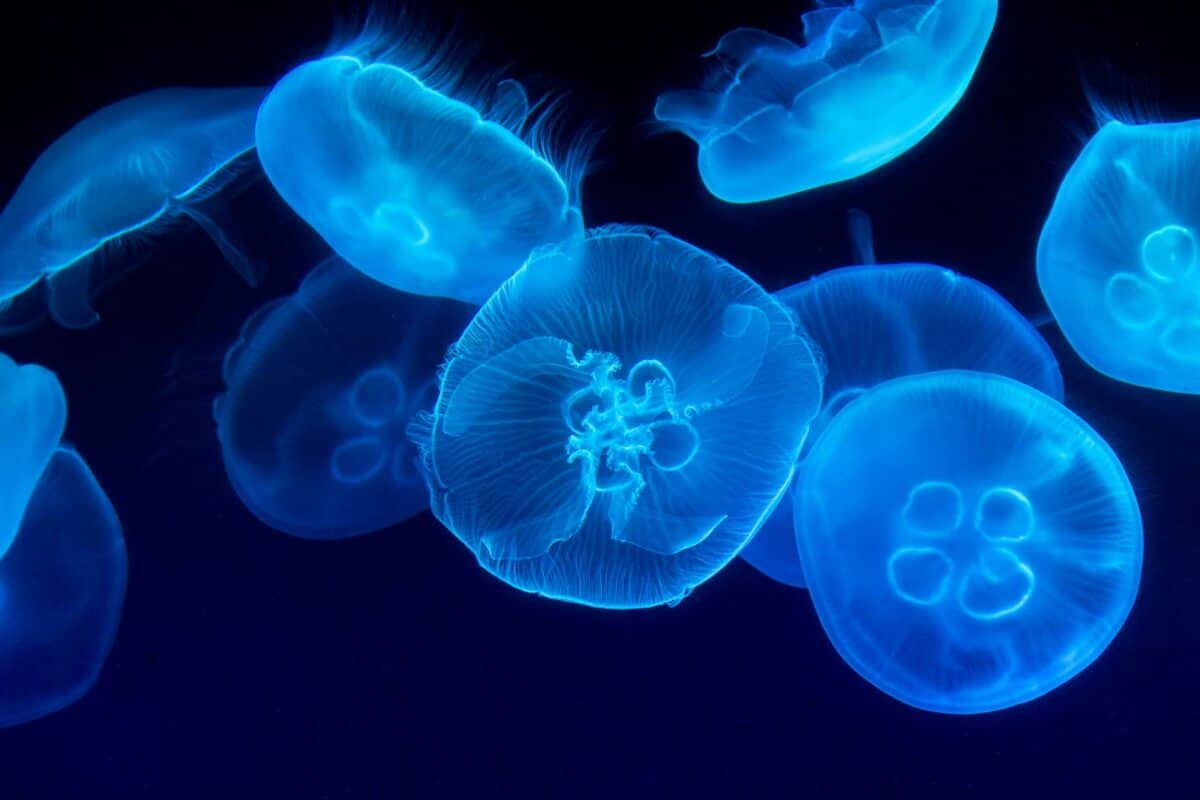
The bloom was detected in a deep-sea region off the coast of the United States. Using advanced submersible technology, researchers were able to observe these creatures several miles beneath the surface, where sunlight scarcely penetrates.
The Role of Technology in Deep-Sea Discovery

Exploring such depths would be impossible without cutting-edge technology. Remotely Operated Vehicles (ROVs) equipped with cameras and sensors played a crucial role in documenting the jellyfish and gathering data on their environment.
Types of Jellyfish Observed

This bloom featured a variety of jellyfish species, some well-known, while others may be newly identified. The diversity found suggests the presence of rich ecological niches even at these extreme depths.
The Impact of Ocean Currents

Ocean currents have a significant role in jellyfish distribution. The currents might have carried these creatures to deeper areas, or changes in current patterns could indicate shifting sea conditions affecting marine life distributions.
Climate Change and Ocean Phenomena

Climate change could be influencing jellyfish populations and their environments. Warmer water temperatures may affect their metabolic rates, survival, and blooming patterns, potentially making deeper waters more hospitable than before.
Implications for Marine Ecosystems

Jellyfish blooms have complex impacts on marine ecosystems. They can affect fish populations by consuming large amounts of plankton or even the eggs and larvae of other marine species, influencing the entire ocean food web.
Challenges in Studying Deep-Sea Life

Studying life at such depths presents numerous challenges, including the need for specialized equipment and funding for extended research missions. Despite these hurdles, ongoing research is crucial for comprehending deep-sea ecosystems.
Potential Benefits of Jellyfish Blooms
While often viewed as nuisances, jellyfish blooms can offer benefits. They play roles in nutrient cycling within the ocean and serve as prey for some marine animals, contributing to biodiversity.
Future Research Directions

The discovery of this deep-sea bloom opens up new avenues for research. Scientists are eager to explore how jellyfish adapt to extreme environments, which could reveal more about adaptability and resilience in ocean life.
Public Interest and Ocean Conservation

Events like this bloom attract public interest, raising awareness about ocean conservation. Understanding jellyfish and their environments can promote efforts to protect marine ecosystems, ensuring their health for future generations.
In conclusion, the deepest jellyfish bloom seen in U.S. waters is a fascinating demonstration of the ocean’s capacity for surprises and adaptation. As we continue to push the boundaries of exploration, we gain valuable insights into the complexities of marine life and the factors that shape their existence. This discovery reminds us of the ocean’s mysteries still waiting to be untangled, encouraging ongoing research and conservation efforts.

- The Moth That Drinks Blood - July 18, 2026
- How Sea Otters Are Helping Restore Kelp Forests Along the Pacific Coast - July 18, 2026
- This River Delta Is a Magnet for Endangered Birds - July 17, 2026