

Most people assume dogs are the ultimate forgivers. They jump on you when you walk through the door, tail spinning like a helicopter, seemingly unbothered by anything that happened before that moment. It’s easy to believe they live in a permanent state of blissful amnesia. The truth, though, is a little more complicated and a lot more fascinating.
At the core of a dog’s lasting memory is emotion. Dogs are experts at remembering how someone made them feel. It can be any emotion – love, fear, safety, or anxiety. That soft-eyed golden retriever staring up at you isn’t just reacting to what’s in front of him. He’s drawing on a rich internal library of associations, some warm and comforting, and some that carry a very different weight.
#1: The Science Behind Why Some Dogs Never Forget a Face
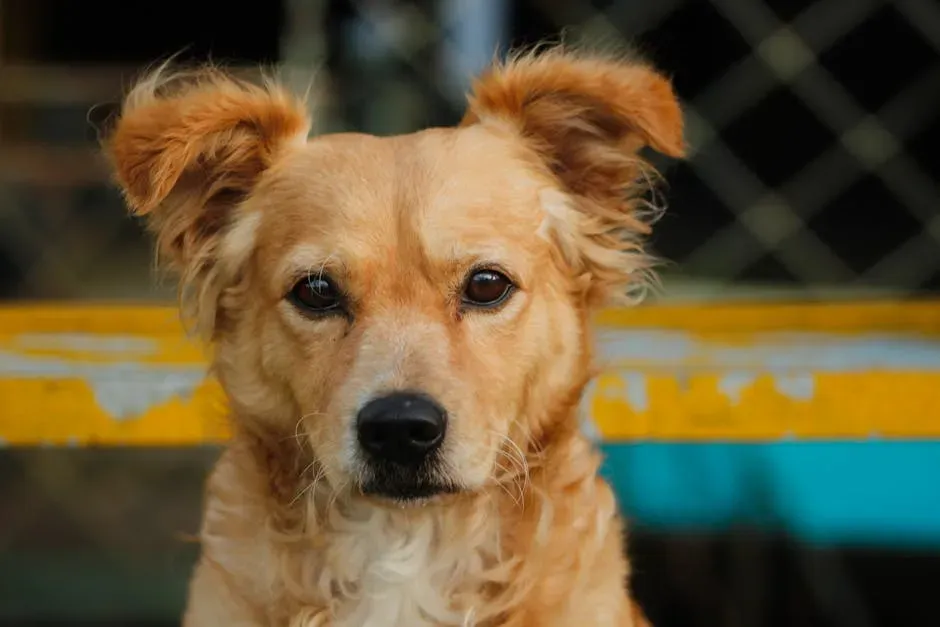
Dogs don’t experience memory the way we do. They don’t replay moments like a mental video, sitting with the specific details of who said what and when. Dogs’ short-term memory is fleeting, and their long-term memory is a web of associations rather than a movie-like memory. What this means in practice is that a dog doesn’t need to remember the exact incident to carry the emotional weight of it forward.
The amygdala plays a crucial role here. It is the part of the brain that processes emotion and memory. If a dog has a consistent, loving caretaker, the memory is tied to feelings of comfort and happiness. Conversely, a dog that experienced trauma will have negative associations. This neurological reality helps explain why a rescue dog can wince at a raised hand years after the original threat has long disappeared from their life.
One very interesting finding is that dogs are able to recognize human faces, both in person and when presented to them in a picture. The parts of the brain that were stimulated were those associated with communication, emotional expression, and storing memories. So when your dog gives a specific person the cold shoulder with no obvious current reason, it’s worth taking that seriously.
#2: Border Collie – The One Who Takes Notes
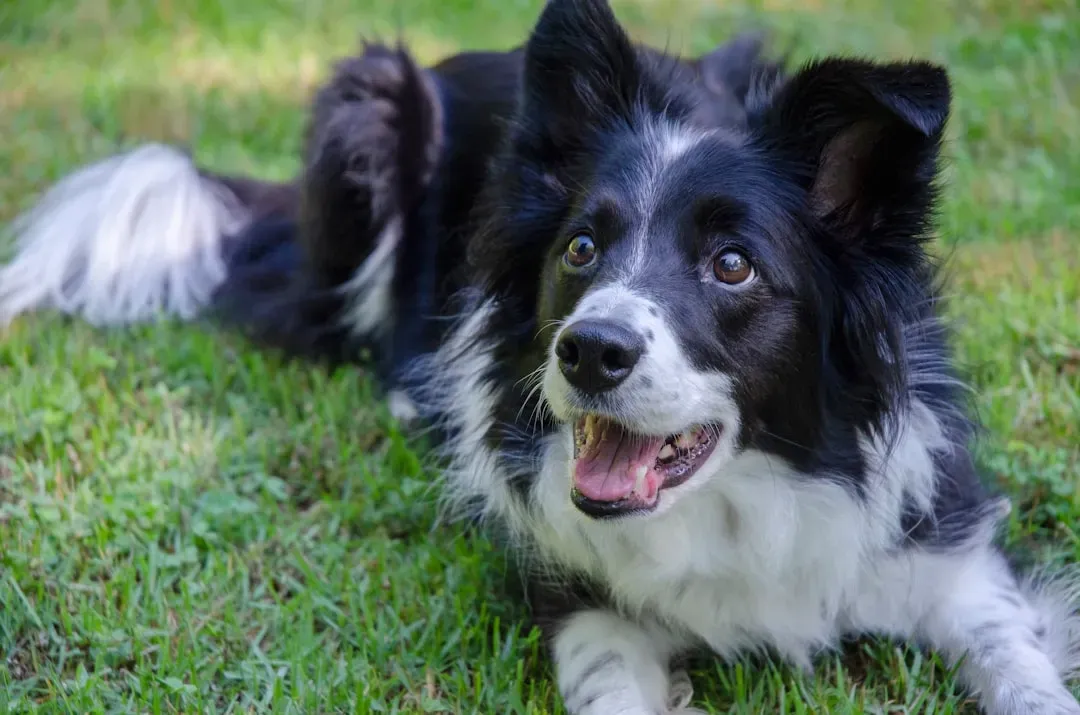
Widely considered the most intelligent dog breed, Border Collies have phenomenal recall abilities and can learn hundreds of cues. That same razor-sharp mind that makes them remarkable working dogs also means they notice everything – every tone shift, every missed walk, every moment that felt off. They don’t need a second clue to form an opinion about someone.
Border Collies are sharp, observant, and remember everything. If they perceive injustice – whether it’s a missed walk, harsh tone, or being left out of the fun – they’ll act out subtly. One of the most famous Border Collies, Chaser, learned over 1,000 words. They excel with consistency, mental games and advanced training. When that mental capacity gets directed at someone who treated them poorly, the recall is just as precise.
#3: Shiba Inu – The Quiet Bookkeeper
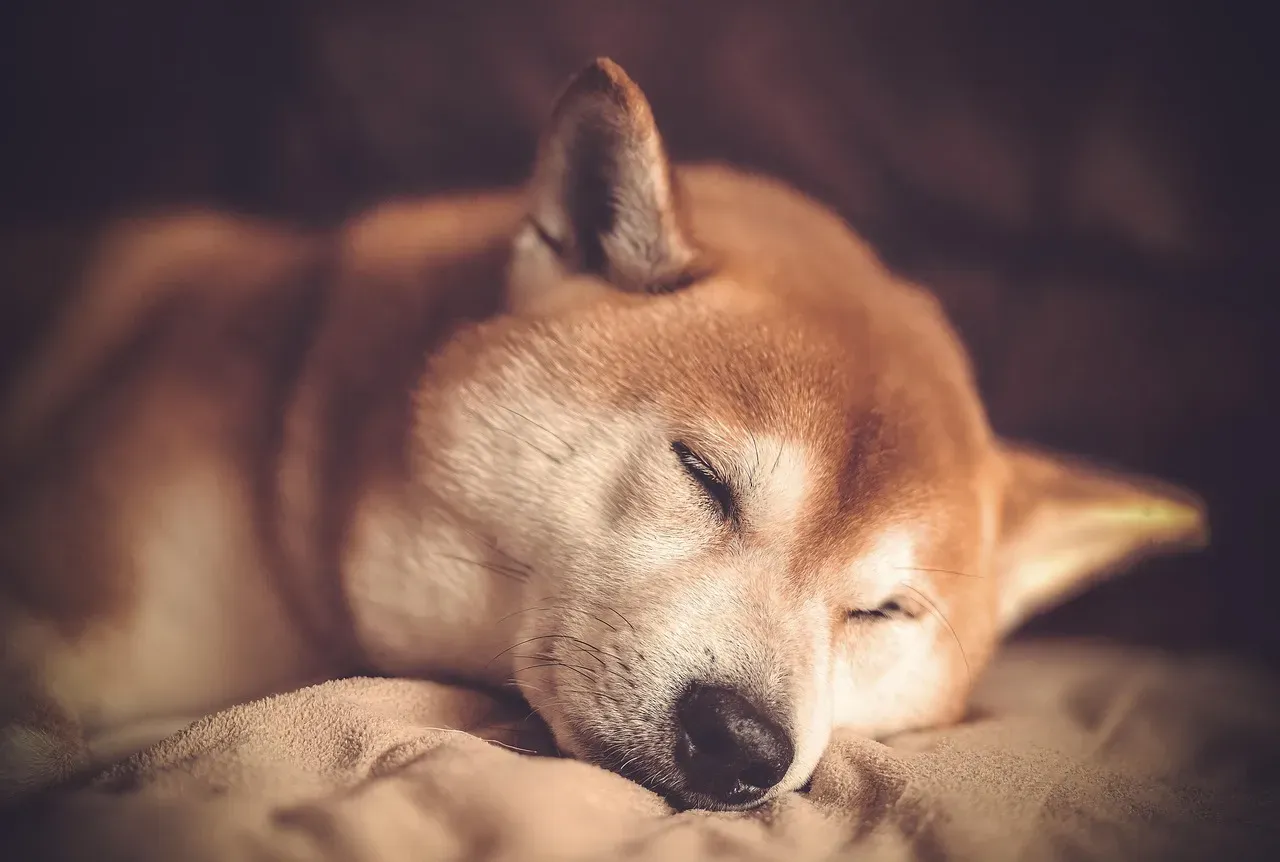
If Shibas had a motto, it would be “I’ll forgive, but I’ll never forget.” These proud, independent dogs are notorious for being emotionally complex. Scold them once and they’ll likely go full aloof-mode – no eye contact, no affection, no interest in you. There’s something almost dignified about the way a Shiba withdraws. It isn’t panic or aggression. It’s a considered, deliberate distance.
Ancient breeds like Shiba Inus are more independent and may be stubborn when it comes to training and memory tasks. That independence isn’t a flaw so much as a design feature – Shibas were bred to think for themselves in the field, and that self-reliance extends to their social lives. They decide who earns their trust and who doesn’t, and they hold that decision firmly.
#4: Doberman Pinscher – Loyal to the Bone, Wary of the Rest
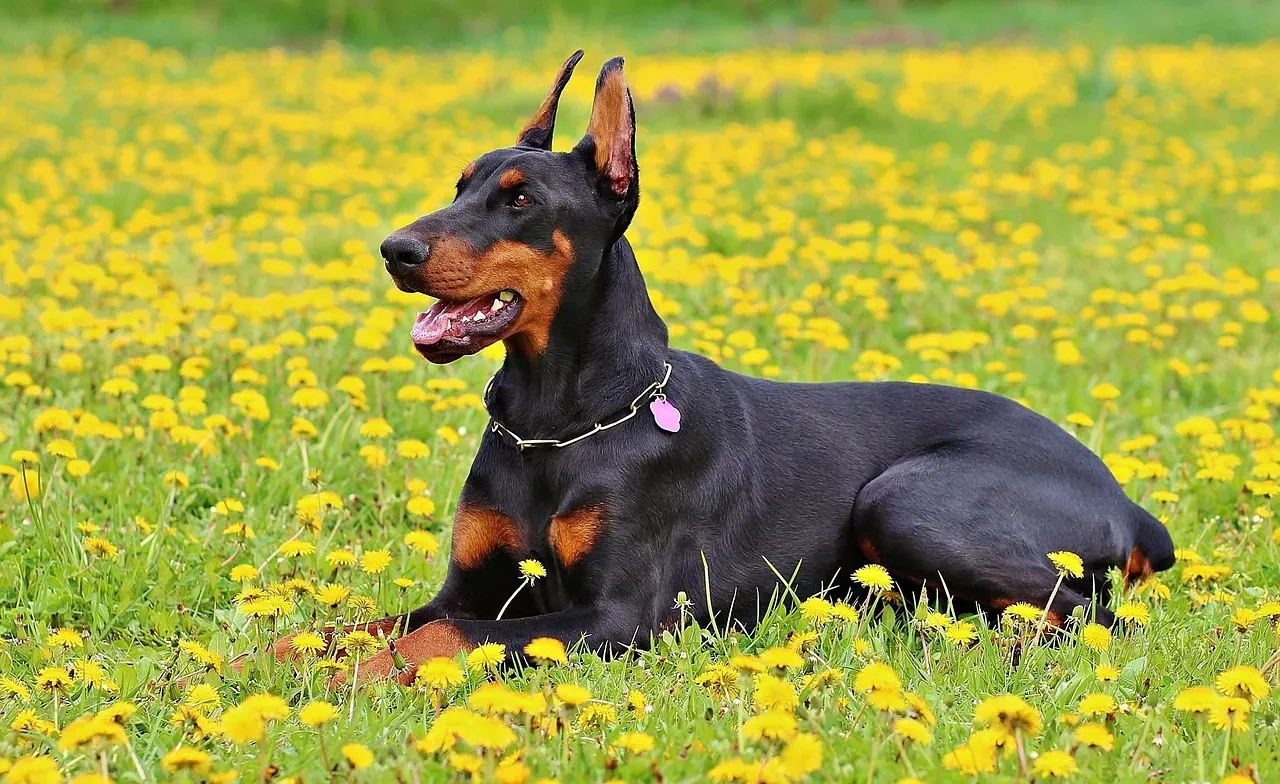
Dobermans are intelligent, emotionally attuned and deeply loyal. They tend to remember people, commands and even incidents for years. Their alert nature and sharp mind make them excellent at picking up patterns and routines quickly. That combination of emotional intelligence and memory makes the Doberman one of the breeds most likely to carry a clear, durable impression of every person they’ve encountered.
What makes this breed particularly interesting in the context of negative memory is how they channel it. A Doberman won’t simply cower – they redirect that awareness into vigilance. Factors that influence how long a dog holds a grudge include significant emotional events like abuse, which tend to be stored long-term, previous experiences where dogs with past trauma or neglect may be more sensitive to stress, and instinct and temperament where breed, socialization, and personality affect how fears develop and persist. Dobermans score high on all three.
#5: Chow Chow – The Aloof Aristocrat
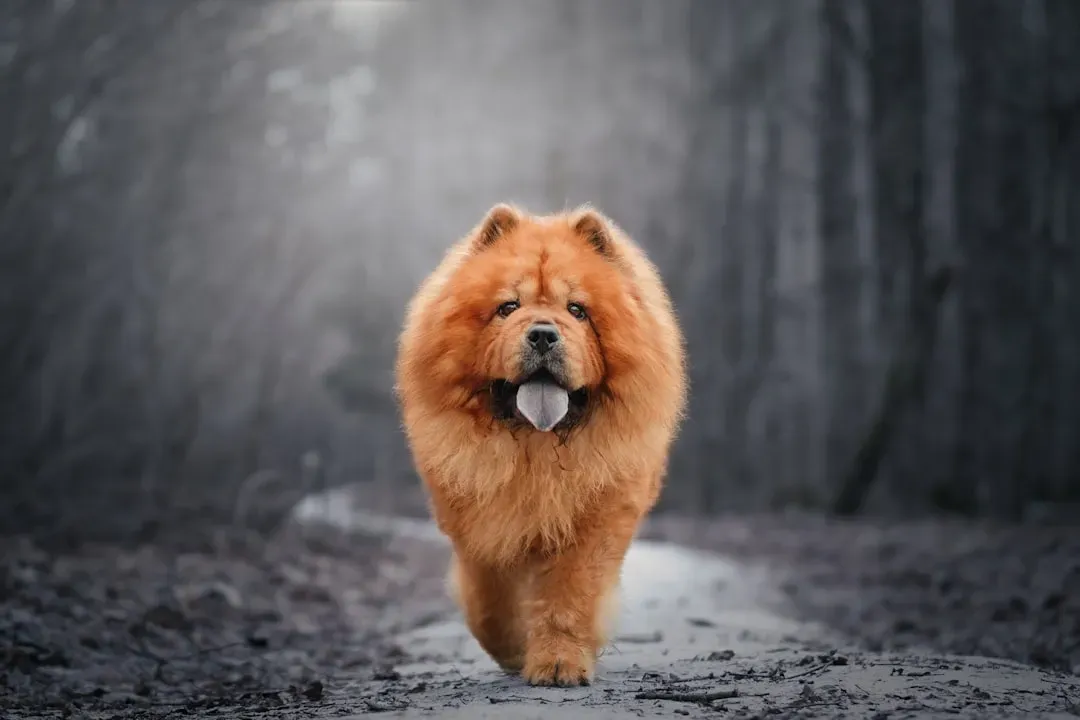
Chows are famously aloof and independent. They’re not particularly interested in pleasing humans – and if they feel disrespected, they simply check out. You’ll get cold indifference, slow obedience (if any), and a whole lot of “you’re not worthy of my time right now” energy. People who’ve lived with Chow Chows will recognize this portrait immediately. These dogs carry themselves with a kind of ancient composure that doesn’t bend easily.
The Chow’s emotional memory is deeply rooted in their selective bonding nature. They imprint heavily on a small circle of trusted people and view outsiders with persistent skepticism. Dogs that experience repeated negative interactions with the same person may start to act distant, wary, or even avoidant. While this can appear as a grudge, it’s really the dog’s way of protecting itself. If your dog hides under the table when a specific person visits, it’s likely because that person did something unsettling in the past. In a Chow, that protection instinct is especially pronounced.
#6: Basenji – Africa’s Silent Scorekeeper
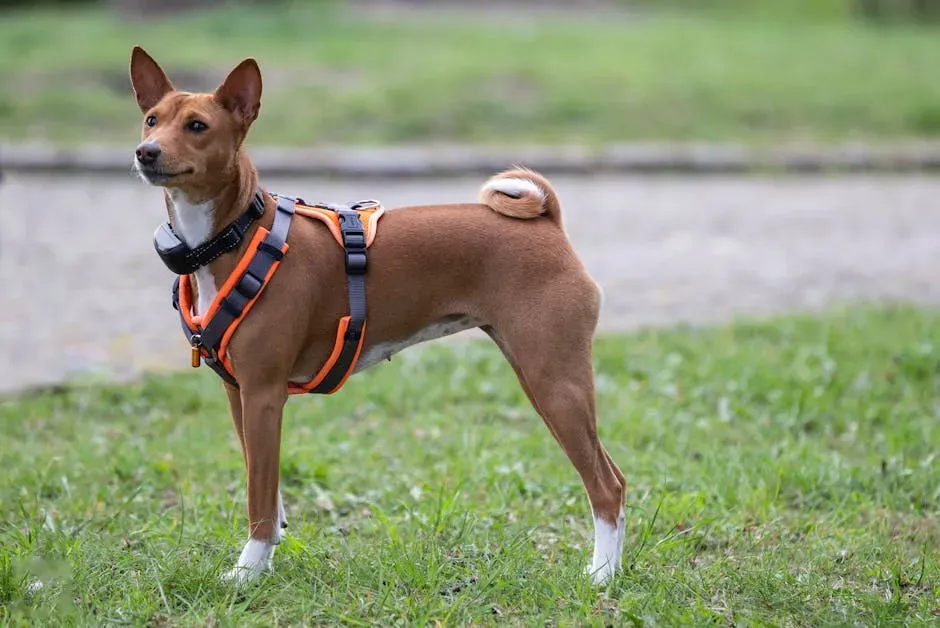
The Basenji, Africa’s “Barkless Dog,” is celebrated for its intelligence, independence, and exceptional memory. Originally bred for hunting in challenging terrains, it developed the ability to remember routes, signals, and strategies with precision. This strong adaptive intelligence allows the Basenji to retain lessons over time. That survival-honed memory doesn’t switch off when the hunting ends. It applies just as readily to people and social situations.
Basenjis are already aloof and cat-like in their behaviour. But when they hold a grudge, it’s next-level shade. You won’t get barking or tantrums – just a total lack of engagement. In a dog that doesn’t bark, silence is the most powerful signal of all. A Basenji’s cold shoulder is precise and intentional, and it tends to stick around until the dog feels the social balance has been restored on its own terms.
#7: How Dogs Remember People Who Were Mean to Their Owners
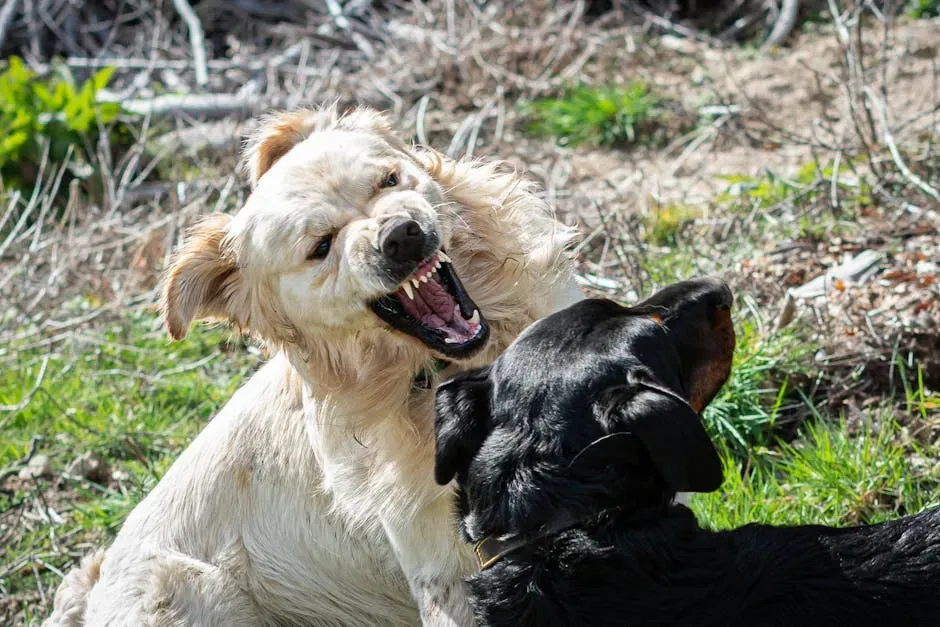
Here’s something most people don’t know: dogs don’t only remember people who were cruel to them directly. They also remember people who were unkind to the people they love. A study published in 2017 indicates a dog’s perception of human emotion can even lead to them holding “grudges” against people who are mean to their owners. In the experiment, a dog watches their owner struggle to open something. They ask a person the dog has never met for help, and the person either gladly obliges or vehemently refuses. Afterward, the second person offers a treat to the dog. If they helped the dog’s owner, the dog is happy to eat from their hand. If they refused to help, the dog is more likely to snub their tempting offer.
Dogs do have the mental capacity to associate people’s past behavior with how those people might treat them in the future. Scientists at Kyoto University in Japan conducted an experiment with more than 50 dogs and owners to test out whether dogs can hold grudges. In this study, dogs watched their owners as they opened a box. The owners then asked for help from strangers to open the box. The result was, dogs were less likely to accept treats from people who refused to help their owner. It’s a striking finding. The dog doesn’t just respond to how it was treated. It responds to how it perceived you treating the person it loves.
#8: What Owners Can Do When a Dog Carries Negative Memories
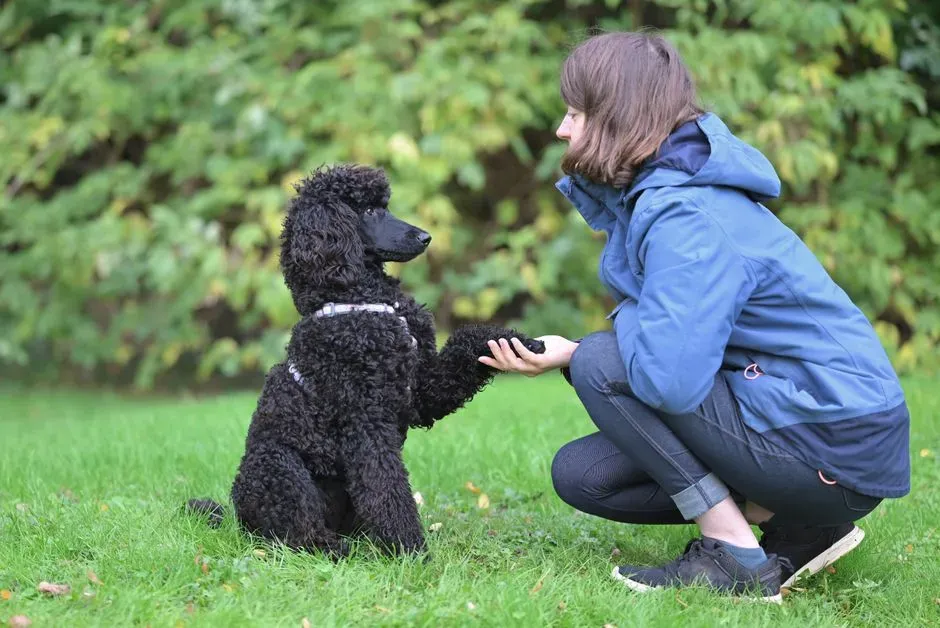
Dogs form positive and negative associations based on past experiences. For example, formerly mistreated dogs might show signs of fear or anxiety when they experience a similar context, even if they don’t recall the specific details of the trauma. The good news is that these associations, while durable, are not permanent. Understanding them is the first and most important step toward changing them.
Dogs aren’t stubborn grudge-holders, and we can rely on counterconditioning to help them change the way they see the world. In many cases, we can help our dogs let go of past grievances by offering them more pleasant experiences to replace them. This works by giving your dog positive reinforcement, in the form of treats and praise, when they come into contact with a potential trigger. Patience matters enormously here. Rushing the process tends to deepen the wariness rather than dissolve it.
Be aware of raising your hand or your voice, as these may be triggers of abuse and cause your dog to not trust you or to react in ways that are fearful or aggressive. Make your dog feel safe. Be patient. Build trust over time by staying calm and consistent. That consistency, more than any single act of kindness, is what eventually rewrites the emotional record a dog carries.
There’s a quiet lesson in all of this. Dogs may not hold grudges the way humans do, cataloguing slights and replaying grievances late at night. Research clearly shows that dogs have the cognitive and emotional capacities to hold grudges. They remember events from the past and these memories can persist for a long while. The breeds covered here simply feel that more acutely than others. Treat them well from the start, and they’ll remember that too – with the same depth and the same staying power.

- American Crocodiles Are Expanding Their Range in Florida’s Warm Waters - July 18, 2026
- 9 Common Myths About Wild Animals That Are Simply Not True - July 18, 2026
- 15 Signs Your Pet Is Secretly a Genius (And How to Spot Them) - July 18, 2026