

There’s something deeply moving about watching an elephant gently touch another’s trunk in moments of distress. These gentle giants possess an emotional complexity that rivals our own, displaying behaviors that make us question everything we thought we knew about animal consciousness. Their ability to read emotions, console the grieving, and remember traumatic experiences reveals cognitive abilities that stretch far beyond simple survival instincts.
Recent research has begun unveiling the remarkable depth of elephant emotional intelligence. Scientists have discovered that these massive creatures don’t just survive in groups – they thrive in emotionally sophisticated societies where understanding feelings can mean the difference between harmony and chaos. From remembering the faces of deceased family members to providing comfort during times of grief, elephants demonstrate emotional capabilities that challenge our very definition of consciousness. Let’s explore the extraordinary emotional world of these magnificent beings.
The Science Behind Elephant Self-Awareness
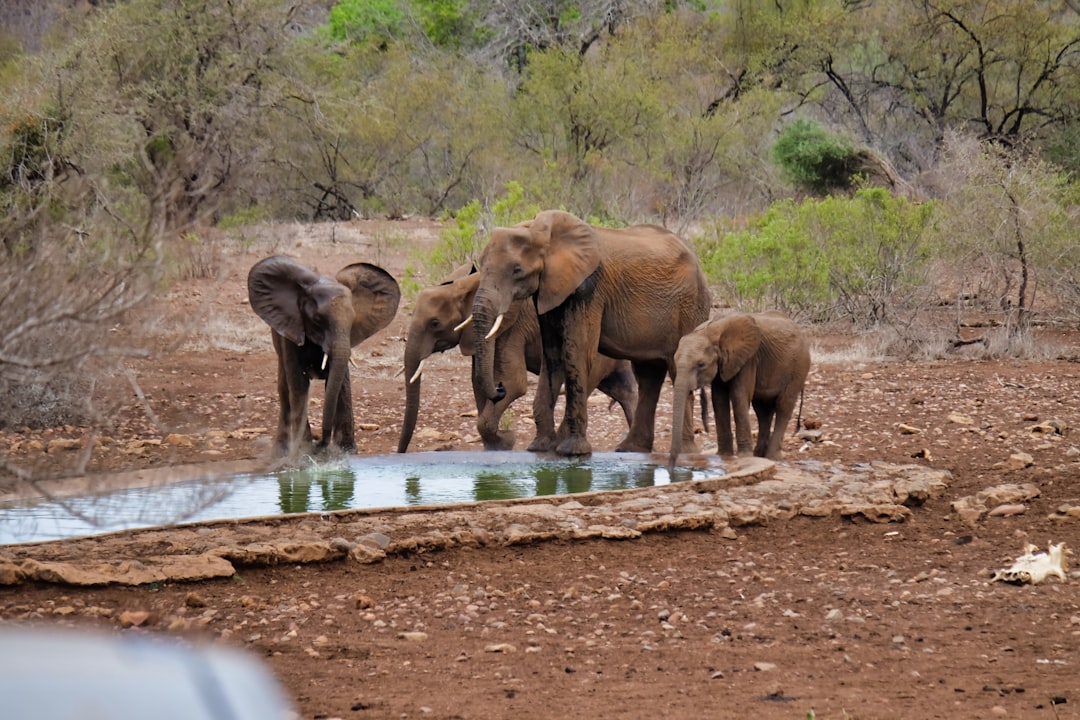
Asian elephants have been found to pass the mirror test, where marks are placed on the animal to see whether they use the mirror to inspect themselves. When they successfully inspect themselves, this is considered to be evidence of self-awareness. This remarkable achievement places elephants in an exclusive club of creatures that includes humans, great apes, and dolphins.
For context: human children are not capable of this until at least 18-24 months old. What makes this discovery particularly fascinating is how elephants approach their own reflection. Imagine an elephant, trunk swaying gently, approaching a large mirror placed in their enclosure. At first, they might react with curiosity or even wariness. But soon, something remarkable happens. They begin to recognize the reflection as themselves, not another elephant.
Empathy in Action: How Elephants Comfort Each Other
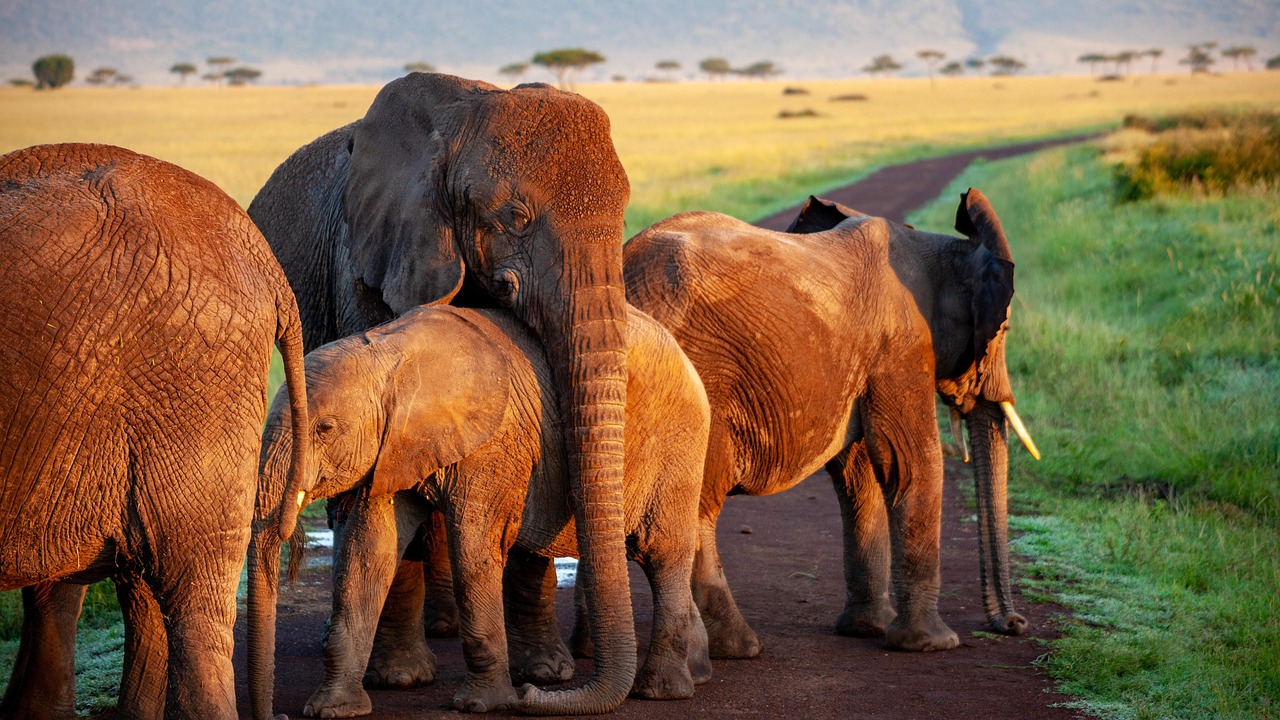
Research on elephants is full of examples of the animals apparently behaving empathetically – recognizing and responding to another elephant’s pain or problem. Often, they even make heroic efforts to assist one another. These behaviors go far beyond simple instinct or learned responses.
In Kenya, researchers have watched mother elephants and other adult females help baby elephants climb up muddy banks and out of holes, find a safe path into a swamp, or break through electrified fences. Scientists have spotted elephants assisting others that are injured, plucking out tranquilizing darts from their fellows, and spraying dust on others’ wounds. In a study carried out at an elephant camp in Thailand, elephants affiliated significantly more with other individuals through directed, physical contact and vocal communication following a distress event than in control periods. In addition, bystanders affiliated with each other, and matched the behavior and emotional state of the first distressed individual, suggesting emotional contagion.
The Remarkable Mourning Rituals of Elephants
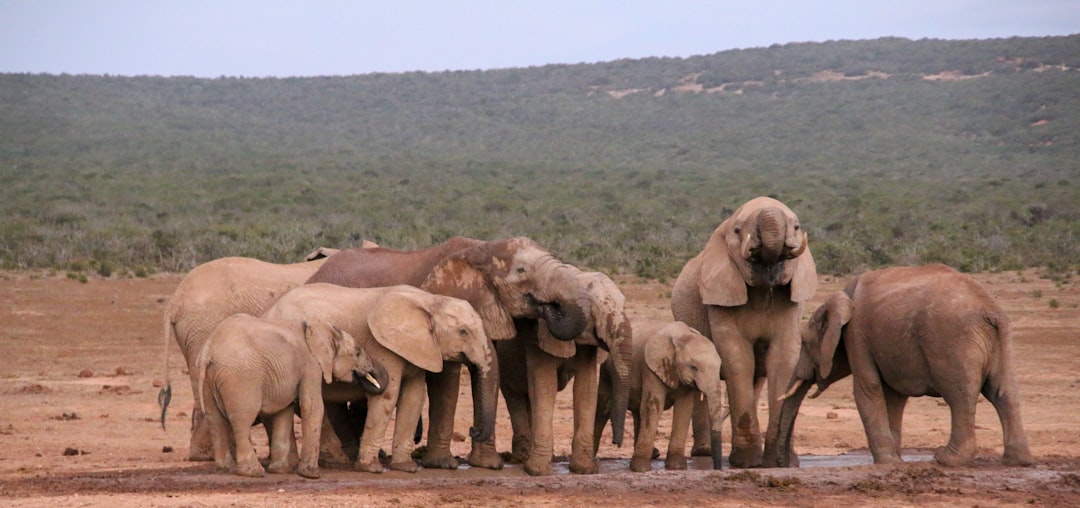
They grieve and are filled with emotions when they encounter or touch the bones of other elephants that have died. They show signs of their grief by gently caressing the corpses with their trunks and touching them with their feet. These mourning behaviors represent some of the most emotionally complex actions witnessed in the animal kingdom.
African elephants sometimes cover the bodies of deceased elephants with leaves and vegetation, creating a form of partial burial. They have also been observed returning to visit these burial sites later. “I have no doubt that elephants grieve,” says Barbara King, emeritus professor of anthropology at William & Mary in Virginia. “We know these are smart and emotional creatures. We don’t need to know what they are thinking. With grief, we have to know that the survivor’s behavior is significantly altered from normal baseline, such as altered social withdrawal, feeding, sleeping, body posture that is sustained in some way.”
Memory and Recognition: The Foundation of Elephant Emotions
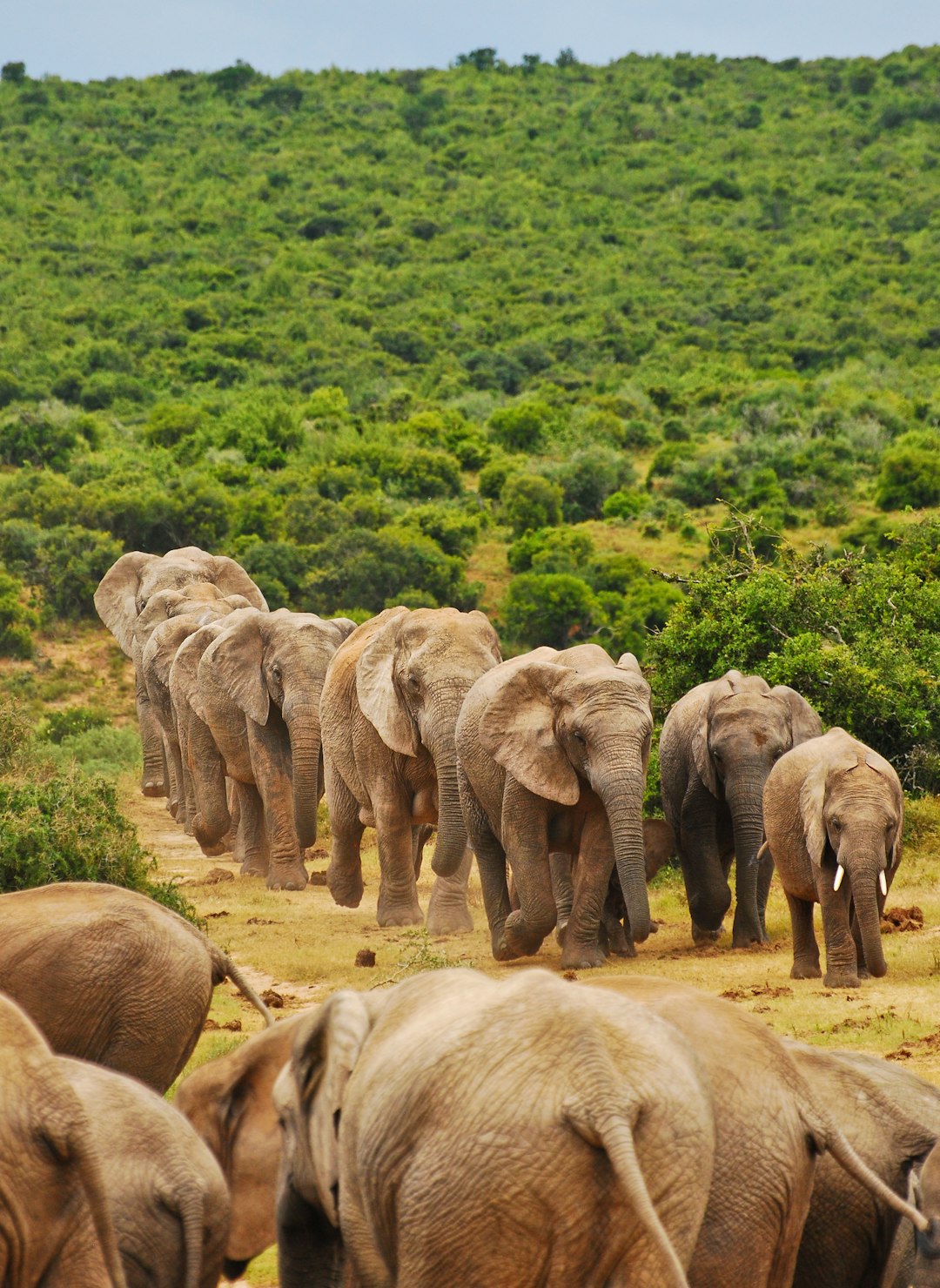
At the core of an elephant’s cognitive brilliance lies an exceptional memory that distinguishes them in the animal kingdom. Studies highlight their unmatched ability to remember specific locations over extended periods. This spatial memory becomes a critical tool for survival, aiding them in navigating vast territories, locating water sources during droughts, and identifying areas abundant in food resources.
Beyond their remarkable spatial recall, elephants showcase an intricate social memory that forms the foundation of their close-knit communities. Research indicates that the elephant hippocampus is proportionally larger than in many other mammals, including humans, which helps explain their exceptional memory abilities. This enlarged hippocampus helps explain their extraordinary ability to remember faces, relationships, and even traumatic experiences across decades.
Communication of Emotions Through Sound and Touch
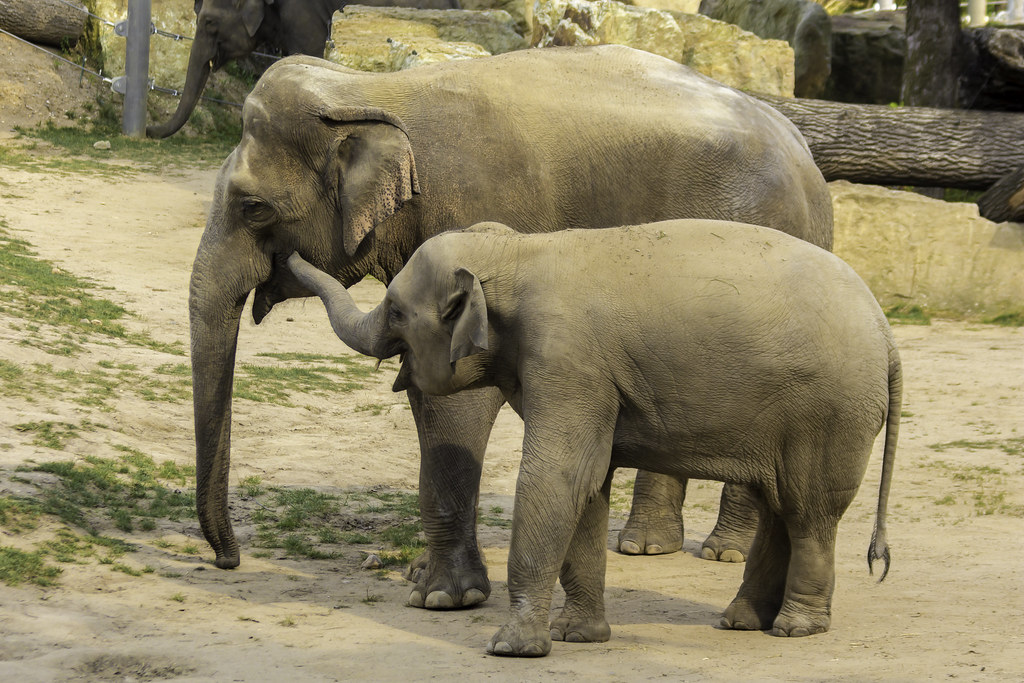
“Elephants can express their emotions through sounds, like trumpeting, and by moving their bodies in different ways,” says Ronald Oldfield, a senior instructor from the Case Western Reserve University Department of Biology. “When they touch each other gently with their trunks, it’s like they’re being kind and caring.” These communication methods reveal layers of emotional sophistication previously unrecognized.
Elephants also make different sounds and use their trunks to communicate. The “loudness, pitch, and frequency of these sounds can tell us how they are feeling,” says Oldfield. For example, a loud and high-pitched trumpet might mean an elephant is in pain. Scientists have watched elephants run to stand beside their friend, touched her with their trunks to soothe her, and made soft chirping sounds. Sometimes one would even put her trunk inside the other’s mouth, a behavior elephants find particularly comforting, the researchers say.
The Complex Social Bonds That Shape Elephant Society
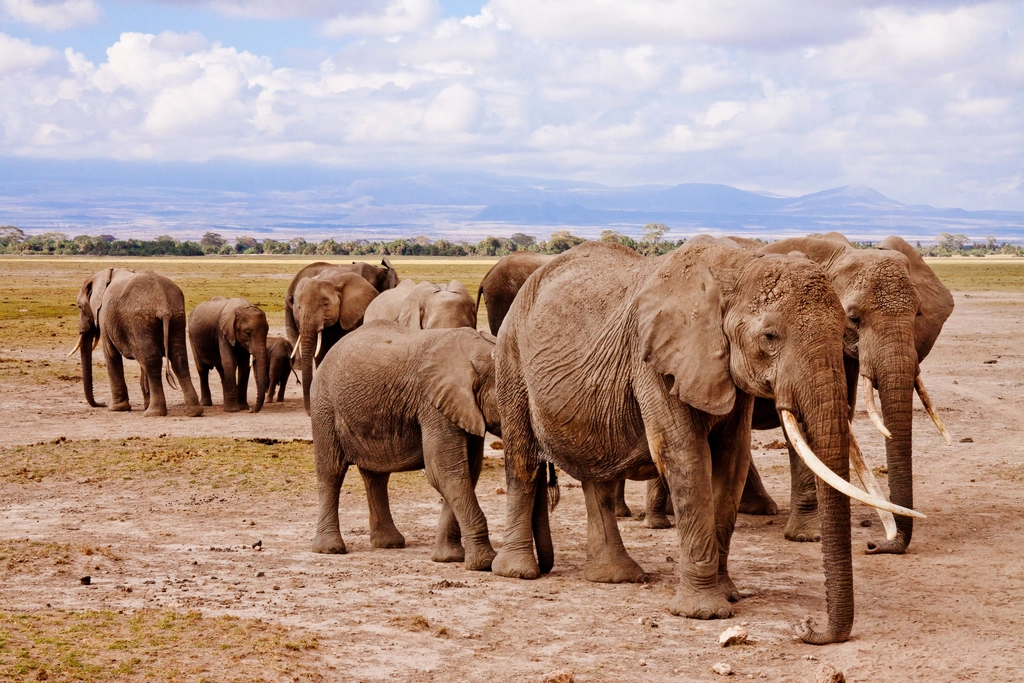
In the wild, Asian and African elephant calves rely heavily on their mothers and family members for survival, social support, and learning during their first four to five years of life. Male elephants typically leave the group around late adolescence. Female elephants often remain with the group. Observations show African elephant calves spend about 90% of their time within 5 metres of another elephant, preferring close contact.
Their emotional intelligence also extends to their ability to form strong, lasting bonds. Elephants are known to form lifelong friendships and show loyalty to their companions. These bonds are evident in their cooperative behaviors, such as sharing food or helping a distressed member of the herd. Their ability to remember and recognize individuals, even after long periods of separation, further underscores the depth of their social connections. The matriarchal structure of elephant society relies entirely on these emotional connections, with the oldest female leading through wisdom accumulated over decades of shared experiences.
Conclusion

The emotional intelligence of elephants challenges our understanding of what it means to feel, to grieve, and to care for others. These magnificent creatures demonstrate that consciousness and empathy extend far beyond human experience, existing in forms we are only beginning to comprehend. Their ability to comfort the distressed, mourn the deceased, and maintain complex social relationships reveals cognitive abilities that demand our respect and protection.
Perhaps the most remarkable aspect of elephant emotional intelligence lies not in any single behavior, but in how seamlessly these abilities integrate into their daily lives. Every gentle touch of a trunk, every protective gesture toward a calf, and every moment of silent vigil beside a fallen friend speaks to an emotional depth that mirrors our own humanity. What do you think about these gentle giants and their incredible emotional world? Tell us in the comments.

- Why Vaccinations are Important for Small Dogs - August 2, 2026
- How to Get Your Dog to Stop Peeing Around the House - August 2, 2026
- Essential Tips to Keep Your Pets Warm and Safe in Winter - August 2, 2026