

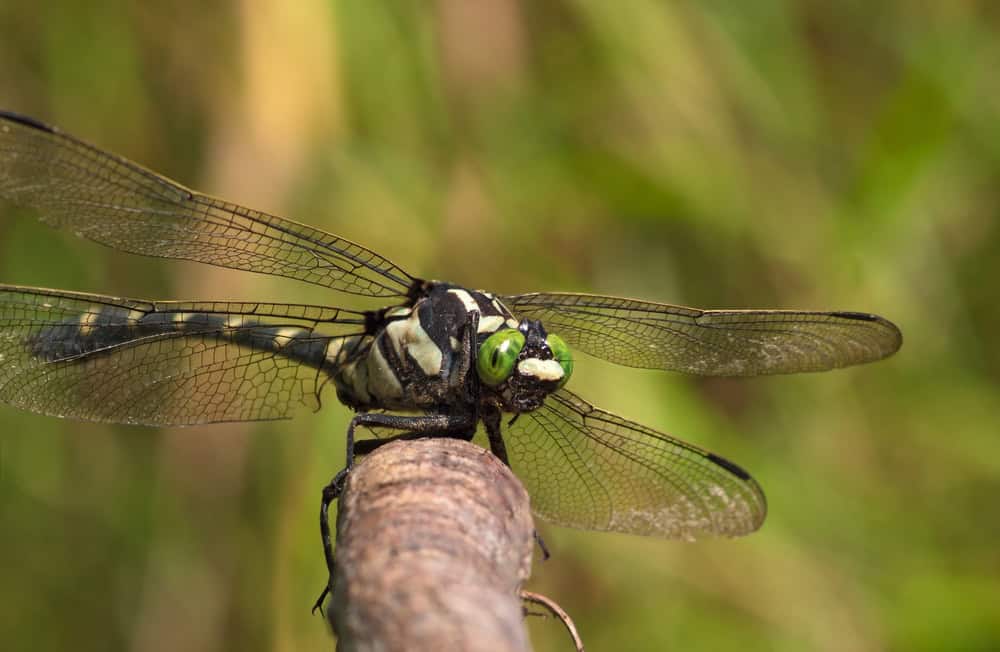
The natural world never ceases to amaze, with its myriad creatures displaying extraordinary capabilities that often dwarf human technology. Among these marvels stands an insect that challenges our understanding of speed and agility: the dragonfly. Astonishingly, certain species of dragonflies can accelerate faster than a modern jet engine, showcasing a blend of power and grace that leaves even scientists in awe.
The Marvel of Nature Dragonfly Anatomy

The dragonfly, an ancient creature with roots tracing back over 300 million years, boasts an anatomy perfectly adapted for speed and agility. Equipped with two pairs of powerful wings, which can operate independently of one another, these insects are capable of maneuvering with exceptional precision. Their long, slender bodies house a complex muscular system that supports rapid acceleration and swift turns, making dragonflies aerial acrobats.
Breaking the Speed Barrier

What differentiates dragonflies from other insects is their astounding speed. Certain species can reach velocities of up to 35 miles per hour (56 kilometers per hour), an impressive feat for a creature so small. However, what is truly remarkable is their acceleration, which outpaces that of a jet engine during takeoff. This ability stems from their powerful wing musculature and lightweight exoskeleton, which reduces air resistance and increases lift.
The Science Behind the Speed

The secret to a dragonfly’s speed lies in the biomechanics of its wings. Unlike birds or human-engineered flight, dragonflies employ a direct flight mechanism, using powerful muscles attached directly to the wing bases. This allows for rapid, forceful wing beats that generate significant thrust, propelling them forward with great speed while allowing for instant changes in direction.
Remarkable Redesign Evolution at Play

Dragonflies are often cited as examples of nature’s perfect design. Over millions of years, they have undergone subtle evolutionary changes that have fine-tuned their physical attributes for unparalleled speed and agility. These adaptations enable dragonflies to swiftly navigate their environments, evade predators, and catch prey, providing them with a significant evolutionary advantage.
Predator and Prey The Role of Speed in Survival
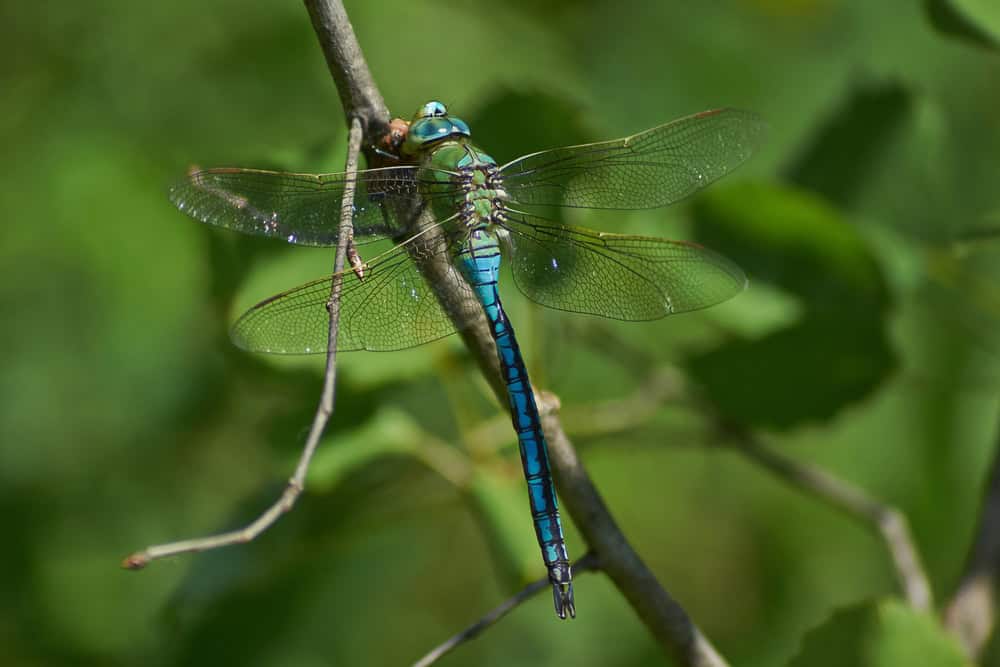
For dragonflies, speed serves a dual purpose: evading predators and hunting prey. As apex aerial predators themselves, dragonflies rely on their rapid acceleration and sharp agility to catch flying insects with remarkable precision. This blend of speed and accuracy ensures they remain at the top of their food chain.
A Close Look at Dragonfly Vision

Aiding their hunting prowess is their exceptional vision. Dragonflies possess large compound eyes that offer almost 360-degree vision, enabling them to spot prey and threats from nearly any direction. This keen eyesight, combined with rapid flight, makes dragonflies effective hunters and survivalists.
The Impact of Climate on Dragonfly Speed

Temperature plays a significant role in a dragonfly’s ability to reach its top speeds. As ectothermic creatures, their muscle function depends on ambient temperatures. Warmer conditions allow dragonflies to operate at peak efficiency, while cooler temperatures may slow them down, affecting their ability to hunt and evade.
Dragonflies as Environmental Indicators

Beyond their impressive aerial feats, dragonflies serve as important indicators of ecosystem health. Their presence and diversity can reflect the quality of the environment, as they are sensitive to changes in water quality and habitat disruption. As such, studying dragonflies can provide insights into environmental conditions and biodiversity.
Technological Inspiration Biomimicry and Flight
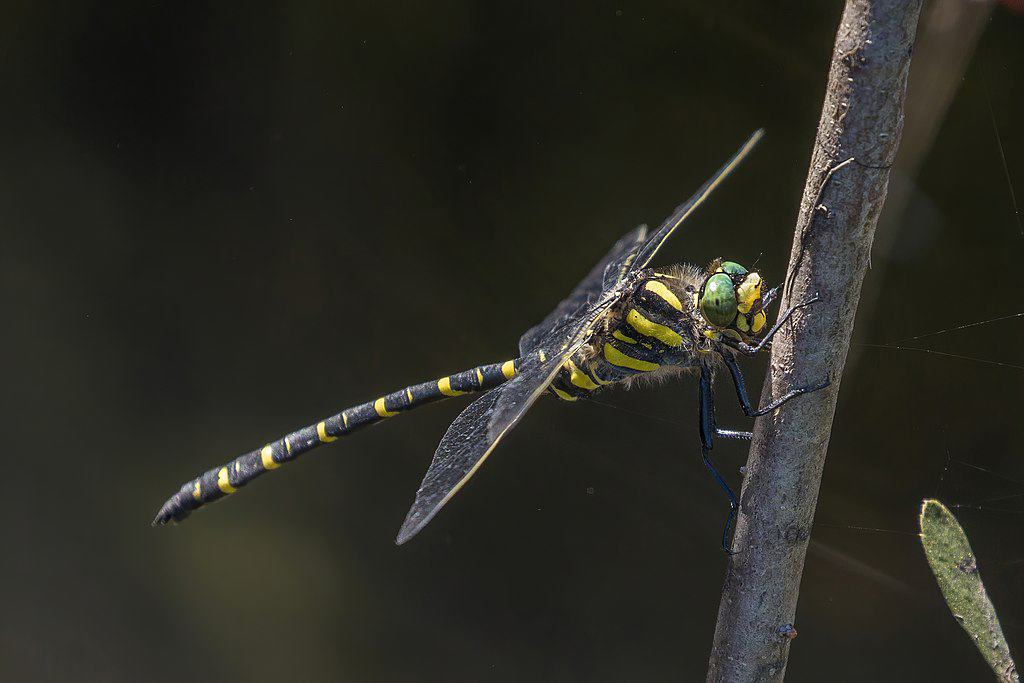
The unique flight mechanics of dragonflies have caught the attention of engineers and researchers, inspiring innovations in drone and aircraft design. By mimicking dragonfly physiology, scientists hope to develop more agile and energy-efficient flying machines, potentially revolutionizing technology through lessons learned from nature.
Observing Dragonflies in Nature
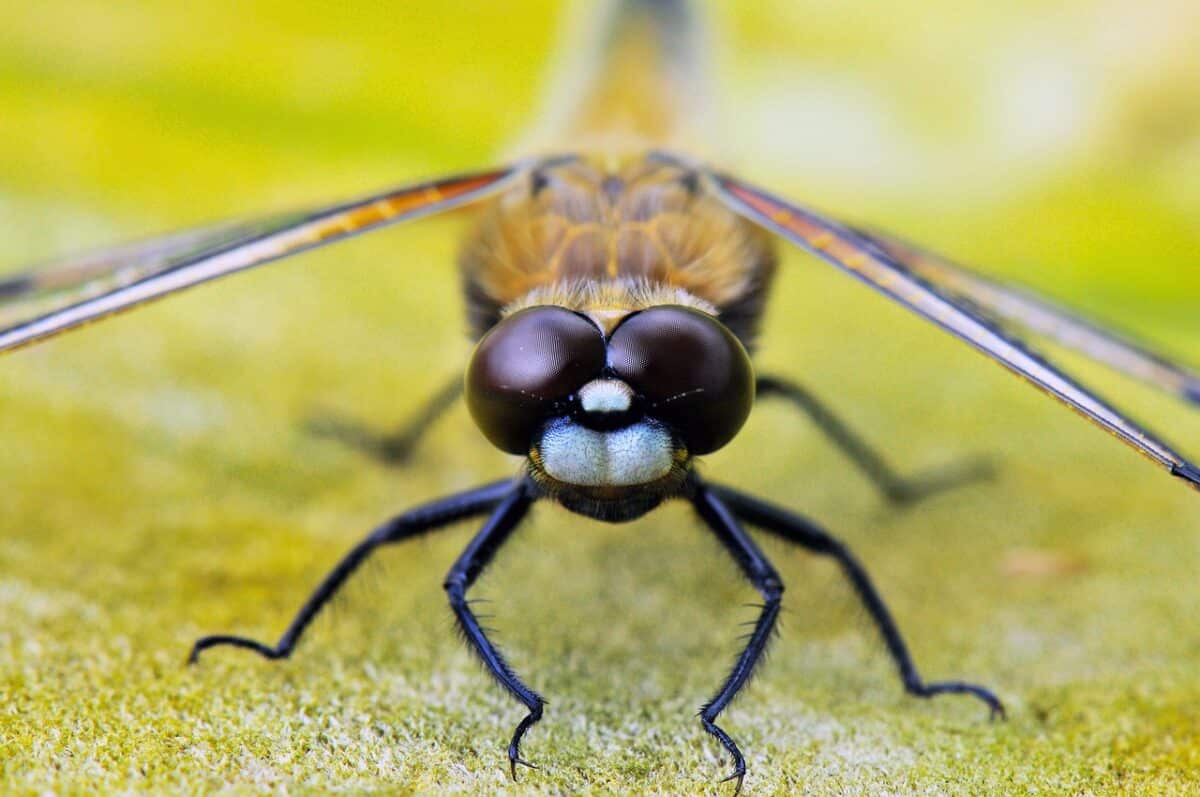
Dragonflies are commonly found near water bodies, where they breed and feed. Their conspicuous colors and fascinating behaviors make them a favorite subject for nature enthusiasts and photographers alike. Observing them in their natural habitat can provide a glimpse into the complex balance of speed, power, and elegance.
Conservation Efforts and Challenges

Despite their resilience through the ages, dragonflies face modern challenges, including habitat loss and pollution. Conservation efforts aim to protect these vital insects by preserving natural habitats and improving water quality. Supporting these initiatives helps ensure the survival of dragonflies and the ecological services they provide.
Conclusion: The Wonder of Dragonflies

The dragonfly remains one of nature’s most extraordinary creatures, epitomizing speed and agility in the insect world. Their ability to move faster than a jet engine during takeoff underscores the profound complexities and capabilities found in the natural realm. As we continue to study and learn from these incredible insects, they remind us of the intricate and awe-inspiring designs present in nature, prompting both scientific inquiry and conservation efforts to preserve such extraordinary life forms.

As a little kid, I fell in love with nature, wildlife, and animals. Living in the USA, South Africa, Italy, China and Germany gave me the opportunity to discover the world's Wildlife. My favorite animals are Mountain Gorillas, Siberian Tigers, and Great White Sharks.
I'm a certified PADI Open Water Diver, went to Everest Base Camp and Trekked Gorillas in Uganda. I hold a Master of Science in Economics and Finance.
Please send any feedback to feedback@animalsaroundtheglobe.com
- The Most Isolated National Park in the US - June 21, 2026
- 10 Animals That Use Bizarre Survival Tactics - June 21, 2026
- 11 Things You Did Not Know About Dolphin Intelligence - June 21, 2026