
Arizona, with its expansive and rugged desert landscapes, is home to an array of fascinating wildlife adapted to survive in harsh conditions. Among these adaptations, speed is a critical survival trait for some animals, helping them evade predators and capture prey. This article delves into the fastest land animals found in the deserts of Arizona, exploring their unique characteristics and adaptations that allow them to thrive in this challenging environment.
Introduction to Arizona’s Deserts

Arizona is renowned for its iconic desert regions, such as the Sonoran and Mojave Deserts. These areas are characterized by extreme temperatures, scarce water sources, and unique flora and fauna. The animals residing in these deserts have evolved remarkable traits to survive, including speed, which plays a crucial role in the daily lives of some species.
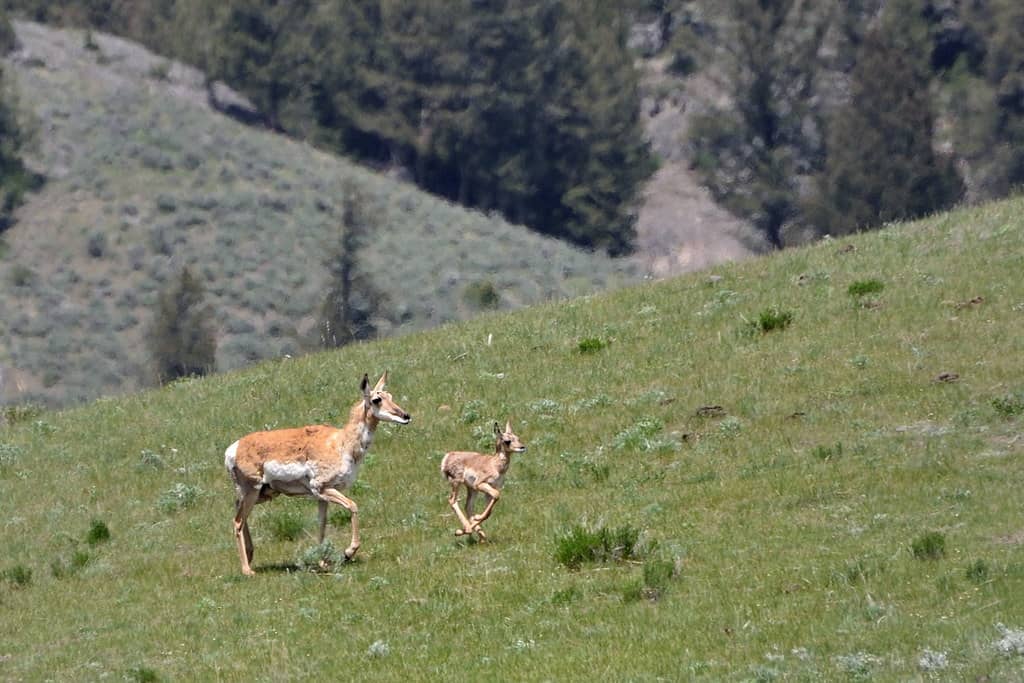
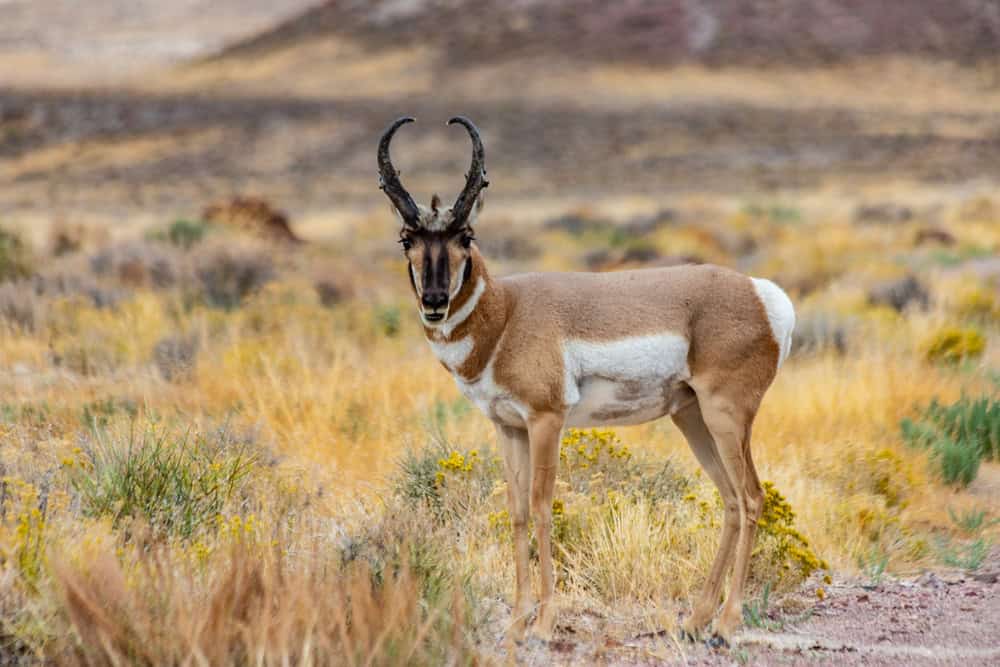
The Pronghorn: A Marvel of Speed
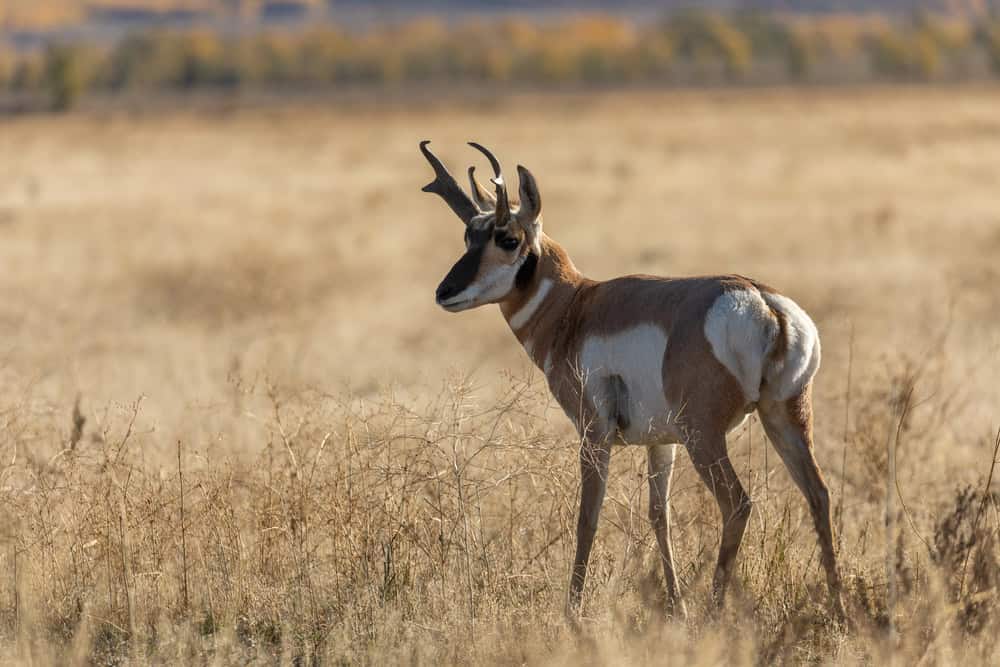
The pronghorn (Antilocapra americana) is the fastest terrestrial animal in North America, often referred to as the “American antelope.” Capable of reaching speeds up to 60 mph, the pronghorn’s agility enables it to outpace predators across the open plains and desert landscapes. Despite common misconceptions, pronghorns are not true antelopes but belong to their own unique family.
Coyote: The Opportunistic Sprinter

Known for its incredible adaptability, the coyote (Canis latrans) is another remarkable speedster found in Arizona’s deserts. Coyotes can reach speeds of up to 40 mph in short bursts, which assists them in capturing small prey and evading threats. Their speed is augmented by their cunning and hunting prowess, making them one of the most successful predators in the region.
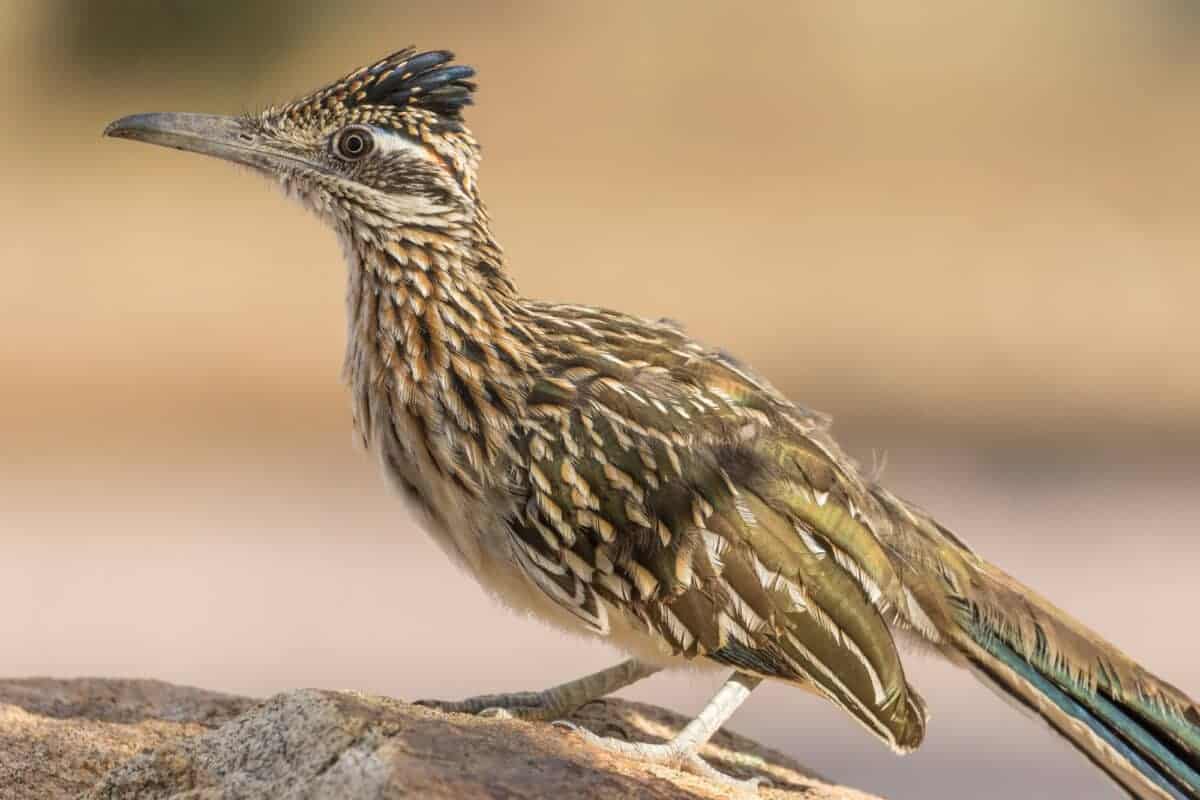
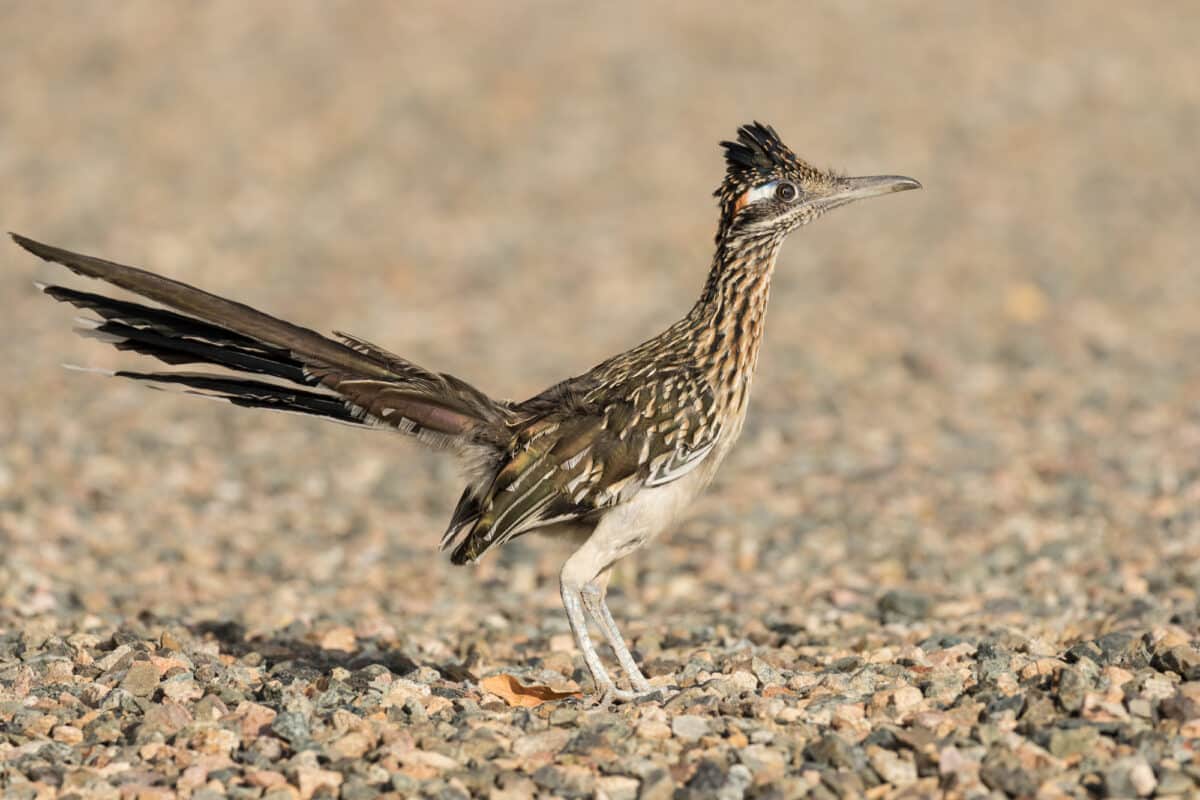
Roadrunner: The Iconic Desert Bird
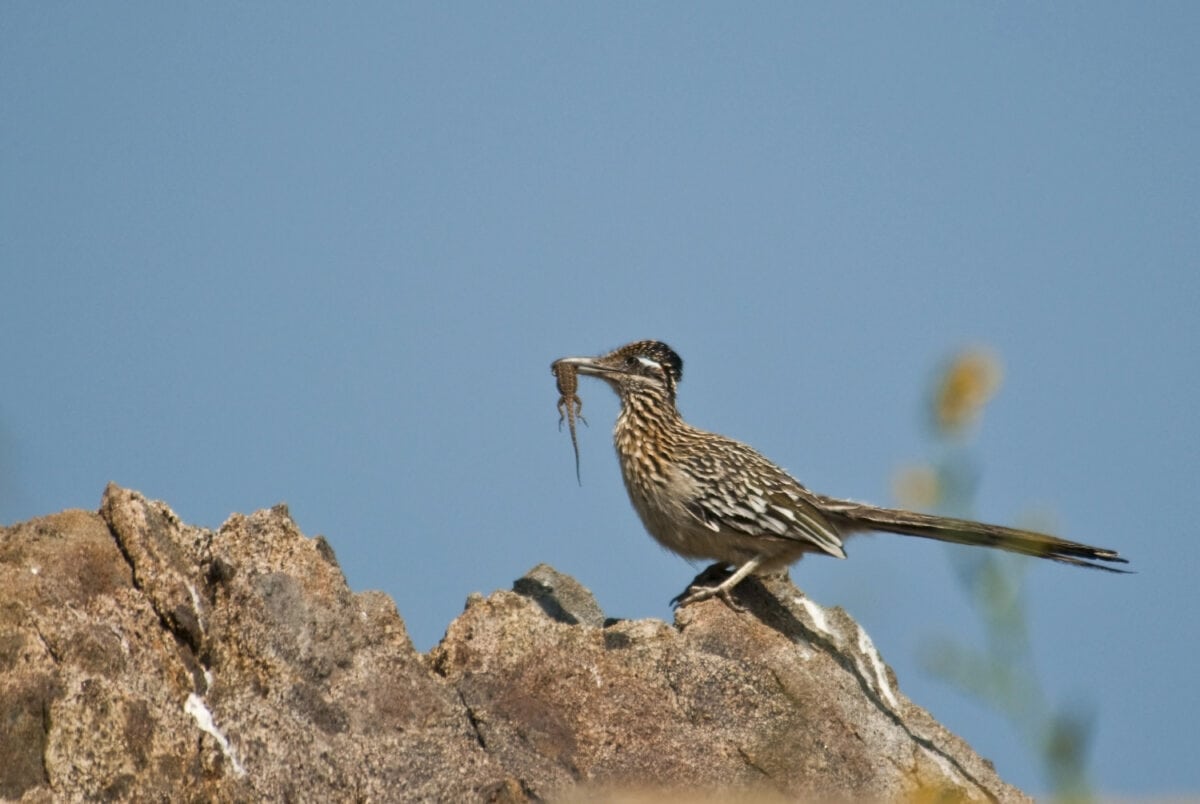
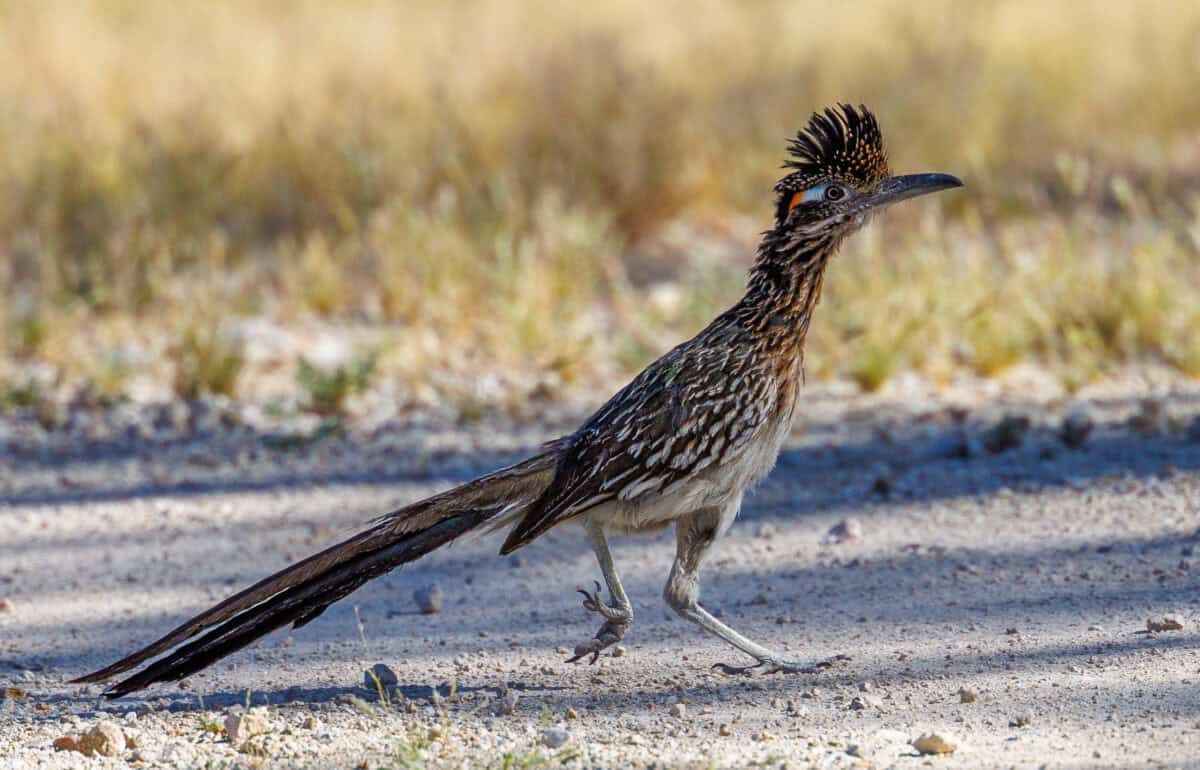
The greater roadrunner (Geococcyx californianus) is an emblematic bird of the Southwest, famous for its swift terrestrial movement. Capable of running at speeds of up to 20 mph, this bird relies on speed to hunt insects, lizards, and small birds while evading aerial predators. Roadrunners have a distinctive appearance, with long legs, a long tail, and the ability to make quick, short dashes across the desert floor.
Black-tailed Jackrabbit: A Nimble Herbivore
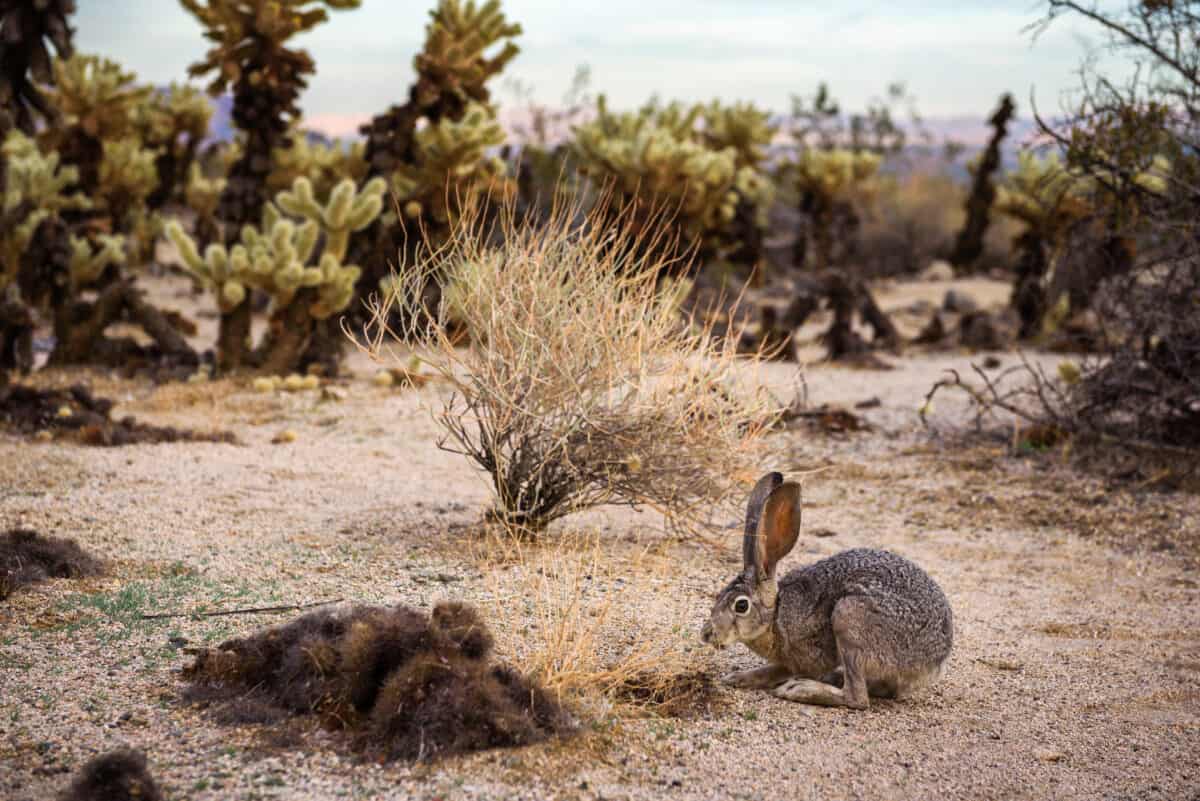
The black-tailed jackrabbit (Lepus californicus) is another desert dweller adept at using speed for survival. With a top speed of 40 mph, these hares use swift, erratic dashes to escape predators. Their powerful hind legs provide the strength necessary for quick acceleration and long-distance hopping across the desert terrain.
Adaptations for Speed in Desert Animals
Speed serves as a crucial adaptation for desert animals, providing both offensive and defensive advantages. Desert dwellers like the pronghorn and jackrabbit have evolved lightweight bodies, elongated limbs, and specialized muscle structures to maximize their speed. These adaptations also help them conserve energy, a vital trait for survival in resource-scarce environments.
The Role of Speed in the Desert Ecosystem

Speedy animals in the desert ecosystem perform essential ecological roles. As both predators and prey, these animals help maintain balance within the food chain. Fast predators can control the population of smaller species, while speedy prey contribute to the survival of larger predators by offering a challenging pursuit. This dynamic interaction supports the overall health and diversity of the ecosystem.
Human Impact on Desert Speedsters
Human activities, such as urban development and road construction, increasingly encroach on desert habitats. The disruption of these ecosystems poses significant threats to swift desert animals by fragmenting their natural habitats and increasing the risk of vehicle collisions. Conservation measures are essential to protect these species and preserve their unique adaptations for future generations.
Conservation Efforts and Challenges

Conservation efforts aim to mitigate the impacts of human encroachment by preserving and restoring natural habitats, creating wildlife corridors, and raising public awareness about the importance of desert ecosystems. However, challenges such as climate change and limited funding often hinder these efforts. Collaborative initiatives among government, non-profit organizations, and local communities are vital for addressing these challenges effectively.
The Mesmerizing Desert Landscape
Arizona’s deserts are not only home to fascinating speedy animals but also boast breathtaking landscapes and a rich cultural history. From iconic saguaro cacti to ancient petroglyphs, these deserts offer countless opportunities for exploration and discovery, making them an integral part of the region’s natural heritage.
How to Safely Observe Desert Wildlife

Observing Arizona’s desert wildlife can be a rewarding experience, but it requires respect and caution. Always maintain a safe distance from wild animals to avoid causing them stress or altering their natural behavior. Stay on designated trails, and consider hiring a knowledgeable guide to enhance your wildlife-watching experience while ensuring the protection of these unique species.
Conclusion
Arizona’s deserts are a testament to nature’s ingenuity, where speed is a prized adaptation for survival. From the lightning-fast pronghorn to the agile roadrunner, each species plays a crucial role in maintaining the balance of their ecosystem. As stewards of the environment, it is our responsibility to protect these incredible animals and their habitats, ensuring that future generations can appreciate the remarkable diversity of life that Arizona’s deserts have to offer.

- This Massive Bird Can Fly—But Barely - August 12, 2026
- Deadliest Creatures Found in Freshwater Rivers - August 12, 2026
- Why Some Wild Animals Seek Out Human Touch - August 12, 2026