Read all the way to the end – we save the one detail most people never think about for last.
Image credits: Pexels1 of 9
Want to read this again later?
🔥 Would you like to save this?
We'll email this post to you, so you can come back to it later!
There’s a particular kind of surprise that comes from a wrong turn on a dirt road. In 2011, a research team driving through a dry riverbed in northern Kenya took a detour that had nothing to do with their actual plans for the day. What they stumbled onto instead would quietly upend one of the longest standing assumptions in the study of human origins.
For decades, the story felt settled. Stone tools belonged to us, or at least to our genus, Homo, the line that eventually produced modern humans. Then a scatter of broken rocks in a place called Lomekwi changed the timeline by hundreds of thousands of years, and forced scientists to ask an uncomfortable question: what if toolmaking started before there was anyone we would recognize as human at all.
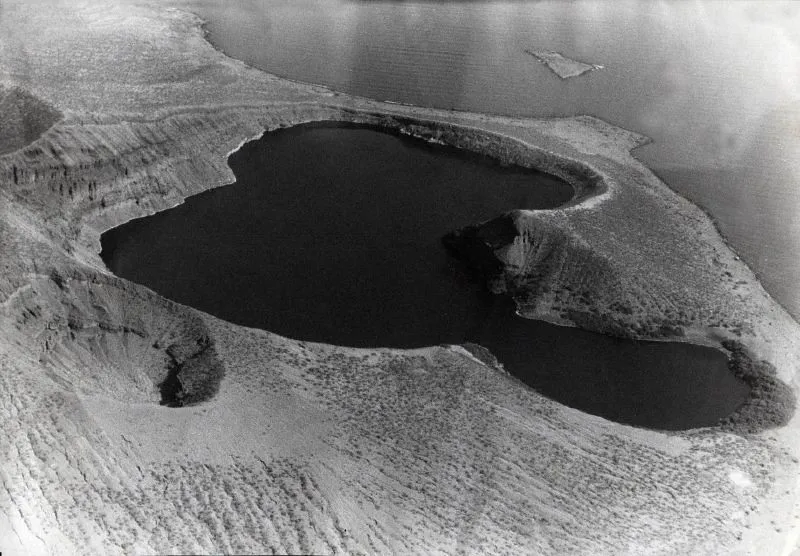
A Wrong Turn Near Lake Turkana
A Wrong Turn Near Lake Turkana (Robin Hutton, Flickr, CC BY 2.0)2 of 9
Want to read this again later?
🔥 Would you like to save this?
We'll email this post to you, so you can come back to it later!
The discovery began almost by accident. Sonia Harmand took a left turn instead of a right among the dry riverbeds that substitute for roads on the western shore of Kenya’s Lake Turkana, and promptly got lost. Rather than backtrack immediately, the team decided to look around, and that decision turned out to matter a great deal.
On July 9, 2011, archaeologist Sonia Harmand of Stony Brook University was driving her jeep in a desolate area known as Lomekwi near the shores of Lake Turkana when she stumbled on a scatter of stone debris. The team had actually been searching for something else entirely, artifacts tied to a controversial hominin species that Meave Leakey’s group had described years earlier. Instead, they found something nobody was specifically looking for, which is often how the biggest discoveries in archaeology tend to happen.
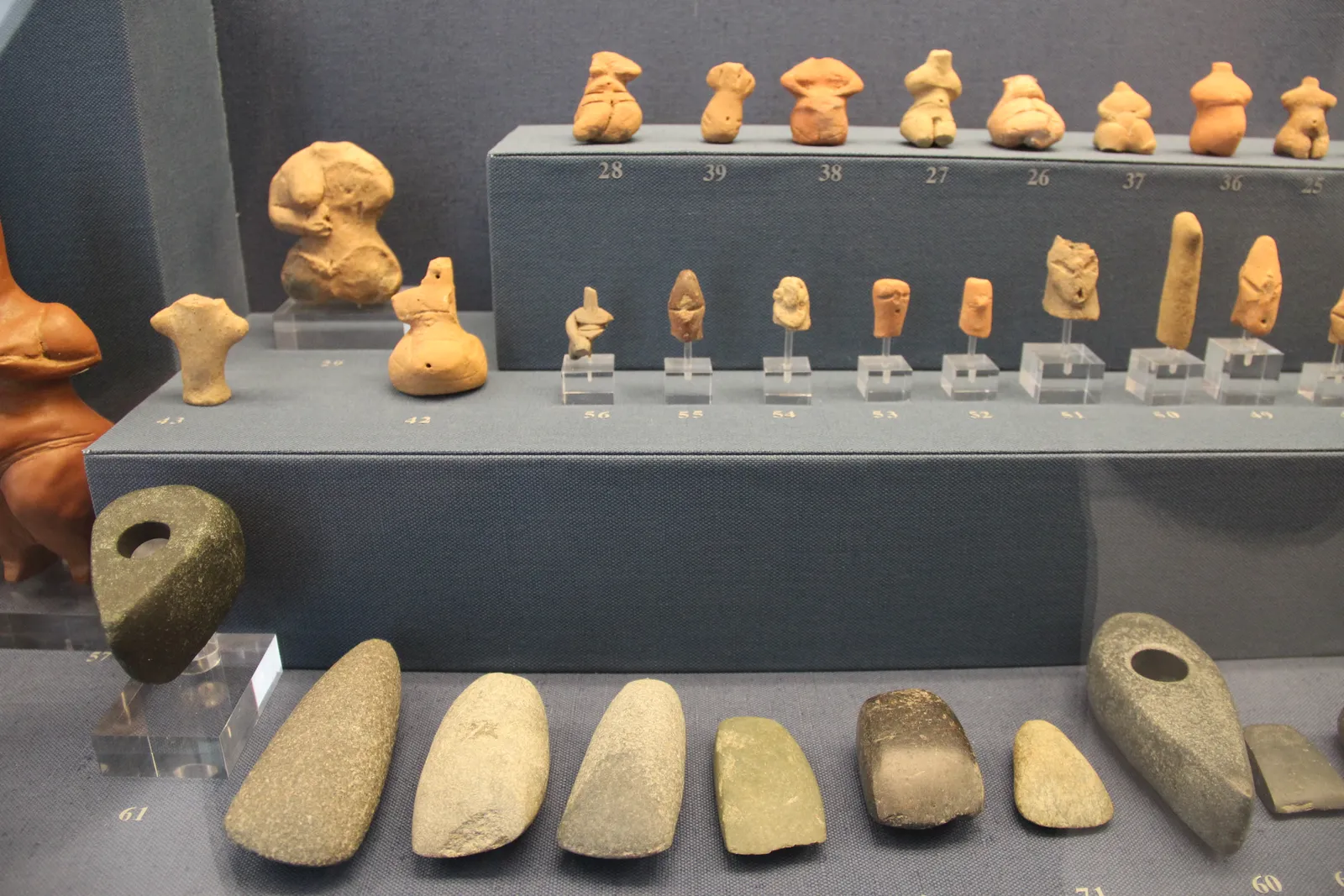
What Was Actually Sitting in That Riverbed
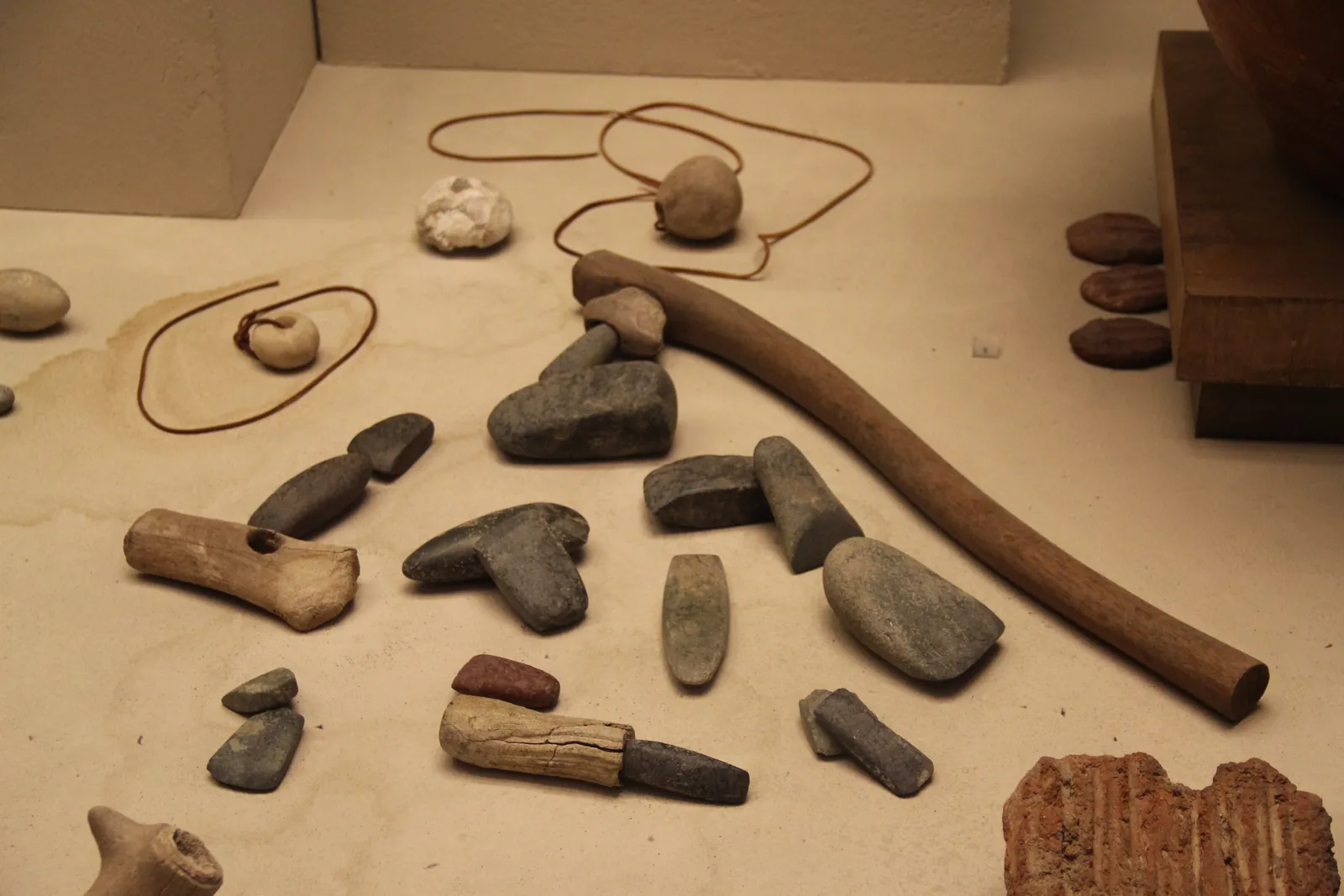
What Was Actually Sitting in That Riverbed (Ancient Greece Neolithic Pottery & Stone Tools, CC0)3 of 9
Want to read this again later?
🔥 Would you like to save this?
We'll email this post to you, so you can come back to it later!
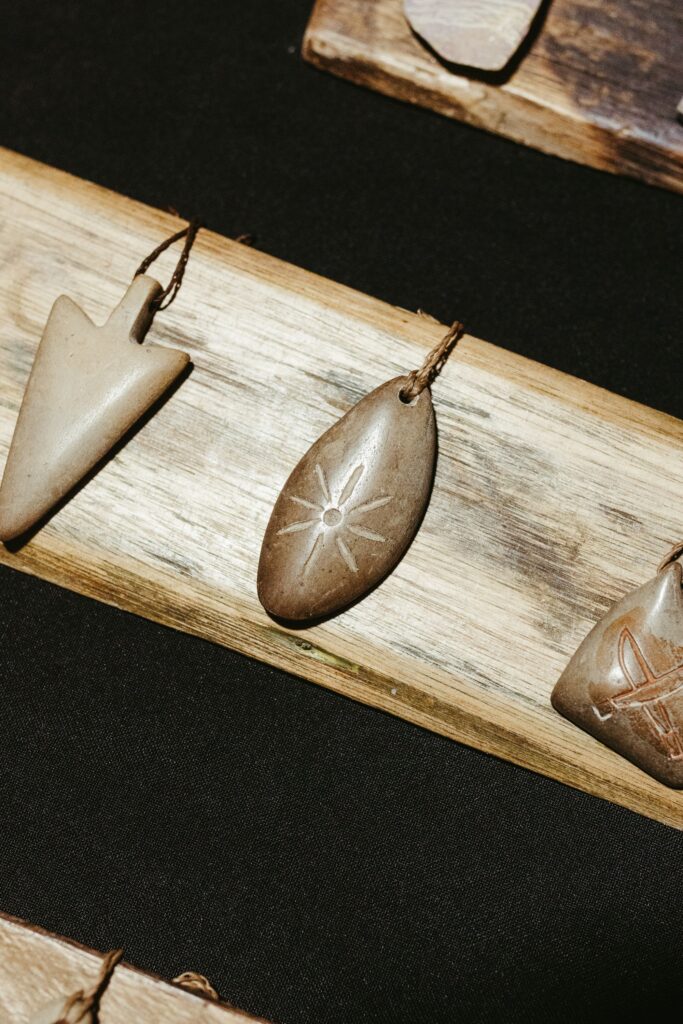
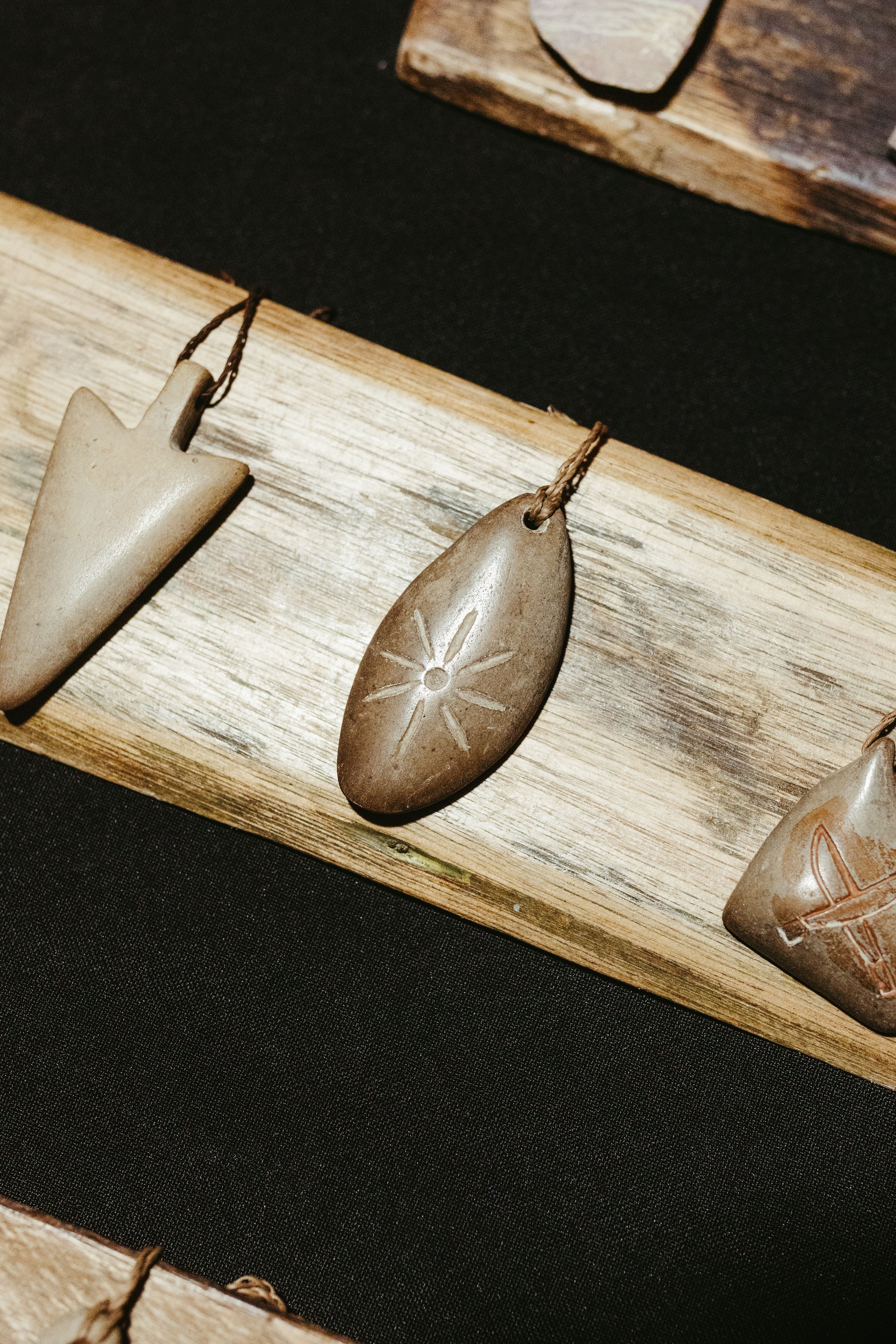
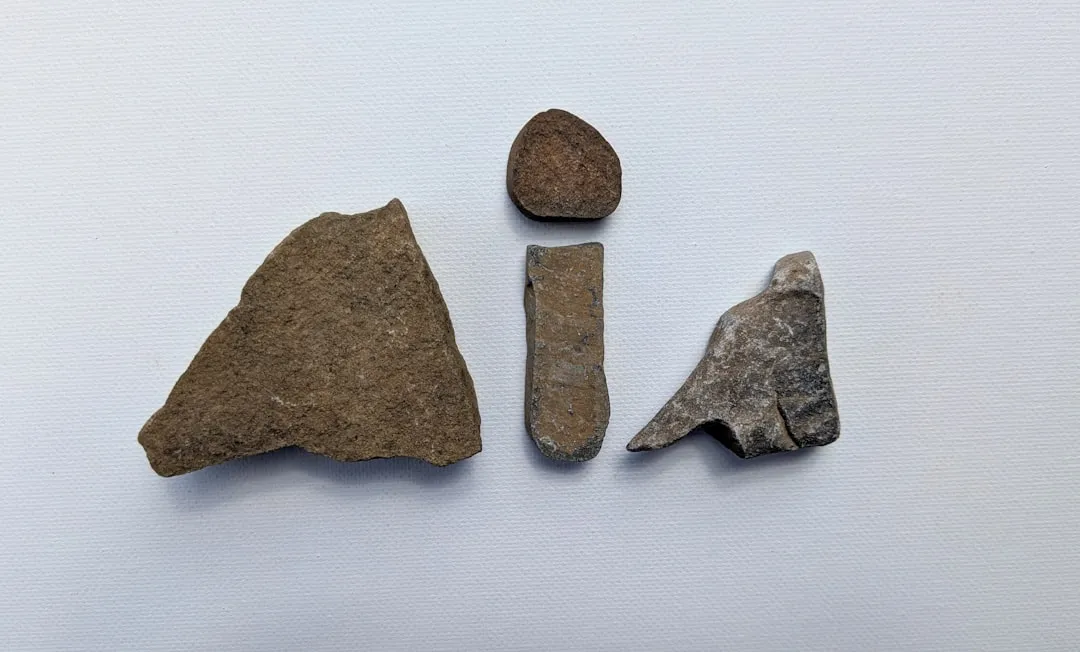
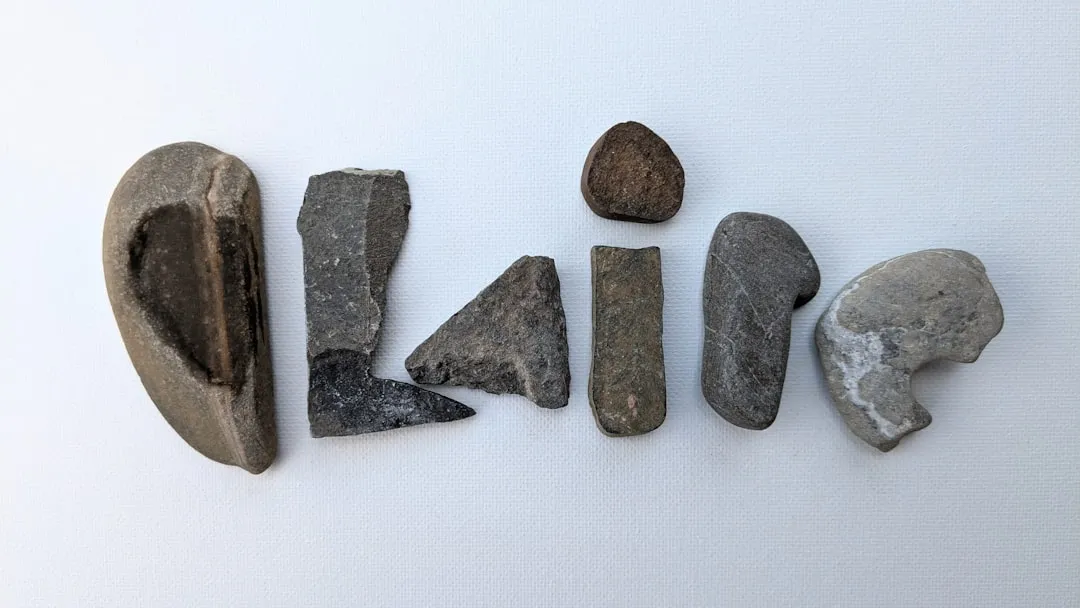
What the team eventually recovered was not a single lucky find but a substantial collection. Her team eventually recovered around one hundred and fifty artifacts, larger and less refined than tools found at other well known sites. Some of the flakes were roughly the size of a human hand, while other worked stones weighed up to thirty pounds, hardly what you would expect for delicate butchery work.
The scale and crudeness of the assemblage told its own story. Experiments suggest the Lomekwi tools were the product of a more primitive technique, where toolmakers either held a cobble in both hands and struck it against a larger rock or placed it on an anvil and smashed it with a hammerstone. That is a far cry from the more controlled, one-hand, one-hammerstone technique seen in later toolmaking traditions, and it hinted immediately that this was something earlier and rougher.
Confirming the Age Took Years, Not Days
Confirming the Age Took Years, Not Days (Image Credits: Pexels)4 of 9
Want to read this again later?
🔥 Would you like to save this?
We'll email this post to you, so you can come back to it later!
Finding stone flakes is one thing. Proving how old they actually are is an entirely different and much slower project. The team needed to connect surface finds to buried, datable sediment layers, which is painstaking work that can take years to complete properly.
A key discovery occurred not in the field but in the National Museums in Nairobi, where Harmand found that at least one edge of a surface stone fit neatly into a buried artifact, like two jigsaw puzzle pieces clicking into place, confirming a connection between the surface finds and the sediments below. By the end of 2013, the dating of those deposits was finally complete, placing the sediments, and thus the tools themselves, at 3.3 million years old, almost three quarters of a million years older than the Oldowan tools from Gona. That single number, 3.3 million, is what turned a curious desert find into a headline that traveled around the world.
Before There Was Anyone Named Homo
Before There Was Anyone Named Homo (Image Credits: Pexels)5 of 9
Want to read this again later?
🔥 Would you like to save this?
We'll email this post to you, so you can come back to it later!
Here is where the story gets genuinely strange, at least by the standards of what textbooks had long taught. Human evolutionary scholars had long supposed that the earliest stone tools were made by the genus Homo, and that this technological development was directly linked to climate change and the spread of savannah grasslands. The Lomekwi discovery did not fit that tidy narrative at all.
The oldest handmade stone tools discovered predate any known humans and may have been wielded by an as yet unknown species, since the artifacts are the first direct evidence that early human ancestors may have possessed the mental abilities needed to figure out how to make razor sharp stone tools. In other words, whoever was chipping away at those cobbles beside a Pliocene river was not Homo habilis, the so called handy man long credited as the first toolmaker. They came earlier, and they were something else.
So Who Actually Made Them
So Who Actually Made Them (Image Credits: Unsplash)6 of 9
Want to read this again later?
🔥 Would you like to save this?
We'll email this post to you, so you can come back to it later!
This is the part that still keeps researchers up at night, in a good way. The researchers do not know exactly who made these oldest of tools, but earlier finds suggest a possible answer, since the skull of a 3.3 million year old hominin called Kenyanthropus platyops was found in 1999 about a kilometer from the tool site, with additional teeth and bone fragments discovered nearby. That proximity is suggestive rather than conclusive, and scientists are careful about that distinction.
Australopithecus afarensis, Lucy’s own species, was the only human ancestor or relative known to be around at the same time and place, though another hominin, Australopithecus africanus, appears to have had a grip strong enough for tool use as well. Without a fossil hand literally caught holding a hammerstone, certainty simply is not on the table yet. It is one of those rare cases in science where the evidence is solid but the identity of the actor remains genuinely open.
Not the Only Clue Pointing Further Back
Not the Only Clue Pointing Further Back (Image Credits: Pexels)7 of 9
Want to read this again later?
🔥 Would you like to save this?
We'll email this post to you, so you can come back to it later!
Lomekwi did not appear in a vacuum. A few years earlier, in Ethiopia, another team had already found something that hinted at even older behavior, though it stopped short of an actual tool. While working in the Afar Region of Ethiopia, a research team found fossilized bones bearing cut marks inflicted while carving meat off the bone and percussion marks created while breaking the bones open to extract marrow, dated to roughly 3.4 million years ago, providing the first evidence that Lucy’s species, Australopithecus afarensis, used stone tools and consumed meat.
No actual stone implement was recovered at that site, which kept the claim controversial for years. No tools were found at that location, so it was unclear whether the marks were made with handmade tools or just naturally sharp rocks lying around. Even so, taken together with Lomekwi, the picture that emerged was of tool use, or at least tool assisted behavior, stretching back well past three million years, deep into a period when our family tree looked nothing like a simple line toward modern humans.
The Story Keeps Getting Older and Stranger
The Story Keeps Getting Older and Stranger (By Gary Todd, CC0)8 of 9
Want to read this again later?
🔥 Would you like to save this?
We'll email this post to you, so you can come back to it later!
The Lomekwi find was not the final word, and more recent research has only added texture to the puzzle rather than closing it. At a site called Nyayanga in southwestern Kenya, archaeologists uncovered a large collection of tools that may be nearly as old, and the makers were, once again, not our direct ancestors. Evidence suggests the tools were used by the human relative Paranthropus, which scientists had previously believed relied only on its teeth and jaws to eat, and it is even more surprising because Paranthropus is not an ancestor of modern humans at all.
That finding matters because it suggests toolmaking was not a single brilliant invention passed down one tidy lineage. The tools were found alongside fossils attributed to the genus Paranthropus, which calls into question whether the transport of core and flake technology was exclusive to genus Homo. It looks instead like several different hominin branches, some of them evolutionary dead ends, figured out roughly the same trick independently, or at least adopted it around the same window of time. That is a humbling thought if you assumed cleverness with stone was something only our own line ever managed.
What This Actually Means, and Why It Should Bother Us a Little
What This Actually Means, and Why It Should Bother Us a Little (Image Credits: Unsplash)9 of 9
Want to read this again later?
🔥 Would you like to save this?
We'll email this post to you, so you can come back to it later!
I think the honest takeaway here is less triumphant than the headlines usually suggest. For a long time, the making of a sharp edge from a rock was treated almost like a symbolic birth certificate for humanity itself, the moment a species crossed some invisible line into being clever, into being us. Lomekwi and Nyayanga quietly dismantle that story, and I do not think that is a loss so much as a more honest and interesting picture.
Stone tools have long offered a clear boundary between “clever humans” and the animals around us. That boundary now looks blurrier than a generation of scientists assumed, and frankly, that seems right. Toolmaking was not the invention of one gifted species standing apart from nature. It was something that several different, now extinct branches of our family tree stumbled toward, tested, and refined, long before anyone alive today would have recognized them as kin. If there is a lesson in a pile of 3.3 million year old broken rocks in a Kenyan riverbed, it might be this: the line between us and everything that came before was never as sharp as we liked to think, and the ground in Africa is still not finished telling us so.
Gargi is an MA in History and a B.Ed graduate from India, with a deep passion for animals and wildlife awareness. As an article writer and editor at Animals Around The Globe, she combines her love for storytelling with her dedication to educating readers about animals, conservation, and responsible pet care. A devoted dog lover, Gargi enjoys creating engaging and informative content that inspires compassion and awareness toward the natural world.