
The aquatic realm teems with an array of fascinating creatures, each with its own unique features and behaviors. One such marine marvel is the fish that boasts teeth eerily similar to those of humans. This intriguing characteristic is not just a quirky anomaly but plays an essential role in the fish’s survival and diet. From biological adaptations to environmental interactions, let’s dive into the fascinating world of this peculiar piscine phenomenon.
Introduction to the Sheepshead Fish
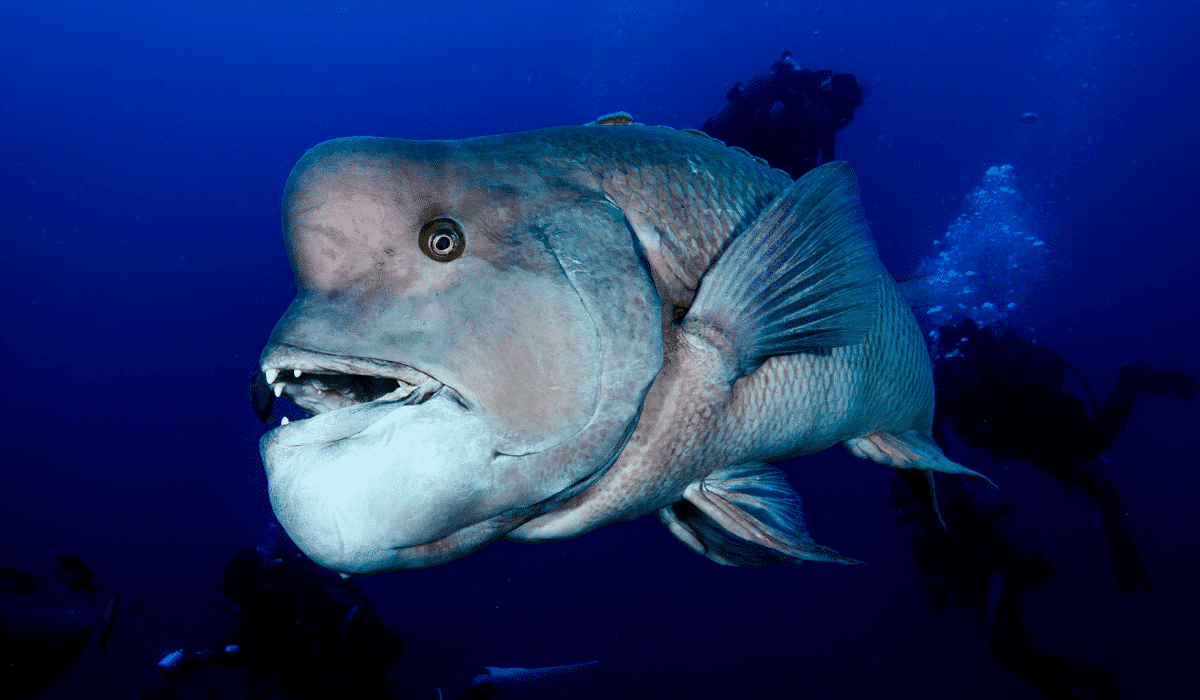
The sheepshead fish, known scientifically as *Archosargus probatocephalus*, is the most iconic species associated with human-like teeth. This fish inhabits the coastal waters of the Atlantic Ocean, from Nova Scotia down to Florida and into the Gulf of Mexico. Renowned for its striking dental features, the sheepshead fish has captivated the curiosity of many marine enthusiasts and scientists alike.
The Appearance of Human-Like Teeth
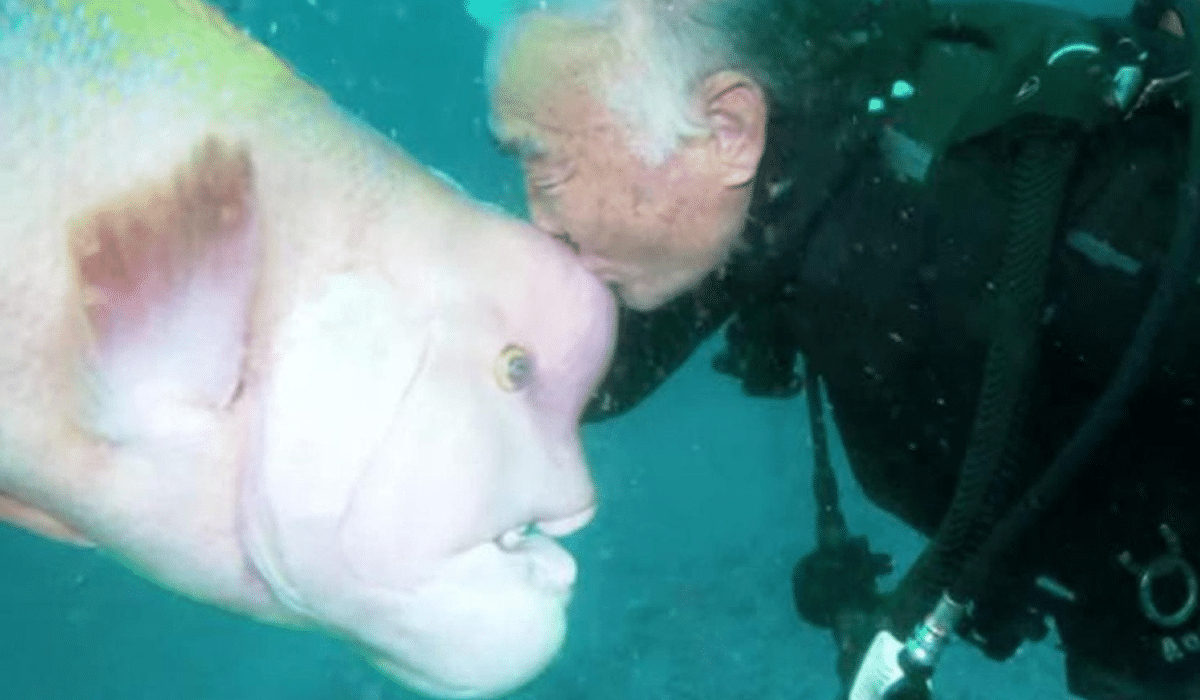
The most astonishing feature of the sheepshead fish is its teeth, which closely resemble those of humans. The fish’s front teeth are flat and broad, suited for grasping and biting, much like a human’s incisors. Additionally, they have molar-like teeth at the back of their mouths, designed for crushing and grinding hard-shelled prey.
The Purpose Behind the Peculiar Dentition

The sheepshead’s unique dentition is not merely a cosmetic oddity but a vital adaptation for its diet. These fish consume a varied menu, including barnacles, crabs, oysters, and other shellfish, necessitating strong and durable teeth capable of breaking through tough exoskeletons. This dental arrangement allows them to exploit a niche that few other fish can access.
Natural Habitat and Distribution

Sheepshead fish are typically found in brackish coastal waters, favoring environments rich in structures like piers, jetties, and rocky reefs where their prey is abundant. These habitats provide ample opportunities for the fish to use their specialized teeth to forage effectively.
Sheepshead Fish Behavior

These fish are known for their elusive and cautious nature, often making them a challenging catch for anglers. Their behavior is largely influenced by tides and water temperature, with peak activity observed in cooler months when they come closer to shorelines in search of food.
Reproduction and Lifespan

Sheepshead fish reproduce through a process called broadcast spawning, where eggs and sperm are released into the water column. This typically occurs in the late winter or early spring. The fish can live up to 20 years, reaching maturity at about two years of age.
The Importance of Sheepshead Fish to Ecosystems
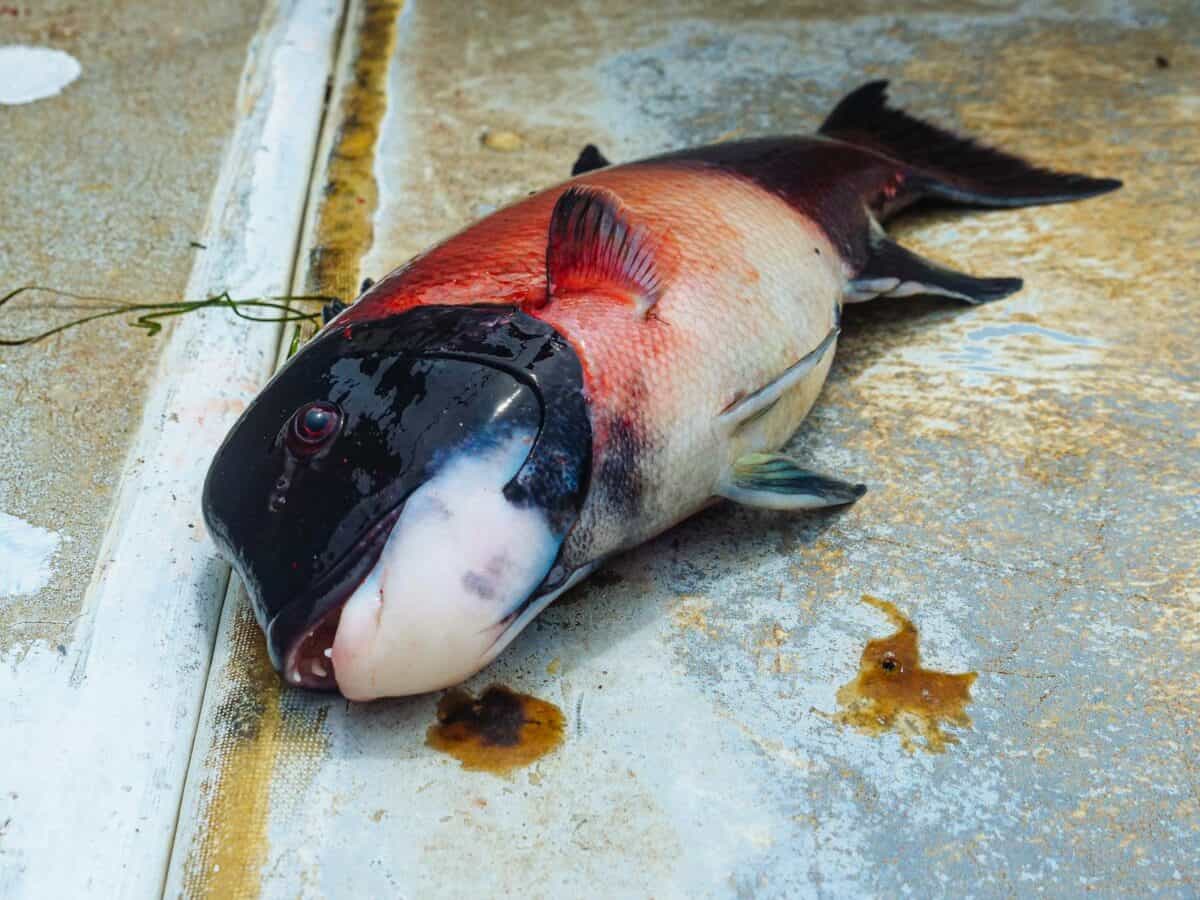
As a key predator of barnacles and other shellfish, sheepshead fish play a crucial role in maintaining the balance of marine ecosystems. By controlling the population of these organisms, they help sustain the health and diversity of their habitats.
Threats and Conservation Status

While not currently endangered, sheepshead fish face threats from habitat destruction and pollution. Coastal development and water quality degradation can significantly impact their breeding and feeding grounds, highlighting the need for conservation measures to protect these unique fish and their habitats.
Culinary Value of Sheepshead Fish

Aside from their biological intrigue, sheepshead fish are also valued for their culinary attributes. They possess firm, white flesh with a mild flavor, making them a popular choice in seafood cuisines. Their fine taste coupled with the challenge they present to fishers makes them a coveted species for both commercial and recreational purposes.
Fascination with Human-Like Teeth

The sheepshead’s teeth have sparked interest not just among scientists but also in popular culture. Images and stories of these fish often go viral, capturing the imagination of those intrigued by the oddities of nature.
Angling for Sheepshead

Fishing for sheepshead requires patience and skill, as their caution and adeptness at stealing bait can frustrate even experienced anglers. Common baits used include fiddler crabs, shrimp, and barnacles, which align with their natural diet.
The Future of Sheepshead Fish

As awareness grows about the ecological importance and unique features of sheepshead fish, efforts to protect and preserve their populations are more crucial than ever. Sustainable fishing practices and habitat conservation are vital to ensuring these fascinating creatures continue to thrive.
In conclusion, the sheepshead fish, with its human-like teeth, stands as a testament to the wonders of evolutionary adaptation. Its peculiar dental structure is more than a curiosity—it is a critical tool for survival in its niche environment. As we continue to appreciate their role in marine ecosystems, the need for conservation becomes ever more evident, ensuring that future generations can marvel at this extraordinary species.

- The Fish With Teeth Like a Human - July 24, 2026
- How Ancient DNA Is Helping Us Map Extinct Ecosystems - July 24, 2026
- Prehistoric Shark Fossils Found Off the Coast of Florida - July 24, 2026
Leave a comment
You must be logged in to post a comment.