
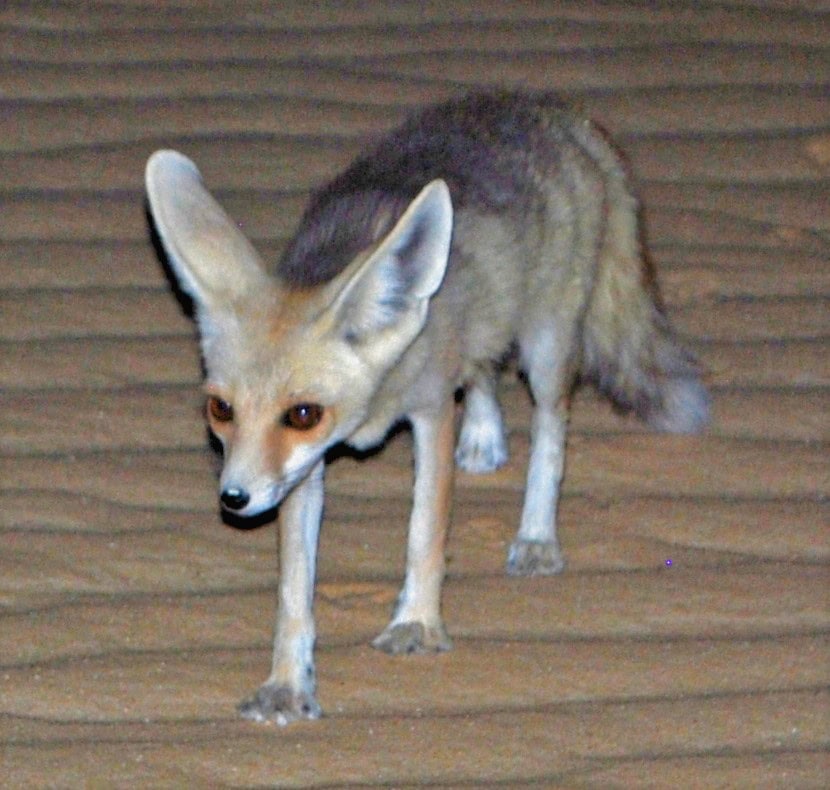
Deep in the arid regions of North Africa and the Middle East lives a remarkable creature that seems to defy conventional fox behavior. The fennec fox, with its oversized ears and diminutive stature, is already a marvel of desert adaptation. But there’s another fox species that has evolved an even more unusual method of movement—one that has earned it comparisons to kangaroos from the other side of the world. The Rüppell’s fox (Vulpes rueppellii), sometimes called the sand fox, has developed a distinctive hopping gait that allows it to navigate its harsh desert habitat with remarkable efficiency. This unique locomotion style, rarely seen among canids, represents one of nature’s most fascinating examples of convergent evolution and specialized adaptation.
The Rüppell’s Fox: Desert Specialist
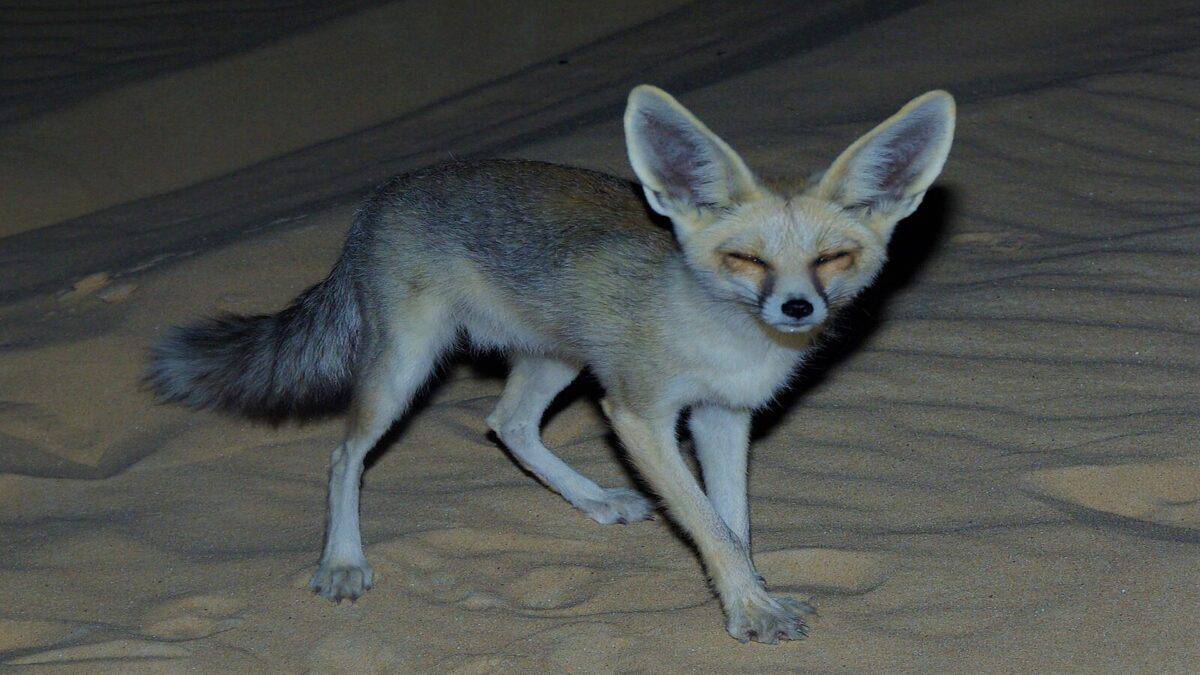
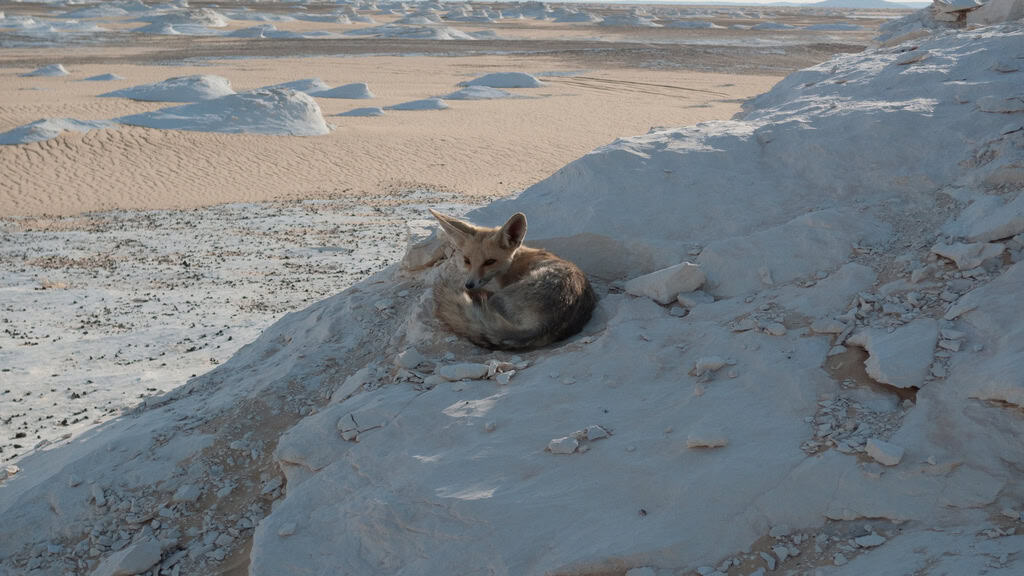
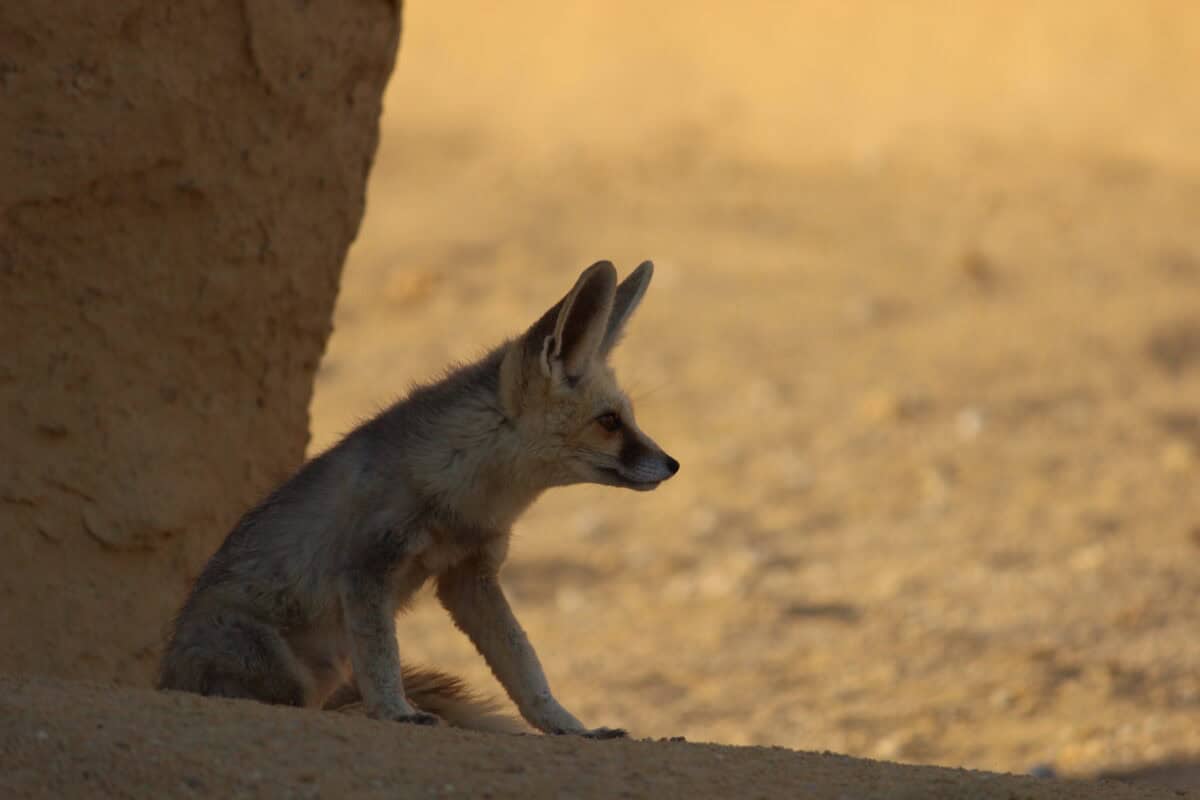
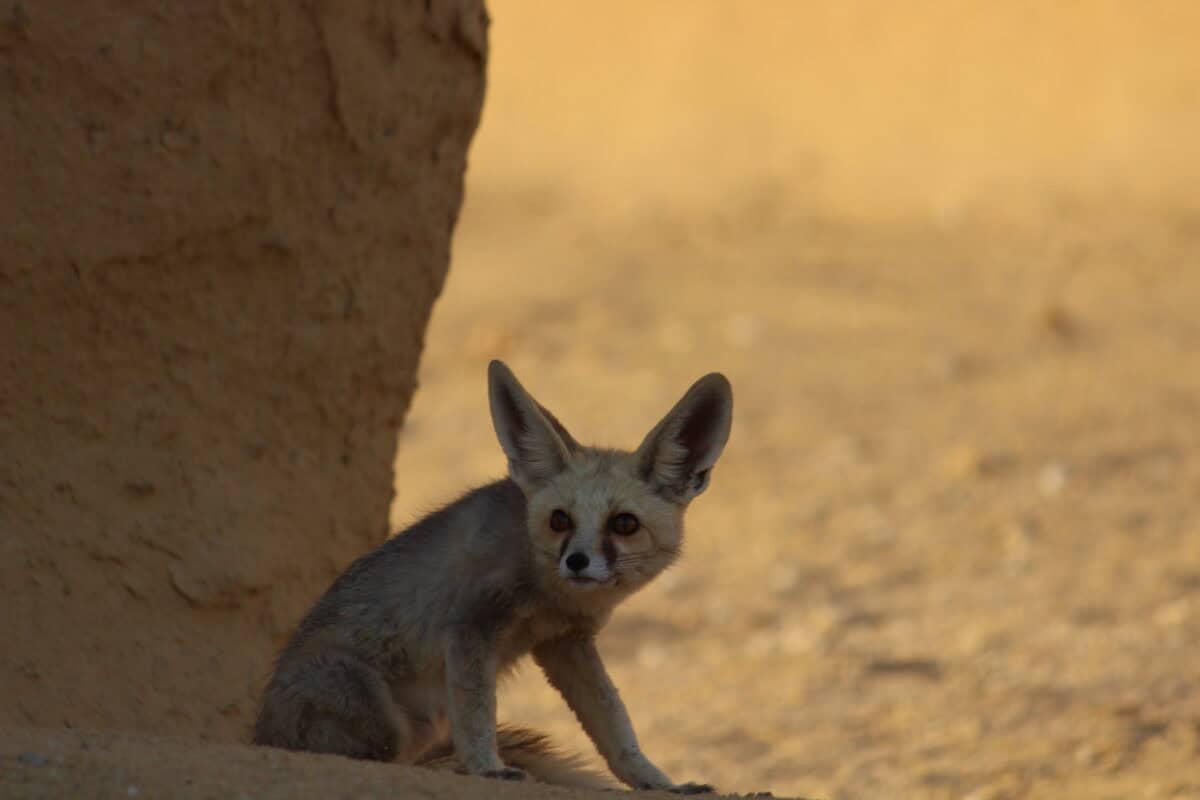
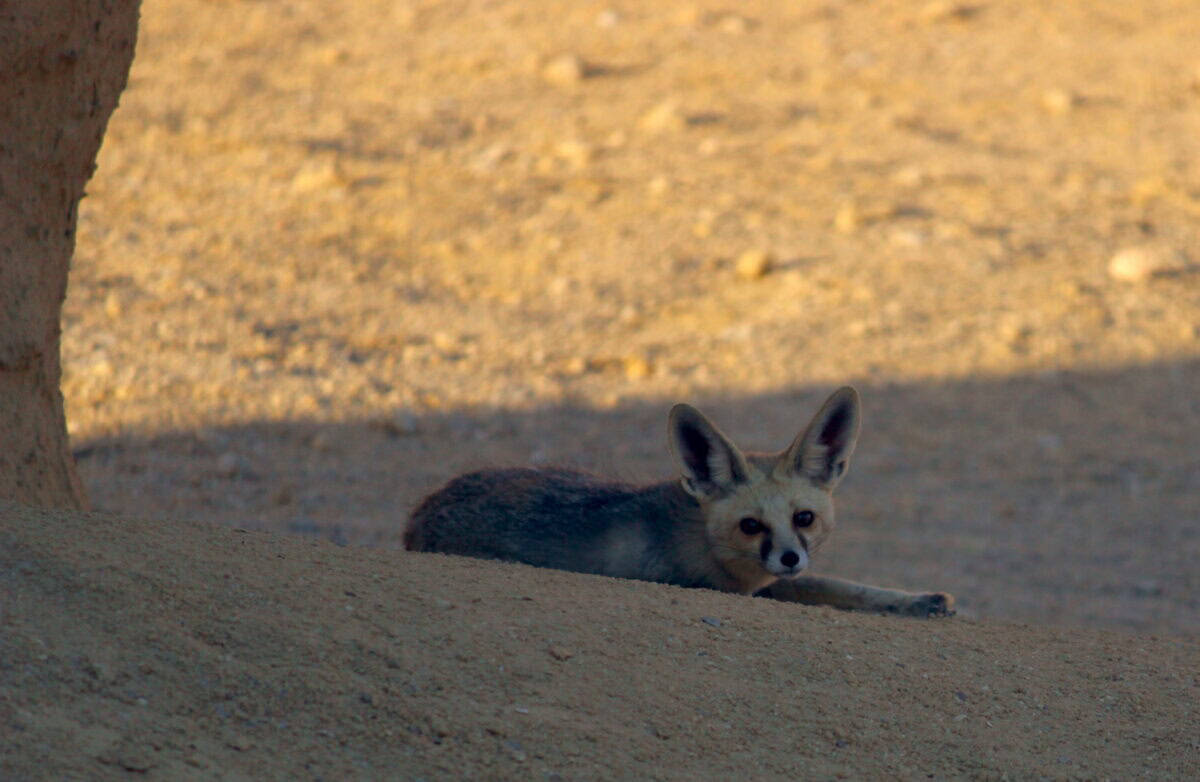
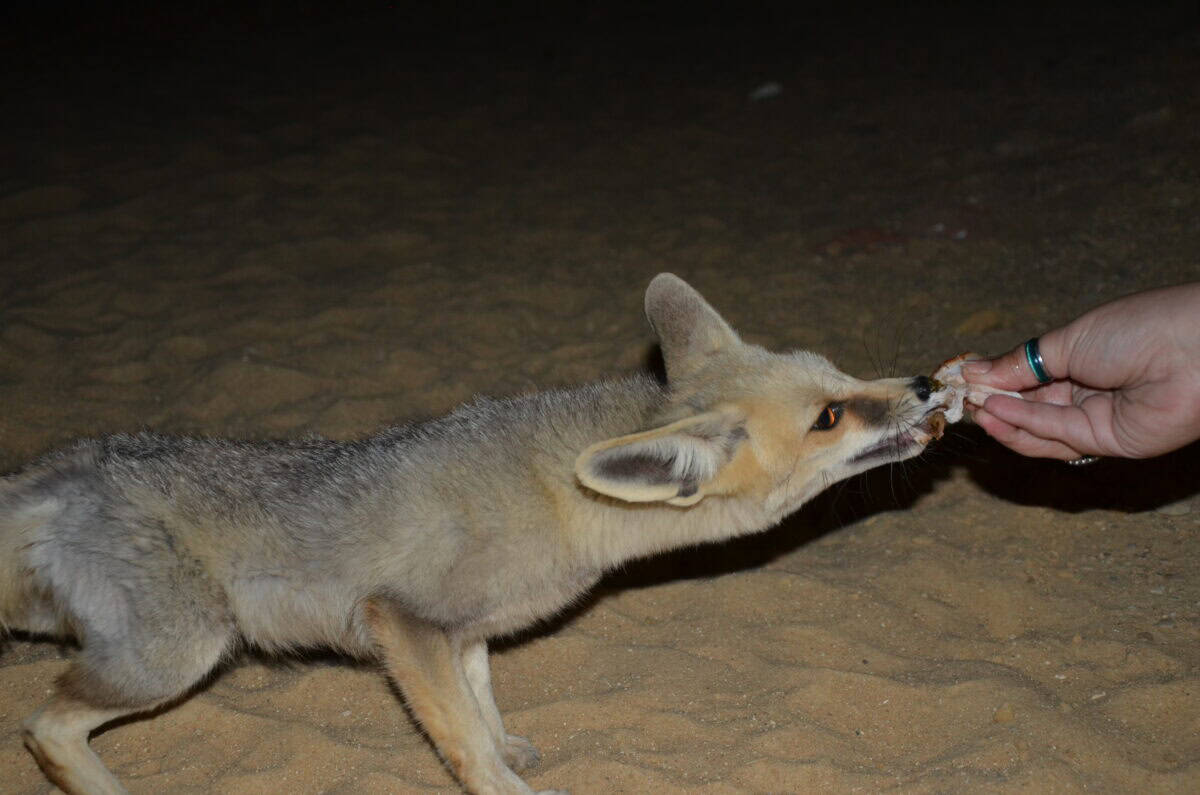
Named after the German naturalist Eduard Rüppell who first described it scientifically in the 19th century, the Rüppell’s fox is a small canid weighing between 1.5 and 3 kilograms. With its sandy-colored coat that provides perfect camouflage against desert backgrounds, large ears that dissipate heat, and compact body designed to conserve moisture, this fox is exquisitely adapted to life in one of Earth’s most challenging environments. Found across the Sahara, Arabian Peninsula, and parts of the Middle East, it has evolved specialized traits that allow it to thrive where few other mammals can survive. Unlike its more familiar red fox cousins, the Rüppell’s fox remains relatively unknown to most people, despite possessing one of the animal kingdom’s most unusual locomotion styles.
The Distinctive Bipedal Hop
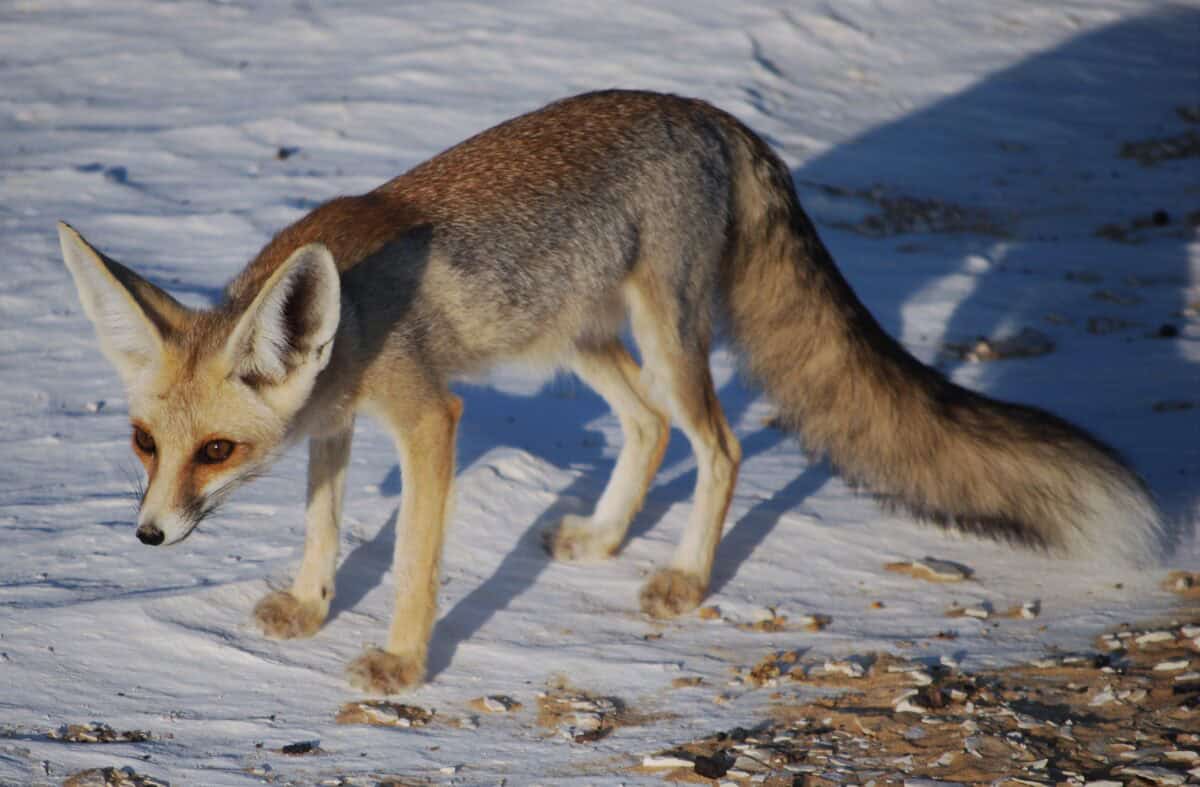
What truly sets the Rüppell’s fox apart is its remarkable ability to move using a bipedal hopping gait reminiscent of kangaroos and wallabies. When traveling at speed across desert terrain, these foxes can momentarily abandon the typical quadrupedal trot used by most canids and instead propel themselves forward using only their hind legs. This specialized movement involves powerful, synchronized pushes from the hind limbs that send the fox bounding forward, with its front legs tucked close to its body. The motion allows the fox to cover ground quickly while minimizing contact with hot sand surfaces. Wildlife biologists have observed these foxes maintaining this hopping gait for distances of up to 100 meters when evading predators or pursuing prey, reaching speeds that would be impossible through conventional running.
Evolutionary Advantages of Hopping
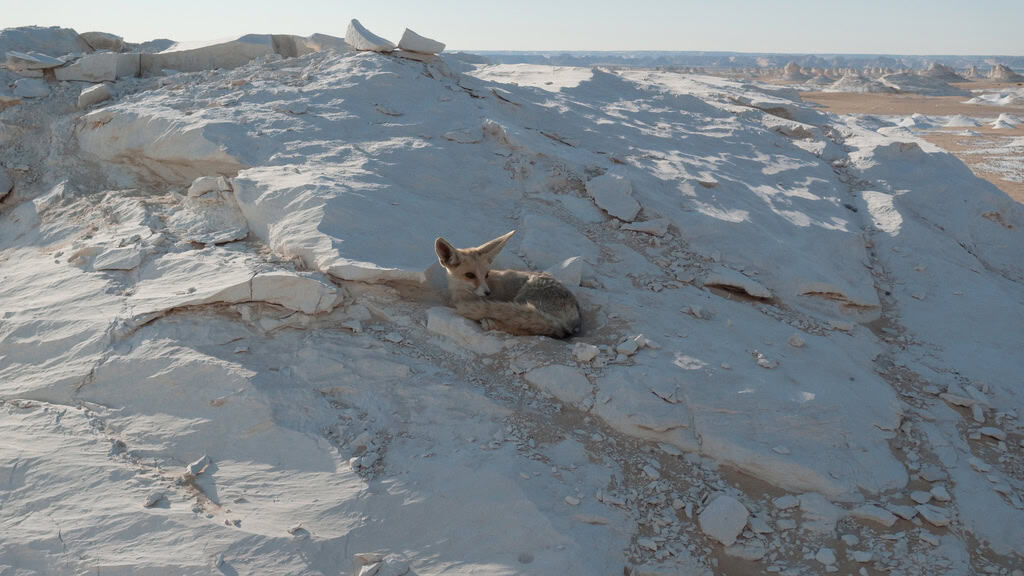
The kangaroo-like hopping of the Rüppell’s fox represents a remarkable case of convergent evolution—where unrelated species develop similar traits in response to similar environmental pressures. This specialized locomotion offers several critical advantages in desert environments. First, it dramatically reduces contact with scorching desert sands, which can reach temperatures exceeding 70°C (158°F) during daylight hours. By minimizing paw contact, the fox reduces both heat absorption and potential tissue damage. Second, the hopping motion requires less energy expenditure than conventional running over loose sand, an important consideration for a predator that must conserve energy in a resource-scarce environment. Finally, the increased height achieved during each hop improves the fox’s field of vision, allowing it to spot both predators and potential prey more effectively across flat desert landscapes.
Anatomical Adaptations for Hopping
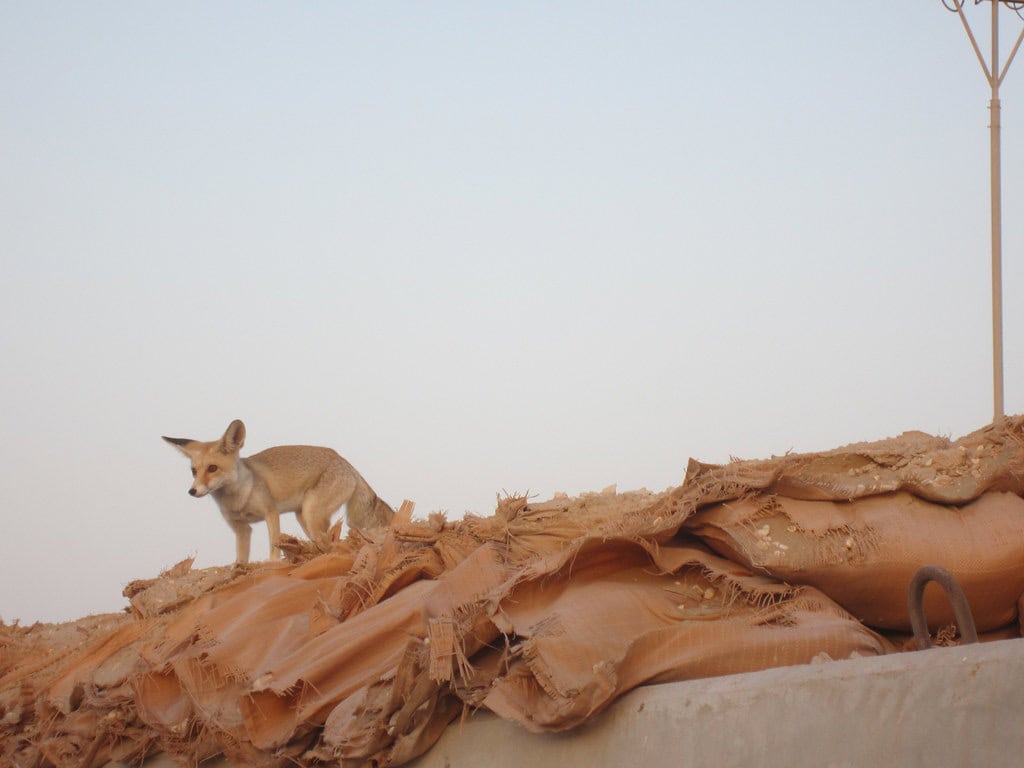
The Rüppell’s fox’s ability to hop like a kangaroo isn’t merely a behavioral choice but is supported by specific anatomical adaptations. Compared to other fox species, it possesses proportionally stronger and slightly longer hind limbs with specialized musculature that enables powerful propulsion. The hind paw pads are also notably thicker, providing both protection from hot surfaces and better shock absorption during landing. The fox’s spine shows subtle modifications that allow greater flexibility during the hopping motion, and its tail serves as an important counterbalance when moving bipedally. While these adaptations aren’t as extreme as those seen in dedicated hopping mammals like kangaroos, which have evolved over millions of years, they represent significant specializations for a member of the canid family, which typically relies on quadrupedal locomotion.
When and Why They Hop
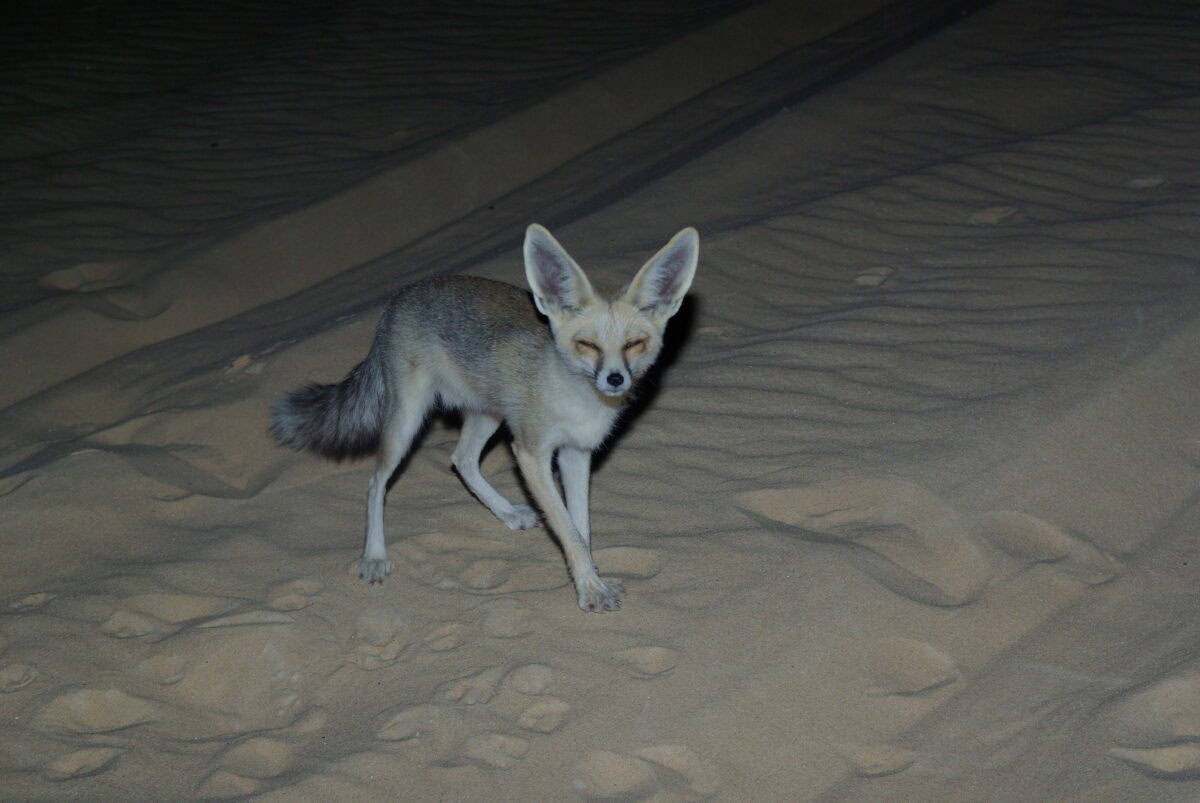
The Rüppell’s fox doesn’t hop continuously—this specialized gait is employed selectively based on circumstances. Research indicates that hopping behavior is most commonly observed during three specific scenarios. First, when traversing particularly hot sandy surfaces during daylight hours, the fox minimizes contact with the scorching ground. Second, when pursuing certain prey species, especially desert rodents, the hopping provides a height advantage that helps track movement in vegetation or uneven terrain. Third, when escaping threats such as eagles, larger predators, or humans, the bipedal hop allows for rapid acceleration and direction changes that can be crucial for survival. The fox seamlessly transitions between conventional quadrupedal movement and hopping as conditions warrant, demonstrating remarkable adaptability in its locomotion strategies.
Scientific Discovery and Documentation
The hopping behavior of the Rüppell’s fox remained largely undocumented in scientific literature until the late 1980s, when wildlife biologists conducting field studies in the United Arab Emirates captured the first video evidence of this remarkable locomotion. Prior to this, the behavior had been occasionally mentioned in Bedouin folklore and by desert travelers, but was often dismissed as exaggeration or misidentification by the scientific community. The comprehensive documentation of this behavior required painstaking field observation, as these foxes are notoriously shy, primarily nocturnal, and inhabit remote desert regions. Modern research using high-speed cameras and motion analysis has revealed the biomechanics of this unique movement, confirming that it represents a true bipedal hopping gait similar in principle, though different in specifics, to that employed by macropods like kangaroos.
Comparison with Other Hopping Mammals
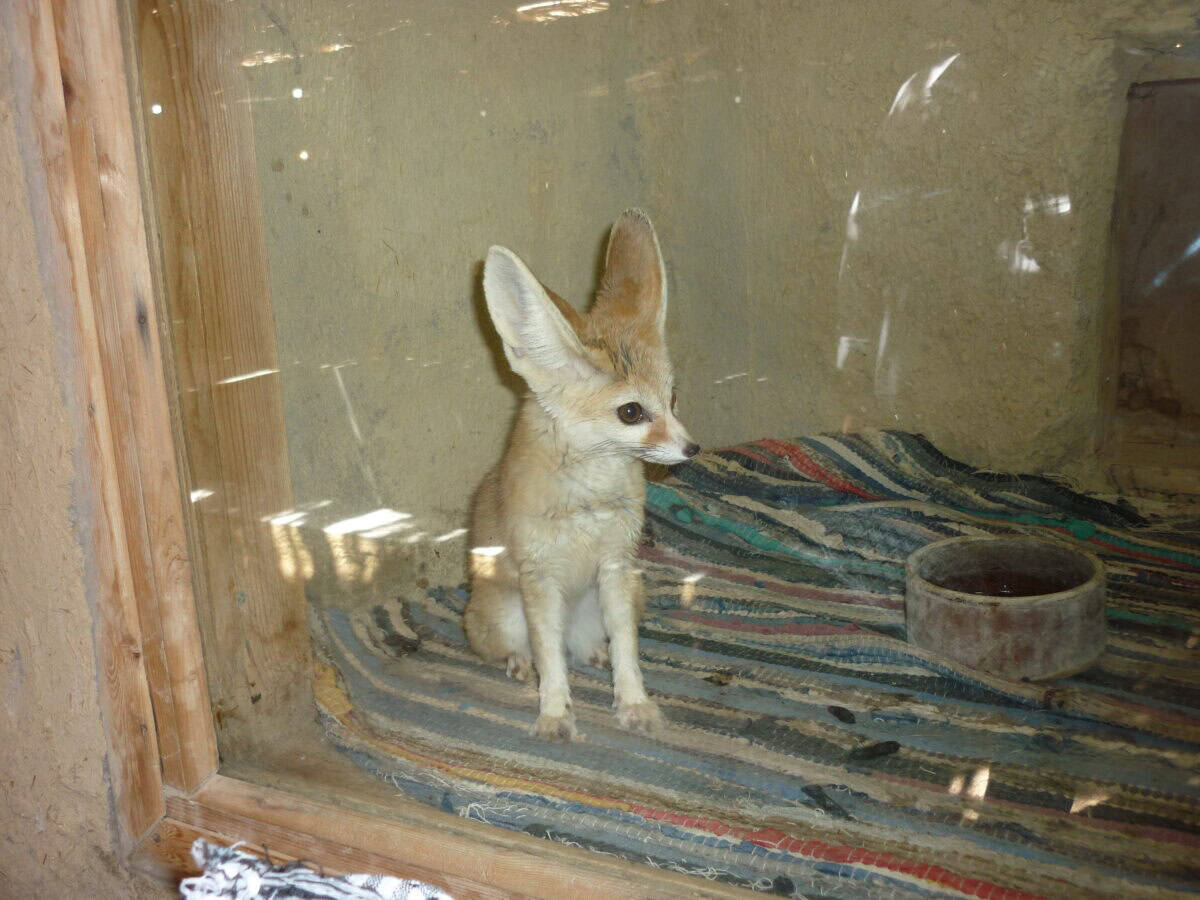
While the Rüppell’s fox’s hopping gait invites comparison with kangaroos, there are significant differences in both the mechanics and evolutionary history of these locomotion styles. Unlike true kangaroos, which have evolved over millions of years to be obligate hoppers with drastically modified anatomy, the Rüppell’s fox remains primarily a quadruped that has developed hopping as a specialized adaptation. Its hopping more closely resembles that of the springhare (Pedetes capensis) of Africa or certain jumping rodents like jerboas. What makes the fox’s case particularly intriguing is that hopping locomotion is extremely rare among carnivores. Most carnivores, including all other canid species, rely exclusively on quadrupedal gaits ranging from walking to trotting to galloping. The Rüppell’s fox thus represents a unique evolutionary experiment within its taxonomic family—a carnivore that has partially converged on a movement style typically associated with herbivorous mammals.
Habitat and Geographic Distribution

The Rüppell’s fox’s unique hopping behavior is directly linked to its specialized habitat preferences. These foxes inhabit some of the most extreme desert environments on Earth, including parts of the Sahara Desert, Arabian Desert, and similar arid regions across North Africa and the Middle East. Their range extends through countries including Egypt, Sudan, Ethiopia, Libya, Algeria, Tunisia, Saudi Arabia, Yemen, Oman, and the United Arab Emirates. Within these regions, they typically prefer sandy and gravelly plains, dry riverbeds (wadis), and rocky outcrops. Notably, the hopping behavior appears most pronounced in populations inhabiting areas with extensive sand dune systems, where surface temperatures are most extreme and conventional quadrupedal running is less efficient due to shifting substrate. The geographic distribution of this specialized locomotion corresponds closely with areas experiencing the most severe thermal challenges and loose sandy terrain.
Challenges to Survival and Conservation Status
Despite its remarkable adaptations, the Rüppell’s fox faces significant threats in the modern world. The International Union for Conservation of Nature (IUCN) currently lists the species as “Least Concern” overall, but many regional populations are declining due to habitat loss, persecution, and climate change. Desert development for oil extraction, solar farms, and tourism has fragmented previously continuous habitat. In some regions, these foxes are killed as perceived threats to livestock or captured for the exotic pet trade. Perhaps most concerning, climate change models predict that even these desert specialists may struggle as their habitats become even more extreme, potentially exceeding their adaptive capacity. Conservation efforts focus on habitat protection in key areas, reducing human-wildlife conflict, and further research to understand how their specialized adaptations, including their hopping locomotion, might help or hinder their survival in changing desert ecosystems.
Cultural Significance and Folklore
The unusual hopping behavior of the Rüppell’s fox has not gone unnoticed by the traditional cultures inhabiting the same desert regions. Bedouin folklore contains numerous references to “the fox that jumps like a jerboa,” with various tribes attributing different symbolic meanings to this behavior. In some traditions, the hopping fox is considered a clever trickster that has stolen the special movement of other animals to survive in difficult times. Other regional stories portray the fox as a wise desert guide, teaching humans how to adapt to harsh conditions through observation and flexibility. Some traditional ecological knowledge from these cultures accurately identified the connection between extreme heat and the fox’s hopping behavior long before scientific documentation. Modern cultural representations continue in regional art, where the hopping fox frequently symbolizes resilience and adaptability in the face of challenging circumstances—qualities highly valued in desert cultures.
Observing the Hopping Fox in the Wild
For wildlife enthusiasts hoping to witness the Rüppell’s fox’s remarkable hopping behavior firsthand, the challenge is considerable but not impossible. The best opportunities typically come through specialized desert ecology tours in protected areas of the United Arab Emirates, Oman, or Egypt, where experienced guides familiar with local fox populations can increase the chances of sightings. The optimal viewing conditions occur during the transition periods of dawn and dusk when the foxes are active but there’s still sufficient light for observation. Patient observers using spotting scopes from a respectful distance have the best chance of witnessing natural behaviors without disturbing these shy animals. Several wildlife reserves now offer responsible night safari experiences using infrared technology that allows observation without disrupting the foxes’ natural behavior. For those unable to travel to these remote regions, several wildlife documentaries have captured this behavior, including productions by National Geographic and the BBC’s Natural History Unit.
Conclusion: Nature’s Remarkable Adaptability
The Rüppell’s fox, with its kangaroo-like hopping, represents one of nature’s most fascinating examples of specialized adaptation to extreme environments. This unique locomotion strategy demonstrates how evolutionary pressures can produce surprising solutions that transcend typical family traits, allowing species to exploit challenging ecological niches. As we continue to study these remarkable desert specialists, they offer valuable insights into biomechanics, evolutionary processes, and the potential limits of adaptation in the face of changing environments. The hopping fox reminds us that nature’s creativity often exceeds our expectations, with solutions evolving independently across different animal lineages when faced with similar challenges. In a world of increasing environmental uncertainty, understanding such specialized adaptations may prove crucial not only for protecting these unique species but also for inspiring biomimetic solutions to human challenges in harsh environments.

- 10 Animals That Cheat Death in the Most Unexpected Ways - July 19, 2026
- The Shrimp That Punches Like a Bullet - July 19, 2026
- This Tiny Mammal Can Slow Its Heartbeat to One Beat Per Minute - July 19, 2026