
The world is full of extraordinary creatures, but few are as mesmerizing as the glasswing butterfly. Known for its almost invisible wings, this delicate insect defies the norms of lepidopteran beauty by embracing transparency rather than color. In this article, we will explore this fascinating butterfly, uncovering the secrets of its existence and the remarkable adaptations that allow it to blend seamlessly with its environment.
Introducing the Glasswing Butterfly

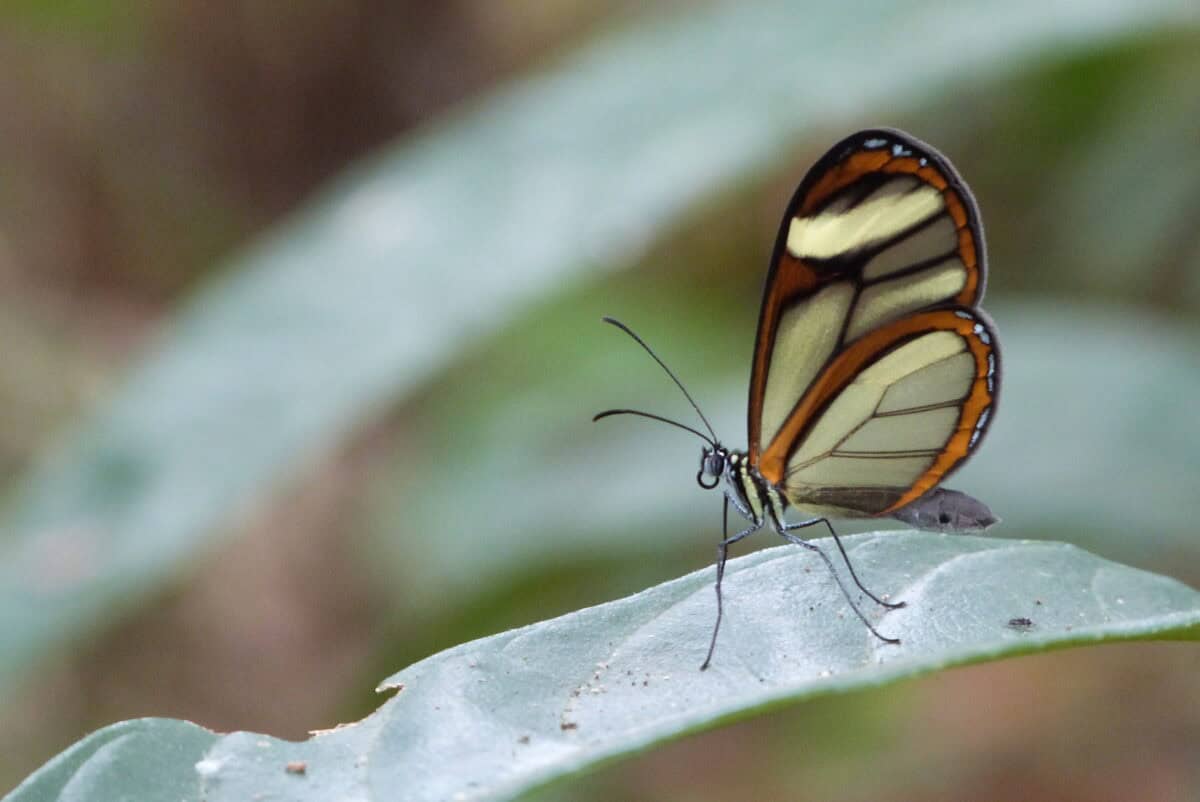
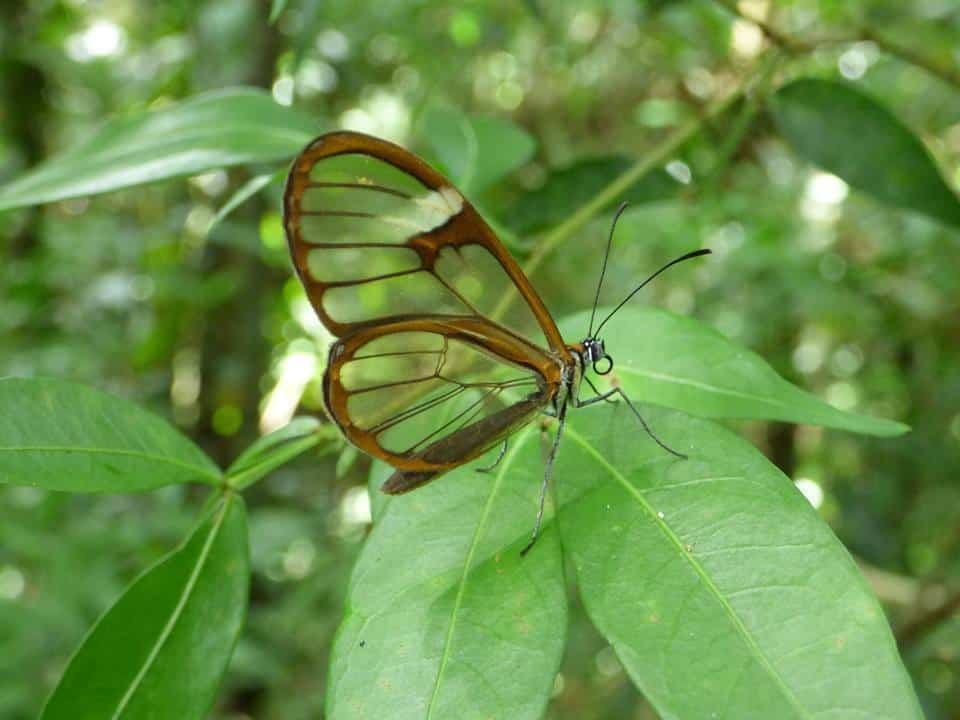
The glasswing butterfly, scientifically known as Greta oto, resides primarily in Central America, stretching from Mexico to Panama. As its name suggests, the most striking feature of the glasswing butterfly is its wings, which are transparent, appearing almost like small panes of glass. This captivating trait serves as a significant evolutionary advantage, offering camouflage from predators.
Understanding Transparency in Nature

Transparency in animals is relatively unusual and arises from unique biological traits. For the glasswing, the degree of transparency is achieved through the structural arrangement of microscopic scales on the wings, which minimize light reflection and make them nearly invisible when perched. This natural camouflage is a brilliant survival strategy.
The Glasswing’s Range and Habitat

These butterflies thrive in various habitats, including rainforests, cloud forests, and secondary forests. They prefer warm, humid climates where their host plants, primarily from the nightshade family, are abundant. Their habitat choices influence their lifecycle and behaviors, making them fascinating subjects for entomologists.
Life Cycle of the Glasswing Butterfly

From egg to adult, the glasswing undergoes the quintessential stages of metamorphosis like all butterflies. Female glasswings lay their eggs on host plants, which serve as a food source for the emerging caterpillars. After feasting and growing, the caterpillar transforms into a pupating chrysalis before emerging as a fully developed butterfly.
Adaptations for Survival
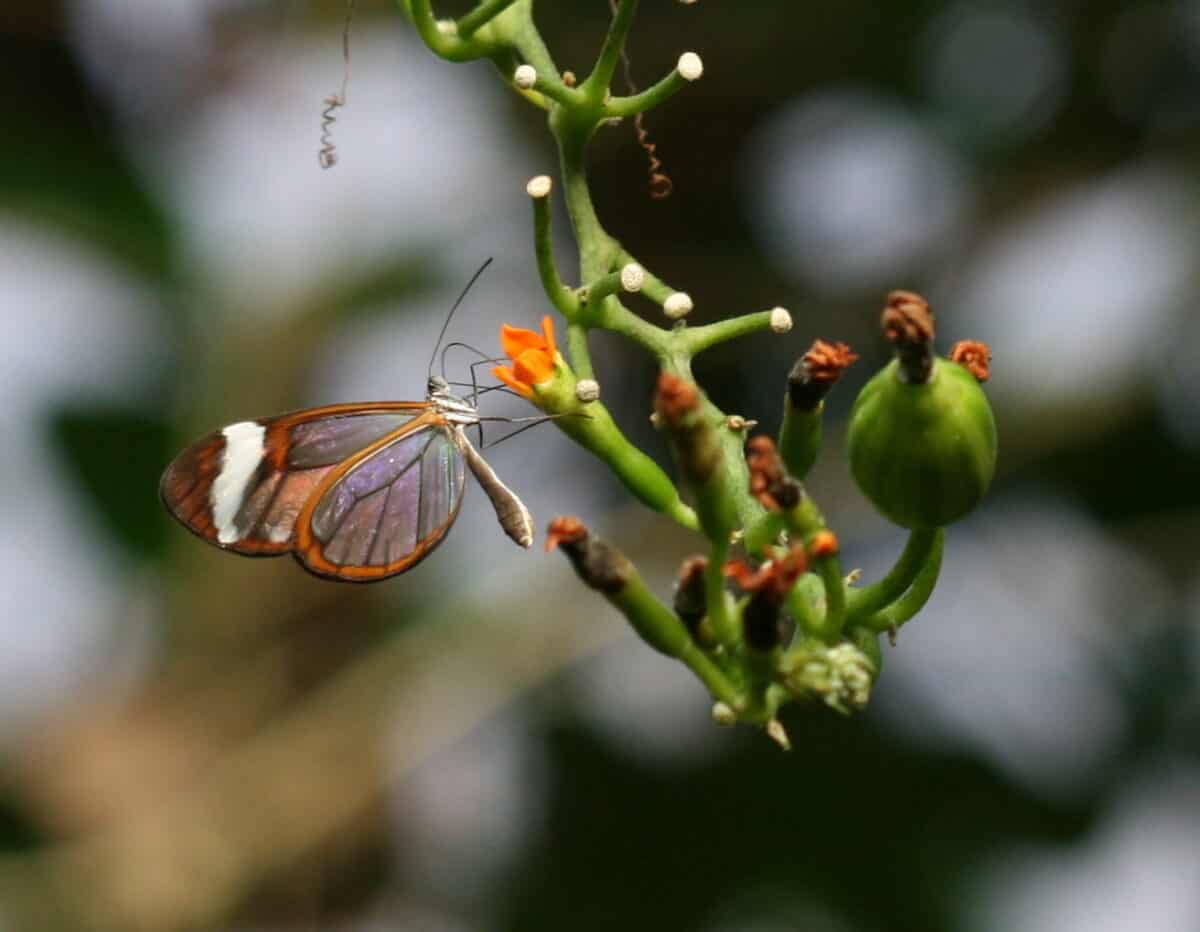
The glasswing’s transparency is just one adaptation among many. These butterflies are diurnal, meaning they are active during the day. They rely on their wing transparency to hide from predators while they forage for nectar in the bright, open daylight. Their relatively slow flight also aids in avoiding detection.
Feeding Habits and Nutrition

Adult glasswing butterflies primarily feed on flower nectar, favoring those with sap oozes. This diet not only fuels their energy needs but also plays a part in pollination. The process of tapping into flowers for nectar involves careful maneuvering and specific mouthpart adaptations that allow them to efficiently extract their primary food source.
Role in the Ecosystem

Beyond their enigmatic appearance, glasswing butterflies contribute significantly to their ecosystems. As pollinators, they help facilitate the reproduction of various plant species, maintaining the health and diversity of their environments. This ecological role highlights the butterfly’s importance from a conservation perspective.
Predators and Threats
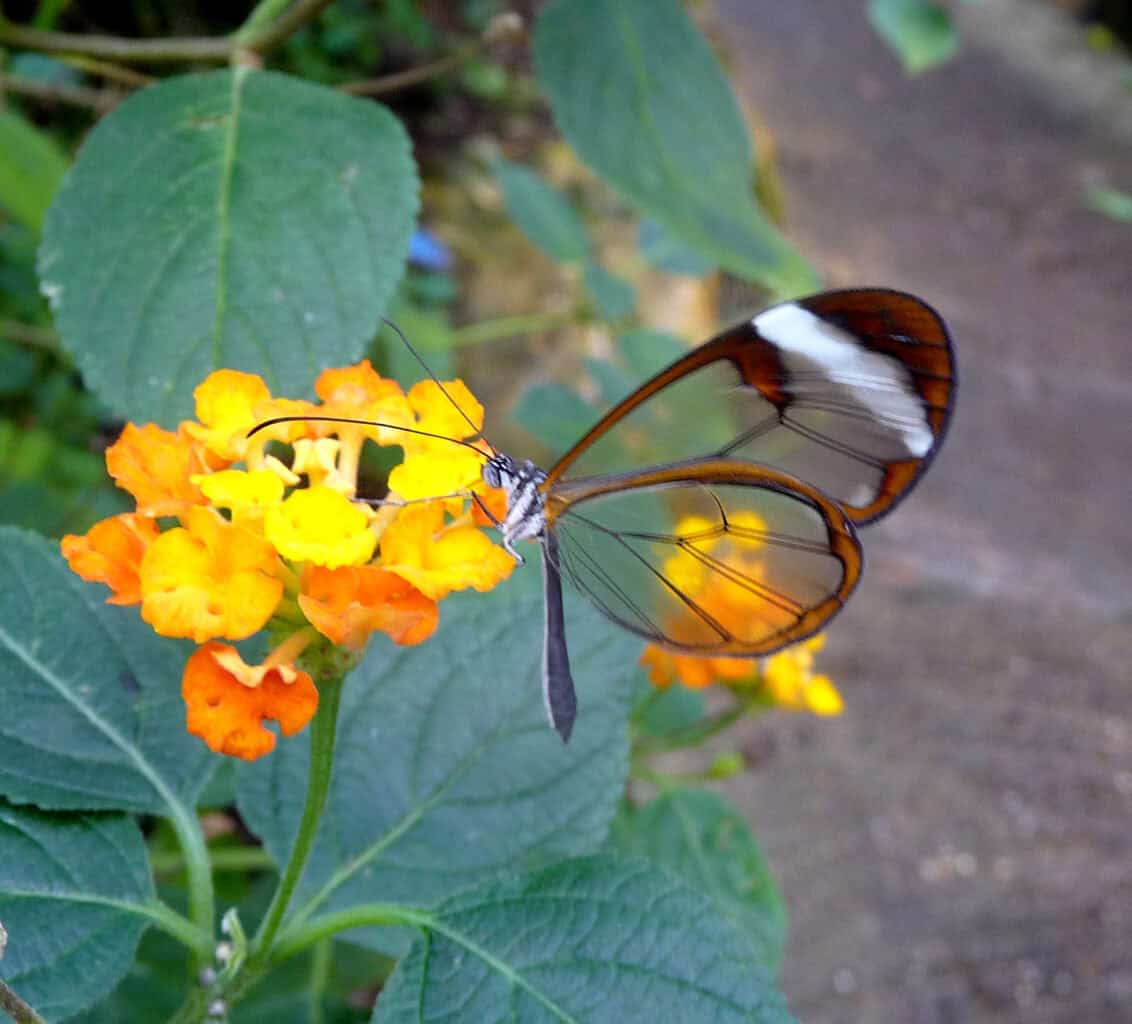
Despite their elusive wings, glasswing butterflies face threats from numerous predators, such as birds and reptiles. They counter these threats with defense mechanisms like emitting a mild toxin if consumed, which deters many would-be predators. Habitat loss and climate change also pose significant challenges to their survival.
Conservation Status and Efforts
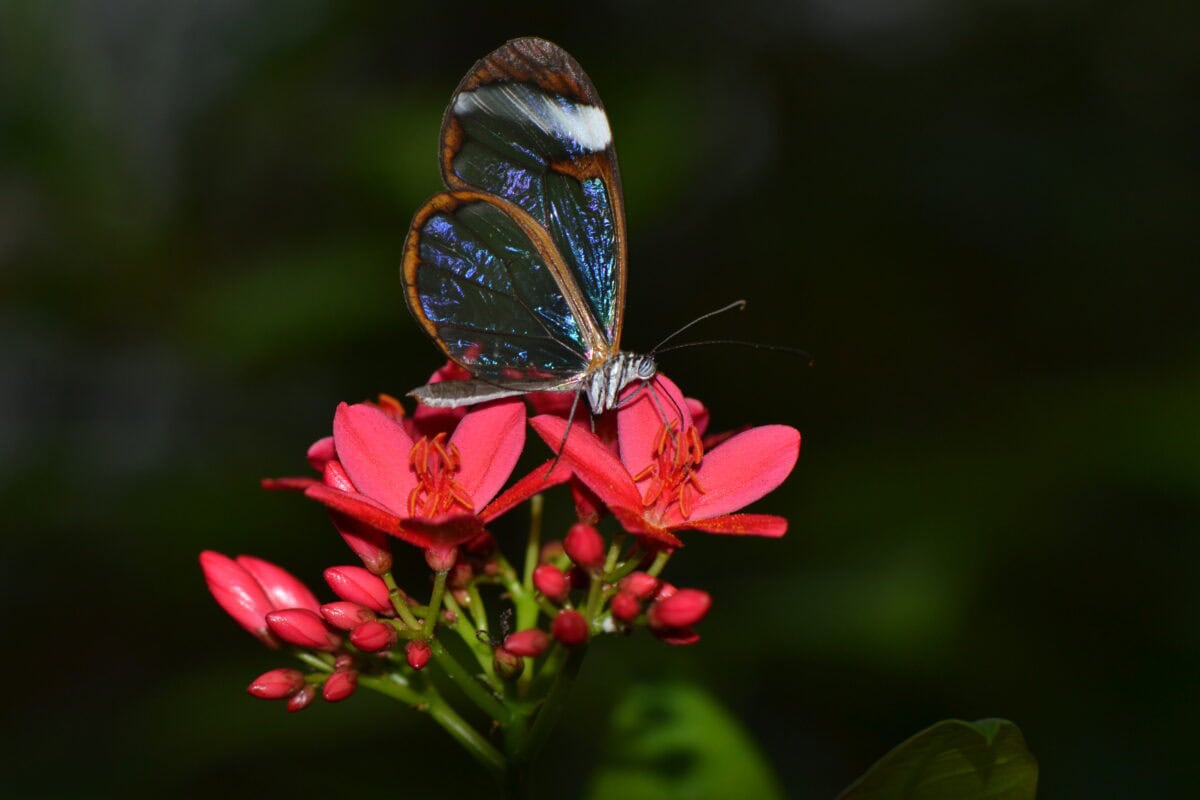
Currently, the glasswing butterfly is not on the endangered species list, yet its existence is increasingly threatened by habitat destruction. Conservation efforts focus on preserving the forests they call home. Initiatives include reforestation and protecting existing forest areas to ensure these butterflies continue to thrive.
Fascinating Facts About Glasswing Butterflies
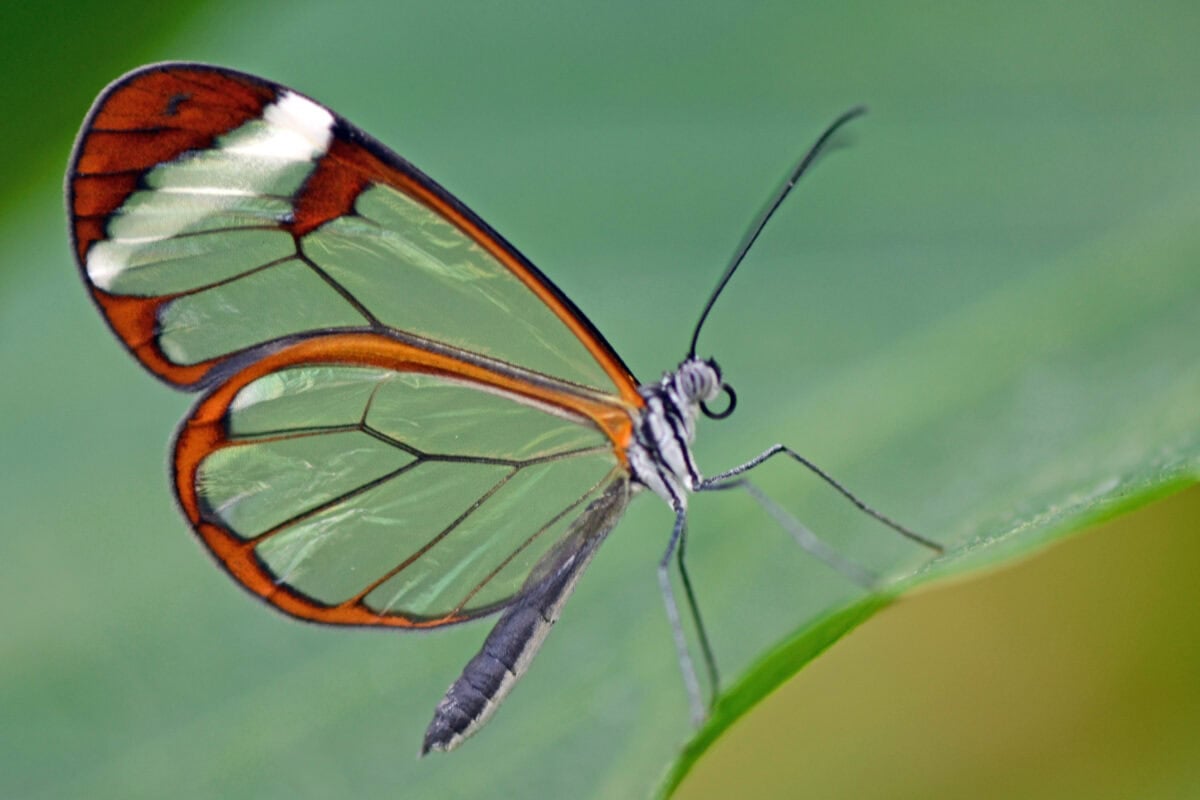
The glasswing butterfly’s wings aren’t just transparent—they’re hydrophobic too. This means they repel water, preventing moisture from weighing them down. Another fascinating fact is their ability to cover large distances during the pollination process, spanning several miles, which is impressive for such fragile creatures.
Similar Species and Unique Traits
While the glasswing is unique, it shares its transparency trait with a few other species worldwide, including certain types of fish, frogs, and jellyfish. The convergence of this trait in different evolutionary paths underlines the significance of transparency as a survival feature across different ecosystems.
A Window to Biodiversity
Glasswing butterflies serve as an emblem of nature’s artistry and the delicate balance within ecosystems. They remind us of the intricate beauty that can be found in the natural world and the importance of conservation. By understanding and appreciating such species, we acknowledge our role in preserving the planet’s biodiversity.
In summary, the glasswing butterfly is a testament to the wonders of evolution, showcasing nature’s ingenuity through its almost invisible yet remarkably effective survival adaptations. As we marvel at their transparency, we are reminded of the delicate connections that sustain life on Earth, urging us to protect these natural habitats and the creatures that inhabit them.

- The Most Magical Places to See Foxes in the Wild - June 30, 2026
- Strange But True Animals Living in Southern Cities - June 30, 2026
- The Largest Hammerhead Shark Ever Recorded in US Waters - June 30, 2026