


In the avian world, where lightweight frames and hollow bones are the norm, certain species defy expectations with their impressive size and weight while still maintaining the ability to fly. While many may associate large birds with flightless species like ostriches and emus, there exists a fascinating category of massive birds that have retained their aerial capabilities. Among these magnificent creatures, one stands out as the undisputed heavyweight champion of the skies. Join us as we explore the remarkable world of the heaviest bird capable of flight, examining its characteristics, habitat, behaviors, and the extraordinary adaptations that allow it to overcome the physical constraints that typically limit flight in large birds.
The Kori Bustard: A Flying Giant

The Kori Bustard (Ardeotis kori) holds the remarkable distinction of being the heaviest flying bird in the world. Native to the grasslands and savannas of eastern and southern Africa, this impressive bird can weigh up to 44 pounds (20 kilograms) in the case of the largest males. With a wingspan reaching up to 9 feet (2.7 meters), the Kori Bustard presents a magnificent sight when airborne. However, its flight is a testament to the physical limits of avian flight mechanics. Despite its capability to fly, the Kori Bustard is a primarily terrestrial bird, preferring to walk and only taking to the air when necessary, such as when escaping predators or traveling longer distances. This reluctance to fly frequently is directly related to the enormous energy expenditure required for a bird of such substantial mass to become and remain airborne.
Evolutionary Adaptations for Flight

The Kori Bustard represents a fascinating evolutionary balance between size and flight capability. While most heavy birds have sacrificed flight altogether (like ostriches and emus), the Kori Bustard has developed specific adaptations that allow it to maintain limited flight abilities despite its weight. Its wing structure features a larger surface area relative to body weight compared to other birds of similar size, providing more lift. Additionally, the Kori Bustard has powerful pectoral muscles that, while not proportionally as large as those of more accomplished flyers, are sufficient to generate the force needed for takeoff and sustained flight. However, these adaptations come with trade-offs: the Kori Bustard’s flight is laborious, energy-intensive, and typically limited to short distances. This evolutionary compromise allows the bird to benefit from the advantages of both substantial size and the ability to become airborne when necessary.
Physical Characteristics and Appearance
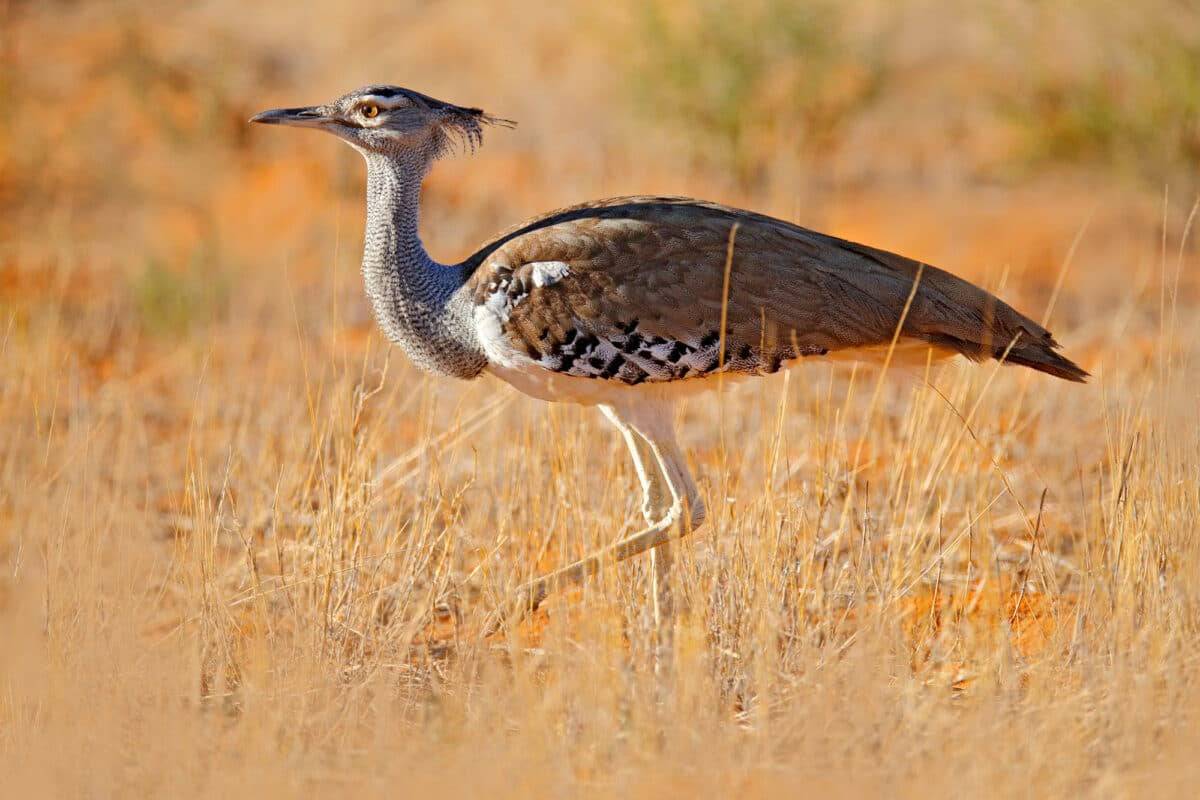
The Kori Bustard possesses a regal and distinctive appearance that commands attention. Males, significantly larger than females, have a predominantly grayish-brown plumage with intricate black and white patterns on their wings and backs. Their undersides are lighter in color, often appearing almost white. The bird’s most striking feature is perhaps its neck and head: males display a black crest on top of their heads and have a white throat with a black band across the chest. During mating displays, males can inflate their throat pouches to create a remarkable balloon-like structure that accentuates their size and dominance. Both sexes have long, strong legs adapted for their primarily terrestrial lifestyle, and their beaks are robust but relatively short compared to their overall size. This combination of features results in a bird that appears simultaneously powerful and elegant, embodying the majesty of Africa’s grasslands.
Habitat and Geographic Distribution
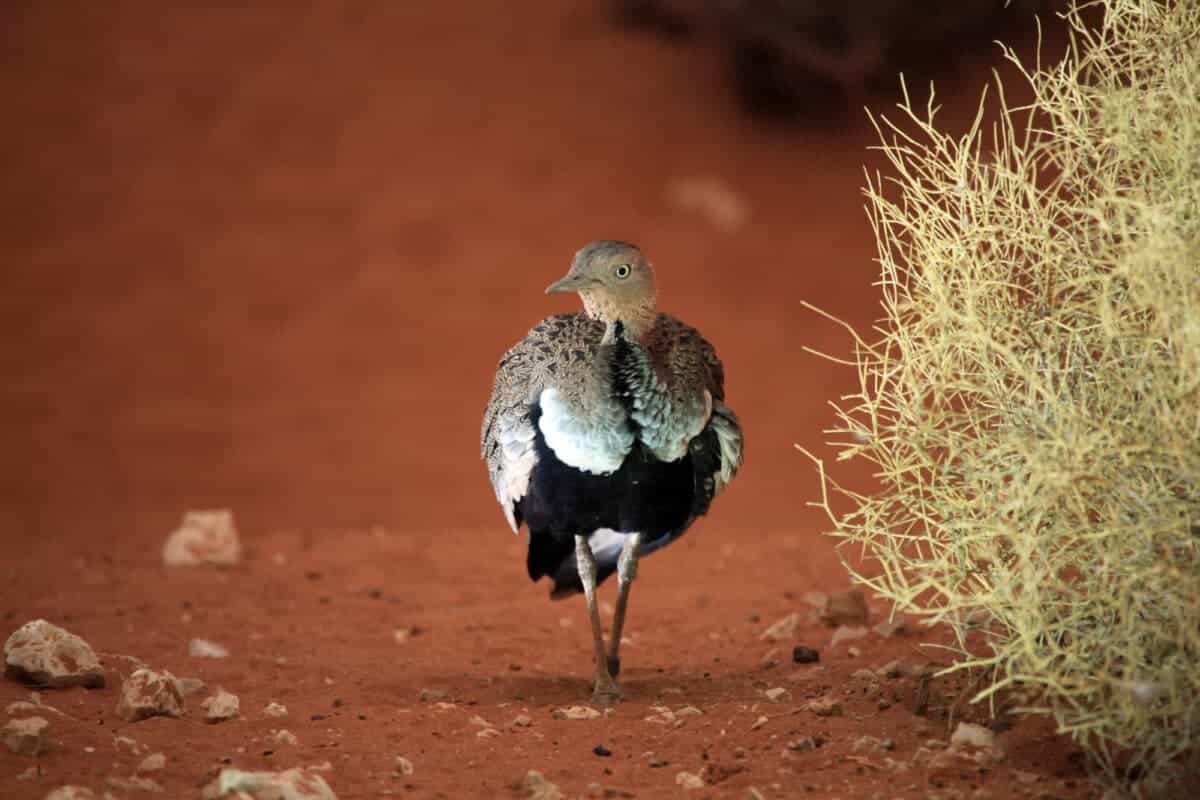
The Kori Bustard inhabits a diverse range of open environments across eastern and southern Africa. Two recognized subspecies exist: Ardeotis kori kori, found primarily in southern Africa including Botswana, Namibia, Zimbabwe, and South Africa; and Ardeotis kori struthiunculus, which occupies eastern African territories including Kenya, Tanzania, and Ethiopia. Their preferred habitats include savannas, grasslands, and semi-arid regions with scattered trees and shrubs that provide both food resources and occasional shelter. The birds demonstrate a particular affinity for areas with short grass, which facilitates easier movement on foot and better visibility for spotting both predators and prey. Notably, Kori Bustards tend to avoid densely forested areas and wetlands, environments that would present challenges to their terrestrial lifestyle and potentially limit escape options when flight becomes necessary. Their distribution patterns are influenced by seasonal changes in vegetation and food availability, with some populations engaging in local migrations in response to these fluctuations.
Diet and Feeding Habits
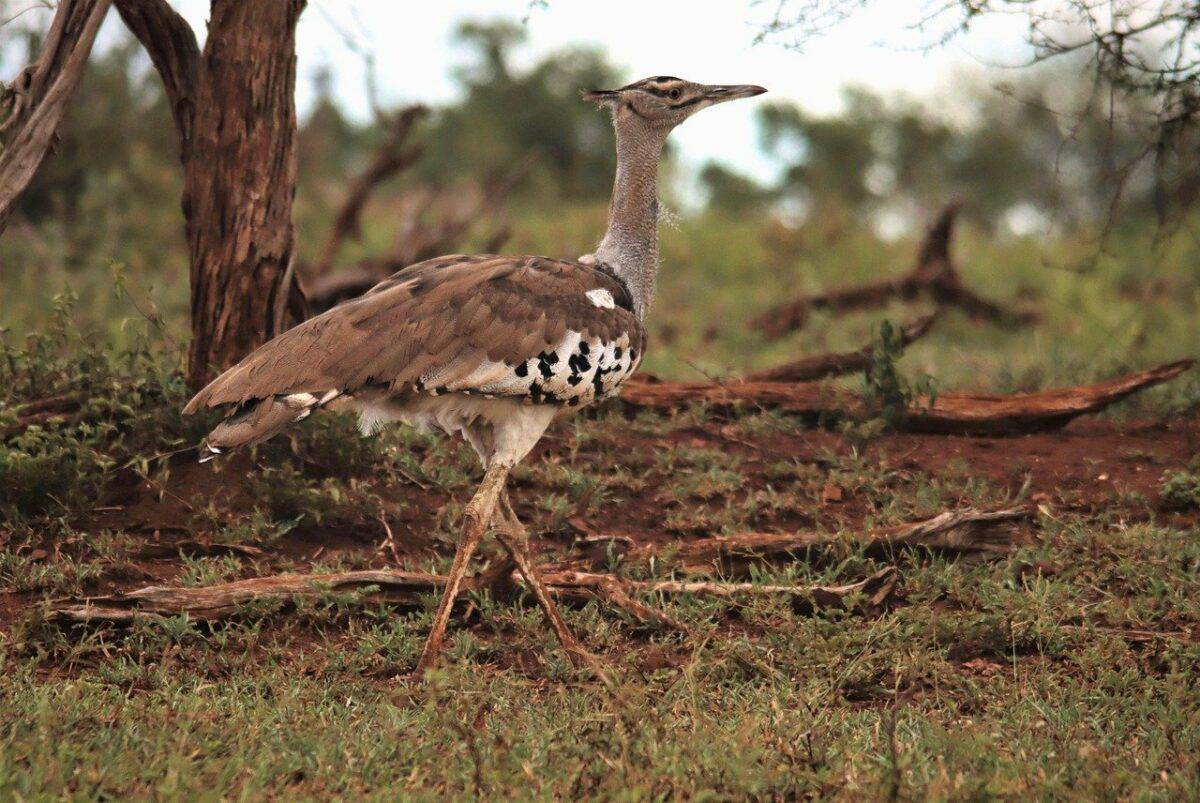
As an omnivorous species, the Kori Bustard displays remarkable dietary flexibility that contributes to its successful adaptation across varied habitats. Their diet consists primarily of insects, particularly grasshoppers, beetles, and caterpillars, which provide essential protein. They also consume small vertebrates such as lizards, snakes, and occasionally small mammals when the opportunity arises. Plant material forms a significant portion of their diet as well, including seeds, berries, and shoots. Particularly fascinating is their feeding technique; Kori Bustards typically forage by walking slowly with their heads lowered, carefully scanning the ground for potential food items. When they spot prey, they may employ a quick dash or precise peck to secure it. During periods of abundance, such as after rains when insect populations explode, Kori Bustards can be observed actively pursuing grasshoppers and other insects with remarkable efficiency. This dietary adaptability allows them to maintain their substantial body mass even in environments where food resources fluctuate seasonally.
Comparison with Other Heavy Flying Birds

While the Kori Bustard stands as the heaviest flying bird, several other avian giants approach its impressive dimensions. The Great Bustard (Otis tarda), found across parts of Europe and Asia, represents another heavyweight contender, with males weighing up to 40 pounds (18 kilograms). The Trumpeter Swan (Cygnus buccinator) of North America can reach weights of 38 pounds (17 kilograms), while the Dalmatian Pelican (Pelecanus crispus) of Eurasia may weigh up to 33 pounds (15 kilograms). What distinguishes these birds from truly massive flightless species is their retention of functional flight capabilities, albeit with varying degrees of efficiency. Interestingly, all these heavyweight flyers show similar adaptations: proportionally larger wings relative to body mass than typical birds, powerful pectoral muscles, and a tendency to limit flight to necessary occasions. Each species has evolved unique strategies to manage the considerable energy demands of getting their substantial mass airborne. For instance, Great Bustards often run to gain momentum before takeoff, while swans typically use water surfaces for easier launches. These varied approaches to the same fundamental challenge highlight the remarkable diversity of evolutionary solutions in the avian world.
Reproductive Behavior and Breeding
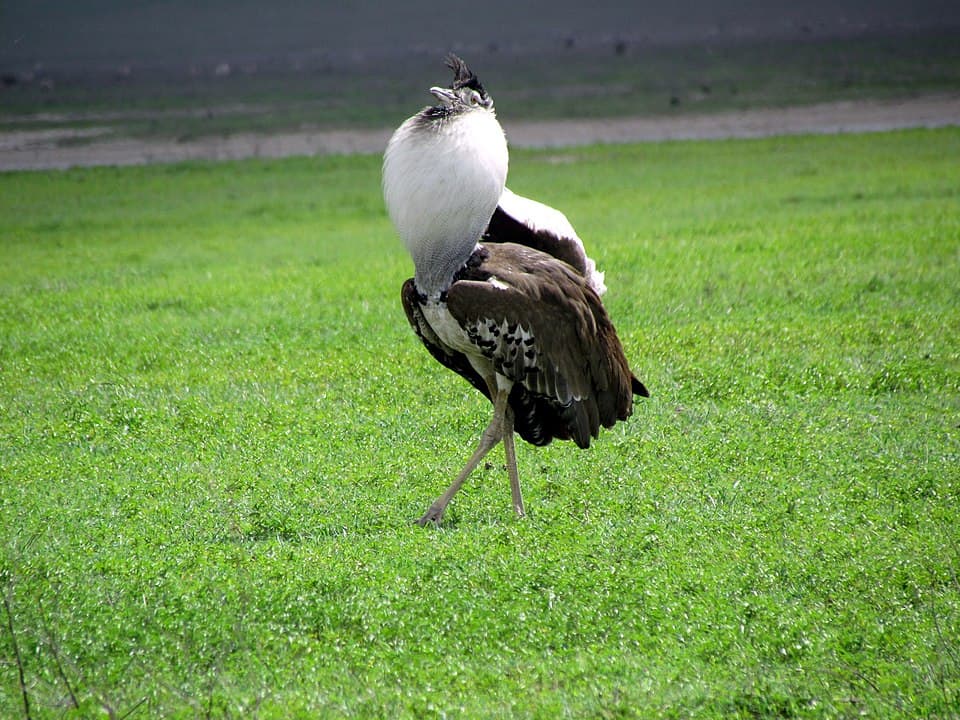
The reproductive strategy of the Kori Bustard exemplifies fascinating behavioral adaptations aligned with their physical characteristics. Males employ an elaborate mating display to attract females, inflating their throat pouches to create an impressive balloon-like structure that can dramatically increase their apparent size. This visual display is accompanied by a deep, resonating call that can be heard over considerable distances across their open habitat. Kori Bustards practice a polygynous mating system, where successful males may mate with multiple females during a breeding season. After mating, the female assumes complete responsibility for nesting and chick-rearing, a common pattern among bustard species. She typically creates a simple nest—little more than a shallow depression in the ground lined with minimal vegetation—where she lays 1-2 eggs. The eggs are incubated solely by the female for approximately 23-25 days, during which she remains remarkably camouflaged against the savanna background. Once hatched, the precocial chicks can walk and feed themselves within hours but remain under maternal protection for several months as they grow and develop their ability to evade predators. This reproductive strategy, with minimal parental investment from males and independent chicks, likely evolved to maximize survival in the open habitats where predation pressure is substantial.
Flight Mechanics and Limitations
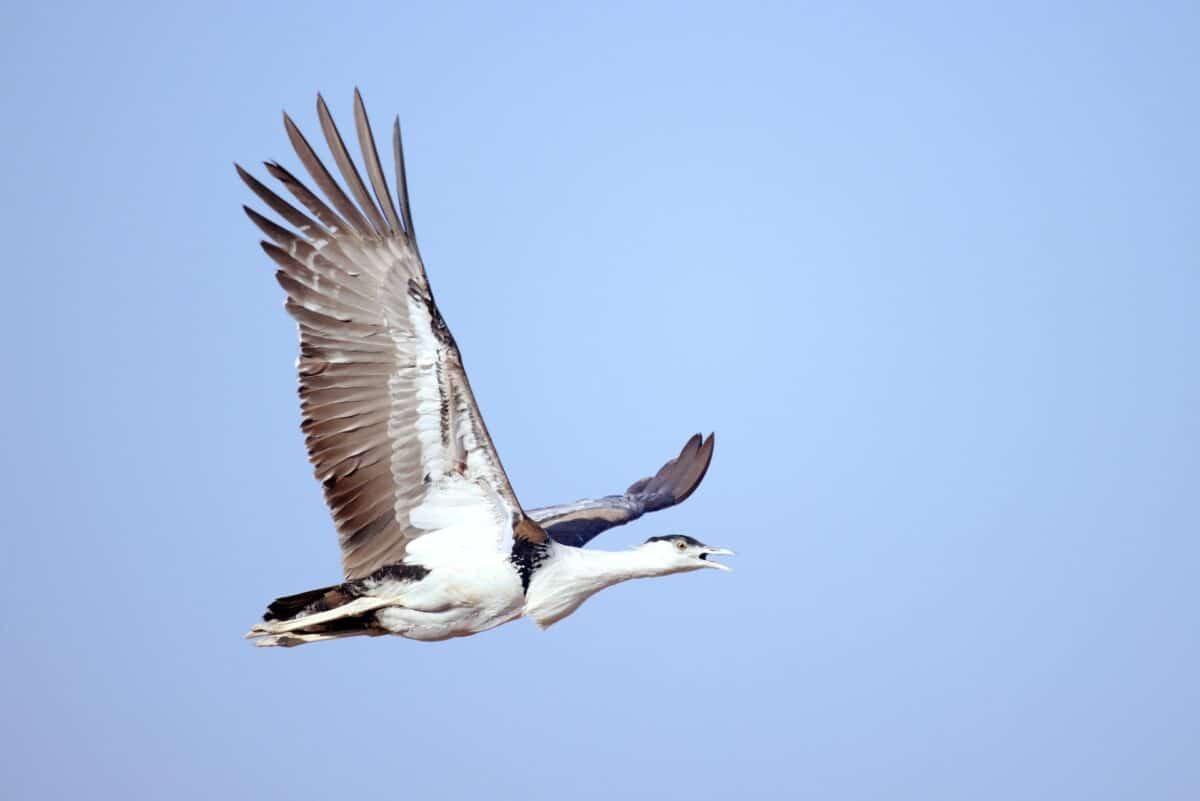
The flight of the Kori Bustard represents a fascinating study in the physical limits of avian aerodynamics. Despite its impressive weight, this bird achieves takeoff through a combination of a short running start and powerful downward thrusts of its expansive wings. Once airborne, Kori Bustards typically maintain a steady, direct flight path with relatively slow wingbeats compared to smaller birds. Their flight altitude usually remains low, rarely exceeding a few hundred feet above the ground. This conservative flight profile reflects the enormous energy expenditure required—a Kori Bustard may burn calories at up to 23 times its resting metabolic rate during sustained flight, making it one of the most energetically costly forms of locomotion in the animal kingdom. This metabolic reality explains why these birds are selective about when they fly, typically limiting aerial activity to escape scenarios, moving between feeding areas, or during migration. Interestingly, scientists have calculated that the Kori Bustard operates at the theoretical upper weight limit for powered flight in birds. Any additional body mass would likely render sustained flight biomechanically impossible without dramatic changes to wing morphology or muscle composition. This physiological balancing act between size and flight capability makes the Kori Bustard an extraordinary example of evolutionary compromise.
Conservation Status and Threats
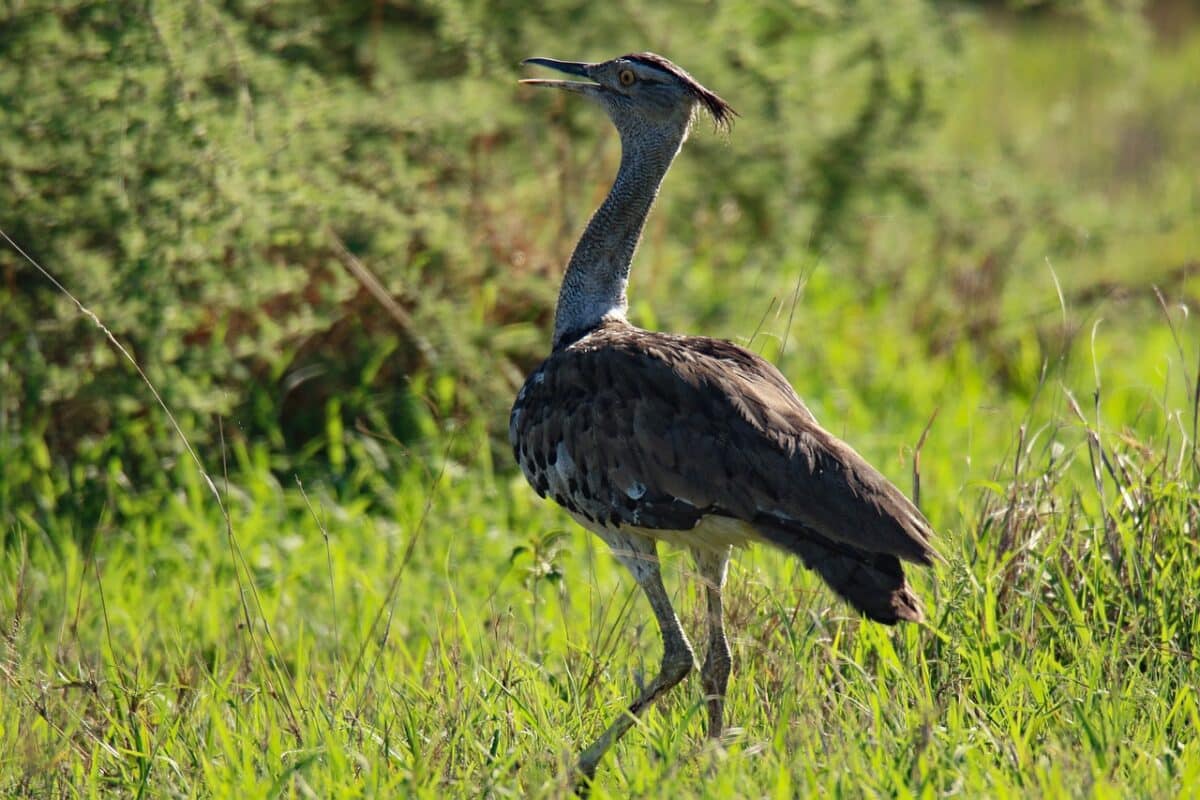
The Kori Bustard currently holds a conservation status of “Near Threatened” according to the International Union for Conservation of Nature (IUCN), reflecting growing concerns about population declines across its range. Several anthropogenic factors contribute to these declines. Habitat loss presents a primary threat, as grasslands and savannas across Africa face conversion to agricultural land and human settlements. Hunting and poaching also significantly impact populations, with Kori Bustards targeted both for subsistence and commercial purposes. Their large size, ground-dwelling habits, and relatively slow reproductive rate make them particularly vulnerable to these pressures. Additionally, collision with power lines represents a growing threat as energy infrastructure expands across their habitat. Climate change introduces further complications, potentially altering the ecological conditions of their preferred habitats and affecting food availability. Conservation efforts include habitat protection initiatives, anti-poaching measures, and educational programs in local communities. Some protected areas, such as the Central Kalahari Game Reserve in Botswana and Serengeti National Park in Tanzania, provide crucial safe havens for remaining populations. Research and monitoring programs continue to gather essential data about population trends and ecological requirements, informing more effective conservation strategies for this magnificent bird.
Cultural Significance
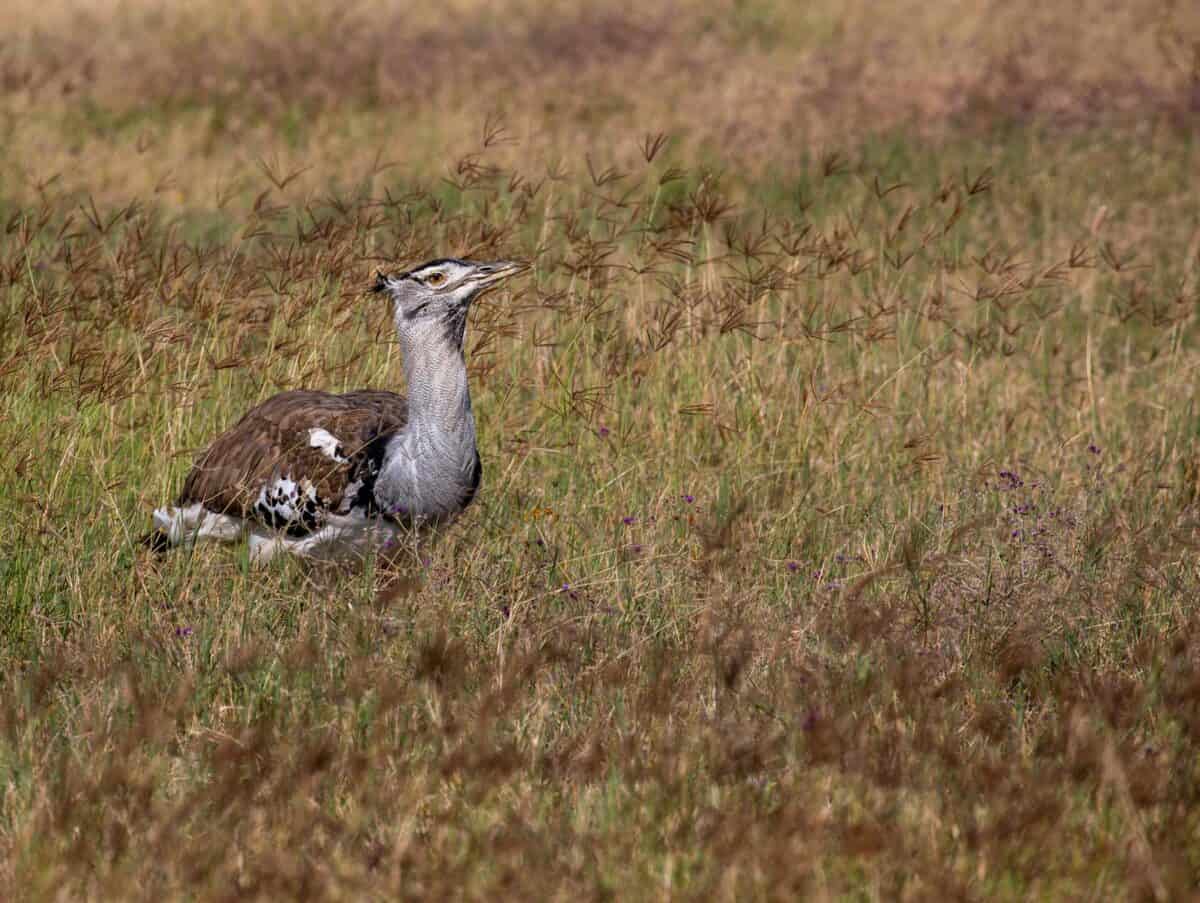
Throughout its range, the Kori Bustard has established a meaningful presence in the cultural heritage of various African societies. Among several ethnic groups in eastern and southern Africa, the bird features prominently in traditional folklore, often symbolizing strength, endurance, and nobility due to its impressive size and regal bearing. In some communities, particularly in parts of Kenya and Tanzania, its distinctive courtship display has inspired traditional dances that mimic the male’s inflation of the throat pouch and strutting movements. Historically, the feathers of Kori Bustards were used in ceremonial headdresses and decorative items for important cultural events. The bird also appears in rock art dating back hundreds of years, indicating its long-standing significance to indigenous peoples. In more recent times, the Kori Bustard has become an iconic species in wildlife tourism, drawing birdwatchers and nature enthusiasts to protected areas throughout its range. This cultural appreciation, spanning traditional beliefs to modern ecotourism, provides additional motivation for conservation efforts and helps raise awareness about the challenges facing this remarkable species in a rapidly changing African landscape.
Behavioral Adaptations and Daily Life
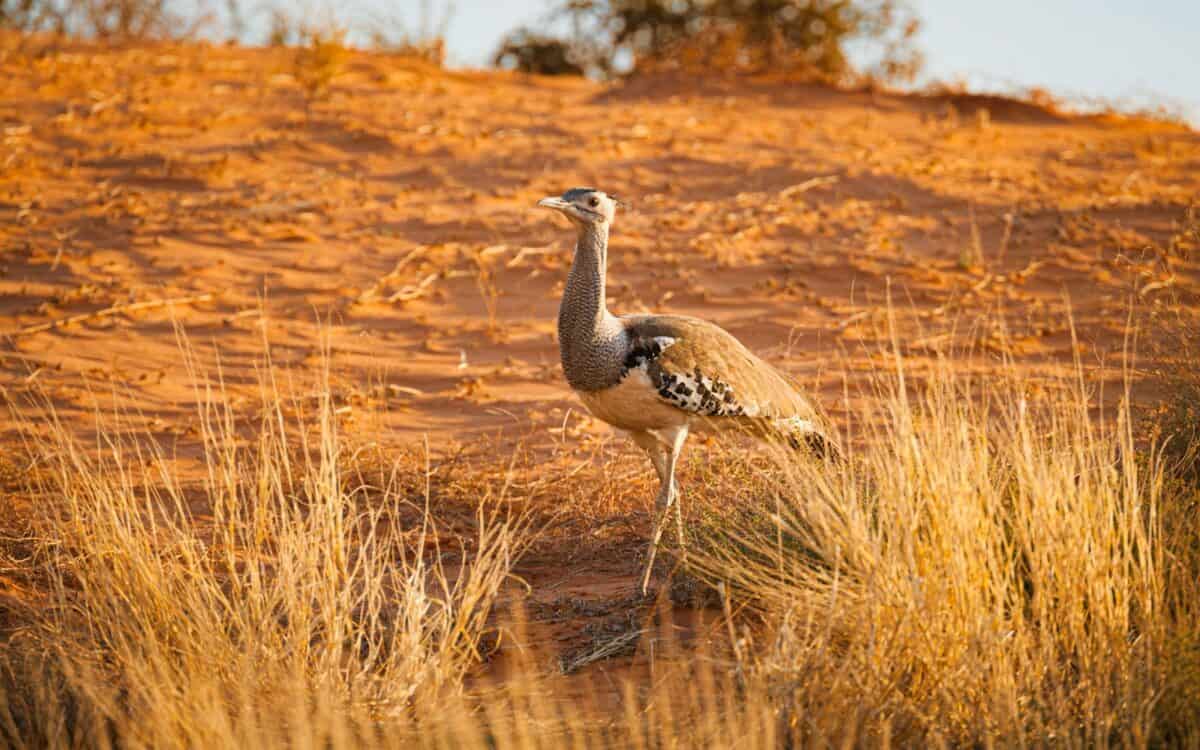
The daily routine of a Kori Bustard reveals behavioral adaptations finely tuned to the challenges of savanna life. These birds are primarily diurnal, beginning their activities shortly after dawn with focused feeding sessions when temperatures remain moderate. During the intense heat of midday, particularly in the hotter regions of their range, they often seek shade under acacia trees or large bushes, reducing unnecessary energy expenditure and water loss. Kori Bustards are generally solitary or found in small, loose groups, though they do not display the territorial aggression seen in many large birds. They maintain vigilance against predators through a combination of excellent vision and strategic use of their height, often standing completely still with their necks extended to survey their surroundings. One particularly interesting behavior is their thermoregulation strategy—during extreme heat, Kori Bustards may orient themselves toward the sun and flutter the gular (throat) pouch, increasing evaporative cooling. They also practice a behavior called “anting,” where they allow ants to crawl through their feathers, possibly to remove parasites or apply formic acid as a natural pesticide. At night, these birds typically roost on the ground but select locations that offer some concealment while maintaining visibility of approaching predators. These behavioral patterns demonstrate remarkable adaptations to maximize survival in environments characterized by extremes of temperature, predation pressure, and seasonally variable resources.
Scientific Research and Discoveries
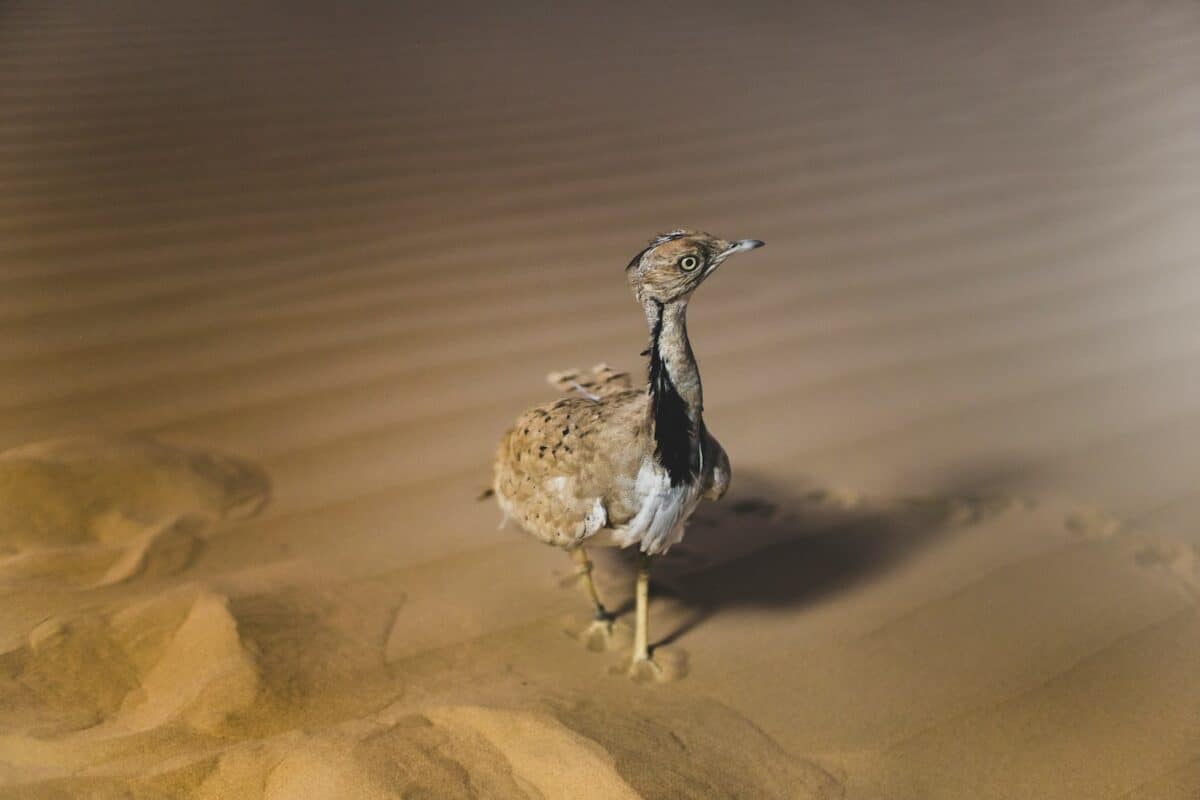
Scientific research on the Kori Bustard has yielded fascinating insights into avian biology and the physical limits of flight. Biomechanical studies have been particularly revealing, with researchers using wind tunnel experiments and advanced modeling techniques to understand how these massive birds achieve and maintain flight. Recent findings indicate that Kori Bustards operate with an extraordinarily narrow margin of power output versus power required for flight, suggesting they represent a near-perfect example of the maximum body mass possible for a flying bird. Physiological research has documented remarkable adaptations in their respiratory system, including highly efficient air sacs that maximize oxygen extraction during the intense demands of takeoff and sustained flight. Genetic studies have begun mapping the evolutionary history of bustards, placing the Kori Bustard’s development of exceptional size within a broader context of adaptive radiation in the family Otididae. Ecological research using GPS tracking has revealed previously unknown movement patterns, including seasonal migrations driven by shifting food resources rather than traditional temperature-based migrations seen in other bird species. Behavioral scientists have documented complex decision-making processes regarding when and where to fly, suggesting these birds perform sophisticated energy calculations based on perceived threats and potential benefits. Despite these advances, significant knowledge gaps remain, particularly regarding population dynamics, juvenile survival rates, and the potential impacts of climate change on their specialized ecological niche.
The Kori Bustard stands as a remarkable testament to the intricate balance evolution can achieve between seemingly contradictory traits. As the heaviest flying bird in the world, it represents the absolute upper limit of what is physically possible in terms of avian flight, maintaining aerial capabilities while approaching a size that would typically render flight impossible. This evolutionary compromise offers significant advantages, allowing the bird to access the benefits of both worlds—the predator avoidance and mobility of flight combined with the imposing size that deters many potential threats. Through millions of years of adaptation, the Kori Bustard has developed specialized physical characteristics, behavioral patterns, and ecological strategies that enable it to thrive in challenging environments while maintaining its extraordinary dual nature. As scientists continue to study these magnificent birds, our understanding of the complex relationship between body mass and flight capability expands, offering insights that extend beyond ornithology into broader principles of biomechanics and evolutionary biology. In an age where biodiversity faces unprecedented threats, the preservation of the Kori Bustard represents not just the conservation of a species, but the protection of an evolutionary marvel that illuminates the remarkable adaptability and ingenuity of nature.

- Honoring Military Working Dogs Throughout History - July 30, 2026
- Forgotten Animal Heroes From Major Wars - July 30, 2026
- Birds That Migrate Through the Midwest Every Fall - July 30, 2026