
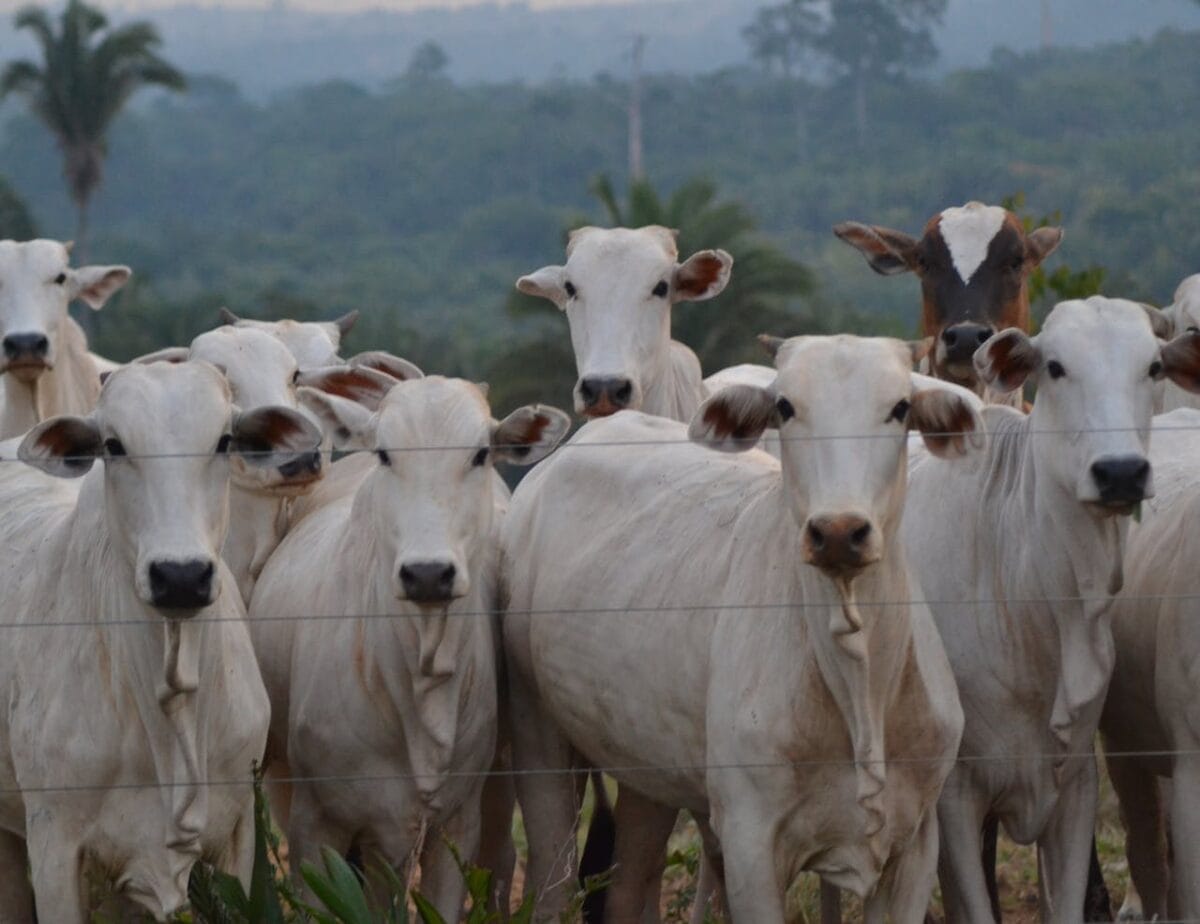
Every meal tells a story, not just of culinary brilliance and cultural heritage, but also of the journey and treatment of the animals that contribute to our dinner plates. While many of us are familiar with the concepts of farm-to-table and sustainable agriculture, the impact of factory farming on animal welfare often remains obscured. Beneath the surface of mass food production lies a complex web of ethical and welfare concerns that dwarf the price tags we see at the grocery store. Unveiling the hidden cost of your dinner plate involves delving into the practices and conditions of factory farming, which starkly contrast with the idyllic farm images often depicted in advertising.
The Reality of Factory Farming
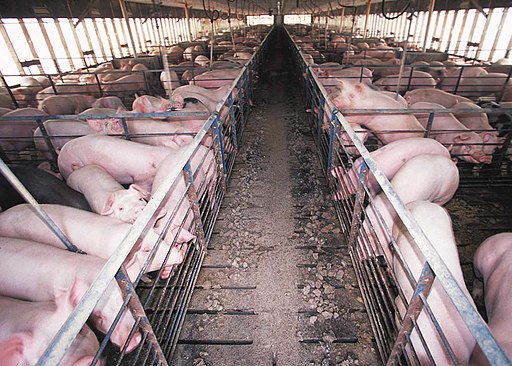
Factory farming, also known as industrial animal agriculture, is the predominant mode of animal production in many parts of the world. It is characterized by large-scale operations that prioritize efficiency and productivity. While this model significantly boosts food supply and lowers consumer costs, it fundamentally alters the experience of farm animals. In these settings, animals are seen more as economic units rather than sentient beings. The industry relies heavily on confinement systems, which restrict animal movement and provide little to no environmental enrichment, raising serious concerns about the welfare of these creatures.
Confinement and Overcrowding
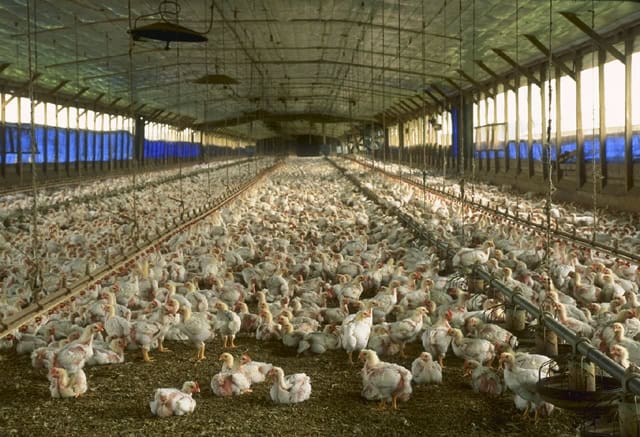
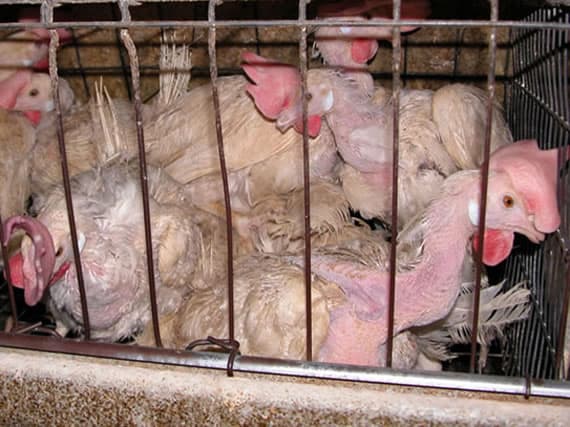
In most factory farms, animals are kept in spaces so confined that their natural behaviors are almost entirely stifled. Chickens are placed in battery cages with less space than an A4 sheet of paper, pigs are kept in gestation crates barely larger than their bodies, and cattle often spend their lives in feedlots devoid of grassy pastures. This physical restriction leads to significant psychological stress, making animals more prone to self-harm and aggression. Overcrowding also facilitates the rapid spread of diseases, necessitating the widespread use of antibiotics, which further complicates animal welfare concerns.
Sanitation and Health Issues
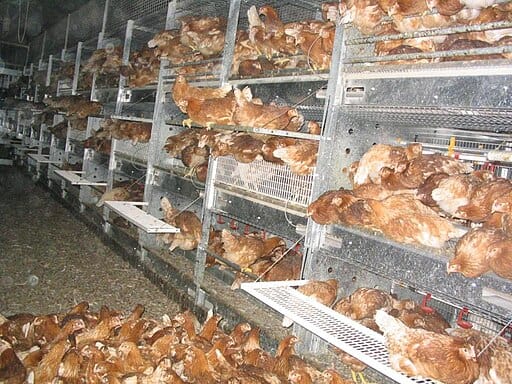
The dense population in factory farms poses colossal sanitation challenges. Manure, waste, and ammonia can accumulate quickly, adversely affecting air quality and thus animal health. The continuous exposure to such an environment causes respiratory problems, and the filth often leads to the spread of diseases. This cycle not only impacts animal welfare but also poses public health risks, as evidenced by the rise of zoonotic diseases and antibiotic-resistant bacteria.
Forced Rapid Growth and Genetic Manipulation
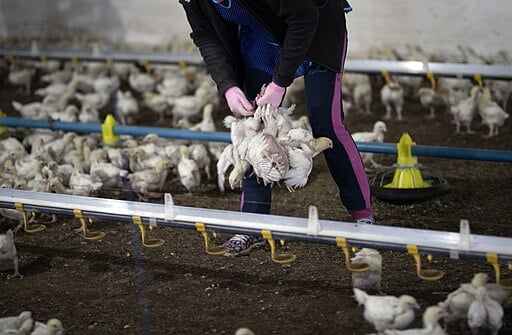
To further enhance productivity, many factory farms employ genetic selection and growth-promotion techniques that push animals to grow faster and larger than they would naturally. Broiler chickens, for example, can reach market size in just six weeks, leading to skeletal disorders and organ dysfunction due to the unnatural growth rate. This focus on efficiency disregards the well-being of the animals, often resulting in painful conditions that are not addressed with adequate veterinary care.
The Emotional Toll on Animals
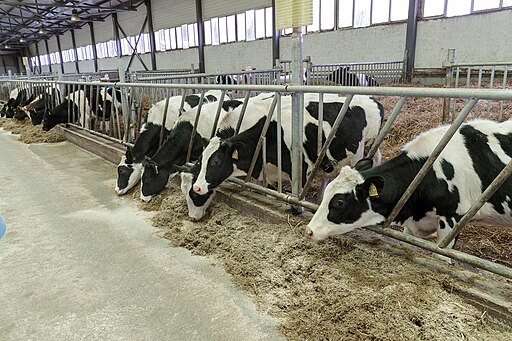
Scientific research increasingly demonstrates that farm animals are sentient beings capable of experiencing pain, fear, and distress. The environment within factory farms often subjects animals to chronic stress, which undermines their emotional and psychological health. The lack of mental stimulation and fulfillment can result in behaviors such as feather-pecking in chickens or tail-biting in pigs, which are often managed through painful physical alterations rather than addressing the root cause.
Implications for Human Society
The hidden cost of factory farming extends beyond animal welfare, impacting broader societal issues. The intense resource consumption and waste production associated with factory farms contribute significantly to environmental degradation. Moreover, the ethical concerns surrounding the inhumane treatment of animals impel a moral reassessment. Increasing awareness and discussion on this topic could spur regulatory changes and motivate consumers toward more ethically-sourced products.
Moving Toward a Better Future
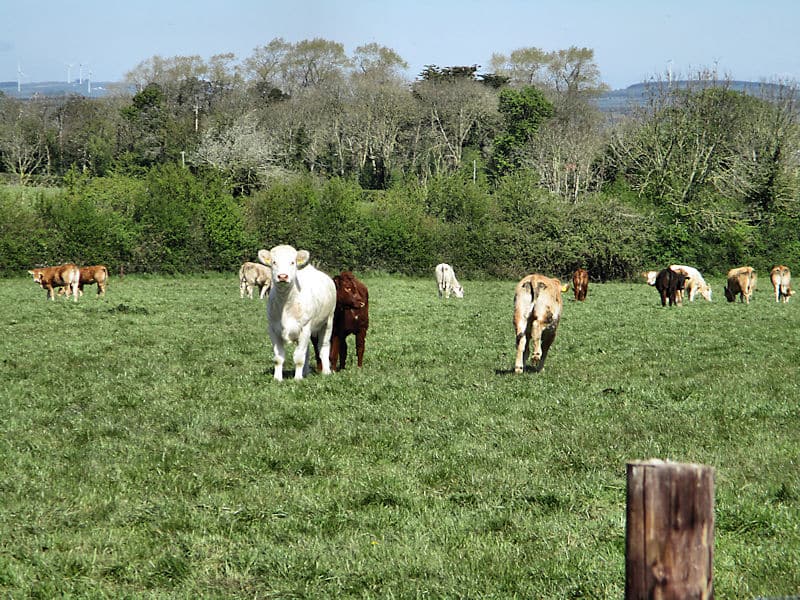
Addressing animal welfare in factory farming requires a multi-faceted approach involving stricter animal rights legislation, transparency in production practices, and consumer education. Individuals can contribute by making conscious food choices, supporting humane certifications, and advocating for better treatment of farm animals. As awareness grows, so does the potential to transform industrial practices to ones that respect animal lives, ultimately leading to a more compassionate and sustainable food system.
Conclusion
Ultimately, the hidden cost of our dinner plates compels us to confront uncomfortable truths about factory farming and animal welfare. The journey to more humane and sustainable agriculture is a lengthy one, replete with challenges and resistance. However, informed consumers and ethical practices serve as the catalysts for change in this imperative endeavor. By understanding and addressing the issues within factory farming, we can aspire to create a future where the stories behind our meals resonate with respect and empathy for all living beings.
How do you feel about factory farming?

- The Most Powerful Earthquake Ever Felt in the U.S. - July 19, 2026
- How Rhinoceros Males Compete for Mating Rights in the Wild - July 18, 2026
- 13 Spider Species Thriving in Changing Environments - July 18, 2026