

Garden netting is widely used by gardeners and farmers to protect crops from various threats. The primary purpose is to shield plants from pests, birds, and even harsh weather conditions. These nets come in different materials and mesh sizes, designed to be draped over plants or frames to form a physical barrier. While they are intended to increase crop yields and quality, there is a growing awareness that garden netting can have unintended consequences on wildlife.
Common Types of Garden Netting
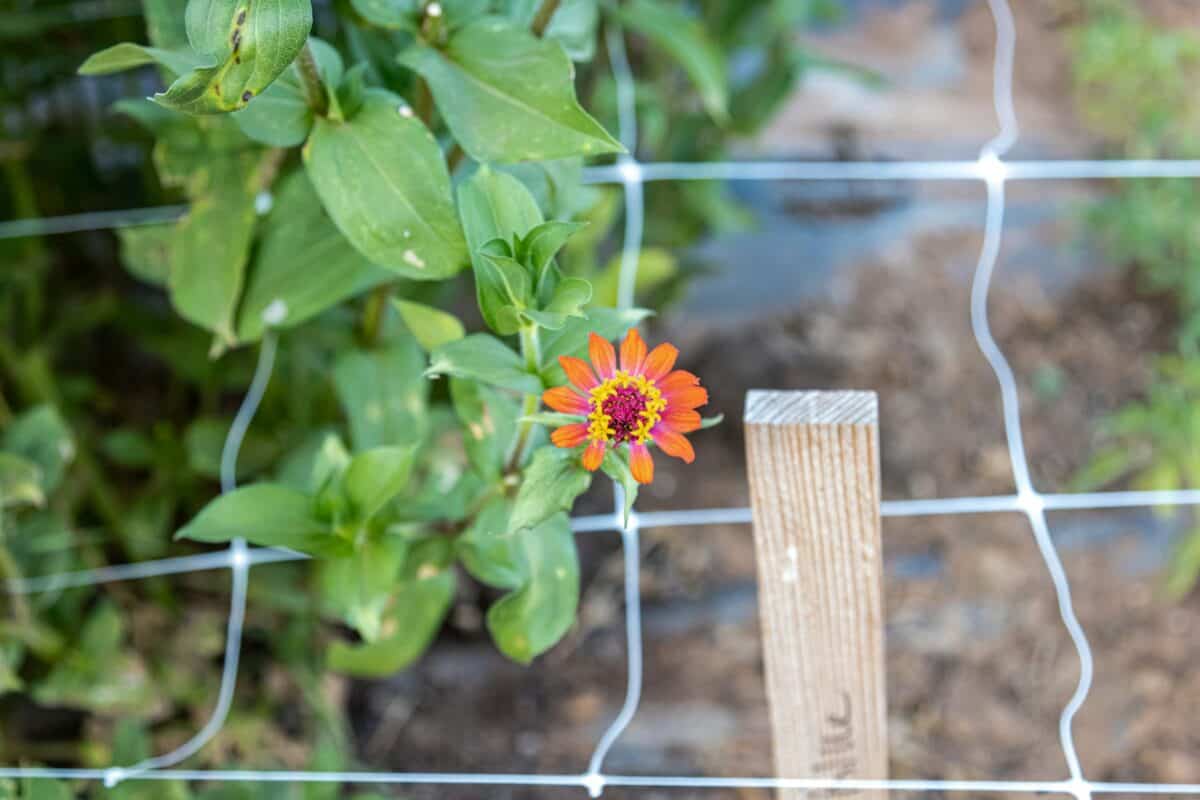
There are several types of garden netting, each serving its own specific purpose. Bird netting, for example, is designed to protect fruits and vegetables from being pecked at by birds. Insect netting, with a finer mesh, helps keep out pests such as aphids and caterpillars. Then there is general protective netting that can provide shelter from extreme weather conditions like hail. While these serve as valuable tools for human agriculture, they present numerous challenges for wildlife.
Impact on Birds

The most immediate and visible impact of garden netting is on birds, which are often attracted to gardens due to the abundance of food. While nets are effective at keeping birds away from crops, they can also pose serious risks. Birds can become entangled in improperly installed or damaged nets, leading to injury or death. In some cases, entanglement can stress birds to the point where they cannot free themselves and eventually perish from exhaustion or predation.
Threats to Small Mammals and Reptiles

Not just birds, but small mammals and reptiles are also vulnerable to garden netting. Hedgehogs, rabbits, and even snakes can become ensnared, resulting in cuts, bruises, and even broken limbs. The netting can act as a trap, preventing these animals from accessing food, water, or shelter, sometimes with fatal consequences. This presents a significant ethical dilemma for wildlife enthusiasts and gardeners alike, as the netting disrupts local ecosystems and animal populations.
Effects on Insect Populations

While insect netting is effective at keeping harmful pests away from fruits and vegetables, it can also impact beneficial insect populations. Pollinators like bees and butterflies can be deterred or blocked entirely by these nets. This can have a cascading impact on the local ecosystem, as pollinators are essential for the reproduction of many plant species. A decline in pollinator visits can lead to reduced plant diversity and lower agricultural yields in the long run.
Environmental Considerations
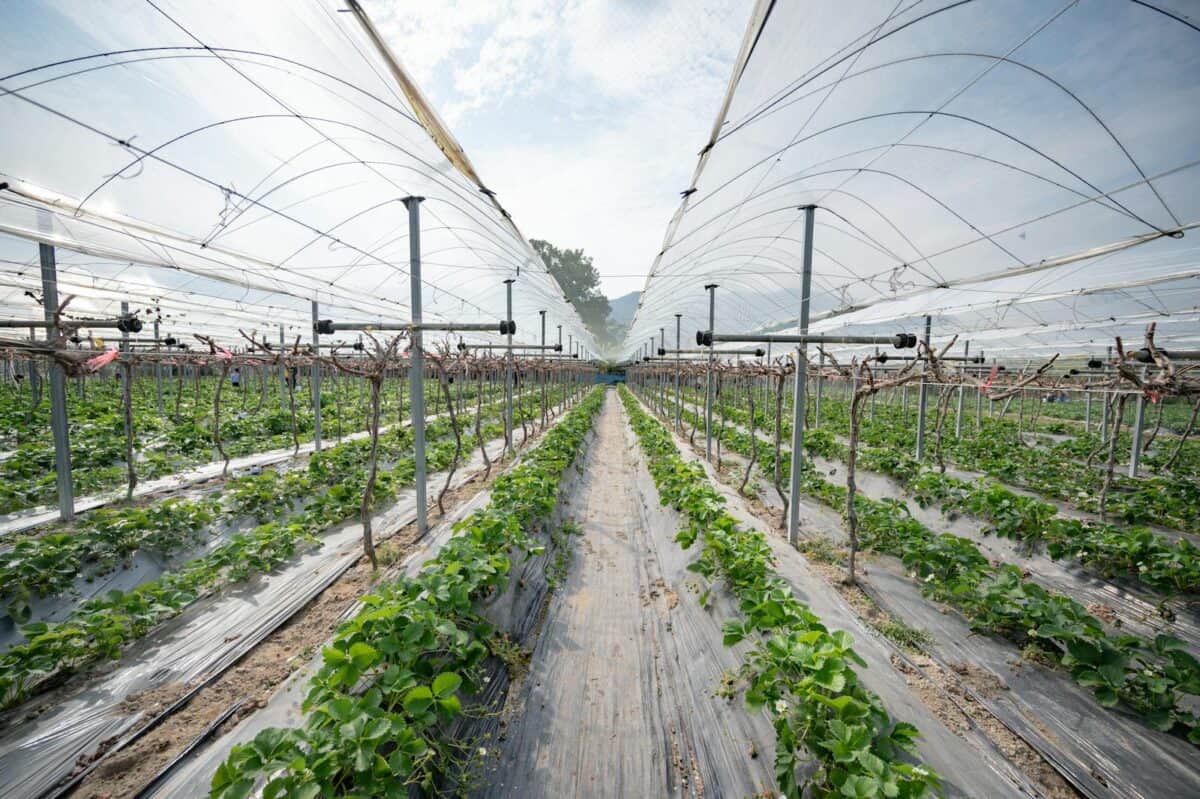
Garden netting is often made from synthetic materials like polypropylene, which are not biodegradable. Discarded or damaged nets can contribute to environmental waste and pose additional risks to wildlife through ingestion or entanglement. The long-term environmental impact of using synthetic netting materials is a growing concern for conservationists and gardeners who are mindful of sustainability practices.
Best Practices for Minimizing Harm
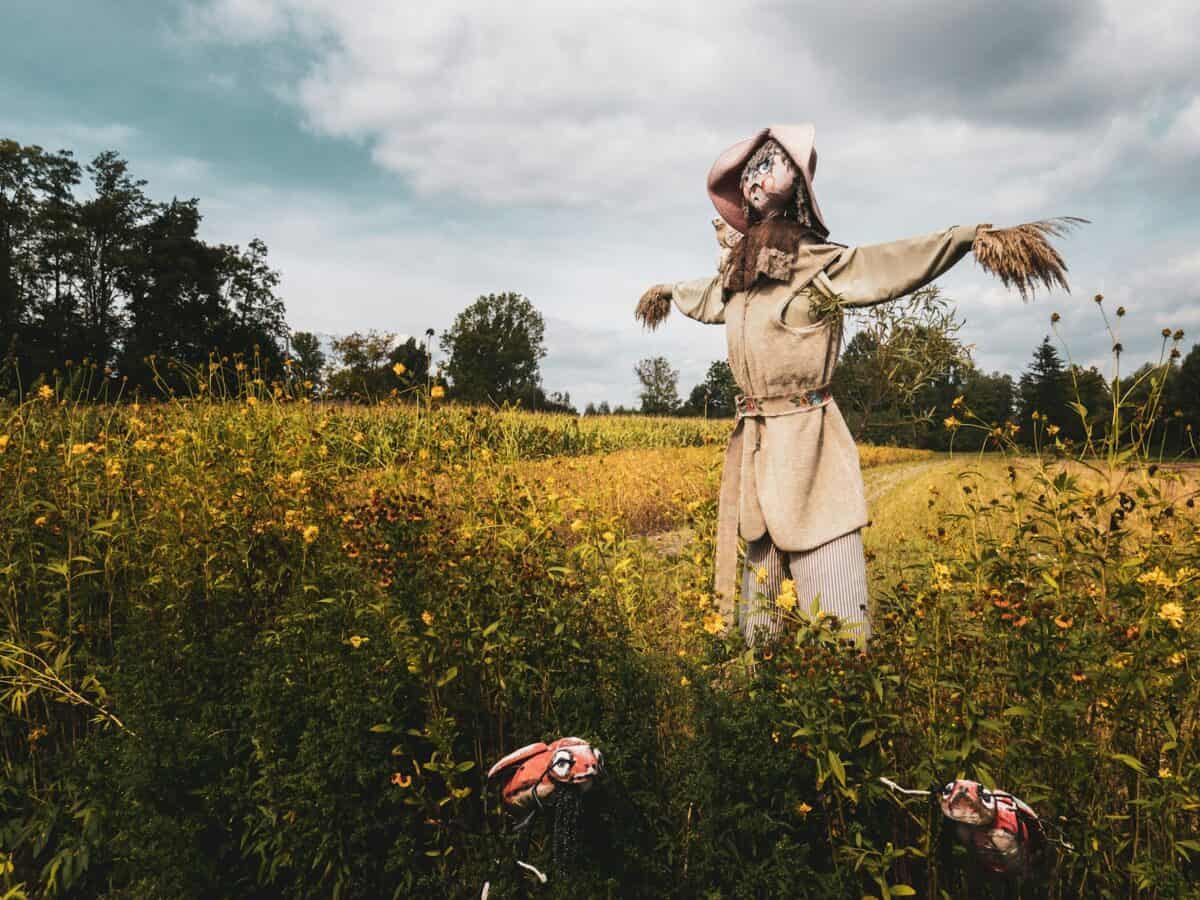
There are several strategies that gardeners can employ to minimize the negative impact of netting on wildlife. Firstly, opting for nets with smaller mesh sizes can reduce the risk of entanglement. Secondly, ensuring that nets are tightly secured and well-maintained can prevent animals from becoming trapped. Removing nets when they are not needed, such as after harvest, is another way to protect wildlife. Using alternative deterrents, such as scarecrow devices or ultrasonic repellents, can also be effective strategies.
Striking a Balance
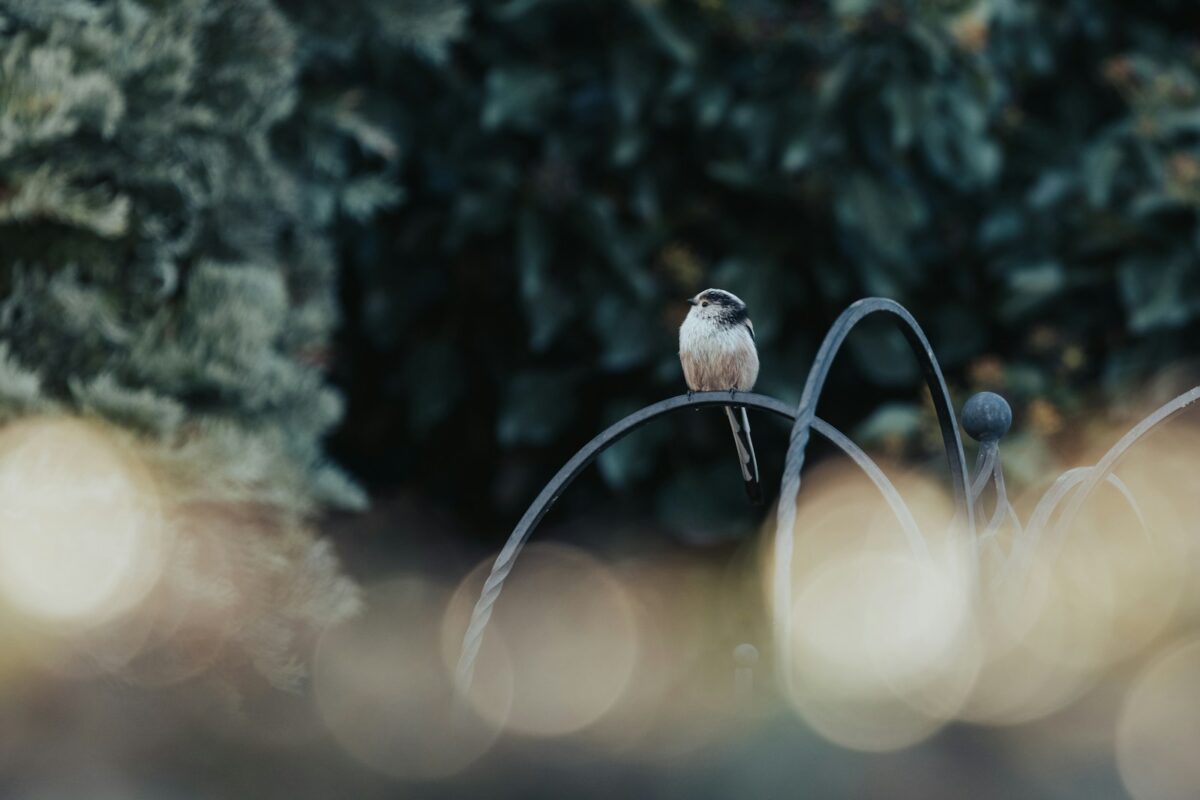
While garden netting serves as an important tool for protecting crops, it can pose significant risks to wildlife. The impact on birds, small mammals, reptiles, and beneficial insects is an important consideration for anyone using netting in their garden. By adopting responsible practices and being mindful of the environment, gardeners can strike a balance that benefits both their crops and the local ecosystem. Awareness and education are key to understanding the broader implications of garden netting and how best to minimize its negative effects on wildlife.

- The Most Powerful Earthquake Ever Felt in the U.S. - July 19, 2026
- How Rhinoceros Males Compete for Mating Rights in the Wild - July 18, 2026
- 13 Spider Species Thriving in Changing Environments - July 18, 2026