

Nature never ceases to amaze us with its incredible variety of life forms and the unique adaptations that each has evolved to survive. Among these remarkable creatures is the trapdoor spider, a master of stealth and cunning. These enigmatic arachnids have captivated the curiosity of scientists and nature enthusiasts alike with their unusual and ingenious hunting strategies. This article delves into the fascinating world of trapdoor spiders, exploring their species diversity, habitat, and the extraordinary techniques they employ to capture their prey.
Understanding the Trapdoor Spider
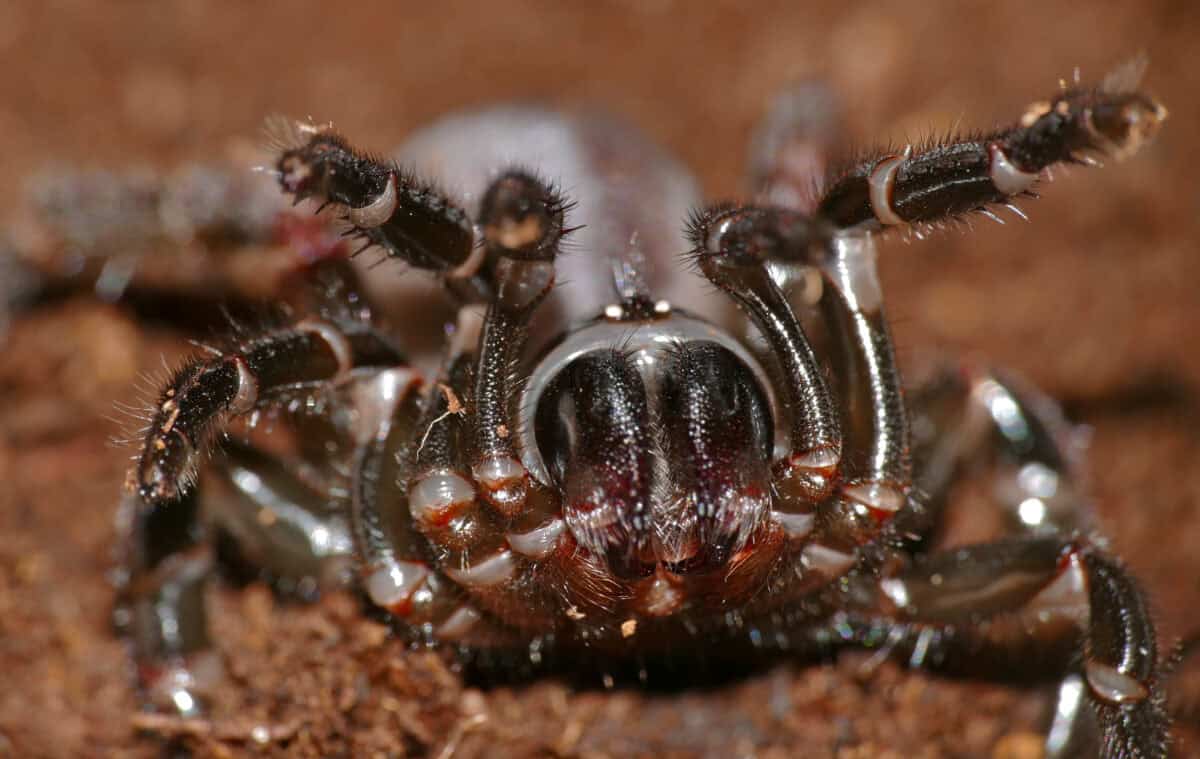
Trapdoor spiders belong to several families within the infraorder Mygalomorphae, sharing a close relation to tarantulas. These elusive arachnids have earned their name from the camouflaged trapdoors they craft from their silk and surrounding material, using these as covers for their burrows. Their stealthy hunting techniques and reclusive nature make them both intriguing and challenging to study.
Diverse Species Around the World
There are over 500 known species of trapdoor spiders distributed across various countries, predominantly found in tropical and subtropical regions. Each species often exhibits unique behavioral traits and physical adaptations suited to their specific habitats, ranging from the African savannas to the forests of Central America.
Habitat Preferences
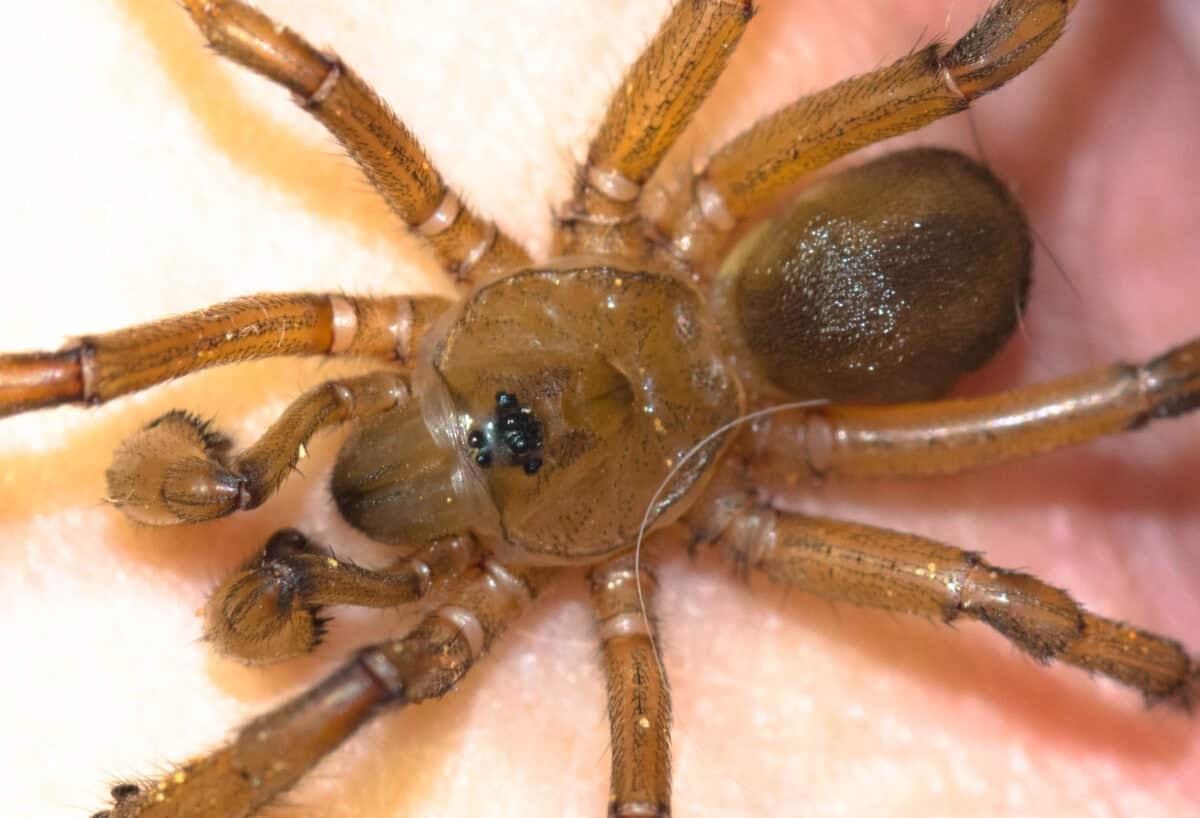
Trapdoor spiders are typically ground dwellers who prefer environments with loose, pliable soil for constructing their burrows. Their habitats often feature leaf litter or low vegetation that aids in concealing the trapdoor, providing an ideal cover for their ambush-based hunting strategy. This choice of habitat is crucial to their survival, offering protection from predators while optimizing their ability to hunt unsuspecting prey.
Constructing the Camouflaged Trapdoor

The most defining feature of a trapdoor spider’s burrow is its silk-hinged door. To create this, the spider spins a circular door out of silk, soil, and vegetation, meticulously molding and attaching it to the burrow entrance. The door’s design not only hides the spider from predators but also plays a pivotal role in its hunting strategy by allowing it to strike with surprise.
Mechanics of the Trapdoor
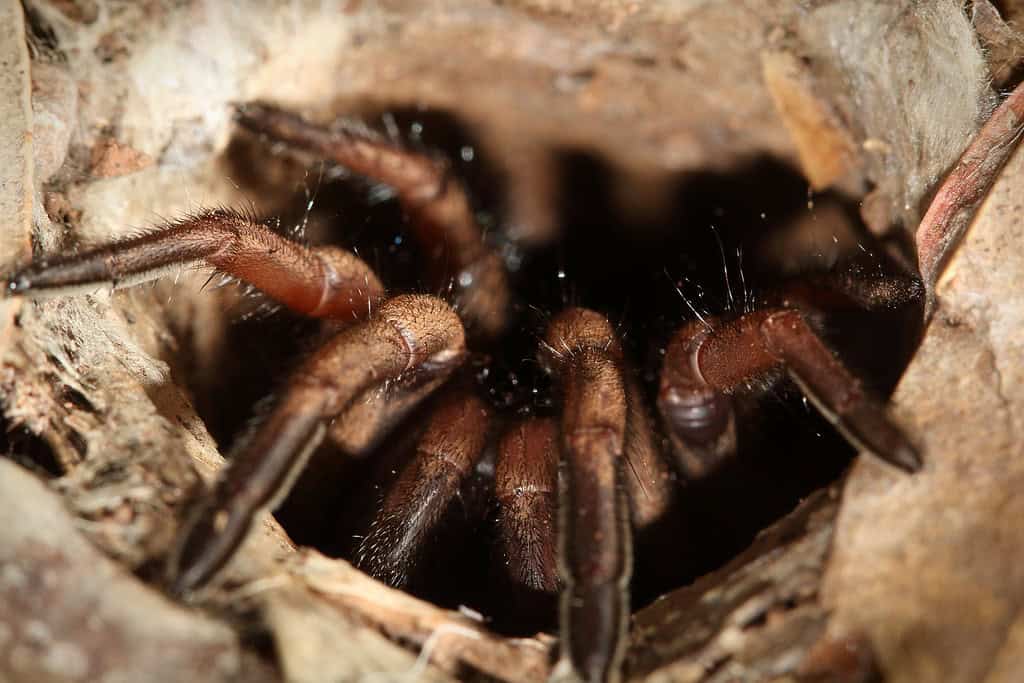
The trapdoor functions like a well-oiled hinge, allowing the spider to swiftly open and close it without alerting nearby prey. Trapdoor spiders have powerful leg muscles that can fling the door open in milliseconds, facilitating quick strikes at unwary insects or small creatures passing by. This rapid movement, combined with the element of surprise, greatly enhances their predatory efficiency.
Sensory Adaptations for Ambush
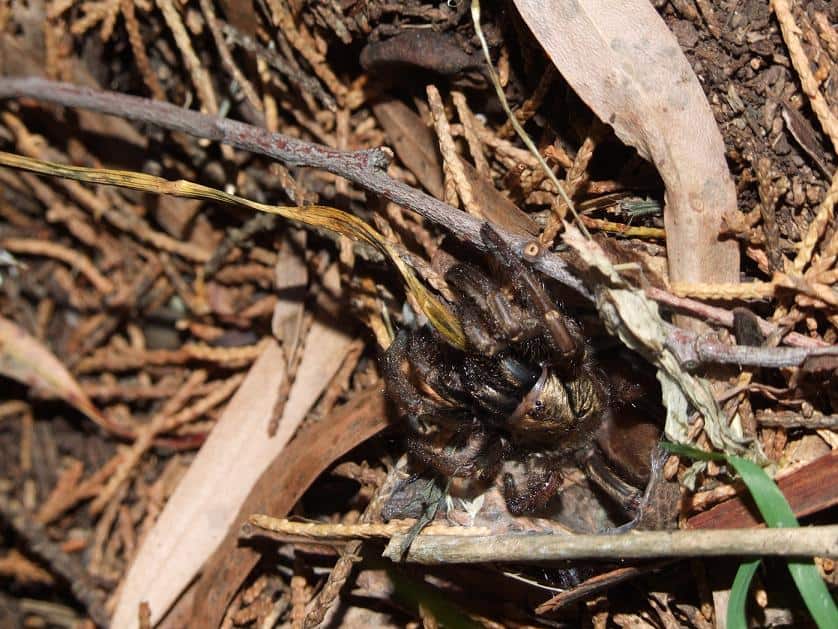
While the trapdoor spider lacks the acute vision of its wandering cousins, it compensates with an exceptional sensitivity to ground vibrations. The slightest tremor on the soil surface, caused by an approaching insect, can be detected by sensory hairs on its legs and body—alerting the spider to potential prey, even without visual cues.
Nutritional Benefits and Prey Selection

Trapdoor spiders primarily feed on a diet of insects and small invertebrates, benefiting from the abundant protein and nutrients necessary for growth and reproduction. Although they are generalist hunters, they exhibit preferences for ants, beetles, and occasionally small vertebrates, which provide optimal energy returns for the effort expended in hunting and capturing their prey.
Life Cycle and Reproduction
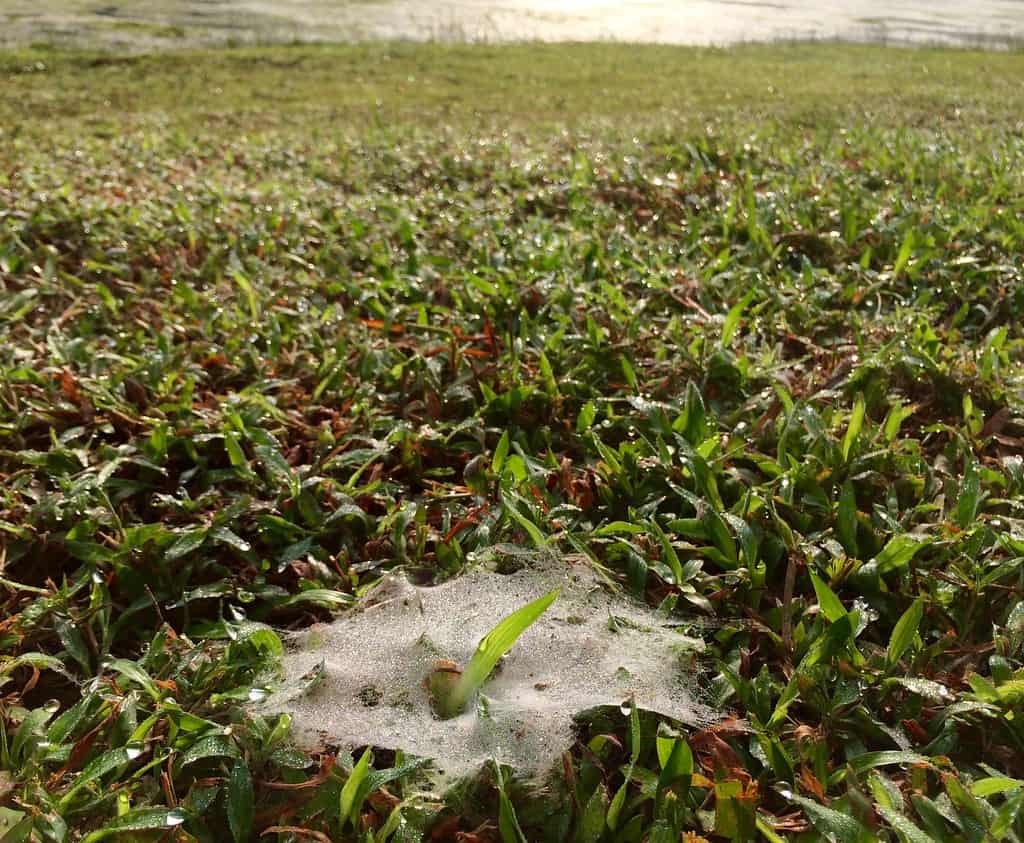
The life cycle of a trapdoor spider is marked by slow maturation and long lifespan compared to other spider species. Females are particularly long-lived, sometimes surviving up to 20 years in the wild. Reproduction occurs when males leave their burrows to seek mates, and after mating, females return to their burrows to lay eggs, which they fiercely guard until the young spiders are mature enough to venture out.
Deceptive Defense Mechanisms
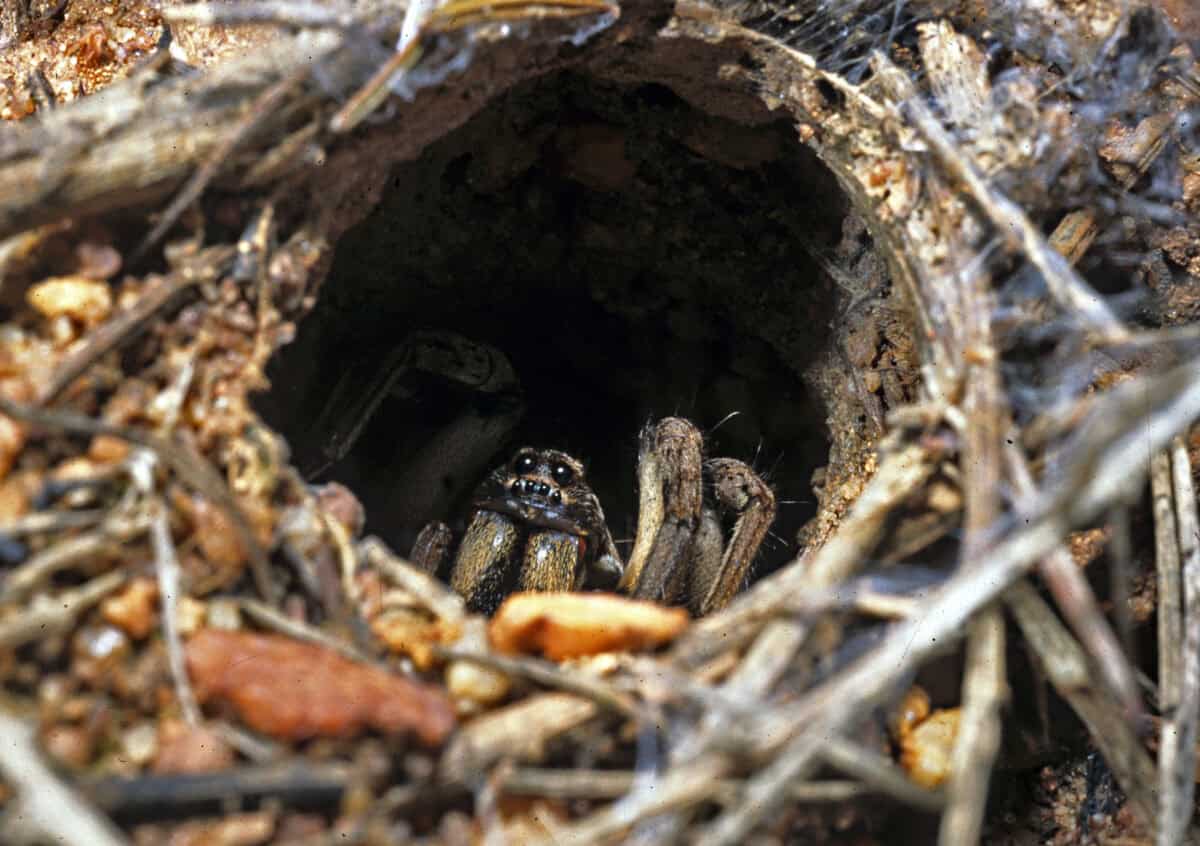
Besides their trapdoor concealment, these spiders have evolved additional defensive tactics, such as retreating deep within their burrows and sealing the door with silk when threatened by larger predators. This cryptic lifestyle minimizes risks associated with exposure, contributing significantly to their survival in the wild.
Challenges Faced by Trapdoor Spiders

As with many specialized species, trapdoor spiders face numerous threats, including habitat destruction, climate change, and predation by introduced species. Agricultural expansion and urban development pose significant risks by disrupting their natural habitats, which can lead to population declines.
Conservation Efforts

Conservationists are increasingly recognizing the importance of protecting trapdoor spiders and their habitats due to their ecological roles as pest controllers and soil aerators. Efforts are being made to better understand their ecological needs and to implement strategies that safeguard their populations through habitat preservation, legal protection, and community engagement programs.
The Fascinating World of Trapdoor Spiders

The trapdoor spider, with its ingenious hunting strategies and remarkable adaptations, exemplifies nature’s endless creativity. By understanding and appreciating these fascinating creatures, we gain insight into the complex webs of life that bind ecosystems together. Their continued survival not only enriches biodiversity but also highlights the intricate balance of natural processes that sustain life on Earth.
In conclusion, the trapdoor spider stands as testament to the wonders of evolution, showcasing survival mastery through their hidden, yet highly effective, hunting tactics. Their existence teaches us about the profound interconnectedness of nature and underscores the importance of preserving even the most elusive species that inhabit our world.

- The Most Powerful Earthquake Ever Felt in the U.S. - July 19, 2026
- How Rhinoceros Males Compete for Mating Rights in the Wild - July 18, 2026
- 13 Spider Species Thriving in Changing Environments - July 18, 2026