

The complex relationship between human cultures and wildlife conservation represents one of the most challenging yet promising frontiers in our global effort to protect biodiversity. Throughout history, cultural beliefs, practices, and knowledge systems have profoundly shaped how communities interact with their natural environments.
Today, as we face unprecedented rates of species extinction and habitat loss, understanding and leveraging these cultural connections has become essential for effective conservation strategies. This dynamic intersection – where traditional ecological knowledge meets modern scientific approaches, where ancestral practices either conflict with or complement conservation goals – offers both challenges and innovative pathways toward sustainable coexistence between humans and wildlife.
The Cultural Foundations of Human-Wildlife Relationships

Human relationships with wildlife have been culturally mediated since prehistoric times. From cave paintings depicting hunts to creation myths featuring animal deities, our cultural expressions reveal deep connections to the natural world. These connections aren’t merely symbolic; they reflect practical relationships that have evolved over millennia. In many indigenous cultures, animals are viewed not as resources to be managed, but as relatives, teachers, or spiritual entities deserving of respect.
The San people of southern Africa, for instance, maintained sustainable hunting practices for thousands of years through cultural taboos and ceremonies that limited overharvesting. Similarly, many Pacific Island cultures developed complex systems of resource management that preserved marine ecosystems through culturally enforced conservation practices known as “tapu” or “rahui.” Understanding these cultural foundations provides essential context for modern conservation efforts that seek to engage local communities as partners rather than obstacles.
Traditional Ecological Knowledge: An Undervalued Conservation Resource

Traditional ecological knowledge (TEK) represents generations of accumulated observations, practices, and beliefs about relationships between living beings and their environments. Long dismissed by Western science as unscientific or anecdotal, TEK is increasingly recognized as a valuable complement to conventional scientific approaches. Indigenous communities often possess detailed understanding of local species’ behavior, migration patterns, and ecological relationships that would take researchers decades to document. For example, Inuit hunters in the Arctic can detect subtle changes in sea ice conditions and animal behavior that provide early warnings of climate change impacts.
In Australia, Aboriginal fire management practices are now being incorporated into wildfire prevention programs after Western approaches proved inadequate. The Convention on Biological Diversity explicitly recognizes the importance of respecting and preserving TEK, acknowledging that biodiversity conservation depends on integrating this knowledge with scientific approaches. However, challenges remain in translating this recognition into meaningful collaboration that respects indigenous intellectual property rights while advancing conservation goals.
When Cultural Practices Threaten Wildlife

Cultural practices can sometimes directly threaten endangered species, creating difficult ethical and practical dilemmas for conservationists. Traditional medicine systems in East Asia, for instance, drive demand for rhinoceros horn, tiger bones, and bear bile, contributing to poaching pressures on these critically endangered species. Similarly, cultural preferences for bushmeat in parts of Africa and traditional harvesting of sea turtle eggs in many coastal communities worldwide have pushed some species toward extinction. Addressing these challenges requires nuanced approaches that respect cultural identity while promoting change.
Success stories exist: in Tibet, conservation organizations worked with Buddhist leaders to discourage the use of tiger parts in traditional medicine by emphasizing Buddhist principles of compassion. In Malaysia, conservation programs engage Muslim religious authorities to highlight Islamic teachings on environmental stewardship. These culturally sensitive initiatives demonstrate that change is possible without cultural imperialism, but requires patience, respect, and adaptation of conservation messaging to local cultural contexts.
Conservation Through Ceremonial Protection

In many societies worldwide, cultural and religious beliefs have provided protection for certain species and habitats that might otherwise face exploitation. Sacred groves in India represent some of the last intact forest fragments in densely populated regions, preserved through religious prohibitions against harming trees or wildlife within these areas. Research indicates these sacred sites often harbor higher biodiversity than surrounding unprotected areas. In Ethiopia, Christian Orthodox churches maintain forest fragments as sacred spaces around their buildings, creating a network of biodiversity islands in an otherwise deforested landscape.
The Maasai of East Africa traditionally avoid killing lions except in specific ceremonial contexts or self-defense, helping maintain predator populations. These cultural protection mechanisms represent powerful conservation tools that function through existing belief systems rather than external regulation. Conservation organizations increasingly recognize the value of reinforcing and supporting these traditions rather than imposing Western conservation models. The challenge lies in helping these cultural practices adapt to modern pressures while maintaining their essential conservation function.
Cultural Values in Wildlife Management Conflicts

Wildlife management conflicts often reflect deeper cultural differences in how humans value and relate to nature. Debates about predator control, hunting regulations, and resource access frequently pit different cultural worldviews against each other. In the American West, wolf reintroduction programs sparked cultural conflicts between conservationists valuing ecological restoration and ranchers with cultural traditions emphasizing livestock protection and control over predators. In Scandinavia, indigenous Sámi reindeer herders clash with environmental authorities over predator management, arguing that their cultural survival depends on protecting reindeer from wolves and wolverines.
These conflicts aren’t merely about economic interests but involve deeply held values about human-nature relationships. Successful resolution requires recognizing the legitimacy of diverse cultural perspectives and finding compromises that respect multiple values. Collaborative approaches that involve affected cultural groups in decision-making processes about wildlife management show promise in addressing these deeply rooted conflicts. Rather than imposing universal approaches, effective conservation increasingly tailors strategies to specific cultural contexts.
Cultural Tourism: Double-Edged Sword for Conservation
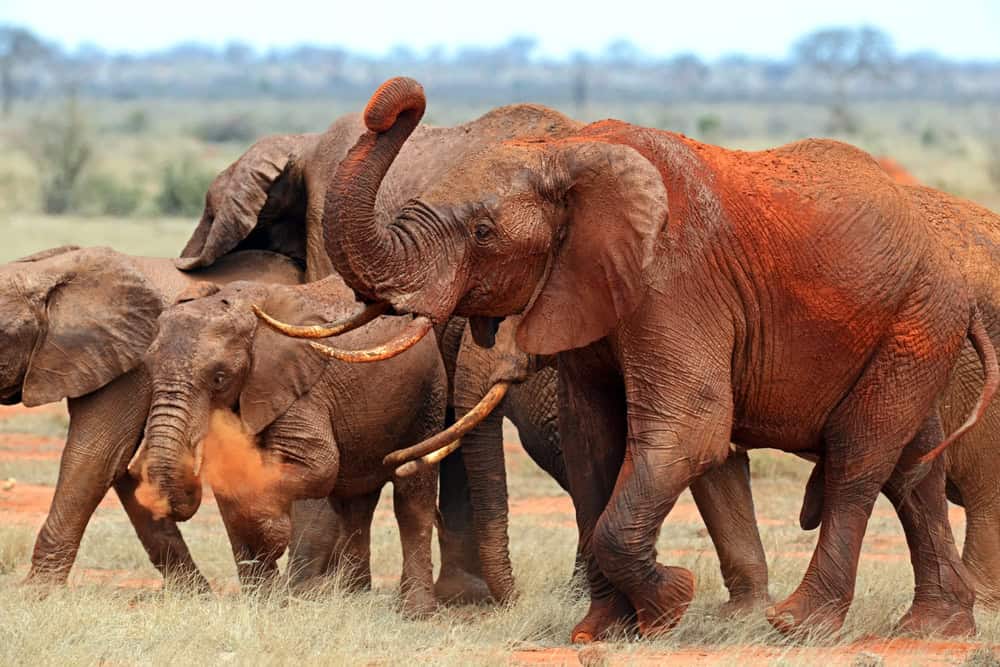
Cultural tourism represents a powerful economic incentive for wildlife conservation but presents complex challenges. When local communities can generate sustainable income by showcasing their cultural traditions alongside wildlife viewing, they gain powerful economic incentives to protect natural resources. In countries like Kenya and Namibia, community-based tourism enterprises allow indigenous communities to benefit economically from wildlife conservation while sharing cultural practices with visitors. However, cultural tourism can also lead to commodification and distortion of traditions, creating simplified performances of culture for tourist consumption.
Additionally, cultural tourism operations sometimes exclude local community members from traditional territories or resources. The most successful models ensure indigenous communities maintain ownership and control over tourism operations while receiving fair economic benefits. Organizations like the World Indigenous Tourism Alliance promote standards for responsible cultural tourism that respects local sovereignty while supporting both cultural and ecological conservation.
Indigenous Land Rights and Conservation Effectiveness

Research increasingly demonstrates that indigenous-managed territories often outperform conventional protected areas in conserving biodiversity. A 2021 study published in Nature Sustainability analyzed data from 12,000 indigenous territories across 38 countries, finding lower deforestation rates and higher biodiversity levels compared to similar non-indigenous lands. This effectiveness stems from cultural practices that encourage sustainable resource use and profound multigenerational knowledge of local ecosystems. However, indigenous communities frequently struggle to defend their territorial rights against extractive industries, agricultural expansion, and even conservation initiatives that exclude traditional users.
Organizations like the International Union for Conservation of Nature (IUCN) now recognize indigenous land rights as critical for both human rights and conservation outcomes. The “conserved by Indigenous Peoples and local communities” (ICCAs) designation officially acknowledges territories where indigenous governance contributes to conservation. Securing legal recognition for indigenous land rights has become a conservation priority, with growing evidence that supporting indigenous territorial claims represents one of the most effective strategies for protecting biodiversity.
Cultural Revival as Conservation Strategy

In many regions, cultural revitalization movements directly contribute to wildlife conservation through the restoration of traditional stewardship practices. After generations of suppression through colonization, many indigenous communities are reclaiming and adapting traditional ecological practices with positive conservation outcomes. In Hawaii, the revival of traditional fishpond aquaculture systems (loko i’a) not only preserves cultural heritage but restores coastal ecosystems while producing sustainable protein sources.
In North America, tribal bison restoration programs reintroduce culturally significant species while restoring grassland ecology. The cultural significance of these efforts extends beyond ecological benefits, helping heal historical trauma by reconnecting communities with ancestral practices.
Conservation organizations increasingly support cultural revival programs, recognizing that cultural and biological diversity are interlinked and mutually reinforcing. This approach represents a shift from viewing culture as an obstacle to conservation toward seeing cultural revitalization as a powerful lever for environmental restoration. Programs that support language preservation alongside wildlife conservation acknowledge that indigenous languages contain irreplaceable ecological knowledge that disappears when languages are lost.
Bridging Scientific and Cultural Knowledge Systems

Creating effective bridges between scientific and traditional knowledge systems remains both essential and challenging for conservation. These knowledge systems operate with different methodologies, timeframes, and ways of validating information. Scientific approaches prioritize quantitative data, replicability, and hypothesis testing, while traditional knowledge often emphasizes relational understanding, long-term observation, and knowledge transmitted through oral tradition. Successful integration requires mutual respect and recognition that each system offers valuable insights unattainable through the other alone.
The concept of “two-eyed seeing,” developed by Mi’kmaw Elder Albert Marshall, advocates using both indigenous and Western scientific perspectives together for more complete understanding. Practical examples include Arctic climate monitoring programs where Inuit hunters and scientists collaborate to track environmental changes, and fire management initiatives in Australia that combine Aboriginal burning practices with modern firefighting technologies. These collaborative approaches require institutional changes in how conservation research is conducted, shifting from research on communities to research with communities, and ensuring indigenous partners maintain control over how their knowledge is used and shared.
The Evolution of Community-Based Conservation

Community-based conservation represents a significant shift from fortress conservation models that excluded local people from protected areas. Recognizing that conservation cannot succeed against local opposition, community-based approaches integrate conservation goals with community development and cultural preservation. The CAMPFIRE program in Zimbabwe pioneered this approach in the 1980s, giving communities management authority and economic benefits from wildlife on communal lands. While implementation results have varied widely, successful programs share common elements: genuine devolution of authority to local institutions, equitable benefit distribution, and respect for local cultural frameworks.
The Namibian conservancy system exemplifies these principles, with local communities managing over 20% of the country’s land for both wildlife conservation and sustainable use. Since its inception, this program has contributed to remarkable recoveries of elephant, lion, and other wildlife populations while generating significant income for historically marginalized communities. However, community-based conservation isn’t a universal solution; it requires context-specific design that reflects local cultural institutions, values, and governance systems.
Biocultural Conservation: A Holistic Approach

Biocultural conservation represents an emerging paradigm that explicitly recognizes the inseparability of biological and cultural diversity. Rather than treating culture as a separate consideration in conservation planning, this approach acknowledges that landscapes have been shaped by human-nature interactions over millennia and that cultural and biological diversity often coincide geographically. Biocultural conservation seeks to preserve not just species and habitats but the relationships between people and ecosystems that have co-evolved over generations.
For example, the Cultural Sanctuary Network in Peru protects areas based on their combined biological and cultural significance, encompassing archaeological sites, indigenous languages, ecological knowledge, and biodiversity. Similarly, UNESCO’s biocultural heritage sites recognize places where traditional management systems sustain unique ecosystems. The biocultural approach emphasizes that sustaining biodiversity requires maintaining the cultural practices and knowledge that have shaped environments. This perspective has profound implications for conservation practice, suggesting that maintaining cultural diversity may be as important for biodiversity conservation as establishing protected areas.
Future Directions: Decolonizing Conservation

The conservation movement increasingly confronts its colonial legacy as practitioners recognize how Western conservation models have sometimes perpetuated injustice through displacement of indigenous peoples and dismissal of traditional knowledge. Decolonizing conservation involves recognizing these historical wrongs while creating new approaches that center indigenous leadership and diverse cultural perspectives. This shift isn’t merely about social justice but about effectiveness—conservation succeeds when it works with, rather than against, local cultural values and knowledge systems.
Practical steps toward decolonization include transferring protected area management to indigenous authorities, ensuring equitable benefit-sharing from conservation, respecting free, prior, and informed consent principles, and diversifying leadership within conservation organizations. The Indigenous Guardians programs in Canada exemplify this approach, employing indigenous community members to monitor ecosystems using both traditional and scientific methods. Similarly, the Indigenous and Community Conserved Areas Consortium supports indigenous-led conservation initiatives worldwide. These efforts signal a fundamental transformation in conservation philosophy from imposing external models toward supporting diverse cultural approaches to environmental stewardship.
Conclusion: Toward Cultural Humility in Conservation

The intersection of culture and wildlife conservation reveals that protecting biodiversity requires more than scientific knowledge or policy interventions—it demands understanding human values, beliefs, and practices that shape our relationships with nature. Successful conservation increasingly embodies cultural humility, recognizing that no single approach or knowledge system holds all the answers to our environmental challenges.
By respecting diverse cultural perspectives, integrating traditional and scientific knowledge, supporting indigenous land rights, and addressing cultural drivers of wildlife exploitation, conservation can become both more just and more effective. The path forward lies not in choosing between cultural sensitivity and conservation urgency, but in recognizing their fundamental interdependence.
As we face unprecedented environmental challenges, the rich diversity of human cultural approaches to living with nature offers not obstacles but essential wisdom for creating a future where both cultural and biological diversity can flourish. Through genuine partnerships across cultural boundaries, conservation can evolve from a Western scientific enterprise into a truly global movement reflecting humanity’s diverse relationships with the natural world.

- The Perfect Pet for Each Zodiac Sign - July 7, 2026
- The Wild Animal That Embodies Your Zodiac Sign’s Spirit - July 6, 2026
- 7 Steps to Planting Admirably Beautiful Bluebonnets - July 6, 2026