
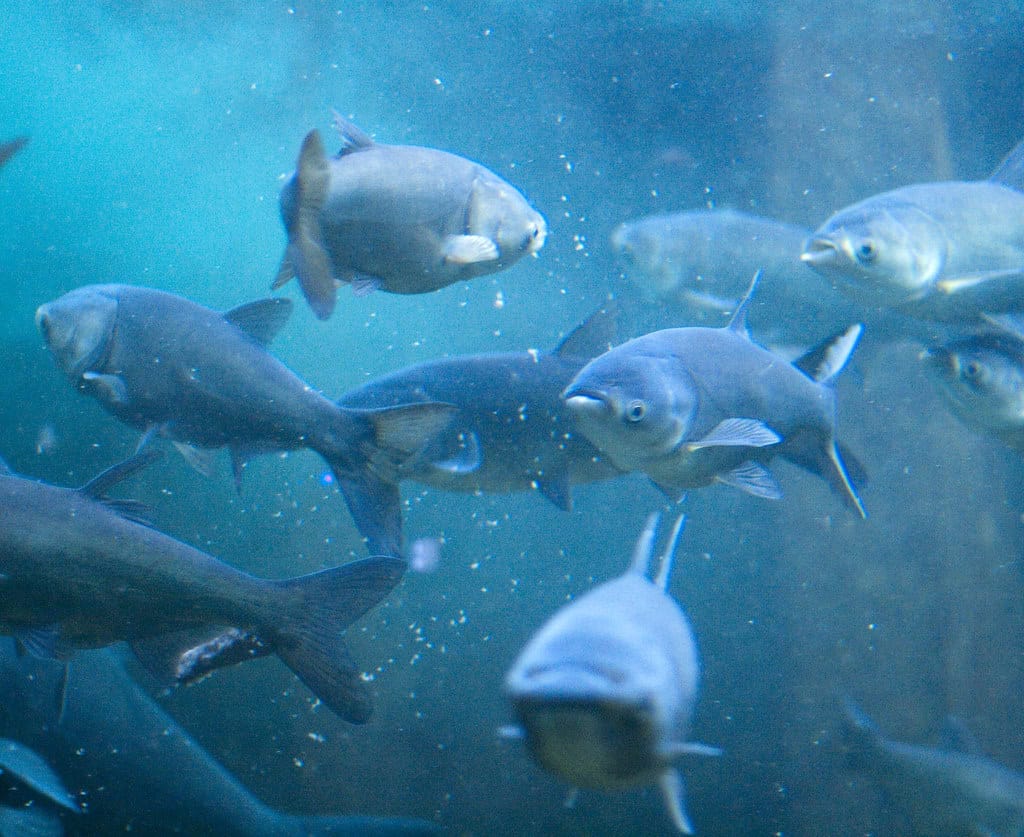
The Asian carp, a group of fish species originating from Asia, have become a significant ecological concern in the United States. Introduced in the 1970s to help manage algae growth in southern ponds, these fish have since escaped into the wild and rapidly expanded throughout America’s waterways. The most problematic species are the bighead carp, silver carp, grass carp, and black carp. Their presence in North American ecosystems has disrupted local aquatic food chains, posing severe threats to native fish species and their habitats.
Impact on Native Species

🔥 Would you like to save this?
We'll email this post to you, so you can come back to it later!
Asian carp compete aggressively with native fish species for food resources. As filter feeders, bighead and silver carp consume massive amounts of plankton—the foundational component of aquatic food chains. Plankton is critically important as it supports the growth of small fish and crustaceans, which, in turn, provide nourishment for larger fish, birds, and other wildlife. By depleting these resources, Asian carp can outcompete and even decimate populations of native fish, such as paddlefish, buffalo fish, and the prized sportfish, bigmouth buffalo, and crappie.
Economic and Commercial Consequences

🔥 Would you like to save this?
We'll email this post to you, so you can come back to it later!
The presence of Asian carp has profound economic implications, particularly for commercial and recreational fishing industries. With native fish populations in decline, the livelihoods of those who depend on fishing are at risk. Moreover, reductions in native species can lead to decreased opportunities for recreational fishing, impacting tourism and local economies reliant on this activity. The expense of managing Asian carp populations and mitigating their effects continues to strain state and federal resources.
Ecological Domino Effect
🔥 Would you like to save this?
We'll email this post to you, so you can come back to it later!
The impact of Asian carp extends beyond direct competition with fish species. Their consumption of plankton can spark a cascade of changes within the ecosystem. As primary consumers of aquatic plants and algae, these fish can alter water quality, leading to increased water turbidity. This environmental shift can result in decreased plant growth and subsequently reduce habitat availability for fish and invertebrates that rely on aquatic vegetation. Consequently, other wildlife, including birds and mammals that depend on these species for food, can also suffer.
Efforts to Control and Mitigate

🔥 Would you like to save this?
We'll email this post to you, so you can come back to it later!
Combating the spread of Asian carp requires a multifaceted approach. Strategies include the construction of physical barriers such as electric fish barriers in key waterways, intensive fishing operations to reduce carp populations, and the development of innovative technologies like bioacoustics fish fences. Public awareness campaigns and interagency collaborations work to prevent further spread and encourage the reporting of Asian carp sightings.
Future Prospects and Long-term Solutions

🔥 Would you like to save this?
We'll email this post to you, so you can come back to it later!
Finding a long-term solution to the Asian carp invasion necessitates ongoing research and adaptive management strategies. Scientists and policymakers are exploring genetic and biological control methods, such as introducing sterilized carp to diminish reproductive rates. In addition, ecosystem restoration efforts aim to bolster resilience against invasive species by enhancing water quality and habitat conditions for native species.
While significant challenges remain, addressing the Asian carp issue through informed science-driven policies, habitat restoration, and public involvement offers hope for reestablishing balance in the aquatic ecosystems affected by this invasive species.

- Marine Biology Says When Dolphins Suddenly Go Silent in Open Water It's Not Rest – They've Detected a Predator You Cannot See and Their Survival Strategy Reveals How They Read Danger - November 5, 2026
- Why Veterinarians Say If Your Cat Sleeps With Their Back to You, It's the Highest Form of Trust in Feline Behavior - November 5, 2026
- 10 Common Garden Pests That Are Actually Beneficial To Your Backyard Ecosystem - November 5, 2026